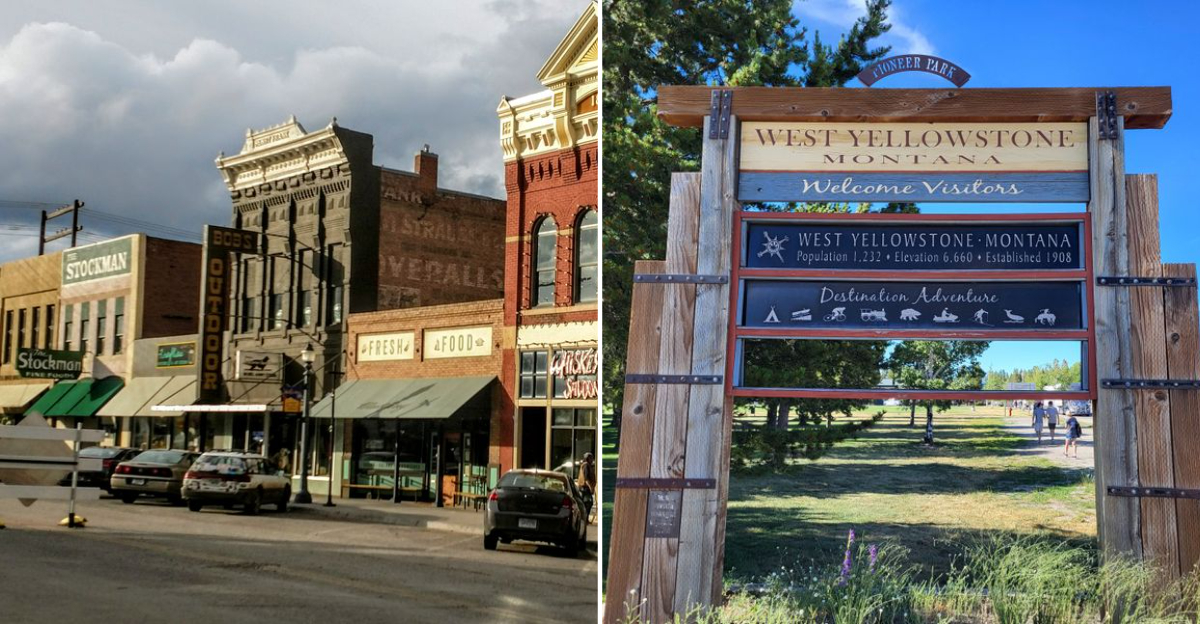
What happens when a quiet Montana neighborhood suddenly becomes the next big travel destination? That’s the reality for communities across Big Sky country.
These places were once defined by local traditions, small businesses, and a slower pace of life. But as more travelers discovered the scenery and lifestyle, the shift toward high-end retreats began.
Instead of familiar streets and everyday routines, residents now see luxury cabins, resort-style rentals, and crowds chasing the “Montana experience.”
Prices have climbed, traffic feels heavier, and the sense of community is harder to hold onto. What used to be a way of life for locals is now packaged as a getaway for visitors.
I’ve talked to people who say their hometown feels more like a resort brochure than a neighborhood.
Are these communities adapting to survive, or are they being reshaped into something unrecognizable? Curious to find out how far this transformation will go?
1. Whitefish Downtown
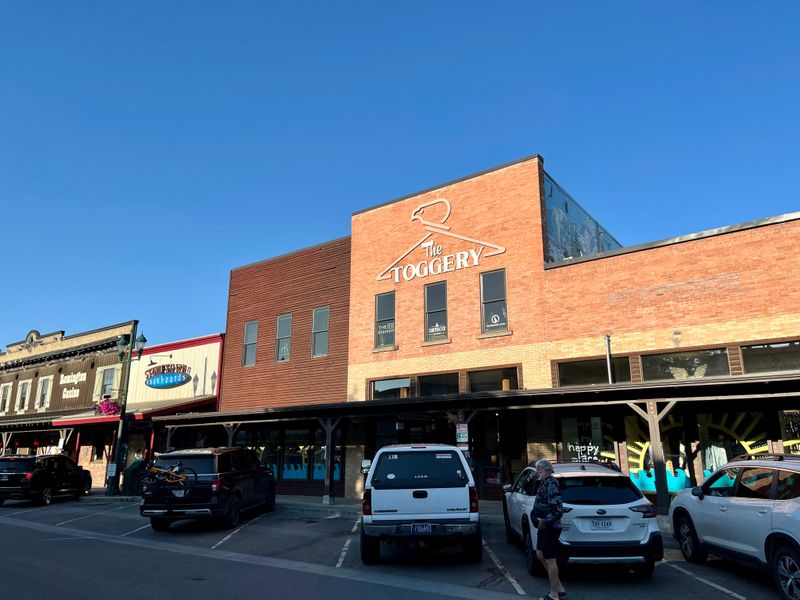
You know that feeling when a place is almost too easy to love?
That is Whitefish’s downtown now, all neat brick facades and that steady rhythm of footsteps heading for trailheads and the mountain.
The sidewalks feel like a launchpad, and the whole grid nudges you toward Glacier mornings and ski filled weekends.
As the popularity grew, so did the practical stuff. Parking turned into a strategy, and short term rentals quietly shifted who you meet on the block.
Summers move like a rolling festival, with music drifting from windows and the lake drawing a constant slow parade.
Winter does the same thing in a different coat. The pace presses around lift openings, waxed skis leaning in racks, and headlights sliding home after the last chair.
Locals still catch their pockets of calm, but they read the calendar the way a river guide reads a bend.
I like how the mountain town charm still shows up. You see neighbors greet each other, even if it happens between visitor questions and maps opened on the sidewalk.
If you go, try early walks and late dusks, when the storefronts glow and the streets yawn just a little.
That is when the old tempo peeks through. It is not quiet the way it used to be, and maybe it will not be again.
But the bones are strong, and the town keeps its friendly face even while it moves faster than before.
2. Big Sky Town Center
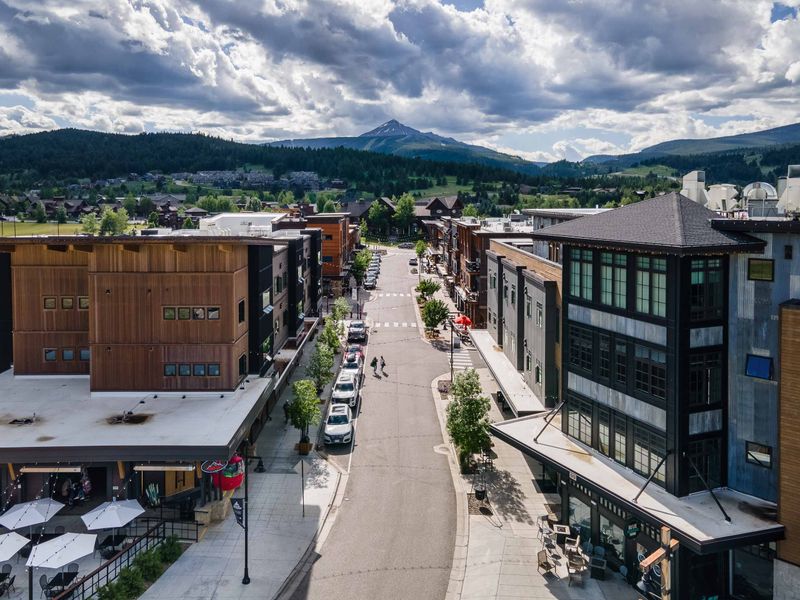
Here is where the quiet ski base grew up. Big Sky Town Center feels polished now, with timber beams, tidy sidewalks, and that big alpine wall of mountains looking over everything.
You can sense the year round engine running, even on a slow Tuesday.
Resort growth pulled the center into constant motion. Events stack across the seasons, and you start to time errands around them the way locals time powder mornings.
Traffic on that valley highway creeps enough to make small choices matter.
Housing tightened as popularity climbed. Conversations drift toward roommates, leases, and who found a place above a garage.
The businesses hum for visitors, yet the backbone is the folks who work early and finish late.
The scenery is outrageous, yes. But the town listens to visitor demand, and you hear it in the open hours, shuttle runs, and the way plazas fill.
If you want breathing room, slip out at sunrise when the peaks blush and the paths belong to footsteps and birds.
I like the evening window too. Lights warm up the timber, and the mountains go purple behind the roofs.
That is when the center feels balanced, half retreat and half backstage of a big show running all year.
3. Bozeman Downtown
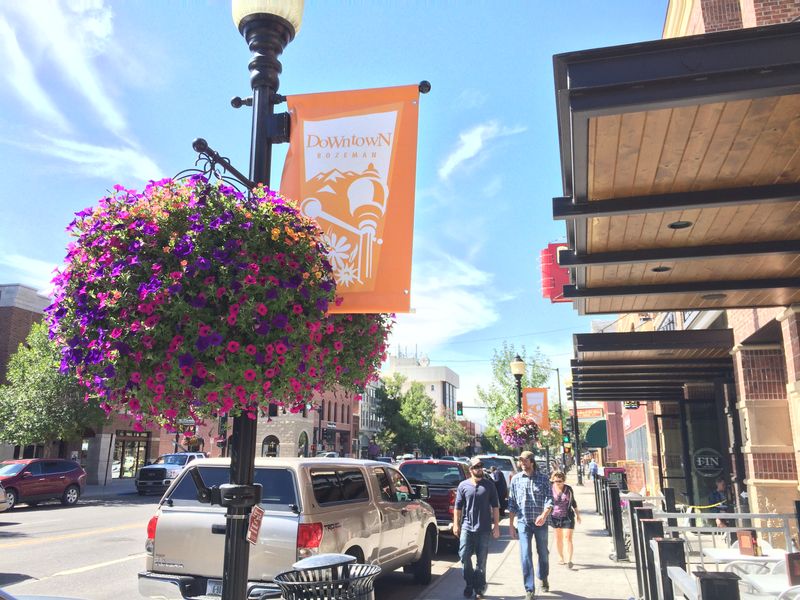
Bozeman’s downtown does not ease you in. It pops right away, with brick blocks, bikes leaning on racks, and that steady stream of people headed toward trails or gear shops.
Gateway energy pours through from Yellowstone and Big Sky, so folks linger and plan tomorrow’s route right on the curb.
The old college town calm has a new tempo. Pricing, development, and crowds set a beat that does not really pause.
You can still spot quiet corners, but they keep getting claimed faster than you expect.
I like to walk early, when the morning air smells like dust and sage and the storefronts are just waking.
Later, it turns lively, sometimes a little too lively, and the crosswalk wait becomes part of the day. The main drags glow at night, and that glow pulls people like a magnet.
Locals navigate it with small tricks. Side streets, shoulder hours, shoes by the door for a quick dash out of town.
I think it remains vibrant and beautiful, even if slow moments feel rare.
If you are passing through, give yourself time on both ends of the day. Sunup for space, sundown for spark.
That mix shows you why Bozeman holds tight to its outdoors heart while the downtown hum keeps climbing.
4. Livingston Historic District
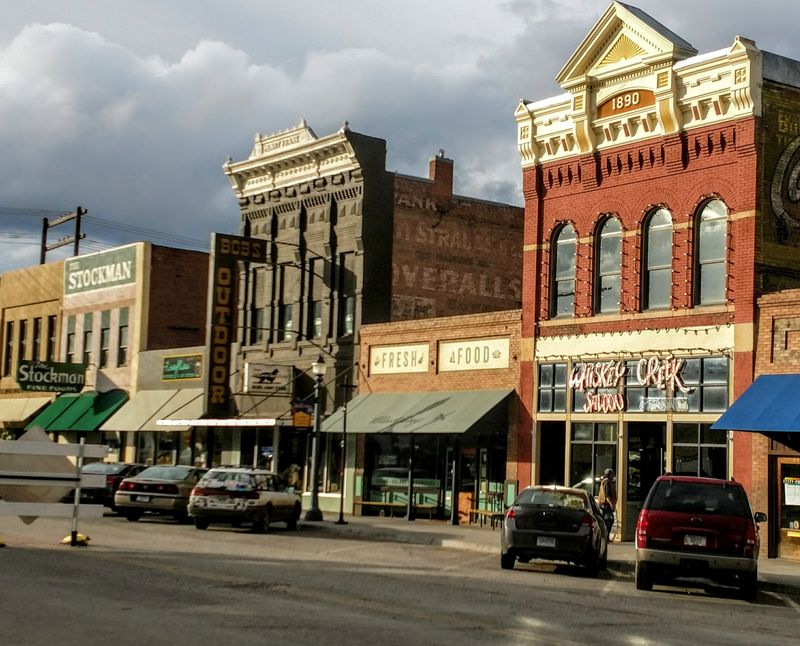
Roll into Livingston and the rail town bones show themselves. Long brick fronts, old signs, and a river mood that keeps everything loose around the edges.
Anglers and artists drift through in equal measure, and the downtown buzz has a friendly hum.
Tourism and second homes added fuel to that hum. Parking gets tight, and housing feels like a puzzle you solve with patience.
Seasonal crowding shuffles the deck, so some weeks you plan around it and others you enjoy the open lanes.
You can feel the station era beneath modern windows, like layers you can almost touch. The river keeps time and narrows the quiet to small windows that still feel special.
Take a slow lap in the late afternoon. The mountains lean over the rooftops, and the sidewalks soften.
It is a town that likes to talk, so give it a minute and it will tell you stories.
Even with the changes, the district wears its past with a comfortable shrug. You will find chatter about where everyone came from and who is staying.
It is Montana through a river lens, still itself, just busier and brighter at the edges.
5. West Yellowstone Town Center
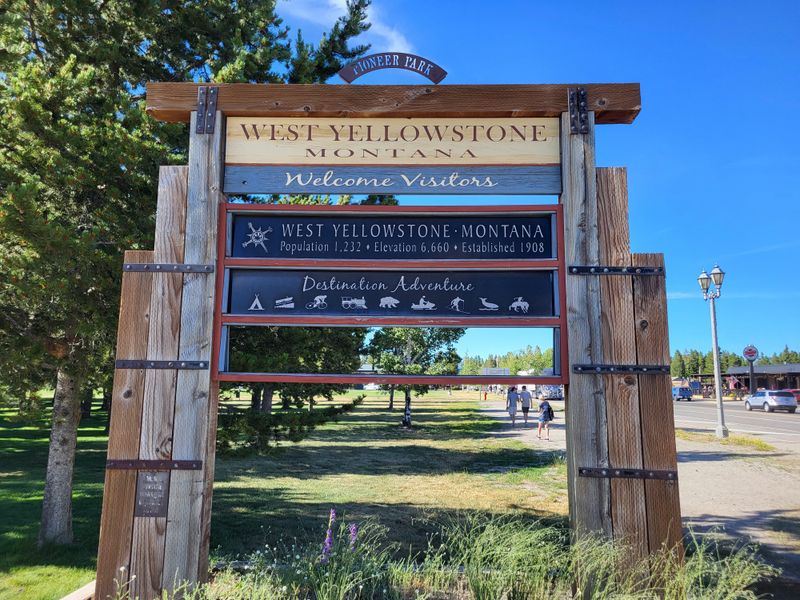
West Yellowstone feels like the springboard everyone shares. The park sits right there, so the center builds its day around entrance rhythms and wildlife buzz.
You can watch lines grow and shrink like tides.
Summer compresses the grid. Traffic slows, crosswalks stack, and conversations turn to plans, maps, and which road is open.
Locals bend routines around the rush, catching errands in the gaps between tour schedules.
It thrives on peak season intensity. That can be tiring, but there is also a clear purpose to it, like a backstage crew running a show.
When the evening cools, the town exhales and the sidewalks breathe again.
I walk the side streets when it is busy. You get the sense of a hardworking place that knows its role and leans into it.
The buildings are plain and practical, and that practicality keeps the whole machine moving.
If you want calm, aim for first light. Streetlights snap off one by one, and the sky turns pale over the rooftops.
For a moment, it is just you, the pavement, and a quiet town getting set for another full day near the heart of Montana.
6. Gardiner Main Street
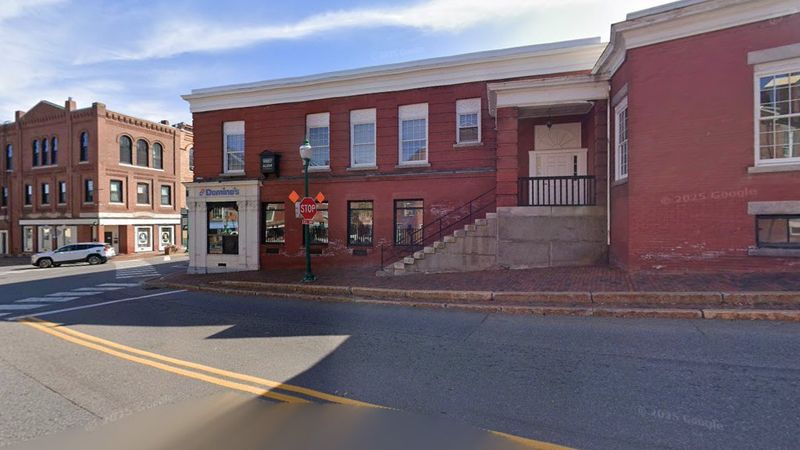
Gardiner has a straight to the point vibe. The main street is the trough everyone passes through on the way to Yellowstone’s north gate.
That makes it practical, busy, and oddly steady even when everything else feels wild.
Volume spikes with wildlife seasons and warm months. Services tilt toward visitors, which nudges everyday uses into the margins.
Locals learn the off hours and share them like traded secrets.
Walk it and you see a place shaped by its purpose. Outfitter signs, shuttles, and that familiar hum of tires rolling toward the river canyon.
It is not trying to be fancy, which I like.
The gateway role defines it now. But there are small touches that keep it neighborly, like a drift of conversation from a bench or a wave from someone closing up shop.
The mountains lift at the edge of town and frame every errand.
If you are passing through, be kind to the rhythm. Step aside for the rush, then take your moment when it eases.
That is how you catch the local heartbeat while the visitor flow keeps moving through the state.
7. Red Lodge Downtown
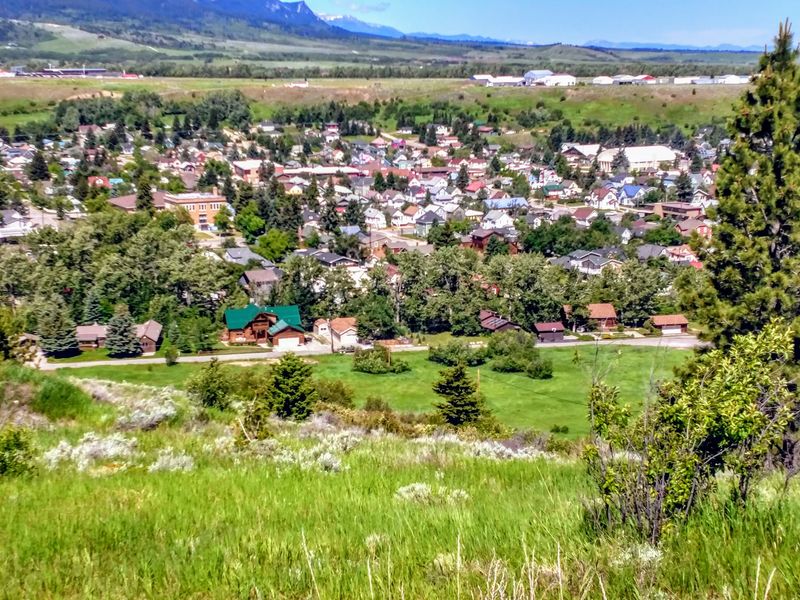
Red Lodge greets you with grit and grin. The historic core wears its brick well, and the mountains lean close like friends who know your secrets.
People stop for the Beartooth drive and end up staying longer than planned.
That fame brings festival weekends and a certain squeeze. The downtown is compact, so strain shows fast in parking and noise.
Quiet hours exist, but you have to meet them early or late.
Still, the charm sticks. Window light warms the block, and the old signs give the whole street a steady backbone.
It is a place that understands the pull of a road that climbs right into the sky.
It is rarely hidden anymore, and that is okay. The spirit feels intact, open handed and slightly scrappy.
If you show up with patience, Red Lodge shows you the Montana that still knows how to smile through the rush.
8. Columbia Falls Town Center
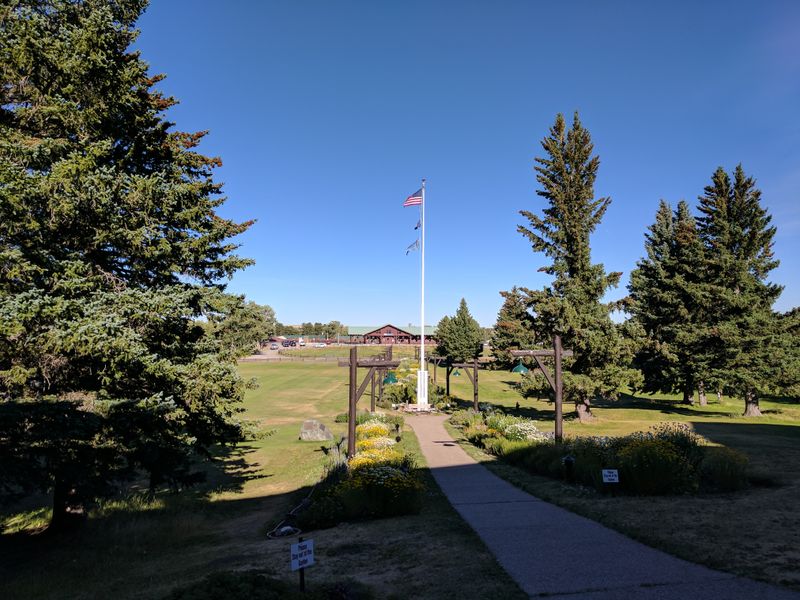
Columbia Falls feels practical in the best way. It is a base that works for Glacier bound days, with straightforward blocks and a get it done attitude.
Lodging growth and passing through traffic reshaped the center. Peak season congestion becomes routine, so locals pivot to side routes and odd hours.
The streets still feel neighborly if you catch the right moment.
What stands out is the way the mountains peek from the side streets. They remind you why everyone is here.
Even on busy days, that view cuts through the noise.
I make quick stops and then slow down on purpose. A bench, a breeze, and a minute to plan tomorrow’s trail.
The town does its job and lets the park be the star.
It is busier than its size suggests, sure. But it holds a grounded mood, steady and unpretentious.
If you keep expectations simple, Columbia Falls gives you exactly what you need in this state.
9. Kalispell Downtown
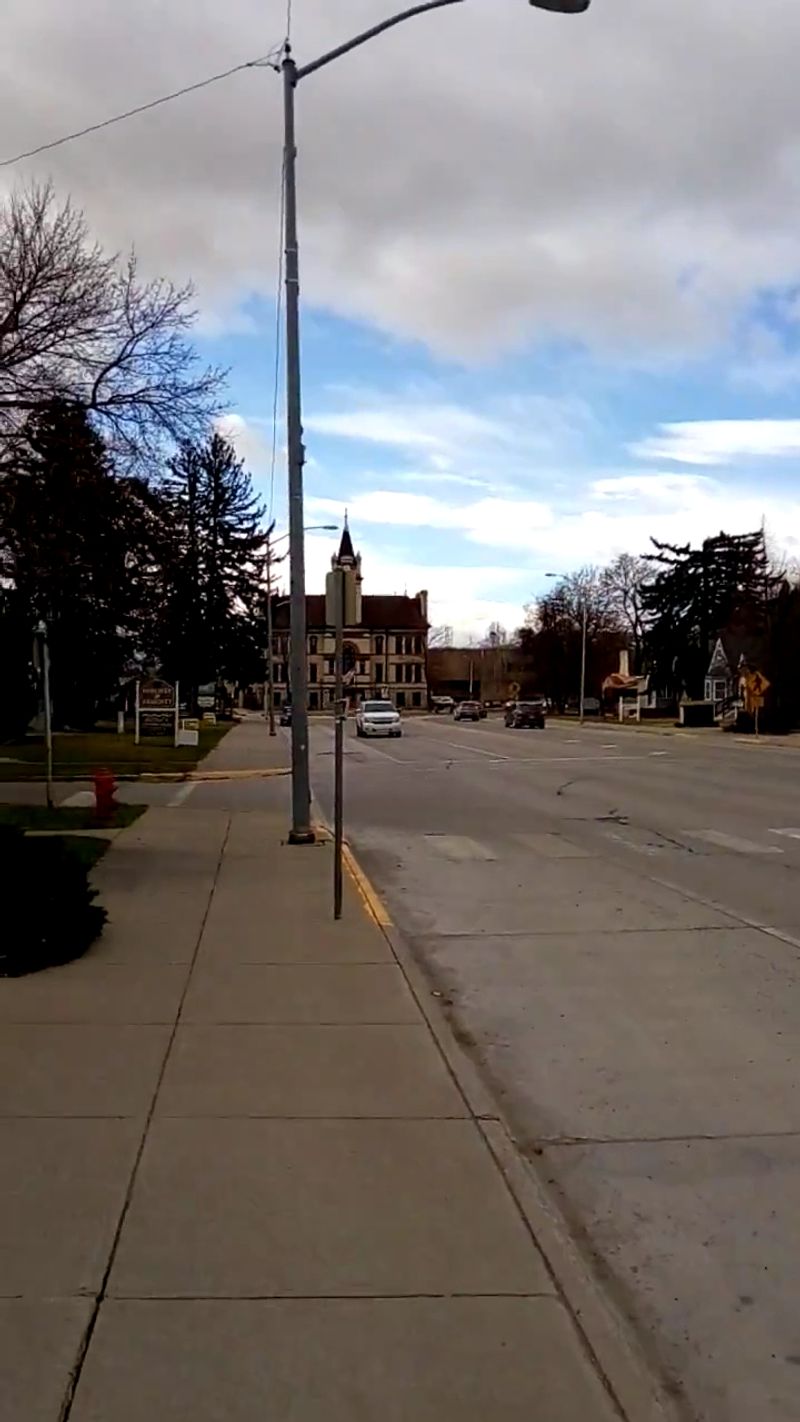
Kalispell’s downtown feels like a backbone for the valley. Wide streets, historic fronts, and a steady flow that links lakes, mountains, and errands.
Tourism rose with the region, and the core adapted.
Shops leaned toward visitors, which changed the texture a bit. Traffic and housing pressures joined the chorus, and locals swapped tips on when to cross town.
The pace is quicker now, but not frantic.
I like the way the evening light settles on the brick. It looks dignified, like a town that has done real work.
You can stroll without a plan and still feel oriented.
The hub role remains. People meet, pause, and move on to trailheads or water.
The sidewalks feel like a handshake between everyday life and vacation.
Give it time and it shows you its calm, not quiet exactly, just grounded. That steadiness is what makes Kalispell feel like the anchor of this corner of Montana.
10. Ennis Town Center
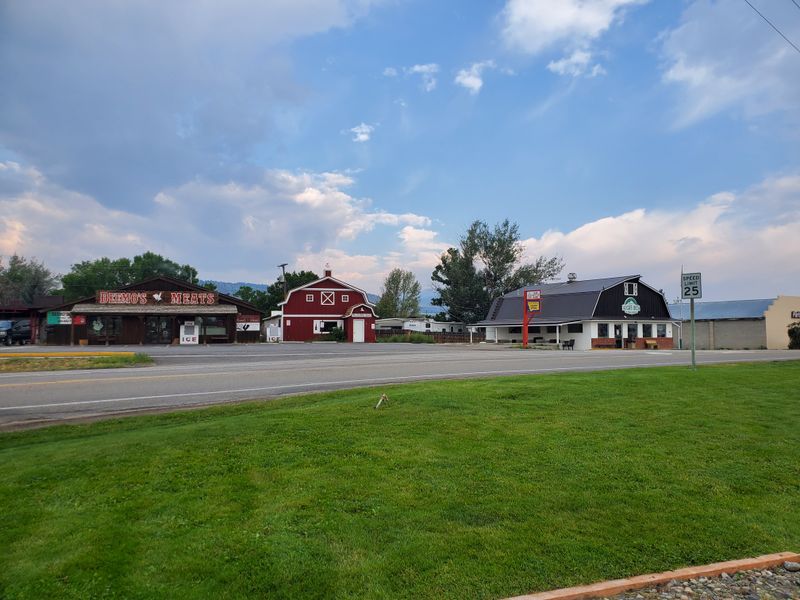
Ennis carries a calm that sneaks up on you. The small center has wooden fronts and a laid back pace that nods toward the river.
Fly fishing makes the map here, and you can feel it even from the sidewalk.
Angling seasons bring waves that roll through town. Crowding concentrates near access points, so people shift the day to avoid the crunch.
It is a manageable dance if you keep your plans flexible.
I like how the mountains hold the horizon like a promise. The sky seems bigger here, which helps when the main drag fills.
Locals know the timing and read water like a calendar. Visitors learn quickly and settle into the same cadence.
The result is a town that moves with the river even when everyone is on land.
The heart stays simple: friendly nods, gear on porches, and a pace that rewards patience. Ennis keeps its identity while welcoming the flow that keeps this slice of Montana humming.
11. Seeley Lake Village
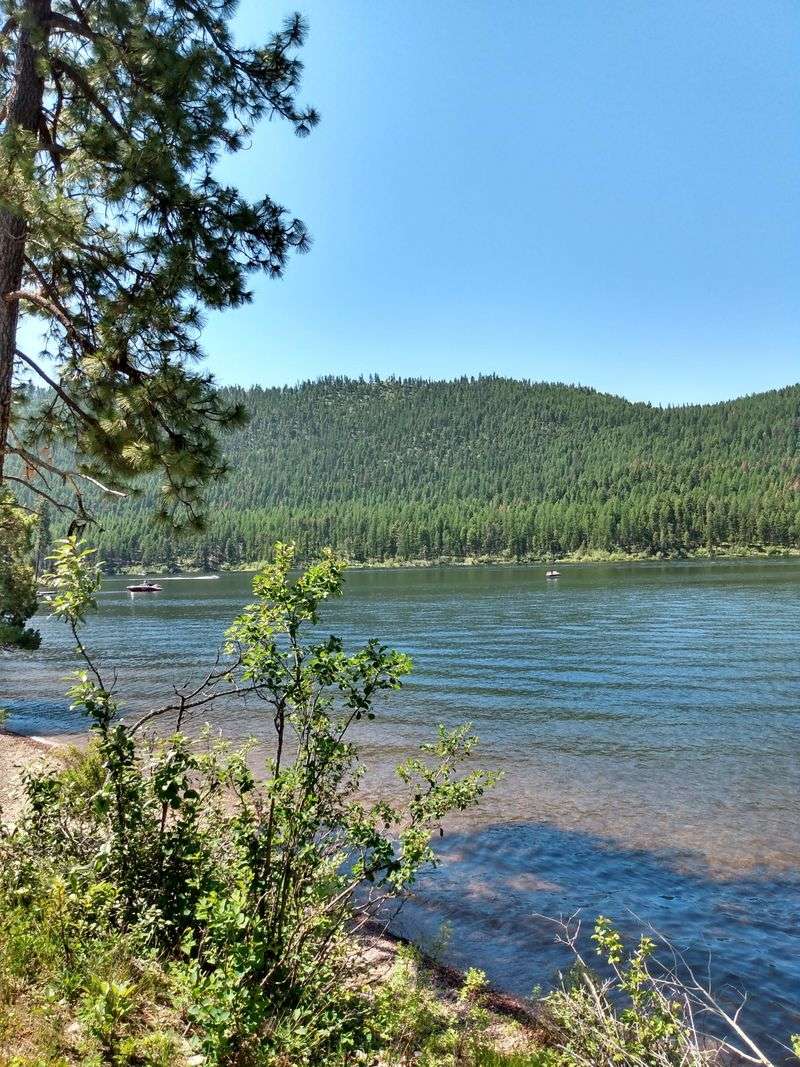
Seeley Lake feels like a pause button. Cabins tuck into trees, and the village keeps a soft voice even when the road gets busy.
Recreation access turned it into a summer retreat without stealing the calm entirely.
Rentals and weekend traffic surged. Locals now measure quiet by off peak days and shoulder hours.
If you come midweek, the lake and trails feel like they are whispering just to you.
I like early walks when the air smells like pine and water. The roads sit still, and the mountains wear a gray blue hush.
By afternoon, the tempo climbs and keeps climbing.
It is not a secret anymore, which is fine. The setting handles attention with steady patience.
Give it respect and it gives you space back.
End the day by letting the light do the work. Cabins glow, the road thins, and you realize the village never stopped being itself.
It just learned how to breathe in step with the rest of the state.
Dear Reader: This page may contain affiliate links which may earn a commission if you click through and make a purchase. Our independent journalism is not influenced by any advertiser or commercial initiative unless it is clearly marked as sponsored content. As travel products change, please be sure to reconfirm all details and stay up to date with current events to ensure a safe and successful trip.
