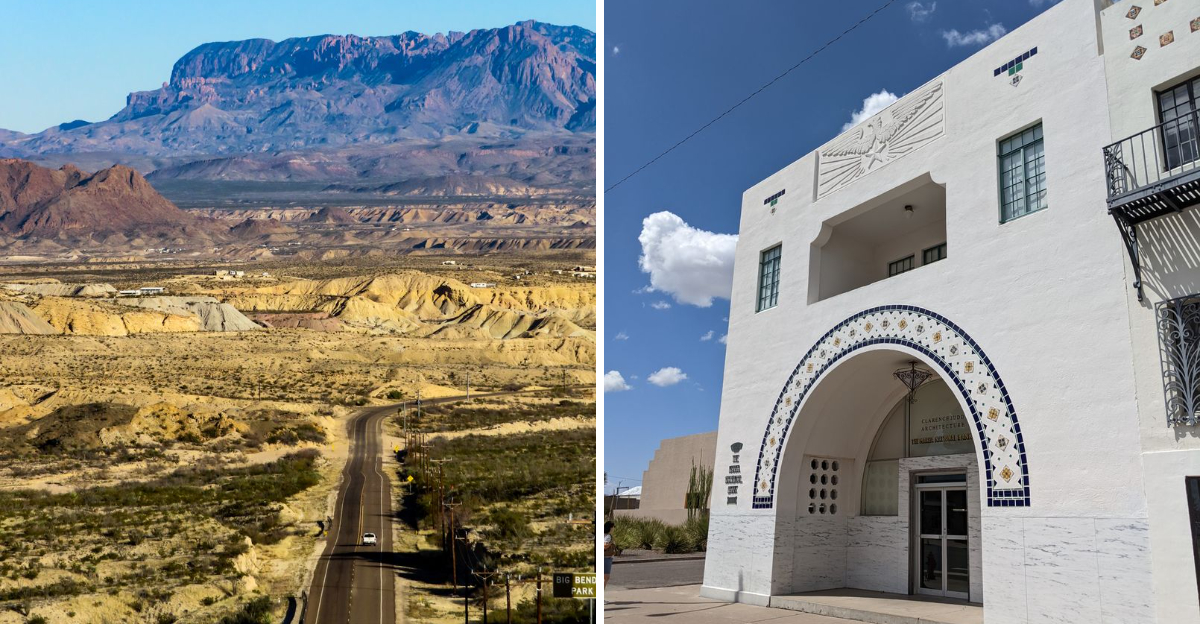
Texas stretches across so many miles and climates that even lifelong residents discover new corners worth exploring. Beyond the famous cities and tourist hotspots lie pockets of wonder that most travelers zip right past on the highway.
From ghost towns frozen in time to waterfalls tucked into hidden canyons, these secret spots prove that the Lone Star State saves its best surprises for those willing to wander off the beaten path.
1. Caddo Lake State Park
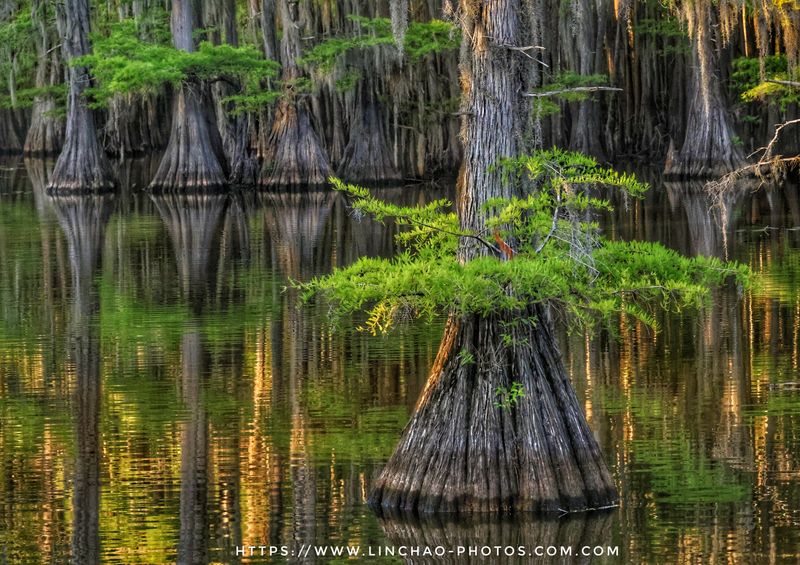
Spanish moss hangs like nature’s curtains from ancient cypress trees, creating a scene so mystical you might forget you’re still in Texas. Caddo Lake sprawls across the Texas-Louisiana border, offering a slice of bayou wilderness that feels more like Louisiana swampland than cowboy country.
Paddle through narrow channels where sunlight filters through the canopy, casting dancing shadows on dark, mirror-smooth water.
Wildlife thrives in this watery maze. Alligators sunbathe on logs, great blue herons stalk fish in the shallows, and wood ducks nest in tree cavities high above the waterline.
Birdwatchers pack their binoculars because over 200 species call this wetland home throughout the year.
Kayaking here feels like exploring a secret world. The lake’s intricate system of sloughs and bayous twists and turns so much that a GPS becomes your best friend.
Early morning mist adds an extra layer of mystery, transforming the landscape into something from a fairy tale.
Fishing enthusiasts cast lines for largemouth bass, crappie, and catfish. The tangled roots and submerged logs create perfect hiding spots for fish, making every catch feel like a victory.
Camping facilities let visitors extend their stay, waking up to the sounds of frogs and birdsong.
Local legends whisper about the lake’s formation, claiming a massive logjam on the Red River created this watery wonderland centuries ago. Whether you believe the stories or not, one thing’s certain: Caddo Lake offers an unforgettable escape into a landscape unlike anywhere else in Texas.
2. Gruene Historic District
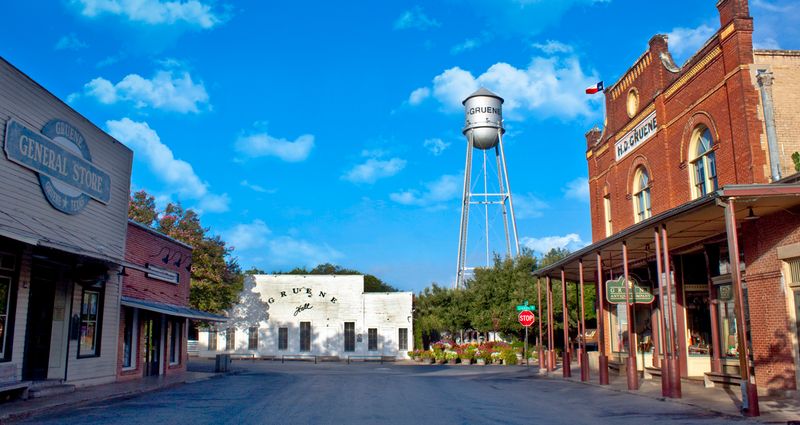
Step back to the 1800s without needing a time machine. Gruene sits along the Guadalupe River near New Braunfels, preserving its original character with weathered wooden storefronts and brick buildings that have witnessed more than a century of Texas history.
Antique shops line the streets, each one packed with treasures from bygone eras.
Gruene Hall stands as the crown jewel of this charming district. Built in 1878, this dance hall has hosted countless boot-scootin’ nights and remains Texas’s oldest continuously operating venue of its kind.
Wooden floors worn smooth by generations of dancers tell stories without saying a word. Live music fills the space most nights, keeping traditions alive while welcoming modern country stars.
Stroll along the river and you’ll find locals tubing down the Guadalupe during warmer months. The water sparkles under the Texas sun, offering relief from the heat and endless entertainment.
Riverside dining spots serve up classic Texas fare, from juicy burgers to tender barbecue that falls off the bone.
Shops selling handmade crafts, vintage clothing, and local art dot the district. Browse at your own pace, chatting with shopkeepers who know the history of every building and can point you toward hidden corners worth exploring.
Photography enthusiasts find endless inspiration in the rustic architecture and natural beauty.
Festivals and special events bring the community together throughout the year. Whether you’re tapping your toes to live music or simply soaking in the nostalgic atmosphere, Gruene offers a perfect blend of history, culture, and small-town Texas charm that bigger cities just can’t replicate.
3. Marfa
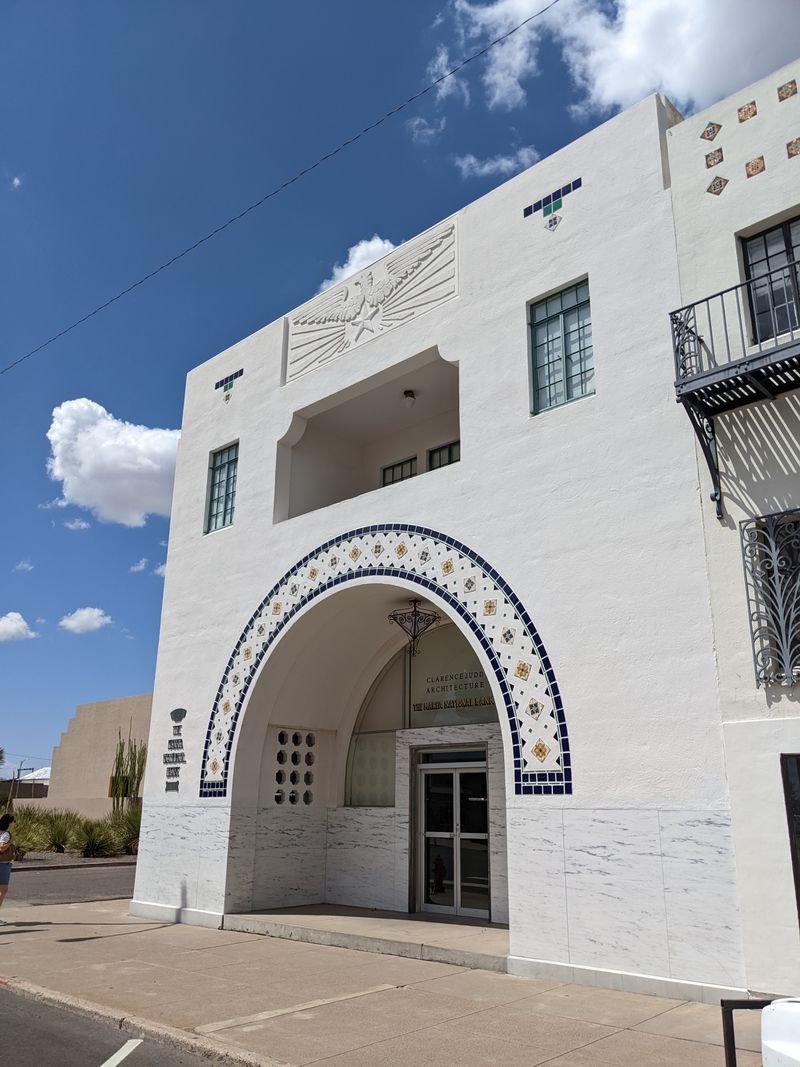
Out in the high desert of West Texas sits a town that defies all expectations. Marfa started as a railroad water stop and transformed into an unlikely art mecca that draws creative souls from around the globe.
Minimalist sculptures dot the landscape, and contemporary galleries occupy buildings that once served more practical purposes.
The mysterious Marfa Lights have puzzled observers for over a century. These unexplained glowing orbs appear in the distance on clear nights, dancing across the horizon with no scientific consensus about their origin.
A designated viewing area lets visitors stake out spots and hope for a glimpse of this natural phenomenon that continues to baffle experts and fuel local legends.
Donald Judd, the famous minimalist artist, put Marfa on the cultural map when he established permanent installations here in the 1970s. His work transformed abandoned military buildings into thought-provoking art spaces.
Walking through these installations feels like meditation, with massive concrete blocks and aluminum boxes creating dialogue between art, architecture, and the vast desert landscape.
Quirky shops and cafes bring urban sophistication to this remote location. Browse boutiques selling handcrafted goods, then grab coffee at a spot where you might overhear conversations about avant-garde film or sculpture techniques.
The Prada Marfa installation, a fake storefront sitting alone in the desert, perfectly captures the town’s playful relationship with art and commerce.
Star-filled skies stretch endlessly above the town, undimmed by city lights. Bring a blanket and lie back to watch constellations pop into view as darkness falls.
Marfa proves that sometimes the most unexpected places become the most unforgettable destinations.
4. Gorman Falls
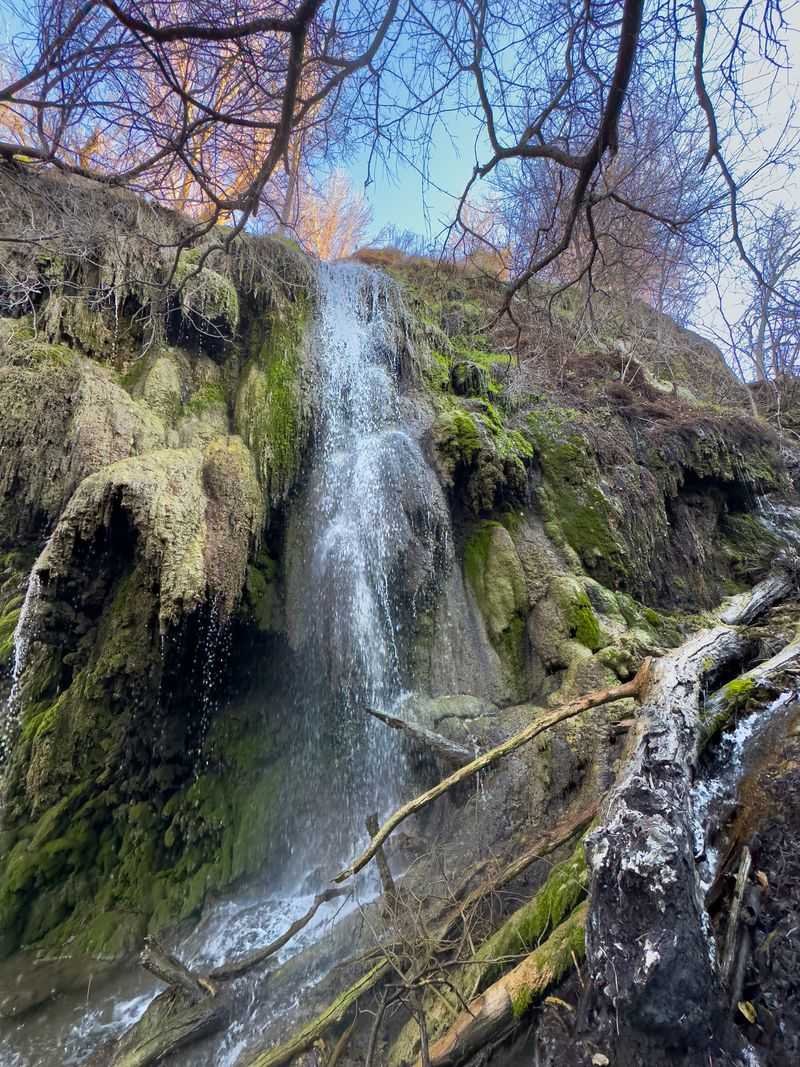
Hidden deep within Colorado Bend State Park, a 70-foot waterfall cascades over a travertine cliff covered in emerald moss and ferns. Gorman Falls rewards hikers willing to tackle the moderately challenging trail with one of Texas’s most stunning natural spectacles.
The three-mile round-trip journey winds through rugged Hill Country terrain before revealing this unexpected oasis.
Mineral-rich water creates the colorful formations that make this waterfall so unique. Calcium deposits build up over time, forming the travertine layers that give the falls their distinctive appearance.
Lush vegetation thrives in the constant mist, creating a microclimate that feels more like a tropical rainforest than central Texas.
Photography buffs arrive early to catch the best light filtering through the canyon. Morning sun illuminates the falling water, creating rainbows in the spray.
The contrast between the vibrant green moss and rust-colored rock creates a painter’s palette of natural beauty.
Rangers lead guided hikes to the falls, sharing information about the geology, plants, and animals that call this area home. These tours book up quickly, especially during spring when wildflowers add extra color to the landscape.
Even experienced hikers appreciate the insights rangers provide about this special ecosystem.
Swimming isn’t allowed at the falls themselves to protect the delicate formations, but the Colorado River running through the park offers plenty of opportunities to cool off after your hike. Wade in the clear water or find a shady spot along the banks to rest and reflect.
Pack plenty of water and snacks because the trail can be demanding, especially during summer heat. This hidden gem showcases Texas’s diverse landscapes in the most spectacular way possible.
5. Terlingua Ghost Town
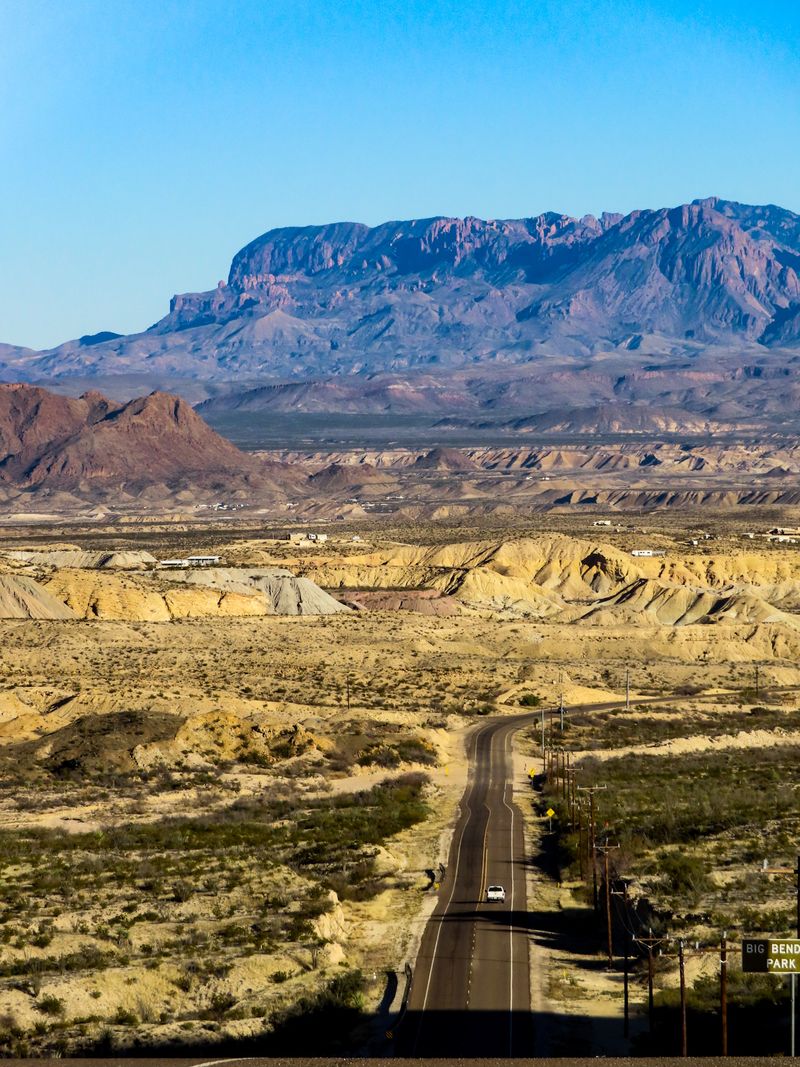
Crumbling adobe walls and empty window frames tell stories of boom times and sudden abandonment. Terlingua thrived as a mercury mining town in the early 1900s, but when the mines closed, residents scattered, leaving behind a fascinating ghost town on the edge of Big Bend National Park.
Today, this eerie settlement attracts adventurers and history buffs drawn to its Wild West atmosphere.
Wander through the ruins of the old general store, church, and mining offices. Rusted equipment and collapsed structures create an outdoor museum where imagination fills in the gaps.
Interpretive signs share details about daily life during the mining era, when this remote outpost housed hundreds of workers and their families.
The legendary Starlight Theatre serves as the town’s beating heart. This restored building offers live music and hearty meals in a setting that perfectly captures Terlingua’s quirky spirit.
Locals and travelers mingle at communal tables, swapping stories about desert adventures and sharing tips about nearby Big Bend trails.
Sunset paints the Chihuahuan Desert in shades of orange, pink, and purple. Climb to a high point among the ruins and watch the light transform the landscape into something magical.
The surrounding mountains glow in the fading light, and silence settles over the desert like a blanket.
Night brings out millions of stars, undimmed by artificial light. Astronomy enthusiasts set up telescopes, and even casual stargazers find themselves mesmerized by the Milky Way stretching across the sky.
Terlingua offers a glimpse into Texas’s mining past while serving as a gateway to some of the state’s most dramatic desert scenery, making it a must-visit for anyone seeking authentic Western adventure.
6. Hamilton Pool Preserve
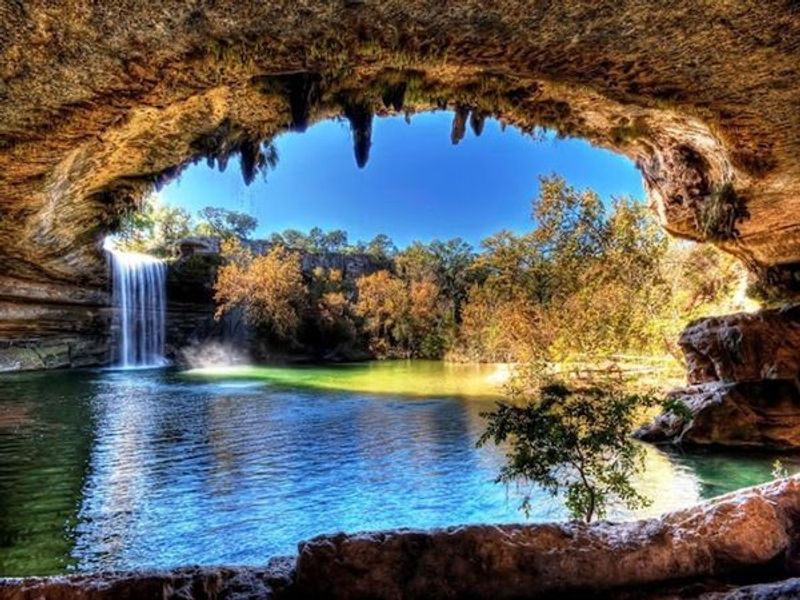
A collapsed grotto ceiling created one of Texas’s most photographed swimming holes. Hamilton Pool sits about 30 miles west of Austin, where a 50-foot waterfall spills over a limestone overhang into a jade-green pool below.
Stalactites hang from the curved ceiling like nature’s chandelier, and sunlight filters through the opening above, illuminating the water with an ethereal glow.
Reservations are required to visit this popular preserve, helping protect the fragile ecosystem while ensuring everyone gets a chance to experience its beauty. Book well in advance, especially during summer months when Texans seek relief from triple-digit temperatures.
The limited access keeps crowds manageable and preserves the peaceful atmosphere.
Swimming in the pool feels like discovering a secret paradise. Cool water provides welcome relief, and the natural amphitheater surrounding the pool creates perfect acoustics for the waterfall’s constant music.
Moss and ferns cling to the wet rocks, thriving in the humid microclimate created by the falling water.
A short trail leads from the parking area to the pool, passing through typical Hill Country vegetation. Live oaks provide shade, and limestone outcroppings showcase the region’s geological history.
Interpretive signs explain how erosion carved this natural wonder over thousands of years.
Photography restrictions help preserve the experience for all visitors, but the scene will burn into your memory without needing a camera. Dragonflies zip across the water’s surface, and small fish dart through the shallows.
Birds nest in crevices along the grotto walls, adding their songs to the waterfall’s rhythm. Hamilton Pool demonstrates why Texas Hill Country attracts nature lovers from everywhere, offering a slice of paradise that feels worlds away from nearby city life.
7. Palo Duro Canyon State Park
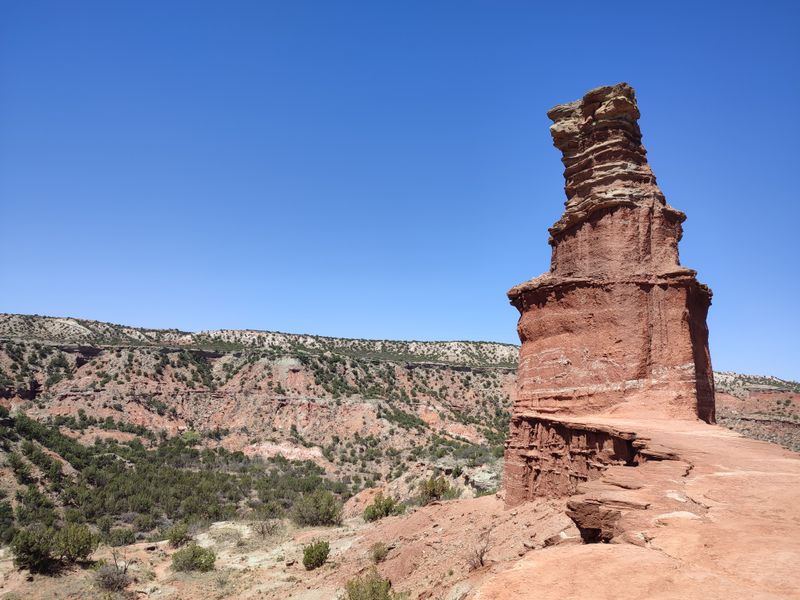
The second-largest canyon system in America hides in the Texas Panhandle, surprising visitors who expect nothing but flat plains. Palo Duro Canyon plunges 800 feet deep and stretches 120 miles long, revealing layers of colorful rock that span millions of years of geological history.
Red, orange, and yellow striations paint the canyon walls like a massive abstract artwork.
Drive the scenic loop road for constantly changing views of the canyon’s dramatic features. Pull over at overlooks to photograph the Lighthouse, a distinctive rock formation that stands as the park’s most recognizable landmark.
Hiking trails of varying difficulty let you explore the canyon floor, where you’ll discover a completely different perspective than the rim views provide.
Mountain biking trails wind through the canyon, offering thrilling rides with stunning scenery. Pedal past juniper trees and prickly pear cacti, watching for roadrunners and other desert wildlife.
The relatively flat canyon floor makes for easier riding than the steep trails leading down from the rim.
Camping under the stars here creates memories that last forever. Multiple campgrounds offer different experiences, from primitive sites for backpackers to RV hookups for those preferring more comfort.
Wake up to sunrise painting the canyon walls in golden light, and watch shadows shift throughout the day as the sun moves across the sky.
The outdoor musical drama performed in summer months brings canyon history to life. Professional actors tell the story of Texas Panhandle settlement against the canyon’s natural backdrop.
Even if you skip the show, Palo Duro offers enough natural drama to satisfy any adventure seeker looking for landscapes that rival anything in the American West.
8. Enchanted Rock State Natural Area
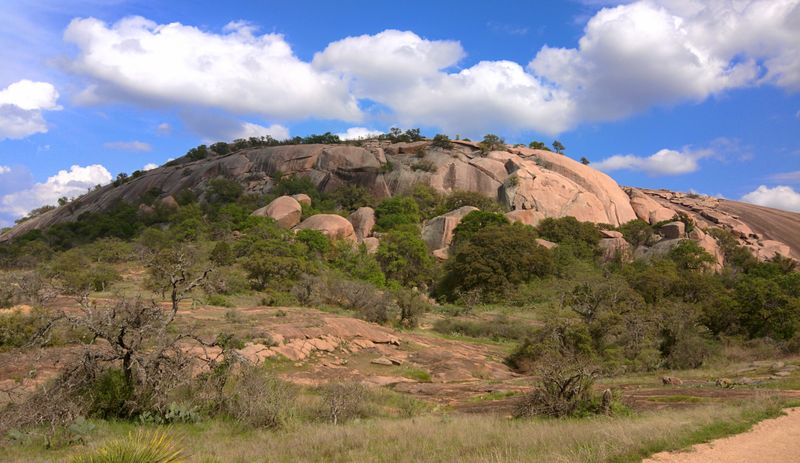
A massive pink granite dome rises 425 feet above the surrounding Hill Country, beckoning hikers to climb its smooth surface. Enchanted Rock formed over a billion years ago, making it one of the oldest exposed rock formations in North America.
Native American tribes considered it sacred, and modern visitors still feel something special about this ancient geological wonder.
The summit trail follows a moderately steep path up the dome’s face. Wear shoes with good grip because the smooth granite can be slippery, especially after rain.
Pace yourself and take breaks to turn around and admire the expanding views as you gain elevation. The panorama from the top stretches for miles in every direction.
Rock climbing routes of various difficulties attract climbers from across the state. Experienced climbers tackle challenging cracks and faces, while beginners find suitable routes to build their skills.
Always check park regulations and use proper safety equipment when climbing.
Stargazing from the summit creates an unforgettable experience. The elevated position and dark skies away from city lights reveal countless stars and planets.
Bring a red flashlight to preserve your night vision and a blanket to lie back comfortably while scanning the heavens.
Wildflowers bloom in spring, adding splashes of color to the landscape surrounding the dome. Bluebonnets, Indian paintbrush, and other native species carpet the ground, creating perfect photo opportunities.
Wildlife including deer, armadillos, and various bird species call the area home. The park limits daily visitors to protect the environment, so reservations are essential, especially on weekends.
Enchanted Rock offers a perfect combination of physical challenge, natural beauty, and spiritual connection that keeps visitors returning year after year.
9. Seminole Canyon State Park
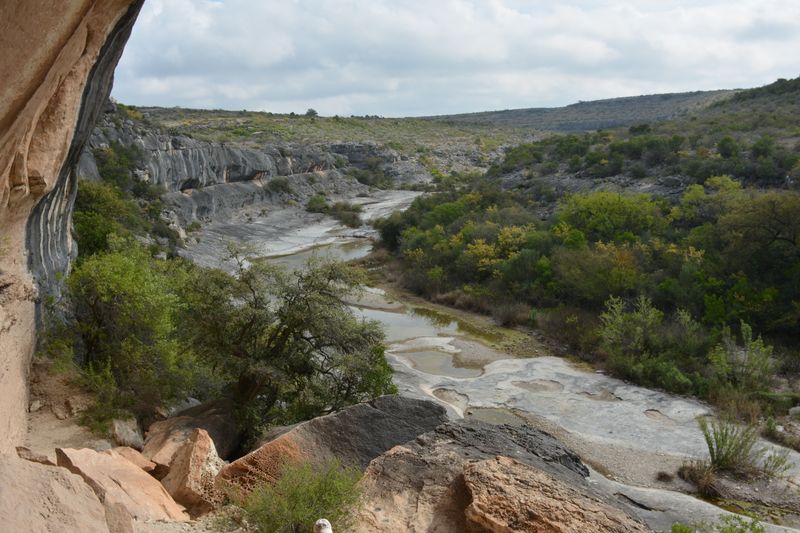
Ancient rock art covers the walls of limestone shelters in this remote West Texas park. Prehistoric peoples created pictographs here thousands of years ago, using mineral pigments to paint elaborate scenes of daily life, spiritual beliefs, and the animals they hunted.
These invaluable cultural treasures offer a window into civilizations that thrived in this harsh desert environment long before modern Texas existed.
Guided tours led by knowledgeable rangers take visitors to the Fate Bell Shelter, home to some of the most impressive rock art in North America. The Lower Pecos region contains one of the continent’s richest concentrations of prehistoric art, and Seminole Canyon showcases outstanding examples.
Rangers explain the meaning behind different symbols and share theories about the artists who created them.
The canyon itself stretches deep into the earth, carved by water over millions of years. Hike the rim trail for breathtaking views into the canyon’s depths.
Desert plants adapted to the arid climate cling to rocky slopes, and lizards scurry across sun-baked stones.
Camping facilities let visitors experience the desert’s dramatic temperature swings and incredible night skies. Daytime heat gives way to surprisingly cool evenings, perfect for sitting around a campfire and contemplating the ancient peoples who once called these canyons home.
Coyotes sometimes serenade campers with their distinctive howls echoing off canyon walls.
The Rio Grande flows nearby, marking the border between Texas and Mexico. This remote location means fewer crowds and a genuine sense of solitude.
Bring plenty of water and sun protection because shade is scarce and temperatures soar during summer months. Seminole Canyon rewards those who make the journey with a profound connection to Texas’s ancient past and stunning desert landscapes.
10. Lost Maples State Natural Area
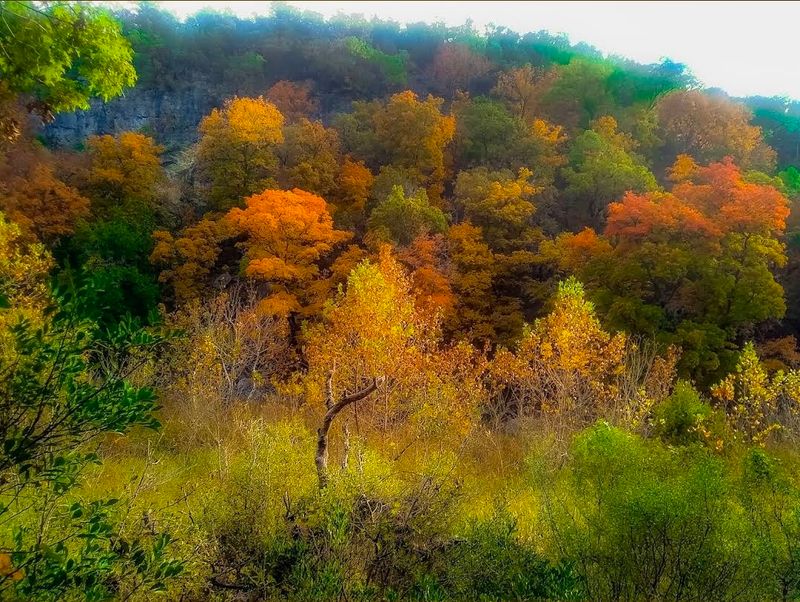
Bigtooth maple trees create a fall color spectacle that rivals anything in New England. Lost Maples sits in the Hill Country west of San Antonio, where a unique microclimate supports these rare trees far from their typical range.
Come in late October or November to witness leaves transforming into brilliant shades of red, orange, and gold against the backdrop of limestone cliffs and clear streams.
Multiple hiking trails wind through the park, ranging from easy strolls to challenging climbs. The East Trail follows the Sabinal River through the maple groves, crossing the water several times on stepping stones.
During peak color season, every turn reveals new photo opportunities as sunlight filters through the colorful canopy.
Spring brings different beauty when wildflowers blanket the hillsides. Bluebonnets, Indian blankets, and dozens of other species create a patchwork of color.
The maples themselves produce delicate flowers before leafing out, and the whole park buzzes with life as plants and animals emerge from winter dormancy.
Birdwatchers flock here year-round because the diverse habitat supports over 200 species. The endangered golden-cheeked warbler nests in the park’s juniper-oak woodlands during summer months.
Patient observers might spot rare species that use the area as a migration stopover.
The park limits daily visitors during peak fall color weekends to protect the fragile ecosystem and maintain a quality experience. Arrive early or visit on weekdays for the best chance of securing entry.
Primitive camping allows overnight stays, letting you experience the park at dawn when wildlife is most active and mist rises from the river. Lost Maples proves that Texas offers seasonal beauty to match any state, rewarding visitors with memories that last long after the leaves have fallen.
Dear Reader: This page may contain affiliate links which may earn a commission if you click through and make a purchase. Our independent journalism is not influenced by any advertiser or commercial initiative unless it is clearly marked as sponsored content. As travel products change, please be sure to reconfirm all details and stay up to date with current events to ensure a safe and successful trip.
