The rent is due, and the ocean doesn’t care. That is the cold reality for locals in some of California’s most beloved beach towns.
Once a haven for surfers, artists, and working families, these coastal communities are now pricing out the very people who gave them soul. Luxury condos and short-term rentals have replaced modest bungalows.
Teachers, firefighters, and servers can no longer afford to live within an hour of their jobs. Small businesses shutter because their staff cannot afford the commute.
The waves still crash, and the sun still sets in gold, but longtime residents are packing up, forced inland by a housing crisis that shows no mercy.
So which California beach towns are becoming unaffordable for locals? And what happens when the people who make a place special can no longer afford to stay? Read on.
1. Santa Cruz
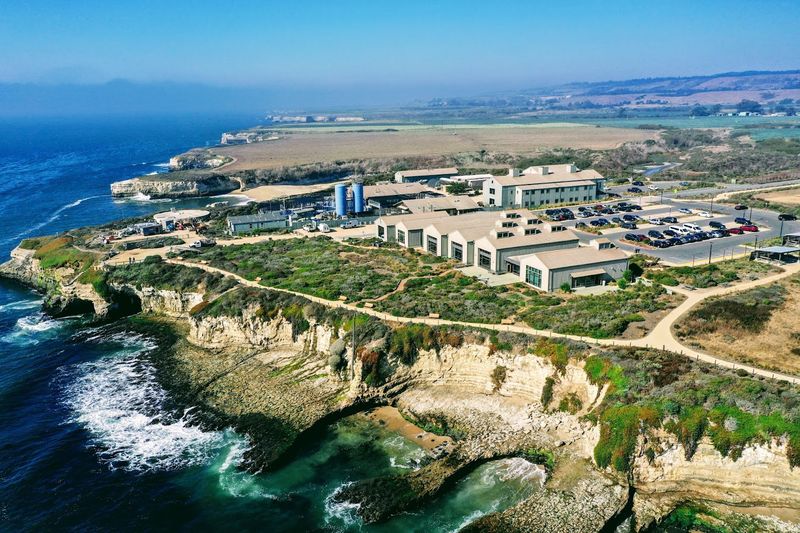
You know that feeling when a beach town still looks casual, but underneath it everything feels financially tense? That is the vibe in Santa Cruz right now, where the boardwalk energy and easygoing surf identity still show up, but the housing pressure is hard to ignore.
Plenty of locals talk about rent strain, crowded housing, and the way longtime residents keep getting pushed farther from the water.
Part of what makes this place hit so hard is that Santa Cruz has always sold a kind of freedom, and now that freedom feels expensive to hold onto. The nearby tech economy, limited housing supply, and steady demand for coastal property have changed who can realistically stay.
Even when the streets still feel familiar, the underlying math of daily life looks very different for people who grew up here.
There is also a quiet emotional shift that comes with that, because a town stops feeling fully yours when neighbors keep cycling out. In California, that pattern has become painfully common along the coast, and Santa Cruz fits it in a very human way.
You can still love the ocean air here, while noticing that local life feels more fragile than it used to.
2. Malibu
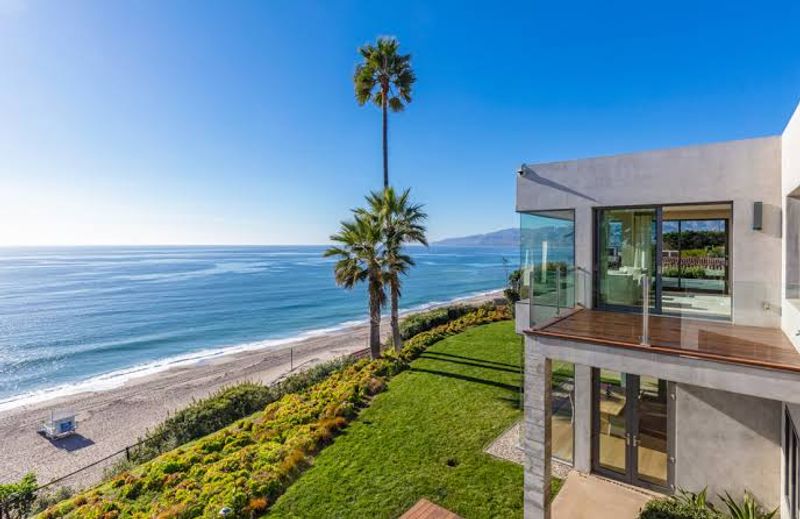
It is hard not to stare at Malibu and think, who could possibly keep up with this? The beaches are beautiful in that classic California way, but local life here has long been shaped by extreme housing costs, limited inventory, and a market that favors people with very deep pockets.
For anyone trying to stay rooted, the pressure feels built into the landscape.
What makes Malibu especially complicated is that it has never been a simple small-town story, yet even by coastal standards it feels increasingly unreachable. Ocean-view property, wildfire risk, and insurance instability all add to the sense that living here now requires far more than loving the place.
The result is a community where service workers, teachers, and many longtime residents often end up commuting from somewhere else.
That changes the daily rhythm of a town, even when the scenery still looks dreamy from the outside. You get fewer people with long family ties, fewer households that can weather every new expense, and more distance between the public image and the real community underneath it.
Malibu still carries enormous appeal, but for locals, appeal and access are very different things now.
3. Newport Beach
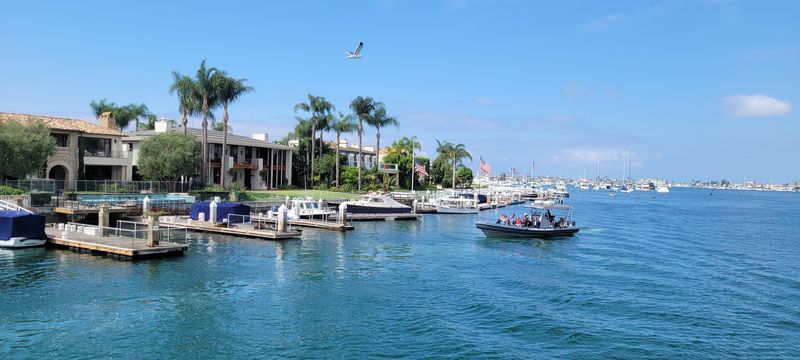
Sometimes a place feels so polished that you almost miss how exclusionary it has become. Newport Beach has that effect, where the marinas, neat streets, and waterfront calm can make the town seem effortless, even though the cost of staying there is anything but.
For locals without major wealth, the gap between everyday life and housing reality has widened for a long time.
The issue is not just that homes are expensive, because plenty of beach towns in California are expensive. It is that Newport Beach has become tied to a lifestyle market that rewards prestige, second homes, and scarce coastal property in a very concentrated way.
That kind of demand reshapes who gets to remain nearby and who slowly gets edged out toward inland communities.
You can feel that in the social texture of a place, even if nobody says it out loud on the sidewalk. The town still functions, of course, but more workers travel in, more residents stretch to stay, and more people who grew up around Orange County beaches realize ownership here is drifting farther away.
Newport Beach remains beautiful, but beauty does not soften the reality of who gets left behind.
4. Cayucos
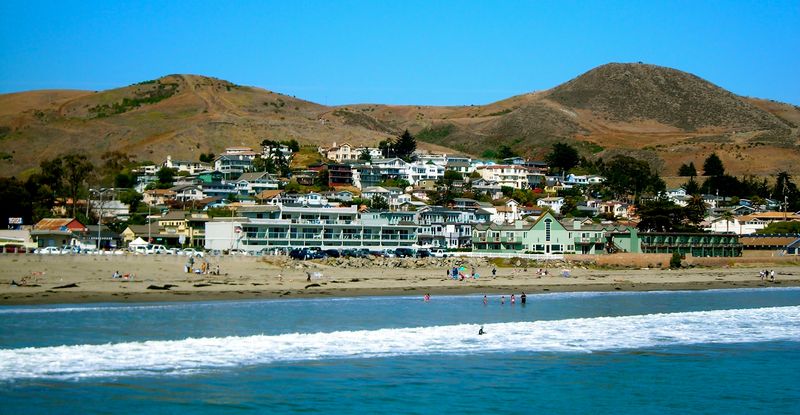
What gets me about Cayucos is that it still feels small enough to believe it might be protected from the usual California coastal squeeze. The low-key mood, older cottages, and quieter rhythm can make you think local life has stayed more intact here than in flashier beach towns.
But even places that seem gentle and modest are getting pulled into the same affordability story.
That happens because scarcity does not need big-city energy to change a town. When housing supply stays tight and coastal demand keeps rising, a smaller place like Cayucos can become especially hard for locals to hang onto.
Homes that once felt tied to community memory start looking more like prized property, and the emotional cost of that shift lands hard in a town this intimate.
You notice it in the way people talk about who can still move back, who has to leave, and how much harder it is to stay close to family. There is a sadness to watching a place keep its laid-back face while becoming less reachable for the people who made that feeling real.
Cayucos still carries its old charm, but charm does not shield residents from a tightening coastal market.
5. San Diego Beaches
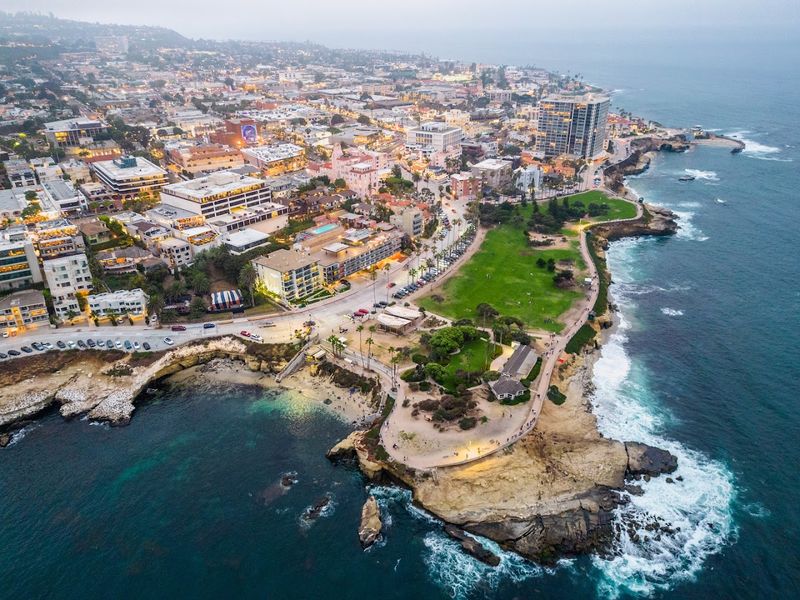
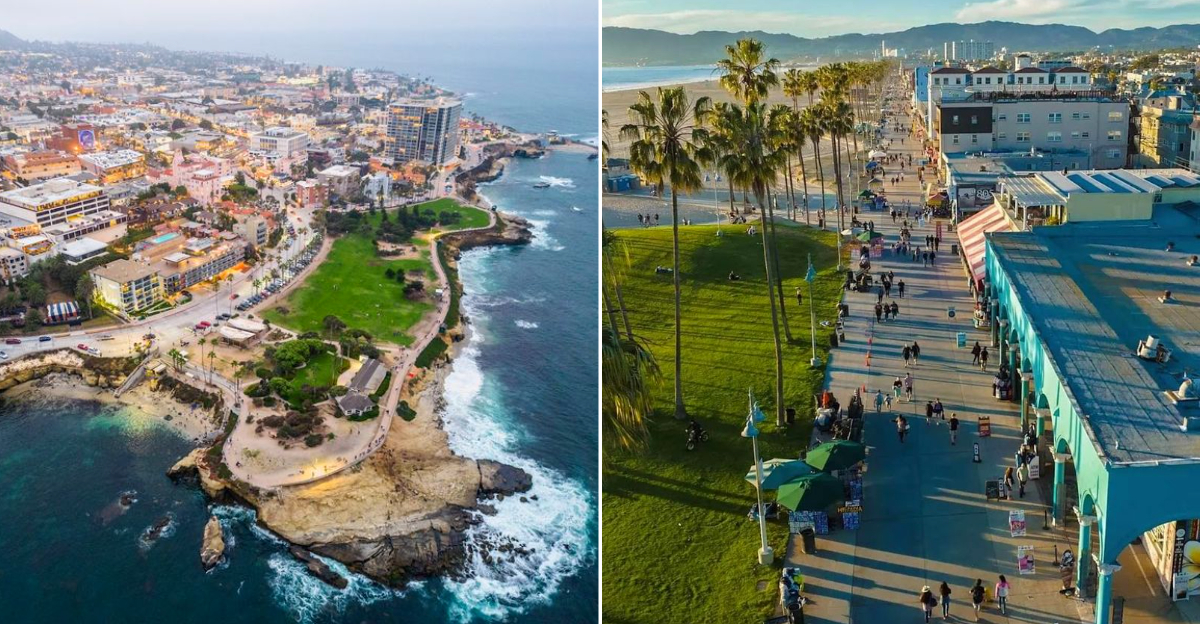
Here is where the dream really starts to wobble, because San Diego beach communities can look relaxed while feeling brutally competitive underneath. In places like La Jolla and Del Mar, the coastline is gorgeous, the neighborhoods are deeply desirable, and the barrier to staying close to the water has become enormous for ordinary residents.
It is not just expensive in a general sense, it is the kind of expensive that changes family decisions.
People who grew up in the region often end up moving inland, commuting longer, or giving up on the idea of living near the beaches that shaped them. High demand, limited housing, and steady interest from affluent buyers keep pressure concentrated in a handful of coastal enclaves.
Add insurance worries and ongoing environmental costs along the shore, and the long-term burden on locals gets even heavier.
What makes this especially frustrating is that these are not empty resort zones without real communities. They are places with schools, routines, and generations of local memory, yet the housing market keeps rewarding access over belonging.
San Diego still sells the classic Southern California fantasy, but for many residents, the fantasy now sits just out of reach.
6. Venice Beach
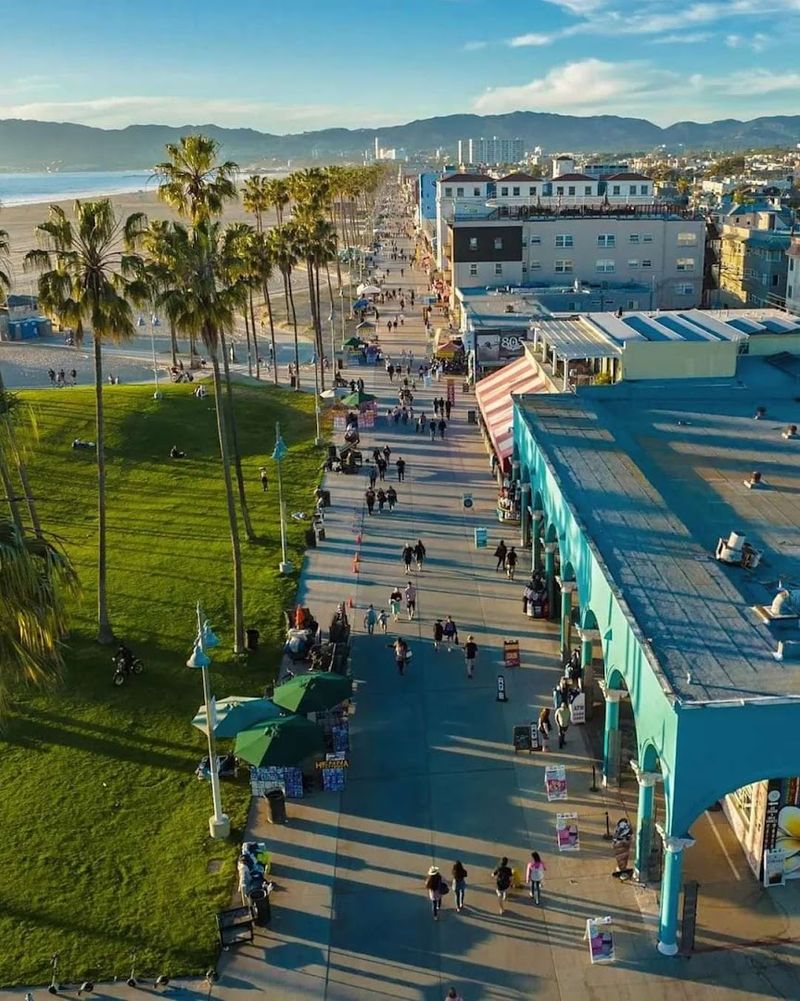
You can feel the tension in Venice Beach almost immediately, because the place still projects personality while also feeling heavily rewritten. What used to read as loose, artistic, and a little rough around the edges now sits beside rising rents, polished redevelopment, and a housing market that has become punishing for many locals.
The shift is not subtle if you spend any real time paying attention.
Venice has been transformed by waves of investment and wealth that changed both the look of the neighborhood and the people who can afford to stay in it. Longtime residents have watched familiar corners become more expensive and less rooted in the community that gave the area its identity.
When that happens, the beach itself stays public, but the surrounding life starts to feel filtered through a much narrower economic lens.
There is something especially hard about that in a place with such a strong myth around self-expression and openness. If the artists, workers, and longtime renters who shaped Venice keep getting displaced, then the neighborhood becomes a version of itself rather than the real thing.
Venice Beach still has energy, but local belonging now feels much harder to hold onto than the image suggests.
7. Laguna Beach
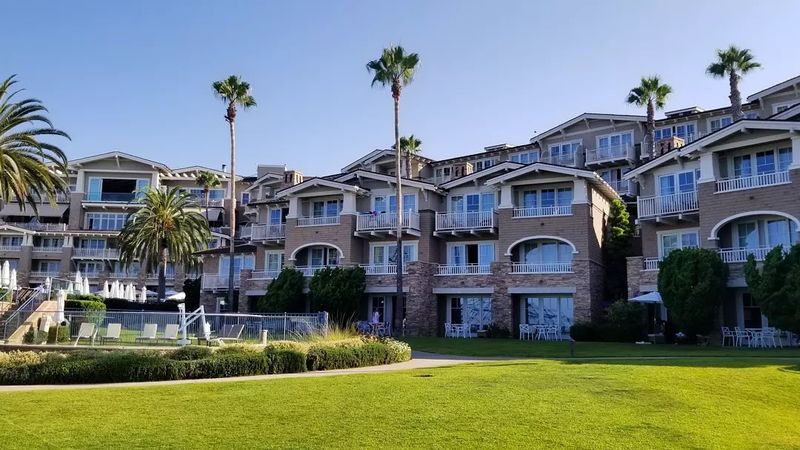
There is a strange kind of heartbreak in a town that still looks creative and sunlit while becoming harder for actual creatives to live in. Laguna Beach has long carried an artsy reputation, but the cost of housing has climbed so far that many of the people who gave the town that spirit would struggle to plant themselves there now.
It is beautiful, yes, though beauty has become part of the pressure.
The demand for coastal homes in Laguna Beach is relentless, and scarcity only sharpens it. Upscale development, luxury positioning, and intense competition for property have turned everyday local stability into something much harder to maintain.
In California, that pattern has hollowed out more than one beloved community, and Laguna shows how quickly a town can keep its image while losing some of its original social mix.
What lingers is the sense that the culture people admire does not always get protected along with the real estate. When artists, workers, and longtime residents have to look elsewhere, a place can remain visually charming while feeling less grounded.
Laguna Beach still draws people for obvious reasons, but staying close to that shoreline now asks far more of locals than it once did.
8. Santa Monica
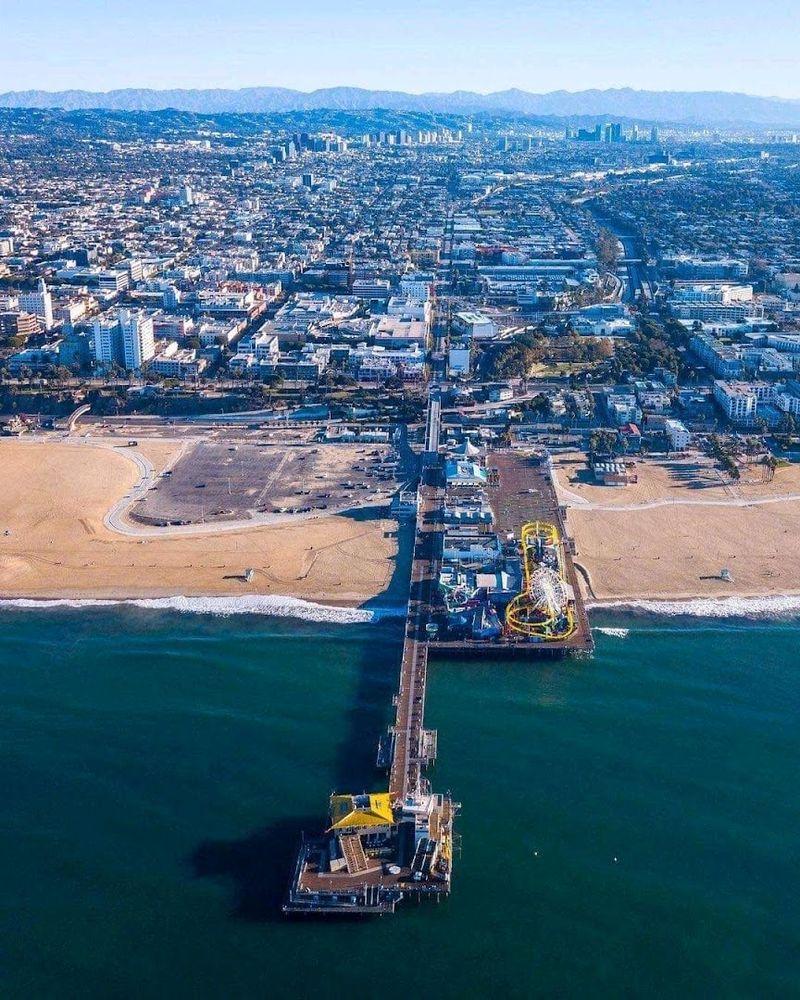
Maybe the hardest part about Santa Monica is how normal the transformation can look if you only pass through. The beach, the broad streets, and the familiar coastal glow are still there, but locals have spent years dealing with rents and property costs that keep pushing neighborhood life toward something more commercial and less rooted.
It feels like a place where convenience and prestige keep outrunning community memory.
That is not only about housing, even though housing sits at the center of everything. Longtime businesses have struggled with rising costs, tourism shapes the public spaces, and many residents find themselves competing with a much wealthier version of coastal demand.
In a state already defined by affordability strain, Santa Monica shows how a highly desirable shoreline can become difficult for ordinary households to keep claiming as home.
The result is a town that still looks iconic from the outside while feeling increasingly selective in practice. People can love the beach and still feel exhausted by the cost of proximity, especially when each shift seems to favor visitors, investors, or larger commercial players.
Santa Monica remains undeniably magnetic, but living there as a local has become a much steeper climb than the image lets on.
9. Crescent City
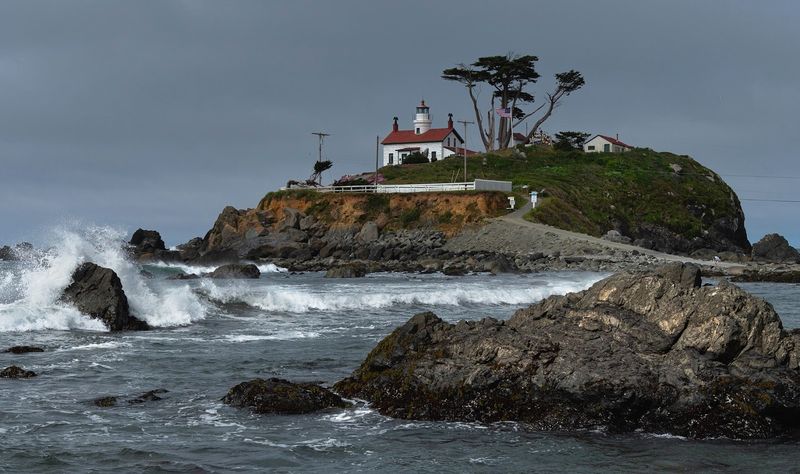
You might look at Crescent City and assume it has escaped the worst of coastal California pricing, and compared with many famous beach towns, it has stayed more reachable. Even so, locals know that relative affordability is not the same thing as being truly affordable, especially when wages are limited, rentals are tight, and housing supply stays under pressure.
A place can be less expensive than Malibu and still feel out of reach for the people who live there.
That is what makes Crescent City such an important part of this conversation. It often gets framed as one of the last more attainable coastal communities in the state, yet residents still face rising home values, scarce rentals, and concern that outside demand could keep pushing the market beyond local earning power.
When a town has fewer buffers, every jump in cost lands harder and faster.
There is also the emotional piece, because smaller northern communities tend to rely deeply on local continuity. If people who work there cannot remain nearby, the town loses more than affordability, it loses steadiness.
Crescent City may still look like a rare opening on the coast, but even here, locals are feeling how fragile that opening has become.
10. Oxnard
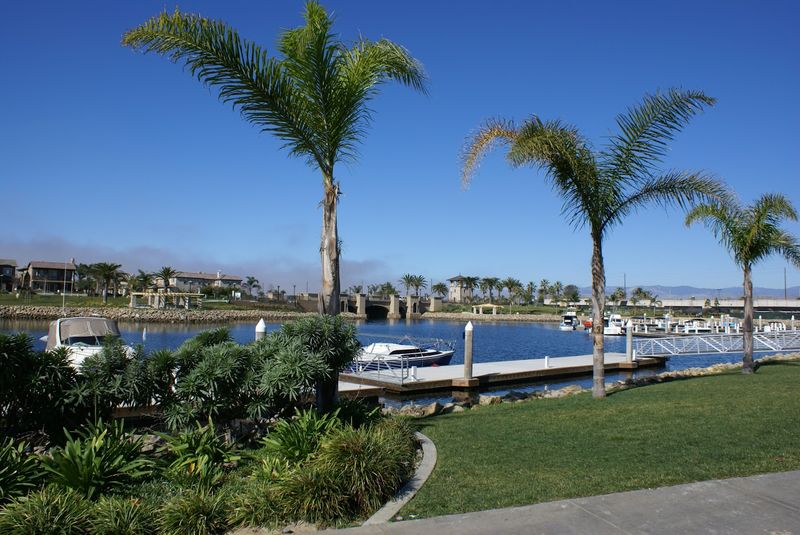
Oxnard is the kind of place people mention with a hopeful tone, like maybe there is still some room left on the California coast for regular life. Compared with some neighboring beach communities, it has often looked more attainable, and that has made it increasingly attractive to buyers searching for ocean access without the most extreme barriers.
The problem is that once enough people notice that, the pressure starts building here too.
Beach neighborhoods in Oxnard already sit in a different lane from the more affordable parts of the city, and that split matters. As surrounding coastal areas become harder to enter, Oxnard can absorb demand from people priced out elsewhere, which gradually changes what locals are up against.
It is a classic spillover effect, and you can see why residents would feel uneasy watching the gap narrow.
What makes Oxnard stand out is that it still feels more lived-in and less polished than some famous Southern California shoreline towns. That grounded quality is exactly why it matters to pay attention now, before the same affordability squeeze hardens further.
Oxnard remains a relative wild card on the coast, but relative affordability has a way of disappearing once the market decides a place is the next option.
