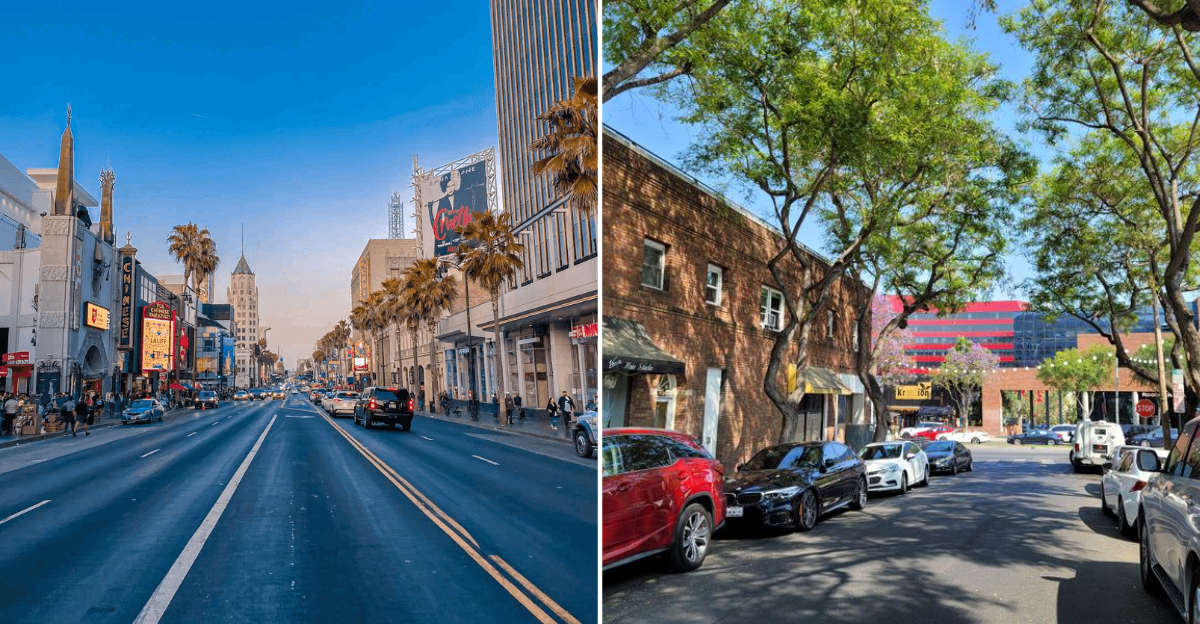
Ever wonder what happens when a neighborhood gets “too popular”? In California, some once-cool, laid-back communities are finding out the hard way.
These were places where locals could afford to live, grab coffee at the corner shop, and know their neighbors by name.
But as tourists started pouring in, snapping photos, booking short-term rentals, and driving up demand, the cost of living shot through the roof.
Suddenly, rents that used to be manageable are now sky-high. Longtime residents are being priced out, and the vibe that made these neighborhoods special is fading fast.
What used to feel authentic and community-driven now feels more like a revolving door of visitors chasing the “California dream.”
I’ve seen it myself, streets that once felt homey now packed with rental cars and trendy pop-up shops.
It’s frustrating, because the very charm that drew people in is being chipped away. Curious to find out how it all plays out?
1. Venice
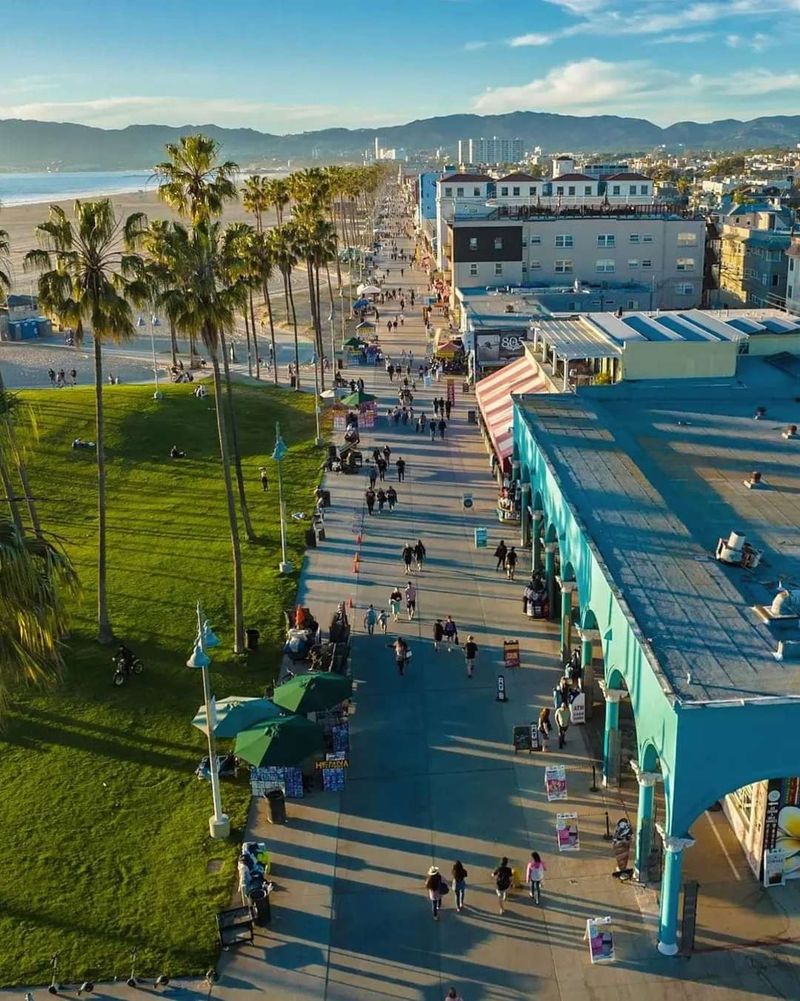
Venice is the classic case where the vibe sold the place. You feel the boardwalk energy from the moment you step out of the car, and it never really lets up.
Visitors come for the murals, the skaters, and that loose beach rhythm that makes every day feel like a Saturday.
The thing is, short term listings multiplied and regular leases got scarce.
Artists and service workers who kept the scene alive suddenly had to stretch past comfort, then past reason.
Some left, and with them went a layer of creativity that used to spill out of garage studios and tiny apartments.
Walking near the canals, you can tell which buildings tilt toward turnstile tourism. Lobbies feel transient and patios sit quiet between check-ins.
That easy blend of neighbors catching up over fences has thinned out, replaced by rolling luggage and a rotating cast of weeklong residents.
I still love the sunsets here, but I notice who is not on the sidewalk anymore. You hear it from shop clerks juggling side gigs and from muralists working farther inland.
The math changed, and a lot of locals could not change with it.
If you visit, keep your footprint gentle and your eyes open. Support the folks who still call Venice home and pay rent all year.
The beach will always be beautiful, but a neighborhood needs people who wake up there on Monday, not just Saturday.
2. Mission District
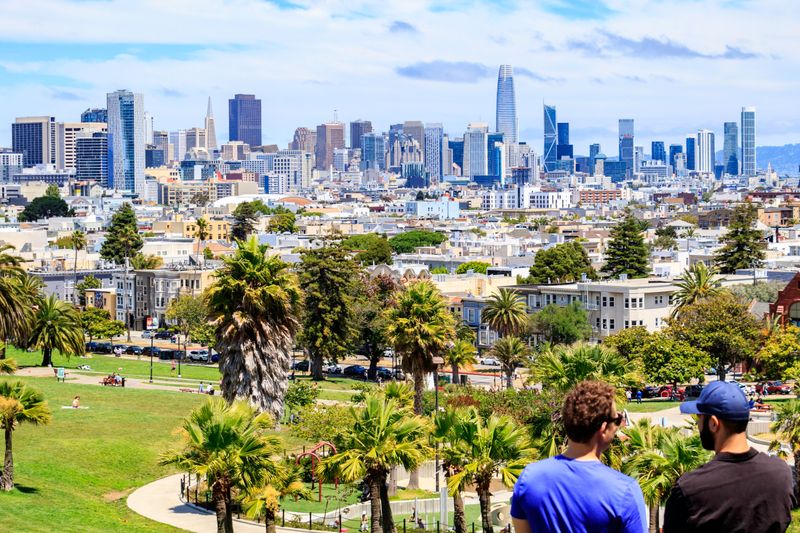
The Mission hits you with color first. Every block has a wall telling a story, and you feel like you are walking through a living gallery.
Tourists figured that out a long time ago, and the crowds followed the murals, the nightlife, and the buzz.
That popularity plus investor attention meant fewer long leases on the market. Units flipped to short stays and the remaining apartments climbed out of reach.
Friends who grew up here talk about moving farther out and riding long commutes back to jobs they once walked to.
You can still catch community events and meet people who hold the culture together. Galleries try to keep rent paid while showcasing artists who speak for the neighborhood.
Cultural institutions are toughing it out, but the costs feel like a constant headwind.
I like wandering the side streets early, before the rush. You see the bones of a neighborhood that nurtured music, art, and activism.
Then a luggage van swings by, and you remember how fast the vibe can reset between guests.
If you come through, engage with care and spend money where it stays local. Ask questions, learn the history on the walls, and treat the place like someone’s living room.
The Mission is still strong, but strength takes resources and room to breathe.
3. Hollywood
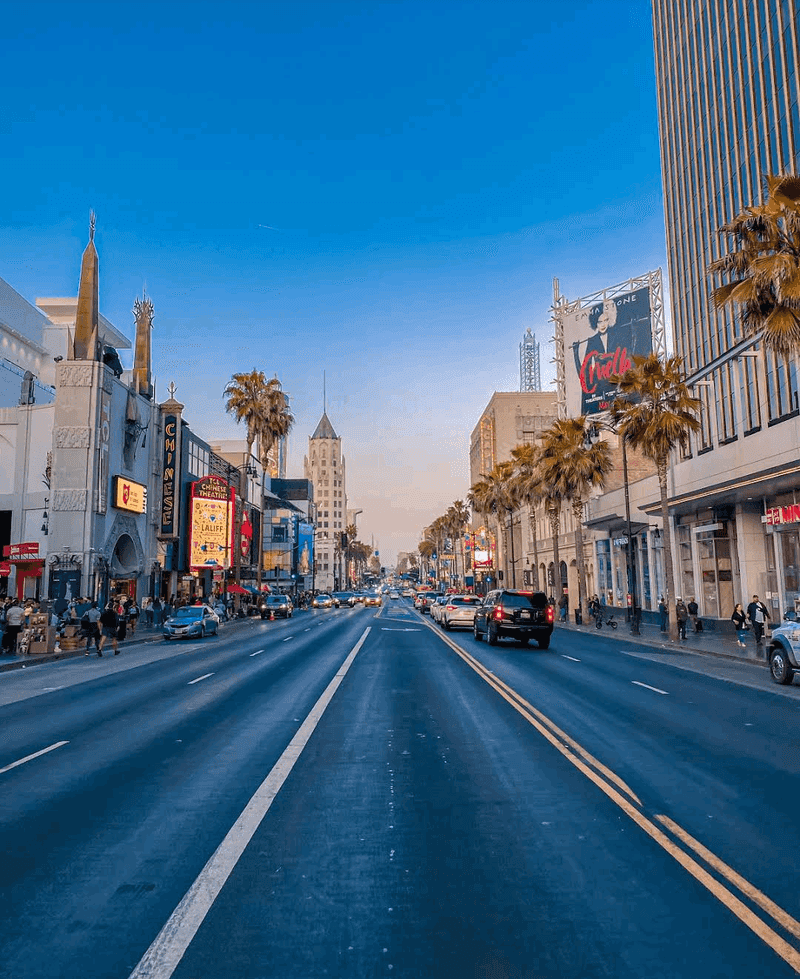
Hollywood looks exactly like the postcards until you glance up at the apartments and notice how many operate like hotels.
Fame brings a steady stream of visitors, and that stream soaks up housing options block by block. The soundtrack is traffic, trolley bells, and rolling suitcases.
Plenty of buildings now lean harder toward short stays than long term neighbors.
When that shift took hold, rents did not just nudge upward, they sprinted past what local wages could match. Workers who power the studios and theaters started moving to distant zip codes.
There is still a magic to the neon glow on old marquees. You can stand under the lights and feel the history humming.
But the residential layer is lighter, and the sense of a stable community feels more like a memory than a given.
Walking side streets, you notice door codes, parcel lockers, and a rotating cast in the elevators. That turnover changes how people look out for each other.
Familiar faces are rarer, and the building group chat resets every few weeks.
If you visit, step off the main strip and show some love to small shops with year round staff.
Be mindful about noise, about late night hallway chatter, about being the kind of guest you would want next door. Hollywood is showtime, but people still need a quiet place to sleep.
4. Downtown Santa Monica
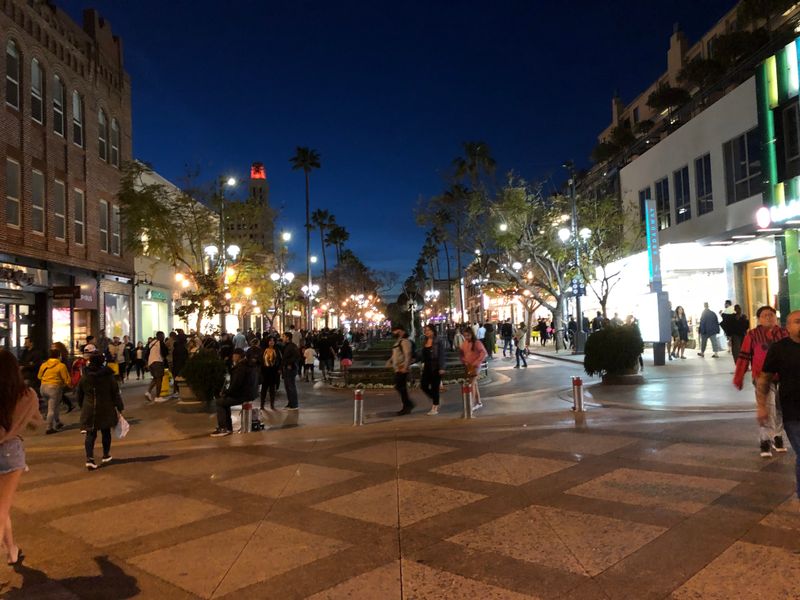
Downtown Santa Monica blends ocean sparkle with constant foot traffic, which sounds dreamy until you start apartment hunting.
Places close to the coast turned into rotating vacation spots. The remaining rentals climbed, and the monthly numbers made longtime tenants rethink everything.
Tourism drives the energy here. You feel it near transit, on the promenades, and around the hotels.
That same draw squeezes availability for people who want to set roots and know their neighbors.
It is still lovely to bike along the water at dusk. The palms sway, the light goes soft, and you get why people fly across the world for this view.
Yet the quiet network of residents who used to anchor these blocks is thinner than it once was.
I chat with shop staff who juggle longer commutes now. Some say they moved inland where a lease is more predictable.
The commute steals hours that used to belong to family dinners and beach walks.
If you are visiting, think like a neighbor. Keep voices low at night, and treat common areas gently.
Spend in places that employ locals year round, because that is how a coastal city stays livable for the people who keep it running.
5. Gaslamp Quarter
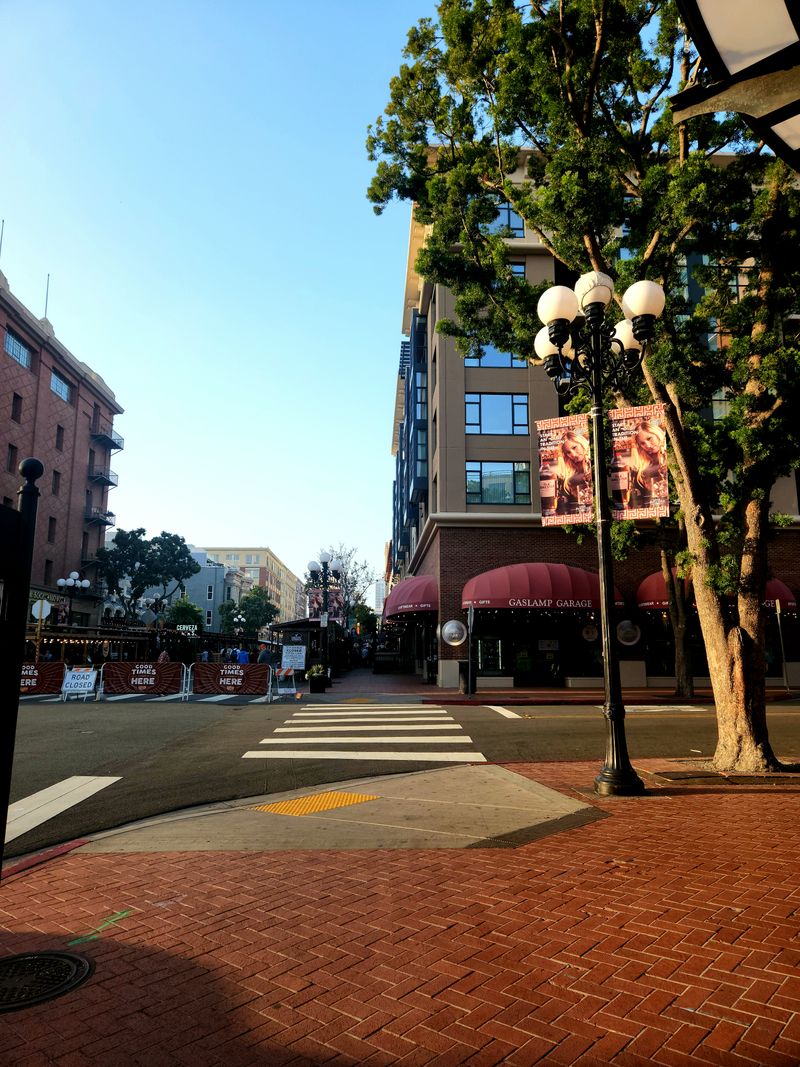
The Gaslamp feels lively the moment you turn the corner. Conventions roll in, events kick off, and the sidewalks hum.
That same momentum pulled housing toward luxury stays and quick turnovers.
When short stays outcompete leases, renters lose leverage. Prices drift higher than city averages, and full time residents quietly fade out.
You can still find neighbors saying hi on stoops, just fewer of them than before.
I like walking here early, before the day gets loud. The architecture has grit and charm, and you can imagine a deeper residential layer.
Then the visitor crowds build, and the scale tips toward hospitality over community.
People who staff venues and shops often commute from other parts of San Diego. That adds time and cost that do not show up on postcards.
It slowly erodes the sense that this is a place to live first and visit second.
If you swing through, remember someone upstairs needs rest after a long shift. Keep things respectful in shared halls and streets.
The Gaslamp thrives on energy, but livability depends on the pace staying human.
6. Pacific Beach
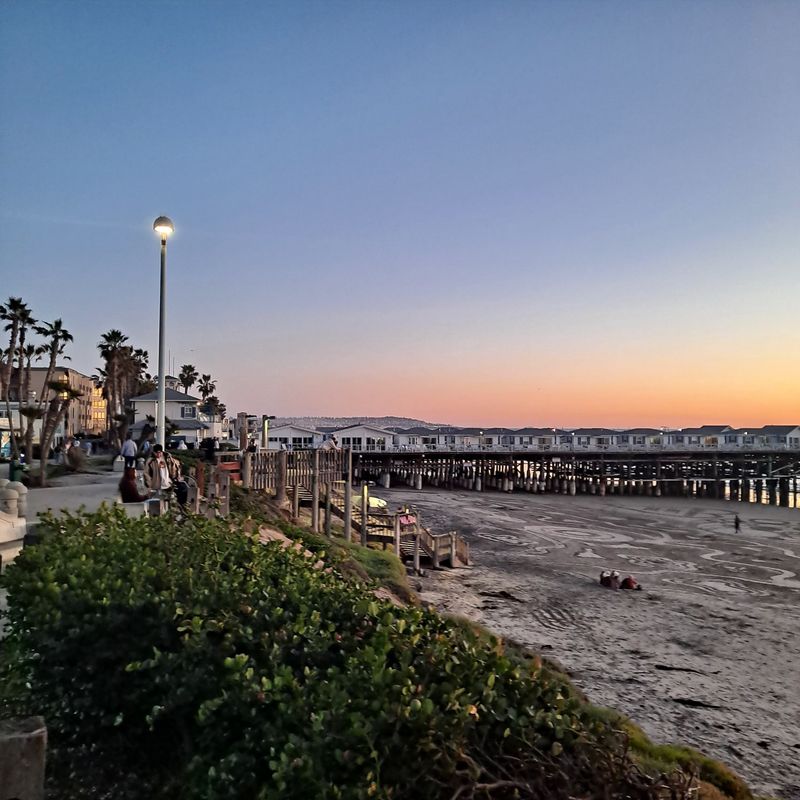
Pacific Beach has that breezy, roll out in flip flops rhythm that visitors love. The scene tilts social, and seasons bring pulses of new faces.
With each wave, rentals churn, and year leases get harder to lock down.
Seasonal spikes pushed prices up and kept them high. People talk about moving every time a term ends, which is exhausting.
You feel it in the stacks of boxes near stairwells.
The shoreline is still gorgeous, no argument. Streets are lined with small buildings that once held tight knit clusters of neighbors.
Now you see cleaners moving fast, keypads blinking, and door tags announcing the next arrival.
Friends who work in the area often split homes or live farther inland. That means more driving and fewer sunset walks after a shift.
Little routines that stitch a life together get shaved away.
When you visit, think steady, not rowdy. Keep your group small, follow quiet hours, and support businesses with deep roots here.
California can stay fun without pushing out the people who make it feel lived in.
7. Nob Hill
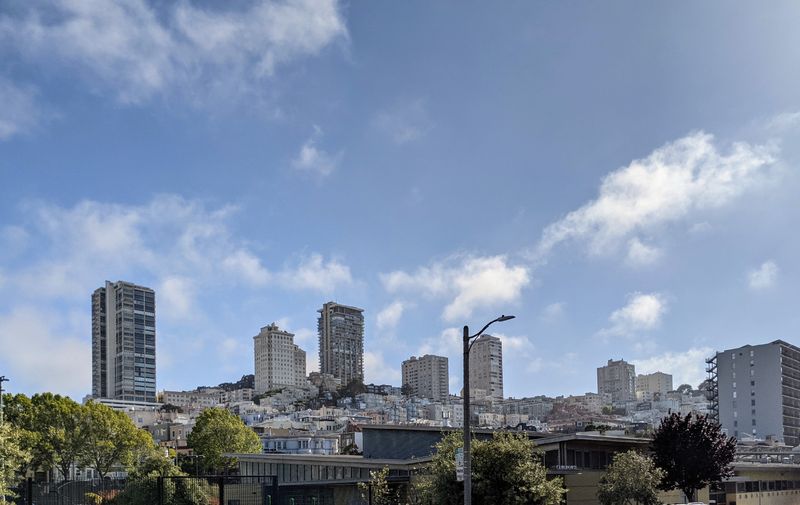
Nob Hill wears its history on every block. Grand buildings and sweeping views draw visitors year round.
With that attention came vacation listings that trimmed the traditional rental pool.
As availability tightened, rents edged up, then kept going. The residential feel softened, and you notice it in little ways, like fewer long term faces in lobbies.
The rhythm shifted from neighborly routine to suitcase timing.
I love the morning quiet on these hills. You hear the faint ring of a cable car and the city waking up slow.
But I also see cleaners hustling between units and entry codes changing faster than names on mailboxes.
People who once settled here for years now talk about shorter stays. That short mindset trickles into building life and street life.
I think it is harder to build trust when everyone is halfway out the door.
Visitors can help by acting like they live here, even briefly. Keep noise low, mind the stairwells, and greet the folks you meet.
Respect for residential calm goes a long way in a place this tightly stacked.
8. Palm Springs Downtown
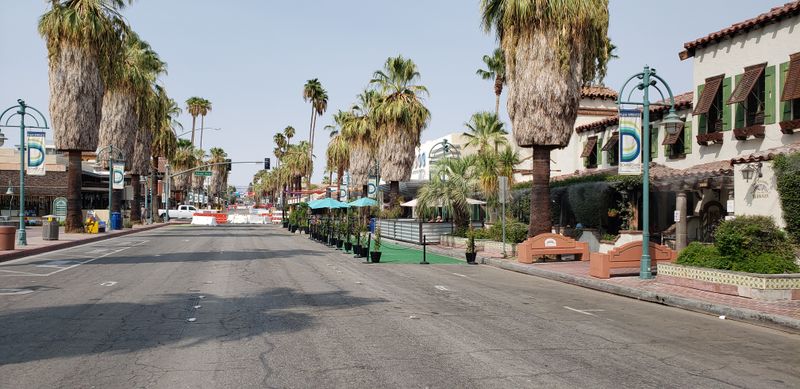
Downtown Palm Springs has that desert glow that makes every shadow look stylish. It markets its midcentury cool and draws a steady carousel of visitors.
Many blocks now lean heavily toward short stays, which reshapes housing for the folks who want to plant roots.
Seasonal swings keep demand hot and push long term rents higher. You see neighbors moving at the end of terms, not years.
The continuity that gives a street its heartbeat gets a little thinner each season.
I like cruising past the retro facades at sunset. The mountains turn purple, and the air cools just enough for a long stroll.
Still, it is tough to ignore how many doors are coded for quick turnovers.
Local workers often live outside the center now. Commutes stretch across the valley, and the drive takes a daily toll.
I feel like that affects community groups, volunteer efforts, and everything that needs consistent faces.
If you are visiting for a weekend, adopt a neighbor mindset. Keep shared spaces tidy, support year round shops, and treat quiet as a feature.
A downtown can be lively and still feel like a place people call home.
9. Laguna Beach Village
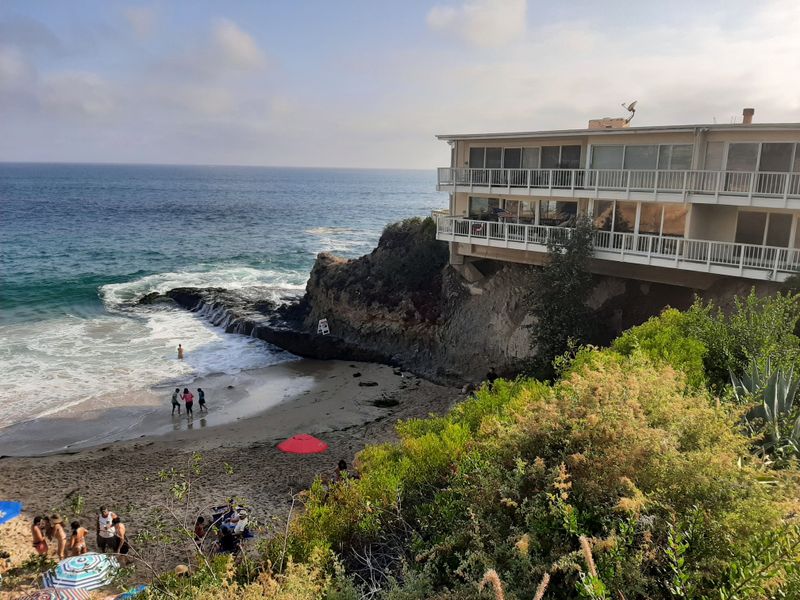
Laguna Beach Village is catnip for visitors, and honestly, I get it. The streets curl toward the water and every corner looks like a postcard.
That kind of charm, plus limited housing, turns rentals into hot tickets.
Competition tightened fast and prices followed. Workers who keep the galleries and shops running often commute from inland towns.
The daily in and out makes it harder to build a steady local rhythm.
I like wandering the gallery rows in the late afternoon. The town glows and feels welcoming, yet you can sense how fragile the residential layer has become.
Units that used to house neighbors for years now rotate with the seasons.
When long term options shrink, small rituals vanish too. People move, community groups thin, and schools lose familiar faces.
The social fabric stretches, which you notice most when something goes wrong and everyone is new.
Keep gatherings small, respect quiet streets after dark, and put your dollars into local hands. That is how a village stays a village, not just a backdrop for photos.
10. West Hollywood
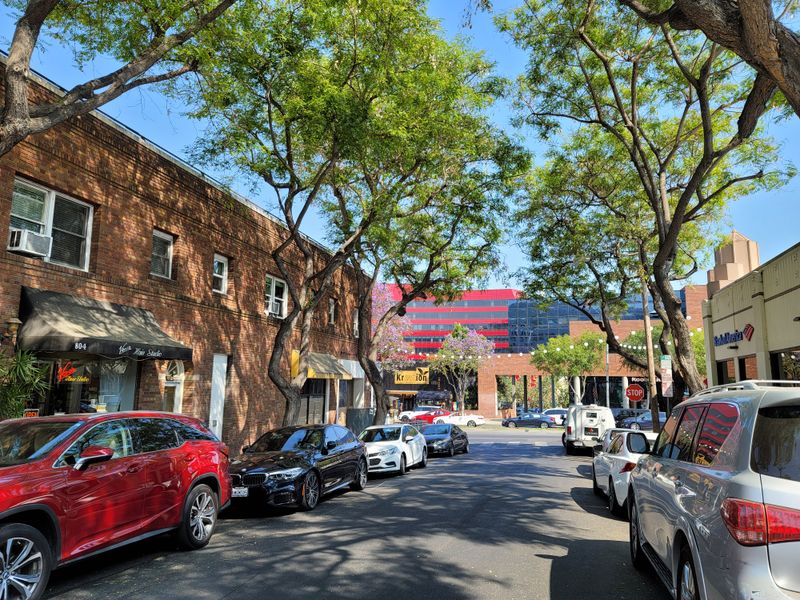
West Hollywood hums with nightlife and creative energy. The attention brings constant visitor flow and a rising tide of short term leases.
Over time, rent growth ran ahead of incomes for a lot of people who worked nearby.
You can still feel a strong community here. Neighborhood groups and longtime residents keep showing up.
But many renters faced pressure to move, and every move chips away at that sense of continuity.
Walking the side streets, I notice sleek buildings that look more like serviced suites. Lobbies run on passcodes and deliveries stack up between departures.
The ground floor stays busy while the upstairs population resets.
Friends who once rented here talk about a farther home base now. That changes how often they join weeknight events or pop in on short notice.
Distance has a way of sanding down friendships.
If you are visiting, be the quiet neighbor everyone wants. Support local services, keep shared spaces clean, and skip big late night noise.
California can stay welcoming if guests act like part of the block, not above it.
11. Cannery Row Area
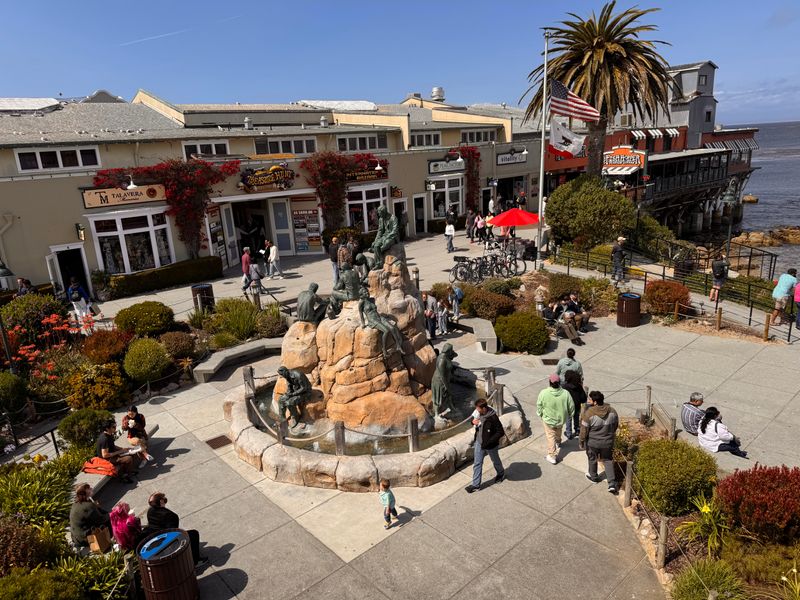
The Cannery Row area in Monterey turned from industry memory to visitor magnet. Waterfront buildings now orbit tourism, and housing nearby tilted that direction too.
As availability dipped, rents rose, and residential options close to downtown became scarce.
I like the boardwalk views and the sea breeze that smells like salt and kelp. It is a lovely walk, no question.
But the closer you get to the water, the more you notice properties designed for turnover, not neighbors.
That change reaches inland in subtle steps.
People who once lived within a quick walk now drive in for shifts. The distance chips at community groups and simple routines like borrowing a tool next door.
There is still a core of locals holding the line. They keep the calendar full and look out for each other.
It just takes more effort when the ratio tilts toward guests who will leave by the weekend.
Spend where the money cycles back into the neighborhood. A waterfront can welcome visitors and still feel like a hometown if everyone plays a part.
Dear Reader: This page may contain affiliate links which may earn a commission if you click through and make a purchase. Our independent journalism is not influenced by any advertiser or commercial initiative unless it is clearly marked as sponsored content. As travel products change, please be sure to reconfirm all details and stay up to date with current events to ensure a safe and successful trip.
