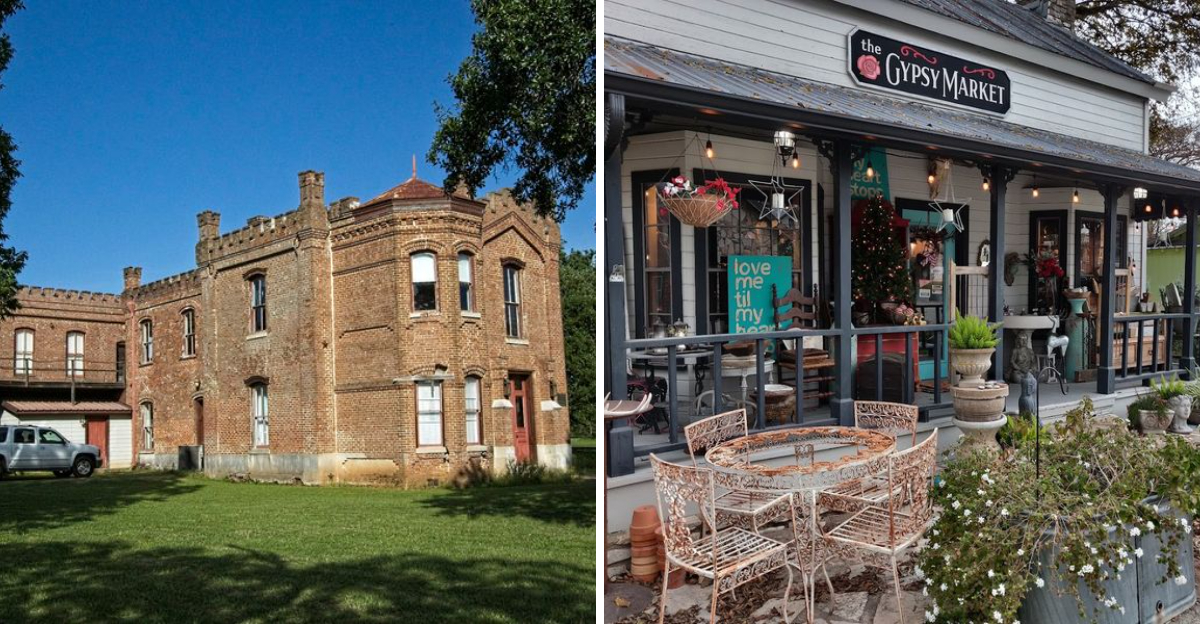
There is a specific kind of magic in finding a town that has held onto its past without apology. When you pull off the main highway and find yourself on a brick paved street lined with nineteenth century storefronts, the whole world seems to slow down and catch its breath.
These places are not frozen museum pieces but living communities where history is felt in every worn doorway and weathered sign.
It is the perfect remedy for anyone who has ever wanted to feel like time folded in on itself for a quiet afternoon of exploring.
1. Gruene
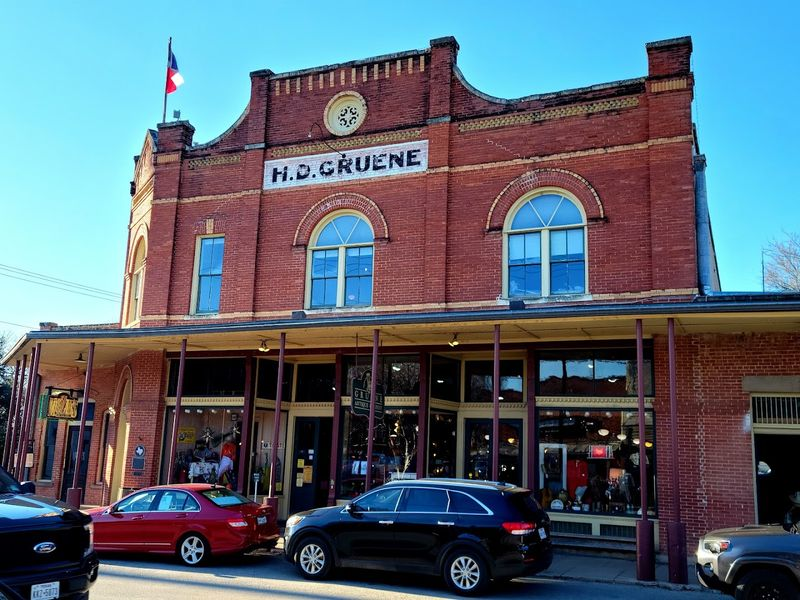
The moment you roll into Gruene, the air feels different, quieter, thicker with something you cannot quite name. Founded in the 1870s by German settlers, this tiny community near New Braunfels has held onto its character with remarkable stubbornness.
The streets do not bustle so much as they breathe.
Gruene Hall is the crown jewel here, recognized as Texas’s oldest continually operating dance hall. The wooden floors have been worn smooth by generations of boots, and the open-air sides let the Hill Country breeze drift through during warm evenings.
It is the kind of place where history is not posted on a placard but felt underfoot.
Beyond the hall, antique shops and local boutiques line the short main drag, each one packed with finds that feel genuinely old rather than staged. The Guadalupe River flows just below the bluff, offering a lazy float that pairs perfectly with the town’s unhurried pace.
Gruene is small enough to explore in an afternoon yet rich enough to linger in all weekend. It never tries too hard, and that is exactly what makes it so easy to love.
2. Jefferson
Jefferson carries itself with a kind of faded grandeur that other towns can only dream about. Once one of the most important riverports in Texas, it thrived in the mid-1800s before railroads rerouted commerce and left the town in a beautiful, suspended stillness.
That stillness never really lifted.
Brick streets wind past Victorian-era mansions with wraparound porches and ornate ironwork, many of them converted into bed-and-breakfast inns that feel more like stepping into a novel than checking into a room.
Horse-drawn carriage rides clop through the historic district at a pace that makes you want to put your phone away entirely.
Ghost tours are wildly popular here, and Jefferson has enough documented hauntings to keep skeptics curious and believers thoroughly entertained. The Cypress Bayou waterway adds a moody, Spanish moss-draped backdrop that shifts the whole atmosphere depending on the light.
Jefferson is also home to the Jefferson General Store, a wonderfully cluttered shop that has been in operation for over a century. Every corner of this town rewards slow exploration, and the longer you stay, the more layers you discover beneath its quiet, elegant surface.
3. Granbury
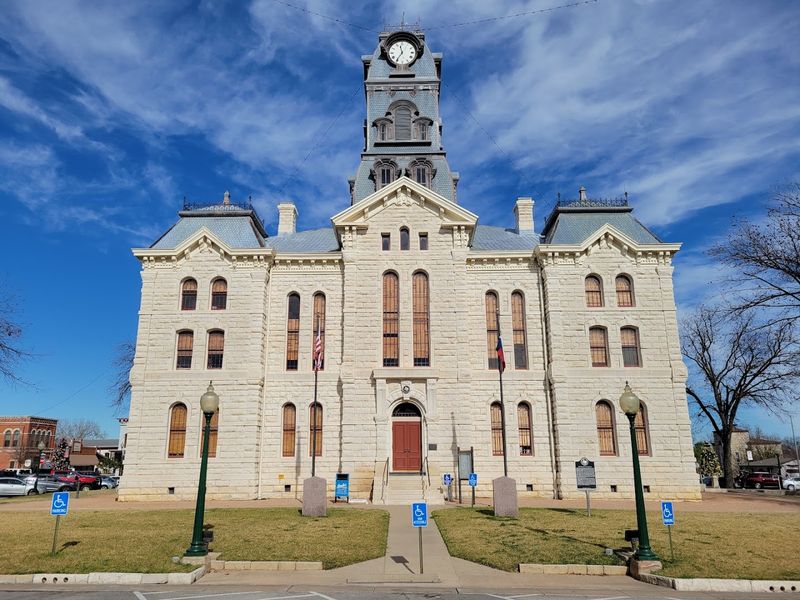
Granbury’s town square stops you in your tracks the first time you see it. The Hood County Courthouse, built in 1891 from warm limestone, anchors the square with a presence that feels both proud and unhurried.
Everything around it seems to orbit that central landmark with quiet purpose.
The entire downtown is listed on the National Register of Historic Places, which sounds official but really just means that every storefront, gallery, and cafe has been thoughtfully preserved rather than stripped and renovated beyond recognition.
You can spend hours simply walking the square, peering into windows, and reading the plaques that dot the sidewalks.
The Granbury Opera House has been entertaining locals since the 1880s, and it still hosts live performances that draw audiences from across the region. Lake Granbury stretches just beyond downtown, offering a gentle contrast between the historic square and the open water.
Paddleboats, fishing piers, and shaded benches along the shoreline give visitors a chance to decompress after a morning of historical wandering. Granbury manages to feel both deeply rooted and genuinely welcoming, the kind of place you mention to friends with an enthusiasm that surprises even yourself.
4. Nacogdoches
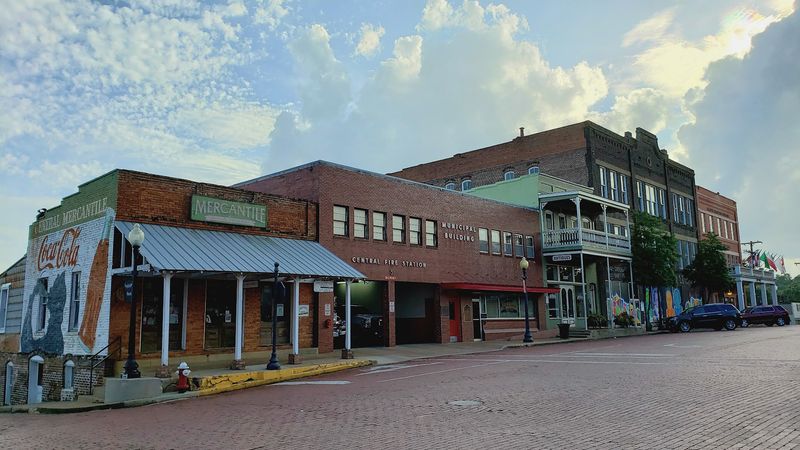
Nacogdoches holds a title that most Texas towns can only envy. It is widely recognized as the oldest town in the state, with roots stretching back to 1779 and a history layered with Native American heritage, Spanish colonial influence, and early American settlement.
That kind of depth does not come with a price tag.
The Old Stone Fort Museum sits on the campus of Stephen F. Austin State University and offers a tangible connection to the town’s earliest days.
The replica structure, built from materials matching the original 18th-century trading post, gives visitors a sense of how small and exposed life once was on this frontier.
Downtown Nacogdoches rewards slow walkers. The weathered brick facades along Main Street have absorbed more than two centuries of Texas weather and still look dignified for it.
The Sterne-Hoya House Museum and Library is another hidden gem, preserving the story of a family that shaped the town during the Republic of Texas era. There is a quiet academic energy here too, blending college-town life with deep historical roots in a way that feels genuinely unique.
Nacogdoches does not shout about its history. It simply lives inside it.
5. Bastrop
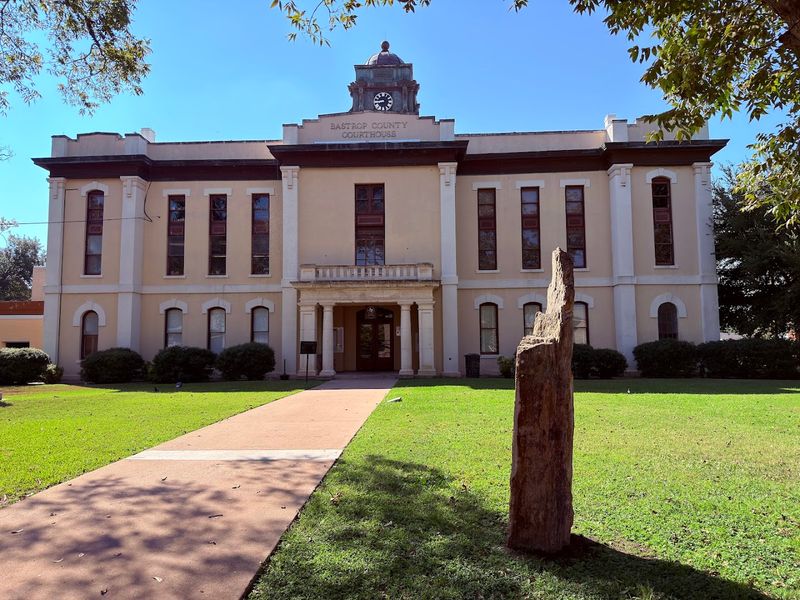
Bastrop has survived more than most towns its size ever face. Fires, floods, and economic downturns have all taken their swings, and yet Main Street still stands with its 19th-century bones largely intact.
There is a resilience baked into this place that you can almost feel in the warm-toned brick of every storefront facade.
Situated along the Colorado River, the town has a natural beauty that softens its historical gravity. The Lost Pines forest surrounds the area, an isolated stand of loblolly pines that feels wildly out of place in Central Texas yet somehow perfectly at home here.
Hiking trails thread through the pines in nearby Bastrop State Park, offering a shaded escape just minutes from the downtown square.
Antique shops and independent cafes fill the historic district with enough personality to keep browsers busy for a full afternoon. The Bastrop Opera House, restored and still hosting events, adds a cultural layer that many small towns lack entirely.
Local art galleries pop up between boutiques, giving the main drag a creative energy alongside its historical character. Bastrop is the kind of town where a quick stop for lunch quietly turns into an entire afternoon of wandering, and nobody minds one bit.
6. Fredericksburg
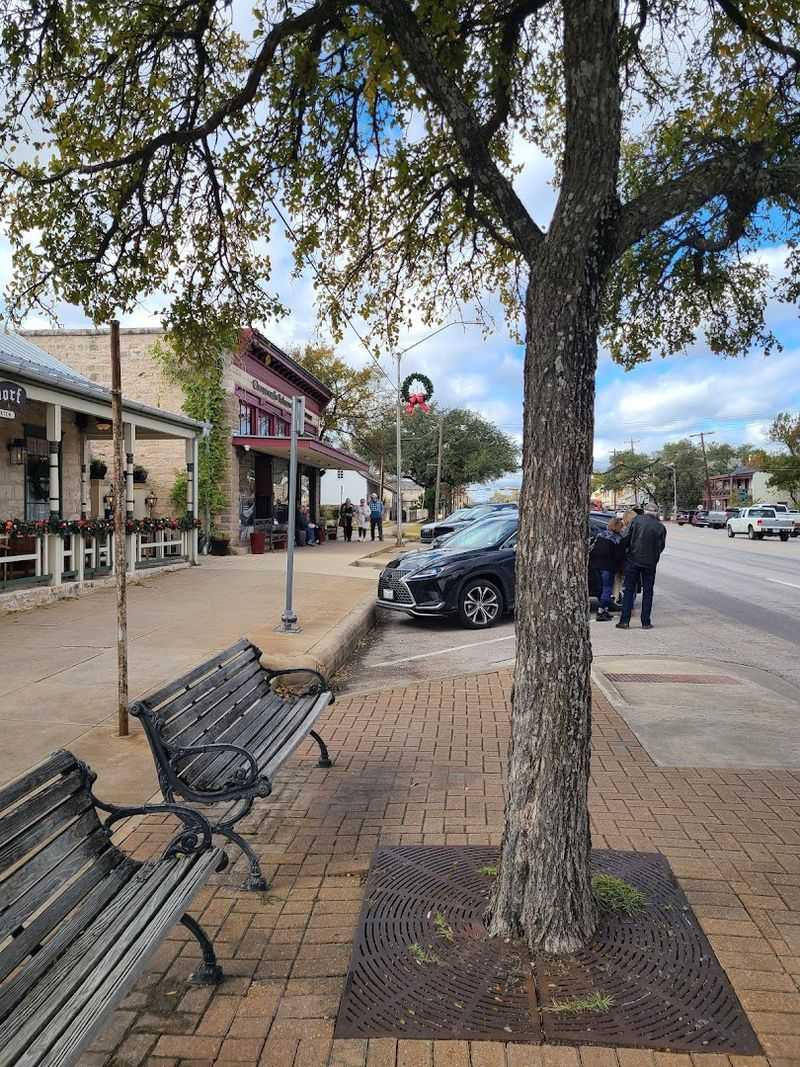
German heritage runs so deep in Fredericksburg that you can hear echoes of it in the street names, the architecture, and even the way the town is laid out.
Founded in 1846 by German immigrants, the Hill Country community has preserved its cultural identity with a pride that feels authentic rather than performative.
The wide main street, known as Hauptstrasse, was originally designed to be wide enough for an ox cart to turn around, and it still feels generously proportioned today.
The National Museum of the Pacific War draws visitors from across the country, honoring Admiral Chester Nimitz, who was born here, and telling the broader story of World War II in the Pacific theater.
It is a surprisingly world-class institution for a town of this size, and it adds a solemn, meaningful counterweight to all the shopping and sightseeing.
Pioneer Museum offers another layer, focusing on the early German settlers who built this community from raw Hill Country land. The surrounding countryside rolls with peach orchards and wildflower fields that peak spectacularly in spring.
Fredericksburg feels like a town that has figured out how to welcome visitors without losing itself in the process, and that balance is rarer than it sounds.
7. Salado
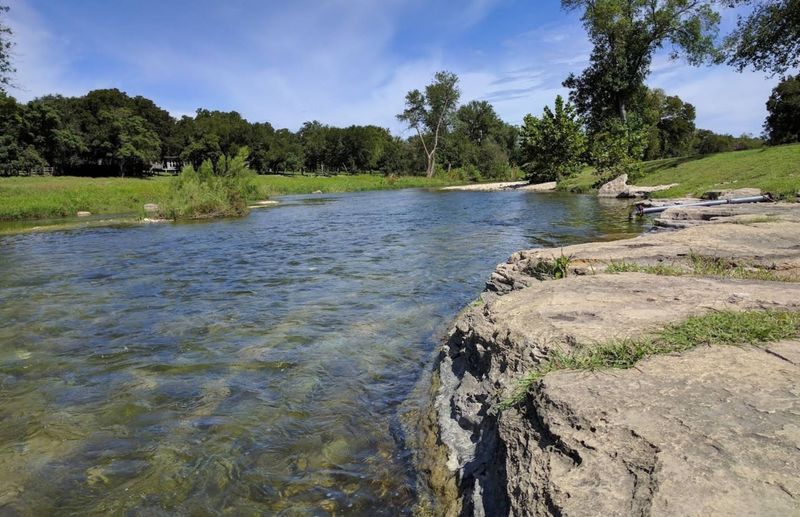
Salado is easy to miss if you are not paying attention, hidden just off Interstate 35 between Austin and Waco, and that would be a genuine shame.
The town is small enough that you can walk its entire historic stretch in under an hour, but the quality of what you find along the way punches well above the town’s modest size.
Salado Creek runs through the heart of the community, lined with century-old trees that shade the banks and create a canopy of green that feels almost theatrical in its beauty.
The creek has been a gathering point since the days when Salado served as a stagecoach stop on the Chisholm Trail, and local lore suggests that figures like Sam Houston once stopped here to water their horses.
Galleries, studios, and craft shops fill the limestone buildings that line the main road, many of them operated by working artists who live in the surrounding area.
The Salado Civic Center and local churches reflect the town’s strong community identity, while the annual Salado Legends festival brings history to life through outdoor drama and storytelling.
Salado proves that you do not need size to make a lasting impression on a traveler’s memory.
8. Goliad
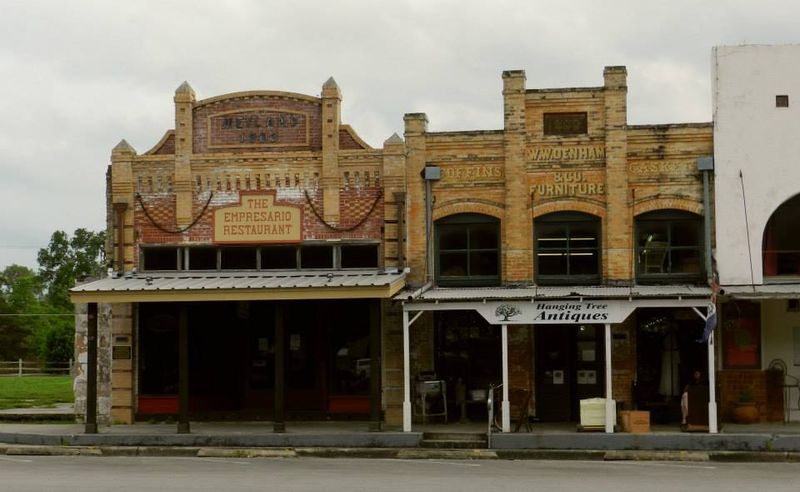
Few Texas towns carry the emotional weight that Goliad holds quietly within its borders. The name alone is loaded with history, tied to one of the most pivotal and tragic events of the Texas Revolution, the Goliad Massacre of 1836.
Yet the town itself does not feel heavy or grim. It feels reverent and deeply proud of what it has preserved.
Presidio La Bahia is one of the best-preserved Spanish colonial forts in the entire Western Hemisphere. The thick stone walls and the chapel inside still hold regular services, making it one of the oldest continuously active churches in Texas.
That continuity is remarkable and a little humbling to stand in front of.
Mission Espiritu Santo, located within Goliad State Park, adds another layer of Spanish colonial history to the visit. The reconstructed mission buildings sit beside the San Antonio River, and the surrounding park offers camping, hiking, and birding along the riverbank.
Downtown Goliad is compact and unpretentious, with a classic Texas courthouse square anchoring the center. The town rewards visitors who come with curiosity rather than a checklist, offering history that is felt as much as it is read about on informational signs.
9. Wimberley
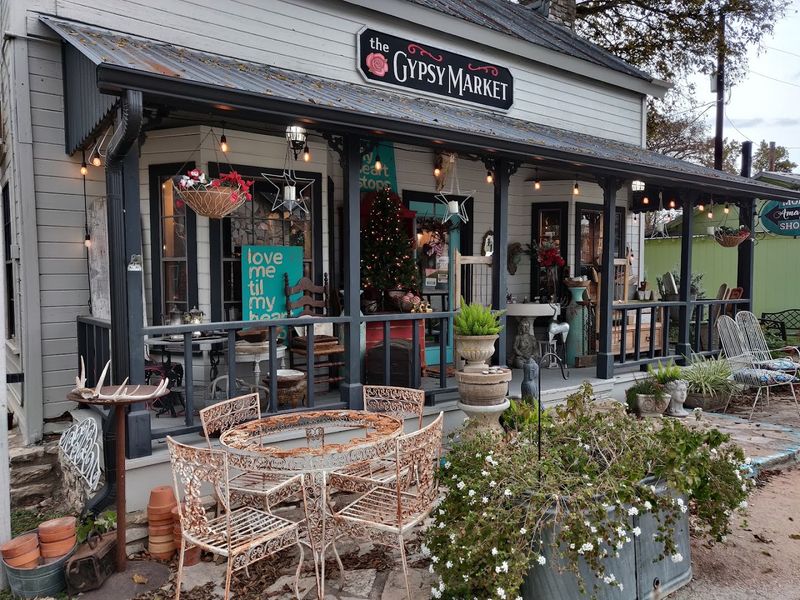
Wimberley has a personality that is hard to categorize neatly. Part artist colony, part outdoor retreat, part historic Hill Country village, it refuses to be pinned down, and that is a big part of its appeal.
The Blanco River and Cypress Creek converge near here, and the water defines much of the town’s identity and rhythm throughout the year.
The Wimberley Square, a cluster of locally owned shops, galleries, and eateries, buzzes with a creative energy that feels organic rather than manufactured.
Artists have been drawn to this area for decades, and their influence shows in everything from the murals on building walls to the handmade jewelry displayed in cottage storefronts.
Market Days, held on the first Saturday of each month from April through December, draws vendors and browsers from across the region.
Blue Hole Regional Park offers one of the most beautiful natural swimming spots in Texas, where towering cypress trees arch over a stretch of clear green water that stays cool even in the height of summer.
Jacob’s Well, a natural spring-fed swimming hole nearby, has become almost mythically famous for its crystal-clear depth.
Wimberley is the kind of place that sneaks up on you and then refuses to leave your memory.
10. Comfort
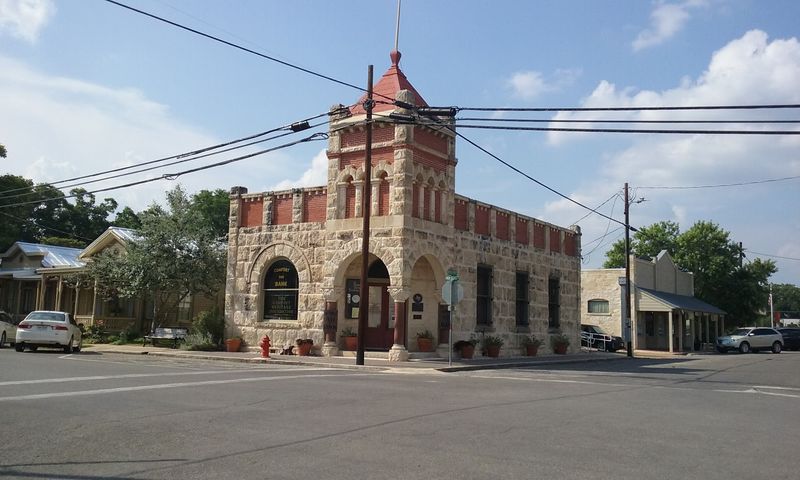
The name fits perfectly. Comfort is exactly that, a small Hill Country town that asks nothing of you except that you slow down and pay attention.
Founded by German freethinkers in the 1850s, the town has an intellectual and independent spirit that feels woven into the very fabric of its streets and buildings.
High Street is the historic heart of Comfort, and it looks remarkably similar to how it must have appeared a century ago. Limestone buildings with thick walls and simple facades line the block, housing antique dealers, small galleries, and a handful of local shops that operate on their own quiet schedule.
There is no rush here, and the town seems to enforce that standard collectively.
The Treue der Union monument, erected in 1866, stands as one of the oldest Civil War memorials in Texas and tells a complicated, courageous story about the German Unionists who refused to support the Confederacy.
That monument alone gives Comfort a historical significance that most visitors do not expect from such a small community.
The surrounding landscape of cedar and live oak adds to the sense of remove from modern life. Comfort is a place that earns its name every single time.
11. Chappell Hill
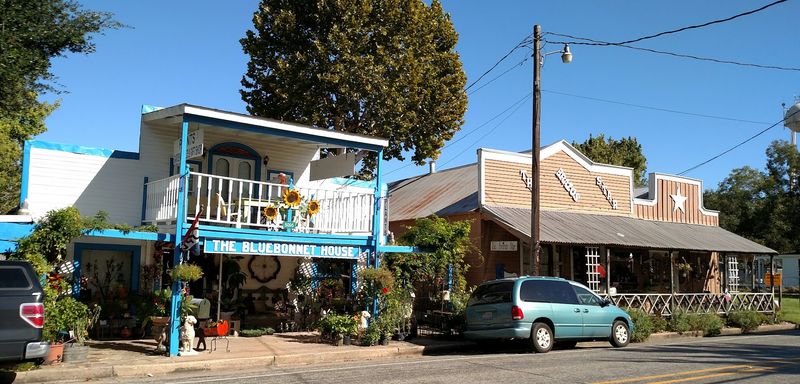
Chappell Hill is the kind of place that appears on the map almost as an afterthought, a tiny dot in Washington County that most people drive past without a second glance. That is their loss.
This small community, founded in the 1840s, holds a concentration of antebellum history and architectural charm that is genuinely surprising for its size.
The historic district features several well-preserved 19th-century structures, including the Chappell Hill Female College building, which speaks to the town’s early ambitions as an educational center in the region.
The community’s two oldest churches still stand and still hold services, creating an unbroken thread between past and present that feels quietly extraordinary.
Bluebonnet season transforms the surrounding countryside into something almost surreal, with roadsides blanketed in the state flower from late March through April.
The Chappell Hill Historical Museum, housed in an old Methodist church, does an excellent job of contextualizing the town’s role in early Texas settlement and the Civil War era.
Local festivals celebrate the town’s farming heritage with a warmth that feels completely unscripted. Chappell Hill is proof that the most rewarding Texas road trip discoveries are often the ones you stumble upon without a plan.
12. Calvert
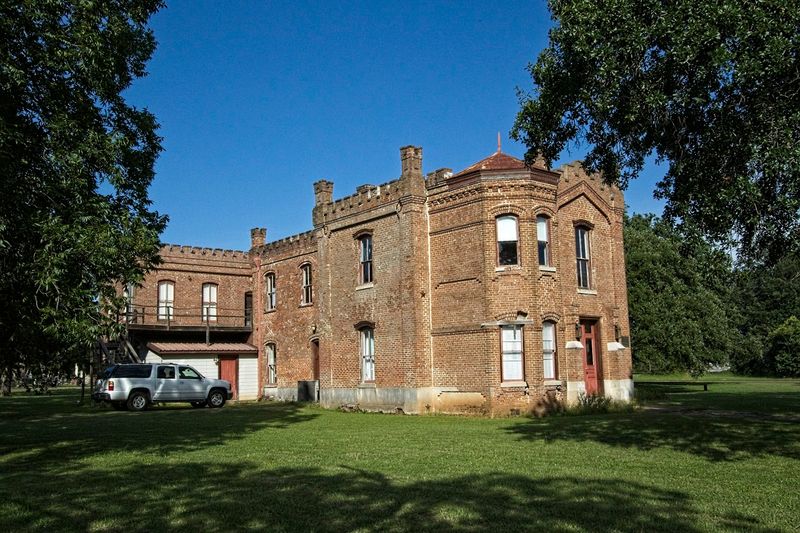
Calvert reached its peak in the late 1800s when it was one of the wealthiest cities per capita in the entire country, fueled by cotton and railroad commerce. Then the economy shifted, the railroads reorganized, and Calvert was left with something most boomtowns never get to keep: its buildings.
They are still standing, and they are extraordinary.
Main Street feels like a film set for a period drama, lined with elaborate Victorian commercial buildings featuring ornate brickwork, decorative cornices, and cast-iron details that speak to the ambitions of a town that once thought its future was limitless.
The Robertson County Courthouse adds to the architectural drama with its own historic gravitas.
Antique hunters make pilgrimages to Calvert specifically for its shops, which are stocked with genuine period pieces rather than mass-produced reproductions.
The town’s small population means that the streets are often quiet, giving the whole experience a slightly dreamlike quality, as if you have wandered into a moment that time forgot to close the door on.
Local preservation efforts have kept many buildings from falling into disrepair, and the community’s pride in its heritage is obvious in every restored facade. Calvert is a hidden gem that rewards the genuinely curious traveler.
