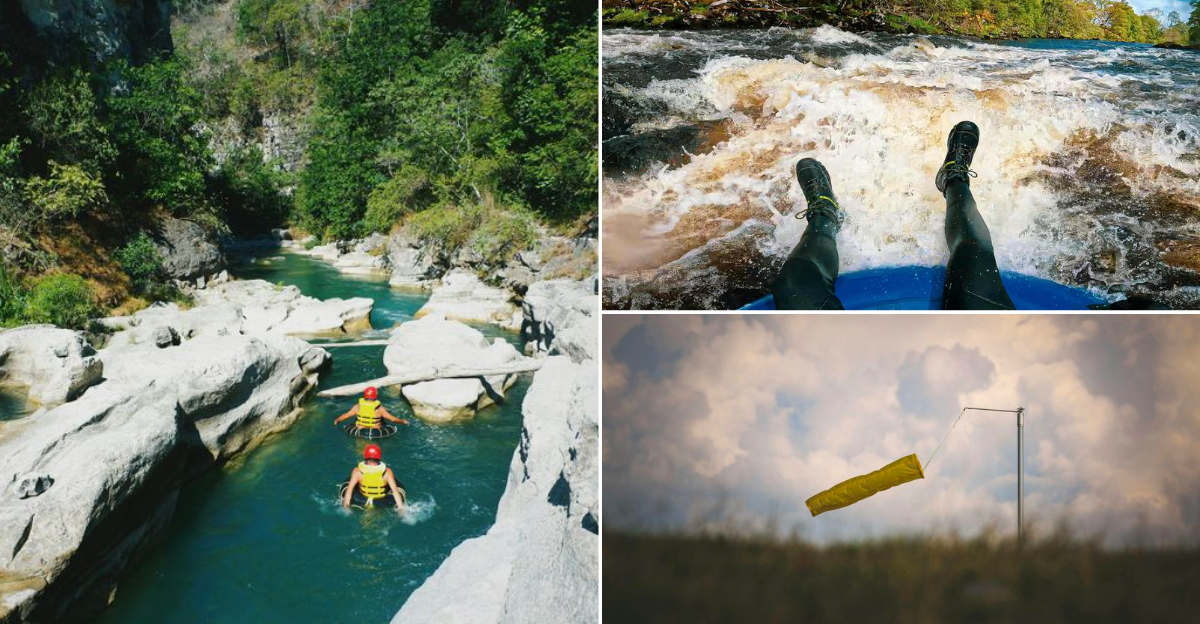
I thought floating a Montana river would be a lazy, sun-soaked drift until I watched a guy slam into a rock and lose his flip-flops, cooler, and dignity in one go.
River tubing looks effortless, like you just hop in and let the current do the work, but these waters are colder, faster, and more unpredictable than they look from the bank.
A calm stretch can hide a sudden drop, a snagged log, or a bend that pushes you straight into trouble. Add in altitude, icy runoff, and long distances between exits, and a chill afternoon can turn into a medical situation fast.
The mistakes people make are usually small and casual, the kind you would shrug off on a lazy summer day, but here they stack up quickly. Knowing what not to do is the difference between a perfect float and a trip you did not plan on taking.
1. Skipping A Life Jacket Because The Water Looks Calm
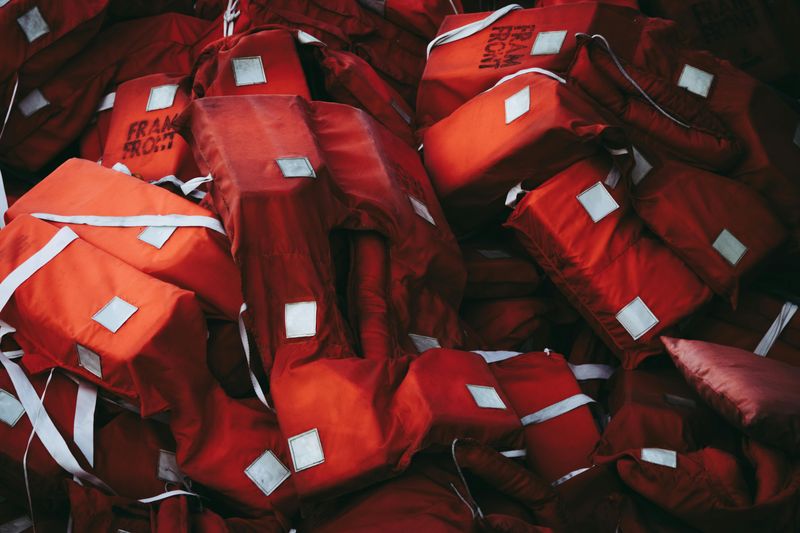
I know the water looks lazy near the put in, but calm on the surface can hide a fast push underneath. A life jacket is the one thing that buys you time when the river decides to grab you.
Montana rivers run cold and pushy even on bluebird afternoons.
One swim in a swirly eddy can flip your confidence faster than your tube.
You do not plan to swim, you plan to float. The river never promised to follow your plan.
Think about the bends on the Madison where gravel bars end in a deeper chute. That is where you hit a submerged branch and pop right out like a cork.
A proper PFD keeps your face up and your feet downstream while you reset. It also gives your buddy a real handle to grab if they swing by.
Out near the Yellowstone through Paradise Valley, the breeze can carry you sideways.
If you stand to fight it, you might slip and go under for a second that feels much longer.
Jackets are not about looking like a pro. They are about getting a second chance when you mess up like everybody does.
Grab one that fits snug and does not ride up. Buckle it before you step off the bank, not mid current.
Your future self will not remember the fashion choice. Your lungs will remember the air.
Make the easy decision on shore. The river gets a vote once you are in.
2. Underestimating Cold Water Shock In Montana Rivers
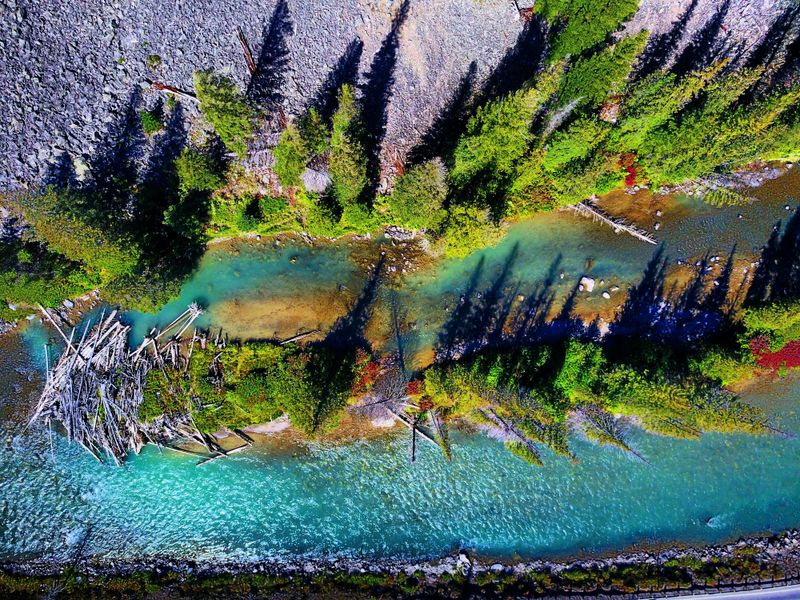
You dip a hand and think, that is chilly, but fine. Then your whole body hits the cold and your chest tightens like someone slammed a door.
Cold water shock is not drama, it is biology. Your breathing spikes, your muscles seize a bit, and simple tasks suddenly feel complicated.
On the Gallatin, shade from the canyon keeps temps low even in sunshine.
One flip and you realize how fast numb hands lose grip on the tube.
That first gasp is where folks inhale water. A life jacket turns that first minute from panic to pause.
Wear a thin neoprene top or at least a synthetic layer you do not mind getting soaked. Cotton turns to a cold blanket and drags you down emotionally and physically.
If you know you will swim a little, plan the swim. Practice the feet-first position in a calm eddy so it is not brand new when it matters.
Pick shorter floats early in the season. Save the long meanders for true summer warmth on the Blackfoot or Bitterroot.
Tell your group about cold shock before you launch. Then it is not a scary surprise, just a thing you are already expecting.
Warm up fast once you take out. A dry layer in a bag can turn the shivers down.
Cold is sneaky in Montana. Respect it and you get your fun back.
3. Not Checking River Level And Flow Before You Float
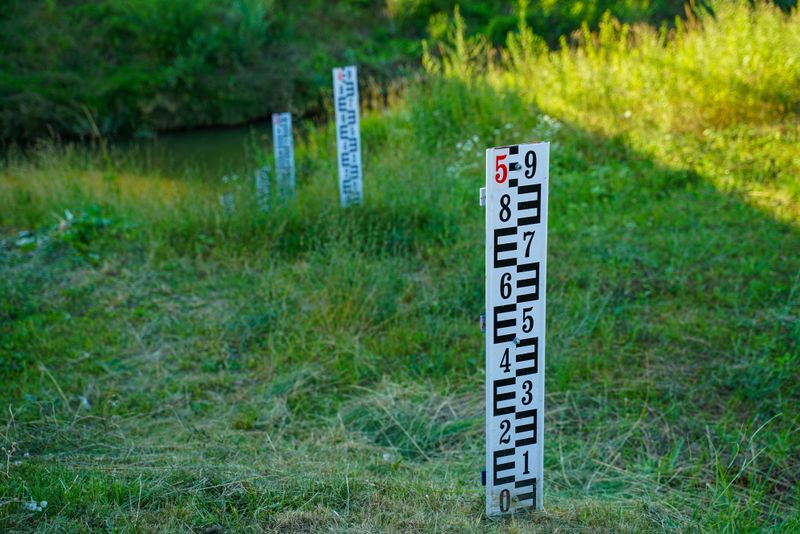
Flow numbers sound nerdy until you are sideways in fast water that felt easy from the parking lot. The gauge decides the vibe long before your tube touches the surface.
High flow smooths rocks and speeds everything up.
Low flow turns the river into a pinball course of shin bruisers and stuck rafts.
Check USGS for the Madison, Yellowstone, or Blackfoot before you drive. Compare the trend, not just a single snapshot.
If it spiked after storms, expect debris and stronger pull near cut banks. If it dropped hard, expect scrapes, slow corners, and longer time to take out.
Wind plus higher flow can stack into tricky ferries. You think you will make that left channel, and then you are past it.
Pick a section that matches your group, not your ego.
Newer floaters do best on mellow, wide water and plenty of eddies.
Call a local shop in Montana and ask a real human. You will get the honest go or no go in two minutes flat.
Write the target flow on your phone so you remember next time. Patterns start to click after a couple of trips.
Pack a quick throw line if levels are spicy. It is tiny insurance with huge payoff.
Numbers are not boring when they keep you upright. Read the river before the river reads you.
4. Starting Too Late And Getting Stuck After Dark
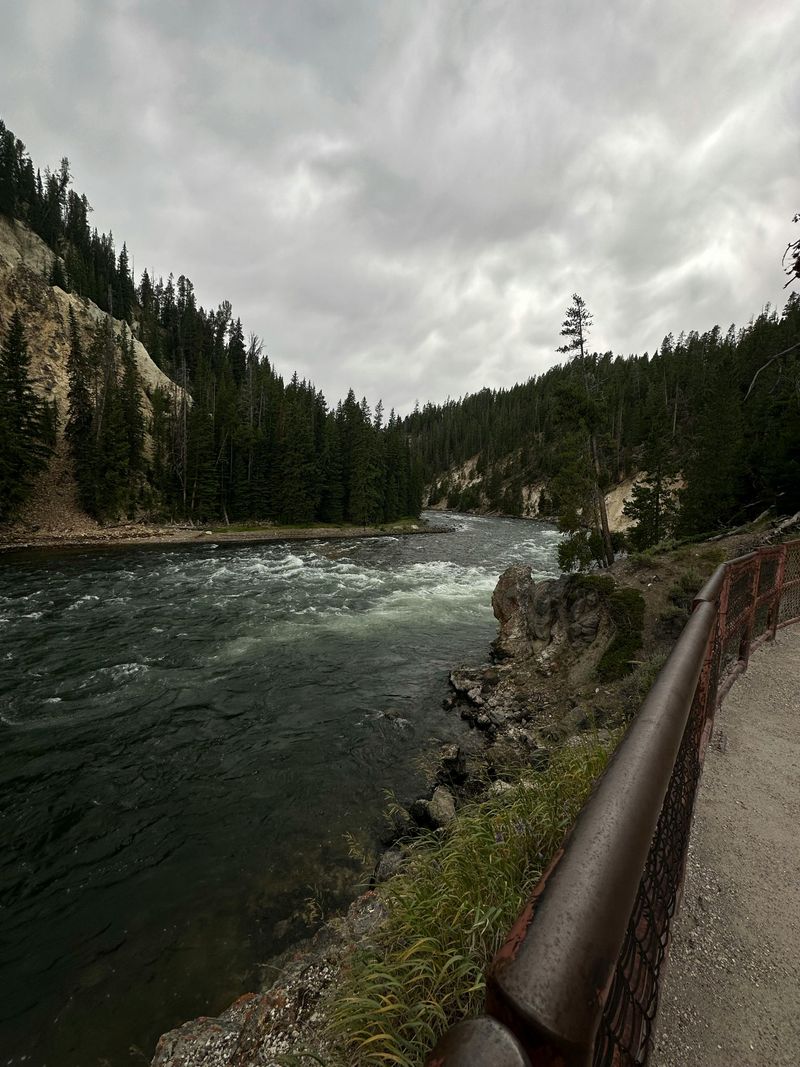
The sun hangs forever in Montana until suddenly it does not. Shadows stretch, the breeze cools down, and your easy float turns into a clock you cannot stop.
Getting caught after dark is a whole different river. You lose depth cues, miss strainers, and guess where the takeout sits.
On the Yellowstone near Livingston, evening wind can blow upstream and stall you. Ten lazy minutes becomes a sweaty hour of paddling with flip flops.
Start earlier than feels necessary. Build in a cushion for snacks, swims, and the friend who always needs to re tie something.
Bring a tiny waterproof light even for daytime. If you do not use it, great, but if you do, you are a hero.
Mark the takeout on your phone with a pin. That last bend can fool you when the banks all look the same color at dusk.
Tell a buddy your finish time and location. If you miss the check in, they know what to do.
Montana evenings drop temperature fast on the water. A dry shirt waiting in the car changes the whole mood.
Darkness shrinks your options. Daylight gives you exits.
Float early, chill later. Night is for campfires, not guessing at currents.
5. Ignoring Launch And Takeout Logistics Until It’s Too Late
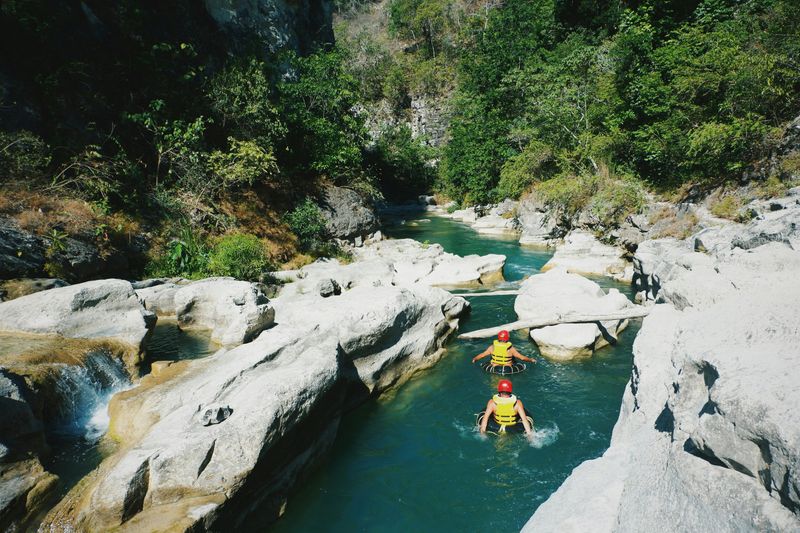
Here is how days go sideways fast. Everyone is hyped, someone says we will figure the car shuttle later, and then you drift past the only easy exit.
Montana access points can be simple gravel paths or steep dirt with roots. Neither is fun in wet sandals while hugging a tube.
Walk the takeout before you launch and note landmarks.
Maybe it is a chunky cottonwood or a fence line cutting down to the bank.
Count vehicles for the shuttle and trade keys. Hide a spare in a lock box so nobody gets stranded if pockets get soaked.
Check for signs about private land or closures. River miles can sneak across property lines faster than you expect.
On the Blackfoot, some pullouts sit right after sharp corners. If you miss them, you commit to another long stretch.
Save the exact spot in your map app with a name you will recognize.
Something like bridge left bank beats takeout maybe.
Stage a throw line near the takeout for quick help. A gentle tug can end the wobbly scramble.
Talk through the plan out loud. The whole crew moves smoother when everyone knows the steps.
Good logistics feel boring on shore. On the water, they feel like luck you made on purpose.
6. Wearing Bare Feet Or Flimsy Shoes On Rocky Banks
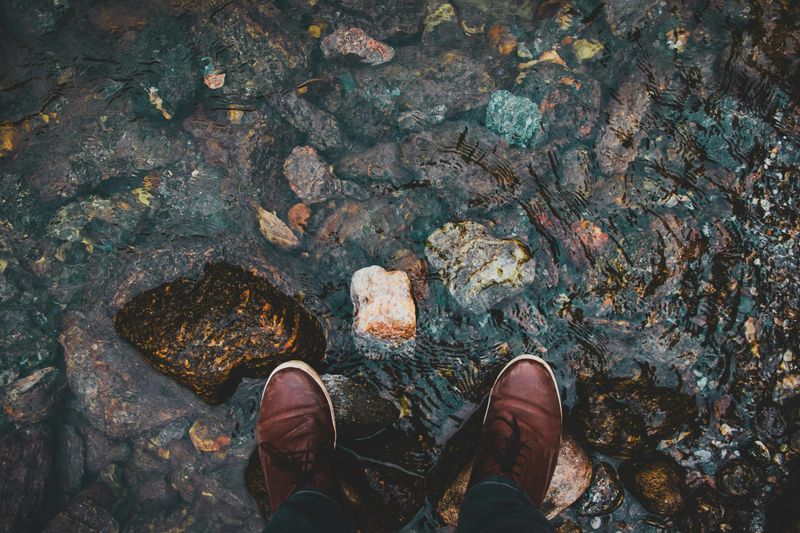
Bare feet on Montana rocks look cool for about two steps. Then you catch a slick spot, stub a toe, and the whole float feels sideways.
Those banks hide thorns, hooks, and broken branches.
Even near popular launches, sharp gravel will chew lightweight soles.
Water shoes with real tread change everything. They grip wet stone and protect your ankles when you hop in or out.
Think about the Gallatin’s round cobbles tucked under fast water. One awkward plant and you are on your hip before you can blink.
A strap that locks your heel beats floppy slides every time. You want that secure feel when a wave shoves you off balance.
If you swim, you will stand somewhere you did not plan to. That is when sturdy shoes turn chaos into shrug and keep moving.
Pack a dry pair for the car so your feet can breathe.
The drive home feels better when you are not pruning.
Check the insole after sandy launches. A quick shake saves blisters later.
Montana rivers are friendly, the rocks are not. Dress your feet like you want to walk tomorrow.
Tiny upgrade, big comfort. Also big safety.
7. Bringing Glass Or Loose Gear That Turns Into A Hazard
Glass on a river is a bad idea that becomes everyone’s problem when it breaks.
One slip on a rock and you have shards in current where nobody can see them.
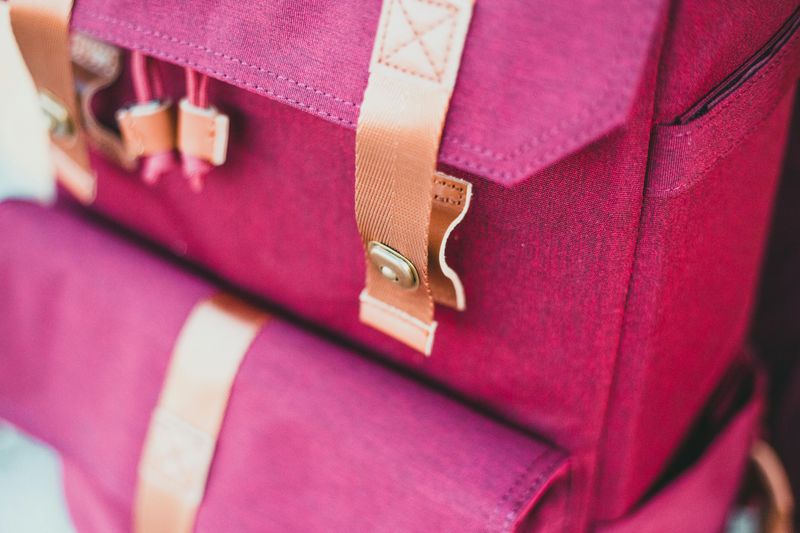
Loose gear is the cousin of glass. It tumbles out, snags on a branch, and turns into a strainer you accidentally made.
Use soft containers and a mesh bag with clips. Strap it to the tube so it rides with you, not beside you.
On the Yellowstone through Paradise Valley, side channels love to catch free floating stuff. That is where you will see your hat wave goodbye forever.
Bring a small trash pouch so nothing escapes. If it floats, it flies, and wind in Montana carries things farther than you think.
Keep a knife in a quick pocket in case a line wraps. You hope to never touch it, but when you need it, you need it now.
Skip long dangling cords and carabiners that can hook branches.
Short leashes with easy releases are your friends.
Label the dry bag with a name and number. If it bounces free at the launch, someone might hand it back at the takeout.
Leave glass at home, bring smart containers. Your feet, the fish, and your future self will thank you.
Clean in, clean out. It is simple and it works.
8. Floating Without A Buddy Plan Or Emergency Meet Spot
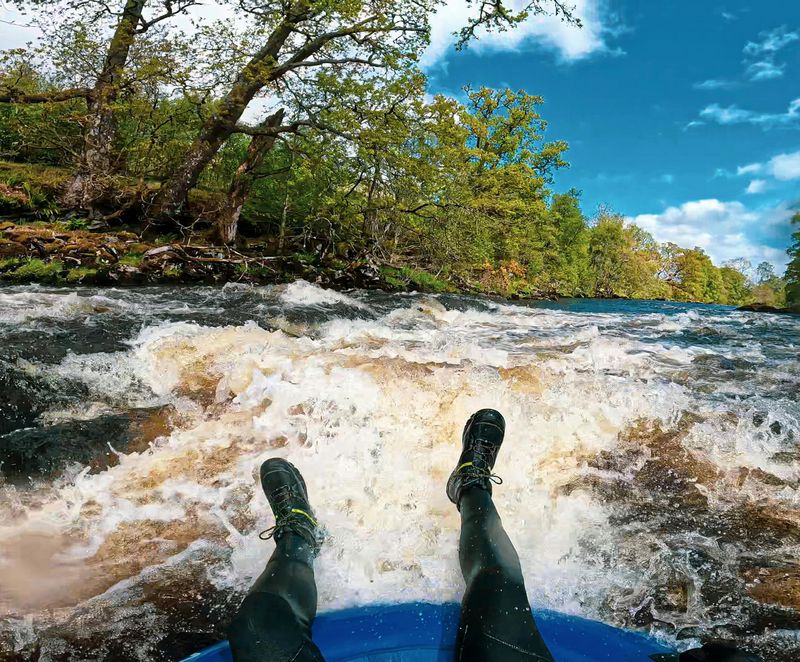
Groups scatter on wide water faster than you expect. One minute you are side by side, the next you are yelling over wind and riffles.
A buddy plan keeps things simple when the river pulls.
Pair up, agree on signals, and pick a default eddy if someone pops a tube.
Choose a meet spot you can describe in plain words. Bridge left bank or cottonwood with big scar beats mile marker guesses.
On the Clark Fork through Missoula, city noise can hide shouts. A simple whistle on a lanyard carries better than voices.
Share a pin to the takeout with everyone, not just the driver.
Phones get wet, but sometimes one survives and saves wandering.
Set a timeline for check ins at obvious breaks. If someone is late, you do not waste time deciding whether to worry.
Write an emergency contact on a waterproof card. It is old school and still works when batteries quit.
In Montana, cell gaps are real outside town. A plan beats coverage every time.
Float together when the water speeds up. Spread out on the lazy bends where you can see each other.
Simple plan, better day. You get freedom without the scramble.
9. Missing Weather Changes That Turn Wind Into A Problem
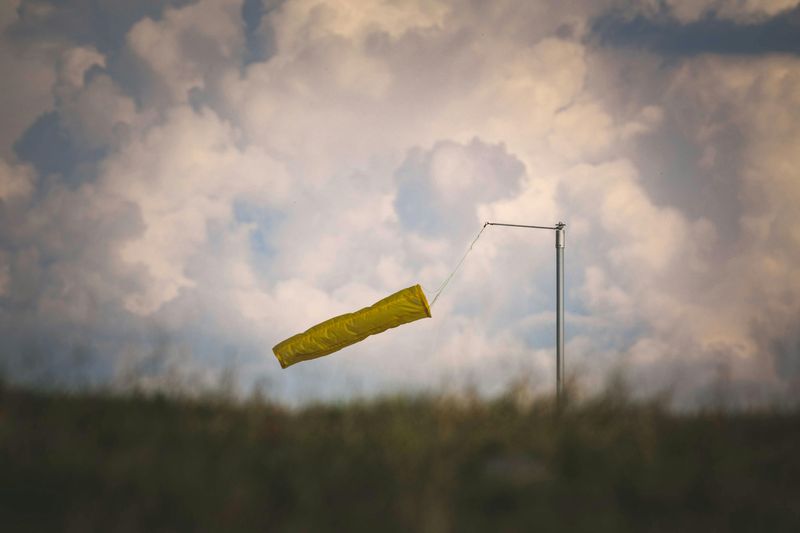
You know that breeze that felt cute in the parking lot. Out on the water it pins you against the wrong bank and makes every bend feel uphill.
Wind stacks waves that slap your tube and spin you. It also steals body heat and pushes you off the clean line you scouted.
Watch the forecast for gusts and direction, not just a sunny icon.
Afternoon wind is a Montana habit, especially in open valleys.
On the Jefferson or Yellowstone, long straight stretches turn into rowing machines. That is when folks try to stand and paddle harder and then fall.
Bring a short-handled paddle for control. Two quick strokes regain your angle before the gust finishes its shove.
Stick closer to the inside bends where wind has less fetch.
Trees and high banks can give just enough shelter.
If whitecaps show up, shorten the day. Take the nearest reasonable exit and call it a win.
Secure hats, maps, and light gear so nothing becomes airborne. A little tether saves a lot of chasing.
Montana weather shifts faster than moods. If the clouds stack dark on the ridges, pay attention.
Wind is not personal. Plan for it and keep your day easy.
10. Forgetting Sun Protection And Hydration On Long Floats
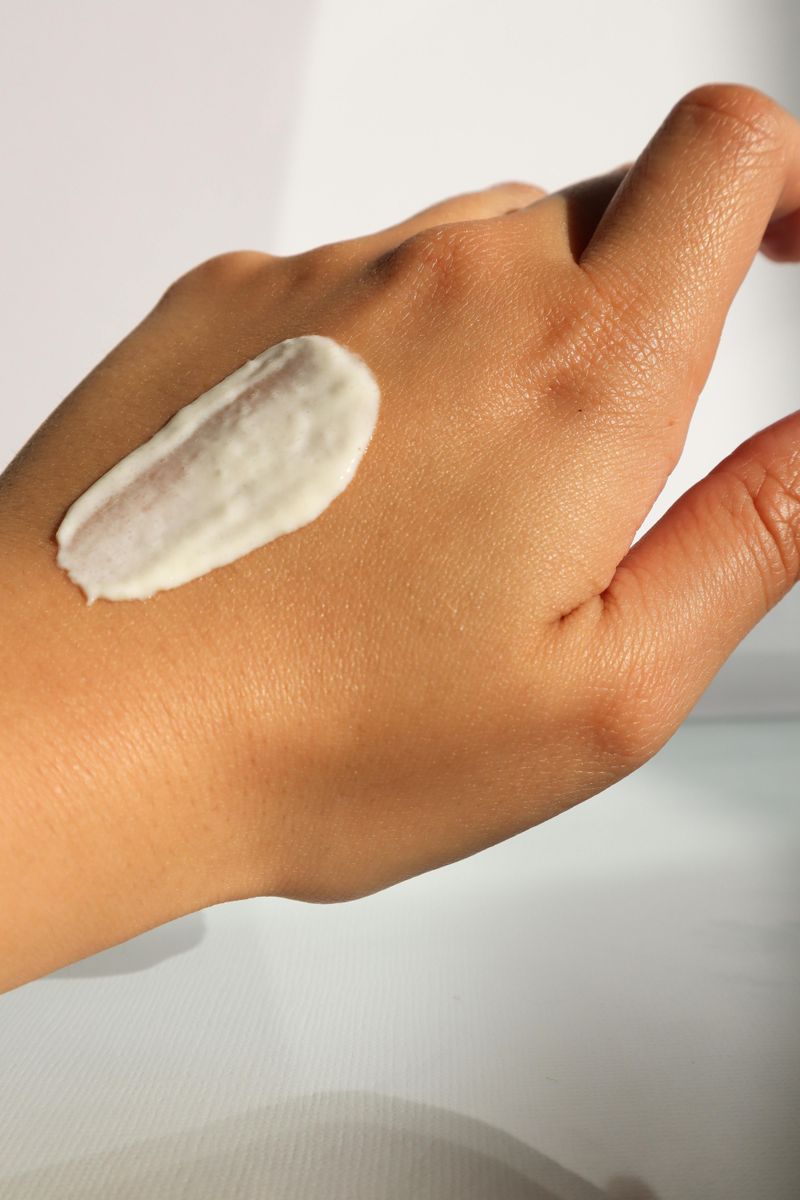
The sun feels friendly until you stand up at takeout and realize your legs look like cooked lobsters. Shade is rare on wide Montana rivers and the water reflects light right back at you.
Dehydration sneaks in when the breeze keeps sweat hidden.
Headaches and clumsy choices follow close behind.
Wear long sleeves that breathe, a hat with a real brim, and good sunglasses. Your future self will send a thank you note from the couch.
Reapply sunscreen during a mid float stop on a gravel bar. One coat at the launch does not last a whole afternoon.
Pack more water than feels reasonable in a soft bottle. Tuck it into the tube net or a small bag clipped tight.
On the Bitterroot near Hamilton, open sections glare hard at midday. That is where folks doze and wake up roasted.
Electrolyte tabs weigh nothing and help when the day runs long. Sip before you feel thirsty, not after.
Check your friends for the pink glow and the glazed look.
A quick shade break and a drink can salvage the mood.
Montana sun shows up strong whether the air feels hot or not. Treat it like part of the river, not background scenery.
Finish with a dry shirt and a cool rinse if you can. Comfort is safety wearing a friendly mask.
Dear Reader: This page may contain affiliate links which may earn a commission if you click through and make a purchase. Our independent journalism is not influenced by any advertiser or commercial initiative unless it is clearly marked as sponsored content. As travel products change, please be sure to reconfirm all details and stay up to date with current events to ensure a safe and successful trip.
