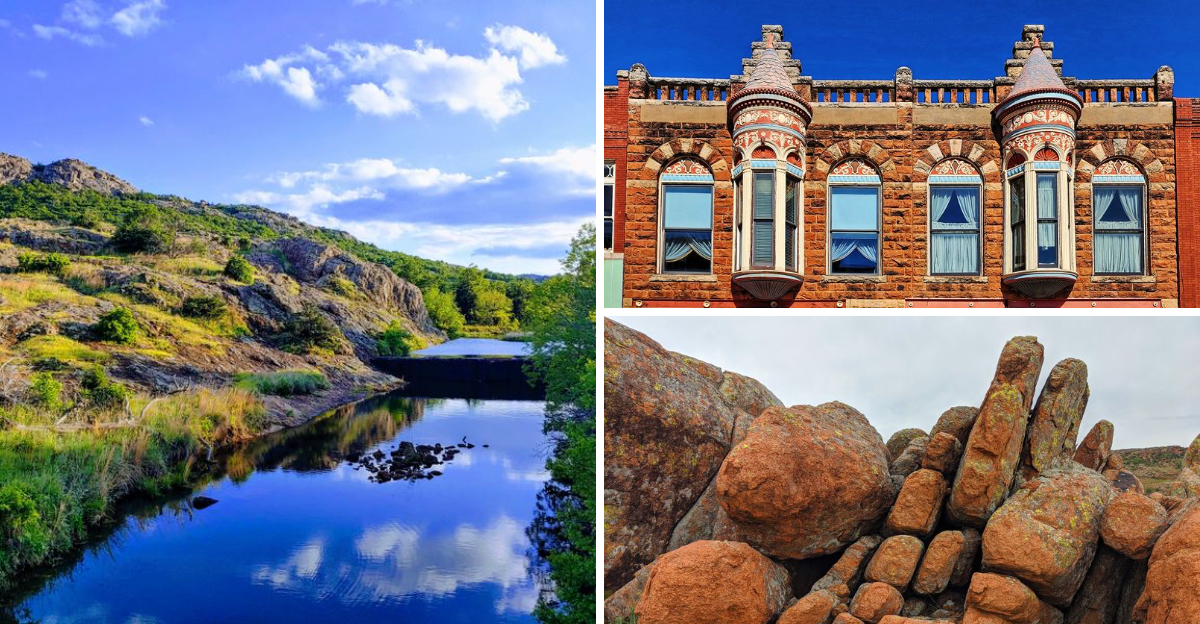
Oklahoma gets tagged with lazy labels that rarely survive actual contact. Visitors arrive expecting tumbleweeds and boredom, only to find layered culture, shifting landscapes, and communities that operate on their own terms.
The stereotypes stick because the state doesn’t perform for outsiders or package itself into digestible tourist bites. Instead, Oklahoma reveals complexity slowly, rewarding those who stick around long enough to notice the details.
What falls apart first is the assumption that you already understand what you’re looking at. A flat horizon can hide mountains an hour away.
A quiet town might hold more cultural history than cities twice its size. People who seem reserved at first often turn out to be the most generous hosts you’ll meet.
Oklahoma doesn’t announce itself loudly, but it dismantles misconceptions with steady consistency once you give it the chance.
1. “There’s Nothing to Do”
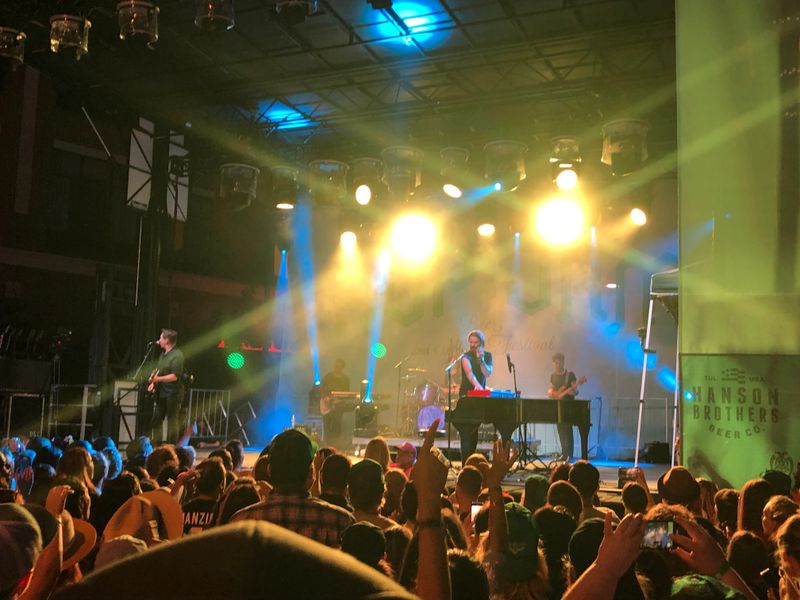
Tulsa’s arts district pulses with galleries, performance spaces, and restaurants that draw crowds without needing to shout about it. Oklahoma City’s Bricktown and Plaza District offer live music, murals, and dining scenes that locals actually use, not just tourists passing through.
The calendar fills with festivals, markets, and cultural events that happen because communities want them, not because a tourism board mandated them.
Museums like the Philbrook in Tulsa or the National Cowboy & Western Heritage Museum in Oklahoma City hold collections that rival institutions in much larger cities. These aren’t dusty relics, they’re active spaces where exhibitions rotate and programming stays current.
The Woody Guthrie Center, the Gilcrease Museum, and the Oklahoma City Museum of Art all offer depth that requires multiple visits to fully appreciate.
Live music venues range from intimate songwriter rooms to larger halls hosting national acts. The Cain’s Ballroom in Tulsa has been a landmark since the 1920s, still booking shows that pack the floor.
Smaller towns host bluegrass nights, open mics, and dance halls that have operated for decades without interruption.
Outdoor activity exists beyond the obvious. Rock climbing in the Wichita Mountains, kayaking the Illinois River, biking trails through Tulsa’s riverside parks, all accessible without the crowds that plague more famous destinations.
The rhythm is different, but the options are real. Oklahoma doesn’t market itself as an activity hub, but spend a week here and the “nothing to do” argument crumbles fast.
The state simply doesn’t package its offerings in flashy brochures.
2. “It’s All Flat and Empty”
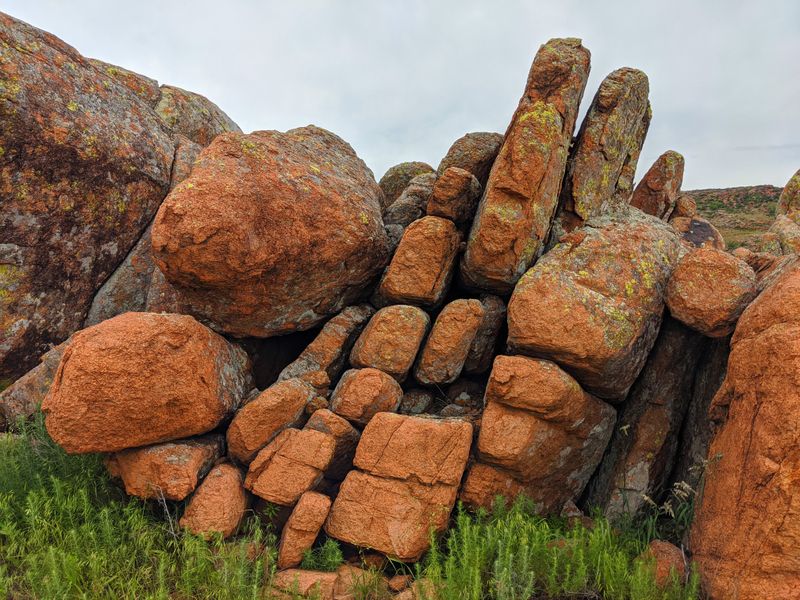
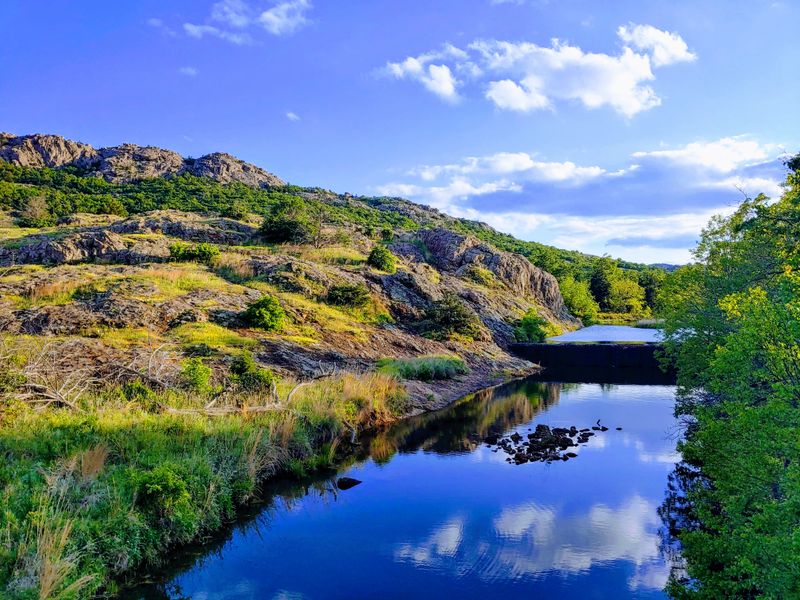
Drive west from Oklahoma City and the land does flatten, but keep going and the Wichita Mountains rise abruptly from the plains like a geologic surprise. Granite peaks, boulder fields, and prairie meet in a landscape that feels more like the Southwest than the Midwest.
Bison roam the wildlife refuge, and trails wind through terrain that shifts from grassland to rocky outcrops within minutes.
Eastern Oklahoma tells a completely different story. The Ouachita Mountains roll through forested hills thick with oak, pine, and dogwood.
Rivers carve through valleys, and the air smells like damp leaves and red clay. Towns like Talihina sit at the edge of the Talimena Scenic Drive, a road that climbs ridgelines and offers views that stretch for miles across layered peaks.
The red-dirt region around Stillwater and Enid holds its own visual identity. The soil glows rust-orange after rain, and the horizon stretches wide without feeling monotonous.
Mesas and buttes appear in the northwest near Black Mesa, Oklahoma’s highest point, where the landscape turns stark and high-desert dry.
Central Oklahoma’s Cross Timbers zone mixes prairie and post oak forests in a transition ecosystem that European settlers found confusing and difficult to categorize. It still resists easy description.
The state’s geography doesn’t repeat itself, it cycles through distinct regions that require different driving strategies, different hiking gear, and different expectations. Flatness exists, but so do mountains, forests, and mesas.
The emptiness people expect is really just distance between dramatically different zones.
3. “Everyone Lives the Same Way”
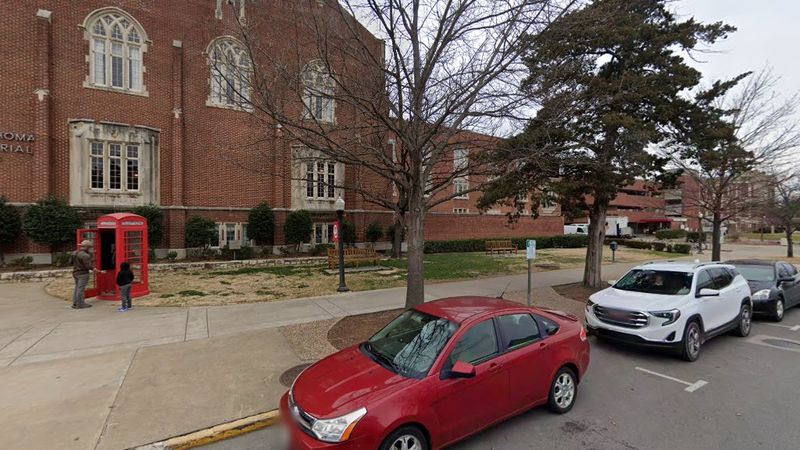
Norman operates on a college-town rhythm, shaped by the University of Oklahoma’s academic calendar and football schedule. Coffee shops stay open late, bookstores thrive, and the population swells and contracts with semesters.
The pace is intellectual, youthful, and oriented around campus life, with neighborhoods that cater to students, professors, and families who moved here for the schools.
Western ranching towns like Woodward or Guymon run on entirely different clocks. Cattle auctions, wheat harvests, and oil field schedules dictate daily routines.
Pickup trucks outnumber sedans, and conversations revolve around land, livestock, and weather patterns that directly affect livelihoods. The culture is practical, land-focused, and built around generational continuity.
Tribal communities across Oklahoma maintain governance structures, cultural practices, and economic systems distinct from surrounding towns. The Cherokee Nation, Chickasaw Nation, and Choctaw Nation operate their own healthcare systems, language programs, and business enterprises.
These aren’t symbolic gestures, they’re functioning governments with real infrastructure and populations that live within both tribal and state jurisdictions.
Southeastern forest towns like Broken Bow cater to tourism but remain rooted in timber and recreation industries. The economy revolves around cabin rentals, state parks, and outdoor recreation, creating a lifestyle centered on hospitality and seasonal rhythms.
The population skews toward retirees, outdoor guides, and families who prioritize access to lakes and forests over urban amenities. Oklahoma doesn’t impose a single lifestyle, it contains parallel worlds that rarely intersect but coexist within the same state borders.
4. “Oklahoma Has No Culture”
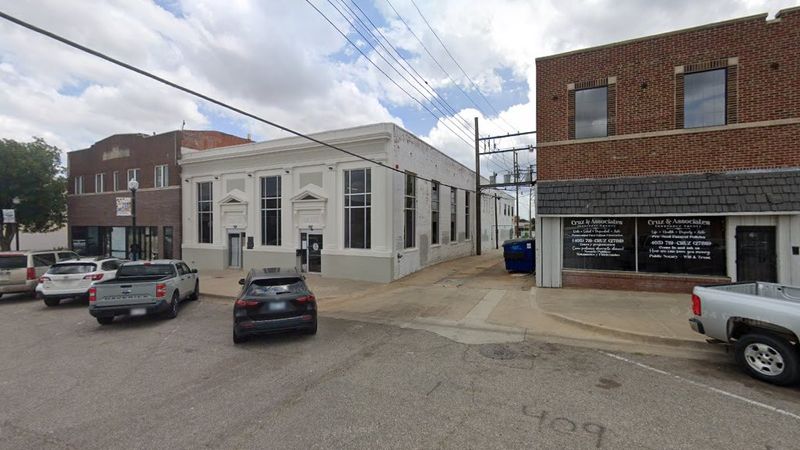
Black Wall Street in Tulsa was one of the wealthiest Black communities in America before the 1921 massacre destroyed it. The Greenwood District today rebuilds that legacy through museums, memorials, and businesses that honor what was lost while creating something new.
The history is painful, but it’s taught, remembered, and integrated into the city’s identity rather than buried.
Native nations shape Oklahoma more than any other state. The Cherokee, Chickasaw, Choctaw, Muscogee, and Seminole nations were forcibly relocated here, but they rebuilt governments, languages, and economies that persist today.
Stomp grounds, language immersion schools, and tribal museums operate quietly but powerfully. This isn’t heritage tourism, it’s living culture practiced by enrolled citizens who navigate both tribal and state systems daily.
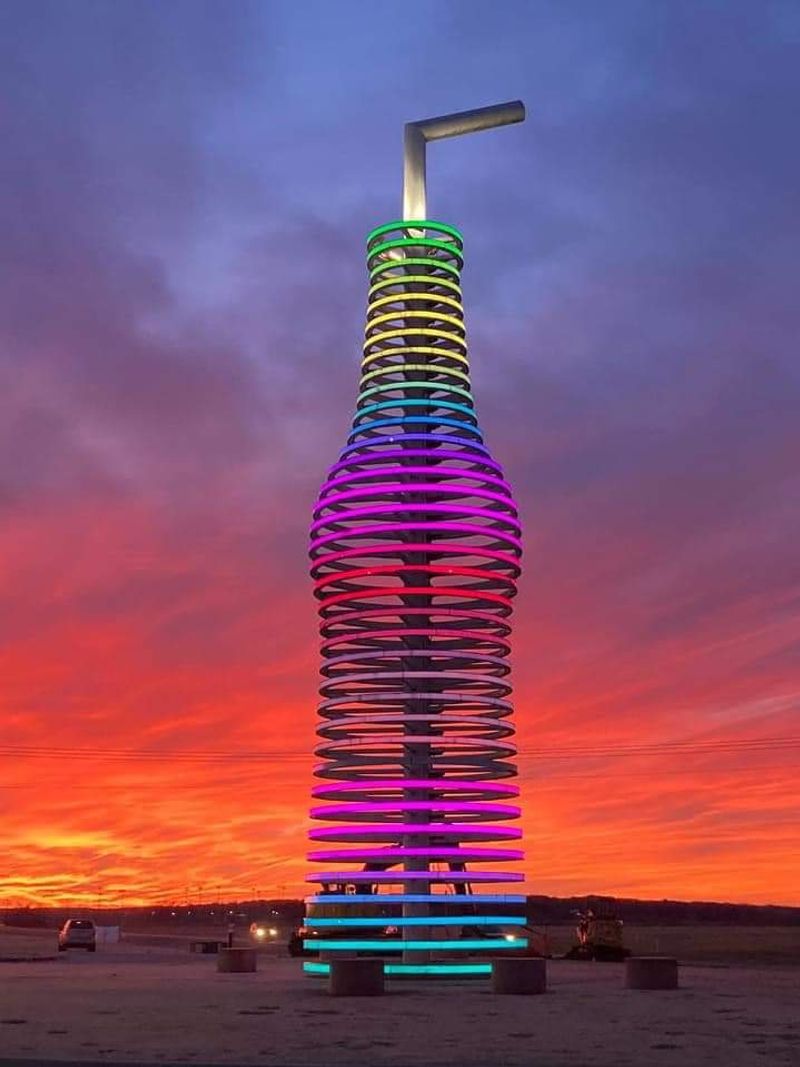
Route 66 runs through Oklahoma longer than any other state, and towns like Arcadia, Chandler, and Stroud preserve neon signs, roadside diners, and motor courts that still function. The nostalgia is real, but so is the commerce.
People stop for pie at POPS, photograph the Round Barn, and sleep in vintage motels that never closed.
Oil-era wealth built art deco buildings, funded museums, and created philanthropic institutions that still shape cities like Tulsa and Bartlesville. The Philbrook Museum sits in a former oil baron’s mansion, and the Price Tower in Bartlesville remains the only skyscraper Frank Lloyd Wright ever designed.
Oklahoma’s culture layers rather than replaces, each era leaves infrastructure and memory that coexist without erasing what came before.
5. “People Are Closed-Off to Outsiders”
Small-town gas stations become conversation hubs without effort. Locals ask where you’re headed, offer route advice, and recommend places to eat without expecting anything in return.
The interaction isn’t performative hospitality, it’s practical exchange rooted in communities where people actually talk to each other regularly. The friendliness doesn’t feel staged because it isn’t.
Oklahoma’s directness can be mistaken for coldness at first. People don’t lead with personal questions or effusive greetings, but they respond genuinely when engaged.
A rancher might seem gruff until you ask about cattle breeds, then suddenly you’re getting a twenty-minute education on Hereford versus Angus. The warmth exists, but it’s unlocked through real conversation, not surface-level pleasantries.
Farmers markets, church potlucks, and community events operate with an openness that surprises visitors. Newcomers get invited to sit, share food, and join conversations without needing introductions.
The assumption is that if you showed up, you’re welcome. This isn’t unique to Oklahoma, but it contradicts the stereotype that rural communities are suspicious of outsiders.
Small towns especially function on networks of mutual aid that extend to strangers. A flat tire on a back road often results in multiple offers of help within minutes.
Someone will stop, offer tools, or drive you to the nearest town without hesitation. The culture prioritizes practical assistance over formal politeness, which can feel abrupt but ultimately proves more generous than rehearsed hospitality.
Oklahoma people don’t perform friendliness, they practice it through action, and visitors notice the difference quickly.
6. “The Food Is Bland”
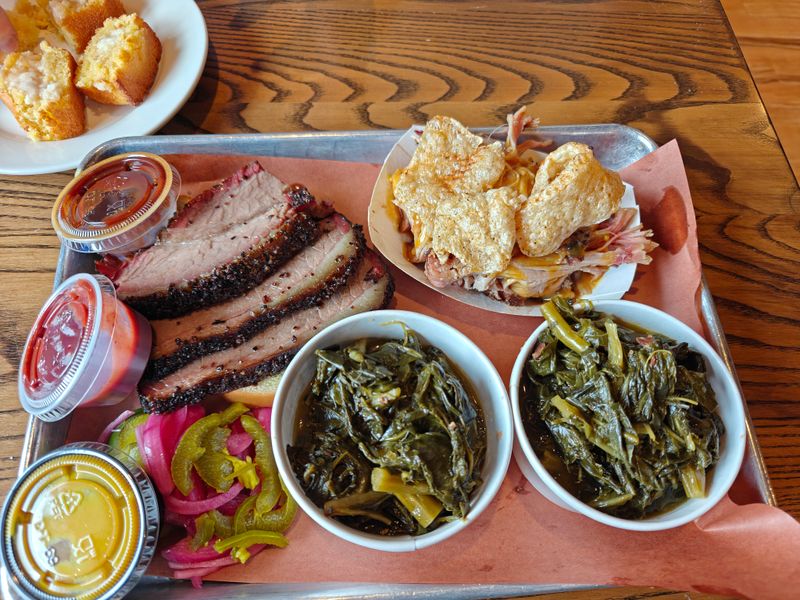
Oklahoma barbecue doesn’t announce itself loudly, but it holds its own against Texas and Kansas City styles. Burnt ends, brisket, and ribs come smoked low and slow, often in family-run joints that have operated for decades without changing the recipe.
Places like Leo’s BBQ in Oklahoma City or Burn Co in Tulsa draw lines without needing Yelp validation. The flavor is deep, smoky, and unapologetic.
Native fry bread traditions appear at powwows, festivals, and tribal events, served plain or topped with honey, chili, or powdered sugar. The bread is crispy outside, soft inside, and carries cultural significance beyond taste.
It’s not marketed to tourists, but visitors who encounter it remember it.
Vietnamese communities, particularly in Oklahoma City, have built a dining scene that rivals larger metro areas. Pho, banh mi, and bun bo hue fill menus at restaurants that cater to locals first.
The flavors are authentic, the portions generous, and the prices reasonable. This isn’t fusion or adaptation, it’s Vietnamese food made by Vietnamese families for a community that knows the difference.
Regional diners serve chicken fried steak, biscuits and gravy, and fried okra without apology or reinvention. The food prioritizes comfort and familiarity, cooked by people who’ve made the same dishes for years.
It’s not trendy, but it’s consistent and satisfying. Oklahoma food doesn’t chase national food trends, it sticks with what works, layering traditions from Native, Southern, immigrant, and ranch cultures into a regional identity that values depth over spectacle.
The flavor exists; it just doesn’t perform.
7. “The Weather Is Constantly Extreme”
Tornadoes make headlines, but most Oklahomans go years without seeing one. Severe weather exists, particularly in spring, but it doesn’t dominate daily life the way outsiders imagine.
Storm chasers and news crews create the impression of constant chaos, but locals treat warnings pragmatically, check radar apps, and go about their business unless conditions genuinely escalate.
Oklahoma’s weather is dramatic but not perpetually dangerous. Spring brings thunderstorms that light up the sky and drop hail, but they also bring wildflowers and green prairie that only lasts a few weeks.
Summer heats up fast, but evenings cool down enough for porch sitting and outdoor gatherings. Fall arrives with warm days and crisp nights, perfect for high school football and bonfires.
Winter varies wildly from year to year. Some winters bring ice storms that shut down roads for days; others stay mild and dry.
The unpredictability is real, but communities adapt with generators, stocked pantries, and the expectation that weather will occasionally disrupt plans. It’s not fear, it’s preparation.
The relationship to weather here is pragmatic rather than dramatic. People watch the sky, listen to forecasts, and make decisions based on real conditions, not hype.
Basements and storm shelters are common, but they’re used for storage most of the time. Oklahomans don’t ignore weather, they respect it without letting it dictate their entire existence.
The stereotype of constant extremes comes from sensational coverage, not lived experience. Most days are ordinary, and communities function normally despite the occasional spectacular storm that makes national news.
8. “It’s Stuck in the Past”
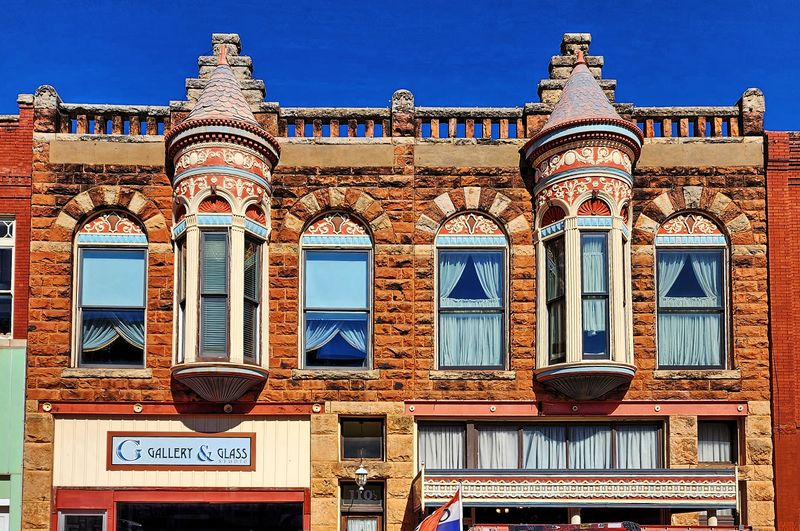
Guthrie’s entire downtown is a National Historic Landmark, with Victorian buildings lining streets that look frozen in the 1890s. But the interiors hold modern businesses, breweries, boutiques, and tech startups that operate inside century-old facades.
The preservation is intentional, but the function evolves. History provides structure, not stagnation.
Oklahoma City’s skyline has transformed over the past two decades. The Myriad Botanical Gardens, Scissortail Park, and the revitalized Bricktown district show a city investing in public spaces and infrastructure.
The MAPS projects, voter-approved sales taxes funding civic improvements, have reshaped the metro without erasing its character. Change happens incrementally, guided by community input rather than developer whims.
Small towns balance preservation with pragmatism. A historic courthouse might get restored while the square around it adapts to modern commerce.
Old theaters reopen as music venues or community centers. Main streets hold antique shops alongside coffee roasters and coworking spaces.
The past isn’t abandoned, but it’s not worshiped either, it’s repurposed.
Tribal nations demonstrate this balance clearly. Language revitalization programs use digital tools and immersion schools to teach Cherokee, Choctaw, and Chickasaw to new generations.
Cultural practices adapt to modern contexts without losing meaning. Oklahoma holds history tightly, but it doesn’t freeze it.
Towns like Pawhuska thrive because they found ways to honor oil-era architecture while welcoming new businesses. The state’s relationship to the past is active, not passive.
History provides identity and continuity, but it doesn’t prevent evolution, it guides it.
9. “You Can Understand Oklahoma Quickly”
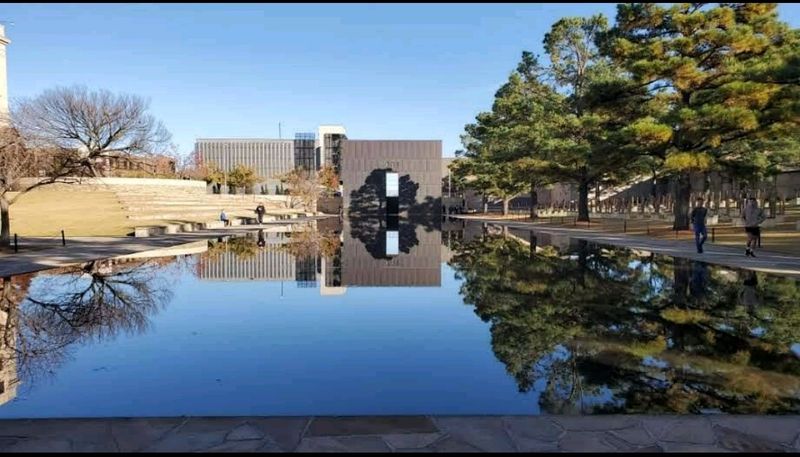
Surface-level visits to Oklahoma rarely reveal much. The state doesn’t package itself into easy narratives or offer immediate gratification.
Towns that seem sleepy at first hold layers of history, culture, and complexity that only emerge through repeated visits and genuine curiosity. Understanding requires time, not just travel.
Distance plays a role too. Oklahoma is geographically large, and regions differ dramatically.
A weekend in Tulsa doesn’t explain the Panhandle. A trip to the Wichita Mountains doesn’t reveal what southeastern forests feel like.
The state resists quick summaries because it contains too many distinct zones, each operating on different rhythms and histories.
Conversations unlock more than landmarks. Talking to a Chickasaw Nation citizen about sovereignty teaches more than reading plaques.
Asking a rancher about land management reveals economic and environmental realities that don’t appear in guidebooks. Oklahoma rewards engagement over observation.
The strongest stereotype to collapse is the belief that you’ve figured Oklahoma out after a few days. The state doesn’t perform or explain itself to outsiders.
It functions quietly, and its depth becomes apparent only to those who stick around, ask questions, and travel beyond the obvious stops. Oklahoma doesn’t reveal itself fast, it rewards patience, repeat visits, and genuine interest.
The more time spent here, the more layers appear, and the harder it becomes to reduce the state to simple labels. Oklahoma dismantles stereotypes slowly, through lived experience rather than marketing campaigns, and that’s exactly why the stereotypes persist among those who never stay long enough to see them fall apart.
Dear Reader: This page may contain affiliate links which may earn a commission if you click through and make a purchase. Our independent journalism is not influenced by any advertiser or commercial initiative unless it is clearly marked as sponsored content. As travel products change, please be sure to reconfirm all details and stay up to date with current events to ensure a safe and successful trip.
