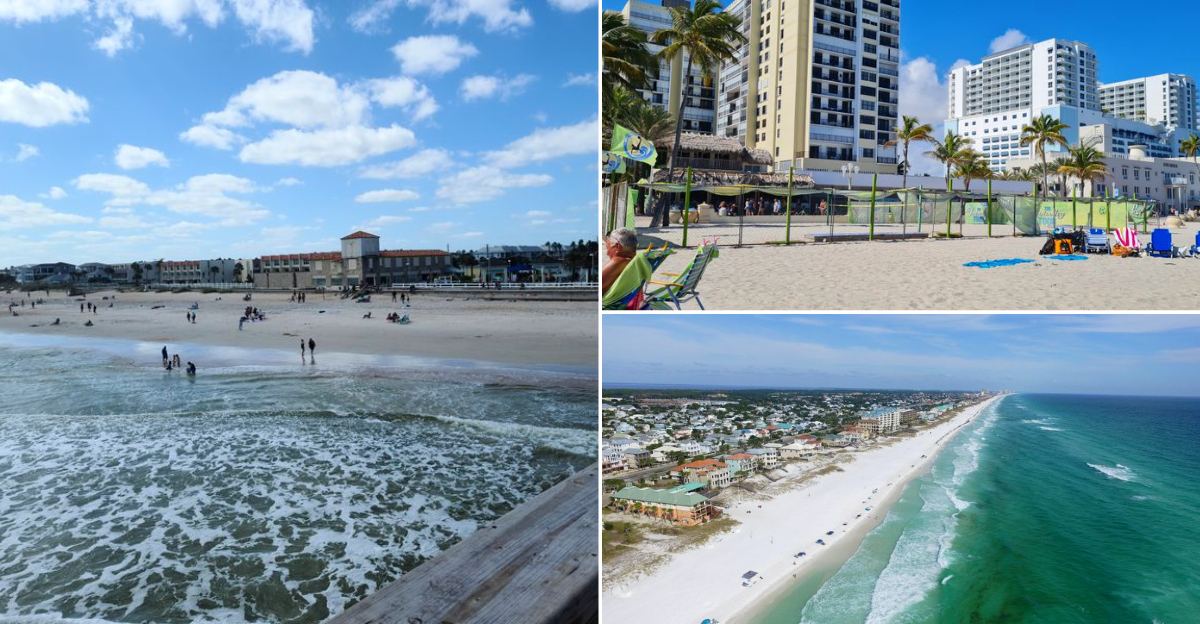
A place can feel like home until one day it suddenly feels priced out of reach. That shift is happening across Florida, and beach towns feel it first and hardest because demand never really cools off.
The views stay gorgeous, the weather keeps selling itself, and rents and mortgages climb right alongside the tourist traffic. What changes is the day-to-day reality for the people who live there year-round.
Longtime residents start adjusting routines, moving farther inland, or leaving altogether. Businesses feel it too, as workers struggle to stay close to the jobs that depend on the coast.
This isn’t just about real estate numbers, it’s about who gets to stay and who gets pushed out. This breakdown looks at where the pressure is strongest, why it’s happening, and what it means for the future of Florida’s beach communities.
1. Key West
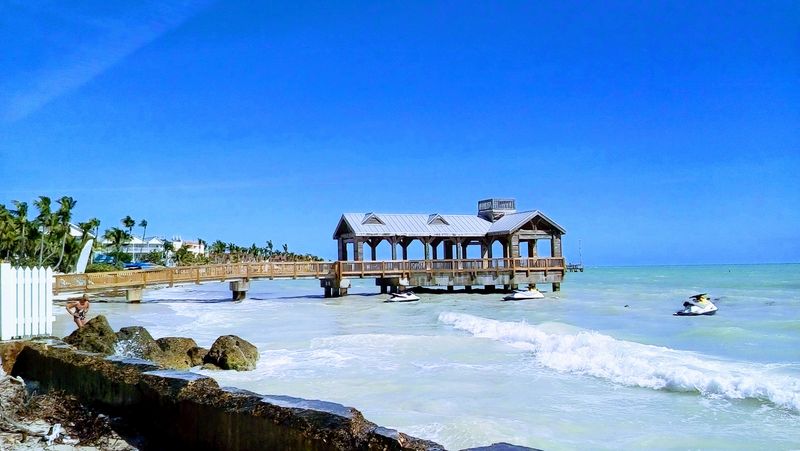
You can feel it the second you reach Duval Street and realize most of the people walking past you are visiting, not living here. Key West leans so hard into tourism that housing gets treated like a revolving door instead of a home base.
Short term rentals and second homes swallow up blocks that used to be steady neighborhoods.
When a cottage earns more in a week from visitors than a local can pay in a month, the math rulest the street.
A lot of the folks who keep the lights on commute in from far up the Overseas Highway. That daily drive is beautiful, but it is not exactly the life people imagined when they moved to the Keys.
If you swing by Caroline Street, you will see classic conch architecture wrapped in fresh paint. It looks dreamy from the curb and brutally expensive in the listings.
Even small buildings near White Street pier end up as boutique stays.
The island has limited land, and every square foot gets bid up by demand.
Could the city rebalance things without dimming the magic that draws people here? Locals are hoping for solutions that keep teachers, nurses, and boat crews living on the island they serve.
2. Naples
Naples looks like a postcard until you start asking where the people who work downtown actually live. The answer is usually inland because wages here do not track with the luxury market.
Seasonal residents set the tone, and listings move like investment vehicles more than homes.
It is tough to argue with the gulf views, but you cannot pay rent with sunsets.
Walk past 8th Street, and you will see calm streets and manicured landscaping. The quiet hides a scramble for long term housing that feels relentless.
Condos that used to house year round neighbors now flip into seasonal pads. That shift pulls stability out from under the local workforce.
People who run the shops, galleries, and boat tours spend hours driving from cheaper zip codes.
That commute wears you down when the season kicks up and traffic crawls.
Do you feel the divide when you visit Old Naples? It is gorgeous, absolutely, and yet it is getting harder to imagine laying down roots unless you are arriving with deep pockets.
3. Siesta Key
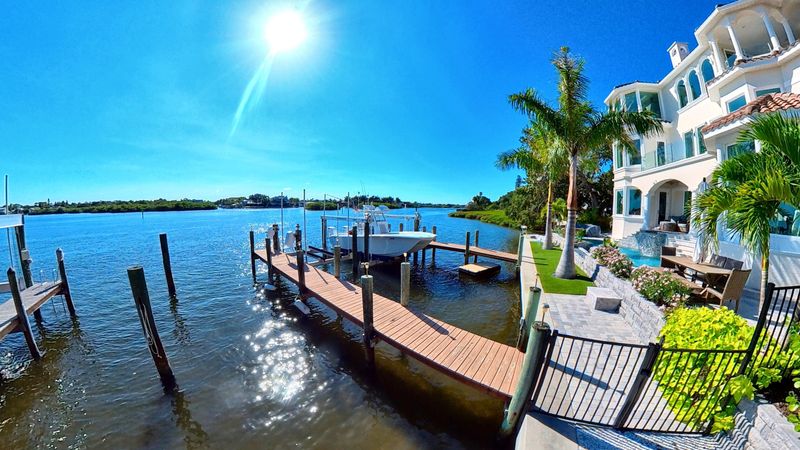
People can’t stop talking about the sand, and once you feel it, you understand why. Siesta Key’s sand feels unreal, like flour, and that is part of the problem.
Everyone wants to be here all the time, not just in peak season, so demand never cools off.
Vacation rentals outnumber long term options on many blocks.
When whole streets flip to short stays, it changes who you see walking a dog at dusk.
Head near Ocean Boulevard, and you will spot low-slung buildings wrapped in palms. A lot of those doors open to visitors who checked in yesterday and leave tomorrow.
Locals talk about neighbors moving off island just to find a lease that lasts. That move turns daily errands into a bridge crossing you never planned for.
It is hard to keep service teams staffed when housing chases the nightly rate.
Employers end up competing for workers who now live counties away.
Do you remember when this place felt sleepy on weekdays? Now it hums year round, which sounds great until you try to sign a stable lease at a humane price.
4. Destin
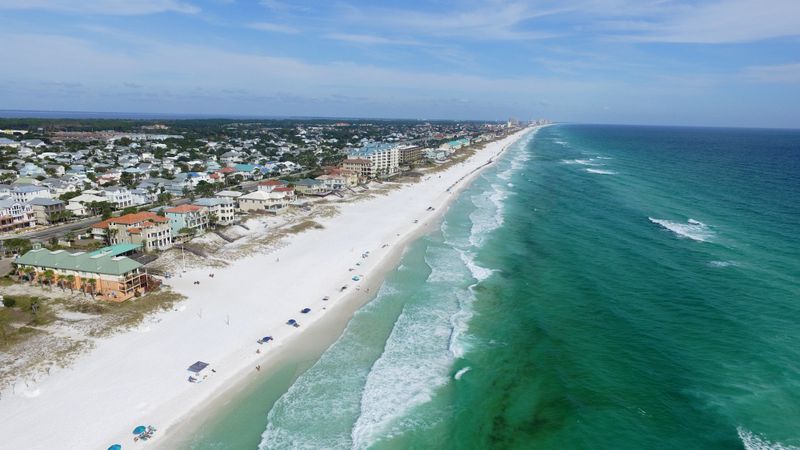
Destin is candy-colored water and a steady thrum of visitors on Harbor Boulevard. The economy runs on that energy, but the housing supply never kept pace.
Prices escalate the closer you get to the sand, and service workers chase rooms farther inland.
Sometimes two or three people share spaces meant for one just to stay near the job.
Take a look around Harbor Boulevard, and the skyline mixes condos with hotels. That blend tilts heavily toward short stays when tourism peaks.
Long term listings come and go in a blink, and wages lag behind those rapid jumps.
You feel it most on changeover days when traffic says everything about demand.
Local families aim for stable neighborhoods across the bay, and the commute becomes the tax you pay for proximity. It is a grind when shifts start early and end late.
Ever tried to find a quiet rental near Crystal Beach in summer? You will learn fast that the calendar controls the market, not the people who keep the lights on.
5. Anna Maria Island
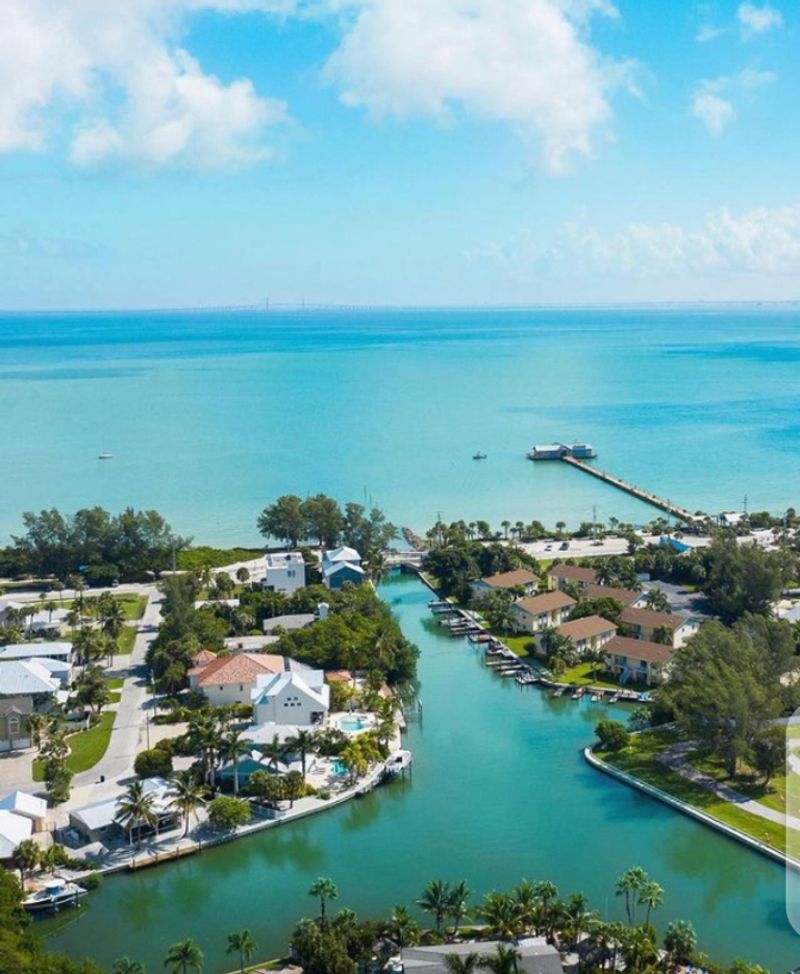
It looks like paradise at first glance, but the housing market tells a different story. Anna Maria Island stays charming on the surface, with pastel cottages and bicycles leaning on fences.
Underneath, the housing market feels like musical chairs without enough chairs.
Strict limits on building collide with massive visitor demand.
That combination funnels owners toward short term rentals because the returns are immediate.
Stroll past Pine Avenue and it looks like a postcard row. Most of those porches greet new guests every few days instead of neighbors you actually know.
Families who want to live here year round end up bidding against investors. Even teachers and nurses with steady jobs struggle to land a lease that lasts.
When peak season stretches longer each year, the calendar never truly resets.
That pressure nudges long term options right off the island.
Have you noticed how block parties turned into check in days? The soul of the place is still here, but it is hard for locals to hold on when homes work harder as mini hotels.
6. Palm Beach
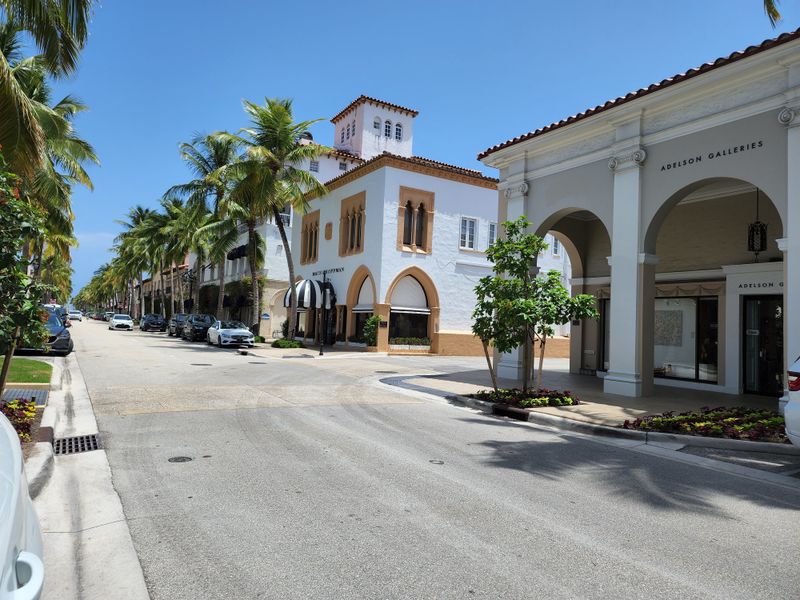
Palm Beach wears its polish like a uniform, and that sets expectations sky high. The trouble is that local incomes on the service side do not match the real estate tempo.
Seasonal ownership defines entire blocks, leaving the workforce to drive in from far away.
Commuting becomes part of the job description before you even clock in.
Walk by South County Road, and everything is immaculate. The buildings glow, the palms preen, and the price tags sit quietly behind the hedges.
Housing costs drift far beyond what nearby paychecks can swing. That gap makes it tough for long time residents to stay rooted on the island.
It is not just scarcity, it is the identity of homes as investments first.
When every property doubles as a status card, year round community thins out.
Do you sense the distance between the island and the people who keep it running? That distance shows up in traffic lines and long drives home after dark.
7. Seaside
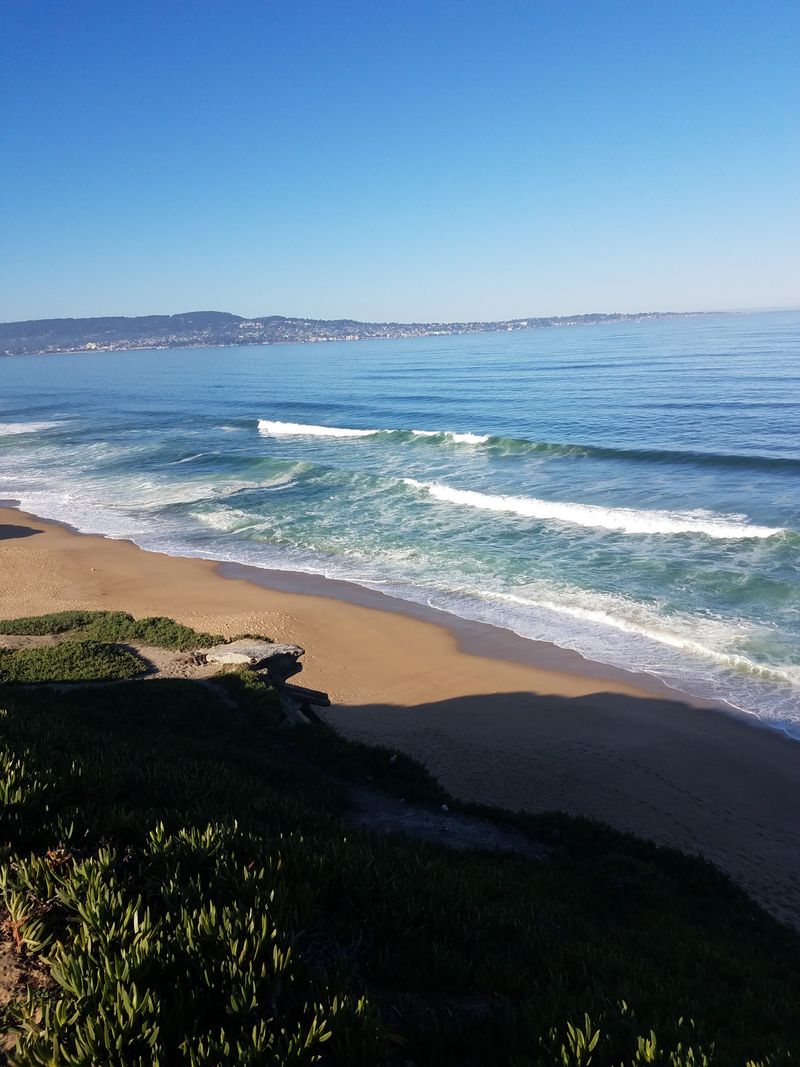
It’s easy to forget people actually live here when every corner looks like it belongs in a movie. Seaside feels like a movie set because it basically was designed that way.
The pastel homes and tidy walkways make every corner look staged for a photo.
From the start, it leaned into being a destination rather than a working town. Houses work more like portfolios than places where kids ride bikes year round.
Check the area near Central Square, and the symmetry is uncanny. It is beautiful and a little unreal when you consider who can actually live here full time.
Affordability for locals is painfully thin, and long term rentals vanish behind vacation calendars. That leaves staff commuting from other Panhandle communities.
Investors treat weekends like harvest time, which makes sense financially.
It just squeezes the oxygen out of neighborhood life after the checkout rush.
Ever tried imagining a teacher’s salary against those home values? The numbers do not hold, and the result is a town that looks lived in but feels mostly borrowed.
8. Clearwater Beach
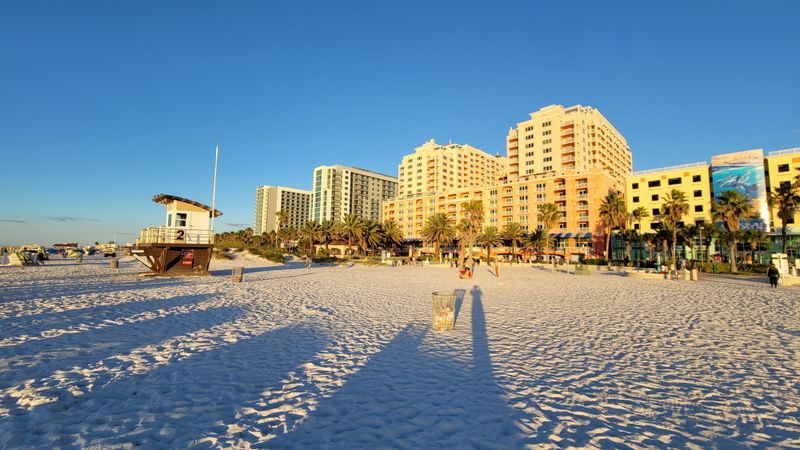
Look out over the causeway, and you can see the skyline creeping higher every year. Clearwater Beach keeps building upward along the shoreline, and you can see it from the causeway.
Towers mean rooms for visitors, not necessarily homes for neighbors.
Each season adds pressure to a market already stretched thin. Residential options shrink as owners pivot toward short stays with reliable bookings.
Take a stroll near Causeway Boulevard, and the skyline tells the story. High rises cast long shadows, and long term listings feel like a rumor.
Tourism keeps prices buoyant even when other areas exhale. Land near the water becomes a chessboard with no extra squares.
Workers who staff the beach businesses typically live on the mainland.
That means late rides over the bridge after closing time and early alarms before sunrise.
Does it still feel like a neighborhood when your next door lights flip every weekend? Depends on who you ask, but stability seems to be moving inland.
9. St. Augustine Beach
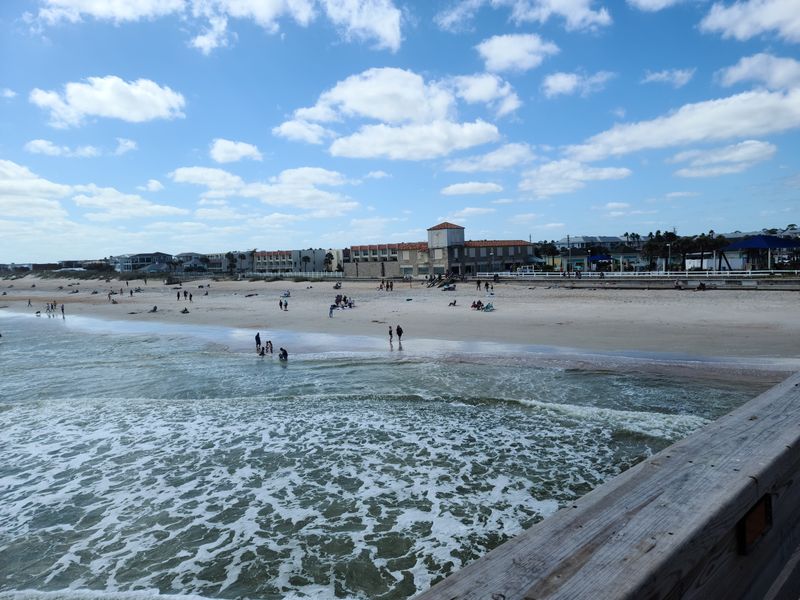
History draws the crowds, but the beaches feel the ripple too. St. Augustine draws crowds for history, and the beach side rides that wave.
Proximity to the old city raises demand beyond what a small beach town can absorb.
Vacation rentals compete directly with year long leases. When demand spikes, owners naturally favor short stays that refill the calendar.
Walk near A1A South, and the scene feels laid back. The housing market, though, does not relax for long.
Costs keep ticking upward and rarely drift back down. That steady climb nudges locals toward St. Johns County suburbs with longer drives.
Neighborhoods lose continuity when doors welcome new guests every few days.
You wave, you smile, and then they are gone before the weekend ends.
Do you ever wonder how the beach stays staffed during festival weekends? It happens because people clock out, cross the bridge, and head home to cheaper rent far inland.
10. Hollywood Beach
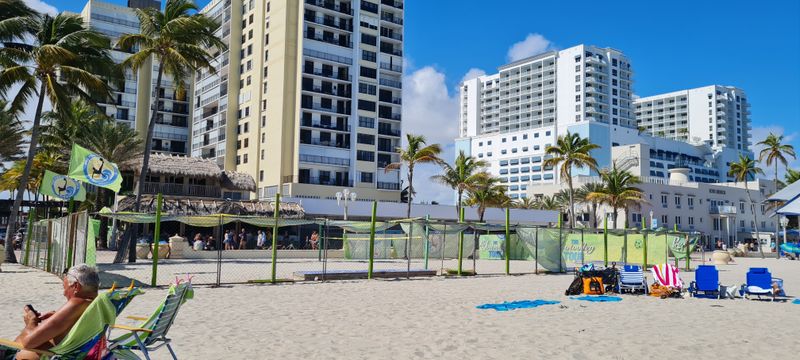
Hollywood Beach stretches along the Broadwalk with bikes, joggers, and steady sunshine. Behind that easy scene, long term stability keeps slipping away.
Short stays and investor-owned buildings drive quick turnover. It is hard to learn your neighbor’s name when they roll a suitcase out every few days.
Head by North Broadwalk, and it is classic South Florida scenery. Palms sway, pastel facades glow, and leasing feels like musical chairs.
Long term rentals are the rare find that gets snatched in an instant. Most of the inventory points straight at visitors with flexible dates.
Plenty of locals choose to move inland toward quieter blocks and steadier leases.
That shift changes who claims the sunrise on weekday mornings.
Ever catch yourself wondering where the staff parks after closing? Usually not anywhere nearby, because living near the water is the first thing to go when prices jump.
11. Islamorada
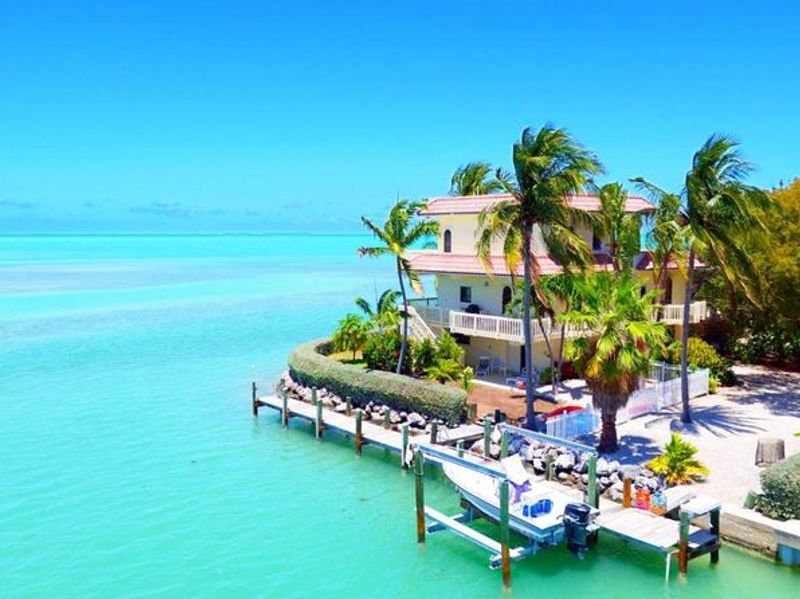
Land is tight, and the market shows it every time a listing pops up. Islamorada sits on limited land, and scarcity runs the market.
Every parcel matters, and that puts locals in a tough spot when listings flip to short stays.
Tourism keeps occupancy high while second homes fill the rest. Year round residents end up competing with weekend plans and investment math.
Drive past Overseas Highway, and it is pure Keys scenery. Blue water peeks through, and the buildings look made for postcards.
Inventory moves fast because there is simply not much of it. Even modest spaces feel out of reach for people working on the islands.
Commuting from the mainland turns into the default solution for many workers.
That is a long drive when storms roll in and the causeways slow to a crawl.
Do you still feel the small town vibe when turnover is constant? It is there, but you have to listen for it between suitcases rolling and golf carts buzzing by.
12. South Beach
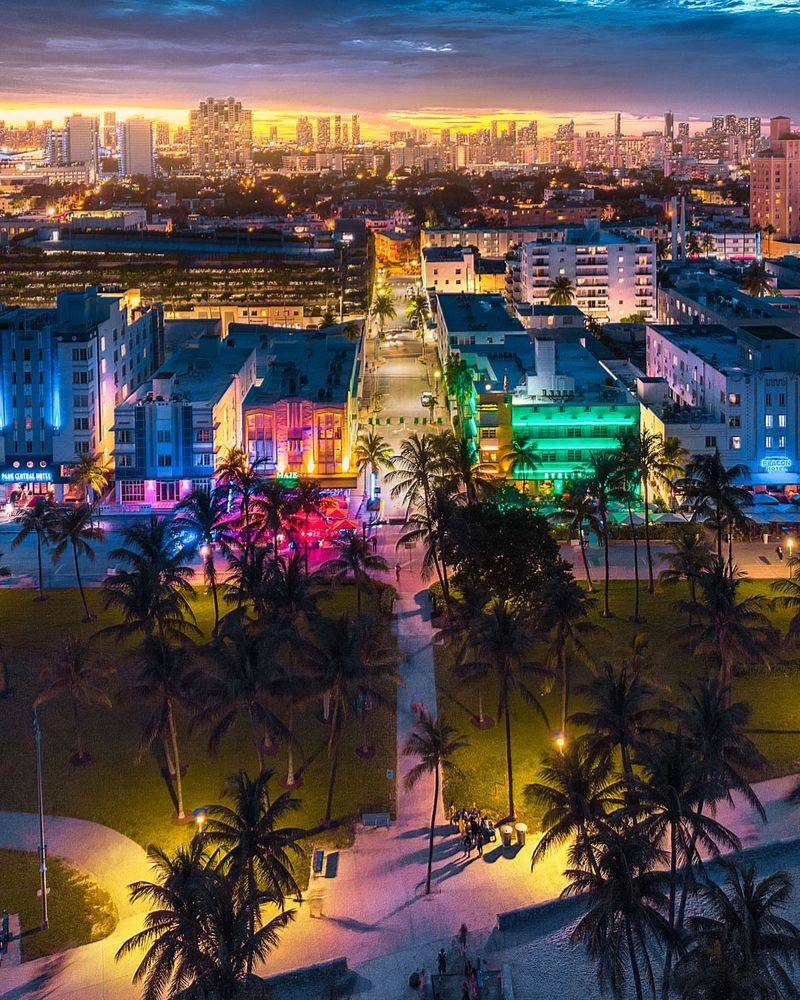
The lights never go down, and that is exactly why people come. South Beach never turns off, and that is the whole draw.
The flip side is that housing costs track visitor spending, not what local paychecks can manage.
Global attention keeps demand high in every season. Long time residents get edged out by buyers who want a pied a terre near the sand.
Walk around Ocean Drive, and the neon feels familiar. Art Deco lines glow, and apartment listings vanish as quickly as they appear.
Many workers commute from the mainland because living nearby is a stretch. That routine adds hours to days that already run late.
Neighborhood life tries to hang on in pockets off Collins and Washington.
The beat stays loud, but consistency is the rare commodity.
Do you ever picture a quiet week here? It is possible, sure, but the market is built for motion, and that motion keeps rents moving too.
