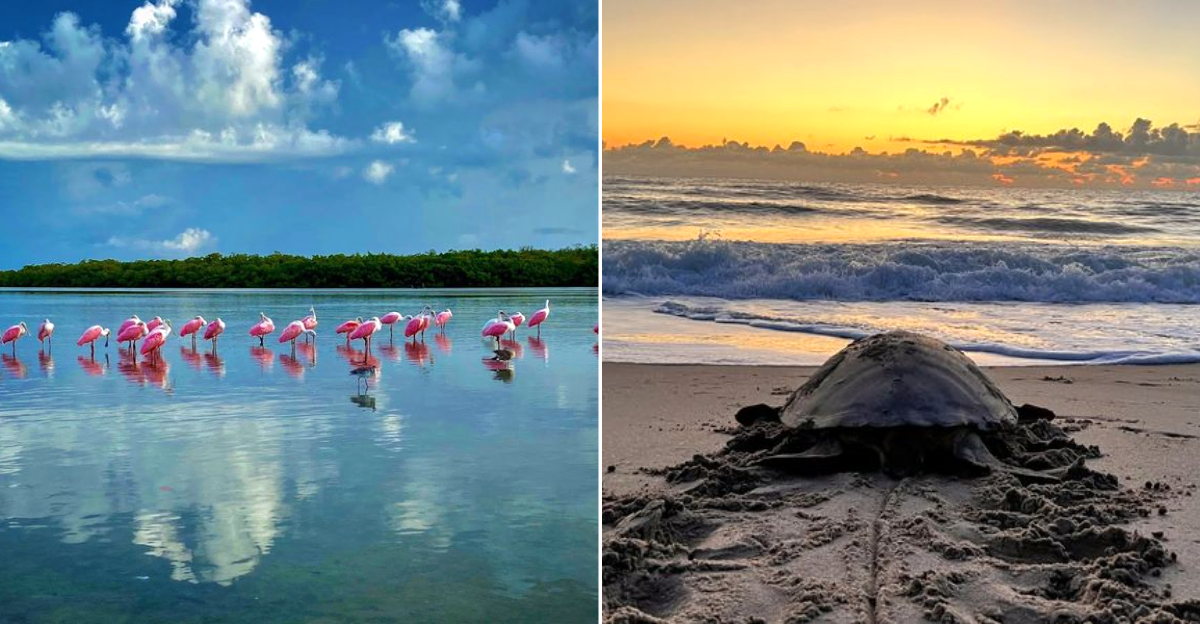
Feeding a bird seems cute until it turns the whole refuge into a chaotic snack line. Florida wildlife refuges are supposed to feel like a reset, with quiet trails, open water, and that calm thrill of spotting something wild doing its own thing.
Then tourists show up with food and a crowd mindset, and everything gets thrown off. Birds start associating people with handouts, behavior changes fast, and the animals that should be resting or foraging end up stressed and clustered.
Crowd swarming makes it worse. One person spots a heron or an osprey, ten people rush in, phones go up, and the wildlife gets boxed in by humans who think they are being gentle.
It is frustrating because these places only work when visitors act like guests. Stay back, keep voices low, and let the animals choose the distance.
This list is for Florida refuges where the scenery is still incredible, but the feeding and crowd habits can damage the experience for everyone, including the wildlife that is supposed to be protected.
1. J.N. “Ding” Darling National Wildlife Refuge
You pull into the refuge expecting quiet, and the first thing you notice is how the mangroves hold the light like a secret. Then a commotion rolls down the drive, because a handful of people are tossing snacks toward the wading birds as if this were a backyard pond.
It is awkward to watch, since the birds inch closer than they should, and the whole calm rhythm gets nudged off beat by the new routine they are learning.
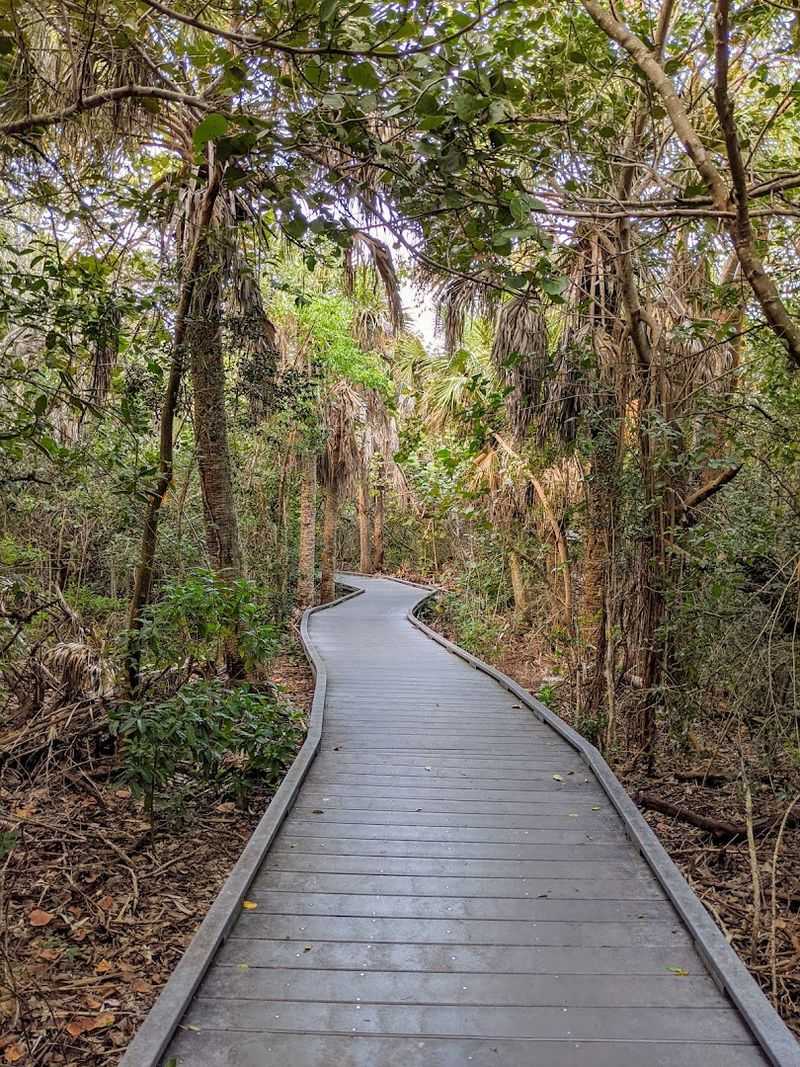
On the boardwalk, you hear a hushed debate about whether a photo needs bait, and you feel that sinking feeling when a heron stares at a wrapper like it is part of the tide. Guides keep reminding visitors that feeding changes behavior, and you can see it clearly here as birds hover near people instead of the flats.
If you have ever loved this Sanibel refuge, you know the beauty is in the distance, where birds keep their natural caution.
I like to pause at the observation tower and let the buzz fade, because from up there you can still catch the old mood. Currents move, roseates skim low, and the mangrove roots knit the shoreline into something steady.
If you bring friends, tell them the best souvenir is patience, not a handout or a close-up that costs a nesting bird its nerve.
2. Merritt Island National Wildlife Refuge
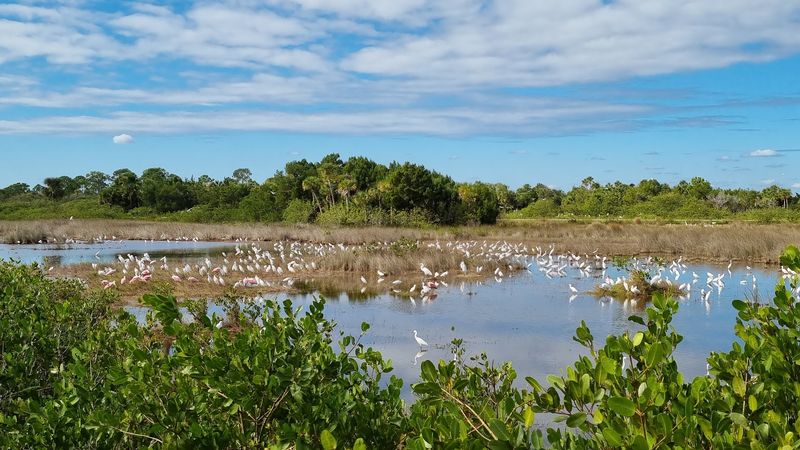
Out on Black Point, you expect long silences, but lately the pauses get filled with car doors and excited shouts whenever a flock lifts. It is understandable, because the color out here is ridiculous, yet people crowd the edges, edging closer for that next frame.
When someone tosses food near the water, you can almost hear the refuge sigh, since it means the birds will start connecting cars with easy calories.
A ranger I met once said the line between admiring and altering is thinner than we think, and Merritt Island proves it every weekend. Egrets that used to scatter now hover by pullouts, and the rhythm of feeding shifts toward vehicle clusters.
You can tell a spot is under pressure when the birds react to people before they react to wind or clouds, which is not how Florida wildlife should script its day.
If you go, keep the windows up when you stop, speak softly, and let distance do its magic. The refuge still gives you those long views where water meets sky and herons stitch them together with slow wingbeats.
It feels better to leave no trace but a shared look, and it keeps the place wild for the next quiet morning.
3. Pelican Island National Wildlife Refuge
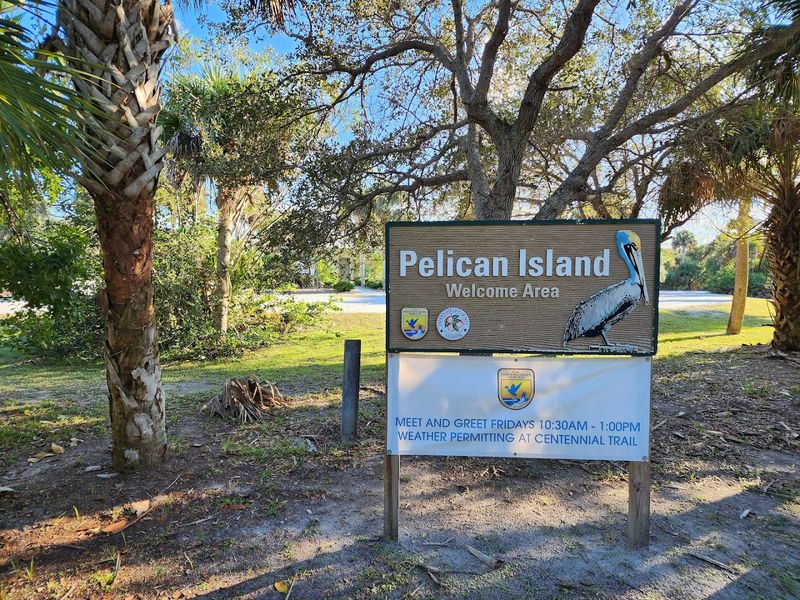
There is this moment when the lagoon turns glassy and you can see the rookery like a storybook silhouette, and then a crowd leans over the rail at once. Voices bounce across the water, and a few folks try to coax pelicans closer with tossed bits as if this were a park pond.
You feel the rookery tense, because nesting birds do not want an audience that keeps inching forward.
Pelican Island is sacred ground in conservation history, and it deserves the hush that comes with that legacy. Lately the roost feels conditioned to clusters of people, which is not great when chicks and parents need predictable space.
Feeding here nudges pelicans toward dependency and interrupts that easy, steady rhythm they have kept for generations along Florida’s coast.
I like to step back from the railing and aim my binoculars through small gaps, letting the birds own the foreground. You still get those clean lines of wings folding into evening, and the mangroves hold the scene like a frame.
Remind your friends that a true close-up out here is the one you earn with time and respect, not crumbles or crowd pressure.
4. St. Marks National Wildlife Refuge
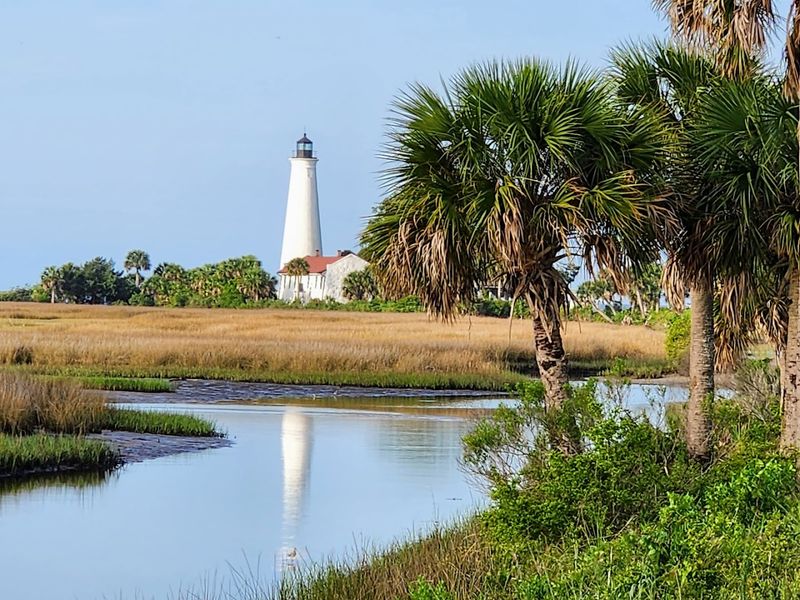
The lighthouse sits like a bookmark at the edge of the marsh, and on a calm day it almost convinces everyone to whisper. Then a wave of people arrives when a big flock swings through, and the whisper becomes rally noise in seconds.
A few well-meaning visitors toss snacks, and suddenly gulls storm the path while wary shorebirds shuffle off pattern.
It is tough, because the place begs for slow watching, not quick reactions, and feeding flips the script every time. You can watch birds recalibrate their flight lines so they pass over people instead of grass, which is a red flag.
The refuge team keeps asking for space, and honestly, that is the only currency that works with wild hearts, especially in Florida’s busy season.
When I bring friends, we park farther back and walk in quietly, letting the marsh set the pace. You can hear rails clucking under cover, and the sky seems bigger when you do not chase it.
If a crowd leans in, we lean out, because leaving the birds their distance is how this coast keeps its pulse.
5. Arthur R. Marshall Loxahatchee National Wildlife Refuge
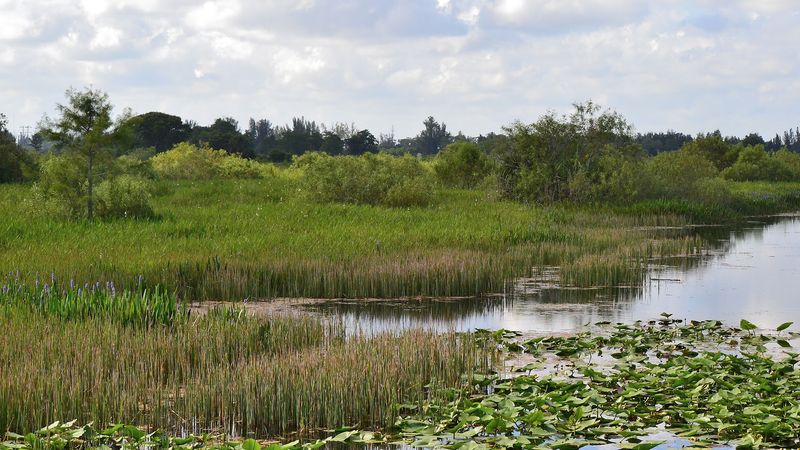
Out in the sawgrass, sound travels like a thread, so one loud laugh can spool across the whole wet prairie. When people cluster on the levee and start tossing chips toward moorhens, the scene turns from wild to weird in minutes.
Birds hang by the rail, eyes on hands, and that old Everglades caution leaks away where it is needed most.
Loxahatchee has this honest, breathing quiet that deserves patience, and yet crowd swarming keeps popping up near the photo pullouts. You can see ibises reroute toward foot traffic, which feels backward in a place built for natural flows.
Feeding teaches shortcuts, and shortcuts rarely end well for birds that need wild instincts to survive South Florida’s seasons.
If you want the good moments, go slow, step lightly, and let the wind choose your pace. Watch the sky mirrors in the water and catch the pale soft steps of a limpkin nudging snails from shells.
When a cluster builds, drift somewhere else, and remember the best memory is the one where the birds never even notice you.
6. National Key Deer National Wildlife Refuge
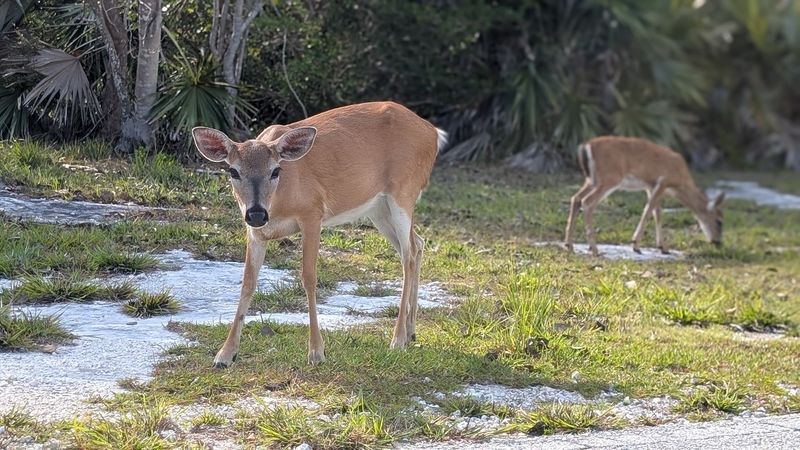
The little deer look like a story you can walk into, which is exactly why people forget the rule and start feeding them. On Big Pine Key, you see cars inch forward for photos, and deer step into the road because snacks have rewritten their map.
It is sweet intentions meeting risky outcomes, and the refuge keeps asking visitors to let the deer stay shy.
When a crowd forms, the animals drift from cover and learn to hang near driveways, which ends up being dangerous on busy days. You can feel the tension when a fawn stares at a hand instead of scanning the pine rocklands.
Florida’s Keys are small, and every shortcut we teach wildlife takes space away from their better choices.
I like to watch from a long lens and keep the engine off, giving them a quiet field to own. The scene gets simple again when people leave room, and you can breathe with the pines and the low light.
Remind your crew that the kindest thing is distance, because wild belongs to them, not us.
7. Great White Heron National Wildlife Refuge
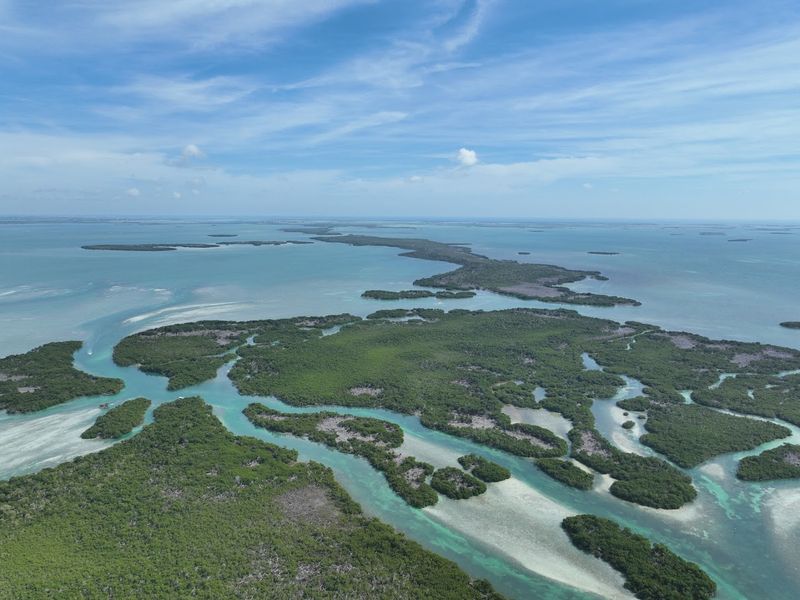
Out on the flats, the light feels like it has weight, and the herons move through it like slow handwriting. Then a kayak train drifts too close, voices carry, and someone thinks tossing bits will coax a bird closer for a reel.
That is the moment the spell breaks, because a great white heron should keep an ocean of caution around people.
This refuge is mostly water and distance, which means the only way to see it right is to respect those buffers. Crowds bunching at mangrove edges push birds into marginal spots, and feeding stacks one bad habit on another.
You can tell the difference when a bird watches paddles instead of tide, because wild timing always belongs to the tide first.
If you paddle out, keep quiet, give wide arcs, and let the horizon do the storytelling. The Keys still deliver those silver ripples and blue shadows when you are patient.
You will leave with steadier memories if the herons never even tilt their heads toward you.
8. Ten Thousand Islands National Wildlife Refuge
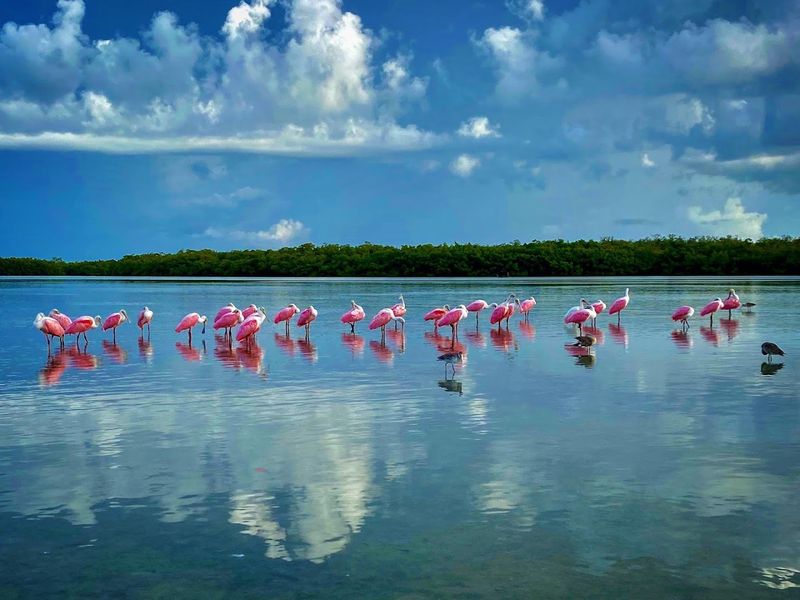
Those back channels feel like secret hallways, and the first time you ride them you want to point at everything. Lately I have watched boats cluster near roosts and toss scraps, which pulls birds off their natural hunting lanes.
It is subtle at first, then you notice birds shadowing engines and skipping quieter coves that used to belong to them.
Ten Thousand Islands holds a lot of space, yet wildlife can still get cornered when people move like a crowd. Feeding near mangroves teaches shortcuts that do not match tides, and the whole food web gets a little scrambled.
Florida’s gulf side needs us to remember that a wild bird should make decisions without watching our hands.
Take the long route, throttle down early, and keep voices tucked under the wind. You will still catch spoonbills shifting color in the shallows and dolphins rolling far off without any staged moments.
Let the islands stay like a maze meant for patience, and you will leave the water feeling like you met it on its terms.
9. Archie Carr National Wildlife Refuge
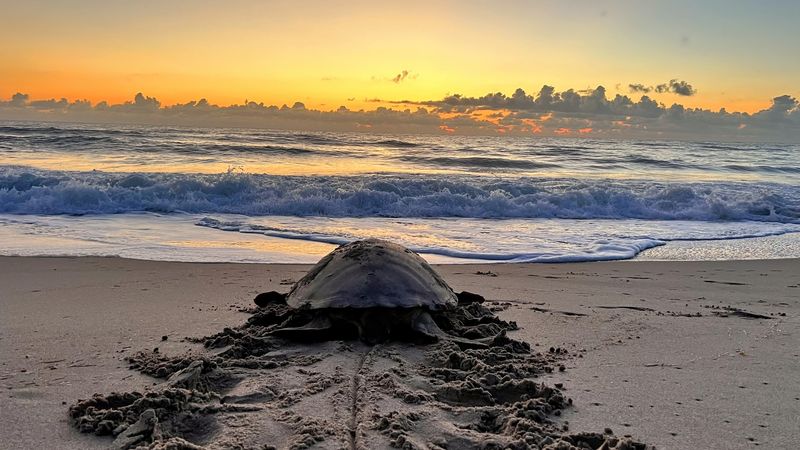
On these barrier island beaches, the sand holds stories you are supposed to tiptoe around. When crowds rush a nesting crawl with phones up, the whole scene turns into a light show that turtles never asked for.
I have seen people drop snacks nearby, which brings gulls running and distracts both hatchlings and watchers from the point.
Archie Carr is famous for sea turtles, and it demands low light, slow steps, and voices that hardly travel. Crowding a crawl compresses all that good etiquette into noise, and feeding birds at the wrack line stacks chaos on top.
You can almost feel the beach tense when too many shadows lean toward the surf, which is not how Florida’s coast should feel at night.
If you want to witness it right, go with guides, keep lights filtered, and stand back far enough to blend into the dark. The magic is better when the turtles move like the ocean told them a secret and you are just nearby.
You will walk away lighter if you let the shore keep the lead.
10. Crystal River National Wildlife Refuge
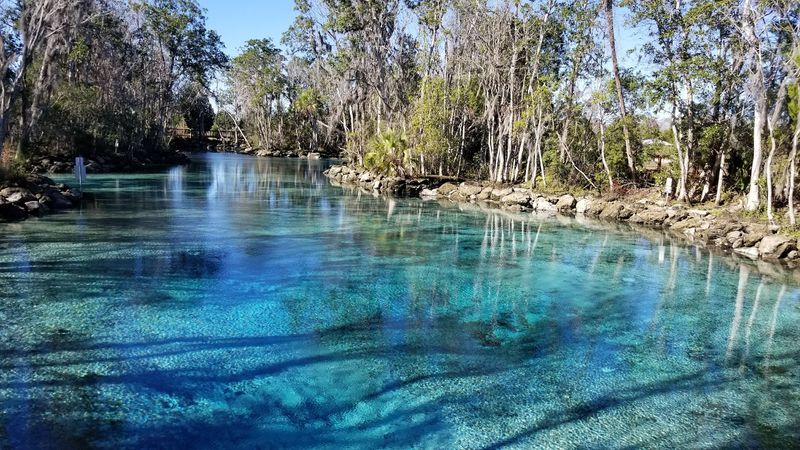
The springs look unreal, like someone sharpened the water with a new filter, and that alone draws a crowd. On the boardwalks, voices bounce and people lean for angles, and sometimes a few toss bits to fish that gather like confetti.
It seems harmless until manatees shift closer to the noise, because any pattern change here ripples through the whole spring run.
Crystal River is built around protection zones, and those markers mean something even when the water feels like a welcome mat. Crowding the rails pushes wildlife into side pockets, and feeding fish rewrites where they hold, which can tug manatees into tighter lanes.
Florida’s springs deserve room to breathe, especially when so much of the year brings steady pressure.
Bring patience, keep your stance back from the edge, and let the water do the announcing. You will still see the slow grace pass by, and you get to leave knowing you did not nudge anything off its rhythm.
That is the version of the springs I want you to carry home.
11. Lower Suwannee National Wildlife Refuge
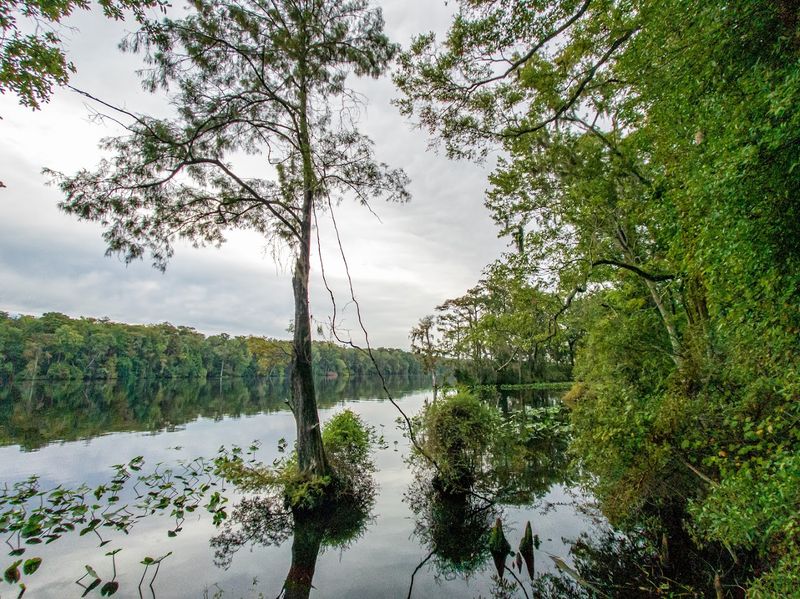
The river mouth holds this wide, slow breath that makes you want to whisper, and then a convoy pulls in like a parade. People pile onto the overlook and toss snacks toward gulls that already know the drill, and the birds tighten their orbit around the rail.
You can almost see them choosing handouts over tide lines where they actually belong.
Lower Suwannee has room to spread out, but pressure finds the same few platforms and turns them into feeding stations. That shortcut pulls attention from the marsh edges where subtle things happen, like rails slipping between grasses or eagles angling out across the current.
In Florida, the best views often come after you stop trying to make them happen with noise.
Walk a little farther down the dike road, let the crowd thin, and set your eyes to the edges. The river will show you what it wants, and the birds will stop looking at your hands like they hold the weather.
Leave the snacks in the car and take the long look, which is the one that lasts.
12. Chassahowitzka National Wildlife Refuge
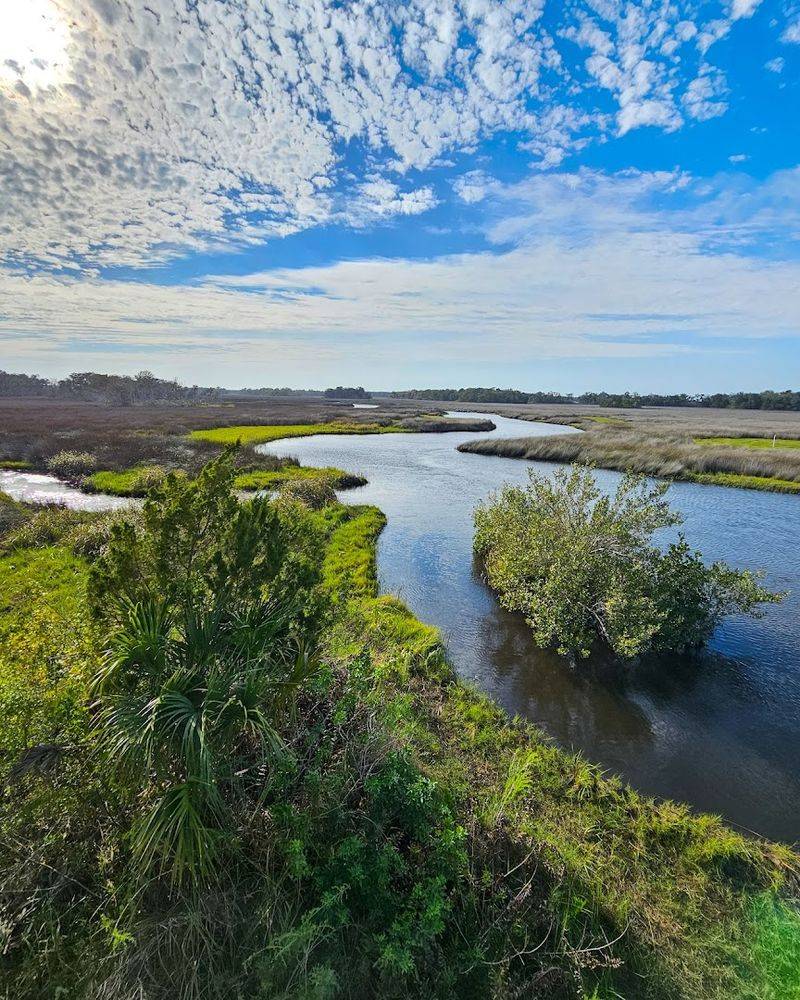
The marsh out here feels like it built its own clock, slower and wider than the one you wear. Then a flurry of boats stacks near a roost, and someone tries to coax birds in with tossed bits, which sets the whole scene wobbling.
You can watch pelicans rework their flight lines around the commotion, leaving clean water untouched.
Chassahowitzka thrives on quiet distance, and that is exactly what crowds erase when they form in tight knots. Feeding teaches birds to trade tide knowledge for people patterns, which is not a bargain that ends well.
Florida’s Gulf has enough wild left that we do not need to bargain with it at all.
If you launch here, idle early, speak low, and let the current pick the route. The flats will respond with those soft flashes of fish and wings where they belong, not at your stern.
The best souvenir is the feeling that everything kept its shape after you drifted through.
Dear Reader: This page may contain affiliate links which may earn a commission if you click through and make a purchase. Our independent journalism is not influenced by any advertiser or commercial initiative unless it is clearly marked as sponsored content. As travel products change, please be sure to reconfirm all details and stay up to date with current events to ensure a safe and successful trip.
