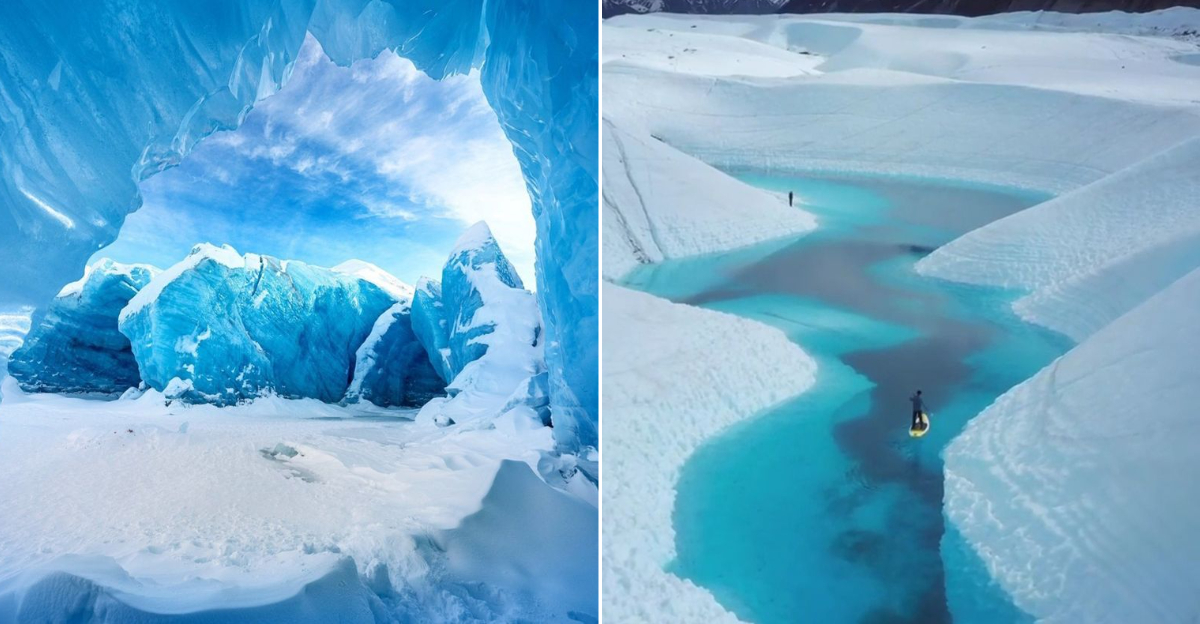
Imagine stepping into a world carved from ice, walls glowing blue and sunlight filtering through frozen tunnels. Alaska’s ice caves feel otherworldly, but that magic comes with a fragile warning.
These natural formations shift, melt, and sometimes collapse without notice, and scientists warn that many may not survive the next decade. Visiting them is a chance to witness landscapes that are breathtaking and fleeting.
I have walked through tunnels where the ceiling sparkled like crystal and felt the cold hum of the glacier beneath my feet.
These caves are not stable tourist attractions; they are living, changing creations that demand respect and caution.
Each visit is both a privilege and a reminder of nature’s impermanence. Experiencing them now means seeing a side of Alaska that may vanish, leaving only memories, photographs, and the knowledge that some wonders are meant to be fleeting.
1. Mendenhall Glacier Ice Caves
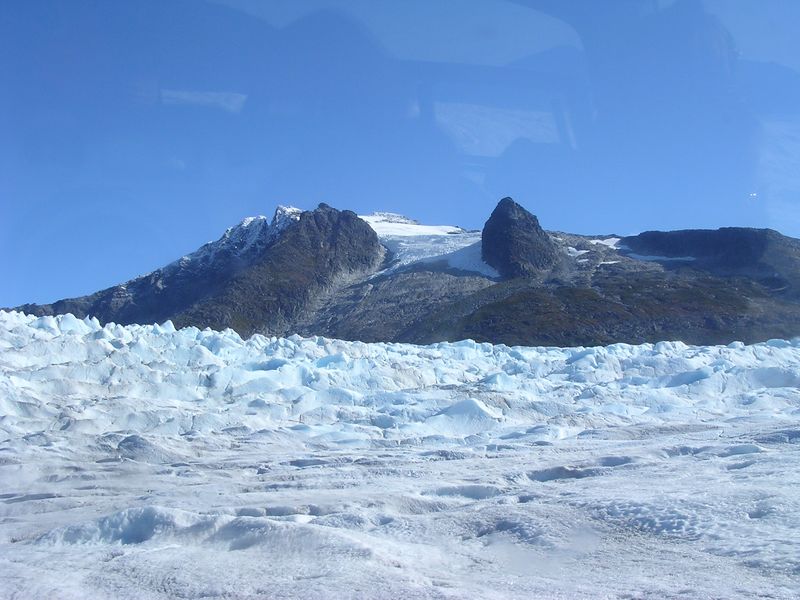
You remember those viral blue tunnels at Mendenhall near Juneau, right? People still whisper about them like they are a secret, even though they have collapsed and reformed more times than anyone can count.
Here is the truth you feel the second you step onto the trail.
The glacier’s face pulls back each season, and what used to be a tidy approach is now a puzzle of talus, slick rock, and roaring melt.
Guides will tell you to treat every arch like it could go at any second. That is not drama, it is physics, and you can hear it in the steady ping of meltwater and the low creaks overhead.
On a cold morning the ceiling glows electric blue and looks strong enough to hold the sky. Then a warm wind slides down the valley and you realize the whole room is breathing.
I like standing outside the mouth, watching light slant across rippled walls. It feels safer, and honestly, the view from the edge tells the story just fine.
From there you can trace old collapse lines and fresh ones.
You can see the braided streams chewing at the feet of the ice like impatient dogs.
Does it make you a little sad to watch a place vanish while you are still looking at it? Me too, but there is also something brave about acknowledging it, staying back, and letting the glacier write its own ending.
2. Exit Glacier Ice Caves
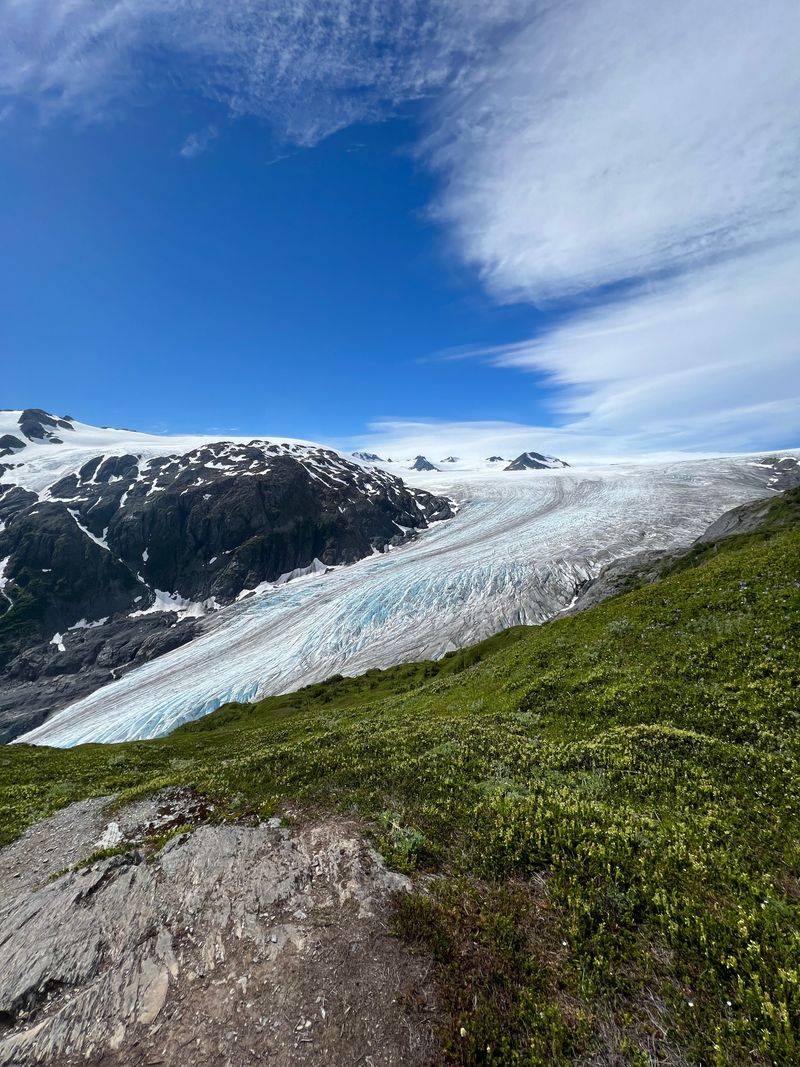
Exit Glacier does not pretend to be calm anymore. The caves that pop up near the toe can appear and then vanish between one storm and the next thaw.
Walking the lower trails, you hear water before you see anything. It rattles under the ice like a hidden river, which is exactly what it is.
I keep my distance here because the ceilings behave like wet cardboard under a heat lamp.
A gust of valley wind, a chunk goes, and suddenly the blue turns gray with dust.
If you want a safer perspective, the overlook platforms give you the whole scene. You can watch the glacier exhale fog and spit out pebbles without stepping onto rotten ice.
Every now and then a thin arch glows with that unbelievable turquoise. It is tempting, I get it, but the ground tone says no.
Rangers talk about seasonal instability like weather talk. One week the cave looks big enough to host a choir, the next week it is a slushy ditch.
You still get the drama from the margin.
The striations, the melt lines, the sound of ice grains skittering like hail across rock tell you what is happening in Alaska without risking your head.
3. Root Glacier Ice Caves
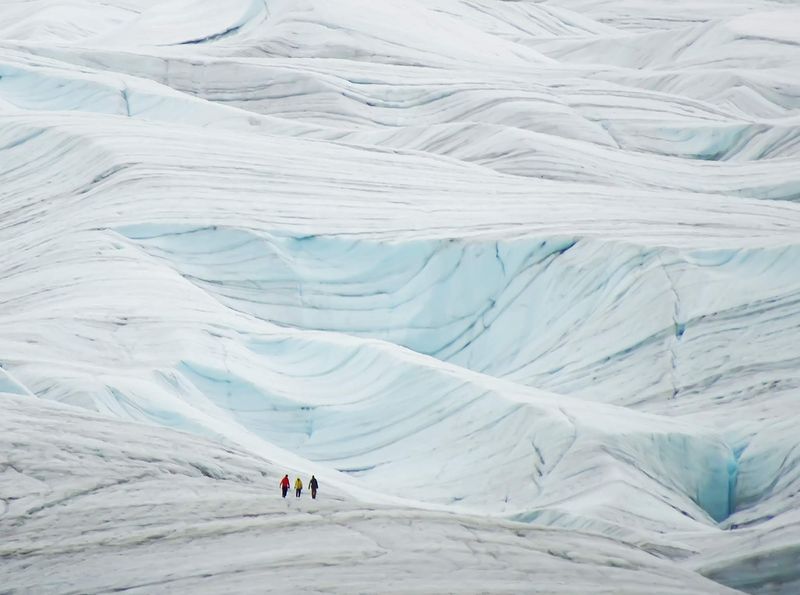
Root Glacier is where you hear crampons click like tiny bells and realize how alive ice can be. Guides love this valley for skills and scenery, but the caves have become moody and unpredictable.
We started early, crisp air, quiet valley walls. Then the sun touched the lip and the soundtrack switched to drips, slips, and the occasional thump from inside.
I am not trying to scare you, just telling you how it sounds when a roof gets thin.
The tone changes, like a drumhead loosening, and you feel it in your ribs.
There are days when a short crawl reveals a blue room bright as a swimming pool. On other days the same spot is crushed flat, nothing but crushed ice and rushing water.
What has helped is staying on the surface and peeking into mouths from stable rock. You still get the glow, the ribbed textures, the tiny frozen bubbles that look like trapped stars.
Wrangell country stretches wide around you while all this melts and reforms.
It is a sobering kind of beauty, the kind that tells you time is speeding up in Alaska.
If you go, let the guides read the ice and call the line. The caves will not care how far you hiked, and that is exactly why they are impressive.
4. Castner Glacier Ice Cave
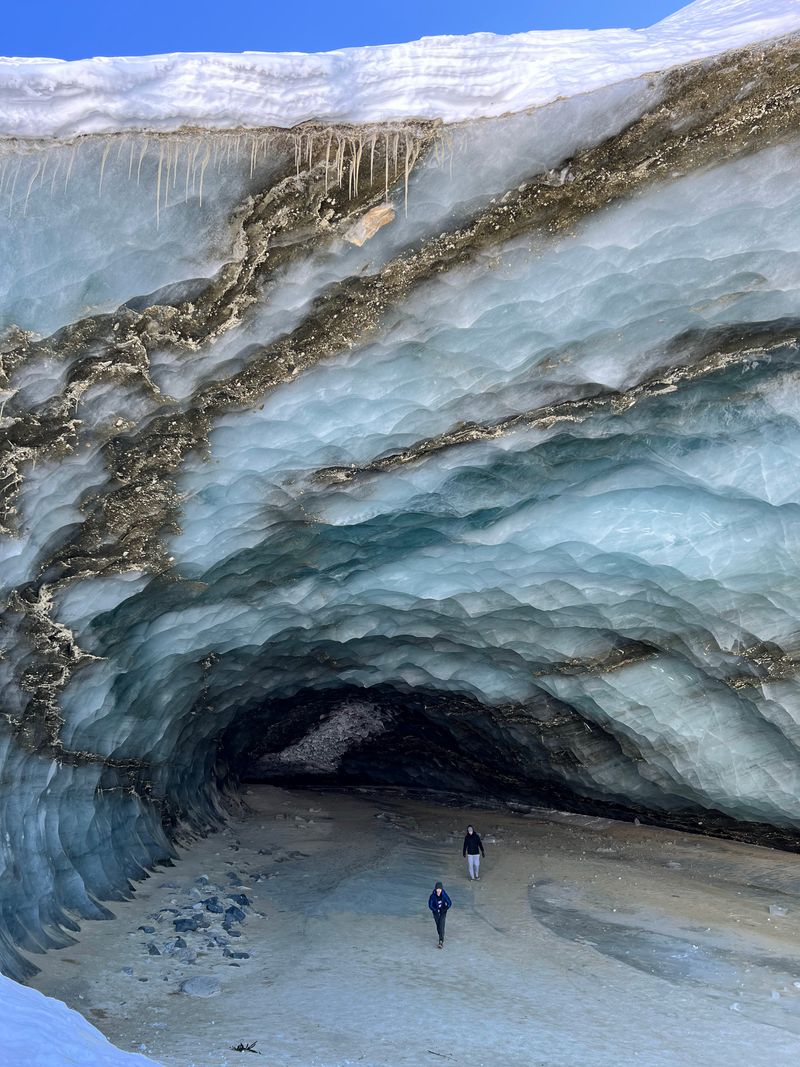
Castner used to be the casual winter outing, remember that? Drive the highway, snowshoe a bit, take photos in the famous tunnel, call it a day.
Lately the reports feel different, more start-and-stop.
Crews keep closing approaches after slumps, and the cave’s neat hallway look has turned ragged.
Inside, you might catch a perfect wave of blue curling over a grainy floor. Then you notice the long cracks feathering the ceiling and you step back without even thinking.
That instinct is good. The roof has a way of failing in strips, and nobody wants to be standing under a sheet that decides to shrug.
I like it best from just outside the mouth now, where the wind braids snow into ripples.
The cave frames the valley like a keyhole, and the light pours through with a cold hush.
Some winters feel sturdier than others, sure. But the trend is toward shorter windows of safety and quicker collapse after warm spells in Alaska.
If you go, treat the tunnel like a wild animal. Admire the shape, read its body language, and never assume yesterday’s footprints mean anything today.
5. Byron Glacier Ice Caves
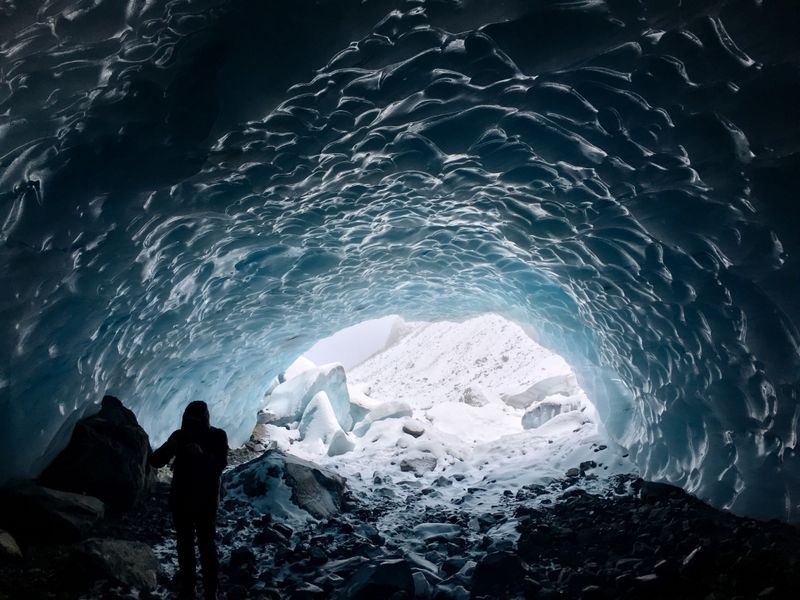
Byron looks friendly from the parking lot, easy stroll, big mountains, everybody smiling. Then you get close and see sagging ceilings and little lakes trapped behind ice dams.
This place has a track record of collapsing right after a warm spell.
The caves can funnel water behind a plugged arch and release it like a shaken bottle.
I have stood by the entrance and felt the cold breeze smelling like wet limestone. It is beautiful and also a little ominous, like a held breath before a cough.
You do not need to crawl into the throat to feel the blue. From the rocks outside, you can watch the light ripple over the ceiling and hear the hush of pooled water.
If there is a shortcut here, it is listening hard. A deep gurgle means something is flowing where you cannot see, and that is your cue to step back.
Families wander this valley and I get the appeal.
The backdrop is pure Alaska, glacier-white and sky-gray, but the caves are not a playground.
Take the view, skip the roof. The mountains will still clap their hands for you without the echo chamber of thin ice.
6. Grewingk Glacier Ice Caves
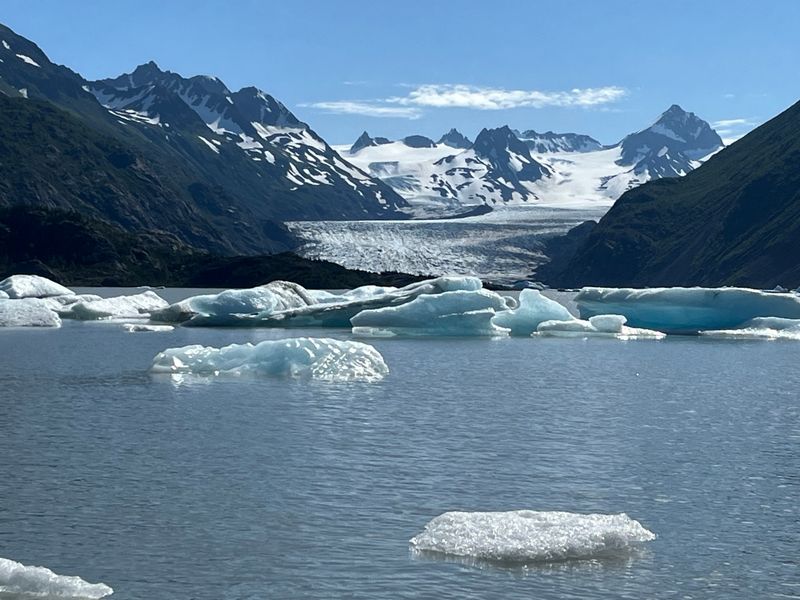
Grewingk sits across the water from Homer, which already makes the day feel like a small adventure. The glacier sprawls above a lake and a maze of braids, and every year the face looks a little leaner.
The caves here do not advertise. You hike in, squint at the margins, and maybe catch a low blue doorway humming with cold air.
I like how quiet the place gets once you leave the boats behind.
Footsteps, wind in dwarf spruce, and the soft crunch of silt under your boots do most of the talking.
If a cave is open, treat the lip like it is booby trapped. The roof can be thin as sugar glass where meltwater has run and refrozen.
You can get good photos from the outwash plain with a long lens. The blue registers even from a distance, and the scale of the valley gives it context.
There is something spare and honest about Grewingk.
No roads humming nearby, just Alaska’s coastal weather and a glacier working its way backward.
When the lake is calm, reflections double the drama. That is when you really see how temporary these rooms are, and why keeping your feet on stable ground matters.
7. Spencer Glacier Ice Caves
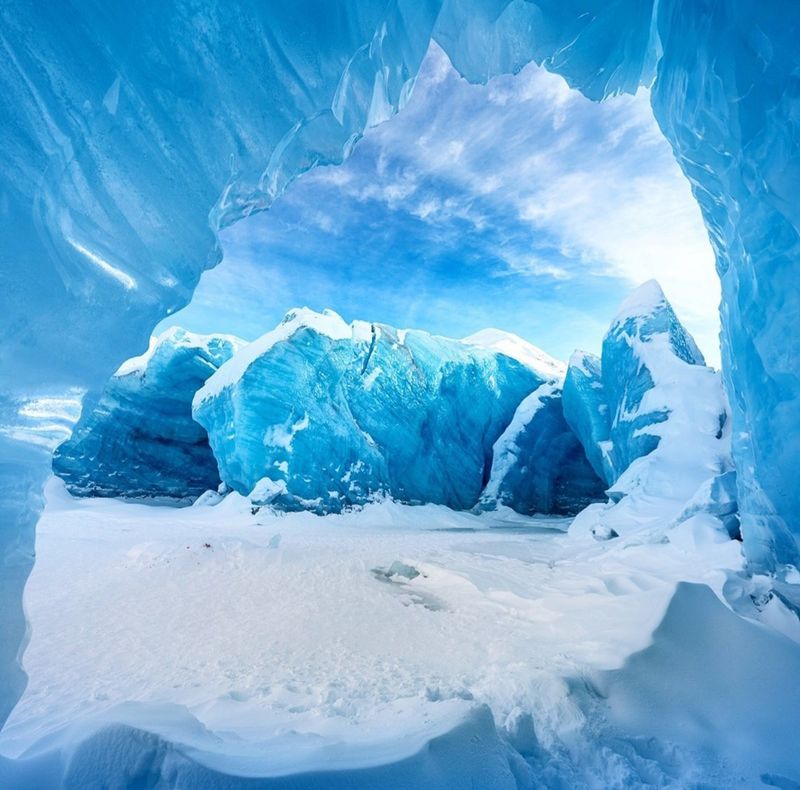
Spencer is a textbook on how water writes in ice. Those under-ice rivers chew tunnels that look steady until a warm afternoon turns murmurs into a roar.
You can reach the area by rail and trail, which makes it feel inviting. ž
The cave mouths, though, tell a stricter story once you listen.
Stand a few yards off and you hear beads of water ping like tiny bells. That means the ceiling is thinning along old flow lines you cannot see.
I have watched a whole arch slump in slow motion and settle into a gravel pillow. Nobody was under it, thankfully, because the cues were there for anyone paying attention.
What works here is treating the river as the main character. If it is loud and brown with silt, that cave is tired, and you should admire from dry rock.
Chugach peaks shoulder the sky and make everything feel big.
That is the beauty of Alaska, and the trap, because big can trick you into thinking stable.
Take your time, read the flow, keep your footprint light. The blue will still find you even if you stay outside the doorway.
8. Columbia Glacier Ice Features
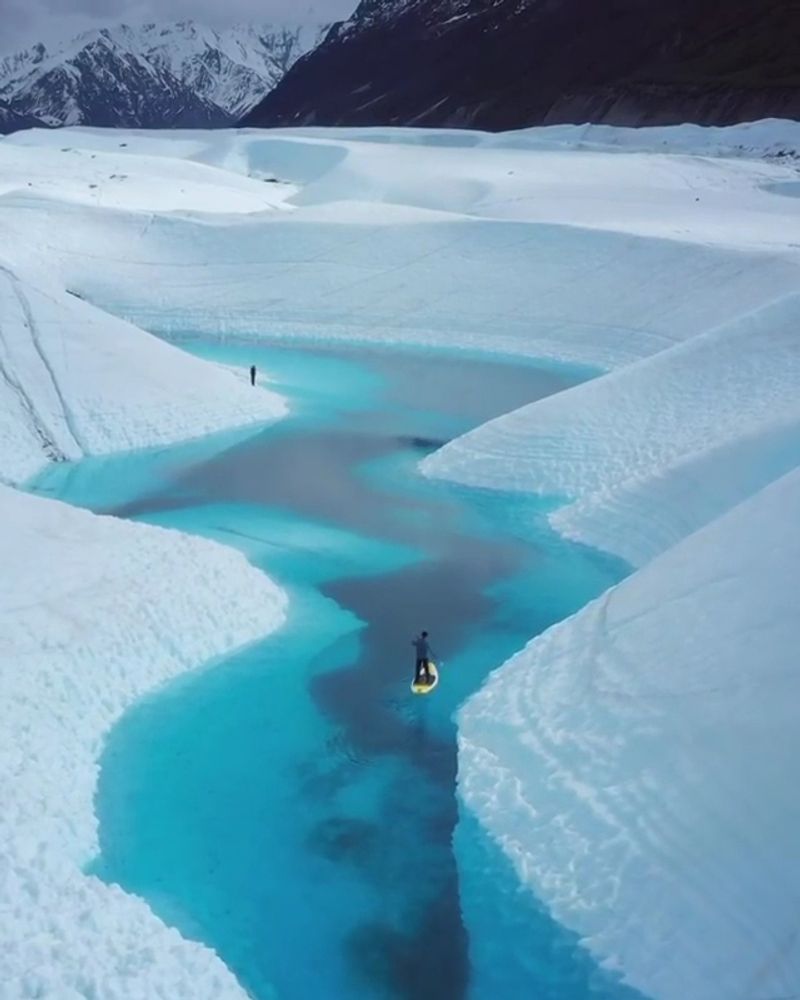
Columbia moves fast, even by Alaska standards. The face calves into a field of jagged ice where caves and arches appear like daydreams and then blink out.
From a safe boat distance, you can see blue vaults inside broken seracs.
They look like cathedrals for a minute, and then a chunk folds and the doorway is gone.
I like how the sound rolls across the water after a collapse. It is a low thunder that tells you the sculpture you admired was already on its way out.
These are not caves to enter, they are moments to witness. The water is crowded with brash ice, and every ridge is loose logic stacked on looser logic.
Skippers keep respectful margins because the scale plays tricks.
A little wall might be a house, a small splash could be a truck’s worth of ice.
Photograph the negative space, the windows through blue into deeper blue. That is how you hold onto something that refuses to stay still.
And honestly, letting it be transient feels right here. The quick-change act is the point, not a flaw to fix.
9. Knik Glacier Ice Caves
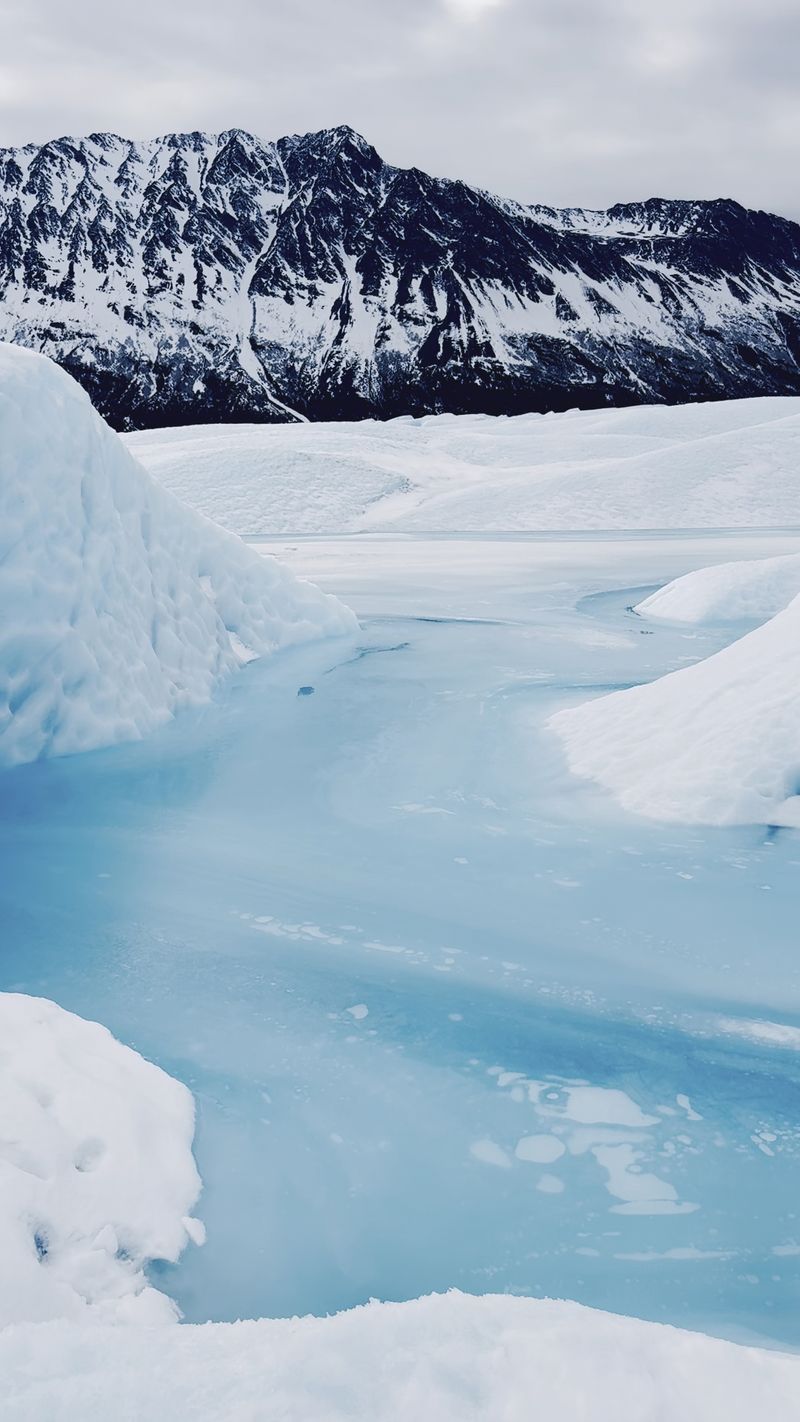
Knik’s valley is big sky, braided rivers, and ice that sounds like glassware clinking. The caves here draw people with that neon-blue glow, but the roof mood can swing fast.
I have watched fine lines tremble across a ceiling like a spider web in slow motion. That is your sign to back out before the web turns to confetti.
Even the approach changes week to week.
Sandbars shift, ice caves migrate, and access that was simple becomes a maze of puddles and silt.
If you want the look without the risk, shoot from the bank with a long lens. You get reflections, texture, and zero chance of being under a shrugging slab.
The echo under a thin arch is a giveaway too. It sounds hollow and tinny, like tapping a cheap drum, and the smarter move is to enjoy the acoustics from outside.
Southcentral Alaska likes a surprise thaw right when you planned your outing.
Build that into your expectations, and you will be less tempted to push your luck.
The best memories here come from patience. Let the light shift, let the river calm, and you will see the cave paint itself on the water without stepping inside.
10. Matanuska Glacier Ice Caves
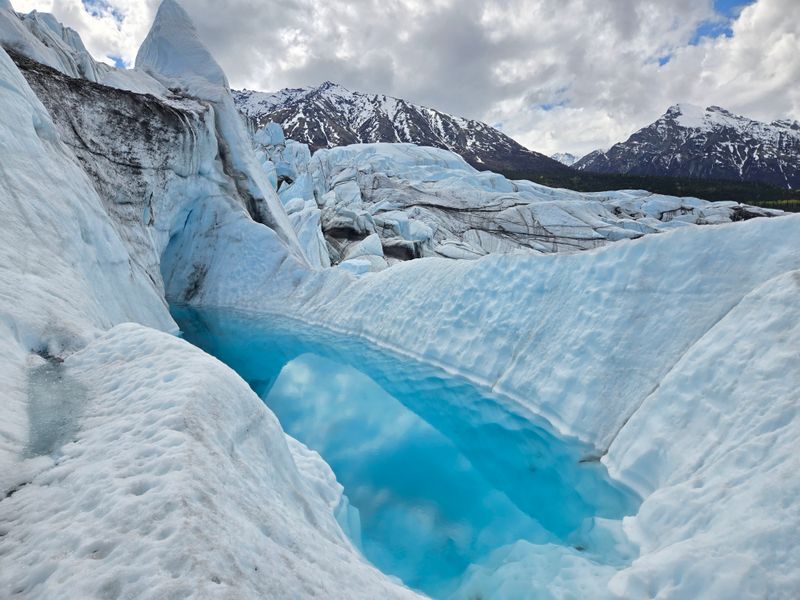
Matanuska is the spot many people try first, and I get why. There are guides, clear routes, and a valley that frames the ice like a widescreen.
But the caves themselves keep shrinking and shifting.
A hall that felt roomy last season might be stitched shut by pressure ridges now.
I like how guides tap the ceiling lightly and listen. It is a quick read on tension, the kind of field habit that saves headaches and worse.
On cold days, the blue goes deep and glassy. On mild afternoons, the drips turn talkative and you can smell fresh silt in the air.
Staying on established paths makes a real difference here. The ice edges are undercut, and a clean route keeps you off surprise trapdoors.
If you are into textures, this glacier will spoil you.
Bands, bubbles, pebbled floors, and the occasional swirl that looks like frozen smoke are everywhere.
Let the pros choose which mouths are a look-only situation. The cave will be there to admire either way, and you will drive away with your story intact.
11. Worthington Glacier Ice Caves
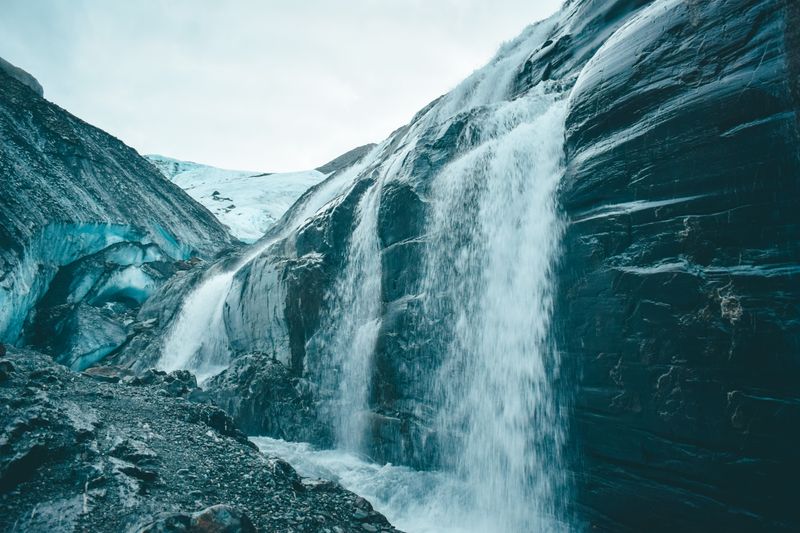
Worthington used to show off with bigger rooms near the toe. Lately the caves look more like blue closets, quick to form and just as quick to fold.
The pass funnels weather in a hurry. One cold snap and things stiffen, one warm wind and the cave sighs and sags.
I like how the ice here carries stripes like a barcode.
Each line is a season archived, and now those archives are thinning at the edges.
You can stand outside and still get the payoff. The ceiling throws soft light on the rocks, and the air smells like clean stone and snow.
If you hear a hush like distant surf, that is meltwater moving under your boots. Take two steps back and let the sound have room.
The scale of the pass makes small caves feel precious. That contrast is part of the charm, and part of the warning in this corner of Alaska.
Cameras love the pale blues here, especially on gray days.
Your job is to love the distance just as much as the color.
