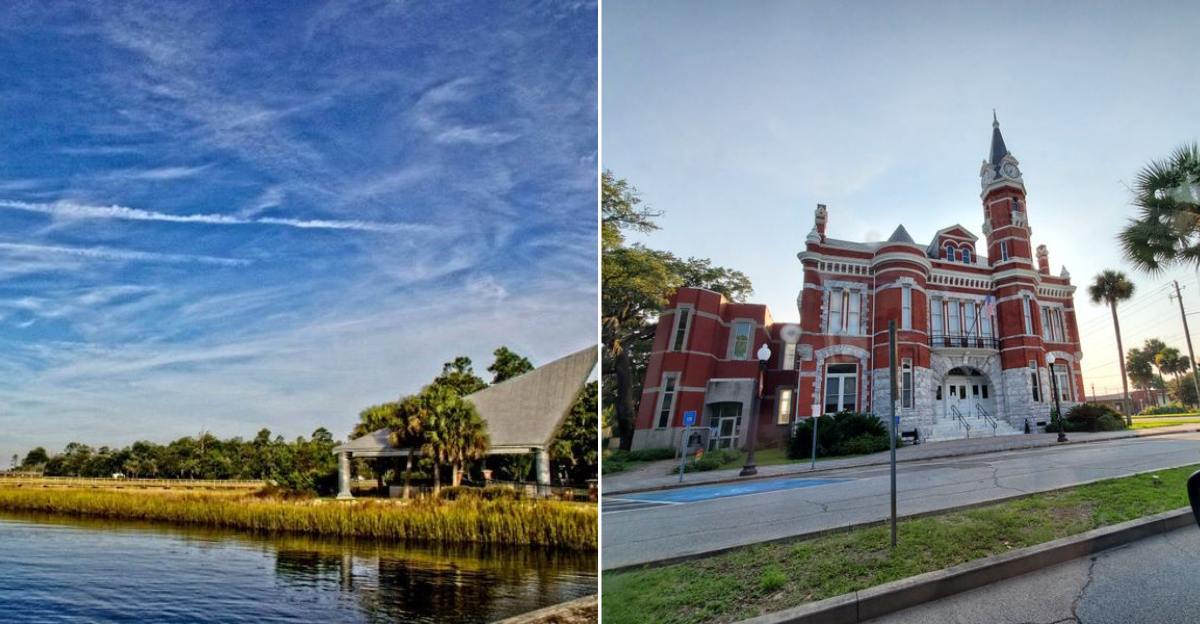
Crowded beaches and disappearing local shops have become the new reality for some of Georgia’s coastal towns.
Once known for their charm and small, family-run businesses, these places are now filled with tourist-driven stores that cater more to visitors than to the people who actually live there.
I remember walking through Tybee Island years ago and finding little seafood shacks and quirky shops that gave the town its personality.
Today, many of those spots are gone, replaced by businesses designed to cash in on the tourist rush.
St. Simons and Jekyll Island have seen similar changes, still beautiful, but the vibe feels different when the places that made them unique are pushed out.
Tourism has definitely brought money and attention, but it’s also reshaped the identity of these towns.
So, which Georgia beach towns have lost their local flavor by driving out local businesses? Let’s take a closer look.
1. Tybee Island
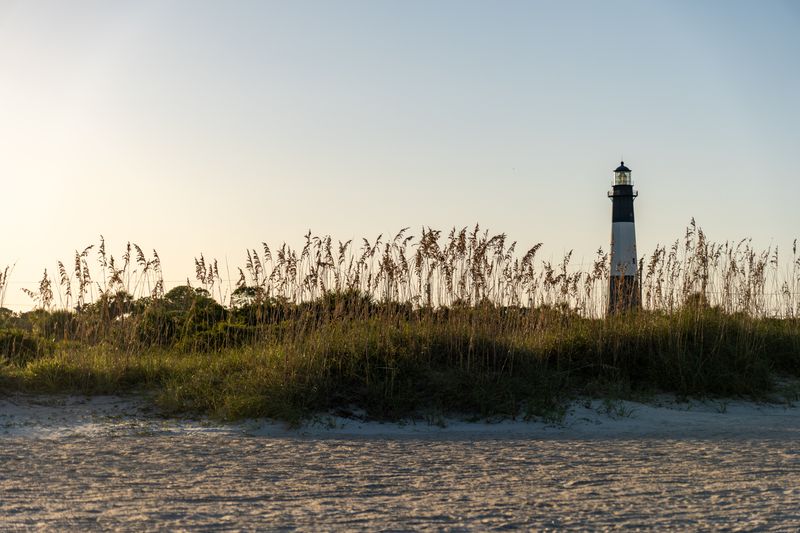
You roll onto Tybee Island and the salt air feels like a familiar song. Then your eyes catch the storefront shuffle that came with Savannah weekends and short stays.
Souvenir racks sit where hardware and repair shops used to hold court.
I think the rhythm is different now, quicker and louder, like the tide forgot to slow down for locals who needed time to breathe.
Folks here will tell you leases climbed faster than sales could follow, and small shops blinked first.
Walk a block and you can spot the chain logic. Big brands can wait out a slow season, while family owners need steady weeks that never fully arrive.
It is not cruel, just relentless. That pressure shapes every empty window and bright new logo.
Visitors want easy parking and a fast in and out. Local life asks for something steadier.
Is there still heart on this island? Absolutely, and you can feel it in the side streets and the soft morning quiet.
You also hear the edge in voices that remember what stood here before the quick-turn wave. Tybee is still Georgia through and through, but the balance tilts.
If you come, you get to vote with your feet and your time. Look for the small signs, say hello, and ask what used to be here.
2. St. Simons Island
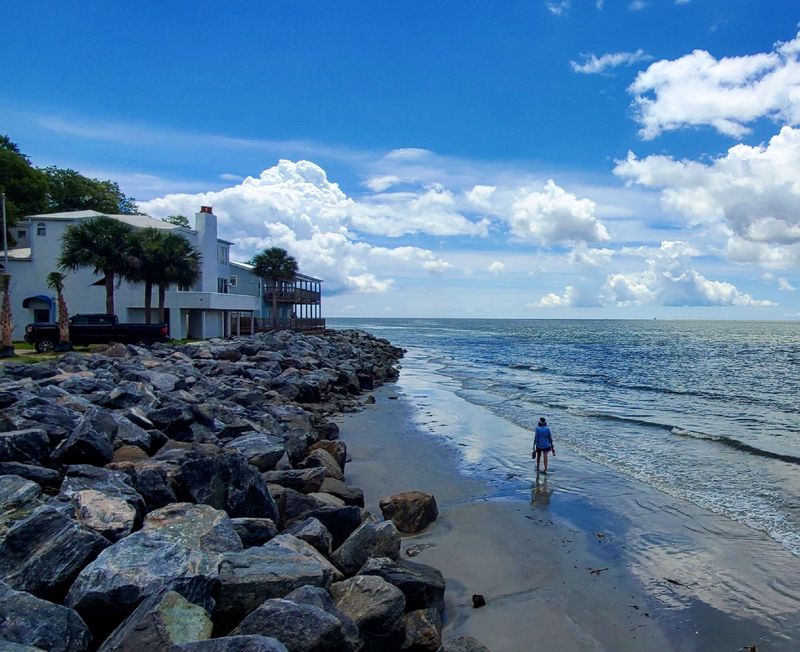
St. Simons Island looks polished at first glance, like someone ironed the village corridor and set it under a soft lamp. It is beautiful, sure, but the shine came at a cost.
Visitor demand nudged rents up step by step until small places felt the squeeze.
The shift is subtle when you are just browsing, less subtle when you try to pay a year of lease with shoulder season foot traffic.
Some longtime owners tapped out rather than chase numbers that kept drifting.
Walk beneath the moss and you might think the curation is charming. It is, and it is also curated in a way that favors predictable names.
Those names stabilize, which managers love, but they flatten the local accent. Friends who grew up nearby say the village feels less like a community square and more like a resort stage.
I believe them, because the pacing feels rehearsed.
There are still pockets that feel grounded and human. You find them down side lanes and in conversations that wander.
Georgia hospitality hangs on, even when the backdrop leans upscale. If you are visiting, it helps to pause, ask what is independent, and send your time there.
The island is lovely, and it can also be kinder to the people who kept it that way.
3. Jekyll Island
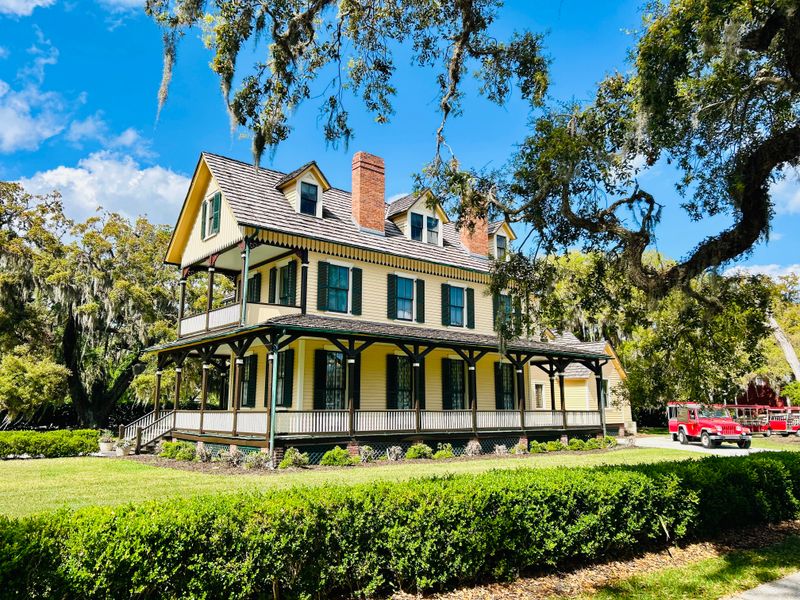
Jekyll Island runs on a plan, and you can feel it in the way shops cluster near big draws. Redevelopment favored a clean, centralized retail experience.
It is tidy, reliable, and a little bit same across the board. Independent operators try to wedge in around the edges, but the main lanes point visitors toward standardized stops.
That is the tradeoff when an island builds for large flows.
From a traveler’s view, it is easy. Park, stroll, browse, repeat.
From a local owner’s view, the math is tougher.
Space is limited, costs stack, and the crowd path keeps curving to state backed concessions.
If you are small and scrappy, competing with that structure feels like pushing a bike uphill on wet sand.
Do I still like coming here? I do, especially early when the light is soft and the boardwalks are quiet.
But when it is time to spend, I go looking for the little names that are still hanging on.
Jekyll’s story shows what happens when planning wins and personality has to fight for room. Visitors can help by choosing the stalls that whisper rather than the ones with a megaphone.
4. Sea Island
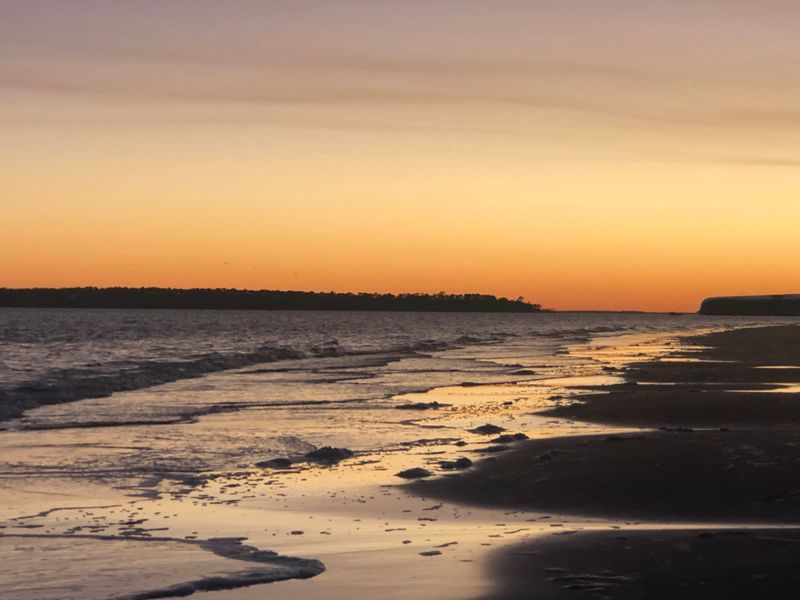
Sea Island moves with quiet confidence, like a place that knows its audience and caters to it completely. The exclusivity shapes what opens and what survives.
Independent retail is rare because operating costs rise and expectations sit sky high. Most storefronts tie directly to the resort orbit.
I think that alignment keeps standards crisp, but it narrows the lane for local flavor.
When a destination is this curated, the service economy becomes the backbone. Shops answer to guest patterns more than neighborhood needs.
You can feel the difference in how windows are dressed and how hours are set. It is smooth, it is efficient, and it politely edges out anything that cannot scale.
For small owners, entry feels like a locked door with no bell.
Driving through the area, I admire the landscaping and still wish for a scruffier corner where a hometown idea could breathe.
If you visit, try to ask who is from nearby and where they got their start.
A little curiosity goes a long way. The island is beautiful, but beauty gets brighter when the people around it have room to grow.
5. Darien
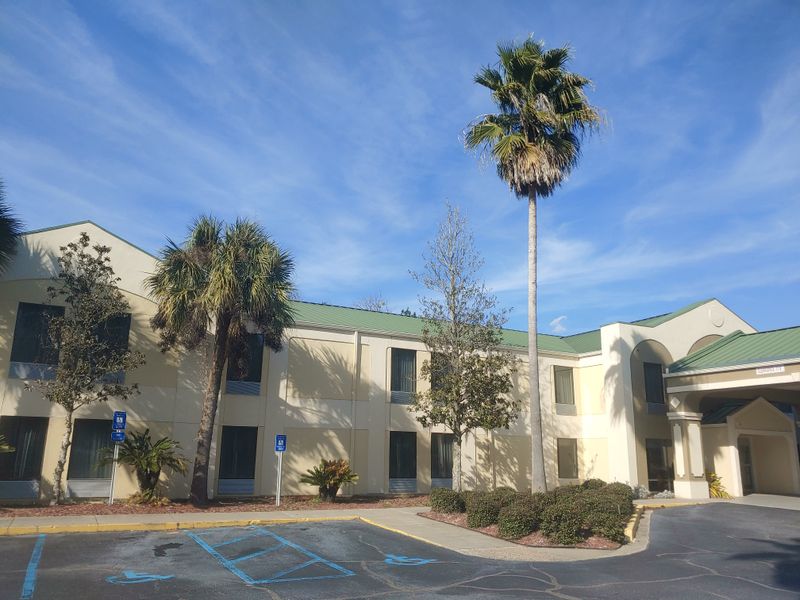
Darien feels like a crossroads where tides meet traffic. With the islands nearby, visitor spillover changed the daily rhythm.
The town shifted toward short term retail that catches folks on the way to somewhere else.
That sounds practical until you count the neighbors who needed a steady place to buy what home life requires. Some of those shops faded as patterns changed.
I parked under a big sky and walked the strip, noticing how windows speak to brief visits. Quick prints, quick gifts, quick choices.
It makes sense when your audience is passing through. Still, you hear wistful notes about the stores that anchored families for years.
Rising rents did not help, and neither did seasonal dips that left budgets thin.
Darien is still friendly in the way towns in this state are, with casual hellos and stories that stretch. If you have time, linger.
Ask where locals still gather. Spend more than a minute and you might find the slower beat that keeps the place honest.
The town deserves more than a quick stop, and so do the people doing their best to keep it personal.
6. St. Marys
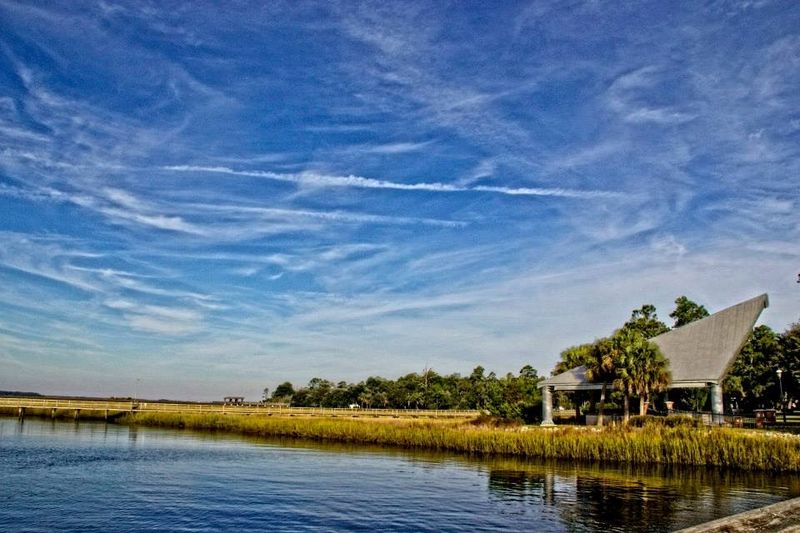
St. Marys wears its gateway badge with pride, and it makes sense with ferries leaving nearby.
Visitor oriented storefronts cluster downtown, leaning into short stays and quick needs.
Local retail lives with seasonal swings that make budgeting a bit of a tightrope. When rents inch up, the rope gets thinner.
The mix slowly tilts toward businesses that can ride out quiet weeks without blinking.
I like the waterfront stroll here. It is calm, with benches and slow river light.
Step back a block and you feel the math of tourism at work.
Some shops greet regulars by name, others are aimed at folks catching a schedule. Neither is wrong, but the balance matters if you want a town that still recognizes its own voice.
Towns here do community well when given half a chance. St. Marys can keep both the gateway energy and the hometown thread if visitors lean in.
Seek out independent spots and strike up a chat. Ask what the off season looks like, then show up anyway.
That is how the lights stay warm and the welcome stays real.
7. Kingsland
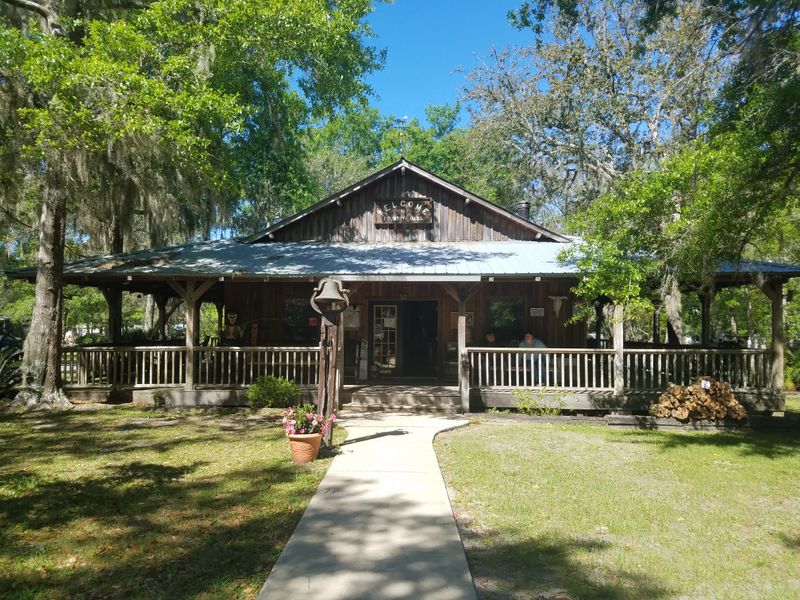
Kingsland grew alongside the steady hum of coastal traffic. Highway corridors filled with chains that know how to catch drivers and buses.
Independent shops, set back from the main lanes, lost visibility one exit at a time. Foot traffic followed the easy signs and big lots.
That shift pulled attention from smaller storefronts that tell local stories slowly.
I rolled through on a clear afternoon and noticed how consistent everything looks. Predictable logos, clean lines, and wide concrete.
Convenience wins on long drives, but sameness can blur a place into the next town over. Owners I chatted with say the challenge is not quality, it is being seen at all.
When you cannot compete on volume, you compete on voice, and that takes time you rarely get.
The fix is not complicated, just intentional. Park once more than you planned, wander past the obvious and ask someone where they’d send a friend.
Georgia pride shows up when conversations start. Kingsland has that spark, even if the big signs try to outshine it.
Choose a road a block off the main drag and you might find the part you remember.
8. Brunswick
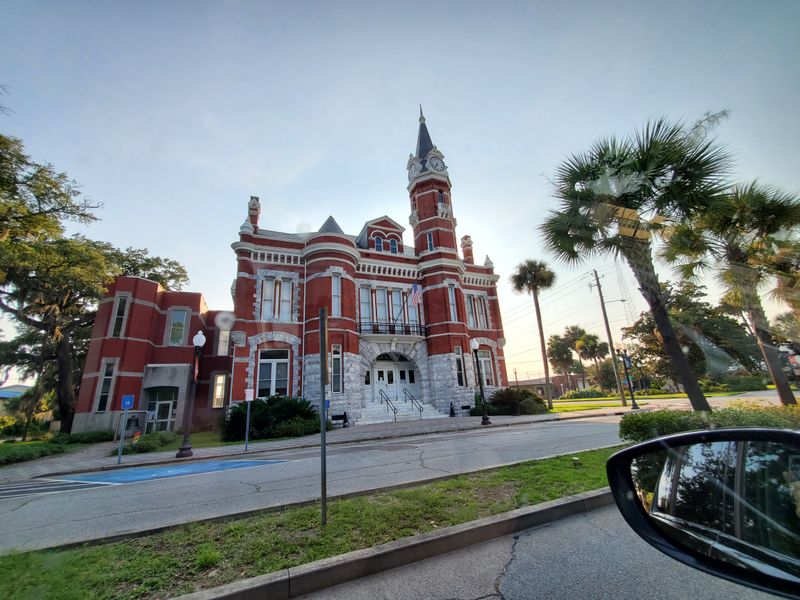
Brunswick has a working heartbeat, and the port makes sure you hear it. A waterfront revival brought cranes, glass, and fresh paint.
Investment flowed, but the current favored larger developments with deeper pockets. Small operators felt the lift in costs around the edges of the water.
Neighborhood scale options thinned as leases nudged upward and square footage got pricier.
That said, the historic grid still shows up with character. Brick, pastel, and shade trees frame shops trying to hold their corner.
You can help by stepping off the main splashy strip. Independent owners will tell you what the last few seasons have done to margins and moods.
Their stories are steady, not dramatic, and very human.
Brunswick carries the state’s grit and grace in equal measure. The best visits start with slow walks and eye contact.
If a space feels small and sincere, it probably is, and that is a good sign. Spend your time there and ask what neighbors miss most.
The city can grow without steamrolling the people who kept the lights on when fewer folks were looking.
9. Shellman Bluff
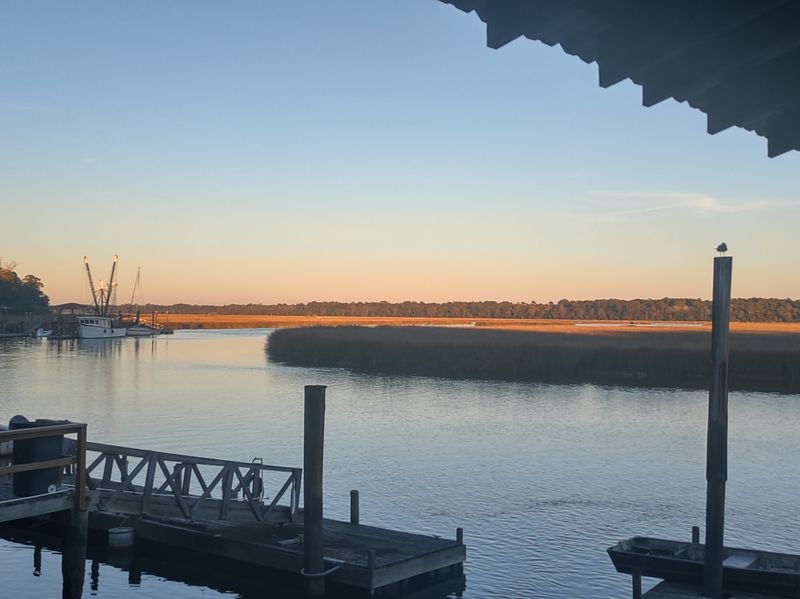
Shellman Bluff feels like a porch conversation that ran long in the best way. The village vibe draws visitors who want a slice of the calm.
Seasonal swings reshaped the little strip, though, and tight margins make every decision count. Locally owned spots hold on with care and grit.
Infrastructure lags behind the interest, so the pace changed faster than the roads and parking could keep up.
I like how honest it is here. Nothing feels staged, just weathered wood and marsh light.
The challenge comes when crowds arrive and expect polished convenience. That is not what this place is about.
Georgia’s coast is full of places that breathe like this.
Shellman Bluff deserves the kind of attention that keeps neighbors in business rather than turning everything into streamlined stops.
Take your time and you will leave calmer than you came.
10. Richmond Hill
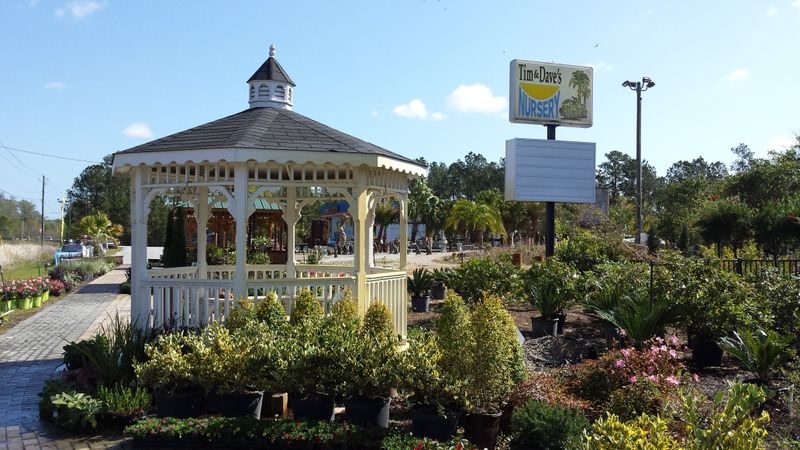
Richmond Hill has been growing along the coastal corridors, and you can see it in the tidy centers and familiar logos.
Commercial development followed the safe playbook that favors larger brands. Independent shops face higher rents and steady competition.
Locals say convenience went up while the character thinned at the edges. That is the classic trade around here when growth moves fast.
I pulled in at dusk and watched families drift between stores. Everything works, everything is easy, and yet you look around wishing for one more offbeat idea.
That space still exists, but it needs attention. Small owners cannot win the volume game, so they win with stories and service.
They need customers who value both.
This state knows how to celebrate a hometown voice. Richmond Hill can keep that voice if visitors and neighbors ask for it out loud.
When you choose the independent option, you keep the lights on for more than a season. You also send a message about what kind of place you want this to be.
That is how a corridor becomes a community and not just a row of signs.
Dear Reader: This page may contain affiliate links which may earn a commission if you click through and make a purchase. Our independent journalism is not influenced by any advertiser or commercial initiative unless it is clearly marked as sponsored content. As travel products change, please be sure to reconfirm all details and stay up to date with current events to ensure a safe and successful trip.
