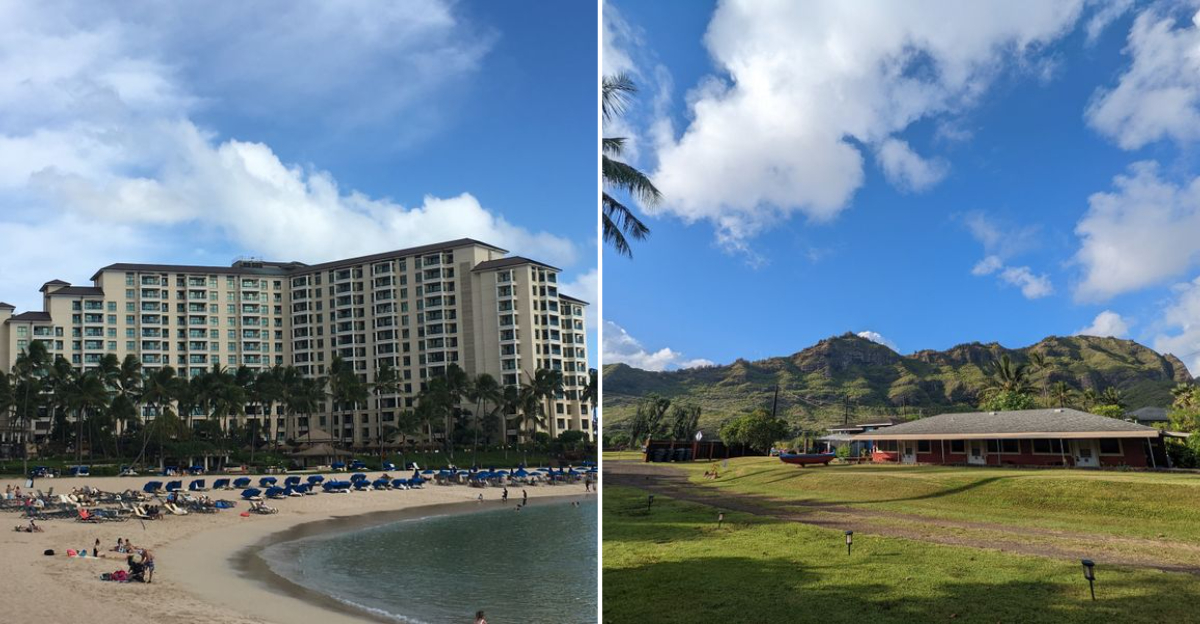
Have you ever visited a place that felt authentic, only to come back later and realize it’s been taken over by resorts? That’s what’s happening in some Hawaii neighborhoods.
These communities used to be about local life, small shops, family-owned restaurants, and neighbors who actually knew each other. But as luxury resorts moved in, the vibe started to change.
Now, instead of quiet streets and local hangouts, you see massive hotels, valet parking, and tourists everywhere.
The cost of living has gone up, longtime residents are being pushed out, and the culture that made these areas unique is getting buried under glossy resort branding.
What was once a neighborhood feels more like a vacation package.
I’ve seen it firsthand, spots that used to feel warm and welcoming now feel staged, like they’re designed for visitors instead of the people who live there.
It makes you wonder: can these neighborhoods hold on to their identity, or has the resort boom already taken over?
1. Waikiki
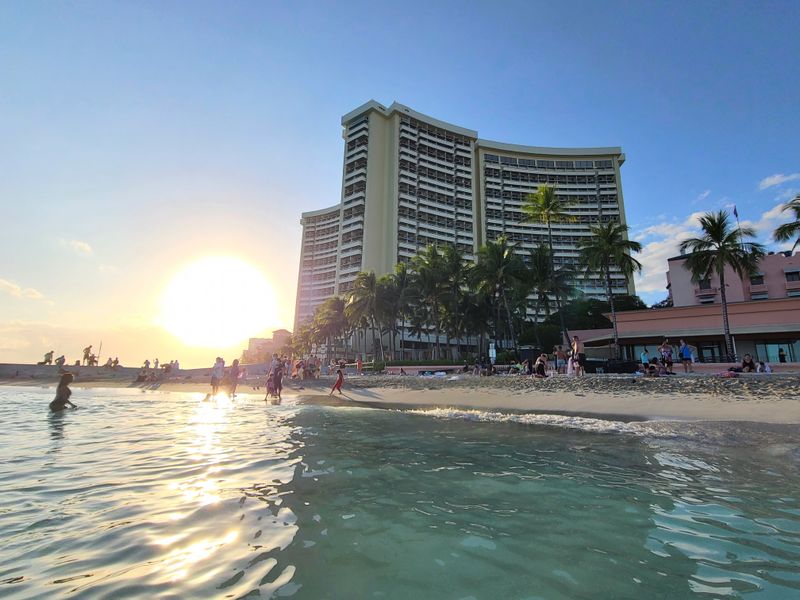
You feel it the second you hit Waikiki. Towers stack against the horizon, and the shoreline looks choreographed by check in times and valet stands.
Walk a block and you are in a canyon of glass where resort names echo between palms and traffic lights.
Locals will say the neighborhood was rewritten long ago, and you can see it in the way daily errands bend around visitor schedules.
Beach paths thread through hotel corridors, and casual access comes with a maze of signs and queues. Housing that once held families now reads like a catalog of vacation options.
It is not that joy is missing. It is that Waikiki feels optimized for short stays, with every surface polished to move you from lobby to view.
The quiet parts, the ones that tell you who lives here, sit farther and farther away.
When the sun drops, the skyline lights up like another daytime, and the surf still looks perfect from a balcony. But on the ground, the mood is retail bright and resort ready.
You can sense how the neighborhood functions almost entirely for visitors now.
There are moments when wind rustles the palms and people pause to watch the shore.
Then the tour buses hiss, and the elevators ping, and the spell breaks. Waikiki became a machine for holidays, and it runs all day.
2. Kaanapali
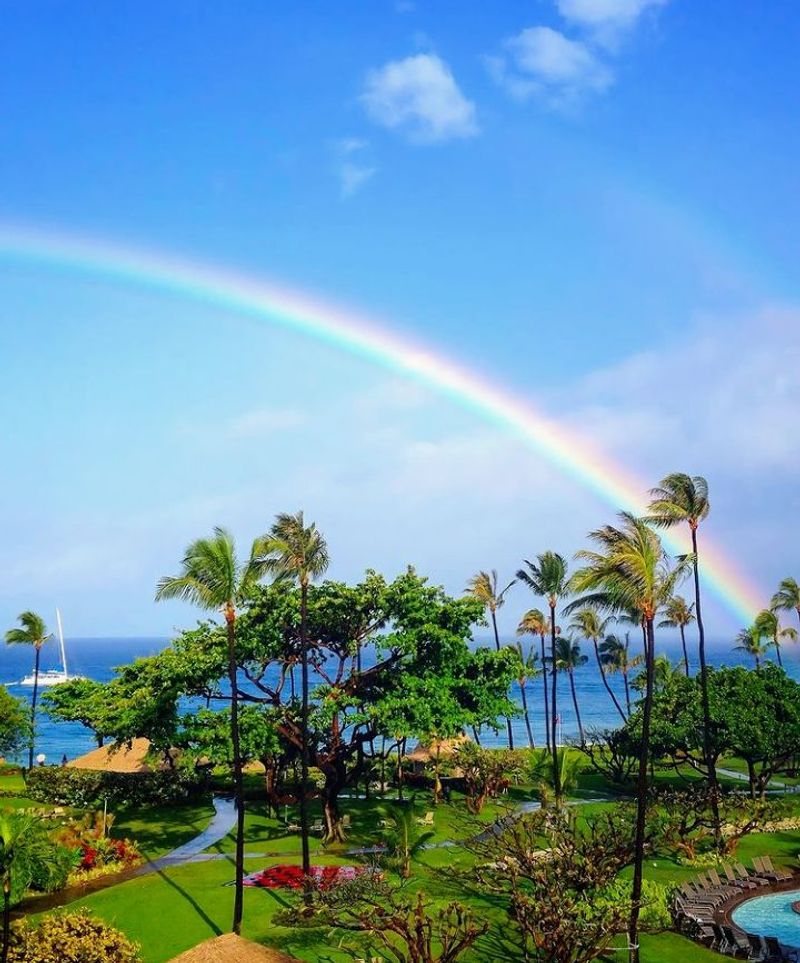
Roll into Kaanapali and you immediately feel directed.
Paths sweep you past manicured lawns, and the beach seems to appear mainly where the hotels allow a peek. It is smooth, intentional, and almost campus like in how everything connects.
Public access exists, sure, but it funnels through corridors and signs that make you second guess whether you belong there.
Local businesses outside the resort clusters feel scarce, almost like the area was built to keep you inside the loop. The rhythm is check in, stroll, sunset, repeat.
If you try to run simple errands, it becomes a scavenger hunt. Parking drifts toward guest priority, and the main drag reads like a brochure come to life.
People look relaxed, but the support system behind the scenes feels distant from regular town life.
Talk to workers and you hear about long commutes and schedules synced to visitor demand.
The neighborhood feels less like a place to live and more like a staged experience with ocean views. That can be beautiful for a day and complicated for a lifetime.
You can still find a quiet patch of sand if you time it right. But most routes steer you past lobbies, pools, and curated lawns.
Kaanapali is gorgeous, and also very much a destination campus.
3. Wailea
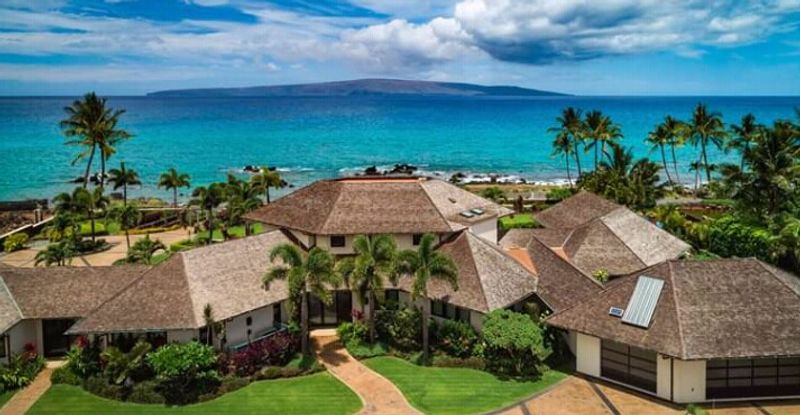
Down in Wailea, the coastline glows like a screensaver. Resort entrances feel grand, with gates and smooth driveways curving toward picture perfect lawns.
Public access is there by law, yet in practice it feels like a treasure hunt.
The daily rhythm revolves around resort schedules, from sunrise yoga on lawns to evening torch light routines.
Neighborhood life gets pushed to the edges, and that shows up in how housing shot out of reach for many. The result is a postcard that asks locals to frame it from a distance.
You can walk the coastal path and fall for the views on every turn. But look inland and the mix is heavy on gated communities and low on everyday services.
I think it feels curated, like a showroom for the island rather than a town.
Talk to people who grew up nearby and they will tell you how quick errands became long drives. Beach parking lots are tiny islands in a sea of reserved spaces.
You still get the ocean breeze, just with more signs and less spontaneity.
Wailea is undeniably beautiful. It is also carefully arranged to guide visitors through a seamless day.
For Hawaii residents, that smoothness can feel like walls you cannot see but definitely feel.
4. Ko Olina
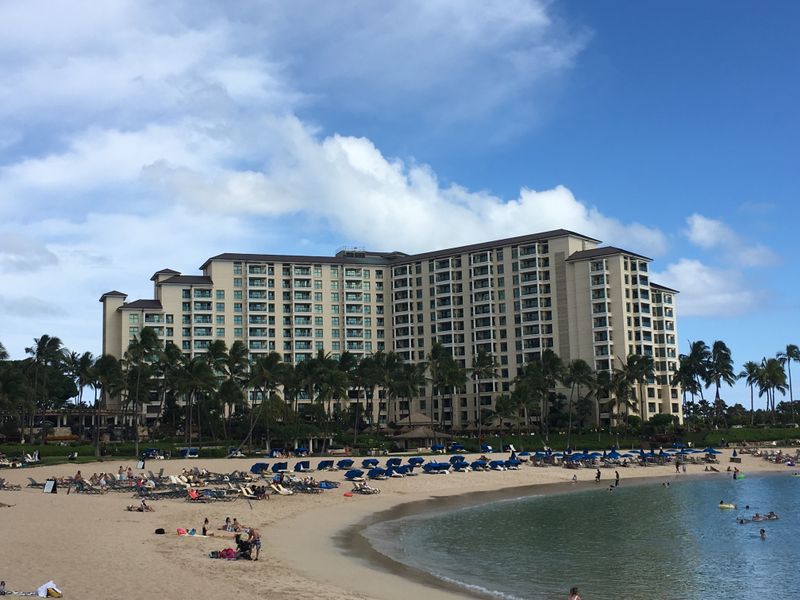
Ko Olina looks like it was drawn with a ruler. The lagoons curve perfectly, the paths are wide, and every view lines up like a postcard.
It is comfortable and insulated, by design.
Getting in and out means moving with visitor traffic, and the few housing options nearby sit at prices that keep many out.
The roads pulse with resort shuttles while local routes feel secondary. Everything works smoothly, but mostly for the people on vacation.
Try to run a normal day here and you end up circling. Access points guide you toward resorts first, then the shoreline.
You can walk for a while and never pass a corner store that feels like a neighborhood anchor.
There is beauty in those calm lagoons and trimmed lawns. Families love the predictable calm of the water.
Still, the community outside the gates feels far away, and that distance shows.
Ko Olina functions like an enclave. You arrive, you relax, and you rarely drift beyond the scripted routes.
It is pleasant in the moment, and a challenge for the island’s broader daily life.
5. Poipu
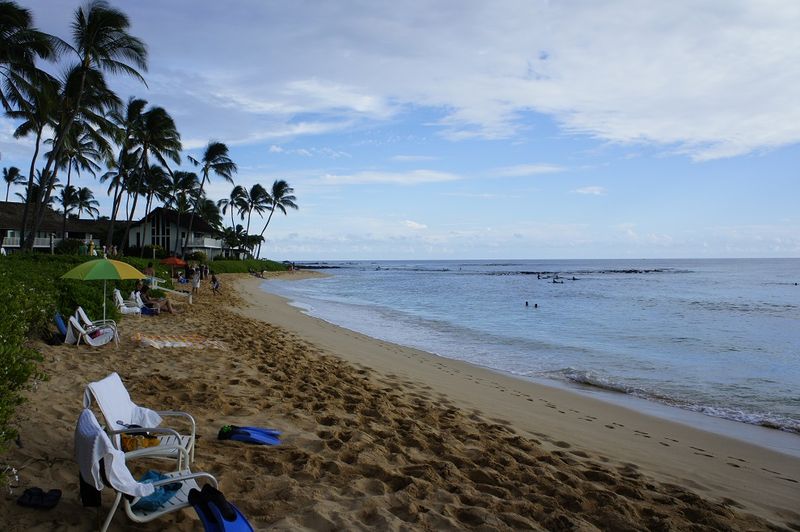
Poipu moves at a beach vacation pace from morning to night. Most roads seem to feed resort entrances or vacation rentals tucked into cul de sacs.
When you try to find a simple access point, you join a slow parade of cars doing the same loop.
Workers tell you they drive in from inland neighborhoods because living close is a stretch now.
Beach paths fill early and stay busy, which changes the mood of what used to be a casual local routine. The resort footprint sets the soundtrack for the day.
You can still catch a quiet sunrise if you are up early, watching the water go soft and silver. Later, the sidewalks fill with sun hats and rolling suitcases.
The neighborhood identity has shifted toward visitor flow, and you feel it in every errand.
It is not all bad. The landscaping is tidy, the paths are lit, and the shoreline views still stop you in your tracks.
But the sense of a lived-in town sits just out of frame.
Poipu today runs on guest schedules, and everything syncs to that beat. If you want a slower Hawaii rhythm, you keep moving inland.
The coast here now reads like a resort script.
6. Princeville
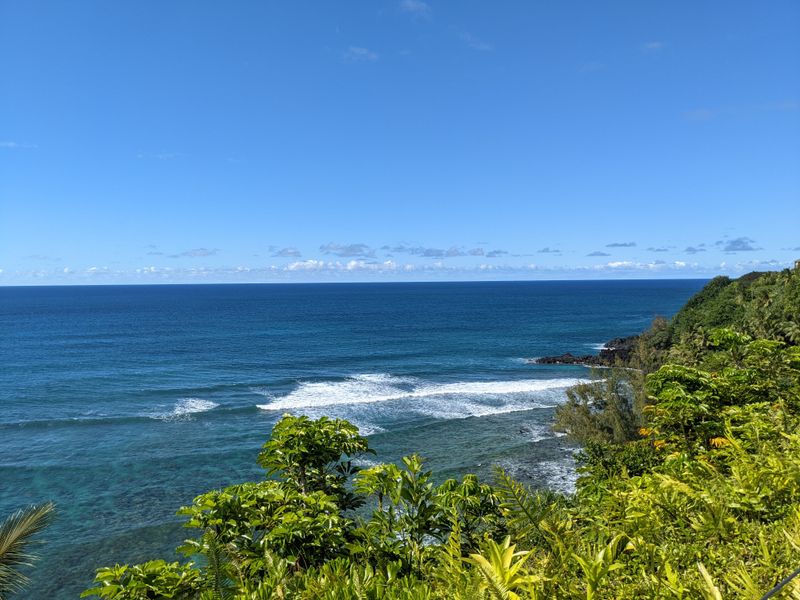
Up on the bluffs in Princeville, everything feels planned and polished. The roads curve around golf greens and view corridors, and the ocean peeks out between tall ironwoods.
It is quiet, pristine, and a little detached from the rest of the North Shore.
The housing stock skews luxury, with vacation rentals and second homes woven through residential streets.
Workers who keep the place running often live far away, spending extra time on the road. Everyday errands turn into trips to other towns.
Walk the paths and you get dramatic cliff edges and manicured lawns. What you do not get much of are small businesses with year round regulars.
The area runs on visitor energy and seasonal cycles more than neighborhood routine.
You can feel the distance in conversations. People describe the beauty first, then mention how living costs pushed friends out.
I think that slow thinning of local life leaves the place looking perfect and feeling hollow at times.
Princeville stays gorgeous, especially after rain when mountains glow. But the balance tipped toward resort style living long ago.
These days, the area reads like a postcard that rarely gets mailed.
7. Makena
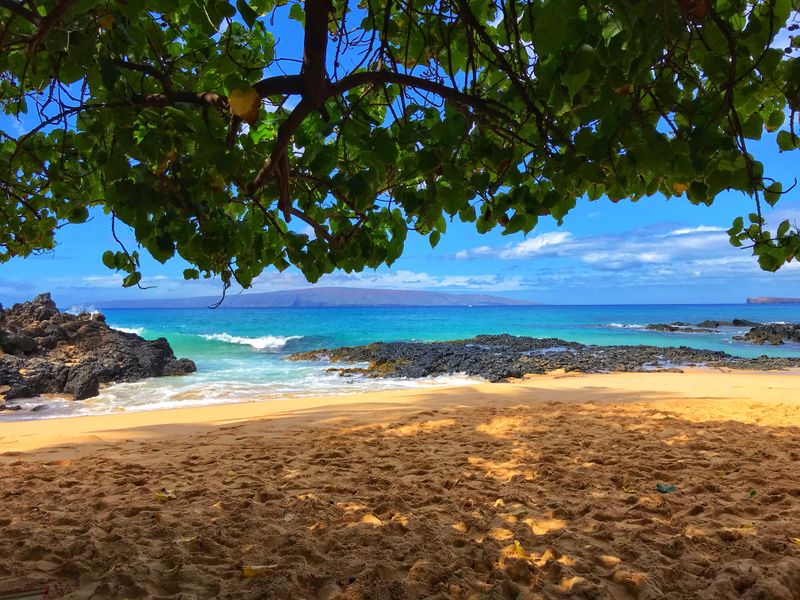
Makena once felt like the edge of the map, with raw lava fields and quiet coves.
That reputation drew attention, and now luxury projects sit like islands along the coast. The mood is still wild, but the edges are carefully shaped.
Access has become a negotiation. Beaches are public, yet parking and paths can make it feel otherwise in practice.
You walk farther, plan more, and hope the lot has a spot left.
Residents nearby talk about how the pressure spills into their streets. Weekends stretch long as cars loop for space.
It is the kind of change you notice first in small frustrations.
The water stays ridiculously clear, and the wind still rattles kiawe branches. You can love that and still admit the vibe has shifted away from local use.
That tension sits in the air like heat on the road.
Makena is gorgeous and fragile at the same time. Development pushed in, and everyday life pushed out a bit to make room.
You feel both truths with every step from the car to the sand.
8. Lihue Coast
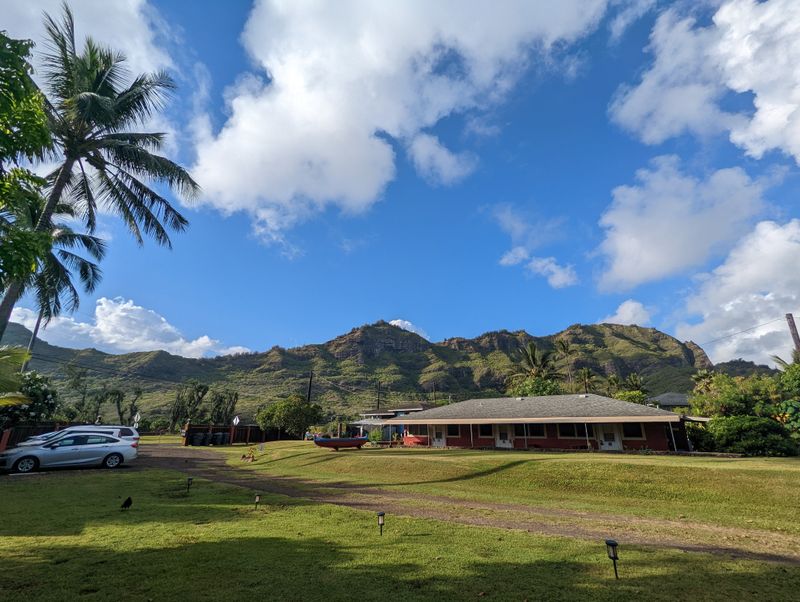
Skirting the Lihue coast, you see how resorts cluster near the biggest beaches. The airport sits close enough that arrivals blend into the day.
Shoreline access is still there, but it feels narrower than it used to.
Local housing nearby has tightened, and folks who work in town often live farther out. That adds time to days that are already full.
The area now serves arrivals as much as residents, sometimes more.
Walk the path and you get a mix of beach laughter and suitcase wheels. Services lean toward convenience for visitors, not the messy needs of daily life.
It is efficient, and also a little one note.
You can talk with longtime residents and they will point out what is missing. Places that felt like community anchors now share space with check in desks.
The shoreline remains beautiful, but the context has changed.
Lihue keeps moving, planes overhead and waves at your feet. The balance is just skewed, with hospitality in the driver’s seat.
I think that shapes every small decision along the coast.
9. Ala Moana
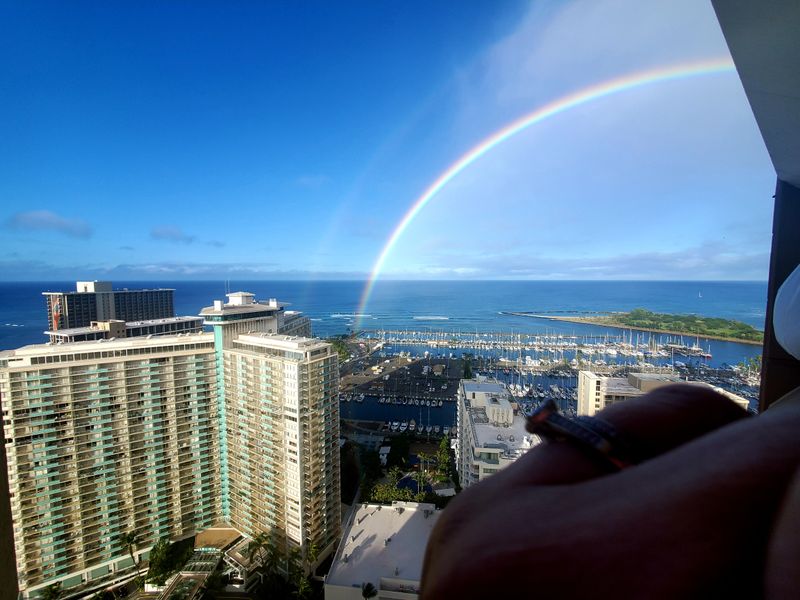
Ala Moana is where city energy meets beach gravity. High rises crowd the skyline, and the beach park pulses with people from sunrise to sunset.
You feel the density in every step from curb to sand.
Resort growth added more towers and more people, and traffic followed right behind. The result is a neighborhood that balances residents and visitors with mixed success.
On a good day, it feels lively. On a tough day, it feels squeezed.
Locals still love the park for quick swims and sunset walks, but the search for parking can eat half the plan. Paths feel busier, and quiet corners take patience.
Walk a few blocks and you pass gleaming lobbies and condo entrances with valet stands. That coastal edge reads like a luxury catalog.
It is impressive, and it changes how the space works for daily life.
Ala Moana is not shy about what it has become. It is convenient for visitors and intense for residents.
The ocean is still right there, but the calm sits a little farther out.
10. Hokuala Area
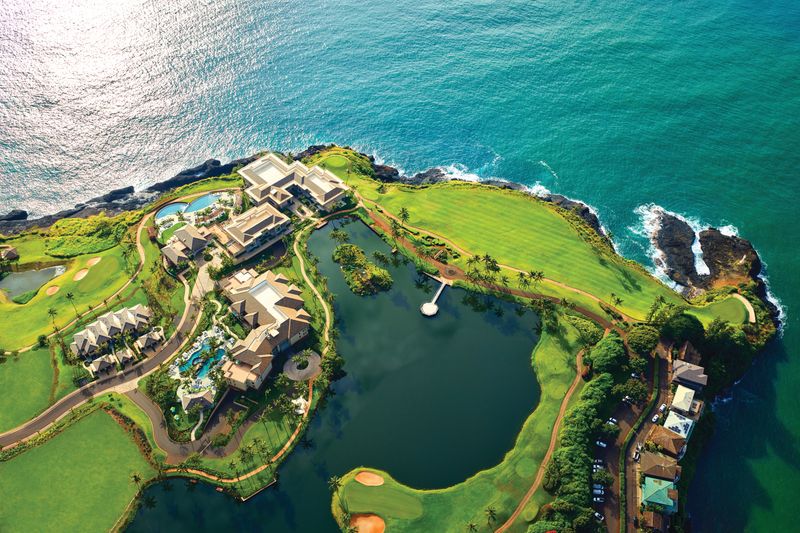
The Hokuala area feels purpose built the moment you arrive. Golf fairways roll toward lagoons, and lodging tucks into the greenery like it grew there.
It is beautiful and carefully managed.
Local access follows a narrow set of roads, and most paths steer you between resort features. You do not stumble into anything here.
You are guided, gently but firmly, from one view to the next.
People talk about the land’s past and how it shifted from work to leisure. That change explains the limited sense of neighborhood life.
You see visitors, staff, and service trucks, but not much casual community flow.
The scenery is hard to fault. Mountains glow at sunset, and the greens look immaculate.
Still, the place reads more like a resort enclave than a corner of town.
Hokuala functions smoothly, just not for everyday life. It runs on tee times and checkout windows.
If you are looking for a Hawaii neighborhood heartbeat, it is a faint one here.
