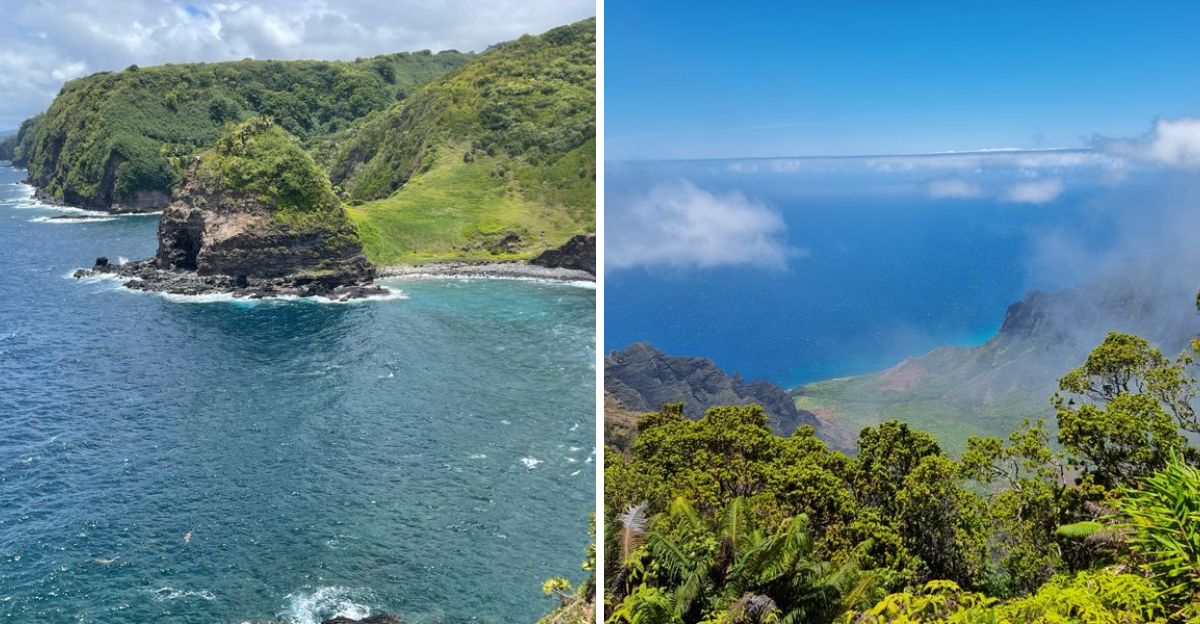
Hawaii is famous for its stunning beaches, vibrant luaus, and bustling tourist hotspots, but not every corner of the islands is filled with crowds and excitement.
Some places offer a different kind of magic, where the pace slows down, the noise fades away, and you can truly unwind.
These quiet, uneventful spots may not make it onto every travel brochure, but they hold a special charm for those seeking peace and solitude.
If you’re ready to discover the restful side of Hawaii, these ten destinations will show you a calmer, more serene version of paradise.
1. Polihale State Park, Kaua’i
Reaching Polihale State Park feels like an adventure in itself, as the journey requires navigating a bumpy dirt road that winds through sugarcane fields and open landscapes.
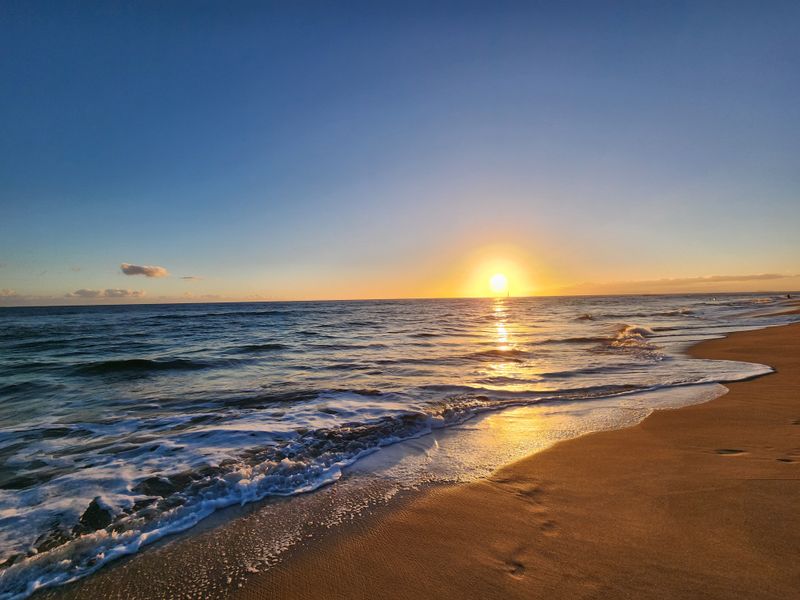
Once you arrive, the reward is immediate: miles of untouched golden sand stretching along the western edge of Kaua’i, where the ocean meets the sky in a breathtaking display of natural beauty.
Because of its remote location, this beach remains blissfully uncrowded, offering visitors a rare chance to experience true solitude.
Families often spread out blankets and enjoy picnics without worrying about noisy neighbors, while solo travelers find the space perfect for quiet reflection.
The sunsets here are legendary, painting the horizon in shades of orange, pink, and purple as the sun dips behind the distant island of Ni’ihau.
Photographers and nature lovers alike treasure these moments, capturing the raw, unspoiled essence of Hawaii.
Swimming can be challenging due to strong currents, so many visitors choose to simply walk along the shore, collecting shells or watching the waves crash against the sand.
The park lacks modern amenities like restaurants or shops, so bringing your own supplies is essential.
This simplicity adds to the charm, allowing you to disconnect from the hustle of daily life and reconnect with nature.
Polihale State Park is not about excitement or entertainment; it’s about finding peace in the vast openness of the Pacific and letting the rhythm of the waves wash away your stress.
2. Kohanaiki Beach Park (Pinetree), Hawai’i Island
Hidden along the Kona coast, Kohanaiki Beach Park offers a refreshing alternative to the crowded resort beaches that dominate much of Hawai’i Island.
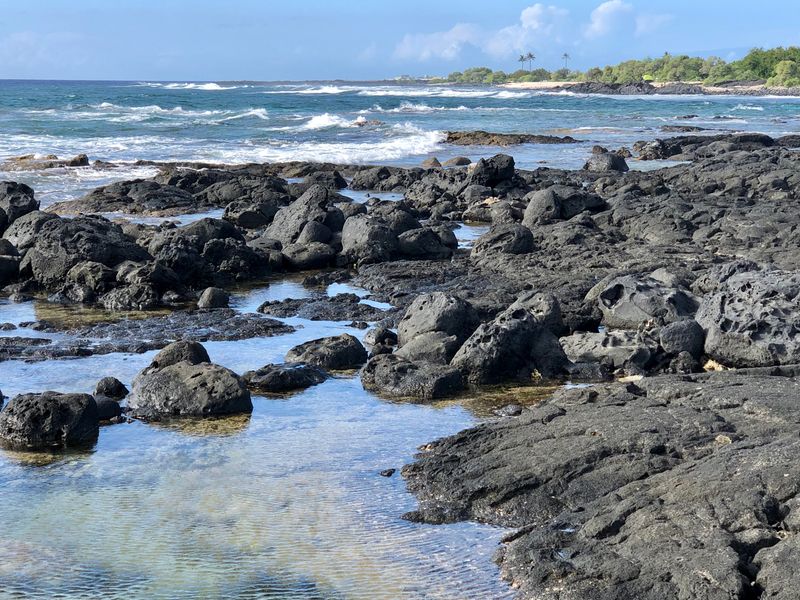
This lesser-known gem features a unique blend of soft sand and jagged volcanic rock, creating a rugged yet beautiful shoreline that feels worlds away from commercialized tourist areas.
The lack of fancy facilities or nearby hotels means you’ll likely share the space with only a handful of locals and fellow travelers seeking tranquility.
Snorkeling enthusiasts appreciate the clear waters and occasional sea turtle sightings, though the rocky terrain requires careful footing.
Families with young children might prefer calmer beaches, but those who value authenticity over convenience will find Kohanaiki deeply rewarding.
The park’s simplicity encourages visitors to embrace a slower pace, whether that means lounging under the shade of a tree or wading through the gentle surf.
Morning visits are particularly magical, as the early light illuminates the coastline and the air remains cool and fresh.
Bring your own snacks and plenty of water, since there are no vendors or restaurants nearby.
This lack of development is precisely what makes Kohanaiki special, preserving its natural character and ensuring a peaceful experience.
For travelers tired of fighting for parking spots and navigating through throngs of tourists, this beach park provides a welcome escape into Hawaii’s quieter side, where the focus shifts from entertainment to simple appreciation of the natural world.
3. Hana, Maui
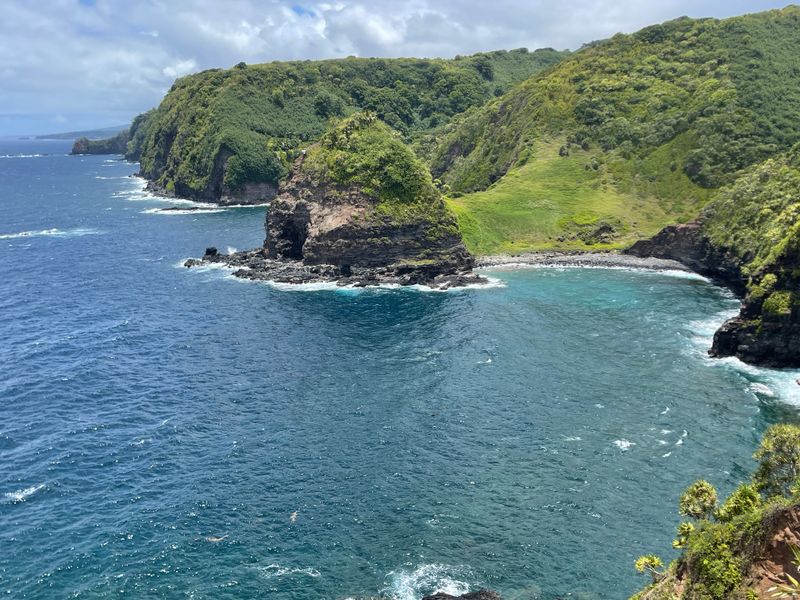
Getting to Hana is half the experience, as the famous Hana Highway winds through 600 curves and crosses dozens of bridges, revealing waterfalls, bamboo forests, and coastal vistas at every turn.
This remote town on Maui’s eastern shore feels like stepping back in time, where life moves at a gentler rhythm and modern distractions fade into the background.
Locals greet visitors with warm smiles, and the small shops and markets showcase handmade crafts and fresh tropical fruits grown in nearby gardens.
Unlike the bustling resort areas of West Maui, Hana offers uncrowded beaches where you can spread out a towel and listen to nothing but the sound of waves lapping against the shore.
The town itself is tiny, with just a few restaurants and accommodations, which helps maintain its peaceful character.
Visitors often spend their days exploring black sand beaches, hiking to hidden waterfalls, or simply relaxing on their lanai with a good book.
The surrounding rainforest creates a lush, green backdrop that feels almost magical, especially after a light rain when everything glistens with moisture.
Many travelers choose to stay overnight rather than rushing back, allowing them to truly absorb the tranquil atmosphere.
Evenings in Hana are particularly special, with starlit skies unmarred by city lights and the distant sound of the ocean providing a natural lullaby.
This destination rewards those willing to slow down and appreciate the simple pleasures of island life, making it perfect for anyone seeking rest and rejuvenation.
4. Pahoa, Hawai’i Island
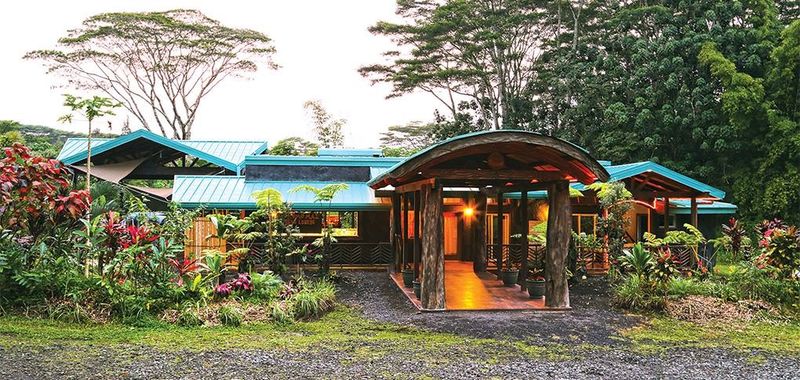
Pahoa exudes a distinctly bohemian vibe, with its wooden boardwalks and colorful storefronts giving the town a quirky, artistic character that stands in stark contrast to Hawaii’s more polished tourist destinations.
Located on the eastern side of Hawai’i Island, this small community attracts those who appreciate authenticity over luxury, offering a glimpse into local island life.
The main street features a mix of vintage shops, organic cafes, and galleries showcasing work by local artists, all operating at a leisurely pace that encourages browsing and conversation.
Visitors often describe Pahoa as feeling like a friendly neighborhood rather than a tourist attraction, where residents are happy to share recommendations and stories.
Nearby, the coastline offers dramatic views of where lava once flowed into the ocean, creating new land and reshaping the shoreline.
While the lava viewing opportunities vary depending on volcanic activity, the rugged beauty of the area remains constant.
The surrounding region is dotted with tropical fruit stands where you can sample fresh papayas, bananas, and rambutans grown on local farms.
Pahoa’s lack of major hotels and resorts means fewer crowds and a more genuine connection to the land and people.
The town’s slower pace might not appeal to thrill-seekers, but for those seeking a restful escape with character and charm, it’s ideal.
Mornings here are peaceful, with mist rising from the rainforest and the sound of birds filling the air, creating a serene start to each day.
5. Mauna Kea State Recreation Area, Hawai’i Island
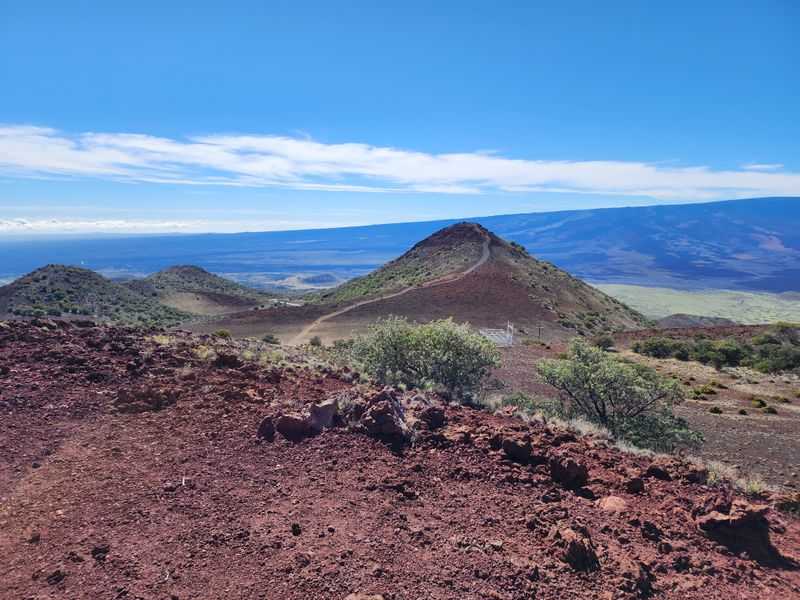
Perched high on the slopes of Mauna Kea, this recreation area offers a completely different Hawaiian experience, where cooler temperatures and sweeping mountain vistas replace tropical beaches and palm trees.
The elevation brings a crisp, refreshing climate that feels almost alpine, making it a welcome change for visitors who’ve spent days baking in the coastal sun.
Wide-open spaces stretch in every direction, with volcanic terrain creating a stark, otherworldly landscape that seems more like another planet than a tropical island.
Because of its remote location along the Saddle Road, the recreation area sees relatively few visitors, ensuring a quiet and contemplative atmosphere.
Campers often set up tents here, enjoying the solitude and the incredible night skies that are among the clearest on Earth.
Stargazing is a popular activity, with the Milky Way stretching brilliantly overhead and shooting stars frequently streaking across the darkness.
During the day, hikers explore the surrounding trails, which offer panoramic views of both Mauna Kea and Mauna Loa, two of the world’s most massive volcanoes.
The lack of commercial development means you’ll need to bring all your own supplies, including food, water, and warm clothing for the chilly evenings.
This simplicity is part of the appeal, stripping away distractions and allowing visitors to focus on the natural environment.
For those seeking a rugged, peaceful retreat far from the typical Hawaiian tourist experience, Mauna Kea State Recreation Area delivers solitude and spectacular scenery in equal measure.
6. Lanai City, Lanai
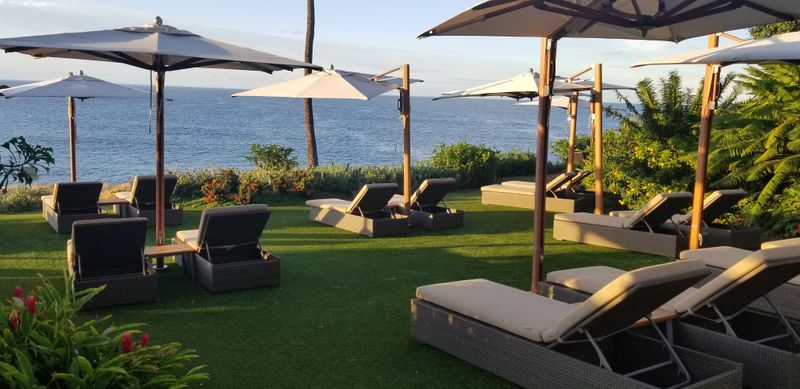
Lanai City sits in the cool highlands of Lanai, surrounded by towering Cook pines that give the town an unexpectedly alpine feel despite its tropical island location.
This tiny community serves as the main hub for the island, though calling it a city is generous given its population of just over 3,000 residents.
The town’s laid-back atmosphere is immediately apparent, with locals chatting on porches and visitors strolling through the compact downtown area without hurry.
Dole Park forms the heart of Lanai City, a grassy square where families picnic under the shade of trees and children play freely.
The surrounding shops and cafes are refreshingly unpretentious, offering local goods and simple meals without the tourist markup found elsewhere in Hawaii.
Lanai itself is often called the most secluded inhabited Hawaiian island, with limited development and vast stretches of untouched landscape.
Visitors who make the ferry trip from Maui discover an island where traffic is virtually nonexistent and the concept of rush hour doesn’t exist.
The cooler temperatures at this elevation make afternoon walks particularly pleasant, and the absence of crowds allows for genuine relaxation.
Many travelers use Lanai City as a base for exploring the island’s rugged coastline and hidden beaches, returning each evening to the town’s peaceful embrace.
There’s something deeply restorative about a place where everyone seems to know each other and time feels like it’s moving at a more human pace, making Lanai City perfect for those needing a true break from modern life’s constant stimulation.
7. Kalaupapa Peninsula, Moloka’i
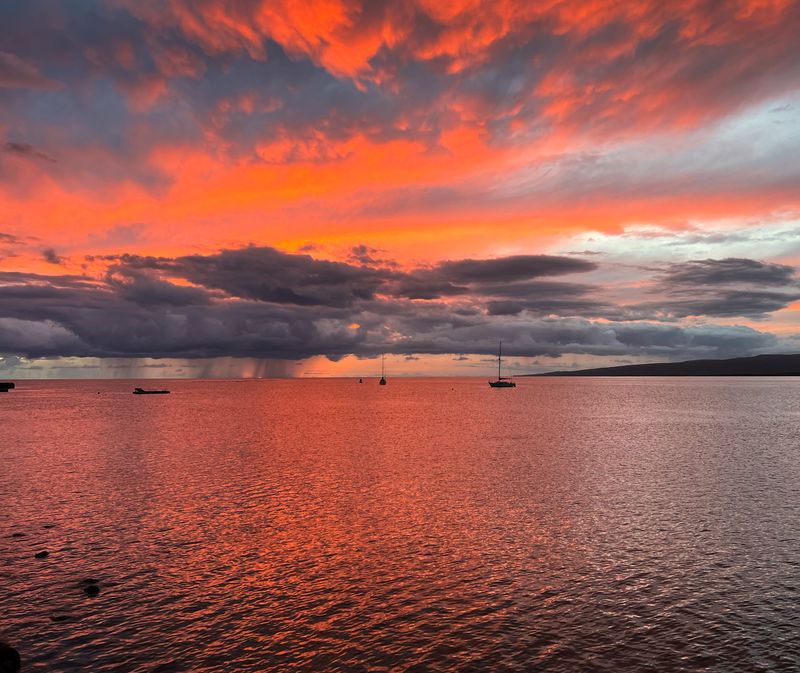
Few places in Hawaii carry as much historical weight and natural isolation as the Kalaupapa Peninsula, a remote finger of land jutting into the Pacific beneath the world’s tallest sea cliffs.
Once a settlement for people with Hansen’s disease, this area now serves as a National Historical Park, preserving both the natural beauty and the poignant human stories of the past.
Access is strictly limited, with visitors required to obtain permits and either hike down the steep trail or take a mule ride, ensuring the peninsula remains uncrowded and peaceful.
The journey itself is memorable, descending through 26 switchbacks with stunning views of the coastline and the towering pali (cliffs) above.
Once you arrive, the sense of remoteness is profound, with the ocean surrounding you on three sides and the massive cliffs blocking access from the rest of Moloka’i.
A small number of former patients still live here by choice, and their presence adds a living connection to the peninsula’s complex history.
Guided tours share stories of courage and resilience, offering visitors a chance to reflect on themes of isolation, community, and healing.
The natural environment is pristine, with waves crashing against rocky shores and native plants thriving in the undisturbed landscape.
This is not a place for typical tourist activities; instead, it invites quiet contemplation and respect for both nature and history.
For those seeking a deeply peaceful and meaningful experience away from Hawaii’s more commercialized attractions, Kalaupapa offers solitude and perspective that few other destinations can match.
8. Koke’e State Park, Kaua’i
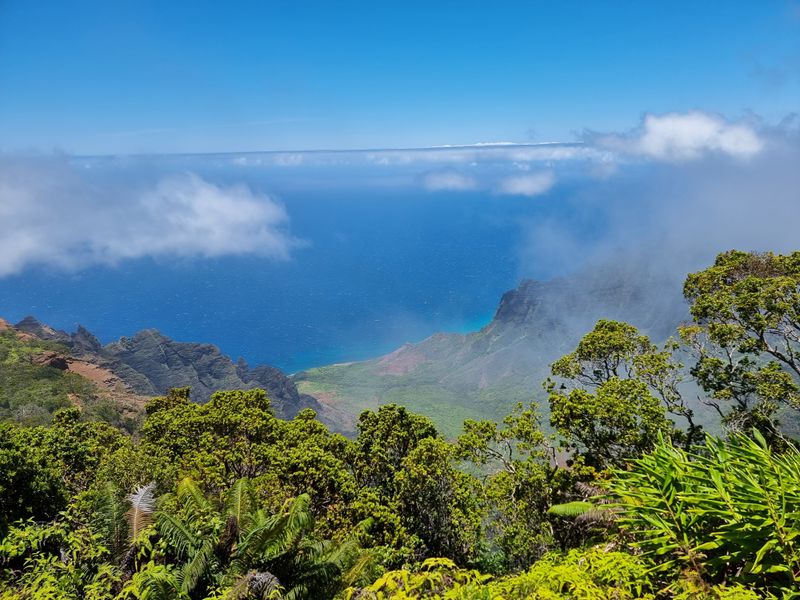
High in the mountains of Kaua’i, Koke’e State Park offers a cooler, quieter alternative to the island’s famous beaches, with misty forests and spectacular canyon views that take your breath away.
The park encompasses over 4,000 acres of wilderness, crisscrossed by hiking trails that range from easy walks to challenging treks through native Hawaiian forest.
Morning fog often blankets the area, creating an ethereal atmosphere as sunlight filters through the trees and illuminates the moisture-laden air.
Visitors frequently spot native birds found nowhere else on Earth, their calls echoing through the forest as they flit among the branches.
The temperature here is significantly cooler than at sea level, making it a refreshing escape during hot summer months and requiring a light jacket year-round.
Several overlooks provide stunning views of Waimea Canyon and the Na Pali Coast, though the vistas are often best in the morning before afternoon clouds roll in.
The park’s remote location means fewer crowds than you’d find at more accessible attractions, allowing for peaceful hikes where you might not see another person for hours.
Picnic areas scattered throughout the park make perfect spots for a quiet lunch surrounded by nature’s beauty.
Some visitors choose to stay at the nearby lodge or cabins, extending their time in this tranquil mountain environment.
The sense of being far removed from civilization is strong here, even though you’re still on the same island as bustling resort areas, making Koke’e State Park an ideal destination for those craving solitude and natural splendor.
9. Ka’u District, Hawai’i Island
Stretching across the southern tip of Hawai’i Island, the Ka’u District remains one of the least developed and most peaceful regions in all of Hawaii, offering wide-open spaces and dramatic landscapes without the tourist infrastructure.
Black sand beaches dot the coastline, created by lava meeting the ocean and shattering into fine volcanic particles that shimmer in the sunlight.
These beaches are often nearly deserted, allowing visitors to experience the raw power of the Pacific without sharing the space with crowds.
The district is also home to several coffee farms, where the high elevation and volcanic soil produce some of Hawaii’s finest beans.
Visitors can tour these small operations, learning about the growing and roasting process while sampling the rich, smooth coffee that Ka’u is quietly becoming known for.
The landscape varies dramatically, from coastal desert areas with scattered shrubs to lush upland forests where rain falls regularly.
Small towns like Na’alehu and Pahala maintain a slow pace of life, with local markets and simple eateries serving as community gathering spots.
The lack of major hotels or resorts means accommodations are limited to small bed-and-breakfasts or vacation rentals, which helps preserve the area’s peaceful character.
Driving through Ka’u feels like traveling through old Hawaii, where development hasn’t yet transformed the landscape and nature still dominates.
For travelers seeking wide-open spaces, uncrowded beaches, and a genuine sense of remoteness, the Ka’u District delivers an authentic and restful Hawaiian experience that’s becoming increasingly rare in the modern islands.
10. Waipio Valley, Hawai’i Island
Waipio Valley is often called the Valley of the Kings, a sacred place in Hawaiian history where ancient rulers once lived and where the land still feels touched by something timeless and profound.
Steep cliffs rise over 2,000 feet on either side of the valley floor, creating a natural fortress that has protected this lush paradise from excessive development.
Access requires navigating an incredibly steep road that only four-wheel-drive vehicles can safely manage, which naturally limits the number of visitors and preserves the valley’s tranquil atmosphere.
Once you descend into the valley, you’re greeted by a patchwork of taro fields, their broad leaves swaying in the breeze as farmers tend them using traditional methods passed down through generations.
A black sand beach stretches along the valley mouth, where a freshwater stream meets the ocean and creates a peaceful spot for reflection.
Swimming here requires caution due to strong currents, but simply sitting on the sand and listening to the waves provides its own form of meditation.
Waterfalls cascade down the valley walls, their mist creating rainbows on sunny days and adding to the magical atmosphere.
The small community that lives in Waipio values privacy and quiet, and visitors are encouraged to respect the sacred nature of the land.
Hiking trails lead deeper into the valley, revealing hidden pools and ancient Hawaiian sites that speak to the area’s rich cultural heritage.
For those willing to make the journey, Waipio Valley offers a rare combination of natural beauty, cultural significance, and genuine peace that makes it one of Hawaii’s most restorative destinations.
Dear Reader: This page may contain affiliate links which may earn a commission if you click through and make a purchase. Our independent journalism is not influenced by any advertiser or commercial initiative unless it is clearly marked as sponsored content. As travel products change, please be sure to reconfirm all details and stay up to date with current events to ensure a safe and successful trip.
