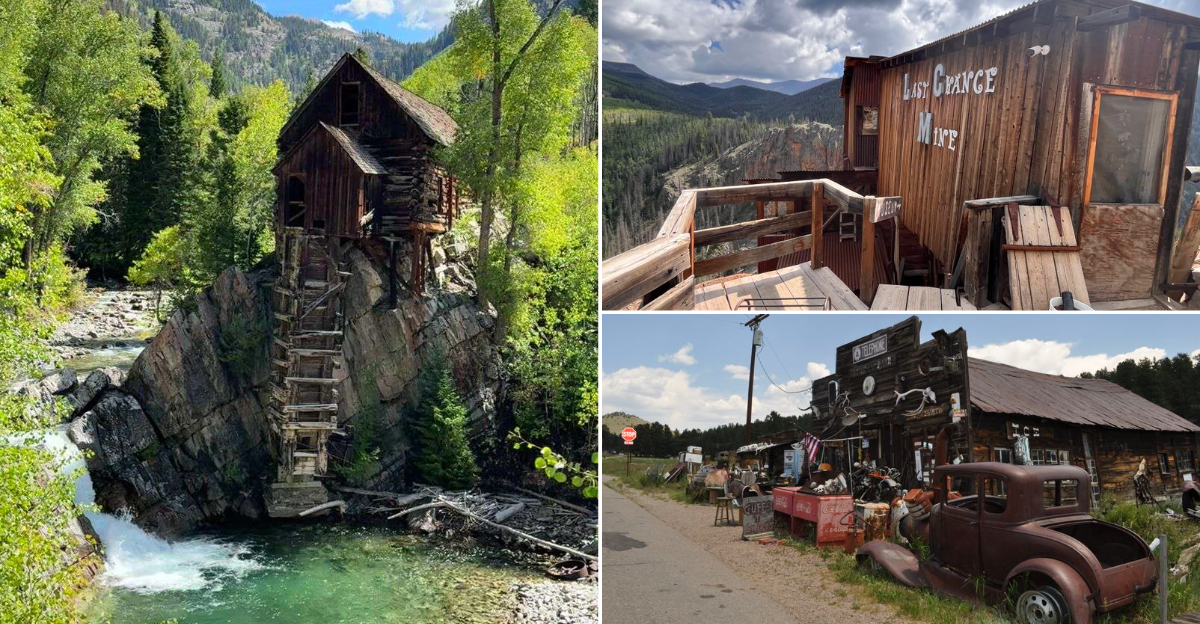
What if you stumbled into a town where the past refuses to stay buried? Colorado’s hidden ghost towns feel exactly like that, streets frozen in time, buildings whispering secrets of miners, ranchers, and dreamers who once called these mountains home.
Wooden sidewalks creak under imaginary boots, saloon doors seem to swing on their own, and the wind carries snatches of conversations long silenced.
Weathered storefronts, abandoned cabins, and rusted mining gear sketch a story of ambition, struggle, and fleeting fortune.
Some towns perch on sun-drenched ridges with sweeping mountain views, while others hide in shadowy valleys, overgrown and silent. Visiting them isn’t just sightseeing; it’s stepping into history, feeling the weight of lives lived decades ago.
Whether you’re after photography, a brush with adventure, or a lesson in resilience, these towns pull you in.
Take your time, wander slowly, and imagine a Colorado where every shuttered window hides a story waiting for a visitor who’s willing to listen.
1. St. Elmo
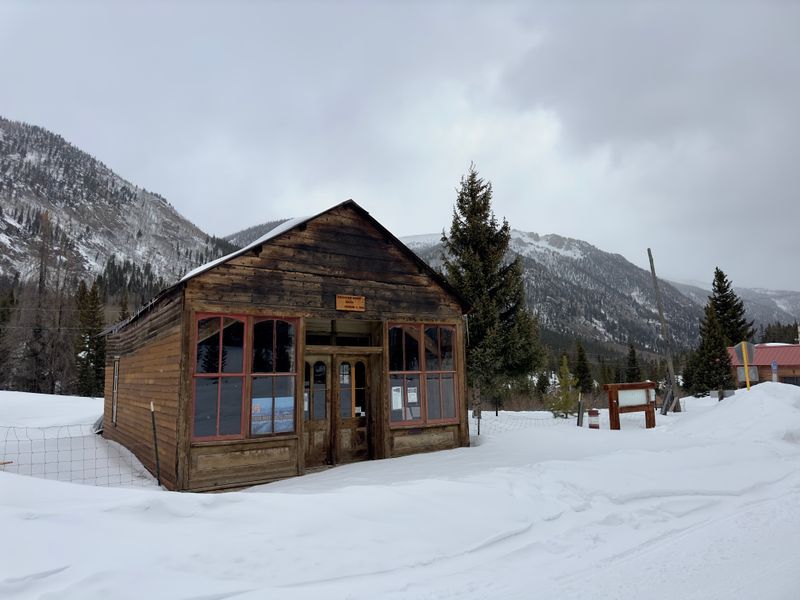
First glance, and you swear the shopkeepers just stepped out for a minute. Wooden storefronts lean into the street like neighbors catching up, and the old hotel still looks ready to swing its door.
Walk slow, because St. Elmo rewards small details. Look at nail heads, window latches, and the way porch boards sag where a thousand boots paused to talk.
You can peek at the schoolhouse and picture chalk dust floating in cold light.
The bell is quiet now, but the hillside keeps time in its own way.
Do you hear the creek behind the buildings? It sounds like a running commentary, steady and low, a reminder that the valley always had the final say.
I like stepping off the main drag and circling behind the cabins. The back doors tell truer stories, with patched planks and hand-cut trim that feels stubborn and proud.
Bring layers and patience. Weather in this part of Colorado spins on a dime, and clouds can tuck the peaks away before you finish a photo.
There is history posted here and there, but the best reading is done with your eyes.
Track where wagon ruts once angled in, and how the town clustered for shelter.
If you linger toward evening, the street turns amber. That soft light makes everything feel recently used, like the day just ran long.
2. Ashcroft
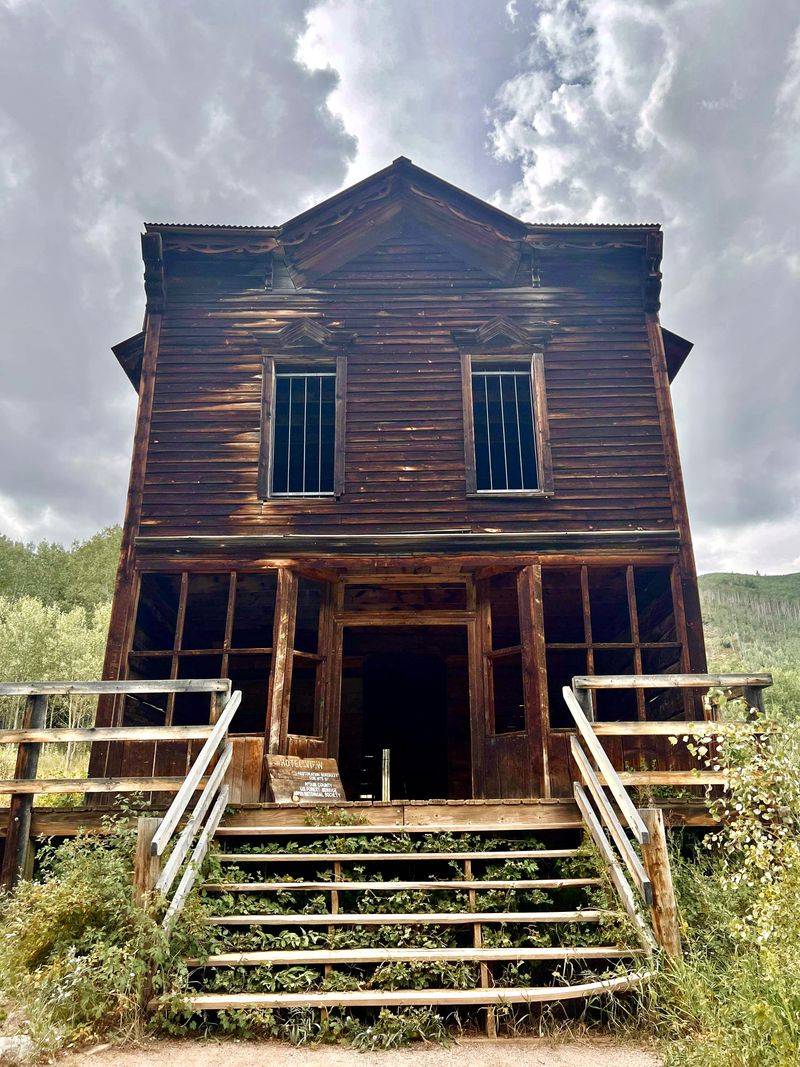
Here is the thing about Ashcroft. The setting steals the show before you even park, with meadows opening like a curtain and mountains leaning in from both sides.
What is left of the town sits wide apart, as if everyone wanted breathing room.
Cabins tilt just enough to remind you that snow and wind get the last word here.
I like to stand in a doorway and frame the ridge between the logs. That skinny window turns the whole valley into a postcard you can touch.
There are a few signs with context, and they help you picture the rush. But honestly, the quiet does more work than any paragraph ever could.
If you go slow, you will notice different wood grains and notches.
Somebody cut those by hand, and the angles tell you who was patient and who was tired.
Look for the old hotel footprint near the center. It anchors the scene, even though the floorplans are mostly gone to grass and shadow.
Early or late in the day is best. The angle of the sun slides across the logs and pulls out textures you miss at noon.
This is one of those Colorado spots that whispers instead of shouts. Let it, and you will leave with a calmer mind and dusty boots.
3. Independence
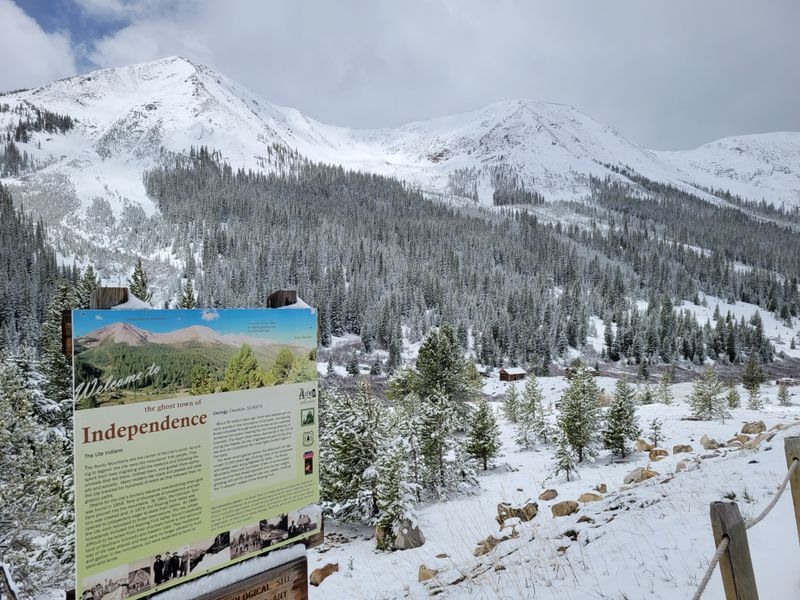
Independence greets you with wind that feels older than the trail. The cabins hunker down like shoulders against a cold you can imagine even in warm weather.
Everything about this place says tough break. Elevation, distance, and the way storms sit right on the pass make it feel like a dare.
Step around slowly, because the ground tells as much as the buildings.
You can follow faint paths between doorways and see how people chose the least bad route.
There is a rhythm to the ruins. A cabin, a shed, a gap where someone stacked firewood, then another cabin braced against the slope.
I always pause to breathe and listen. Silence up here has edges, and it settles on your jacket like frost that refuses to melt.
Read the markers if you want the basics. They sketch a fast rise, a faster decline, and weather that never backed off for anyone.
The views are big enough to rearrange your thoughts.
Turn a circle, and you understand why hope tried anyway.
This is Colorado at its most blunt, beautiful, and unsentimental. Let the altitude slow you down, drink water, and keep an eye on clouds.
4. Animas Forks
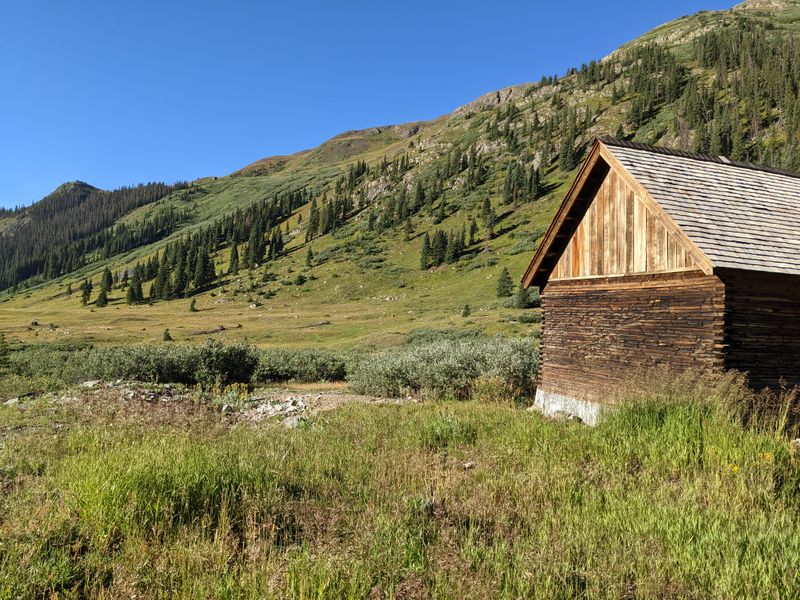
Animas Forks looks like a set someone forgot to strike. Houses line the slope with their porches squared to the light, and the air feels thin enough to ring.
You can step inside a few places and trace the walls with your eyes.
The rooms hold angles that make sense for a world of snow, woodstoves, and short days.
That famous house with big windows gets a lot of attention. It deserves it, but do not skip the smaller cabins tucked slightly uphill.
I like to imagine a winter morning here. Stove doors creak, someone stomps boots, and the sun climbs reluctant over those sharp ridges.
Roads cross like threads, and the town name still fits the layout. Forks of trail, forks of decision, all of it funneled by mountains that do not budge.
Take a spin to the old mill site and turn back for the view.
The whole bowl opens, and you can place each roof like pins on a map.
Weather flips quickly in this pocket of Colorado. Bring layers, and keep a calm schedule so you can pivot if clouds build.
When the light goes sideways in late day, the boards glow honey-brown. That is the moment the town feels briefly lived in again.
5. Teller City
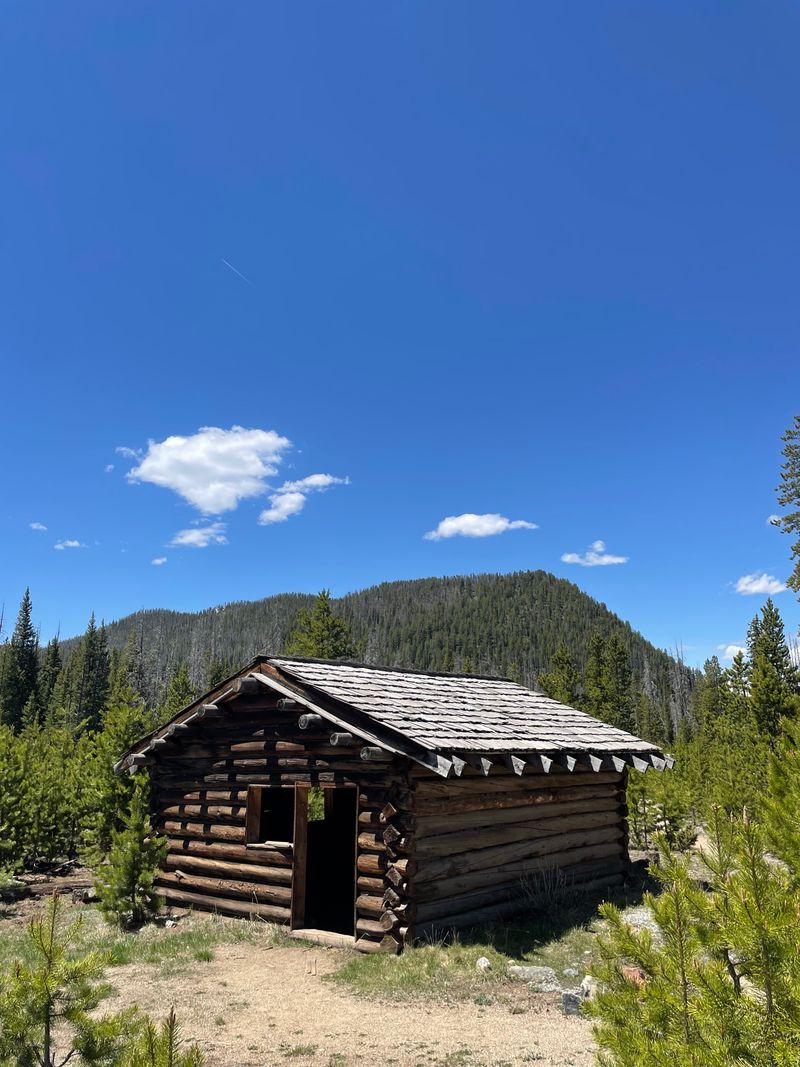
Teller City hides in the trees like a half-remembered story.
You follow a path and suddenly there is a wall, a hinge, a corner that still remembers a stove.
Most of the town is down in the grass now. That actually helps, because the forest sets the pace and your eyes catch small, stubborn details.
I always spot hardware first. Rusted nails, a door latch, a bent spoon sunk into moss as if resting from a long shift.
The scale surprises you. For a place that once buzzed, the quiet lands heavy and kind, like the woods decided to tuck it in.
Move slowly and respect what remains. Every board is doing its best to hold shape against weather and time working together.
There are hints of streets if you squint. Edges align, stumps line up, and you can feel where neighbors waved across clearings.
This is Colorado showing how quickly nature edits the page.
Wind writes, snow underlines, and saplings proofread the margins.
Give yourself time to wander without a strict plan. The reward here lives in the corners, not the headlines.
6. Bonanza
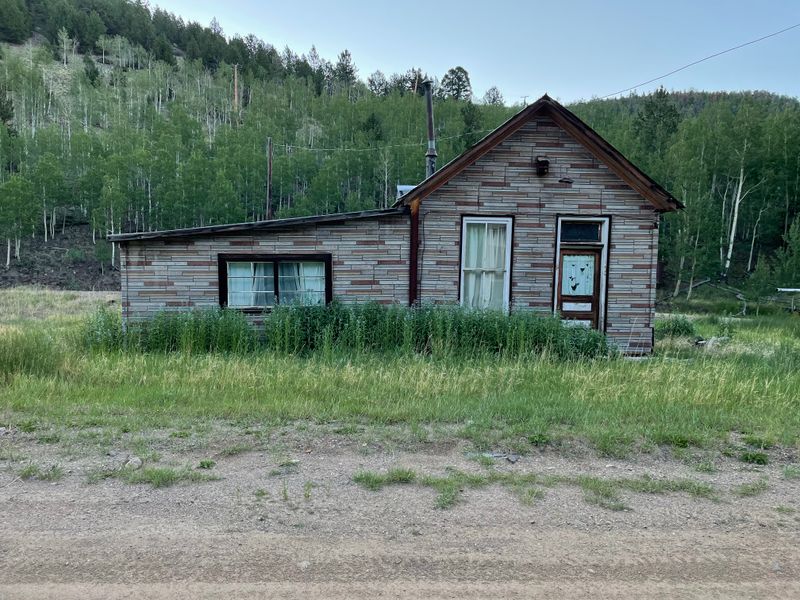
Bonanza feels like a chapter with footnotes everywhere. Buildings stand apart, but the stories link across the road and up the draws.
You can sense how fast things moved and how fast they stopped.
The ground holds outlines of structures that vanished, while a few stubborn pieces stay upright.
I like tracing old lot lines with my boots. A fence post here, a squared stone there, and suddenly you can sketch a main street in your head.
Some records from this town are surprisingly thorough. Reading a bit before you arrive gives faces to the ruins without turning the place into a museum.
The light works hard out here. It slides across sage and boards, soft in the morning, a little sharper by late day.
Notice the way certain roofs tilt in the same direction. That is wind speaking, and it has been giving the same note for a long while.
This corner of Colorado carries history with a dry sort of humor.
Nothing is flashy, but the bones are clear and honest.
Take a quiet lap and listen for your own curiosity. When it tugs, follow it down the next track.
7. Carson
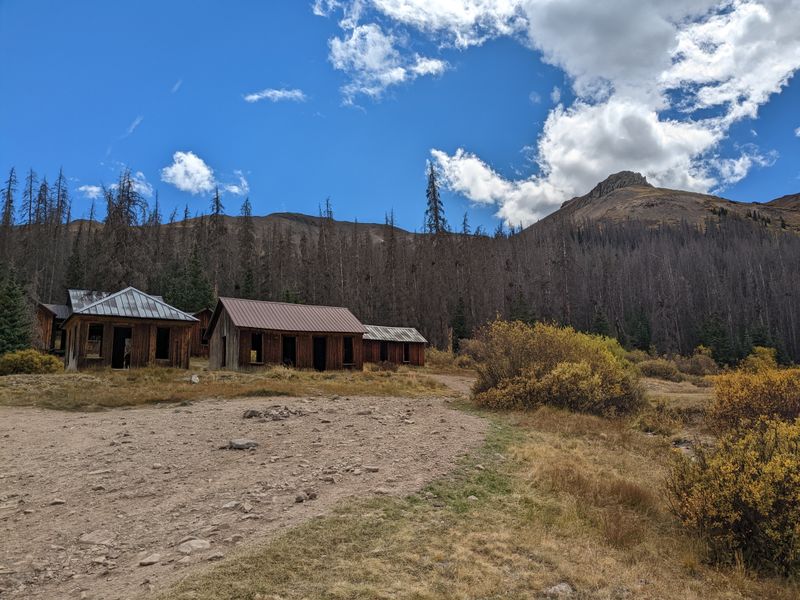
This one does not come easy, and that is part of why it sticks.
The cabins up here lean into the wind like they know it by name.
The location is a lesson in commitment. You look around and think about hauling supplies, then you stop complaining about your day pack.
Wood grain reads like fingerprints at this altitude. Lines are raised, knots are tight, and corners carry the memory of cold hands.
I like to sit on a sill and face the ridge. Clouds march past in clean rows, and the light decides, second by second, what to reveal.
Roads can be rough depending on the season. That is fine, because a slower approach sets your head to the right frequency.
Once you are there, do not rush the loop. Let the town break into pieces, then build itself back as you connect them.
This is stark Colorado, but not unfriendly. It just asks for respect and gives clarity in return.
On the way back down, look over your shoulder.
The cabins shrink to thumb-sized and still manage to wave.
8. Vicksburg
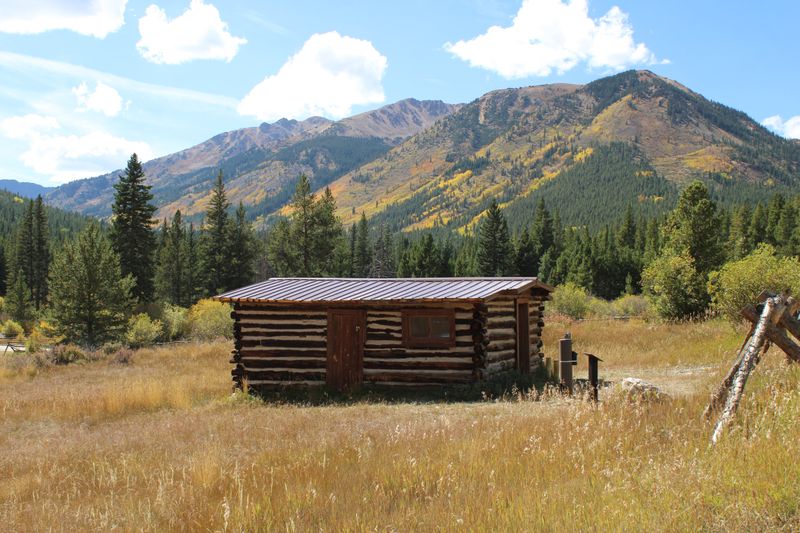
Vicksburg feels cared for, and that changes the whole visit. Cabins sit tidy along a shaded lane, with artifacts arranged like notes on a fridge.
There is a small, personal touch to everything. Signs are straightforward, and the spaces feel like neighbors still look in on them.
Walk the lane and notice how the trees frame each doorway. You get that gentle tunnel of green before the mountains take over again.
I love peeking into the curated rooms. A basin, a bedframe, a hat hook, and suddenly you are placing a routine on the day.
The preservation is private, so move thoughtfully.
A little extra care keeps this place steady for the next curious pair of boots.
Stories cling to the corners. Read a line or two, then stand quiet and let the rest fill in by itself.
This pocket of Colorado holds memory like a family album. Not glossy, just clear and steady in the hand.
Before you go, walk back the lane one more time. It feels different in reverse, like the town is nodding a soft goodbye.
9. Last Chance
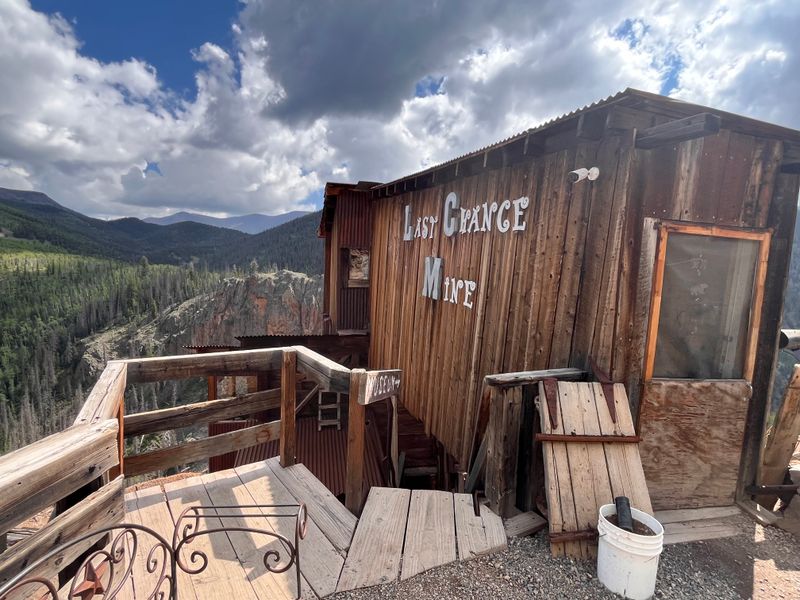
Last Chance wears its name like a grin. Not much stands tall, but the idea of one more try still hangs in the air.
Look down, not just ahead. Low foundations sketch a map you can trace with your boots, and scattered bits add punctuation.
I like that the horizon stays big out here. The sky stretches and makes the remains feel humble without dismissing them.
If you squint, you can place a store along that line and a few shacks near the windbreak.
The mind fills gaps better than any blueprint.
These plains corners of Colorado keep their own time. Wind tells you when to listen, and sunshine edits your photos without asking.
Give yourself room to wander off the obvious path. Angling a few steps sideways can turn a blur into a clear outline.
There is a stubborn cheer to the place. You half expect someone to drag in a new stove and try again tomorrow.
When you leave, the prairie swallows your footprints. That feels right for a town that knew both hope and quiet exits.
10. Winfield
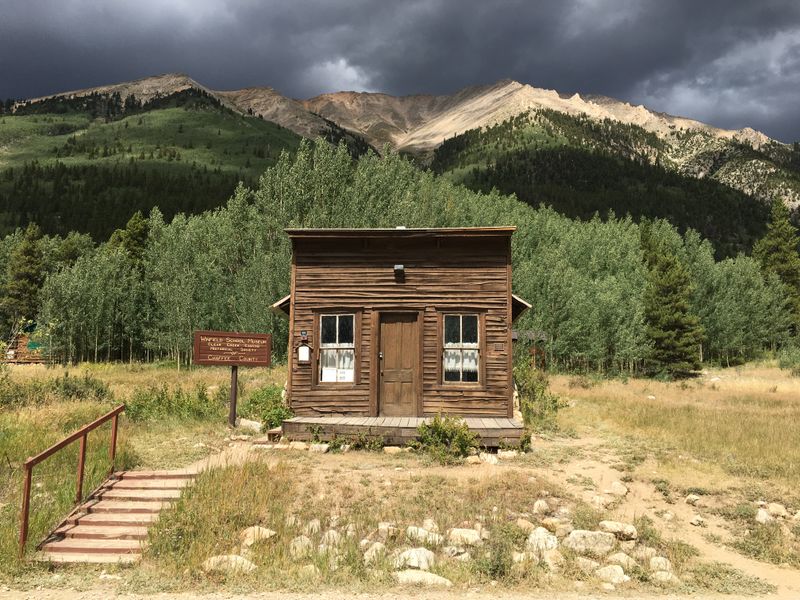
This is one of those places where the story lands easy.
Buildings stand close enough to chat, and the river keeps a steady soundtrack.
There is a school or hall that anchors things. Step inside, and the air feels like it has been quietly waiting for you to notice it.
Foundations spread beyond the obvious. If you keep walking, the grid reveals itself in little squares of level ground.
I like to imagine a busy morning here. Tools clink, kids holler, and somebody bargains on a porch about a new claim.
The road in makes it approachable without stealing the mystery. You get to wander, connect dots, and still feel like you discovered something.
Read a posted note or two, then pocket your phone.
Let your own map form from the way your feet choose corners.
This valley shows off classic Colorado moods. Blue shadows, bright grass, and mountains playing both backdrop and referee.
When the sun drops, the town turns calm and gold. That is the cue to take one last slow lap and call it good.
11. Crystal
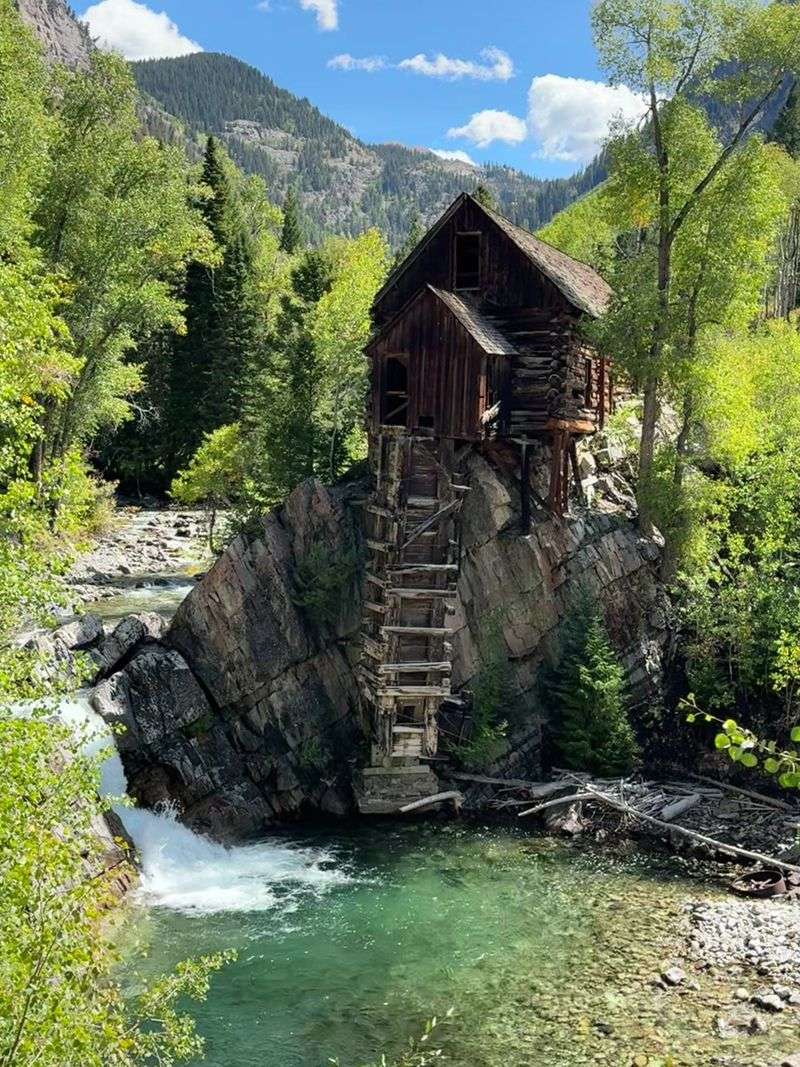
Yes, the mill gets the fame, and it earns it. But wander the town nearby, and you will hear a quieter story humming along the river.
Cabins tuck into the trees like they know the camera points elsewhere. That works in your favor, because the details feel unhurried and close.
I like to follow the water and look back. Rooflines peek through spruce, and the whole scene reads like a hand-drawn map.
There is texture everywhere. Stone in the gorge, lichen on rails, and wood grain that looks etched by patience rather than time.
The approach sets your pace before you arrive.
By the time you step out, your voice has already dropped to match the hush.
Read up on the mining side if you want the names straight. Out here, the shapes and sounds handle the mood better than bullet points.
This slice of Colorado is photogenic without trying. Just keep the lens honest and let the place speak softly.
On the walk back, check your pockets for dust. That is the kind of souvenir you never mind taking home.
12. Guffey
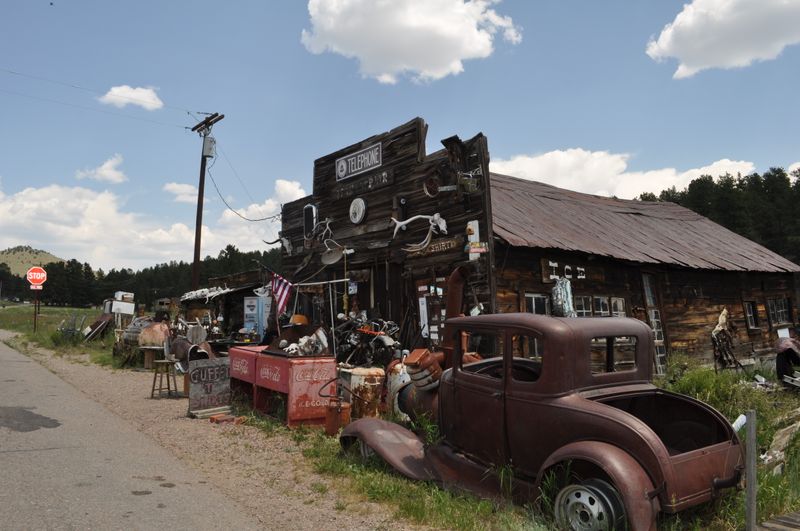
Guffey plays by its own rules. It almost went quiet, then decided to lean into quirky with a steady wink.
Old storefronts and cabins line a street that feels wider than it needs to be.
There is space here for whimsy and for the plain bones of history to show.
I like towns that keep a sense of humor about their past. You will find oddities tucked beside real artifacts, and somehow the mix works.
Walk slow and let your curiosity set the route. A sign, a sculpture, a creak from a porch board, and you are off chasing the next detail.
It is not a museum, and that is the fun part. Life moves through, then steps aside so the buildings can take a bow.
Look up now and then. The hills wrap the town in a calm that steadies all the eccentric bits.
This corner of Colorado knows resilience. It wears it with a grin, hands in pockets, happy to tell a story if you ask.
When you roll out, you will catch yourself smiling. The road seems to approve with a small nod.
Dear Reader: This page may contain affiliate links which may earn a commission if you click through and make a purchase. Our independent journalism is not influenced by any advertiser or commercial initiative unless it is clearly marked as sponsored content. As travel products change, please be sure to reconfirm all details and stay up to date with current events to ensure a safe and successful trip.
