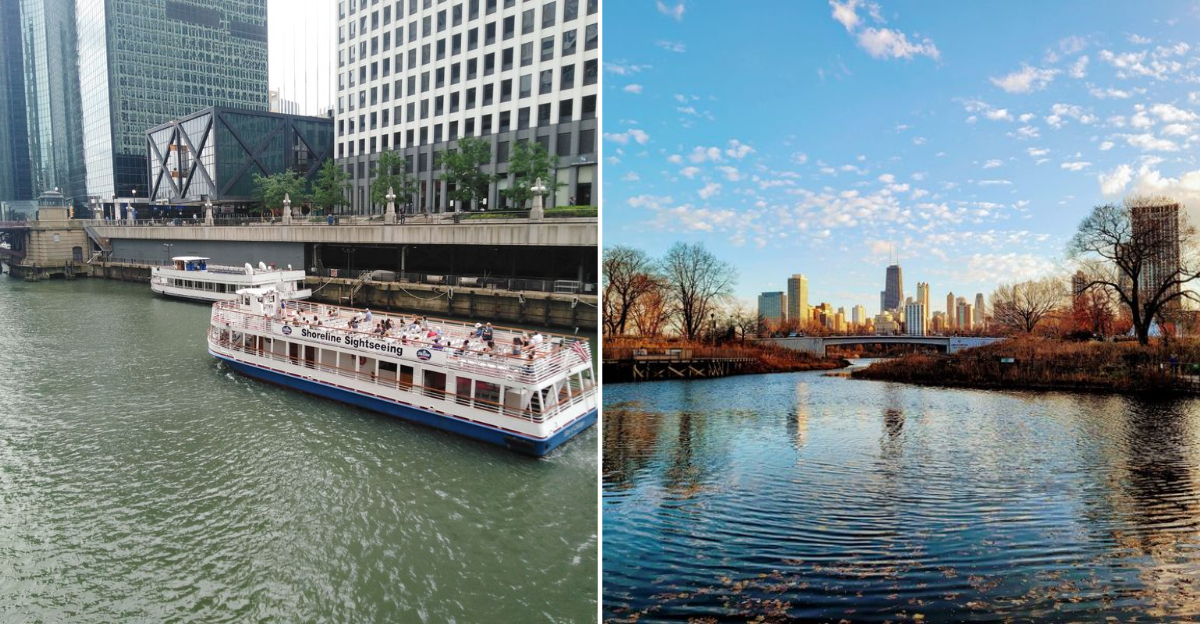
Have you ever noticed how some neighborhoods seem to blow up almost overnight, one day they’re just doing their thing, and the next they’re swarming with visitors?
That’s exactly what’s happened in parts of Illinois. And here’s the twist: not all of these spots were quiet or under the radar to begin with.
Some were already buzzing with local energy, but once travelers caught on, the vibe shifted big time.
Think about it, places that had their own strong identity, whether it was a lively food scene, historic streets, or a mix of culture and nightlife, suddenly became “must-see” Midwest destinations.
Tourists brought attention, money, and hype, but they also brought crowds, rising prices, and that feeling of being on display. I’ve walked through a few of these neighborhoods myself, and it’s hard not to notice the change.
They feel different, less local, more like attractions. So, did travelers ruin them, or just turn them into Midwest hotspots?
Let’s break down how these Illinois neighborhoods got reshaped.
1. The Magnificent Mile
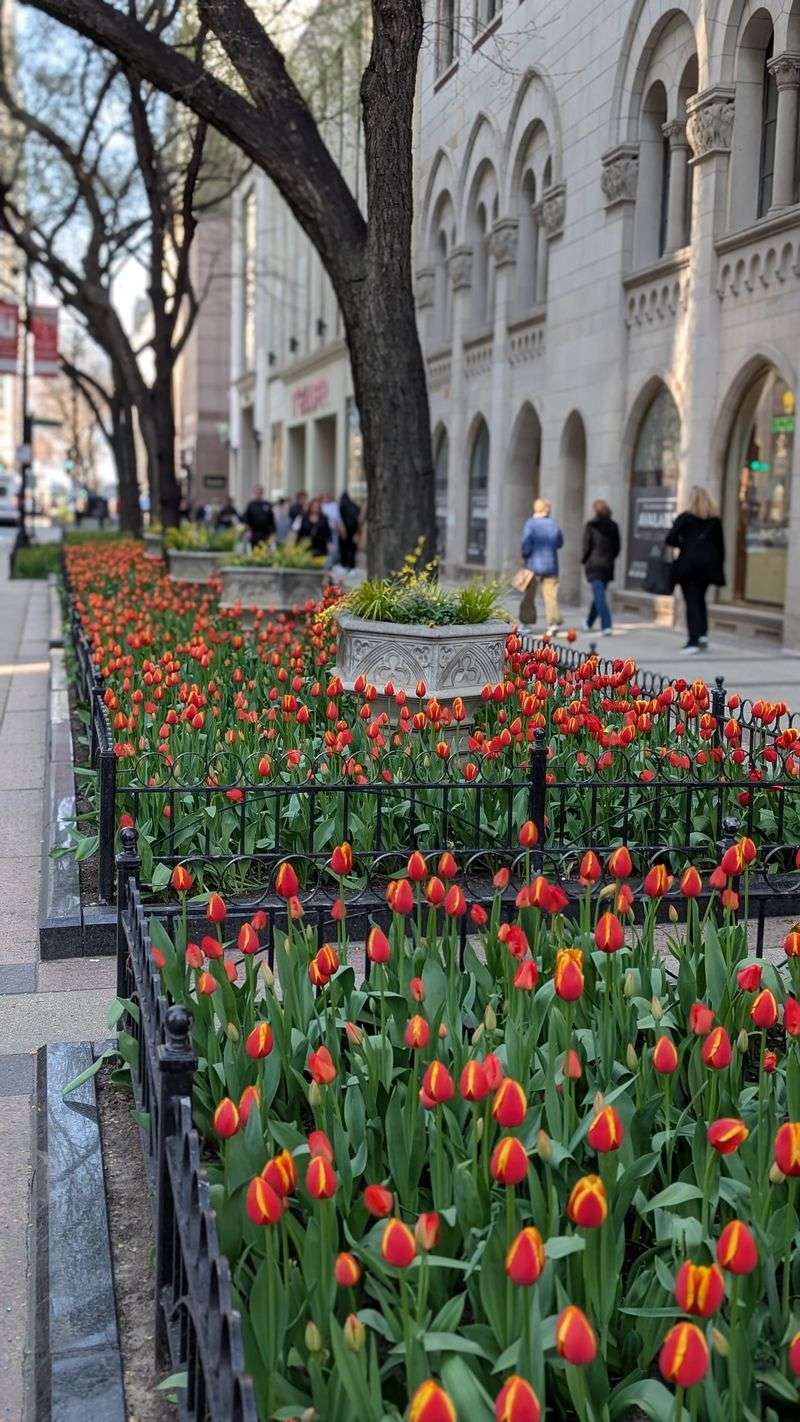
You know that stretch that looks like a postcard the second you step onto it?
The Magnificent Mile went from a fancy corridor to a constant loop of shopping, sightseeing, and events, and it rarely slows down now.
The crowds are real and the traffic hums at all hours, so locals in Illinois often say they avoid it unless they absolutely have to.
I still walk it when I want the buzz, but I set expectations and move with purpose.
The evolution felt fast. What used to feel classic now runs like a high energy track, complete with tour groups, pop up photo stops, and lines outside storefronts.
You might spot a street performer, a film crew, or a rooftop queue wrapping around the block. You can feel how tourism shaped every corner.
If you want sanity, go early and keep to side streets just off the main drag. Step into a quiet lobby for a brief reset, then jump back into the river of people.
You are not getting solitude, but you can still get a jolt of city magic. I think of it as performance art, with you and me part of the cast.
Here is my take. The Magnificent Mile still delivers that vertical skyline rush that defines Chicago and the Midwest in so many minds.
It just demands patience, small detours, and realistic expectations. Plan your loop, breathe, and enjoy the spectacle without letting it run you.
2. Navy Pier
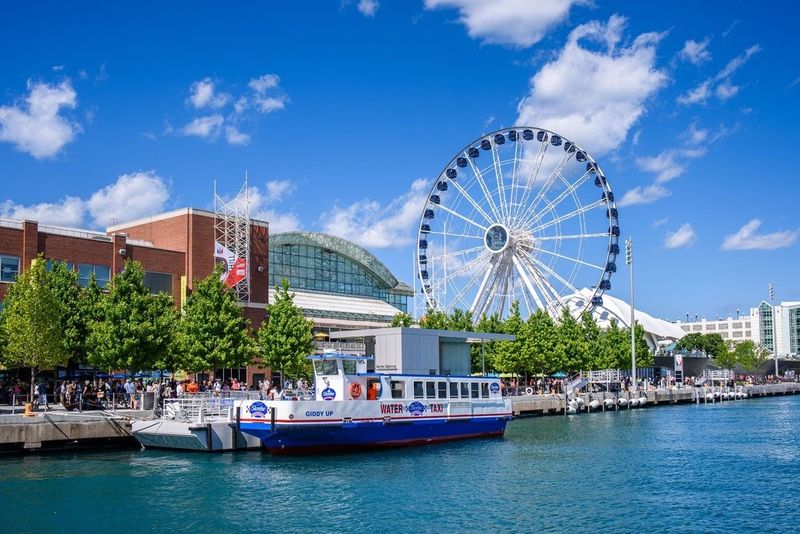
I get why everyone goes. Navy Pier transformed into the big marquee attraction that anchors so many Chicago trips, and it runs like a machine.
Tour buses swing in, festivals stack the calendar, and summer crowds pack every walkway. What used to feel like a local promenade now reads like a carefully managed destination.
When the light hits the water just right, it all glows and you remember why Illinois keeps drawing people here.
Solitude is rare though, so if that is what you want, pick a weekday morning and head straight to the outer edges for a quieter bench.
Otherwise, lean into the bustle and accept the soundtrack of chatter and footsteps.
The vibe is predictable, and always moving. You can stroll, people watch, and catch small moments that feel genuine, like a kid waving at a boat or a couple taking in the skyline.
Just understand you are sharing those moments with a lot of other folks who planned the same idea. It is not a secret spot and never pretends to be one.
My advice is simple: arrive with a plan, set a time limit, and protect your energy by carving out a wind break on the far edge.
You will leave with that big Illinois image etched in your head, and that is still worth it. Even if the pier feels scripted now, the water keeps it honest.
3. Millennium Park
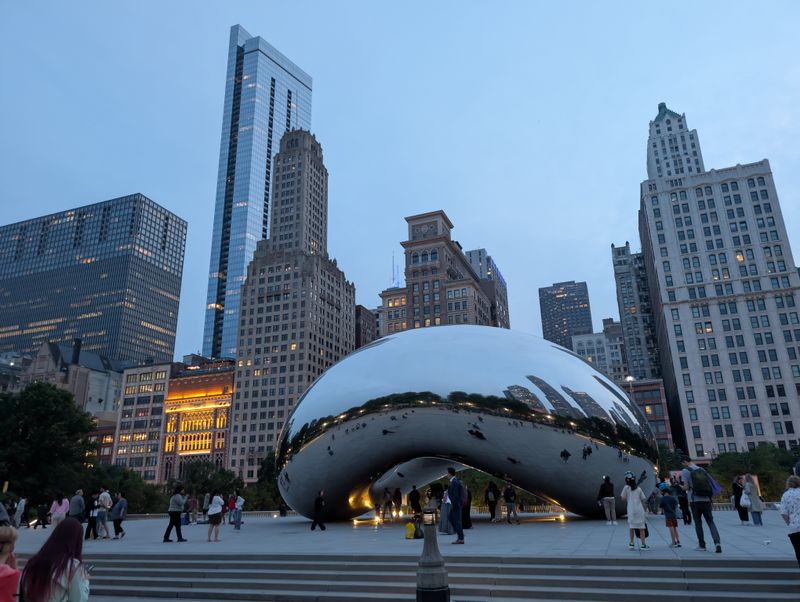
This place turned iconic almost overnight.
Millennium Park sits at the crossroads of the city and the world, with visitors flowing in for Cloud Gate and a constant rotation of seasonal happenings.
Crowd management basically defines the experience now. Locals treat it more like a landmark than a hangout now.
I still like drifting through. The reflections, the lawn, the sound of a rehearsal drifting from the pavilion, it all lands even when you are threading between tripods and selfie attempts.
You can find small pockets by the gardens if you keep walking and dodge the main photo zones. Do not expect silence, expect sparkle with a side of traffic noise.
The rhythm here is brisk and slightly choreographed. People pause, pose, and move on while staff keeps everyone flowing.
If you are road tripping through Illinois, this is an easy win, just time it early and leave before the midday wave crests.
The park delivers the city’s face in a single frame.
When it starts to feel like too much, slide toward the edge and watch from a distance. You still get the skyline and the energy without standing shoulder to shoulder.
I think that is the trick. Treat it like a quick gallery visit, take your mental snapshot, and keep rolling.
4. River North
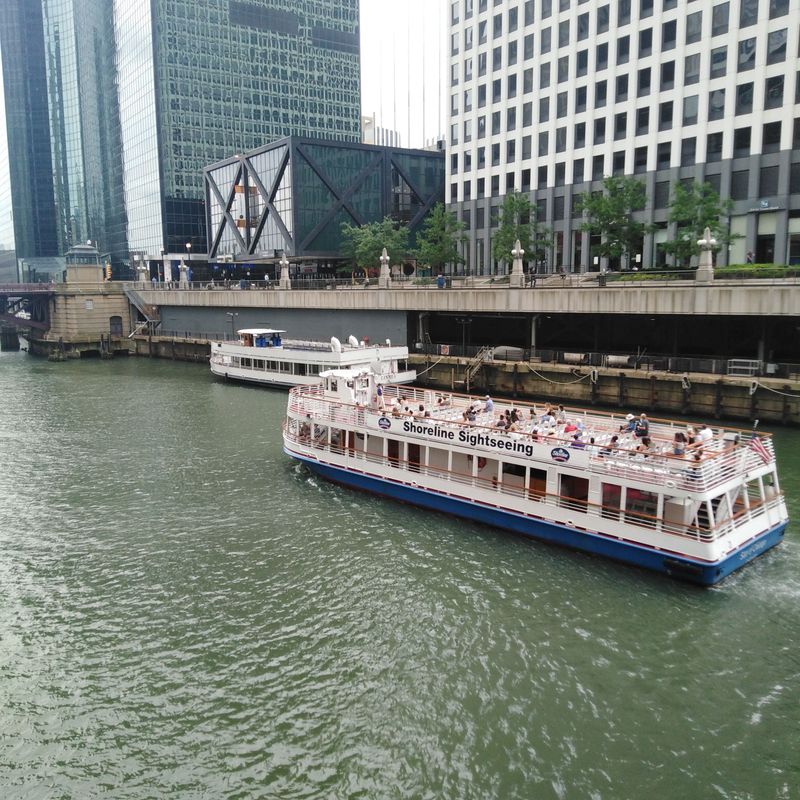
You feel the shift the second you cross the bridge. River North went from warehouses to a full entertainment engine, and the pace barely lifts its foot off the gas.
Art spaces, clubs, hotel lobbies, and lines at almost every doorway keep the sidewalks humming. It is thrilling if you want motion, a lot if you want quiet.
Traffic and late night crowds rewired daily life here. You hear luggage wheels over the pavement at sunrise and rideshares at midnight.
Travelers circle for the next photo, locals zigzag to get home, and the district just keeps spinning. The energy is high and constant, and you have to match it or step aside.
My move is to build in brief retreats. Slip onto a side street, browse a small gallery, then re enter with fresh legs.
If you are road tripping Illinois, it is worth seeing how dense city life can get in such a compact grid. The contrast between river views and nightlife scenes is wild.
Come with patience, keep your bearings, and do not chase everything at once.
River North rewards momentum and a short list. When you are done, walk the river for a reset and watch the city glow.
5. Wicker Park
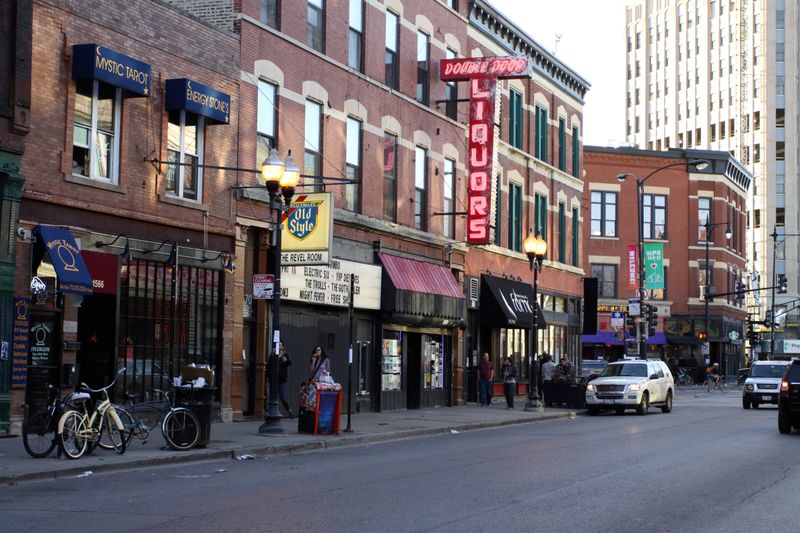
Here is a neighborhood that grew a reputation and then grew a crowd to match.
Wicker Park turned creative energy into a Midwest trendsetter, and tourism plus nightlife accelerated everything.
Weekends bring steady streams along the main corridors. The neighborhood is much busier than it used to be.
I like the mix of vintage shops, music posters, and patios tucked behind brick facades. You can still find that old edge if you wander a block or two off the obvious streets.
Murals pop out of alleys, and the people watching never stops. That said, calm takes effort once the afternoon rush kicks in.
The rhythm is a little chaotic, and fueled by constant arrivals. Bikes weave through, friends meet on corners, and visitors track down the exact photo they saw online.
It can feel like a scavenger hunt you did not sign up for. I think the trick is to set your own pace and let the rest swirl around you.
On a road trip through the state, this is a fun pulse check on what is cool right now. Just expect a crowd and decide how long you want to be part of it.
Dip in for a burst of energy, then head toward a quieter block when your ears need a break.
6. Logan Square
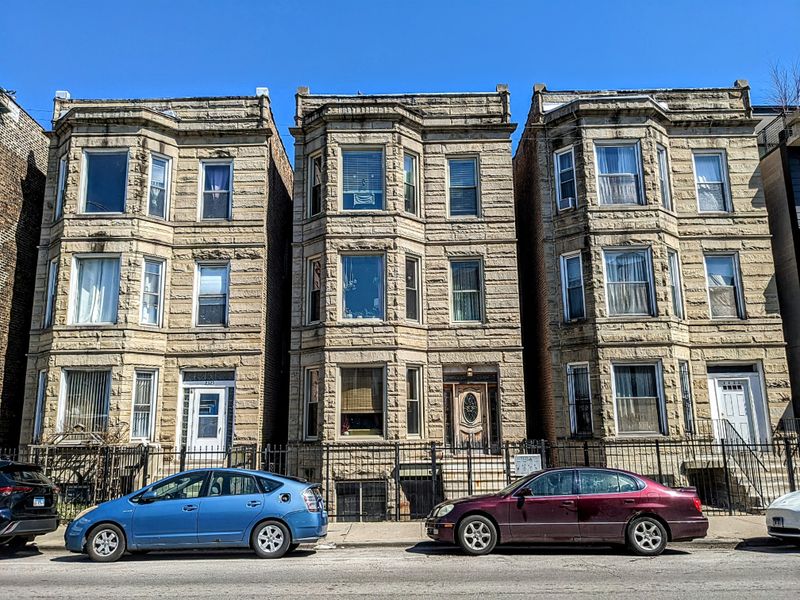
Logan Square feels like a neighborhood that learned to host.
The boulevards and scene drew regional attention, and events stacked up until weekends started feeling like street fairs.
Locals will tell you calm is harder to find, especially when the weather turns nice. The area thrives, but it definitely grew louder.
I like walking the boulevards and watching the block by block personality shifts.
Historic buildings sit next to new spaces, and you can feel the mix of long timers and newcomers in the way people greet each other. When a festival pops up, everything accelerates.
If you want a breather, aim for early morning or take the long way around the busiest nodes.
The greenery helps, and so does a bench in the shade where the traffic noise drops. You can still find a relaxed rhythm if you give yourself time.
Just do not expect an empty sidewalk.
For a road trip through Illinois, Logan Square shows how neighborhoods adapt when attention lands on them.
It is evolving, and you can see it on every corner. Visit with curiosity, keep flexible, and protect your peace when the crowds spike.
7. Lincoln Park
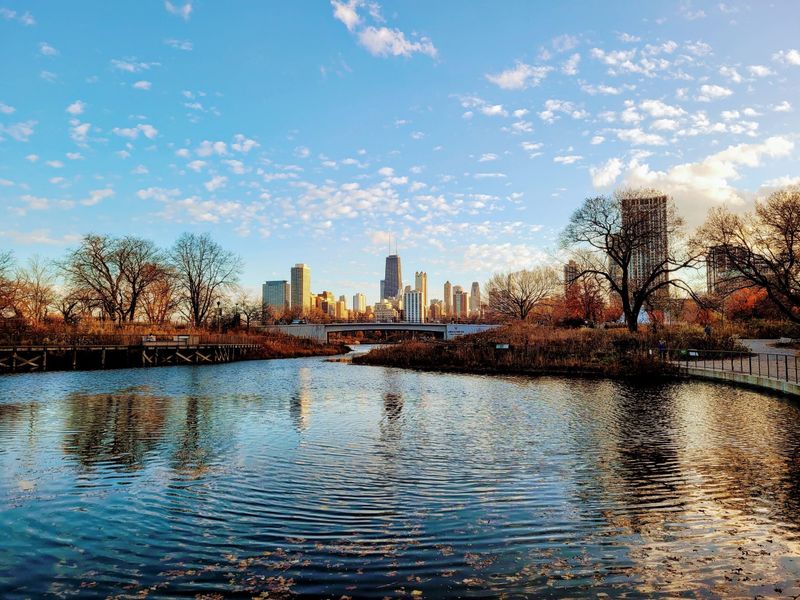
Lincoln Park is where the city catches its breath and then realizes everyone else had the same idea.
The green space and the zoo turned it into a Midwest favorite, and summer sends a flood of visitors through the lawns and paths.
Parking and congestion became ongoing issues that never totally resolve. Locals plan around peak days like it is a sport.
It is not quiet very often. That is the tradeoff when nature meets easy access.
For sanity, go early, pick a direction, and keep moving. The park stretches out enough that you can always find a less crowded path if you are willing to walk.
When you hit a bottleneck, pivot and change routes. A little flexibility goes a long way here.
If the state is your road trip canvas, Lincoln Park paints the urban nature picture you probably imagined. It is a classic stop with a living, breathing crowd attached to it.
Accept the movement and you will get the moment. Resist it and you will just feel stuck in place.
8. Starved Rock Area
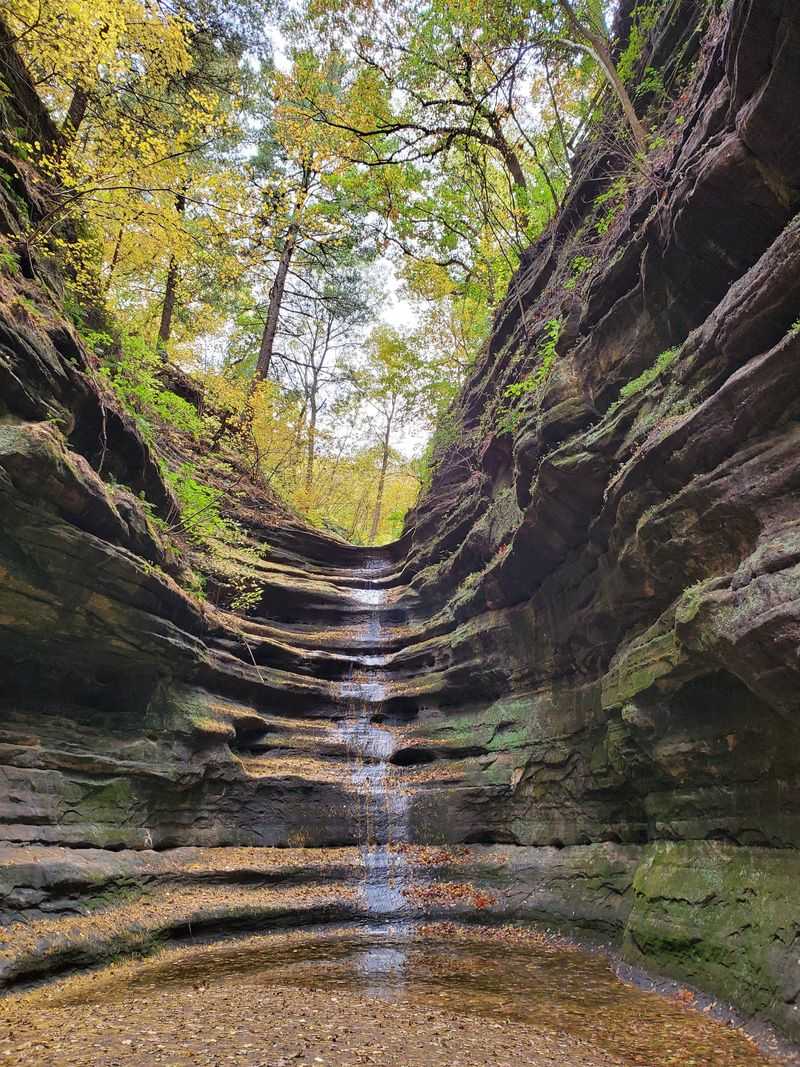
Nature still steals the show here. Starved Rock drew big attention, and the hiking boom turned nearby neighborhoods into gateways for traffic and overflow parking.
Quiet river towns now feel busiest on weekends. Access takes planning if you want a smooth day.
I like to arrive early with a simple route. When the lots fill, cars start stacking along roads and that can chew up your energy before you even hit a trail.
Keep a backup loop in mind and adjust if you see lines forming. Flexibility is your friend in this slice of the state.
Once you are on the path, you remember why you came. Sandstone, filtered light, and that river breathing beside you create a grounded pace.
The crowd noise fades if you move steadily and skip the most obvious overlooks during peak moments. The calm hides until you earn it.
End the day with a slow roll through the nearby towns and a quiet stop by the water. You will leave relaxed and a little dusty, which feels right.
Starved Rock rewards planning and patience more than most places. Show up ready, and it will pay you back.
9. Evanston Downtown
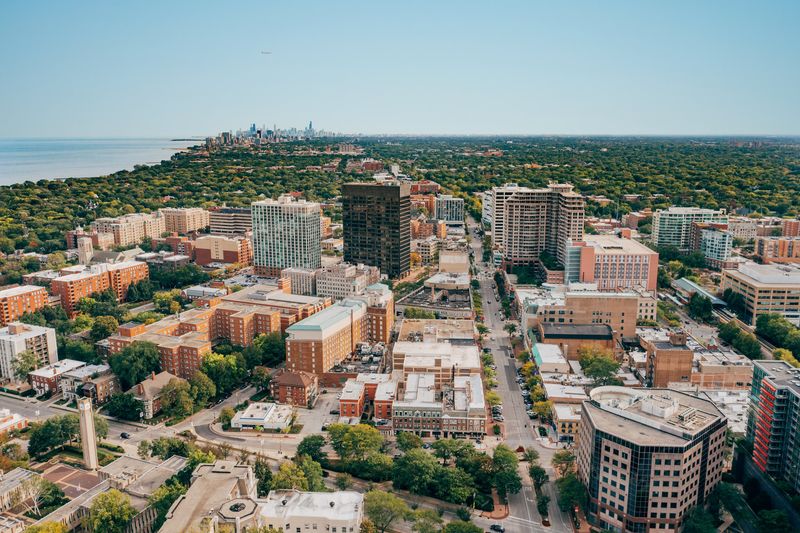
Evanston moves with a steady beat. The lakefront and the university keep visitors flowing through downtown, and festivals dial up the foot traffic.
Locals say summer is the busiest time, and you can feel that surge in the crosswalks and plazas. The city balances residents and travelers every single day.
During events, it tightens up but never tips into chaos if you keep to the side streets. The lake breeze helps too, especially when you need a reset.
Plan on a loop that brushes the campus, touches the retail spine, and ends near the water. That triangle gives you a complete picture without lingering where the clusters form.
If a block feels packed, pivot and keep your momentum. It is simple and it works.
As an Illinois stop, Evanston downtown shows how a mid-sized city handles fame without losing its voice.
It is busy, but it remembers to be kind. Give it a respectful pace and it will give you a solid afternoon.
Dear Reader: This page may contain affiliate links which may earn a commission if you click through and make a purchase. Our independent journalism is not influenced by any advertiser or commercial initiative unless it is clearly marked as sponsored content. As travel products change, please be sure to reconfirm all details and stay up to date with current events to ensure a safe and successful trip.
