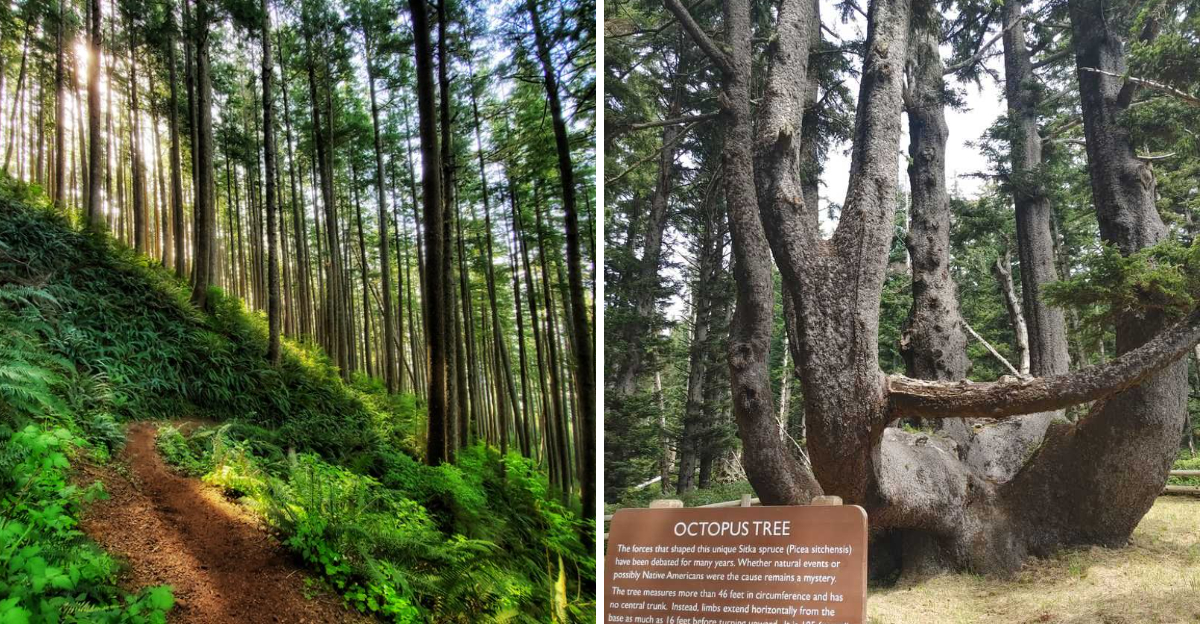
Oregon has a way of hiding its wildest wonders in plain sight, and nothing proves it better than its secret forests.
I’ve spent years wandering these coastal hills and mountain valleys, and every time I stumble across one of these hidden groves, it feels like stepping into a storybook.
The trees here don’t just grow – they perform. Some stretch across the forest floor like octopuses, their limbs twisting in directions that seem impossible.
Others curl and spiral as if frozen mid-dance, leaves catching the light like they’re part of some private forest show. And then there are the ancient giants, gnarled and weathered, standing silent and solemn as if guarding secrets from centuries past.
Locals whisper about these magical spots, and once you see them, it’s easy to understand why.
Every visit reminds me that nature isn’t just beautiful here – it’s playful, mysterious, and full of surprises waiting for anyone willing to wander off the beaten path.
1. Octopus Tree at Cape Meares
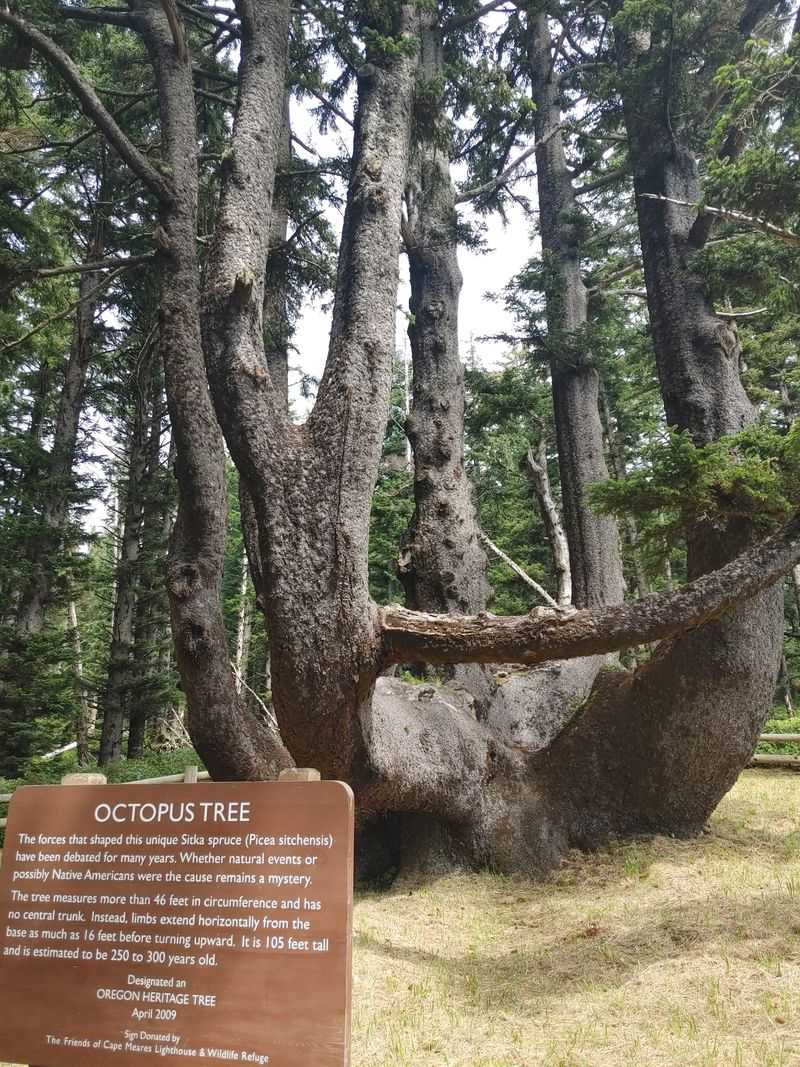
Perched near the edge of Cape Meares, this legendary Sitka Spruce earned its nickname for good reason. Instead of shooting straight up like most trees, it spreads its massive limbs horizontally across the ground, each branch thick as a normal tree trunk.
Scientists debate whether wind, Native American cultural shaping, or pure genetic quirk created this wonder, but standing beneath it feels like meeting a forest celebrity.
The tree sits just a short walk from the Cape Meares Lighthouse, making it accessible even for casual visitors. I remember my first visit, circling the tree three times just trying to understand how something so massive could grow so sideways.
Kids absolutely love climbing on the lower branches, though park rules ask visitors to admire from a respectful distance now.
What strikes me most is the tree’s age. Estimates put it at over 200 years old, meaning it was already sprawling when Oregon became a state.
The coastal winds here blow fierce and constant, which likely encouraged the tree’s unusual horizontal growth pattern early in its life.
Local legends add another layer of magic. Some Tillamook tribes reportedly used young trees ceremonially, bending and shaping them into specific forms.
Whether this tree received such treatment remains uncertain, but the possibility makes it even more special. The surrounding forest of normally shaped spruces only emphasizes how truly unique this giant is.
Visiting during foggy mornings amplifies the mystical atmosphere, when mist curls around those reaching limbs like something from an ancient story.
2. Valley of the Giants Trail
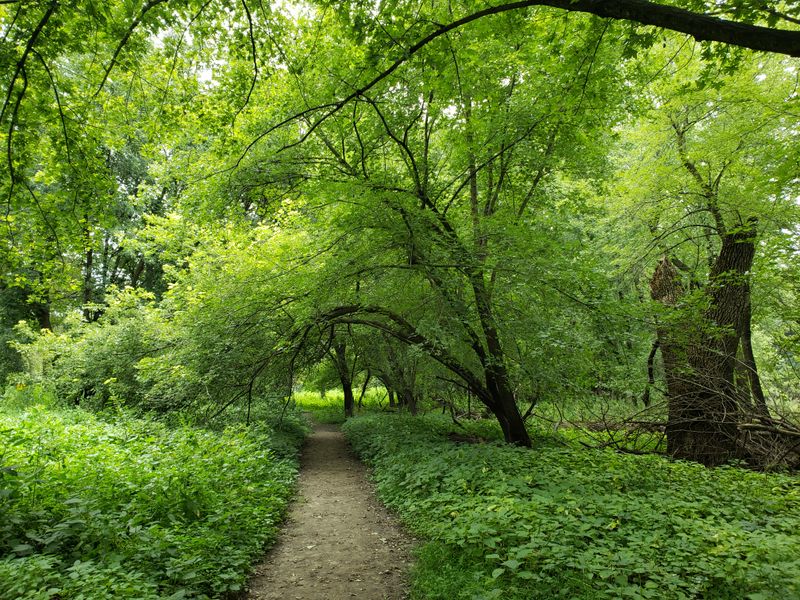
Tucked away in the Coast Range between Polk and Benton Counties, this Bureau of Land Management treasure remains gloriously under-visited. The trail winds through stands of Douglas-firs and hemlocks that have been growing for four centuries, some reaching diameters that would take five people holding hands to encircle.
These aren’t just old trees, they’re sculptures created by time, weather, and survival.
I’ve hiked this trail in every season, and each visit reveals new details. Winter storms have twisted many trunks into spirals as they fought to stay upright on steep slopes.
Some trees lean at impossible angles, their roots clinging to rocky hillsides like desperate fingers. The forest floor itself feels enchanted, carpeted in moss so thick it muffles footsteps.
What makes Valley of the Giants truly magical is how the trees seem to communicate. Their branches intertwine overhead, creating cathedral-like spaces where light filters down in golden shafts.
Scientists call this a climax forest, meaning it’s reached its maximum ecological complexity. I call it nature’s masterpiece.
The trail itself stretches about three miles round-trip, gaining modest elevation but requiring attention on potentially slippery sections. Few tourists know about this spot, which means you’ll often have these giants entirely to yourself.
Bring a good camera, because the gnarly bark patterns and twisted limbs photograph beautifully. The trees here don’t just grow tall, they grow character, each one telling a silent story of centuries spent battling elements while reaching for sky.
3. Cape Lookout’s Wind-Sculpted Forest
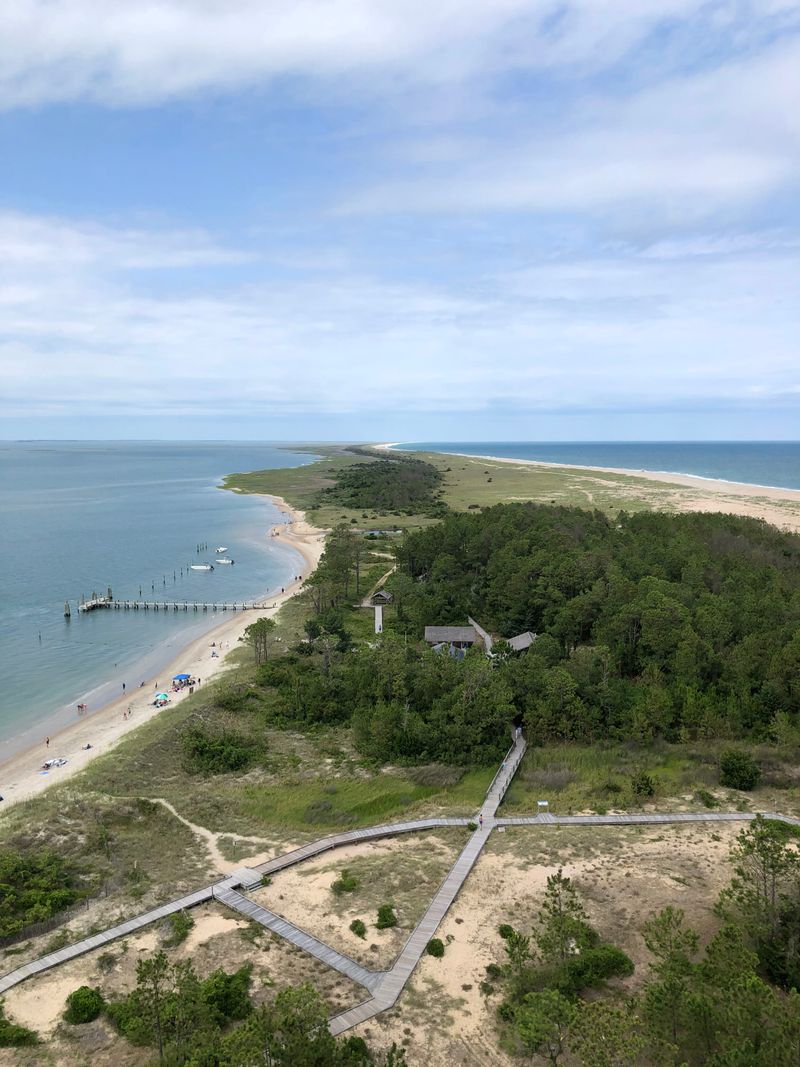
Cape Lookout State Park extends like a finger into the Pacific, and the trees lining its trails have paid the price for that exposure. Constant ocean winds have pruned, bent, and twisted every spruce and hemlock into fantastical forms.
Walking the main trail feels like entering a living tunnel where branches reach across the path like grasping hands.
I’ve watched visitors stop mid-stride, startled by how the trees seem to lean toward them. Some trunks curve in complete S-shapes, while others split into multiple leaders that twist around each other like braided hair.
The wind here never truly stops, and you can almost see it shaping the forest in real time.
The trail to the cape’s tip runs about five miles round-trip, with the most dramatically twisted trees appearing in the first mile. Fog rolls in frequently, transforming the already eerie forest into something from a gothic novel.
I’ve photographed these trees dozens of times, and they always look different depending on light and weather.
What locals love most is how the forest changes character as you walk. Near the trailhead, trees grow relatively normal.
A quarter-mile in, they start bending. By the halfway point, you’re surrounded by wooden sculptures that nature spent decades perfecting.
Some trees have been completely flagged, meaning all their branches point inland, swept permanently away from the ocean’s fury. The effect is unsettling and beautiful simultaneously, a reminder that survival sometimes requires contorting yourself into unexpected shapes.
4. Elliott State Forest’s Coastal Giants
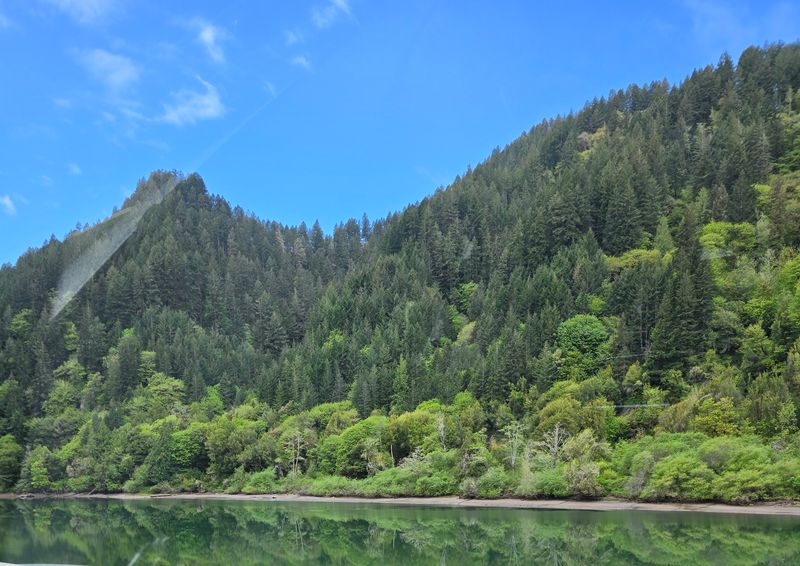
Stretching across Coos and Douglas Counties, Elliott State Forest contains some of Oregon’s most remote and rugged coastal woodlands. The trees here have twisted themselves into survival, growing on impossibly steep slopes where winter storms regularly test their grip.
I’ve explored sections of this forest that feel untouched since the dawn of time, where every tree tells a story of endurance.
The forest’s location creates perfect conditions for unusual growth. Coastal fog provides constant moisture while ocean winds bend young trees into permanent curves.
Many of the oldest specimens show spiral grain patterns in their trunks, a adaptation that makes them stronger against rotational forces during storms. Walking among them feels like touring a gallery of natural sculpture.
Access requires planning since much of Elliott State Forest lacks maintained trails. I recommend starting at the Millicoma Interpretive Center to get oriented, then exploring the various logging roads that penetrate deeper into old-growth stands.
The most dramatically twisted trees typically grow on ridge tops where wind exposure is greatest.
Local controversy has swirled around this forest for years, with debates over logging versus conservation. That tension actually helps preserve the magical quality, since limited access means fewer visitors and less impact.
Some trees here exceed 300 years old, their bark deeply furrowed and their branches reaching in unexpected directions. Photographers love the atmospheric quality, especially during morning fog when the twisted silhouettes emerge like ghosts.
The forest rewards those willing to venture beyond easy trails, revealing increasingly strange and beautiful tree forms the deeper you explore.
5. Drift Creek Wilderness Ancient Groves
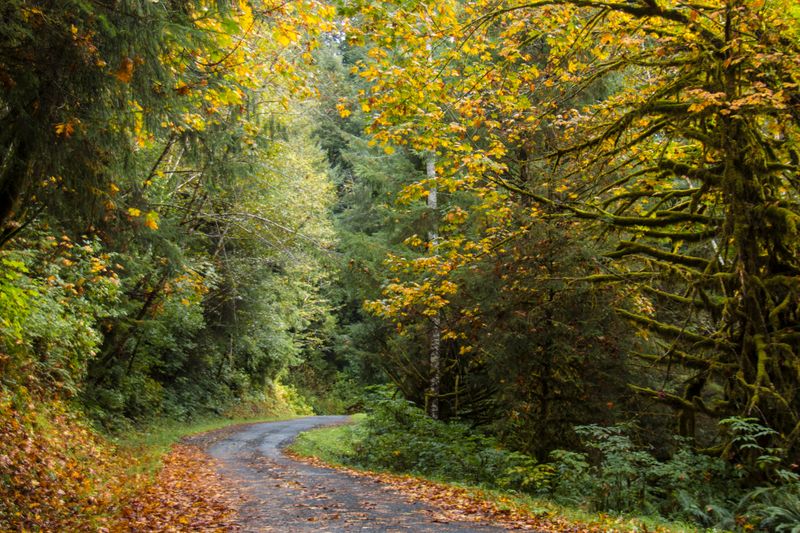
Hidden within Siuslaw National Forest, Drift Creek Wilderness protects a landscape so steep and wet that trees have developed truly bizarre growth patterns. Gravity and moisture conspire here to create angles and curves that seem to defy physics.
I’ve hiked these trails countless times, and I still discover new twisted specimens on every visit.
The wilderness encompasses roughly 5,800 acres of coastal forest where elevation changes rapidly and rainfall exceeds 100 inches annually. Trees growing on these slopes often start life at odd angles, then correct their growth toward sunlight, creating permanent bends and curves in their trunks.
Some of the most dramatic examples appear along Drift Creek itself, where winter floods have undercut banks and left trees clinging at precarious tilts.
Trail access enters from Horse Creek Road, though the paths themselves require moderate fitness and good balance. I’ve encountered fallen giants that spent their entire lives growing at 45-degree angles before finally surrendering to gravity.
The forest floor is so thick with moss and ferns that it cushions every step, adding to the fairy-tale atmosphere.
What makes Drift Creek special is how the twisted trees create natural frames for waterfalls and creek views. Photographers camp here specifically to capture these compositions.
The suspension bridge crossing Drift Creek offers spectacular vantage points for viewing the contorted forest canopy from below. During spring, wildflowers carpet the understory while above, those ancient twisted sentinels stand watch.
The combination of steep terrain, constant moisture, and centuries of growth has produced a forest that looks more like imagination than reality.
6. Cascadia State Park’s River Giants
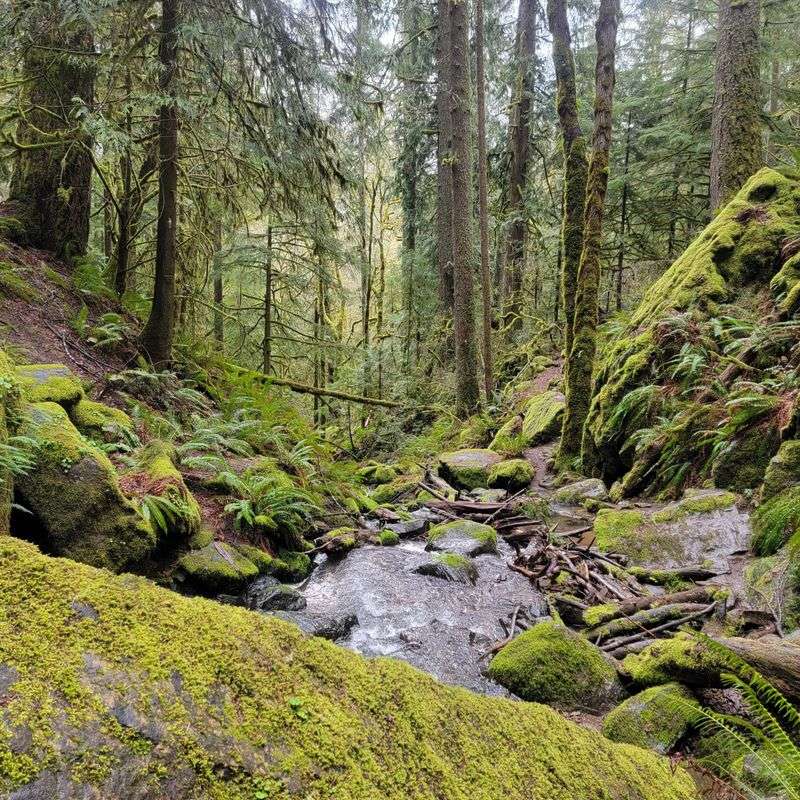
Nestled in the Santiam Canyon, Cascadia State Park protects a grove of old-growth trees that have spent centuries responding to the river’s moods. Flooding, erosion, and the constant presence of water have encouraged these giants to grow in ways that maximize stability while reaching for light.
The result is a forest of twisted sculptures that look almost intentional in their artistry.
I first discovered this park while exploring Highway 20, and I’ve returned at least twenty times since. The trees here show incredible variety in their contortions.
Some lean dramatically over the South Santiam River, their roots exposed like grasping fingers. Others have split trunks that twist around each other before rejoining higher up, creating natural windows and arches.
The park’s main trail follows the river for about a mile, passing through both old-growth and second-growth forest. The contrast is striking.
Younger trees grow relatively straight while the ancient ones display centuries of adaptation to floods, windstorms, and competition for space. I’ve watched photographers spend hours trying to capture the interplay of twisted wood, flowing water, and dappled light.
What makes Cascadia magical is how accessible it is. The park sits right off the highway at 14010 Cascadia State Park Road, Cascadia, OR 97329, with easy parking and well-maintained trails.
Families with kids can easily explore, and the swimming hole near the day-use area provides summer relief. The twisted trees seem to watch over everything, their irregular forms creating a sense of timelessness.
Local legend claims some trees here are over 400 years old, though official estimates are more conservative.
7. Oswald West’s Cliff-Clinging Forest
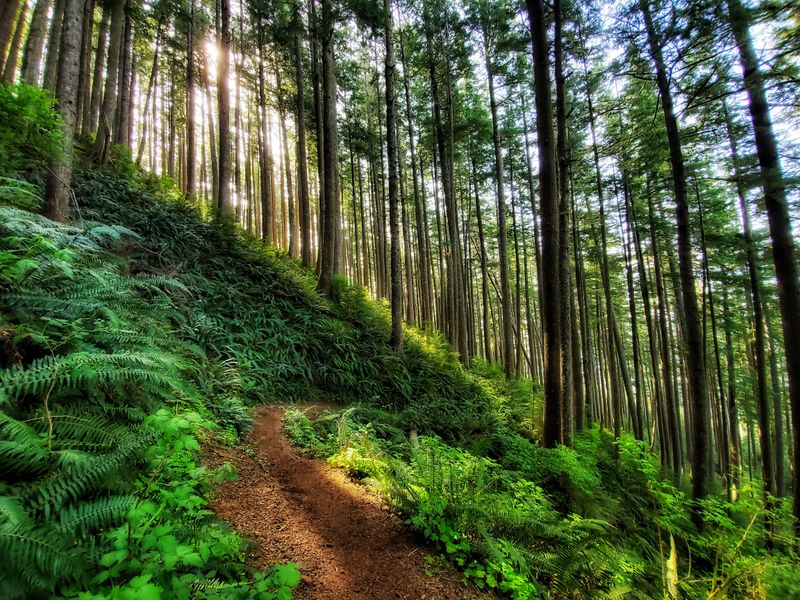
Oswald West State Park protects a stretch of Oregon coastline so wild that trees literally cling to cliff faces, twisted into shapes that seem impossible. The constant ocean wind prunes every branch facing seaward, creating trees that look like they’re permanently fleeing inland.
I’ve stood on the headlands here during storms, watching waves crash below while the trees around me bend and sway like they’re alive with nervous energy.
The trail to Short Sands Beach passes through some of the most dramatically wind-sculpted forest on the entire Oregon coast. Trees here rarely grow taller than 20 feet despite being decades old, their growth stunted by salt spray and relentless wind.
Many have multiple trunks that twist together like rope, a strategy for distributing stress during storms.
What strikes visitors most is the texture of the forest. Bark becomes deeply furrowed and rough, branches grow thick and muscular rather than long and graceful, and the overall effect is one of raw survival.
These trees aren’t trying to be beautiful, they’re just trying to live, and somehow that struggle creates its own harsh beauty.
I recommend hiking here during off-season when crowds thin and you can really appreciate the forest’s character. The trail from the parking area at Oswald West State Park, located along Highway 101 near milepost 39, Arch Cape, OR 97102, descends through this twisted woodland before reaching the beach.
Fog is common, which only enhances the eerie, magical quality. Some trees appear to have faces in their gnarled bark, and kids love pointing them out.
The combination of ocean views and tortured trees creates one of Oregon’s most memorable landscapes.
8. Gilchrist State Forest’s Peculiar Pines
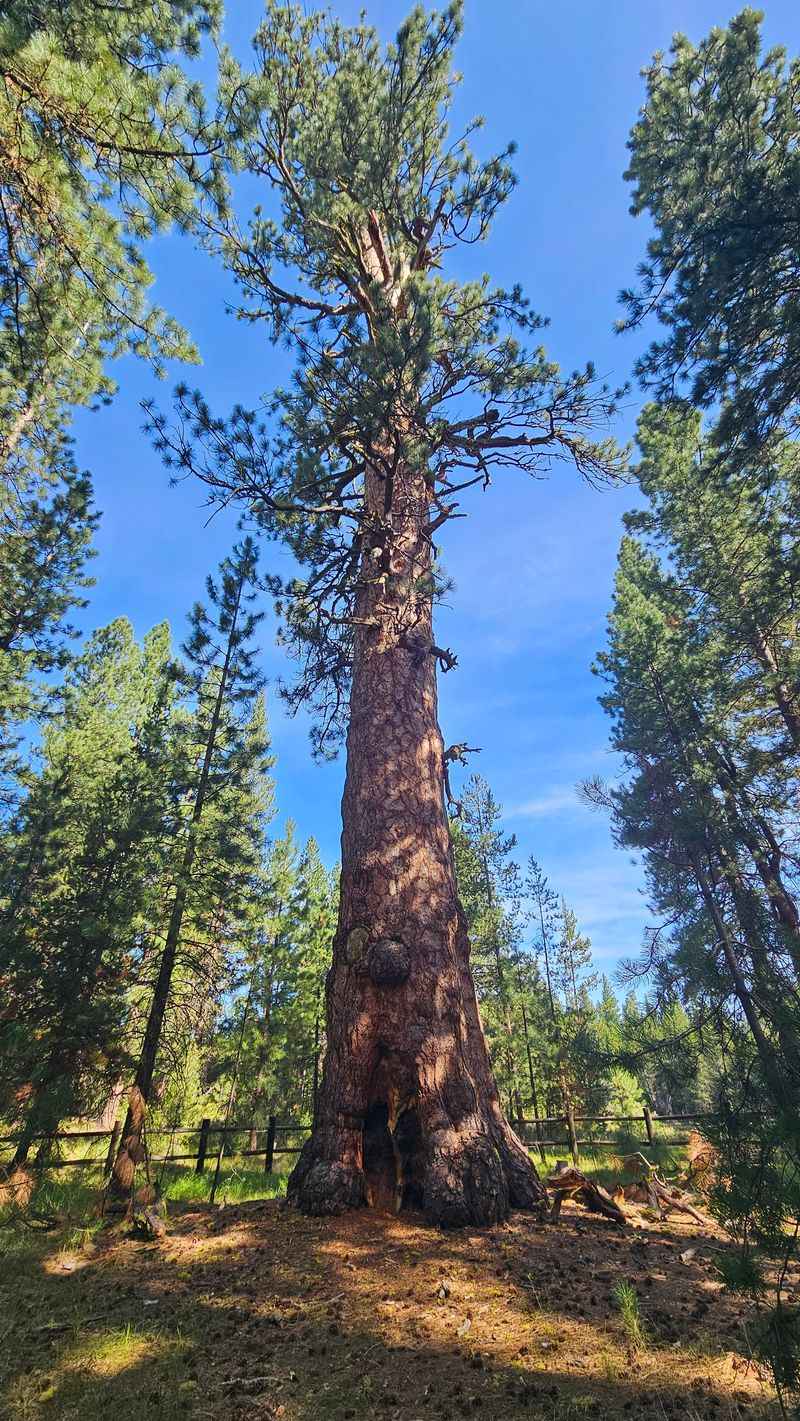
Gilchrist State Forest sprawls across the high desert where Klamath and Deschutes Counties meet, and here the Ponderosa pines grow with personalities all their own. The drier climate and volcanic soil create conditions that encourage unusual twisting, especially in areas where trees compete for limited water.
Some locals swear certain groves have an almost cult-like arrangement, with trees positioned in circles around central clearings.
I’ve explored this forest extensively, drawn by reports of particularly twisted specimens in the northern sections. The trees here show different stress patterns than coastal forests, their bark more orange-red and their branches often growing at right angles before twisting upward.
Lightning strikes are common at this elevation, and many trees bear scars that healed into spiral patterns running up their trunks.
What intrigues me most are the groves where multiple trees have twisted in the same direction, as if responding to some invisible force. Scientists explain this as prevailing wind patterns combined with soil conditions, but standing among them feels more mystical than scientific.
The spacing between trees creates natural cathedrals, with twisted trunks serving as columns supporting a canopy roof.
Access is excellent since Gilchrist State Forest maintains numerous roads open to the public. I recommend exploring the area around Silver Creek Road where some of the most dramatically twisted pines grow.
The forest feels remote despite its accessibility, with long views across high desert punctuated by these peculiar twisted sentinels. Photographers love the contrast between the trees’ orange bark and the often brilliant blue sky.
The magical quality here is subtler than coastal forests but no less real, a testament to how trees adapt and create beauty even in challenging environments.
Dear Reader: This page may contain affiliate links which may earn a commission if you click through and make a purchase. Our independent journalism is not influenced by any advertiser or commercial initiative unless it is clearly marked as sponsored content. As travel products change, please be sure to reconfirm all details and stay up to date with current events to ensure a safe and successful trip.
