
Louisiana keeps pulling travelers in with rhythm, flavor, and a warmth that feels like a porch light left on for you.
Locals will tell you that more visitors have changed certain towns, sometimes for the better, sometimes in ways that feel complicated.
You will sense it in the streets, the storefronts, the way quiet routines adjust to crowds and cameras.
If you are planning a trip, this guide helps you see what is real, respect what is fragile, and experience Louisiana with care.
1. New Orleans’ French Quarter: From Local Neighborhood to Tourist Playground
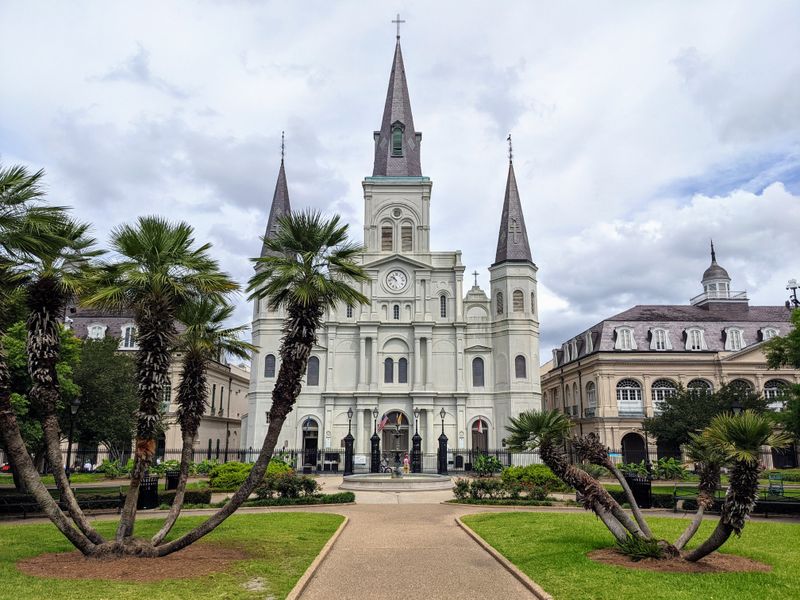
Walk a block off Bourbon Street and you will hear the old neighborhood beneath the buzz, a cadence of porch conversations and church bells that first drew families here.
Those gallery balconies and Creole cottages once held multi generational homes, with corner stores and school kids anchoring the daily rhythm.
Now the sidewalks tilt toward souvenir stalls, rolling luggage, and short term rentals that turn windows into revolving doors for visitors.
Community advocates at Vieux Carre Property Owners and Residents advocate for quieter nights, stronger enforcement, and protections for fragile buildings.
They encourage you to look up at the wrought iron, slow your steps, and notice the hand hewn details that outlast trends.
Seek the artists who live upstairs, the bookshops tucked on Chartres Street, and museums that focus on the neighborhood itself.
Support comes through simple choices, like buying from a family hardware store or attending a neighborhood concert in a church hall.
Respect posted signs, keep voices low on residential blocks, and treat stoops like private living rooms, not photo sets.
The heart of Louisiana beats here, but it needs visitors who understand that charm survives only with care.
Find the French Market at 1008 N Peters St, New Orleans, LA 70116, then wander inland where laundry lines and jasmine reveal a quieter Quarter.
2. Grand Isle: Fishing Village Transformed by Recreational Tourism
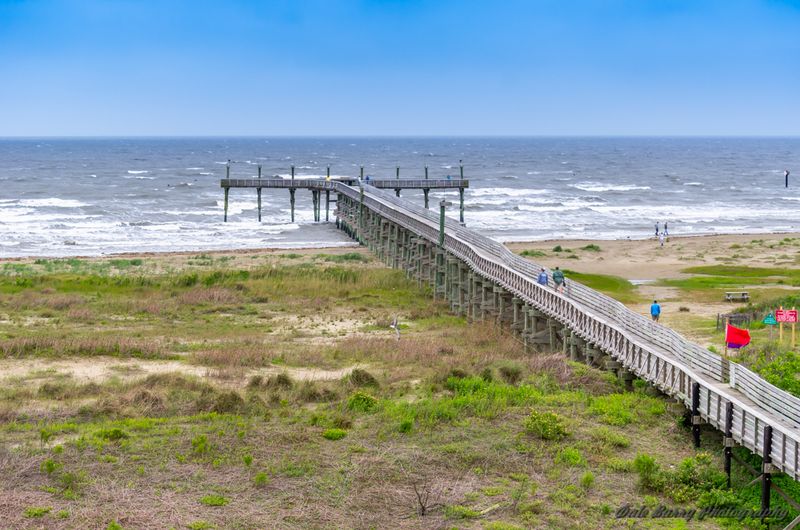
The end of the road meets the Gulf on Grand Isle, where the wind smells like salt and sun warmed docks creak with memory.
Visitors arrive for beaches and boats, and locals remember when shrimpers set the tempo and neighbors shared ice chests at dusk.
Recreational trips reshaped the shoreline, turning camps into larger rentals and thinning out year round porches.
Charter fleets thrive, while small family outfits juggle dock fees and shifting seasons that make margins tight.
You can balance that scale by booking local guides who grew up on these routes and know the marsh like a map.
Visit Grand Isle State Park at 108 Admiral Craik Dr, Grand Isle, LA 70358, where dunes and boardwalks sketch the island’s silhouette.
Stop by modest seafood markets that still pack the day’s catch, and ask about coastal restoration projects volunteers support.
Walk the beach in the early morning, leaving shells where they lie and giving nesting shorebirds wide room.
Louisiana’s edge is delicate, and every respectful step helps protect the barrier island that shields communities inland.
When crowds swell, patience and small choices, like quiet nights and trash packed out, keep this working coast alive.
3. Natchitoches: Historic Gem Facing Commercialization Pressures
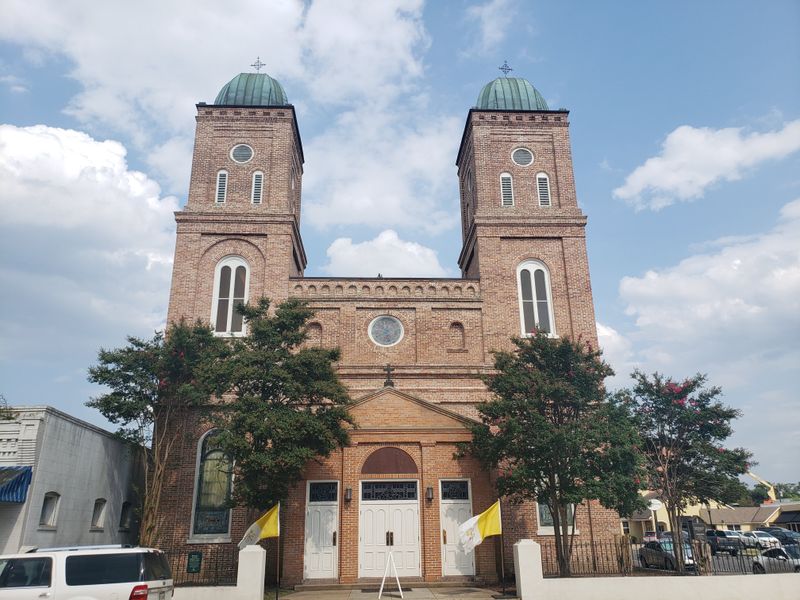
Natchitoches rises along the Cane River with shutters, brick sidewalks, and storefronts that glow softly at dusk.
The old cadence lives in porch stories, church picnics, and recipes traded between neighbors who still recognize each other by voice.
Spotlight attention expanded festivals and foot traffic, and some blocks now feel curated for itineraries more than errands.
Local businesses hold their ground with handmade crafts, parish cookbooks, and service that moves at a talk friendly pace.
You can widen your route beyond Front Street to side streets where families run shops without flashy signs.
Visit the Natchitoches Visitor Center at 780 Front St, Natchitoches, LA 71457, then cross to quiet stretches of the riverfront.
The Cane River National Heritage Area hosts programs that explain layered history, from Creole lifeways to regional architecture.
Ask about events at Northwestern State University, where community concerts and talks keep culture grounded in daily life.
Choose galleries that feature local artists, and respect residential blocks where evening lights signal family time.
Louisiana welcomes guests, yet Natchitoches thrives when visitors slow down, listen closely, and let the town set the pace.
4. Lafayette: Cultural Capital Balancing Tradition and Tourism Growth
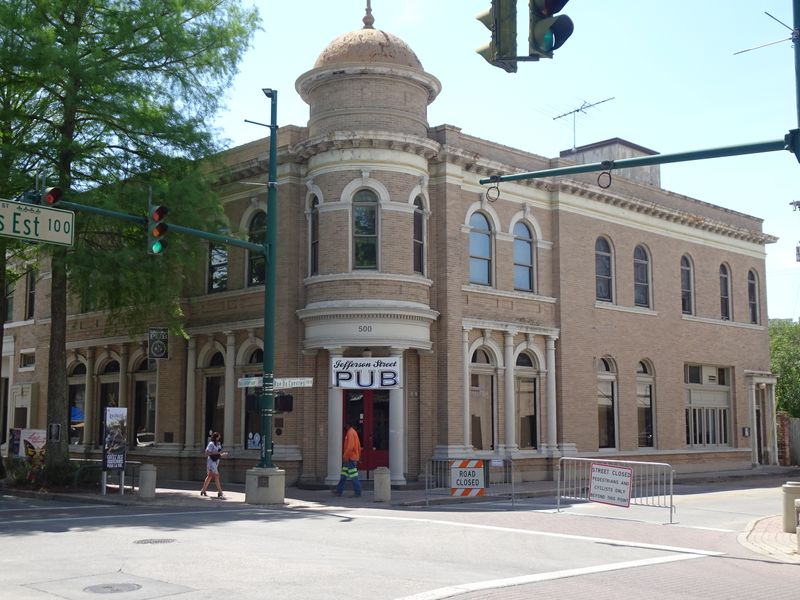
Lafayette hums with fiddles, French phrases, and a neighborly energy that spills onto porches and plazas.
As visitors increased, downtown shifted toward sleeker storefronts and performance schedules that match weekend calendars.
Locals still gather for dances and language circles, even as rents pressure longtime spaces and quiet corners.
Festival International fills streets with stages, yet the strongest roots stretch into nearby towns where traditions feel lived in.
You can branch out to Breaux Bridge or Scott for markets, small halls, and mornings spent talking with makers.
Start at Parc International, 200 Garfield St, Lafayette, LA 70501, and walk to pocket parks that host neighborhood events.
The Acadiana Center for the Arts documents stories, while community teachers keep steps, songs, and craftwork alive.
Choose shows where locals lead the bill, and greet hosts in the language they prefer, even if your words are simple.
Louisiana culture feels welcoming when attention goes to tradition bearers rather than photo moments.
Say thanks, move with the crowd’s rhythm, and let the city decide when to speed up or slow down.
5. St. Francisville: Plantation Country’s Double Edged Tourism Sword
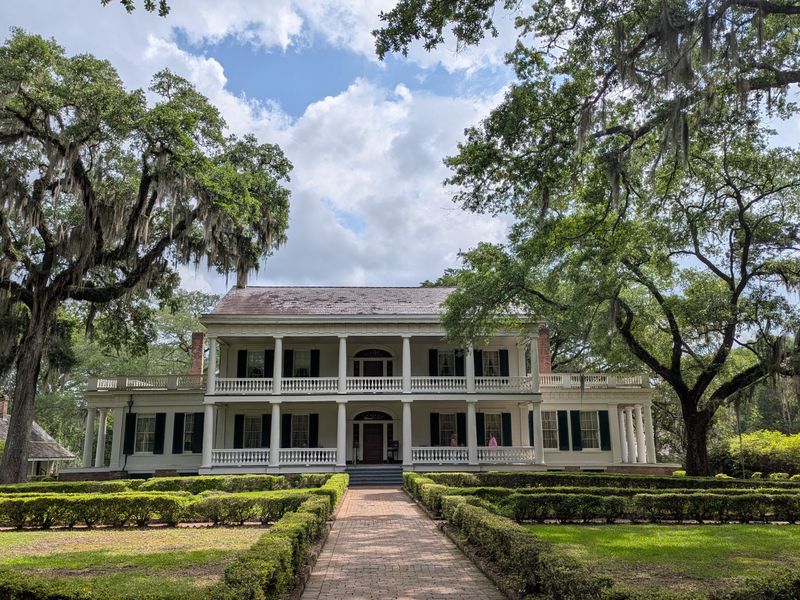
St. Francisville sits high over the Mississippi, all oak shade, bluff views, and slow afternoons.
Grand homes once felt private, and town life moved to a farming calendar that stretched across generations.
Tourism reshaped tours and storytelling, sometimes skipping hard truths that deserve space and care.
Local historians now push for complete narratives, centering enslaved people and labor systems alongside architecture.
Visitors can choose interpreters who ground beauty in context, listening for voices once kept out of view.
Start at the West Feliciana Historical Society Museum, 11757 Ferdinand St, St. Francisville, LA 70775, to orient respectfully.
Rosedown State Historic Site offers gardens and evolving interpretation that moves beyond surface details.
The Angola Museum adds context about incarceration and land, reminding you how history continues into the present.
Louisiana hospitality rings true when curiosity pairs with empathy and patience for layered stories.
Walk gently, take nothing but notes, and support makers whose crafts keep memory in living hands.
6. Abita Springs: Small Town Vibe Under Weekend Crowds
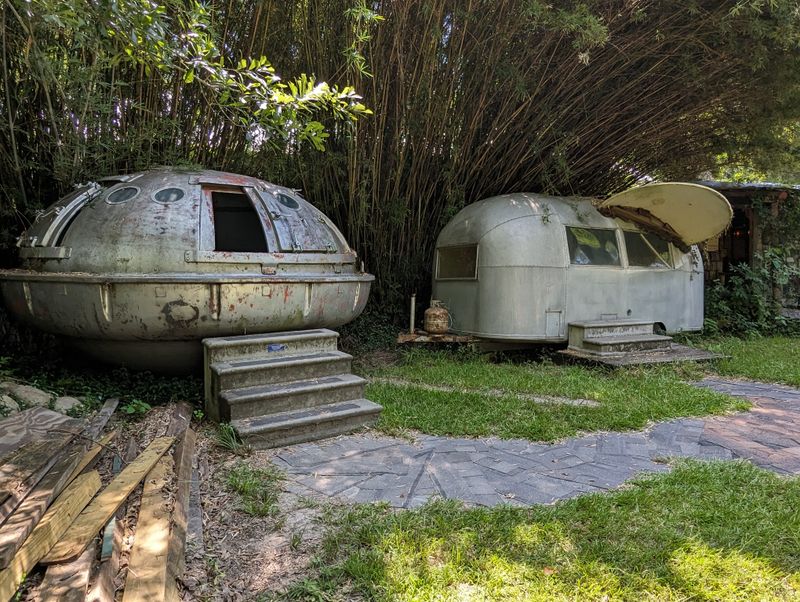
Abita Springs feels like a porch chat, with pine shade, a circular trail, and public art that invites wandering.
Weekends bring cyclists and day trippers, and the pace shifts from quiet errand runs to lively plaza loops.
Locals protect the small town feel by steering visitors toward parks, galleries, and community events over novelty stops.
Stroll the Abita Springs Trailhead Museum at 22044 Railroad Ave, Abita Springs, LA 70420, where historical displays anchor the town story.
Benches under big trees offer a breath and a view of the gazebo where neighbors gather for markets.
You can ride the Tammany Trace, then return to browse studios that showcase regional woodwork and sculpture.
Ask about monthly happenings so you arrive when traffic eases and conversations run longer.
Keep voices soft near homes, and park thoughtfully to avoid blocking driveways along residential lanes.
Louisiana’s Northshore shines when respect for locals guides each decision, from where you stand to how you explore.
Carry reusable bottles, pack out trash, and leave the town exactly as you found it, only wiser.
7. Breaux Bridge: Crawfish Capital With Changing Main Street Rhythm
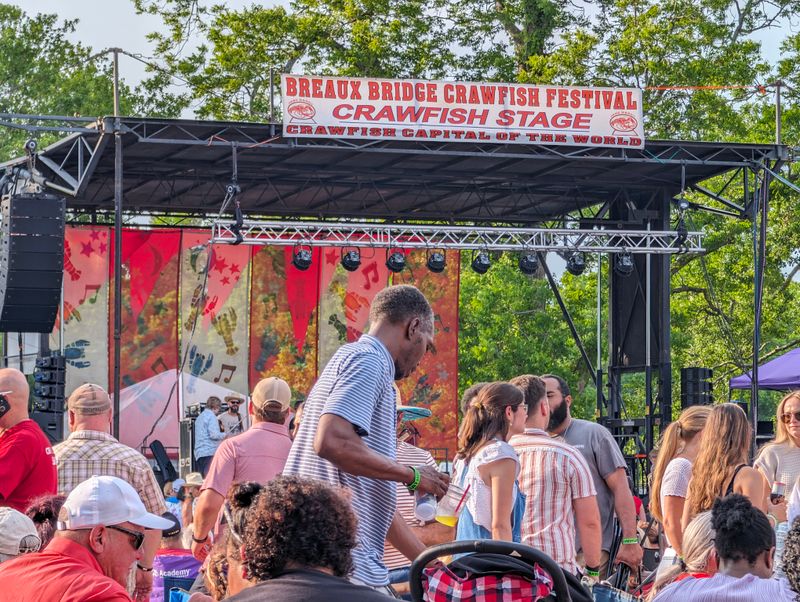
Breaux Bridge rests on Bayou Teche with storefronts that glow soft and steady, like a welcome sign made of wood.
Saturdays used to be errands and greetings, and now they can feel like festival days with cameras and crowds.
Shops tilt toward antiques and crafts while longtimers shuffle parking routines that once felt effortless.
You can honor the town by slowing down, asking for directions kindly, and learning a few Cajun French phrases.
Start your walk at 100 Berard St, Breaux Bridge, LA 70517, near City Hall and a cluster of historic buildings.
Step into music spaces that still book local players, and treat dance floors like community rooms.
Explore Bayou Teche by footpaths where herons lift like paper, and give paddlers plenty of space.
Buy from family run boutiques that repair as well as sell, keeping goods in use longer.
Louisiana hospitality deepens when you treat small bridges, side streets, and porches with quiet attention.
Leave time for conversation, because the best stories here tend to arrive unhurried.
8. Avery Island: Nature Sanctuary Meeting Visitor Pressure

Avery Island sits on a salt dome wrapped in oaks, birdsong, and marsh edges that shimmer in heat.
Jungle Gardens and the rookery draw steady visitors whose footsteps add up on delicate paths.
Local stewards balance access with habitat needs, trimming routes and guiding traffic away from nesting sites.
Start at Jungle Gardens, 5474 Avery Island Rd, Avery Island, LA 70513, and pick up a map that highlights quiet loops.
Pull over at overlooks, scan for roseate spoonbills, and keep voices low to protect skittish wildlife.
You can time your visit outside peak hours to ease parking and give animals a calm window.
Stay on marked paths and resist shortcuts that erode banks and invite invasive plants.
Buy from local craftspeople at small shops just off the island to spread benefits beyond admission gates.
Louisiana’s coastal uplands are rare, and patience helps keep this refuge intact.
Carry binoculars, bring water, and let the slow pace of the garden teach you how to look.
9. Covington: Artsy Downtown Adapting to Popularity
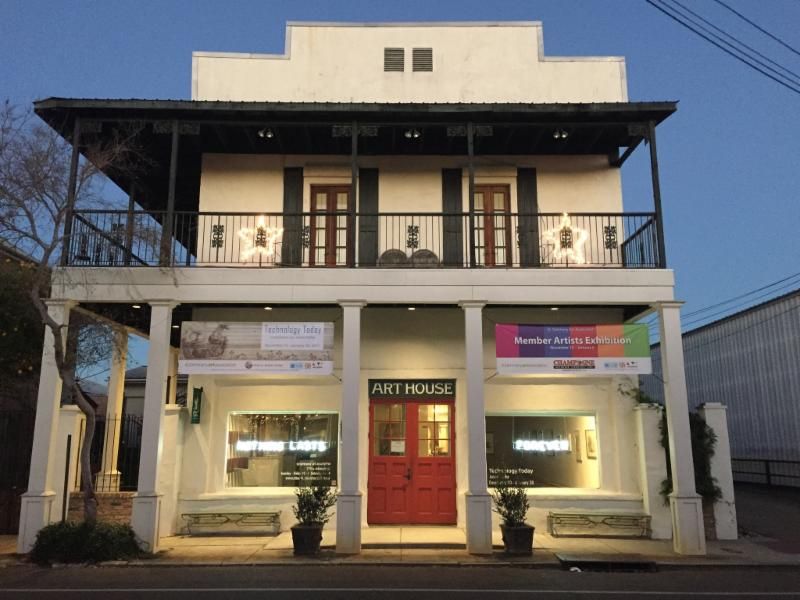
Covington rolls at a gentle clip, with brick walks, galleries, and courtyards hidden behind ivy walls.
More visitors arrived as trails and markets drew weekend explorers from across Louisiana and beyond.
Downtown now navigates parking squeezes and crowded sidewalks while artists try to keep studio hours steady.
You can tip the balance by browsing thoughtfully and giving time for conversations about the work.
Begin at 609 N Columbia St, Covington, LA 70433, near the St. Tammany Art Association gallery and nearby courtyards.
Peek into light filled spaces where canvases lean against old brick and chairs invite a longer stay.
Ask before photographing, and keep doorways clear so small shops can welcome locals with ease.
Settle onto a public bench to absorb the quiet cadence of a town that values talk more than rush.
Louisiana art scenes thrive when visitors treat studios like living rooms rather than galleries alone.
Leave with something made here, even if it is a postcard or a story learned firsthand.
10. St. Martinville: Evangeline Roots Amid Visitor Interest
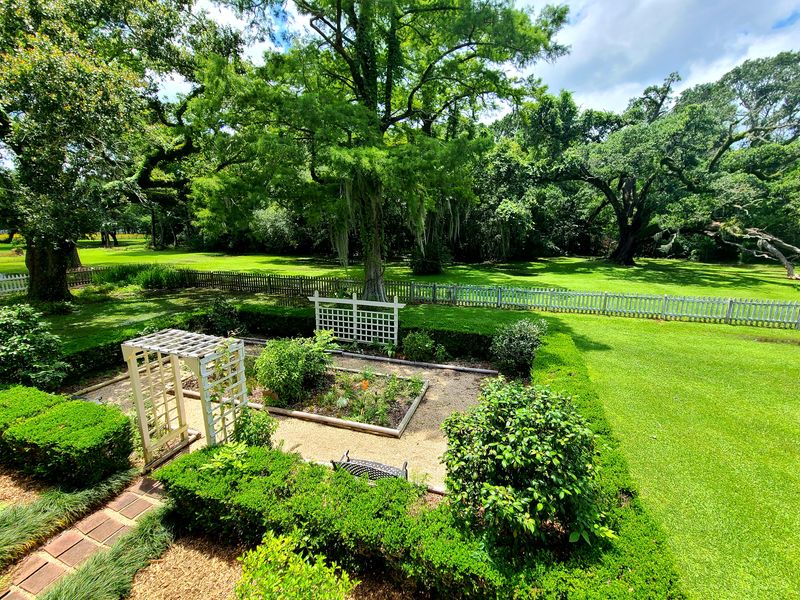
St. Martinville speaks in quiet tones, bayou water sliding past cypress and a square framed by history.
Visitors come for the Evangeline legend and stay for streets that hold deep strands of Acadian memory.
As interest grows, the town works to keep ceremonies and family spaces separate from photo stops.
You can show respect by learning context at cultural centers before stepping into sacred or memorial areas.
Begin at St. Martinville Cultural Heritage Center, 120 S New Market St, St. Martinville, LA 70582, to ground your visit.
Walk the path to the Evangeline Oak and sit quietly on a bench rather than crowd the railing.
Look for plaques that name communities often overlooked, and carry questions with curiosity, not hurry.
Shop small for textiles and carved work that reflect regional hands and stories.
Louisiana history breathes here, gently but firmly, asking guests to listen more than speak.
Leave spaces as you found them, and let the bayou decide the day’s tempo.
The town moves at a pace that feels measured, with shutters clicking softly and boats drifting without rush.
Cafés and bakeries offer quiet corners where you can sip and watch the streets unfold like a slow story.
Local guides share anecdotes that thread together Acadian, Creole, and French influences, enriching each step.
Evening light softens the square, turning mossy trees and historic facades into a gentle palette of memory.
Every corner rewards patience, reminding visitors that St. Martinville is best experienced with attention and care.
Dear Reader: This page may contain affiliate links which may earn a commission if you click through and make a purchase. Our independent journalism is not influenced by any advertiser or commercial initiative unless it is clearly marked as sponsored content. As travel products change, please be sure to reconfirm all details and stay up to date with current events to ensure a safe and successful trip.
