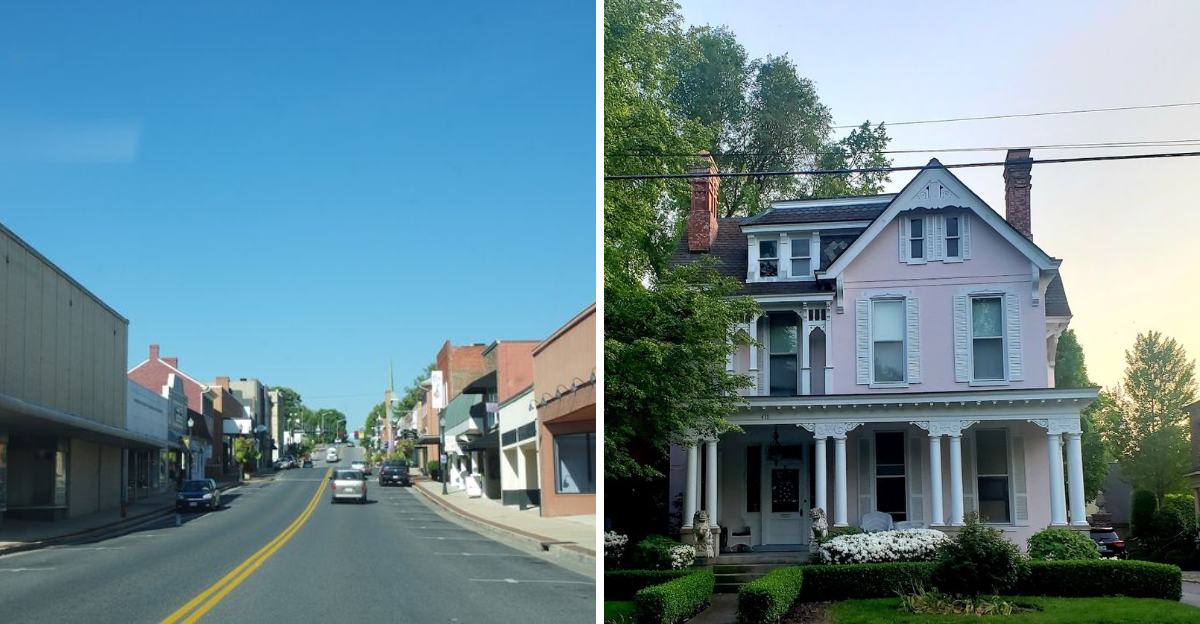
There is something about a mountain town that gets under your skin. Maybe it is the air, crisp and clean at higher elevations.
Maybe it is the pace, slower than the city, more intentional. Or maybe it is the views, ridges that roll into the distance and change with every season.
Virginia has some of the most majestic mountain towns on the East Coast, and the ten on this list are the ones that have stuck with me. I have visited each one, sometimes for a day, sometimes for a weekend, and each time I have left planning my return.
Some are well-known, with bustling main streets and tourists in the summer.
Others are quieter, the kind of place where you can sit on a porch and hea
1. Damascus
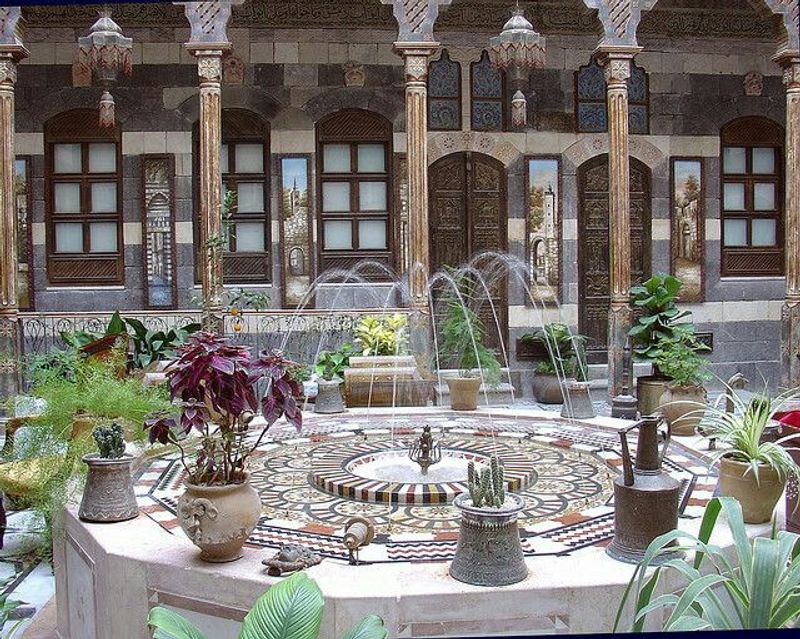
There are trail towns, and then there is Damascus. Called “Trail Town, USA” for very good reason, this tiny powerhouse of outdoor adventure sits at the convergence of seven major trails, including the world-famous Appalachian Trail, which literally walks right down the town’s main sidewalks.
It is not a metaphor. The white blazes are painted right there on the pavement.
The Virginia Creeper Trail is the other star of the show here. Cyclists from across the country make the pilgrimage to coast those glorious 17 miles of converted rail-trail through mountain gorges so beautiful they seem digitally enhanced.
Local outfitters line the main street ready to shuttle you up and send you flying back down through the scenery.
Damascus earned its legendary status honestly. The Appalachian Trail Conservancy has long recognized it as one of the most welcoming stops on the entire 2,190-mile trail.
Every spring, the Damascus Trail Days festival transforms the town into a massive outdoor celebration drawing thousands of hikers and adventurers. The energy is absolutely electric.
Beyond the trails, Damascus charms with its genuine small-town warmth. Friendly locals wave from porches, and the pace of life feels refreshingly unhurried.
The Laurel Creek corridor running through town adds another layer of natural beauty that makes every morning feel like a postcard. Located at 32060 Laurel Ave, Damascus, VA 24236, this mountain gem is a mandatory stop for anyone serious about exploring the wild, wonderful outdoors of the commonwealth.
2. Luray
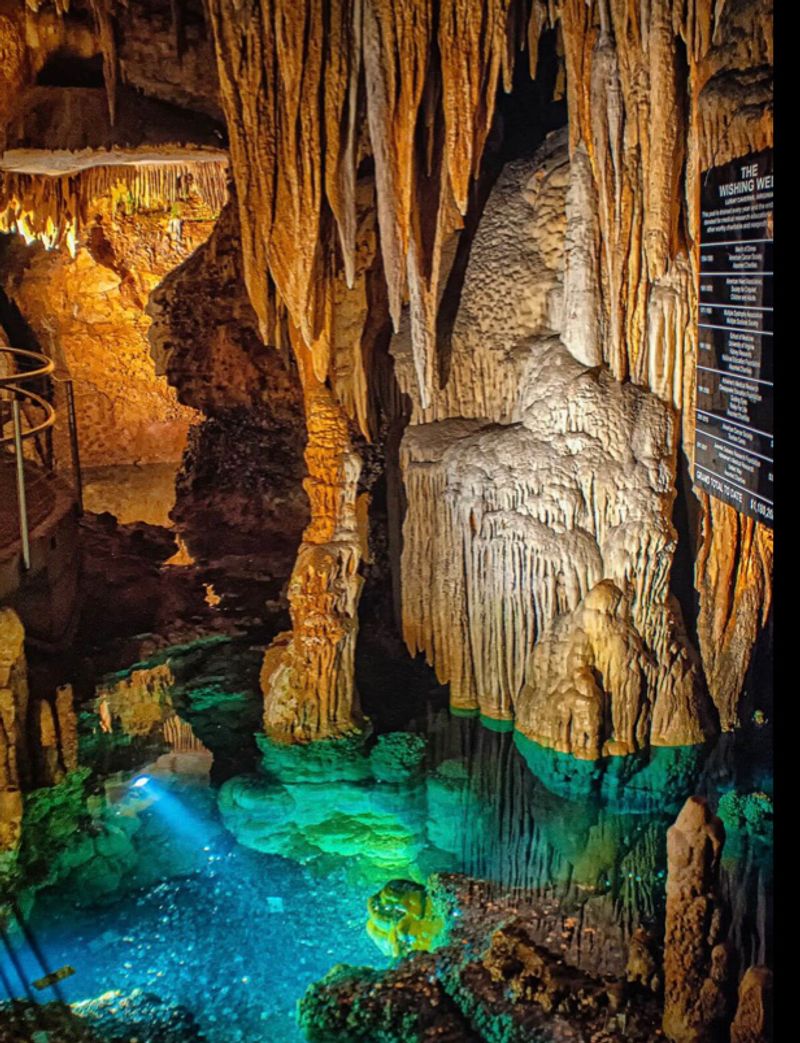
Luray is the kind of town that sneaks up on you. You arrive for the caverns, and then suddenly you have booked a cabin, hiked a ridge, and made plans to come back next fall.
Tucked into the heart of the Shenandoah Valley, Luray serves as the eastern gateway to Shenandoah National Park and the iconic Skyline Drive, one of the most photographed scenic roads in the entire eastern United States.
Below the surface, quite literally, lies the main event. Luray Caverns is the largest cavern system in eastern America, and walking through its cathedral-sized rooms is genuinely awe-inspiring.
The Great Stalacpipe Organ, the world’s largest musical instrument, uses the cavern’s natural formations to produce hauntingly beautiful tones. Nothing quite prepares you for hearing music echo off million-year-old rock.
Above ground, Luray’s historic downtown is completely walkable and packed with personality. Independent boutiques, cozy eateries, and charming bed-and-breakfasts fill the streets with a warmth that chain hotels simply cannot replicate.
The Shenandoah River wraps around the valley nearby, offering excellent kayaking and fishing for those who want their adventure with a side of tranquility.
Fall is arguably Luray’s finest hour. The surrounding mountains ignite in spectacular color, drawing leaf-peepers who come to cruise Skyline Drive at a gloriously slow pace.
Located centrally at 37 Cave Hill Rd, Luray, VA 22835, this valley jewel proves that Virginia’s mountain towns offer far more than just pretty views from the road.
3. Abingdon
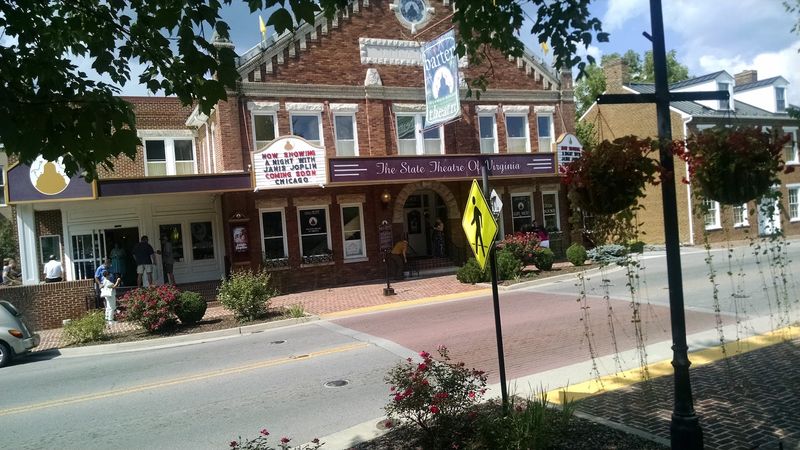
Abingdon is the kind of place that makes history feel alive rather than dusty. One of the oldest towns in Virginia, its beautifully preserved colonial-era streetscape is a genuine pleasure to walk through.
Brick sidewalks wind past Federal-period homes, independent galleries, and boutiques that carry things you actually want to buy rather than just photograph.
The cultural centerpiece here is the Barter Theatre, the official State Theatre of Virginia. Founded during the Great Depression, it famously allowed patrons to trade ham, vegetables, and livestock for admission tickets, which is the most delightfully inventive box office policy in American theater history.
Today it runs a full professional season and remains one of the finest regional theaters in the country.
Art lovers will also want to explore the William King Museum of Art, a beautifully restored building housing an impressive permanent collection alongside rotating exhibitions. The museum anchors Abingdon’s reputation as a serious arts destination, not just a pretty stopover.
The creative energy here is palpable and genuine.
Outdoor enthusiasts get their share too. Abingdon serves as the western terminus for the Virginia Creeper Trail, making it a natural launching point for cyclists and hikers heading into the mountains.
Virginia’s oldest tavern, the 1779 Abingdon Tavern located at 222 E Main St, Abingdon, VA 24210, adds another layer of historical texture to an already rich destination. Every corner of this town tells a story worth hearing, and the mountains framing it all make the backdrop almost unfairly gorgeous.
4. Lexington
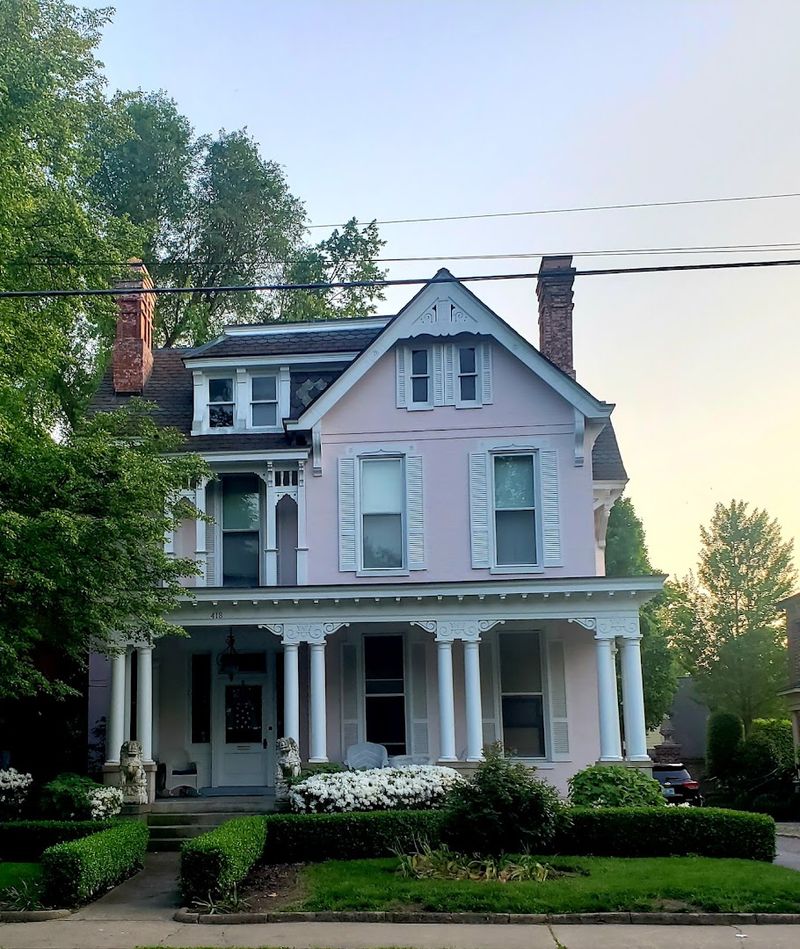
Lexington punches well above its weight class. Nestled comfortably between the Blue Ridge and Allegheny mountain ranges, this beautifully preserved college town radiates a kind of intellectual warmth that is completely irresistible.
Two prestigious institutions, Virginia Military Institute and Washington and Lee University, give the town its distinct character and ensure the streets are always buzzing with energy and ideas.
The historic district is a walker’s paradise. Horse-drawn carriage tours clop through streets lined with meticulously maintained 19th-century architecture, and the whole scene feels like someone pressed pause on time in the most flattering way possible.
The carriage rides are not just for tourists either. Locals genuinely love this town, and that pride shows in every well-kept storefront and blooming window box.
Farm-to-table dining has found a natural home in Lexington, where the surrounding farmland supplies restaurants with ingredients that are almost offensively fresh. The food scene here earns serious respect without any pretension, which is a genuinely rare combination.
Settle into a corner table and you will understand why people move here and never leave.
Just outside town, Natural Bridge State Park delivers one of Virginia’s most dramatic geological showpieces. The massive natural limestone arch soaring over Cedar Creek is breathtaking in a way that photographs simply cannot capture.
The Maury River adds kayaking and fly-fishing to the recreational menu. Located at 106 E Washington St, Lexington, VA 24450 for visitor information, this mountain town is equal parts smart, scenic, and surprisingly fun.
5. Floyd
Floyd operates on its own wonderfully eccentric frequency. Perched right off the Blue Ridge Parkway in the heart of the mountains, this small town has built a reputation as one of Virginia’s most creative and musically alive communities.
The vibe is part Appalachian tradition, part artsy collective, and entirely its own thing. You will not find another place quite like it anywhere in the commonwealth.
The crown jewel of Floyd’s cultural scene is the Friday Night Jamboree at the Floyd Country Store, located at 206 S Locust St, Floyd, VA 24091. Every Friday evening, the store’s wooden floor fills with flat-foot dancers and musicians playing old-time and bluegrass music with the kind of joyful intensity that makes your feet move without permission.
This is not a performance for tourists. It is a living tradition that the community genuinely cherishes.
Beyond the music, Floyd’s creative spirit spills into galleries, studios, and craft shops that line its compact downtown. The Floyd Center for the Arts hosts exhibitions and workshops year-round, drawing artists and makers from across the region.
The town also sits near the Buffalo Mountain Natural Area Preserve, where hiking trails cut through some of the most dramatic highland scenery in the state.
The Crooked Road, Virginia’s heritage music trail, runs directly through Floyd, connecting it to a broader network of musical destinations across the mountains. Autumn here is spectacular, with the Blue Ridge Parkway offering leaf-peeping drives that rank among the finest in the entire eastern United States.
Floyd is small but absolutely mighty.
6. Staunton
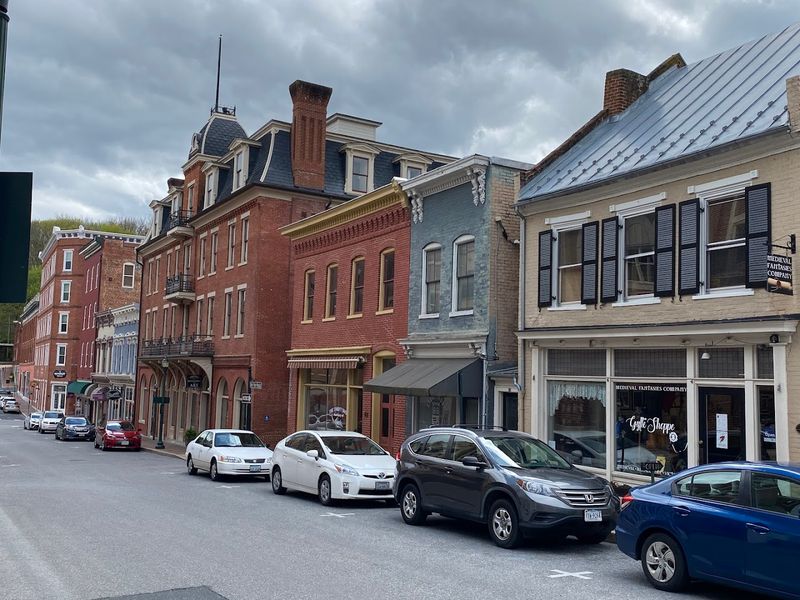
Staunton is the architectural overachiever of Virginia’s mountain towns. Its downtown district contains one of the most remarkably intact collections of late 19th and early 20th-century commercial buildings in the entire country.
Walking these streets is like stepping into a beautifully maintained time capsule where every facade tells a story about craftsmanship and civic pride. The city’s five historic districts are not just preserved.
They are actively alive.
Theater is Staunton’s cultural superpower. The American Shakespeare Center calls this town home, performing at the Blackfriars Playhouse, the world’s only re-creation of Shakespeare’s original indoor theater.
Productions here use original staging practices, including full lighting and audience interaction, creating an experience that is genuinely unlike any other theater in America. Even people who think Shakespeare is not for them leave completely converted.
The food and artisan scene in Staunton is punching at a major metropolitan level. The Beverley Street corridor is packed with independent restaurants, craft breweries, and specialty shops that reflect the town’s creative, community-driven spirit.
Saturday mornings at the Staunton Farmers Market are a local institution, drawing producers from across the Shenandoah Valley with seasonal goods that showcase the agricultural richness of the region.
Staunton also serves as an ideal base for exploring the broader valley. Shenandoah National Park, the Blue Ridge Parkway, and countless hiking trails are all within easy reach.
The Staunton Visitor Center is located at 35 S New St, Staunton, VA 24401. This is a town that rewards slow exploration, and every return visit reveals something new to appreciate.
7. Big Stone Gap
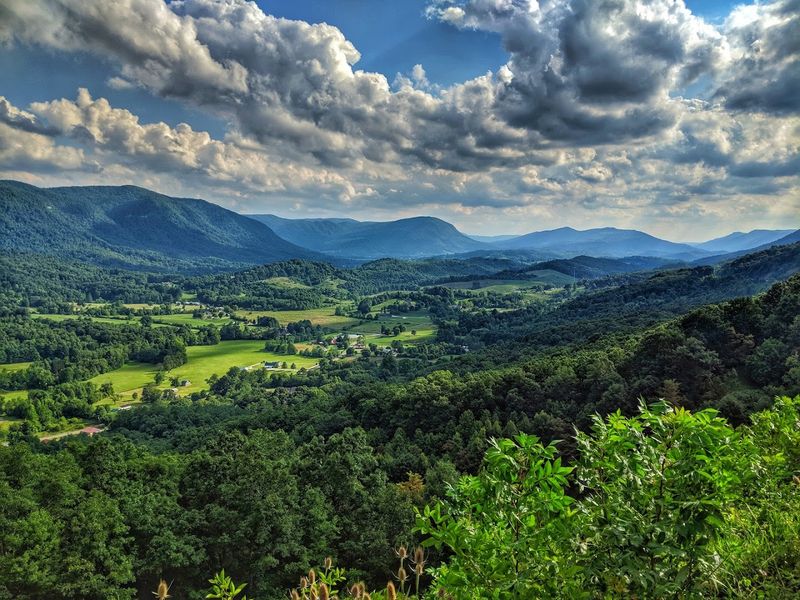
Big Stone Gap sits in the far southwestern corner of Virginia like a well-kept secret the rest of the state has been slow to share. Completely encircled by the rugged Powell River valley and the densely forested Appalachian highlands, this town carries a rich and layered history tied to coal mining, pioneer heritage, and the kind of resilient community spirit that mountain life tends to forge over generations.
The Southwest Virginia Museum Historical State Park, located at 10 W 1st St N, Big Stone Gap, VA 24219, is the cultural anchor of the town. Housed in a stunning late Victorian mansion, the museum tells the compelling story of the region’s industrial boom years and the diverse communities that built their lives here.
The collection is genuinely impressive and the building itself is worth the trip.
For those who prefer their history served with panoramic views, the High Knob Observation Tower delivers in spectacular fashion. On a clear day, the tower offers sweeping vistas stretching across five states, reminding you just how vast and wild this corner of Appalachia truly is.
The hike up is rewarding and the view from the top is the kind that makes you go quiet for a moment.
The June Tolliver House and the outdoor drama “Trail of the Lonesome Pine” add another cultural dimension that makes Big Stone Gap feel genuinely distinctive. This is not a town trying to be something it is not.
It is confidently, authentically itself, and that honesty is deeply refreshing in a world of manufactured charm.
8. Monterey
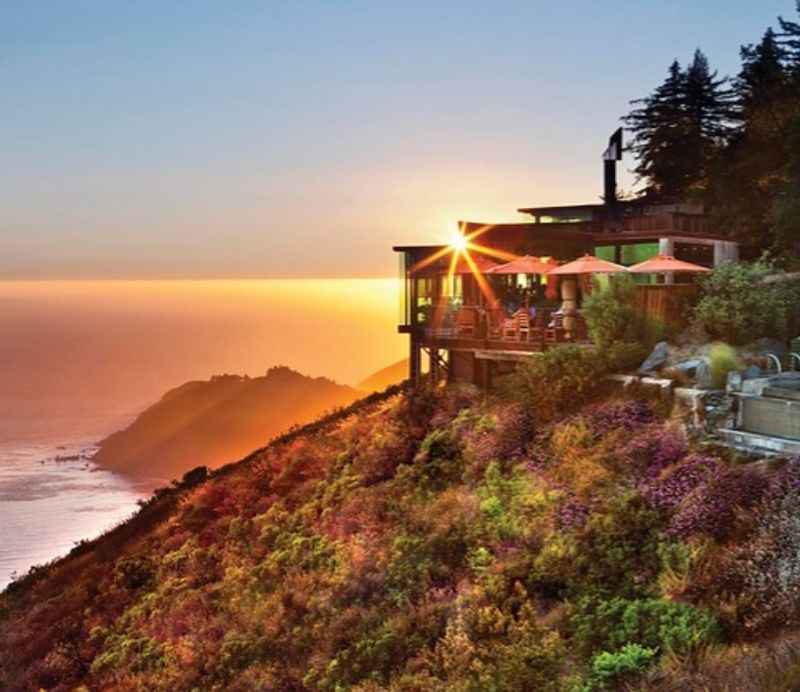
Monterey earns its nickname “Virginia’s Little Switzerland” with complete honesty. Perched high in Highland County, which holds the distinction of having the highest mean elevation of any county east of the Mississippi River, this remote and breathtaking town delivers alpine-scale scenery without requiring a passport.
The air up here is noticeably crisper, the light somehow sharper, and the pace of life gloriously unhurried.
The town’s architecture tells a fascinating story of prosperity and ambition. Grand Victorian homes built by timber barons between the late 19th and early 20th centuries line the streets, their ornate facades a striking contrast to the wild mountain landscape surrounding them.
Walking through Monterey feels like discovering an elegant secret tucked away in the highlands where the rest of the world forgot to look.
Every spring, Monterey transforms into the center of the maple universe. The Highland County Maple Festival draws visitors from across the region to celebrate the local syrup-making tradition with tours of working sugar camps, freshly made maple products, and the kind of community warmth that only small mountain towns can generate.
The festival has been running for decades and shows absolutely no signs of slowing down.
Route 250, which passes through Monterey, follows the historic Staunton-Parkersburg Turnpike, one of the most scenic drives in all of Virginia. The surrounding Highland County landscape offers outstanding fly-fishing, wildlife watching, and hiking on trails that see far fewer boots than they deserve.
The Highland County Visitor Center is at 68 W Main St, Monterey, VA 24465. Monterey is genuinely magical.
9. Hot Springs
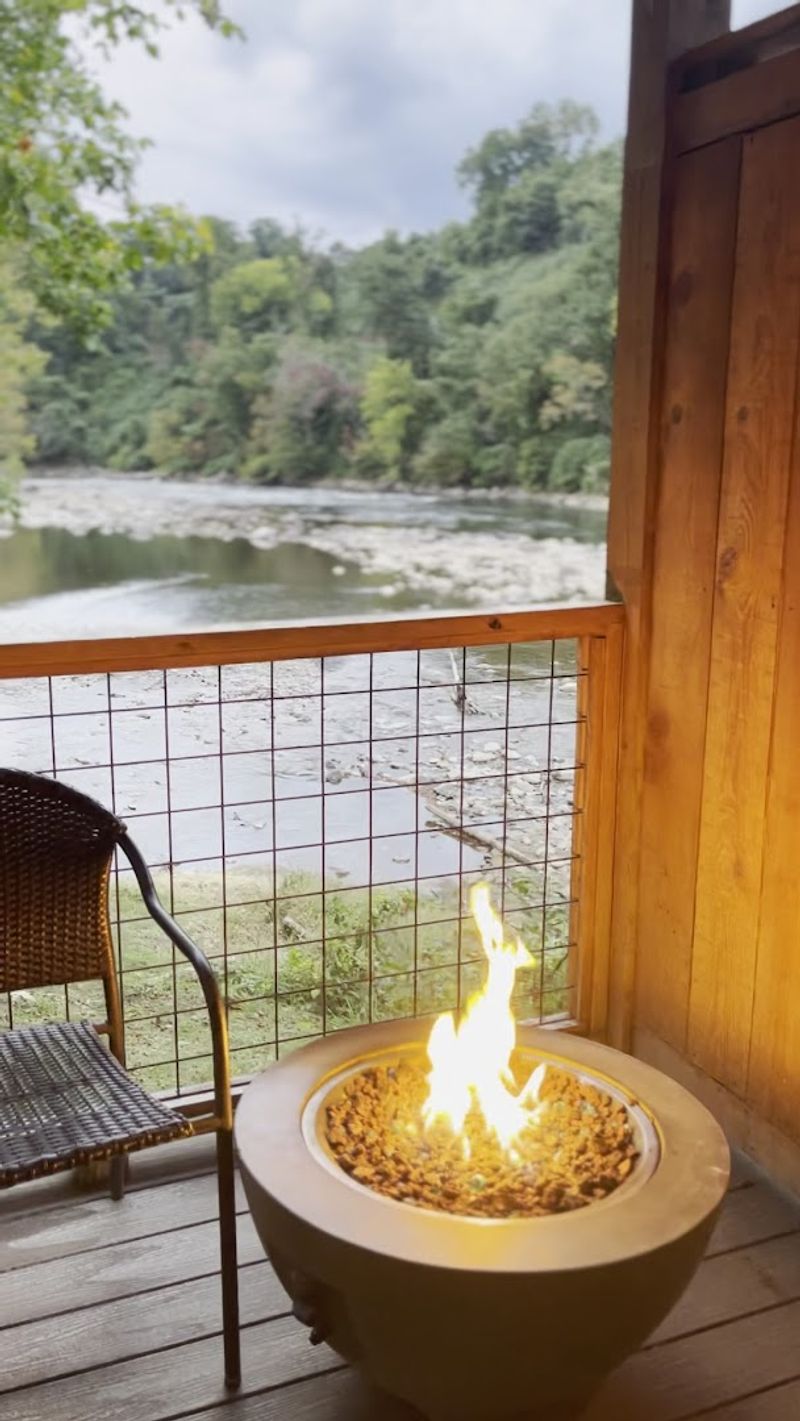
Hot Springs has been drawing people to its mountain embrace since the 18th century, and the secret has never really been a secret. Nestled deep in the Allegheny highlands, this small Bath County town is built around one of America’s most storied resort destinations.
The thermal mineral springs that bubble up from the earth here attracted historical figures including Thomas Jefferson, who visited to ease his rheumatism and clearly had excellent taste in recovery destinations.
The Omni Homestead Resort, at 7696 Sam Snead Hwy, Hot Springs, VA 24445, is the undisputed centerpiece of everything here. Operating continuously since 1766, this grand Georgian landmark is one of the oldest continuously operating resorts in the United States.
Its red brick facade, white-columned entrance, and mountain backdrop create a scene so classically elegant it almost feels theatrical. The spa facilities, fed by the natural thermal springs, are genuinely restorative in the best possible way.
Beyond the resort, Hot Springs surprises with its outdoor offerings. The surrounding Allegheny highlands provide excellent hiking trails that wind through forests of remarkable beauty, particularly in autumn when the color show is absolutely breathtaking.
World-class golf on courses designed into the mountain terrain adds another dimension to the destination’s considerable appeal.
The town itself is tiny and intimate, which only adds to its exclusive mountain-retreat atmosphere. There are no crowds, no traffic, and no noise beyond birdsong and the distant rush of mountain streams.
Hot Springs represents Virginia’s mountain hospitality at its most refined and unhurried. Once you arrive, leaving feels genuinely difficult.
10. Waynesboro
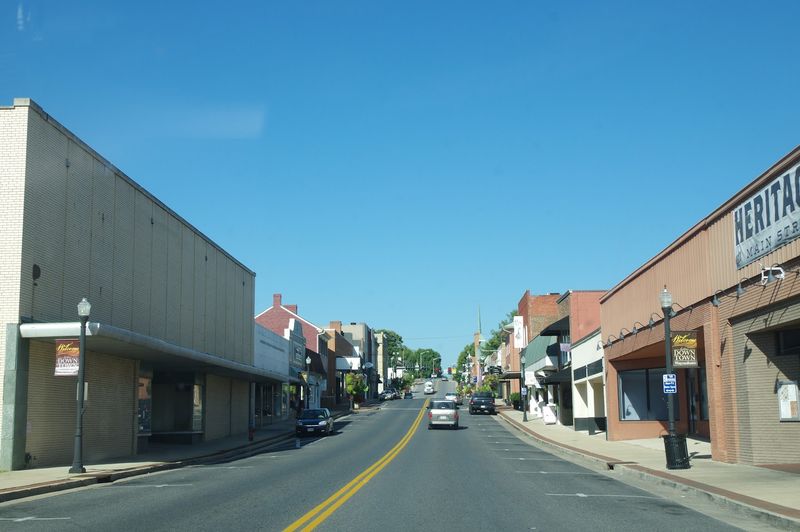
Waynesboro sits at one of the most extraordinary geographic crossroads in the entire state. This is the precise point where the Blue Ridge Parkway, Skyline Drive, and the Appalachian Trail all converge, making it arguably the most trail-connected small city in Virginia.
Designated as an official Appalachian Trail Community, Waynesboro takes its outdoor identity seriously and backs it up with genuine infrastructure and enthusiasm for adventure.
The downtown area has undergone a remarkable creative transformation in recent years. A thriving street art scene has turned building walls into canvases, and the result is a walkable outdoor gallery that gives the city a vibrant, youthful energy.
Independent shops, local restaurants, and a summer music series along the streets make downtown Waynesboro a genuinely enjoyable place to spend an afternoon without any particular agenda.
South River runs directly through the heart of the city, offering pristine trout fishing and kayaking opportunities that most urban centers would envy enormously. The Waynesboro Water Trail provides a structured paddling route through town, connecting green spaces and natural areas in a way that makes the outdoors feel completely integrated into daily life.
Fishing here is the kind of experience that converts skeptics instantly.
The proximity to Shenandoah National Park’s southern entrance means world-class hiking is essentially at the city’s doorstep. Skyline Drive’s southern terminus sits just minutes away, and the Blue Ridge Parkway begins its long, gorgeous journey southward from here.
The Waynesboro Visitor Center is at 301 W Main St, Waynesboro, VA 22980. This town is a trail lover’s dream address and a genuinely compelling mountain destination.
Pack your hiking boots and go now.
