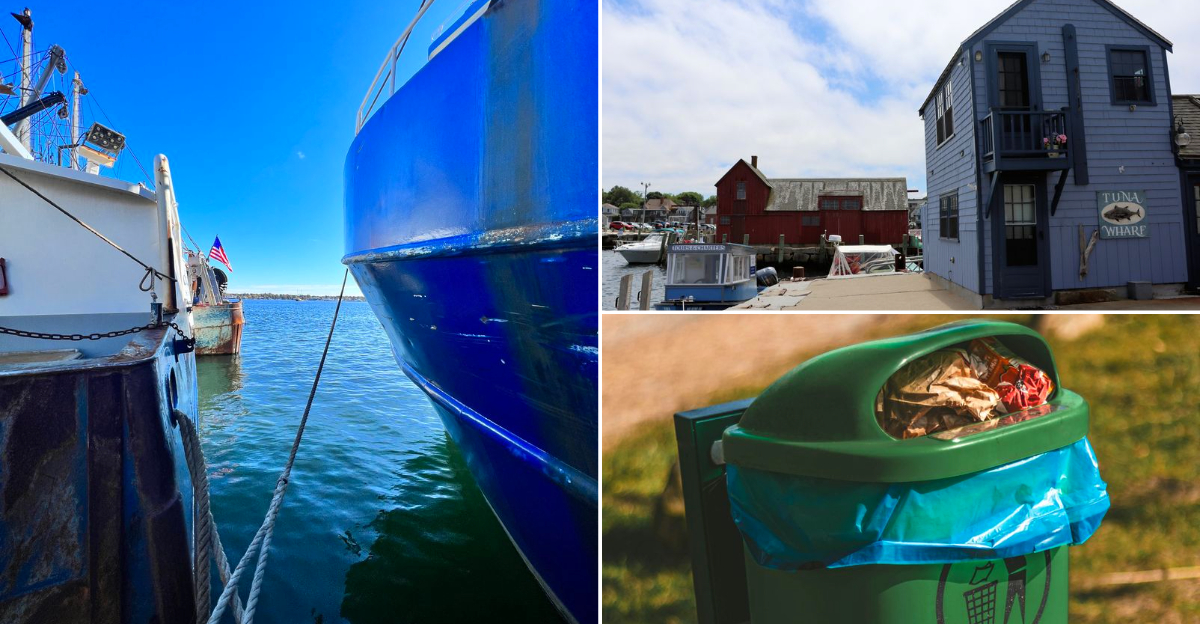
I thought I was in for a quiet harbor stroll until someone decided the railing was a stage and the seagulls were their audience. One minute you are breathing in salty air and watching boats drift by, and the next it feels like a street performance nobody asked for.
Massachusetts harbor walks have a way of starting calm and then spiraling into chaos when a few common behaviors pile up.
People crowd the best viewpoints, lean out for photos, feed birds like it is a petting zoo, and block the narrow paths with strollers, bikes, and long conversations.
What should feel like a slow, peaceful wander suddenly turns into a slalom course with background noise and flapping wings.
The harbor is still beautiful, but the vibe shifts fast when everyone forgets they are sharing the space.
1. Feeding Seagulls And Ducks Near The Railings
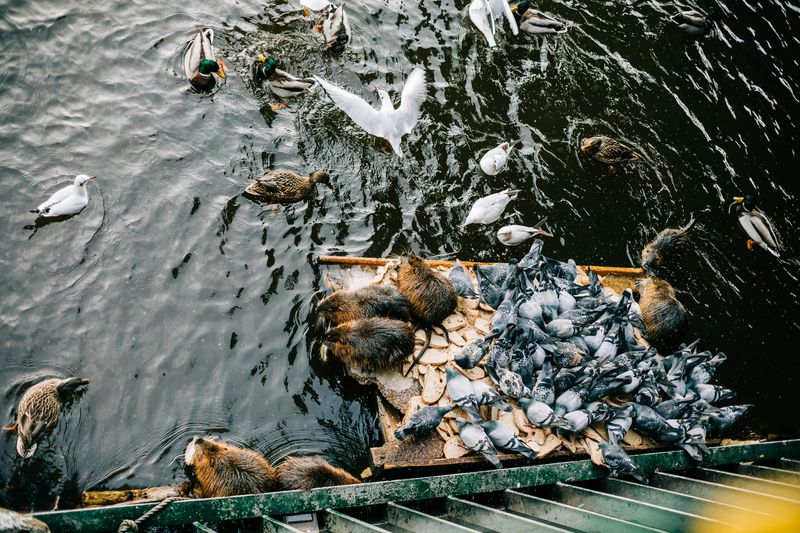
I get why it feels sweet to hand a crust to a duck, but it flips the whole harbor vibe in seconds. The gulls clock free snacks and suddenly everyone is flinching under wings and noise.
The railings along Gloucester’s Harborwalk or Newburyport’s boardwalk look like friendly perches, but they become launch pads the second food appears.
The birds sharpen up, crowd close, and stop behaving like wildlife.
There is also the mess that follows, because what goes up often splats right onto benches and coats. That is not the souvenir anyone hoped for.
Harbors here in Massachusetts post signs for a reason, and it is not to be a buzzkill. Feeding changes animal behavior and pulls them into risky run ins with people and boats.
If you have kids tugging your sleeve, try turning it into a little scout mission. Count species, spot banded gulls, or look for the quiet loon just outside the churn.
You keep the calm intact, and the birds keep their instincts.
Everyone walks away without a feathered mob circling the rail.
And honestly, you will hear the harbor again when the squawking eases. The slap of lines and the soft chatter return, and it feels like Massachusetts again.
So tuck the bread back in the bag. Save the snack for later, and let the harbor breathe.
2. Standing In The Middle Of The Path For Group Photos
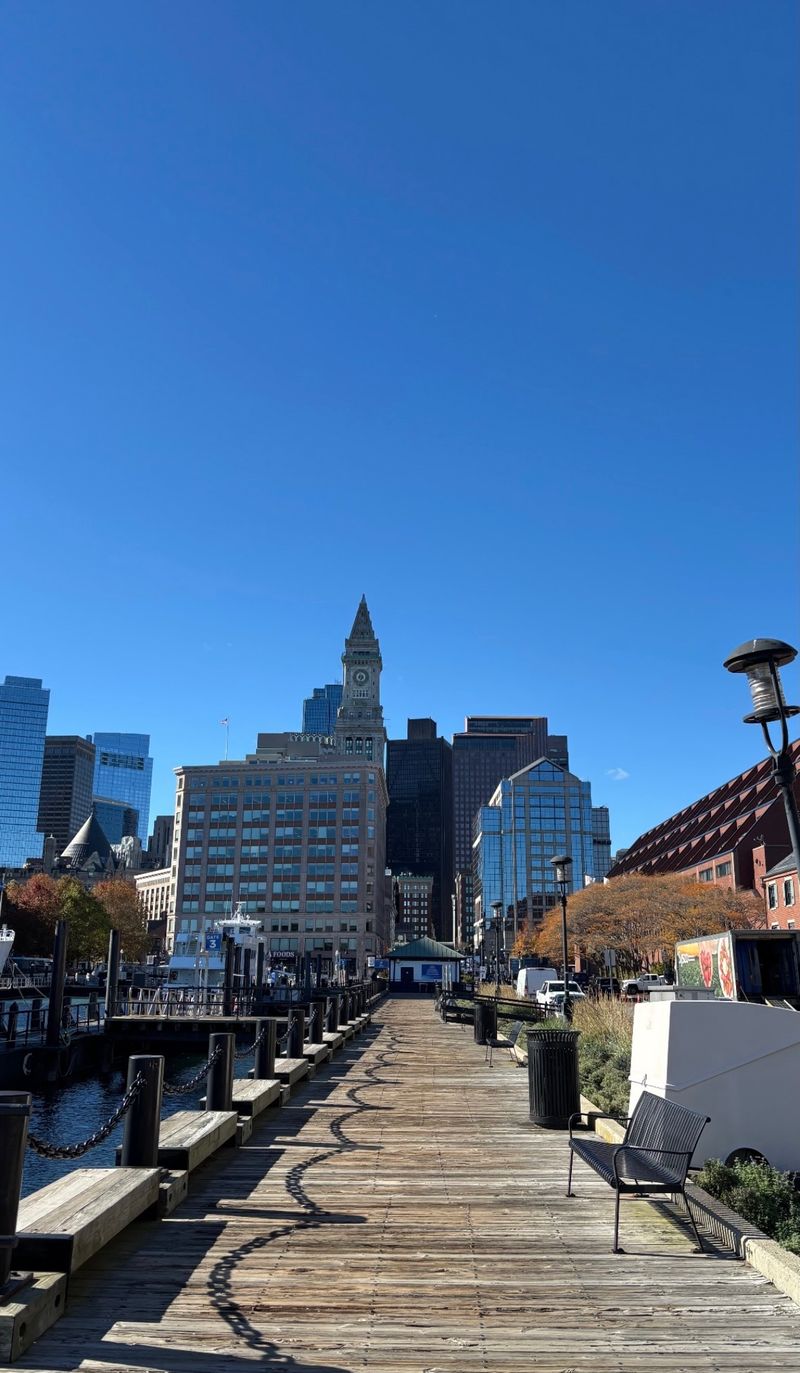
You know that slow accordion effect when one cluster stops for a group shot and the whole walkway compresses.
It is like the harbor holds its breath while strollers and dogs try to thread a needle.
On the Boston Harborwalk, the path narrows near bridges and museum ramps, and that is where the photo walls happen. The view is great, but the standing spot is terrible.
I am not saying skip the picture. I am saying shift six feet to a turnout or a pier bump out and the whole crowd keeps flowing.
There is usually a railing nook, a bollard row, or a short set of steps that reads like a stage. Use that micro stage and you will actually get a cleaner background too.
Ask a passerby fast, keep it to two frames, and you are golden.
You get the memory without becoming the main event.
And if someone else is mid group wrangle, a quick tap and a smile goes far. People handle cues better than glares.
This is Massachusetts, where the sidewalks tell you stories if you let them. Blocking them blocks the stories, and the pace that makes a harbor walk feel easy.
So frame the skyline, not the center line. Your future self will thank you when you remember the view and not the side eye.
3. Blocking Benches And Lookouts With Tripods And Gear
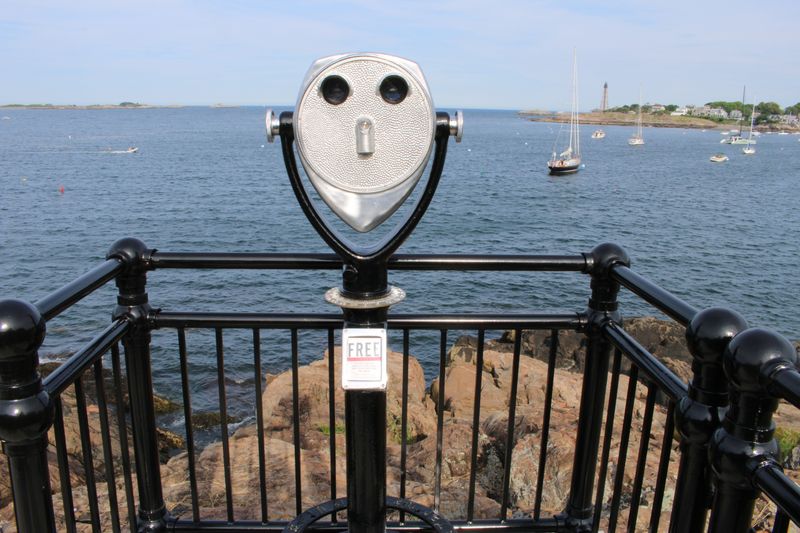
I love a steady shot as much as anyone, but tripods get bossy the second they spread legs near a public bench. Suddenly a shared lookout turns into a private studio.
Marblehead Harbor has those perfect little perches above the moorings, and the benches are small.
One tripod there and the sit space disappears.
Set up off to the side and angle in, and the composition usually improves. You dodge foot traffic, and nobody has to ask permission to sit.
If the wind is up, a weighted bag can hug the legs tight and keep you compact. That trick saves your gear and the vibe.
Short windows help too, because light changes fast and courtesy should not lag. Grab the shot, breathe, and clear the lane.
Photographers are part of the harbor rhythm, just not the whole song.
The lookout itself is the chorus and belongs to everyone.
Massachusetts harbors live on those stolen seated minutes facing open water. Do not steal them with gear creep.
Pack straps, fold legs, and slide a foot back. You will still get the frame, and the bench stays a bench.
4. Playing Music Out Loud On Speakers
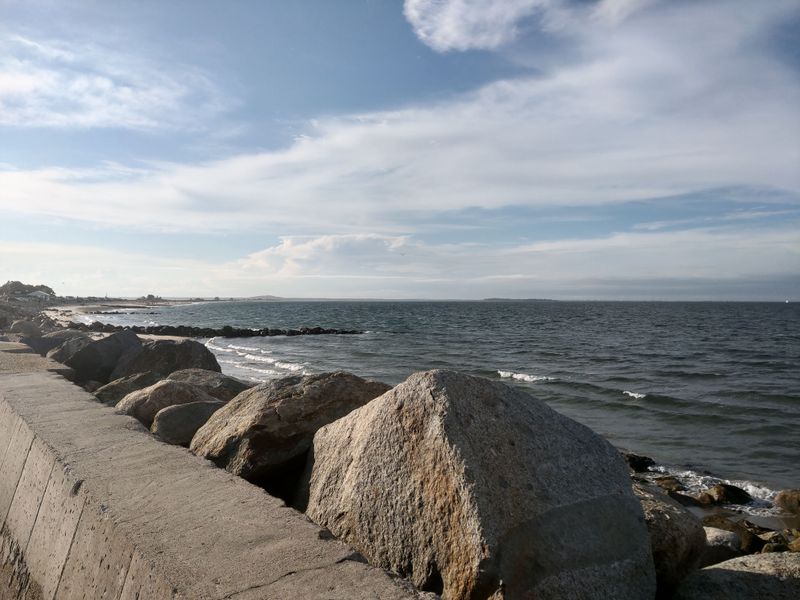
This one flips the mood fastest, because harbor soundtracks are already playing if you let them. Lines tapping masts, gull chatter, and hulls rubbing are better than any playlist on earth.
When someone hits play near Plymouth Harbor, the whole walkway inherits that choice.
Strangers end up sharing a vibe they did not pick.
Headphones exist for a reason, and the harbor is the poster child for them. Put the speaker away and keep the sound field local to your head.
If you want to share a song with a friend, slide over to the parking edge or a lawn. Keep the volume low and the clip short.
There are ceremonies, memorials, and quiet conversations happening feet away.
You will not know it until you drown them out.
Massachusetts waterfronts hold history in every piling, and it is audible when you are not blasting over it. Let the place be the headliner.
And yes, I carry tiny earbuds exactly for this situation. They weigh nothing and save a hundred side glances.
Harbor sound travels clean over water, so volume goes farther than you think. Keep it personal and the walk stays peaceful.
5. Letting Dogs Roam On Long Leashes Through Crowds
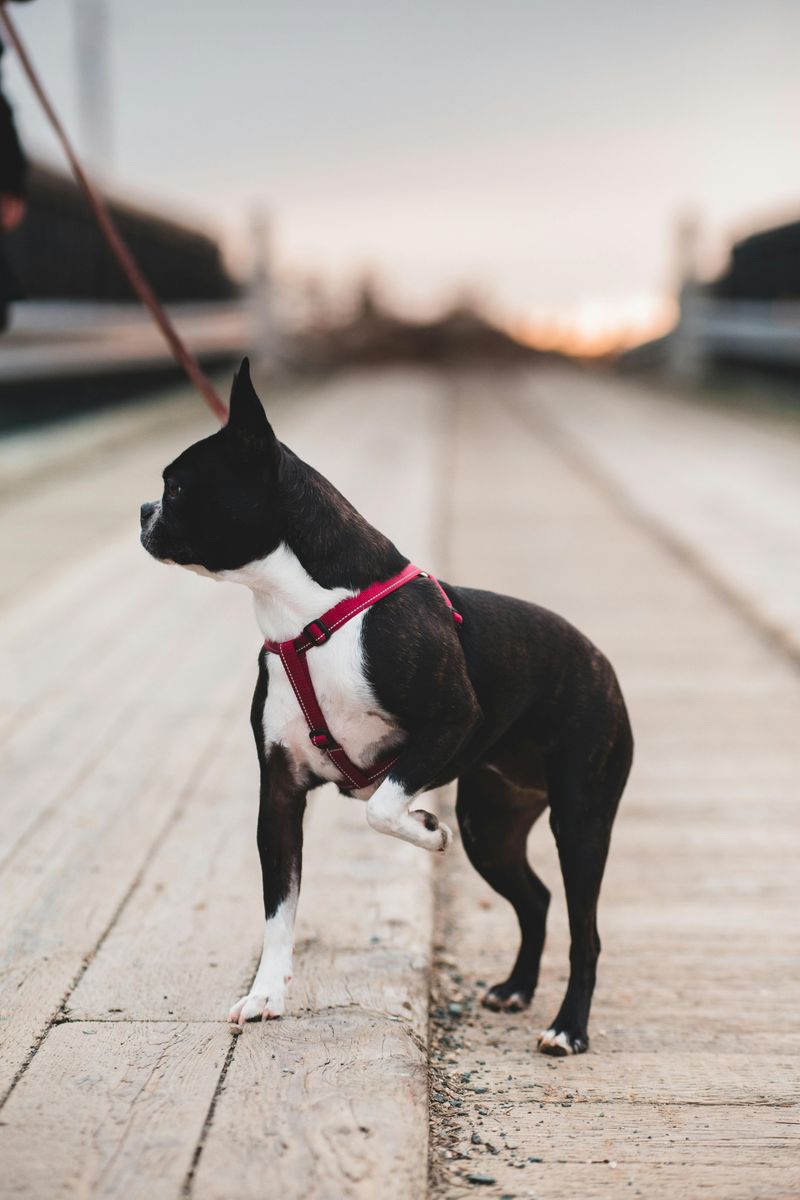
I love meeting dogs on a walk, but a long leash in a tight harbor lane turns into jump rope for strangers. One zig and you have ankles and stroller wheels in a knot.
Over in Salem’s Pickering Wharf, the turns get narrow near shop corners and dock ramps.
A long line there becomes a clothesline in seconds.
Keep it short enough that the pup stays beside your knee. You can always let out slack on a quiet pier spur.
Harbor railings sit inches from the drop, so a looping leash can snag or slip. That is a scary moment nobody needs.
Quick meet and greets work if both sides agree. Ask first, then let noses say hi and keep rolling.
Massachusetts paths often stack bikes, kids, and tour clusters.
A tidy leash keeps that whole mix from tangling.
Bring a pocket bag and a calm voice, and you are basically a hero out there. People notice the courtesy even if they do not say it.
Your walk gets smoother, your dog is safer, and the harbor stays friendly. That is the win you want.
6. Tossing Food Scraps Or Breadcrumbs “Just A Little”
The phrase just a little is doing a lot of heavy lifting here. A few crumbs teach every gull to patrol the wall like it is a buffet.
Once that cycle starts, the birds get bold and messy. People end up dodging drops and snaps along the rail.
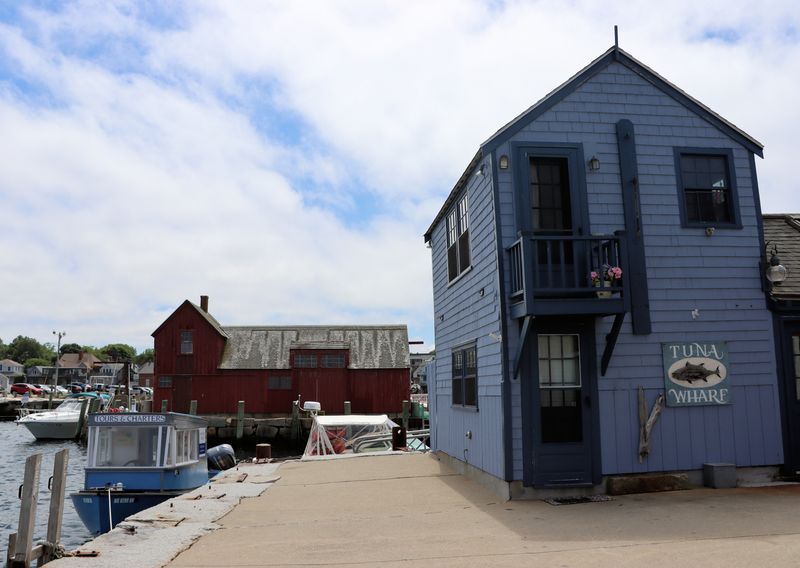
In Rockport near the Motif No. 1 dock, the wall is basically a runway.
Toss anything and the air fills with wings.
Keep the pocket snack in your pocket and enjoy the scene unbothered. Watch how fast the birds relax when nothing falls.
Wildlife feeding rules exist up and down Massachusetts harbors, and rangers really do enforce them. More importantly, they protect the animals from bad habits.
If you want interaction, do the quiet kind. Spot a cormorant drying wings or a seal head popping up between moorings.
Those moments land better in memory than a flurry of beaks.
You also spare your jacket an airborne surprise.
Harbors have their own rhythm that food scraps scramble. Let the water take back the soundtrack, and keep the rail clear.
7. Cutting Through Planters, Dunes, Or Roped-Off Areas
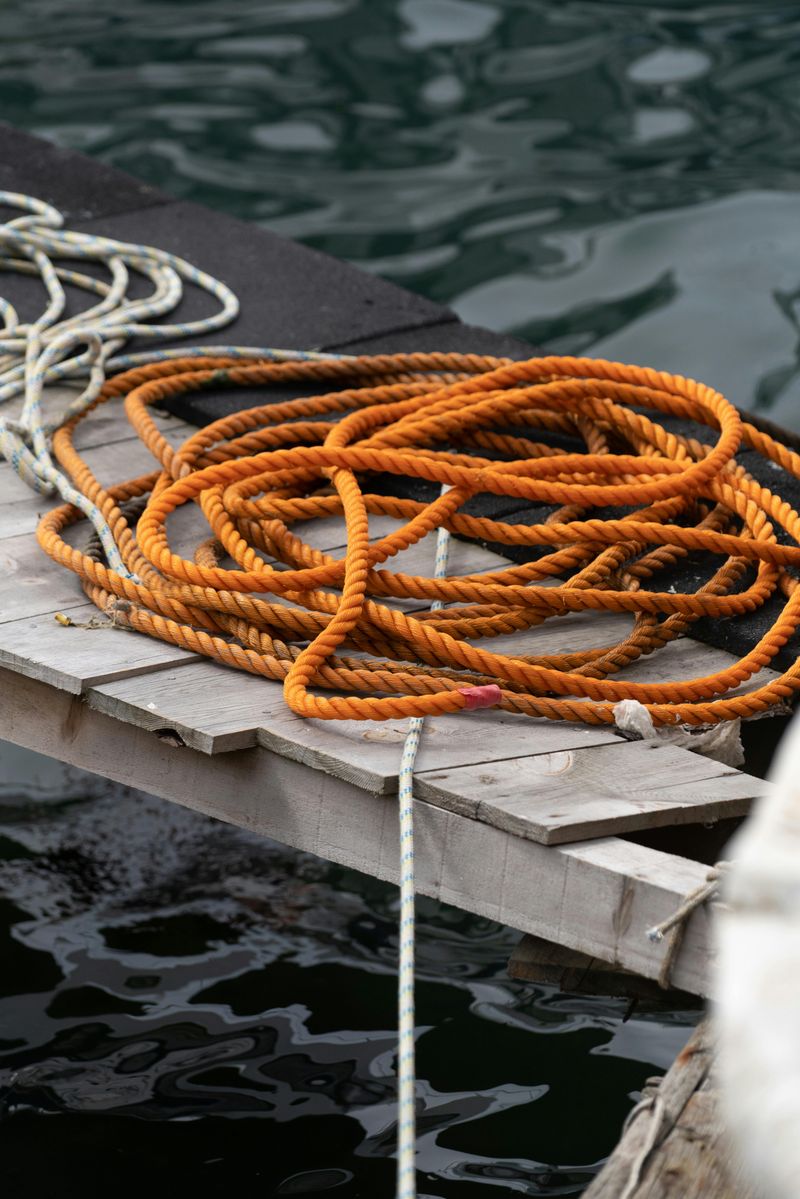
The shortcut temptation is real when a crowd builds near a kiosk. Step over a rope and you have got a new dirt scar by sunset.
Those planted pockets in places like Provincetown’s waterfront and Hull’s bayside walks are not decoration.
They are armor against storms and foot traffic.
Sand holds only if the plants hold. Break the stems and the whole edge slumps after heavy weather.
I try to read ropes as gentle walls, not suggestions. If a path looks too easy, it is probably a rescue zone for the land.
Massachusetts spends real energy nursing these strips back to health. Let them work by keeping shoes off the greens.
You still make time by using the actual curve of the walkway.
Plus it looks better in photos when the edge stays wild.
If someone drifts toward the rope, a soft heads up usually works. People do not always notice the signs until you point.
Keep the dunes intact and the harbor holds its shape. That is future proofing disguised as manners.
8. Leaning Over Railings To Film Boats In Tight Spots
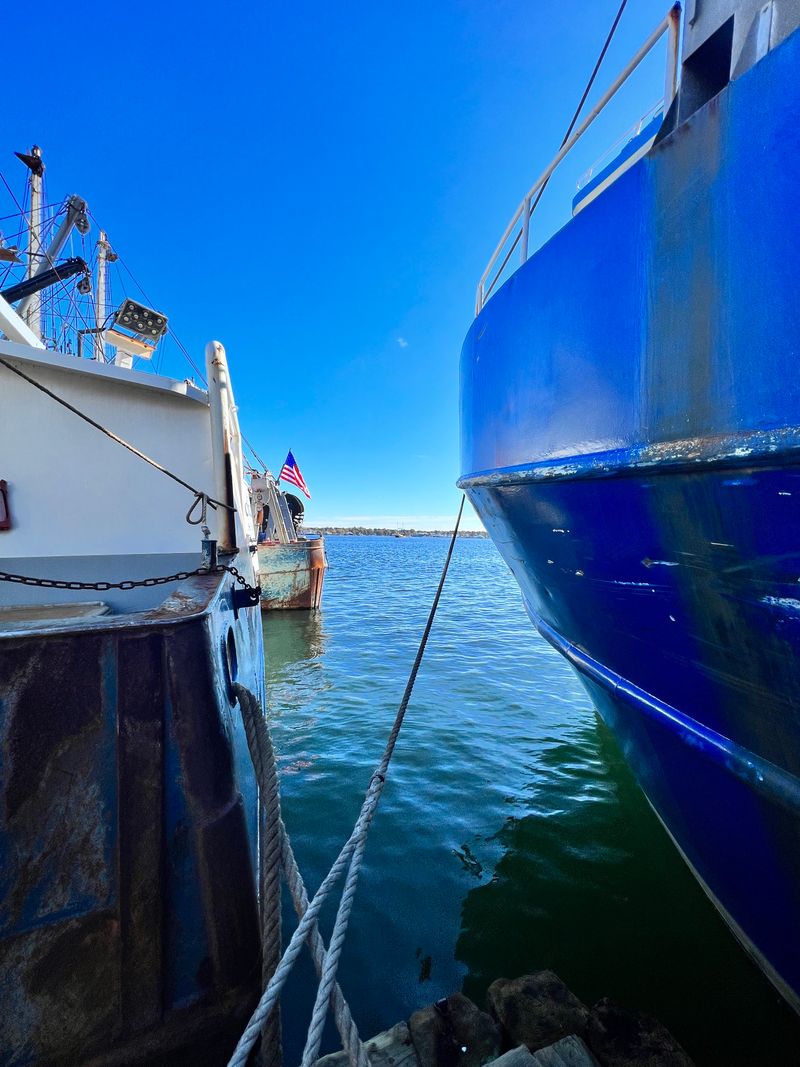
I get the rush when a big boat glides inches from the pier. The camera comes up and suddenly bodies angle into weird gravity over the rail.
In New Bedford near the working piers, the gaps are slim. One sway and you brush metal or worse.
Stay square to the railing and keep elbows in. You still get the shot when the bow fills the frame.
There is also the simple fact that crews are busy lining up tides and traffic.
Extra limbs in the zone make that job harder.
Massachusetts working harbors are not theme parks, and they move fast. Respect the rail like it is a boundary that matters.
If the view is blocked, step back and find a safer angle. Sometimes the best clip starts ten feet away on solid ground.
You will feel steadier, and your video will not wobble with adrenaline. Your phone stays out of the drink too.
Harbor drama is better watched than reenacted. Let the boat thread the needle while you anchor yourself.
9. Leaving Cups, Napkins, Or Takeout Trash On The Wall “For A Second”

The wind near water has opinions, and it loves a loose napkin. That one second on the wall turns into a chase scene or a floating mess.
Down by Quincy’s Marina Bay boardwalk, the breeze funnels between buildings. That is where cups roll like tiny bowling balls toward the tide.
It is not about perfection, just quick decisions. Hold it, pocket it, or walk the extra steps to a bin.
Most harbors in Massachusetts place cans at regular intervals like breadcrumbs.
Find one and you are done in twenty strides.
There is real satisfaction in leaving a spot cleaner than you found it. It changes the temperature of the crowd around you.
If a napkin escapes, sprint and make it a small win. People usually cheer in their heads, and you will feel it.
The water is working hard enough without snack wrappers. Keep the ledge clear and the view stays honest.
It is a tiny habit that pays off all day. Your hands stay light, and the harbor breathes easier.
10. Riding Bikes Or Scooters Too Fast In Pedestrian Zones
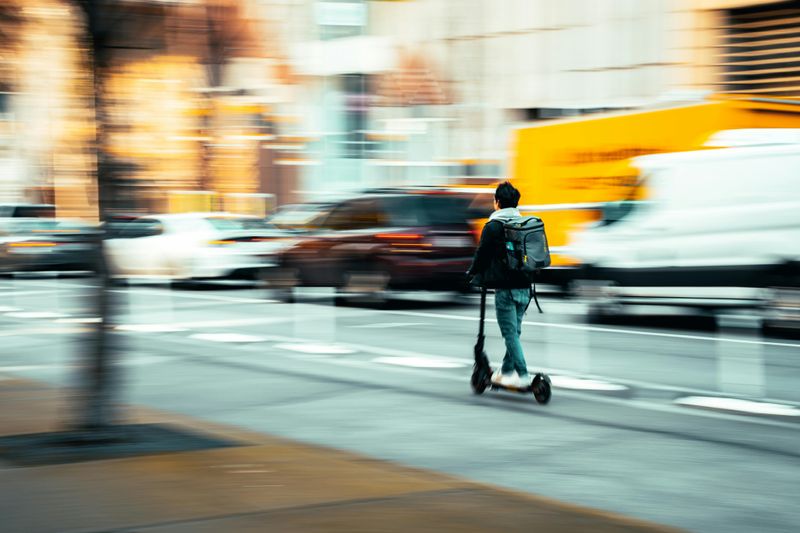
Shared paths only work if the shared part is real. Speed turns a mellow stroll into a dodgeball match with wheels.
On the Seaport stretch of Boston Harbor, the line between bike lane and foot lane gets fuzzy. That is where near misses stack up fast.
Dial it down to conversational pace and ring a bell early.
A simple on your left solves most of the tension.
If it feels crowded, step off and walk a minute. You lose almost no time and you gain goodwill.
Massachusetts cities post gentle reminders, but the culture sets the tone. When riders model patience, walkers relax and space opens.
Night rides need lights and extra margin. Reflections off the water can hide potholes and curbs.
I ride too, and the best trips are the unremarkable ones.
No drama, no skids, just a clean glide beside the harbor.
Slow is smooth out here, and smooth is fast enough. The skyline looks better when everyone is upright.
11. Forming A Sudden Tour Group Stop That Bottlenecks Everyone
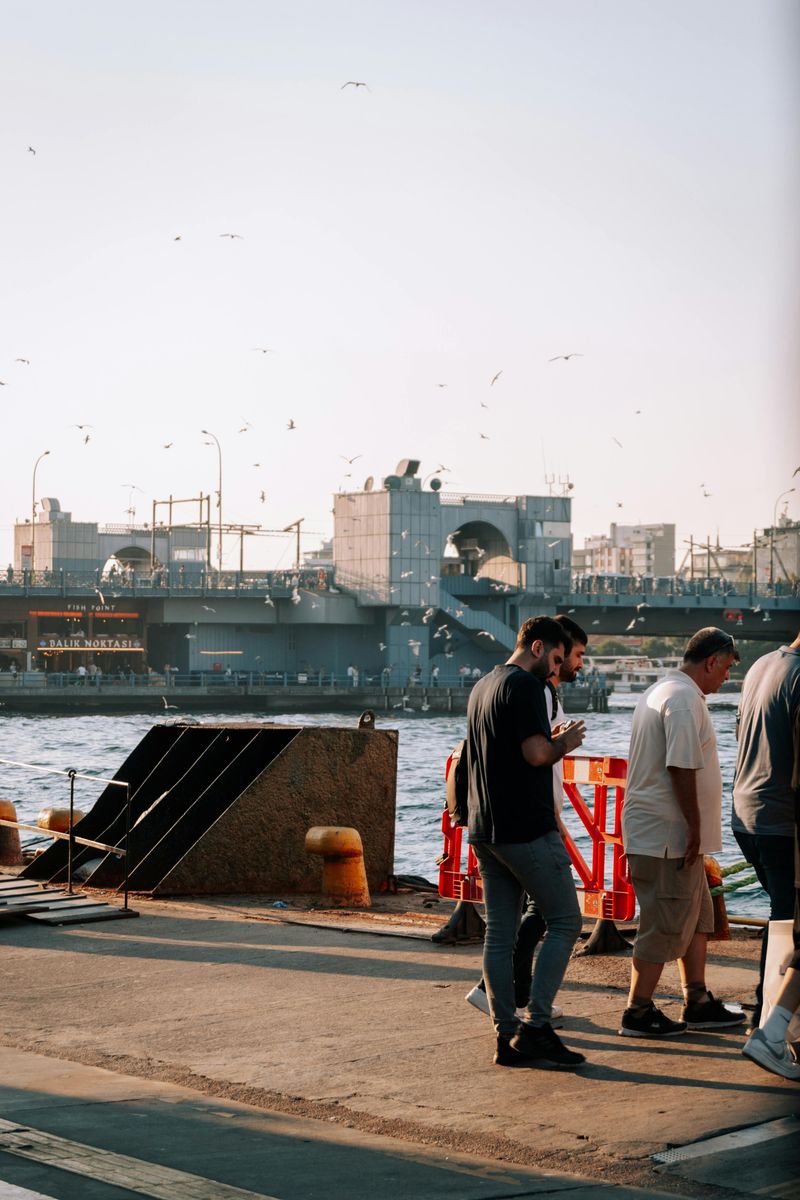
You can spot this from a hundred feet because the flow just seizes. A guide lifts a hand, the group circles, and the rest of us stack like dominoes.
Along the Newburyport waterfront or down by Charlestown Navy Yard, the paths pinch.
A sudden stop there is a full barricade.
It is an easy fix if the pause moves to a plaza corner or a pier spur. People can pass, and the talk does not lose a beat.
Guides usually know the choke points, but sometimes the story gets good.
A quick slide sideways saves the moment and the walkway.
Massachusetts waterfront history is dense, and I love hearing it. I just do not love hearing it while I am pinned to a railing.
If you find yourself in a group, leave a shoulder of space open. You will feel the whole path exhale when someone slips by.
The harbor works best as a braid, not a knot. Keep strands moving and the scene feels generous again.
We all get the story and the stroll back. That is the sweet spot every harbor deserves.
Dear Reader: This page may contain affiliate links which may earn a commission if you click through and make a purchase. Our independent journalism is not influenced by any advertiser or commercial initiative unless it is clearly marked as sponsored content. As travel products change, please be sure to reconfirm all details and stay up to date with current events to ensure a safe and successful trip.
