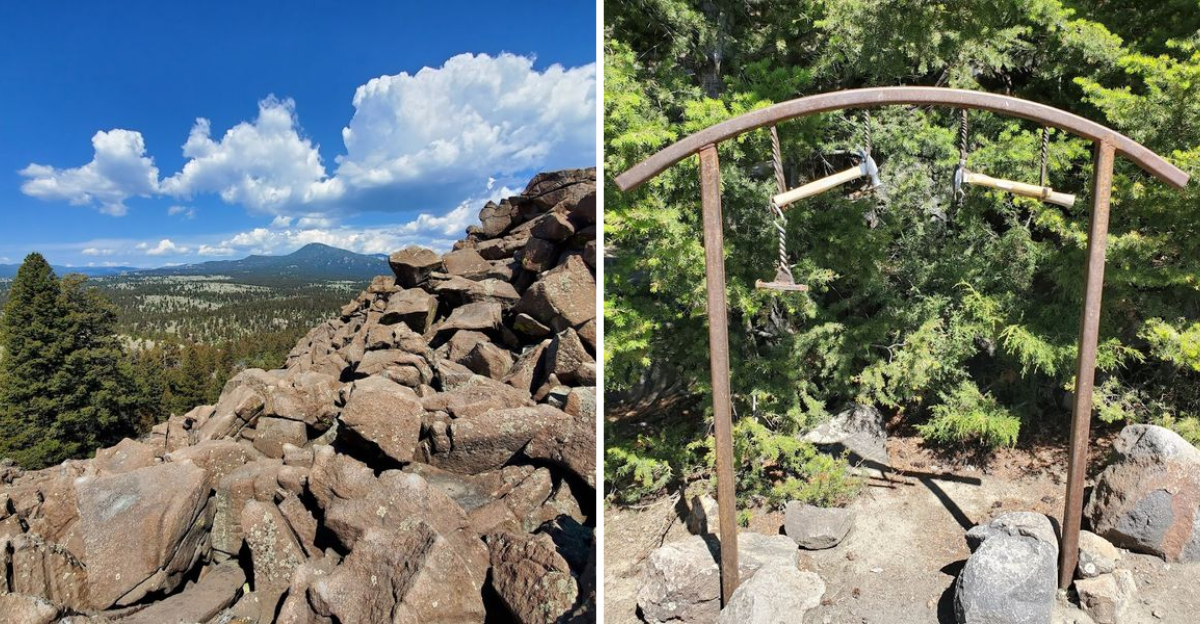
Tap a rock with a hammer in this Montana boulder field and it rings like a bell. Not a dull thud.
A clear, resonant chime that echoes across the open hillside. I had heard about it from a friend who described it as one of the strangest things she had ever experienced outdoors. The moment I heard it myself, I completely understood.
Located on public land near a small town, this place makes you question everything you thought you knew about rocks. It feels less like a geological site and more like a natural instrument waiting to be played. Curious traveler, geology fan, or just someone who loves weird discoveries, this place delivers.
What Exactly Are the Ringing Rocks and Why Do They Ring?
Most rocks just sit there. These ones sing back.
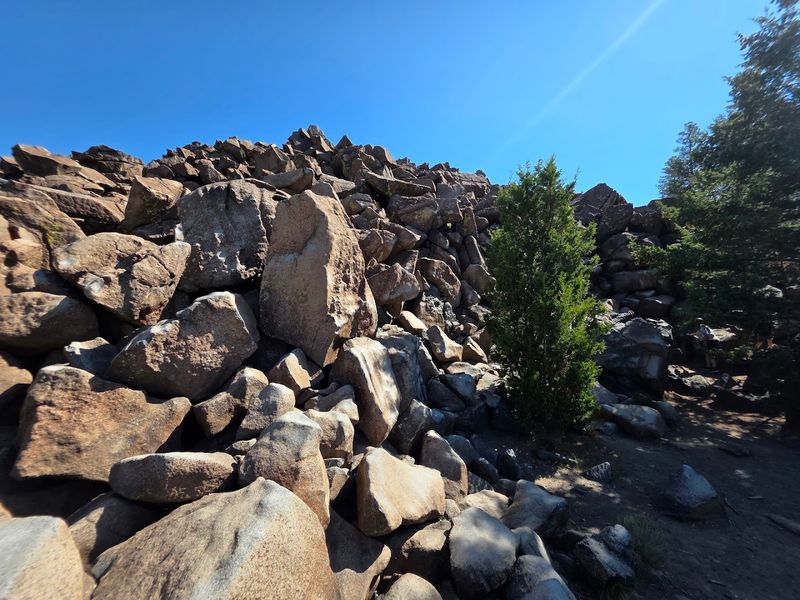
The Ringing Rocks near Whitehall, Montana, are a boulder field made up of olivine pyroxene monzonite, a dense and crystalline igneous rock formed from magma that mixed deep underground roughly 76 million years ago.
The magma was a blend of olivine basalt and granitic material, and when it cooled, it created something unusually hard and resonant. The iron content in these rocks sits at around 7 percent, which contributes to their remarkable acoustic properties.
When you tap one of these boulders with a hammer, it does not thud or clunk the way you might expect. Instead, it rings out with a clear, bell-like tone that carries across the hillside.
Different rocks produce different pitches, and even different spots on the same boulder can create different sounds.
Scientists believe the combination of the rock’s dense crystalline structure and the way the boulders are stacked with air pockets between them creates a natural resonating chamber. Think of it like the hollow body of a guitar amplifying sound.
The whole field essentially becomes one giant instrument when visitors start tapping around.
Getting There: The Road to Ringing Rocks Recreation Area
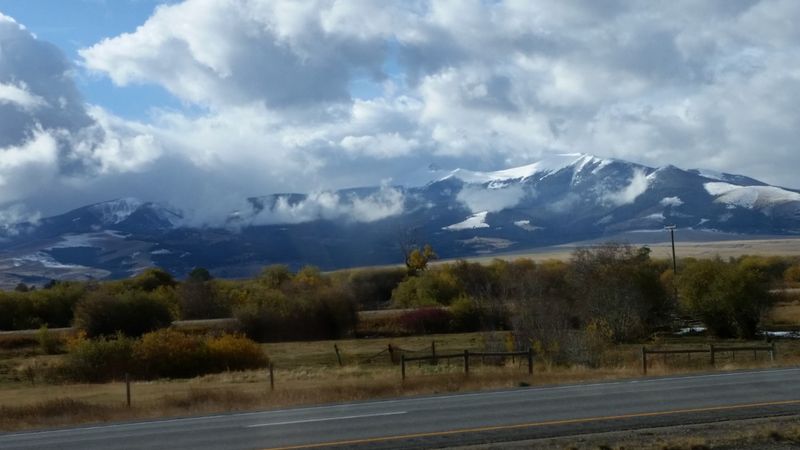
The drive out to Ringing Rocks is part of the adventure. You take Exit 241 off Interstate 90, which is the Pipestone exit, and from there you follow a gravel road north toward the site.
The BLM established this as an official recreation area back in 1964, so there is a designated access route, but do not let that fool you into thinking the road is smooth.
The last stretch gets noticeably rougher. A 4WD vehicle or a high-clearance SUV is genuinely recommended, especially after rain when the gravel can get slippery and soft.
I made the trip in a standard sedan once and spent the final quarter mile holding my breath over every rut.
The good news is that there are no entry fees and the area is open year-round, weather permitting. Montana winters can make access tricky between November and March, so spring through fall tends to be the sweet spot for visiting.
The drive from Butte takes roughly 25 to 30 minutes depending on road conditions.
Once you park and step out, the landscape opens up around you. The high desert scrub and distant mountain views set the scene perfectly before you even hear your first chime.
The Science Behind the Sound: A Mystery That Geologists Still Debate
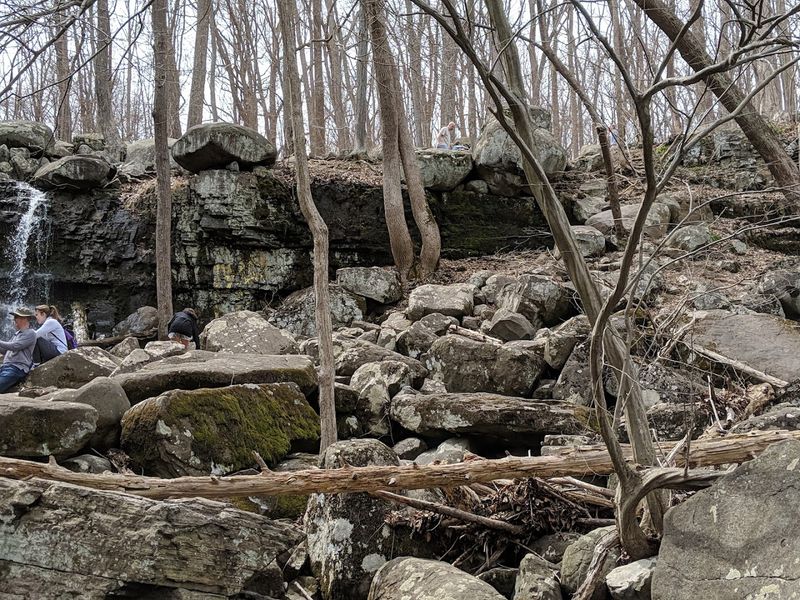
Here is the part that makes the Ringing Rocks genuinely fascinating even beyond the fun of tapping them: nobody has fully cracked the science yet. Researchers have studied similar ringing rock sites around the world, including one in Pennsylvania, and the leading theories point to a combination of factors rather than one single cause.
The dense, crystalline nature of the rock allows sound waves to travel through it very efficiently. That much is fairly well understood.
But the arrangement of the boulders matters just as much as the rock itself.
Over millions of years, uplift and erosion broke down massive rock formations on this hillside. Freeze-thaw cycles during the last ice age then shattered those formations into the boulder field you see today.
Smaller debris got flushed out over time, leaving behind large rocks suspended against each other with air gaps in between.
Those air gaps act like the hollow chamber inside a drum or a guitar body, amplifying and sustaining the tone when a boulder is struck. The truly strange part is that if you remove one of these boulders from the pile, it stops ringing almost entirely.
The arrangement itself seems to be part of what makes the sound work, which is why the whole field must stay intact.
Bringing a Hammer: The One Thing You Should Not Forget
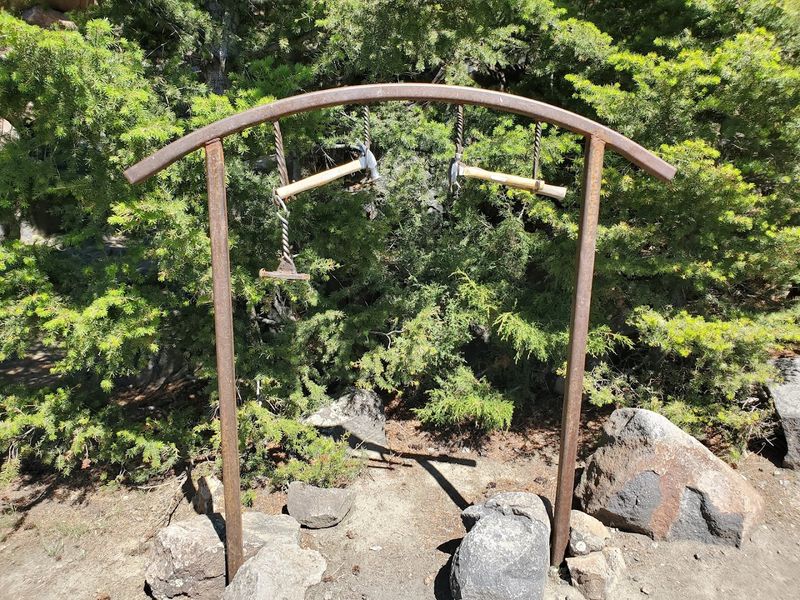
Packing a hammer for this trip is not optional. It is genuinely the whole point.
Without one, you are essentially standing in a rocky field wondering what all the fuss is about. With one, you are suddenly a musician playing nature’s weirdest instrument.
A standard steel-headed hammer works perfectly well. Some visitors bring rubber mallets to get a slightly different tone, and honestly, experimenting with both is worth it if you want to hear the range of sounds these rocks can produce.
The experience of moving from boulder to boulder, tapping each one and listening for its unique pitch, is oddly meditative. Some rocks give a deep, low gong-like resonance.
Others ring out with a sharp, high-pitched chime that genuinely sounds like a bell being struck. A few produce tones that remind you of a train whistle echoing in the distance.
Kids absolutely love this, and adults tend to get just as absorbed once they start. There is something playful and almost childlike about wandering through a field of rocks, tapping each one to see what note it holds.
Just remember that removing rocks is illegal and the BLM asks that visitors leave everything exactly as they found it, both to protect the site and to preserve the ringing for the next visitor.
The Geology Underneath: A 76-Million-Year-Old Volcanic Secret
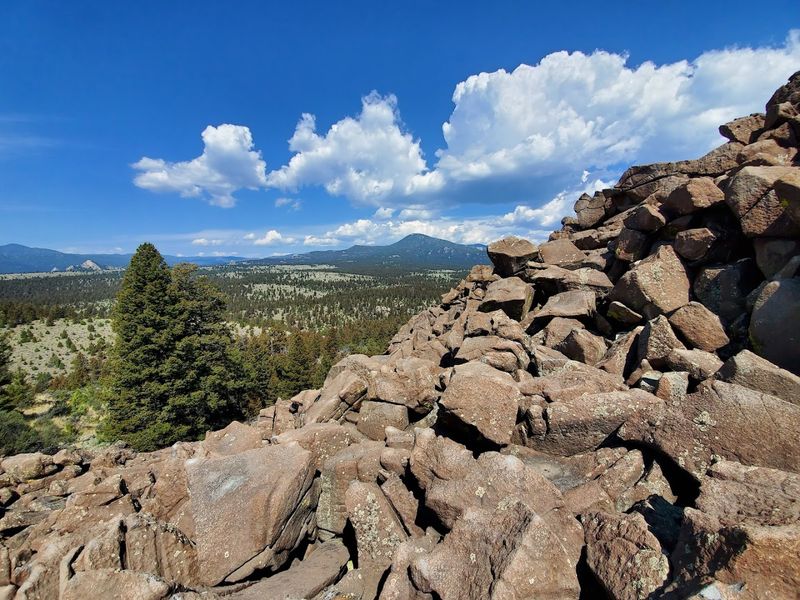
Beneath the boulder field lies one of the more quietly remarkable geological stories in Montana. The Ringing Rocks sit directly above what geologists call the Ringing Rocks Pluton, which is essentially the deep-seated vent of an ancient volcano that erupted 76 million years ago during the late Cretaceous period.
At that time, dinosaurs still roamed the landscape that would eventually become Montana. The magma that fed this volcanic system was a hybrid mix of olivine basalt rising from deep in the mantle and granitic magma from the surrounding crust.
When those two very different magma types mixed, they created the unusually dense and crystalline rock that now makes up the boulder field.
The result is a rock type called olivine pyroxene monzonite, which is not something you encounter at just any trailhead. Its high iron content and tight crystalline grain structure give it properties that most surface rocks simply do not have.
The pluton itself sits on the southwestern flank of Dry Mountain in Jefferson County, which gives the site its slightly elevated, open-sky feel.
Understanding that history makes the experience feel bigger. You are not just tapping rocks.
You are making music out of ancient volcanic material that has been sitting here since before humans walked the earth.
What to Expect When You Visit: Practical Tips for First-Timers
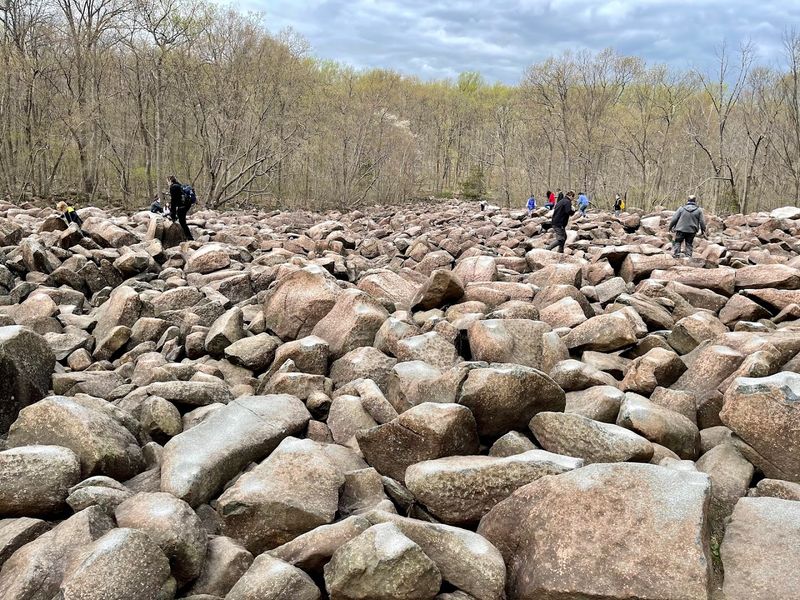
First-timers often arrive expecting a small cluster of a few boulders and leave surprised by the scale of the field. The Ringing Rocks site covers a substantial area of hillside, and the boulders range from small enough to step over to massive formations that tower above your head.
Plan to spend at least an hour here, maybe more if you really get into the tapping.
Wear sturdy footwear. The ground between boulders is uneven, and some gaps between rocks are wide enough to twist an ankle if you are not paying attention.
Hiking boots or trail shoes are a much better call than sandals or sneakers.
There are no restroom facilities at the site, so plan accordingly before you leave the highway. There is also no shade to speak of, which means sunscreen and a hat are genuinely important during summer visits when the Montana sun hits hard on open terrain.
Bring water, snacks, and your hammer. Cell service can be unreliable out here, so download offline maps before you head out from Butte.
The site is free, uncrowded on most weekdays, and has a quiet, off-the-beaten-path energy that feels refreshingly unhurried. Weekends in summer bring slightly more visitors, but it never gets so crowded that it loses its charm.
Why Ringing Rocks Deserves a Spot on Every Montana Road Trip
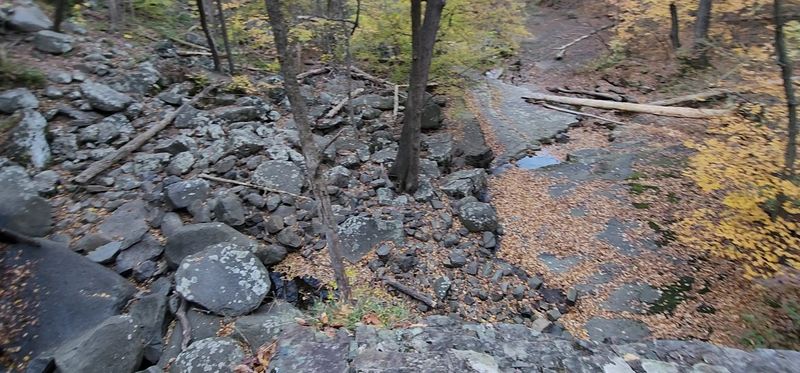
Montana is full of dramatic landscapes, but Ringing Rocks offers something genuinely different from a scenic overlook or a waterfall hike. It is interactive in a way that most natural sites simply are not.
You are not just observing the geology here. You are participating in it.
The site sits conveniently right off I-90, making it an easy add-on to a road trip between Butte and Bozeman. The detour from the highway takes maybe 30 to 40 minutes including drive time, which is almost nothing compared to the story you will be telling for years afterward.
There is also something genuinely humbling about a place that science has not fully explained. In a world where most natural phenomena have been cataloged and categorized, a field of rocks that rings like bells and loses that ability the moment you move one boulder away from the others feels like a small, quiet mystery worth protecting.
I came back a second time with family members who had never heard of the place, and watching their faces when that first chime rang out across the hillside was every bit as satisfying as my own first visit. That reaction, part surprise and part pure delight, is exactly why places like this matter.
Address: Pipestone Exit 241, I-90, Whitehall, MT 59759
