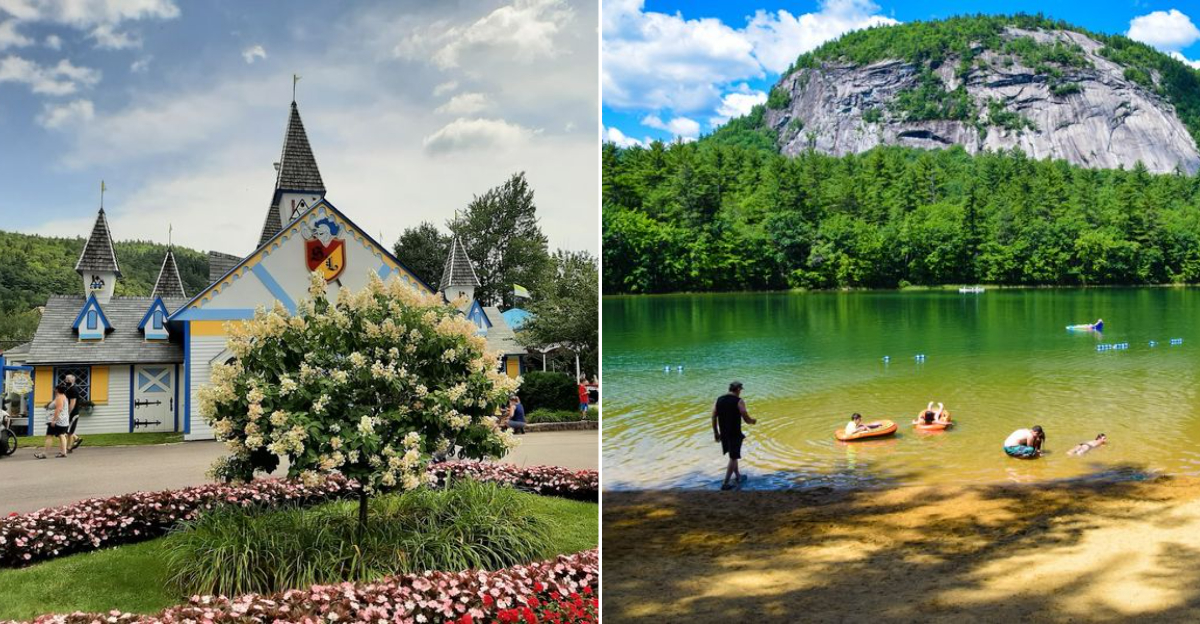
Have you ever driven through a picture-perfect mountain town and wondered how long it can stay that way? That question is weighing heavily on several small villages scattered across New Hampshire’s White Mountains.
These were the places you used to visit to hear nothing but a distant brook and the crunch of your own boots on fallen leaves. But lately, the sound of idling engines and weekend rental parties has started to drown out the quiet.
Short-term rentals are multiplying like wild mushrooms after a rain. Parking spots have become a battlefield.
The narrow two-lane roads that once felt charming now feel choked with traffic. Locals who have spent their whole lives there whisper about losing the very peace that made their homes special.
Some villages are considering caps on vacation rentals. Others are simply begging visitors to slow down and tread lightly.
The mountains are still beautiful, make no mistake. But beneath the postcard views, something fragile is slipping away.
So before you plan your next leaf-peeping road trip, you might want to know which towns are hanging on by a thread. The answer could change where you decide to stop for the night.
1. North Conway
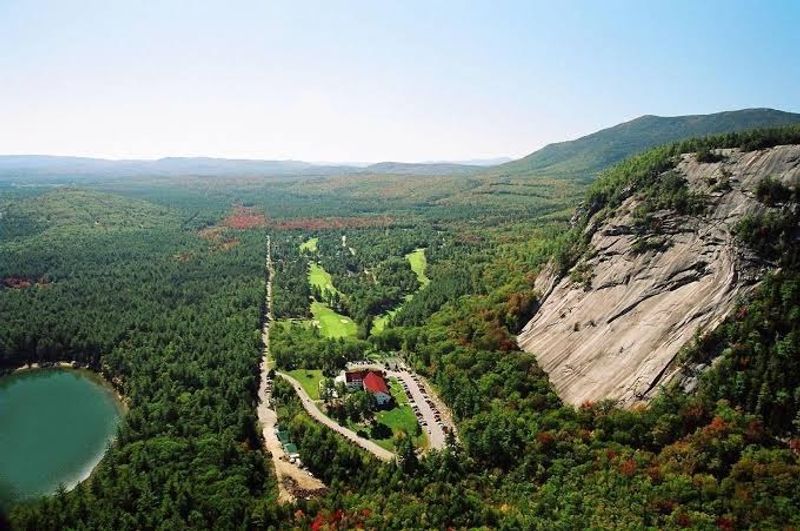
There is this moment on the main drag when you realize the mountains did not get louder, the town did. Traffic creeps past familiar storefronts, and you feel that old retreat vibe thinning with every tour bus and rooftop cargo box.
Locals still nod hello, but it takes effort across crosswalks busy enough to feel like a game you never meant to play.
Weekends stretch into a blur, and the parking lots stretch even farther, which sounds fine until you try to run one errand after work. Trails that used to feel quiet now echo with group chats, and that tiny pullout by the river is rarely empty anymore.
You can still find calm if you push past the first mile, though the line of cars behind you might make that choice for you.
What gets people here is exactly what frays the edges, right? Shops thrive, yet neighbors trade small talk about rent jumps and new noise at late hours that never used to be a thing.
You want it both ways, a town alive but not overwhelmed, a gateway that behaves like a home. North Conway still holds that promise, but the margin feels thinner with each packed weekend, and the quiet hours feel like a guarded secret.
2. Lincoln
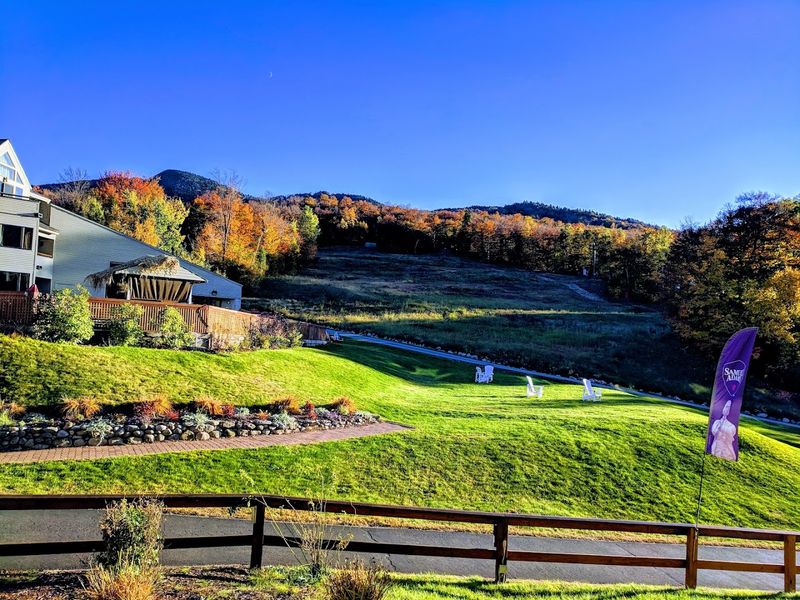
If you have ever rolled into town after a long drive, you know that first deep breath by the mountains feels earned. Lately, the second breath is a scan for parking, and the third is a scroll through listings that seem to vanish before you tap.
The old mill bones are still here, but the rhythm has shifted to a calendar that runs on peak weeks and quick turnarounds.
Neighbors used to be the folks you saw at the gas station every morning, which sounds quaint until you realize you miss that predictability. Short stays keep windows lit and sidewalks busy, yet the lights switch faces so fast that street names carry more continuity than the mailboxes below them.
You can still chat with the clerk who remembers family names, but that memory gets lonelier each season.
What do you do when a place becomes a brand more than a hometown? The slopes and trailheads are magnets, and the magnet pulls on the housing market in ways you feel in the checkout line and at school events.
It is not about gatekeeping, it is about holding on to the threads that made ordinary days feel worthwhile. Lincoln still earns that first deep breath, but the second now comes with a sigh you never planned to carry.
3. Jackson
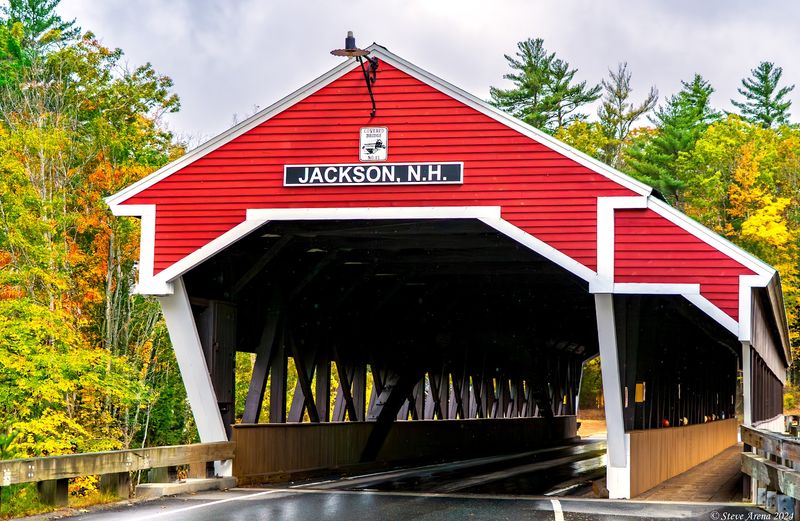
You cross that little covered bridge and the whole scene whispers, slow down, you are home. Then the turn into town comes with delivery vans, luggage carts, and a phone snapping the same view from three angles before the light changes.
The postcard is still perfect, yet the scale of living inside it feels tighter than it used to.
Folks talk about prices in hushed tones, but the hush does not soften the math. Homes that once held multi generational stories now hold calendars and keypad codes, and the neighborliness that warmed winter nights can get replaced by quiet driveways and weekend headlights.
Trails nearby carry laughter, which is great, though the lot fills before the sun burns off the mist.
Is there a way to keep that easy hello without losing the peace that made the hello matter? You want to cheer for every thriving inn and still worry about who gets to stay year round.
The best mornings are still here, prismatic and kind, and the village green still hosts small moments that feel like memory anchors. Jackson remains lovely beyond language, yet the balance feels like a rope bridge these days, swaying with every booking and every goodbye.
4. Franconia
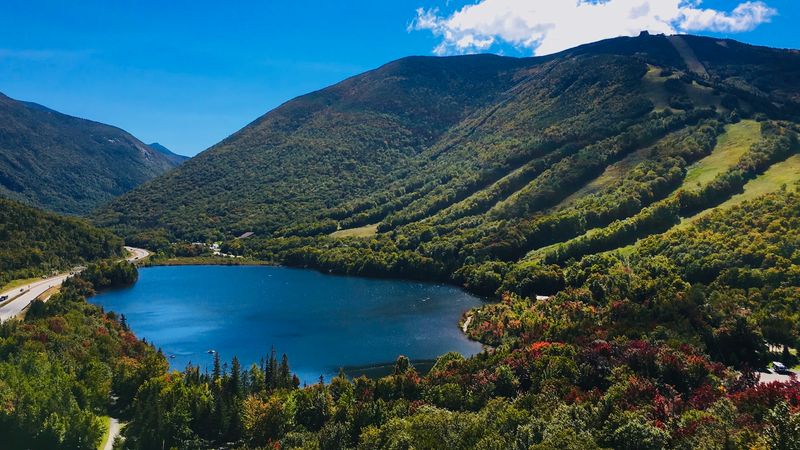
On clear days the mountain looks close enough to touch, and that view is a promise that keeps getting renewed. The thing is, the promise now brings convoys that roll through like tides, washing in for bluebird weather and vanishing just as fast.
You wave anyway, but it can feel like waving from a platform as trains pass without stopping.
Season after season, trailheads bristle with poles and packs, while the town center cycles between buzzing and hushed. That rhythm once felt balanced, but lately the quiet spells feel less like rest and more like absence.
Longtime neighbors talk about seeing each other less, not from a fight, just from the steady pull of second homes and seasonal routines.
How do you keep a hometown feeling when the headcount tilts with the forecast? Shops survive the peaks, yet day to day life needs steady faces and shared errands, not just weekend flourishes.
The mountain is steadfast, and that helps, but human steadiness is what knits a place. Franconia still holds onto that thread, though the stitch takes work now, and every new arrival means finding a way to fold them in without losing the pattern.
5. Sugar Hill
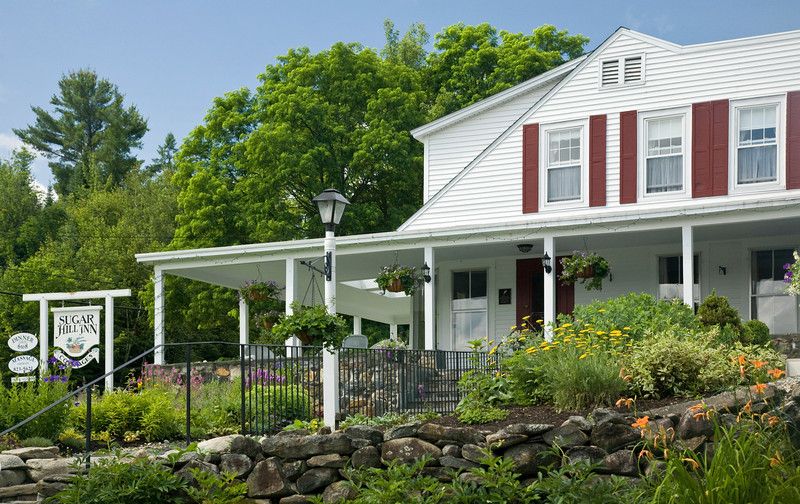
There is a stretch of road where the fields bloom like a full body exhale, and you remember why people fall hard for this place. Lately, though, the blooming weeks bring caravans of tripods and timelines, and the pullouts brim with rental plates.
It is hard to blame anyone for chasing beauty, but the chase pushes daily life to the shoulder.
Porches still face the mountains, though the voices you hear on summer nights change as often as the weather. The calendar clicks forward, and keys change hands, and whole months pass where the porch lights glow without much neighborly overlap.
That revolving door creates tiny gaps where friendships would have grown, the kind that start with a wave and end with borrowed tools.
Can a place stay intimate while welcoming the world to its roadside bloom? It helps to arrive early, to speak softly on trails, and to remember the flowers are not just a backdrop but a living scene with roots.
This is New Hampshire through and through, proud and quietly generous, and it feels good when visitors match that tone. Sugar Hill still casts a gentle spell, but it needs time between the photos to breathe like a village again.
6. Gorham
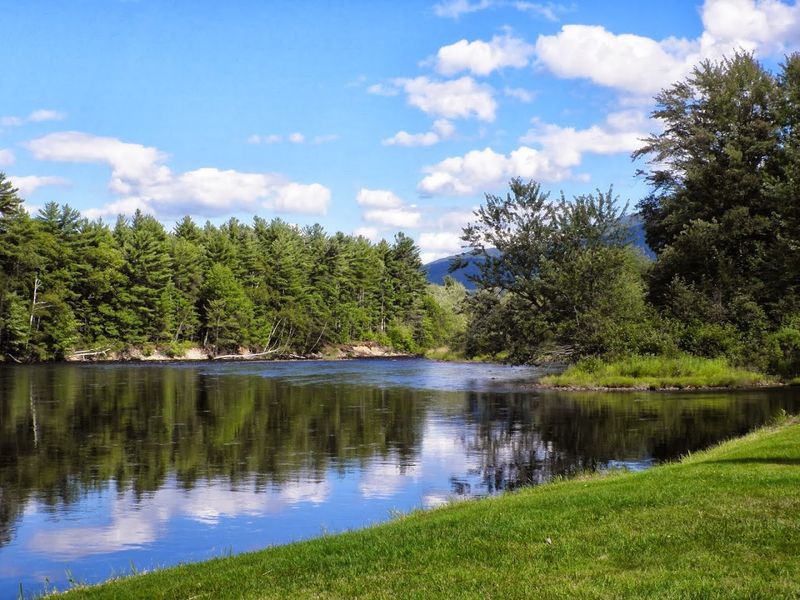
Drive through on a weekday and you can still feel the heartbeat of a working town, steady and unfancy. Then a busy weekend hits, and every trailhead east of town becomes a queue, which spills back into neighborhoods that used to sit quiet.
It is not a complaint so much as a recalibration, because daily life ends up negotiating with itineraries.
What makes it tough is the slow drift in housing, where families who have been here forever suddenly face choices that do not feel like choices. That generational thread matters in New Hampshire, and when it frays, the entire fabric loses texture.
Business owners welcome the rush, sure, but they also ask where their staff can live without packing a suitcase every few months.
Is there a way to keep the doors open without closing out the people who make the town feel like itself? Maybe it looks like more year round options, or simply more listening before the next big plan gets rolled out.
The mountains are still the mountains, generous and sometimes stern, and the town deserves that same steadiness. Gorham can carry both grit and grace, but it needs space to be a home, not just a launchpad.
7. Bethlehem
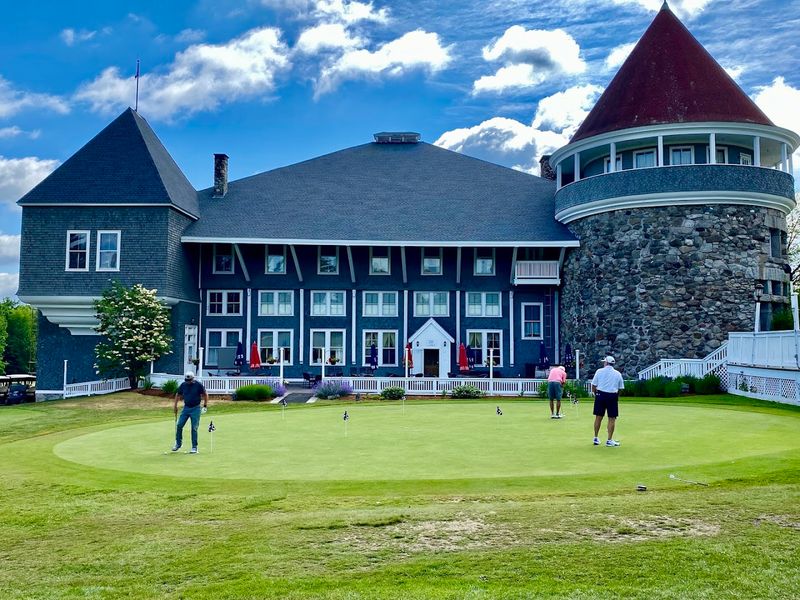
You notice the murals first, then the way windows glow like studios at dusk, and it is easy to feel excited. The creative wave has brought new life to the sidewalks, along with a kind of shiny seriousness that raises the stakes for everyone.
That energy can be fun, except when the math of staying put starts to outpace longheld budgets.
Neighbors who built the baseline of the place find themselves weighing commutes against rent, and the daily kindnesses that anchor a town thin out. There is still warmth in the greetings, but you can sense how scattered the community has become when off seasons feel empty instead of restful.
Shops post hours around the swings in foot traffic, which is logical, though it makes casual errands oddly strategic.
Can a revival make room for the people who kept the lights on when the sidewalks were quiet? It helps when visitors slow their pace, step inside with curiosity, and treat the town like someone’s living room.
That is the New Hampshire way, generous without spectacle, but clear about boundaries. Bethlehem deserves to keep its art and its heartbeat, and that balance starts with a little humility on both sides of the counter.
8. Wolfeboro
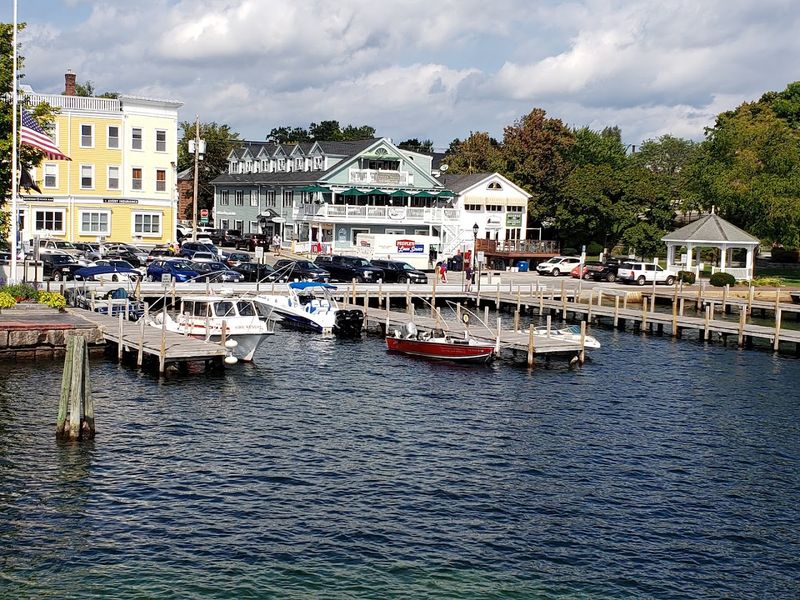
On bright days the town hums with a gentle buzz, and you remember why people call it the oldest summer resort. Then the season shifts, the lights dim, and the sidewalks return to the people who keep the furnace running.
That flip can feel whiplash fast, like someone toggled the town between two identities.
The odd part is how the in between weeks can be the loveliest, which makes the emptiness feel louder. Store windows look patient, and docks sit still, and you can almost hear conversations that would be happening if more folks stuck around.
This is where the lakes meet the mountains, and it should feel like a crossroads instead of a stage set that clears between acts.
Do you plan your days around crowds or lean into the quieter edges? Either way, the best version of Wolfeboro needs neighbors who know each other’s dogs and strangers who tread gently.
New Hampshire is good at quiet, but quiet thrives when people commit, not just visit. The hope is a town that does not hollow out between postcard moments, a place that stays itself even when the camera is off.
9. Littleton
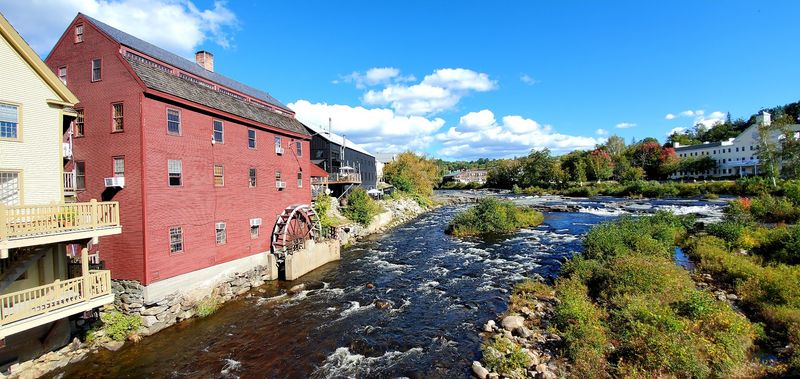
It is hard not to smile walking Main Street, because the storefronts look lively and the sidewalks feel full of purpose. The success shows up in window displays and cheerful signs, and it is great until you notice how the old working pulse has gone a bit quiet.
People who grew up here wonder when the balance tipped away from everyday needs toward visitor mood boards.
Jobs are here, but many tilt toward weekends and peak weeks, which can make life feel modular instead of steady. The river still runs with the same sound, though, and you can find locals swapping news on the bridge if you time it right.
What takes a toll is the sense that practical errands now require a plan and maybe a backup plan.
Can you celebrate growth without editing out the town that built the runway? It helps to keep space for hardware aisles and shoe repairs alongside the new glossy things.
That is the character New Hampshire wears well, useful first and pretty by accident. Littleton can thread that needle, but it needs choices that trust residents will be here long after the weekend snapshots fade.
10. Waterville Valley
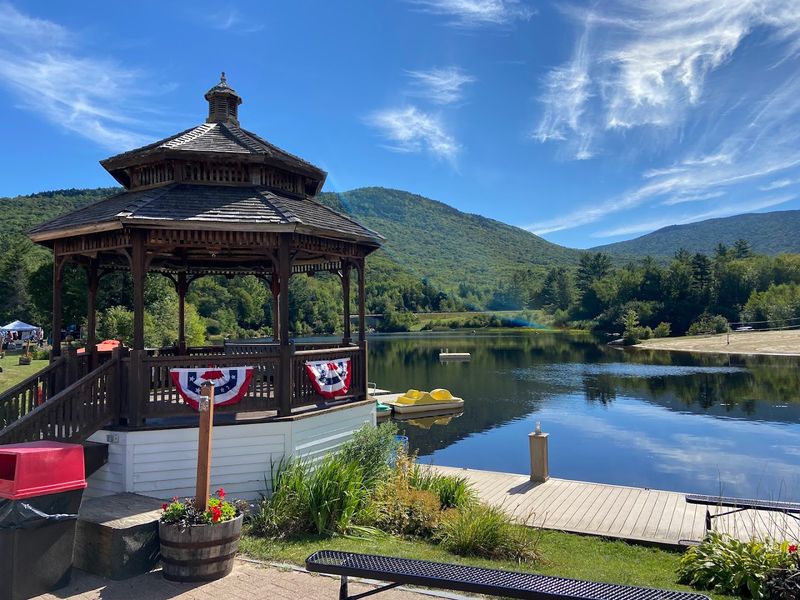
Step into the village and you can feel the design working, neat paths pointing you toward trails and lifts like friendly arrows. It is efficient and tidy, which is great for visitors and a little tricky for residents who want a life less scheduled.
The place shines during busy stretches, then tilts back to quiet that feels curated rather than organic.
The housing question hangs over casual chats, and you hear it repeated on chairlifts and in parking lots. People who want to stay year round weigh options that look more like chess than daily living.
You still see familiar faces, just not as often, and the space between them grows in a way that changes how errands and favors flow.
Is there room for both the postcard and the pantry list? It would look like more year round leases, more kid bike racks, and fewer units that blink on and off with bookings.
This is New Hampshire mountain country, and the identity should feel grounded even when the calendar flattens into seasons. Waterville Valley can keep its liftline grin, but it needs a heartbeat you can hear on a Tuesday.
11. Bartlett
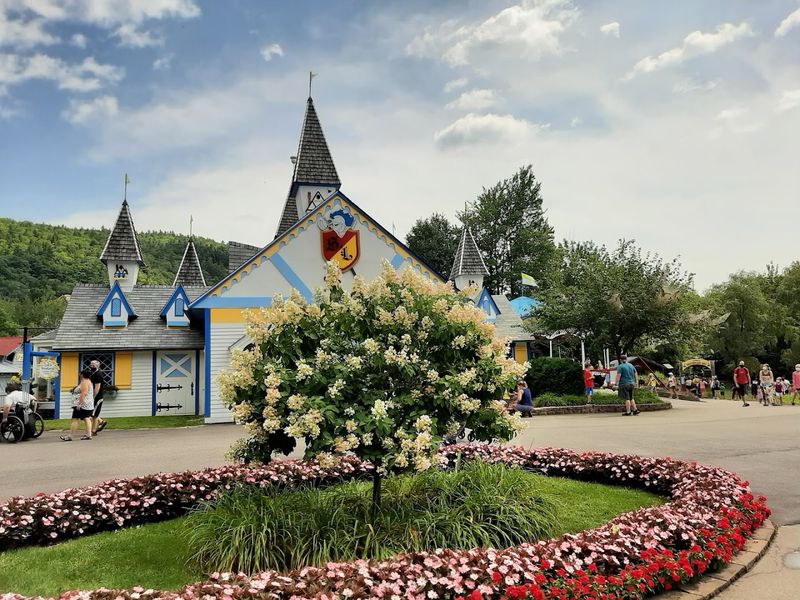
You turn off the highway and expect a hush, the kind that used to settle like a blanket after fresh snow. Now the driveways glow at odd hours as weekend crews rotate in and out, and the mailboxes know more names than the neighbors do.
It is not unfriendly, just constantly new, which wears on the small rituals that make a town feel kept.
When people say revolving door, it is not an insult, it is a description. Bookings bring money, and that matters, yet money does not shovel a walkway for the school concert or hold a ladder during leaf season.
Those favors come from roots, and roots do not take in soil that is always being turned.
Could this still be the ski town that remembers birthdays and lost gloves? It might, if the balance tips toward leases with length and conversations that last longer than a checkout code.
New Hampshire rewards patience, and places like Bartlett show why that patience matters. The quiet can return, not as absence, but as a shared rhythm you recognize even with your eyes closed.
12. Conway
You can measure the shift by the number of tail lights stacked at dusk, each one reflecting off windows that used to hold hand painted signs. The retail boom is real, and the jobs are real, but the cost of that buzz shows up in quiet departures and apartment searches that stretch an hour in every direction.
The errands are easy, and finding a place to belong feels harder.
Old routines move outward, and people who grew up here start mapping new commutes from towns they had not planned on. Schools feel those ripples, volunteer rosters feel them too, and the weeknight scene becomes a question mark where a period used to be.
This is a crossroads now, and that can be useful, though crossroads are not always comfortable for staying put.
How do you keep the soul of a place when the storefronts get shinier by the month? Maybe the path forward is small and steady, more long term keys, more listening at town meetings, and fewer quick fixes that turn into churn.
New Hampshire towns are sturdier than they look, but sturdiness needs room to stand. Conway can be busy without losing its bearings, if the center of gravity shifts back toward people who plan to stay.
