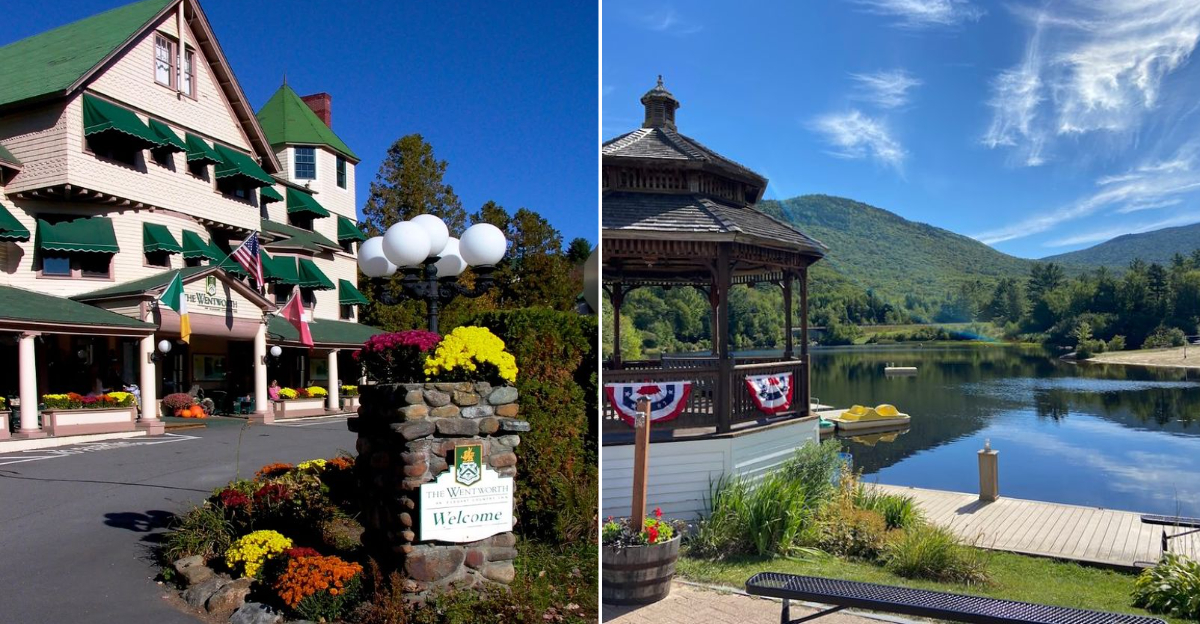
Have you ever driven through a quiet mountain town and thought, “I could live here forever”? That dream is getting harder to hold onto in several small villages tucked into New Hampshire’s White Mountains.
These were the places where you used to hear nothing but a distant brook and the rustle of leaves. Now the sound of idling engines and weekend rental parties has started to creep in.
Locals who have spent their whole lives there whisper about losing the very peace that made their homes special. Short term rentals are multiplying.
Parking is becoming a fight. And the narrow two lane roads that once felt charming now feel choked.
Some villages are considering new rules to slow the tide. Others are simply hoping visitors will remember why they came in the first place.
The mountains are still beautiful. The air is still crisp. But beneath the postcard views, something fragile is slipping away.
So before you plan your next leaf peeping trip or ski weekend, you might want to know which towns are hanging on by a thread. The answer could change where you choose to stop for the night.
1. North Conway
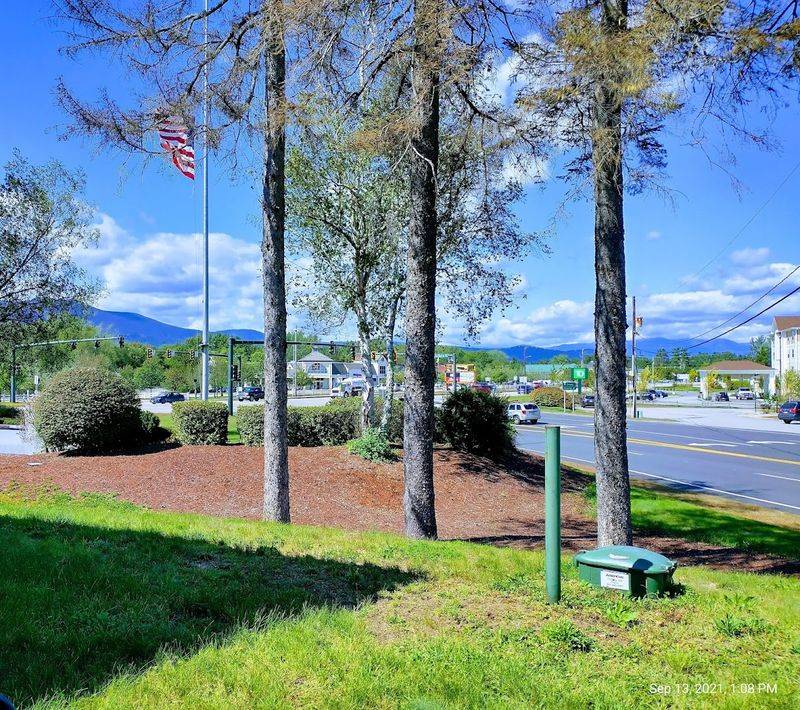
There is a moment on the Main Street bend when the mountains look close enough to touch, and then a line of cars jolts you back to reality. You hear turn signals ticking, doors thumping shut, and a steady rustle from shopping bags.
That easy, neighborly wave from locals is still there, but it feels a little hesitant when the sidewalks are packed from breakfast through twilight.
Folks tell me weekends now stretch into full weeks, and the lull that once helped everyone breathe has thinned out. Finding a quiet porch to read is trickier, and small errands take longer, which sounds minor until it becomes the rhythm of every day.
The scenic train circles by with its cheerful horn, and suddenly the whole village pivots toward spectacle rather than small talk.
Housing is the thread you keep pulling, because service workers and teachers cannot easily live near their jobs. Longtime residents eye rental signs and wonder who will still be around by the first frost.
If you want peace here, you look for it at odd hours, hug the side streets, and listen for the hush behind the traffic, where pine shadows still fold over the river and a few porch lights blink like a quiet code for home.
2. Lincoln
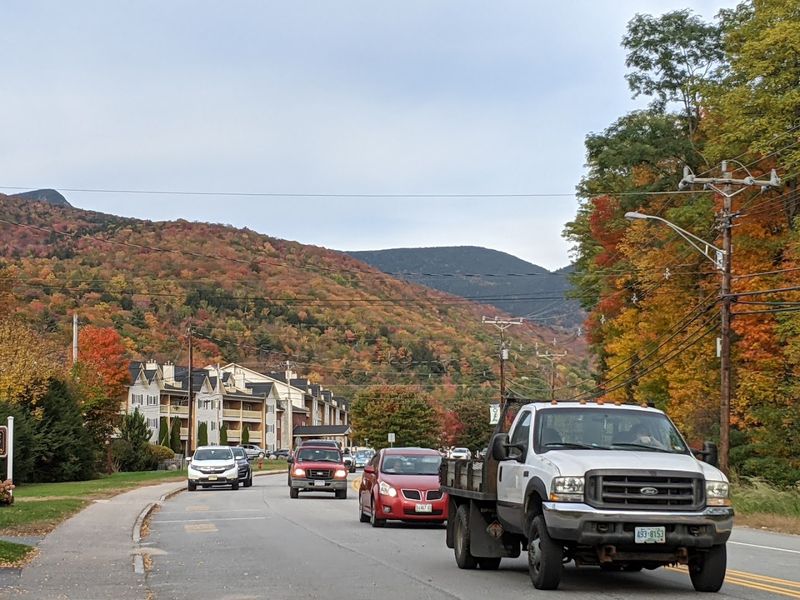
It sneaks up on you when the old mill silhouettes meet the new condo lines, and you realize the skyline learned a new accent. The streets hum with roof racks, rolling luggage, and that purposeful pace you see in resort towns.
Locals nod from doorways, but you can tell their days run on different clocks now.
Conversations turn to housing, because every spare room seems to be a short stay and not a home base. You hear about teachers commuting from farther valleys and shop crews juggling shifts with roommates they barely know.
The mountain still looks steady, but the base feels a little unmoored, like the village forgot where to keep its boots when the season changed.
There are bright parts, like new trails maintained with care and sidewalks that stay plowed clean, but the tradeoff is a sense of being outnumbered. Community boards fill with polite asks that sound a lot like pleas.
If you wander at dusk, the quiet returns in fragments, with porch lights, boot scrapes, and river chatter, and you can almost touch the town it used to be, steady and small, holding space for people who planned to stick around.
3. Jackson
The covered bridge still frames the village like a promise, and then you notice the procession of rental SUVs easing through with careful tires. Windows glow warm, yet many of them belong to places that feel more like showcases than homes.
People are friendly, but the conversations float, as if everyone is passing through the same postcard at different speeds.
Ask a local about moving, and the answer often starts with a sigh. Prices climbed, neighbors drifted, and the small rituals that anchor a town got scattered.
The library still gathers people, but more faces are new, and the old rhythms of winter chores and driveway chats have grown thinner.
Peace is not impossible here, but you have to angle for it. Walk the back roads where birch trunks peel and the air smells like cold wood, and you find that softer heartbeat.
Still, the question lingers at the bridge mouth: who gets to stay long enough to learn every curve, and who only memorizes the view from a weekend window before the key goes back in the lock?
4. Conway
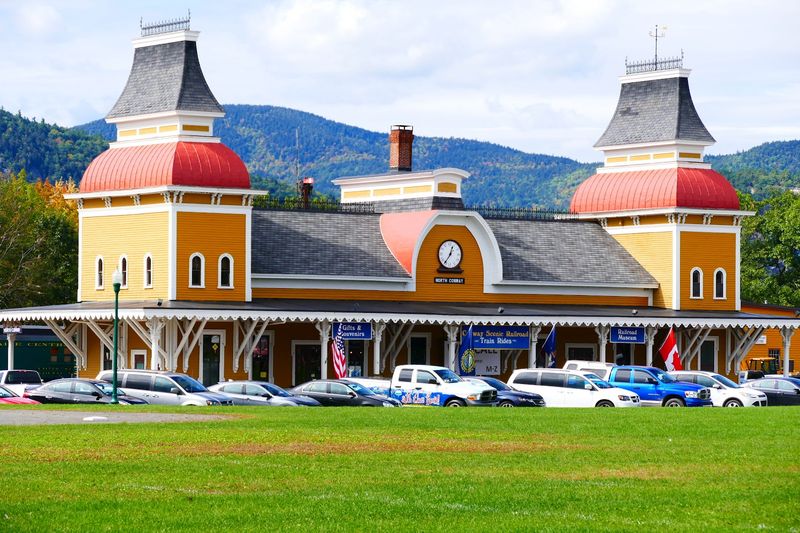
You can hear the shift before you see it, a steady rumble of tires and cart wheels that makes the whole place feel like a service lane for the mountains. Stores line up bright and practical, which is fine, but it pushed the old heartbeat to the edges.
Locals thread side streets like secret passages, just to keep errands from swallowing the day.
Housing talk is constant, and it is not small talk. Friends count spare rooms and compare leases, while familiar porches empty out a little more each season.
The old closeness that came from bumping into the same five people at the post office now wrestles with a crowd that changes by the weekend.
It is not all loss, because the town still carries grit and kindness. Volunteers show up, coaches still holler encouragement, and the river keeps its reliable hush.
But if you want the original Conway comfort, you look for it off the main drag, where clapboards need paint, kids ride bikes, and neighbors trade a quick wave that says we still live here, for real.
5. Bartlett
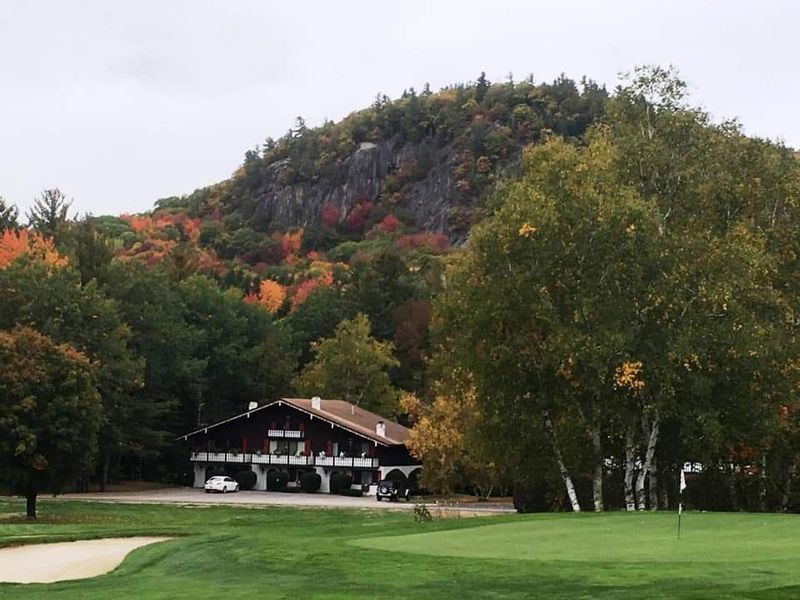
There is a quiet you expect in Bartlett, the kind that sits heavy on the pines, and then a moving truck idles where a snowbank used to hold last winter’s story. The mailboxes tell a tale too, with names swapping more often than the seasons.
When you wave, the return wave is kind, but sometimes it belongs to someone you will not see again.
Second homes are not new here, but the balance tilted, and year-round voices feel like they are trying to carry across a wider space. School events still happen, just with fewer familiar shoulders to lean on.
What used to be a tight web of favors and borrowed tools is now a patchwork stitched together by whoever is in town this week.
Peace lives on backs roads and in early light near the river, where fog hangs like a curtain and skis clatter in distant racks. The village essence has not vanished, but it does work harder to be heard.
If you come looking for quiet, treat it gently, because the people holding it are already lifting more than their share.
6. Gorham
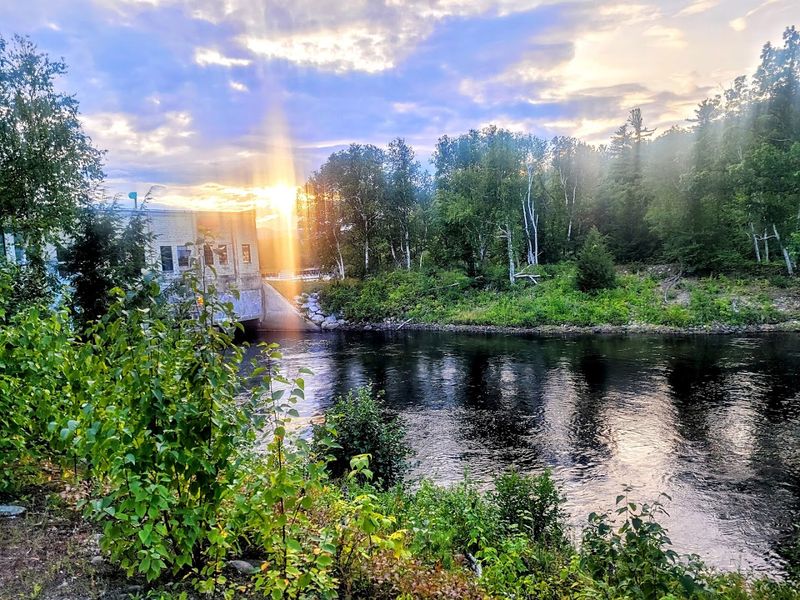
You feel the grit in Gorham in the best way, in truck beds dusted with sawdust and boots by the back door, and then you hear how hard it is to hang on to the house that holds those boots. Property values climbed, and with them the distance between staying and leaving.
Families with deep roots are doing new math they never wanted to do.
Workforce housing is the phrase that lands with a thud at kitchen tables. People who keep the town running cannot easily sleep in the town they serve.
The pride is intact, but the margin for neighborly closeness shrank, because too many are driving from farther out and arriving already tired.
Walk a block or two, and you still catch the old heartbeat in a tidy workshop or a yard stacked with split wood. The mountains lean close, and the river keeps talking, steady as always.
Gorham remains itself, but you can feel it straining to hold the shape that raised so many of its people, right here in New Hampshire.
7. Franconia
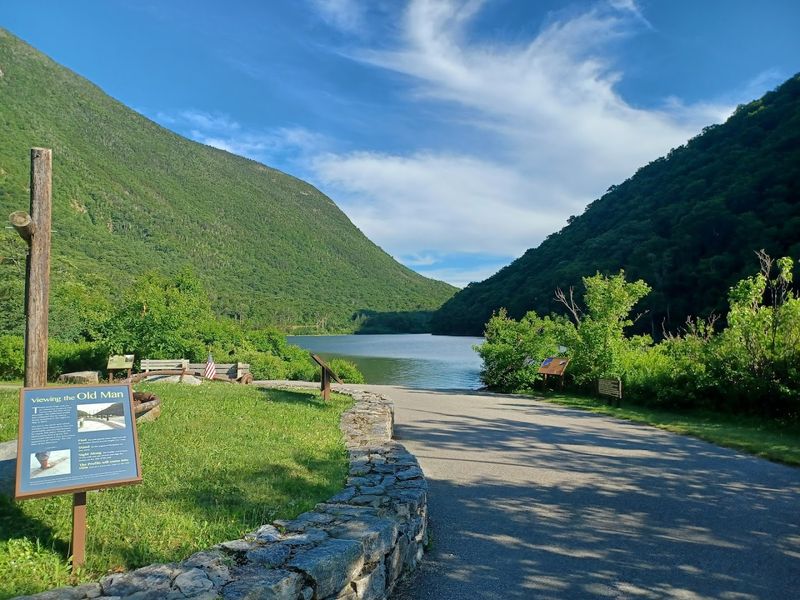
You pull into Franconia expecting the old hush, and it is there, but it carries an echo now. The mountains are gorgeous, no doubt, yet the people who once greeted you by name at every stop are fewer.
Seasonal visitors arrive in waves that feel friendly and fleeting at the same time.
Neighbors tell me long stays are rarer, and the small roster of familiar faces at community events keeps thinning. The board that used to fill with signups takes longer to gather hands.
It is not unwelcoming, just stretched, like a quilt losing a few patches each season and working hard not to show the seams.
Even so, you can find calm along the river bend and near the fields where the wind trips over old fences. The place holds stories in every plank and bell.
If more people could live here year-round, the village would sound fuller again, with the same steady kindness that once greeted you before you even stepped from the car.
8. Bethlehem
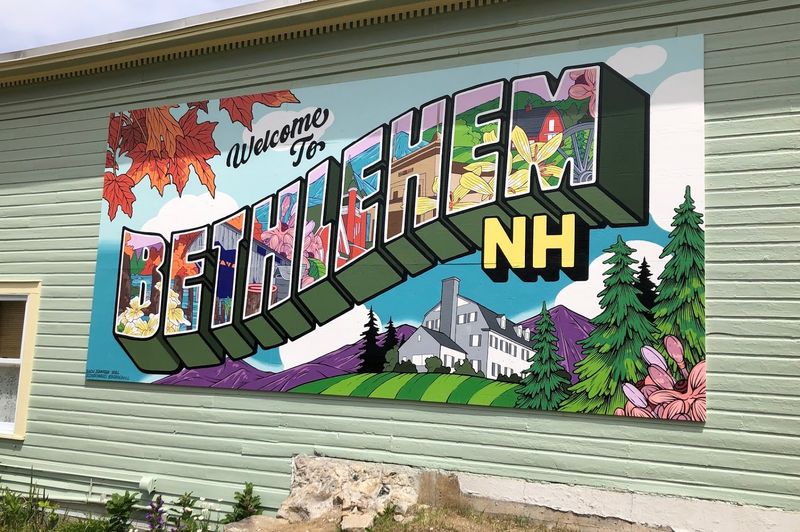
The creative spark in Bethlehem lights up fast, with new galleries, bright windows, and ideas running the sidewalks like chatter. It feels good, it really does, until someone mentions rent or a move they did not want to make.
The town that once fit like a favorite sweater now pinches at the shoulders.
Locals say the community is still here, but the pieces sit farther apart, like chairs scooted away from the table. You can meet kind new folks, then find they are leaving by the next season.
Familiarity is a muscle, and it gets harder to keep it strong when everyone is stretching time and budgets.
If you want peace, try the moments before the street wakes, when window lights glimmer and the mountain outlines hold still. The art helps, because it gives people a reason to linger and talk.
Still, what everyone wants is not just buzz, but roots, and that is the part New Hampshire towns like this are fighting to protect.
9. Sugar Hill
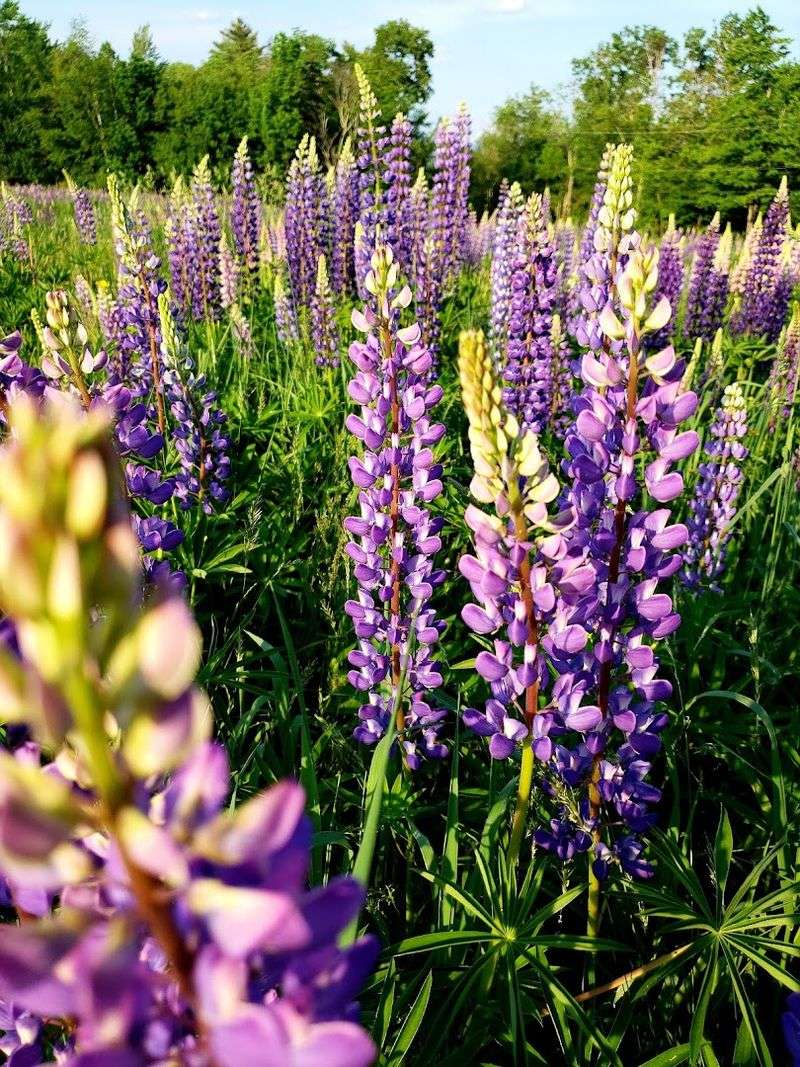
The lupines make promises that last longer in photos than they do in real life, which is part of Sugar Hill’s tension. Summer hums with slow-driving visitors hunting for the right angle, and porches fill with unfamiliar voices.
Then winter arrives, and whole streets seem to whisper to themselves.
Out-of-state plates line the lanes in warm months, and the village feels lively in a way that is both sweet and slippery. Locals enjoy the company, but they know the difference between visitors and neighbors, and that difference shapes the sound of a place.
When houses sit dark for long stretches, the rhythm gets choppy.
Peace is easy to find on the ridge at first light, when fields hold the cool and the church steeple draws a clean silhouette. It is gentler still if you keep your voice low and your footsteps lighter.
The wish you hear most often is simple: more folks who stay, help stack wood, and learn the names that go with the mailboxes.
10. Littleton
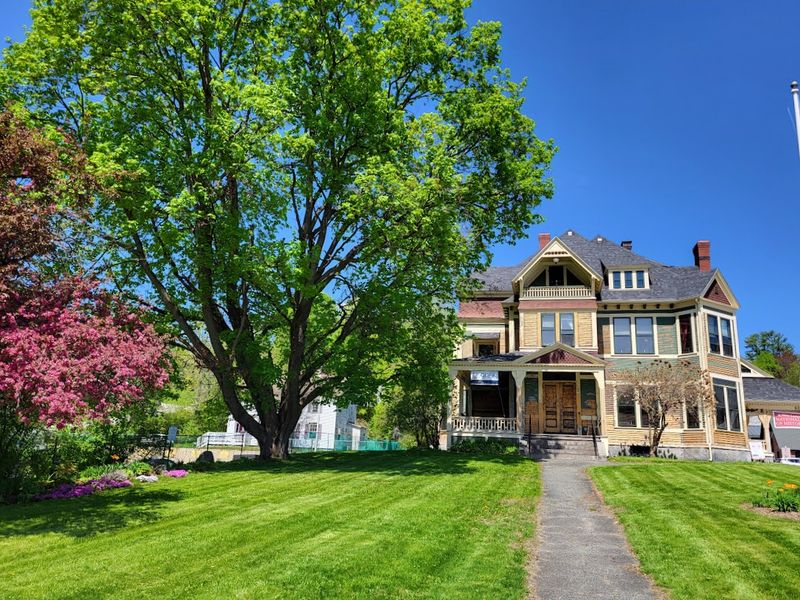
Main Street looks great, no question, with fresh paint, tidy windows, and a riverwalk that keeps people smiling. But if you listen to the conversations on the benches, you hear a soft ache for the town that used to trade wrenches and words at the same counter.
The working beat has not disappeared, it just gets muffled by the new gloss.
Locals still hold the place together, yet there are fewer casual nods between folks who grew up three streets apart. The new energy is fun, and it brings attention, but not all attention feels like care.
When every window shows a different kind of shopping dream, some of the old shared purpose takes a step back.
Find the calm down by the water, where the rush evens out into a steady hush. The bridges keep watch, and the hills tuck in close.
Littleton is still Littleton, but the voice has changed a little, softer in some corners and busier in others, and everyone is deciding how to speak to each other again.
11. Waterville Valley
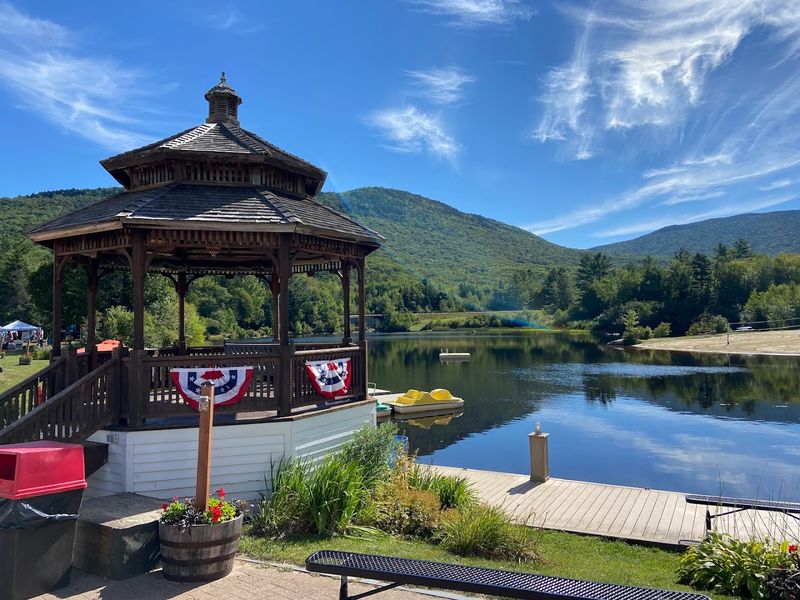
It is easy to enjoy the setup here, because the village was designed to feel smooth underfoot, with paths that steer you gently and views that frame the ridgelines. The polish is real, and so is the restlessness.
You notice how many people are carrying gear instead of groceries, and that tells you a lot about who can actually live here.
High housing costs push working families to the margins, which turns daily life into a commute. The friendly hello at the trailhead is sincere, but it rarely turns into a backyard friendship, because backyards are scarce for the folks who keep the place running.
The result is a community that feels seasonal, even when the calendar says otherwise.
Still, if you wander toward the quieter edges, the woods settle your thoughts and the air cools your shoulders. Peace exists in the gaps, like a song you can hear when the plaza quiets.
The big question is whether more year-round voices can join the chorus and keep the melody steady in New Hampshire.
12. Wolfeboro
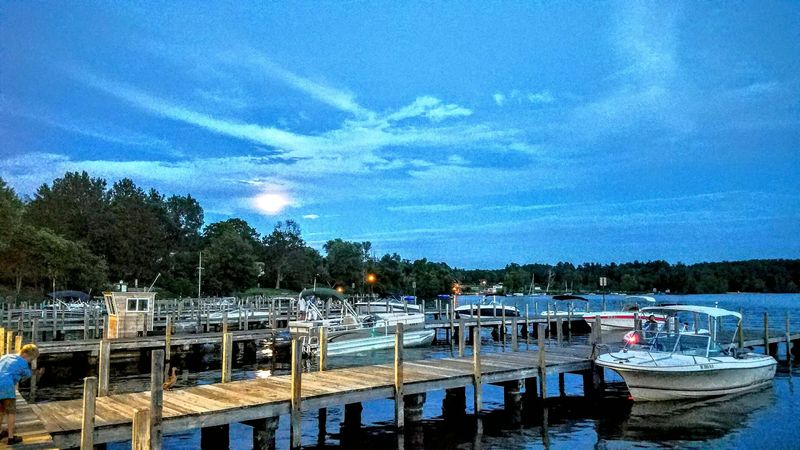
On a clear day, the town looks like it could hold every good memory you ever had of summer, which is part of the puzzle in Wolfeboro. Second-home rhythms shape the sidewalks, lively for a stretch and then strangely hollow.
Locals lean into patience, but the year-round thread gets thin when the lights go dim in whole neighborhoods.
This place sits between lakes and mountains, and that location makes it gorgeous and complicated. People arrive happy, they really do, and the welcome is genuine.
Yet the continuity that builds a shared story can fade when half the characters are only around for a few pages.
The peace you want is still within reach on back streets, where pine needles gather on steps and the air feels steady. You can hear boots on wooden thresholds and catch the murmur of old conversations.
The wish here is simple and steady, the same one you hear across New Hampshire: more neighbors who stay, more doors that do not need to be unlocked fresh each season.
