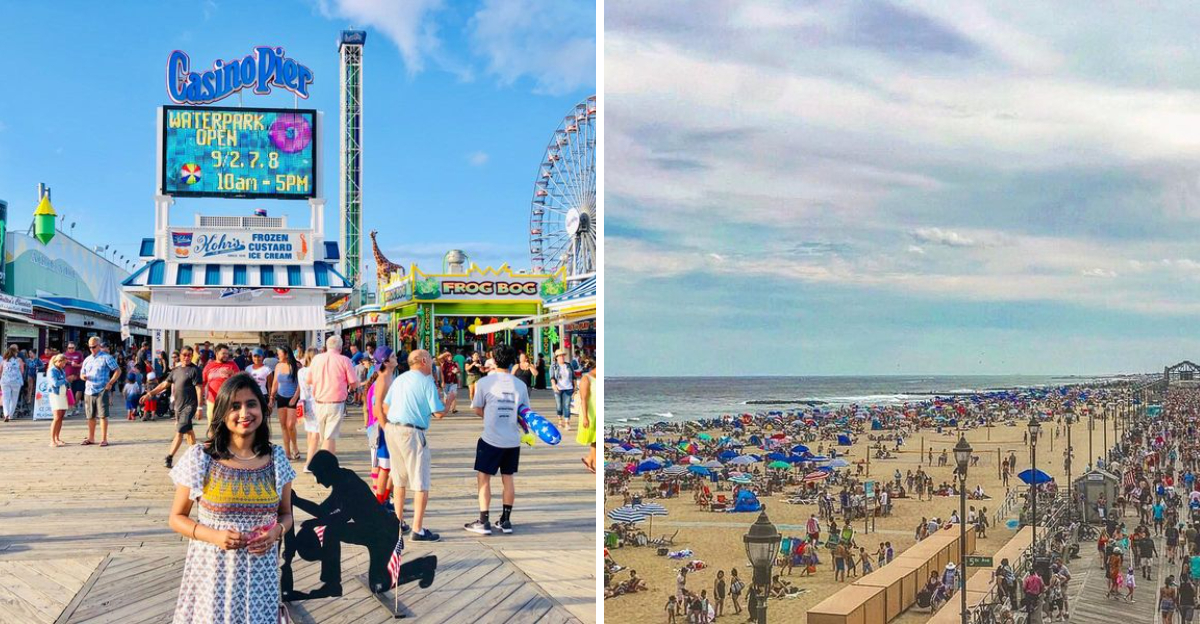
The New Jersey Shore has long been a beloved escape for families, beachgoers, and adventure seekers looking to soak up the sun and surf.
But as these coastal towns have grown in popularity, many locals feel their quiet havens have been transformed into crowded tourist magnets.
From boardwalks packed with visitors to traffic jams that stretch for miles, the influx of summer travelers has changed the character of these once-peaceful communities.
Here are ten New Jersey Shore spots where residents say tourism has truly taken over.
This content reflects personal experiences, observations, and information available at the time of writing.
Descriptions and evaluations are inherently subjective and may vary depending on timing, season, conditions, and individual preferences.
Circumstances can change, and experiences may differ for each reader.
1. Asbury Park
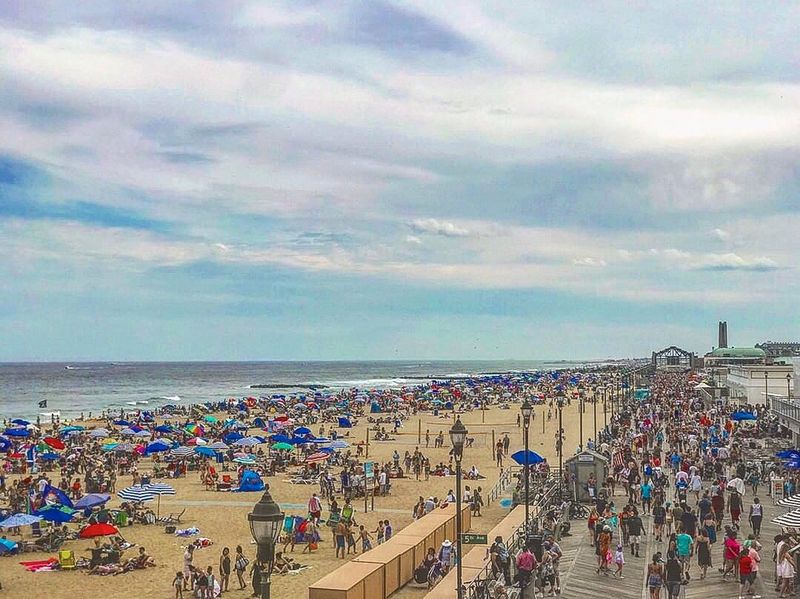
A cultural renaissance has breathed new life into this historic shore town, but not everyone celebrates the transformation.
Asbury Park once carried a grittier reputation, with abandoned buildings and a quieter vibe that appealed to artists and musicians seeking affordable coastal living.
The revitalization brought stunning renovations to the boardwalk, the iconic Convention Hall, and the surrounding downtown district.
Upscale boutiques, trendy restaurants, and craft breweries now line Cookman Avenue, attracting visitors from across the region.
While the economic boost has been undeniable, longtime residents feel the soul of their town has shifted.
The music scene that once defined Asbury Park, where Bruce Springsteen got his start, now competes with more commercial entertainment options.
Summer weekends bring throngs of day-trippers who pack the beach and fill every restaurant table.
Parking meters run constantly, and finding street parking requires both patience and luck.
The boardwalk, once a place where locals could stroll peacefully, now bustles with tourists posing for photos at every landmark.
Property values have skyrocketed, pushing out some of the creative community that helped spark the initial revival.
Coffee shops that once served as gathering spots for artists now cater primarily to weekend visitors.
Many residents appreciate the safer streets and improved infrastructure but miss the authentic character that made Asbury Park special.
The balance between preservation and progress remains a constant conversation in this evolving seaside community.
2. Wildwood
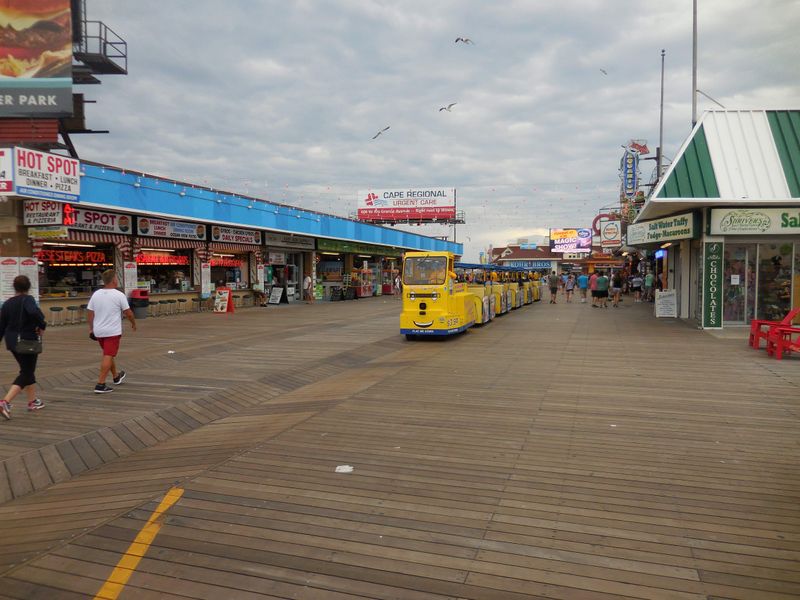
Few Jersey Shore destinations experience a population explosion quite like this one.
During the off-season, roughly 5,000 people call Wildwood home, but summer transforms the town into a metropolis of over 250,000 visitors.
The famous boardwalk stretches for two miles and features more than 100 rides across three separate amusement piers.
Neon signs illuminate the night sky, creating a vibrant carnival atmosphere that draws families from throughout the Northeast.
The beaches here are among the widest on the East Coast, yet they still fill to capacity during July and August.
Finding a patch of sand near the water requires arriving before 9 a.m. on weekends.
The town’s distinctive Doo Wop architecture from the 1950s and 60s adds retro charm, but preserving these vintage motels has become challenging amid development pressures.
Traffic congestion reaches epic proportions, with cars backed up for miles along New Jersey Avenue.
Residents have learned to stock up on groceries before Memorial Day weekend because navigating the supermarket becomes an ordeal once tourists arrive.
Many locals retreat to the quieter sections of North Wildwood or Wildwood Crest when they want to enjoy their own beaches.
The boardwalk’s free admission and free beaches make Wildwood an attractive budget-friendly destination, which partially explains the massive crowds.
While businesses thrive during the summer months, year-round residents face the challenge of living in a community that feels like two completely different places depending on the season.
3. Seaside Heights

What started as a peaceful coastal retreat has morphed into one of the busiest destinations along the Jersey Shore.
Seaside Heights draws massive crowds every summer, especially on weekends when the boardwalk becomes nearly impossible to navigate.
The town’s transformation accelerated after it gained national attention through reality television, bringing even more visitors eager to experience the nightlife and amusement attractions.
Parking has become a competitive sport here, with beachgoers circling blocks for hours hoping to snag a spot.
Local residents have adapted their routines around the tourist season, often avoiding their own downtown area entirely during peak months.
Many longtime community members choose to visit the beach only during weekday mornings or wait until September when the crowds thin out.
The boardwalk stretches for nearly two miles and features arcade games, carnival rides, and countless food vendors selling everything from funnel cakes to pizza.
While these attractions bring economic vitality to the area, they also contribute to the overwhelming sense of congestion.
Traffic backs up along Ocean Terrace and Boulevard, sometimes taking an hour just to travel a few blocks.
The beach itself becomes a patchwork of colorful umbrellas and towels, with barely enough sand visible between groups.
Residents remember when you could walk the boardwalk without bumping into someone every few steps.
Those quieter days feel like distant memories now, replaced by the constant hum of crowds and the flashing lights of amusement attractions.
Despite the challenges, the town continues to thrive economically, though locals wonder if the trade-off has been worth losing their peaceful seaside community.
4. Point Pleasant Beach
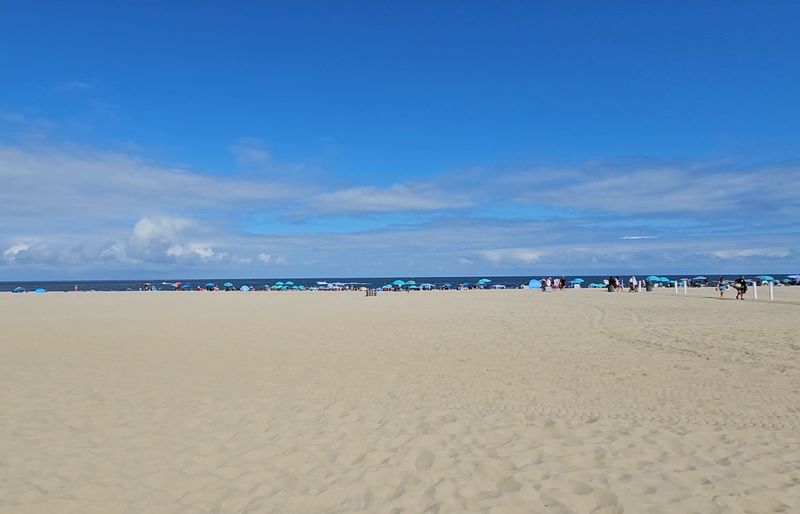
This charming seaside escape once offered a more relaxed alternative to the busier shore towns to the south.
Families appreciated the manageable size of the boardwalk and the friendly small-town atmosphere that made everyone feel welcome.
Those days have faded as Point Pleasant Beach has become a prime weekend destination, particularly for visitors from central New Jersey and beyond.
Jenkinson’s Boardwalk anchors the beach area with its aquarium, amusement rides, and arcade games that attract thousands of families daily.
The beach itself requires paid badges during summer months, but this hasn’t deterred the crowds from descending each weekend.
Arnold Avenue and Ocean Avenue become parking nightmares, with every spot taken by mid-morning on Saturdays and Sundays.
Local residents have adapted by timing their beach visits for early weekday mornings or choosing to drive to neighboring towns like Bay Head or Mantoloking.
The inlet area, where the Manasquan River meets the ocean, remains popular for fishing and boating but also draws dense crowds.
Restaurants along the boardwalk maintain waiting lists that stretch to two hours during peak dinner times.
Ice cream shops see lines that snake down the boardwalk, with families waiting patiently for their favorite summer treats.
Community members remember when you could ride your bike along Ocean Avenue without weaving through pedestrian traffic.
The town’s appeal hasn’t diminished, but the experience has changed dramatically for those who live here year-round.
Finding a balance between welcoming visitors and maintaining quality of life for residents remains an ongoing challenge.
5. Atlantic City
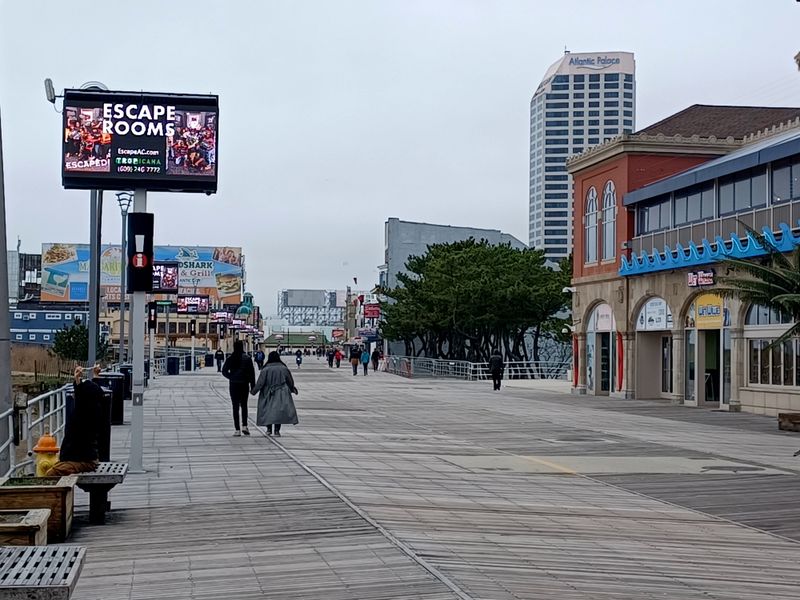
Once dubbed the “Queen of Resorts,” this coastal city has experienced waves of transformation over its long history.
The arrival of casino gambling in the 1970s changed Atlantic City’s character forever, shifting focus from beach vacations to gaming and entertainment.
Today’s boardwalk stretches for four miles, lined with towering casino hotels that dominate the skyline.
Visitors flock here for poker tournaments, concerts, boxing matches, and the chance to try their luck at the slot machines.
The beach often takes a backseat to the indoor attractions, though summer still brings sunbathers to the sand.
Locals who remember the city’s golden age feel the authentic seaside charm has been replaced by commercial glitz.
The famous Steel Pier continues to offer amusement rides and attractions, but it competes with the massive entertainment complexes nearby.
Traffic along Atlantic Avenue and Pacific Avenue moves at a crawl during peak seasons and special events.
Convention crowds add another layer of congestion, with large groups filling hotels and restaurants throughout the year.
Neighborhoods away from the boardwalk struggle with the economic disparity that casino wealth hasn’t fully addressed.
Residents navigate a city that caters primarily to visitors, with businesses and services oriented toward tourists rather than local needs.
The boardwalk that once served as a community gathering space now feels like a corridor designed exclusively for out-of-town guests.
Despite ongoing revitalization efforts, longtime Atlantic City residents continue to feel disconnected from the tourist-focused identity their hometown has adopted.
6. Ocean City

Known proudly as “America’s Greatest Family Resort,” this dry town prohibits alcohol sales and cultivates a wholesome atmosphere.
That family-friendly reputation has made Ocean City incredibly popular, perhaps too popular for the locals who live here year-round.
The 2.5-mile boardwalk features classic attractions like miniature golf, water parks, and the beloved Gillian’s Wonderland Pier.
Summer weekends transform this barrier island community into a bustling hive of activity, with every inch of beach space claimed by umbrellas and chairs.
The bridges connecting Ocean City to the mainland become bottlenecks, with traffic backups lasting hours during peak times.
Residents often plan their errands around bridge traffic patterns, knowing that leaving the island on a Saturday afternoon means sitting in gridlock.
Asbury Avenue, the main commercial street, fills with pedestrians window-shopping and dining at the numerous restaurants.
Bike rentals remain popular, but navigating the boardwalk on two wheels requires constant vigilance to avoid colliding with the dense crowds.
The town’s strict regulations maintain a clean, safe environment that parents appreciate, which only increases its appeal as a destination.
Beach tags are required and enforced, yet the beaches still reach capacity on hot July and August days.
Local children who grew up riding their bikes freely to the beach now compete with tourists for every available space.
Property values have climbed steadily, with vacation rentals becoming more profitable than long-term housing, changing the neighborhood dynamics.
Despite the challenges, Ocean City maintains its family-oriented character, even as residents feel increasingly like guests in their own hometown.
7. Cape May

Victorian elegance defines this National Historic Landmark city at the southern tip of New Jersey.
Cape May’s stunning 19th-century architecture draws visitors who appreciate the beautifully preserved homes and bed-and-breakfast establishments.
The town’s charm lies in its walkable streets, quaint shops, and the feeling of stepping back in time.
Unfortunately for residents, that same charm attracts enormous crowds, especially during summer months and special event weekends.
The Washington Street Mall becomes packed with tourists browsing boutiques and enjoying outdoor dining at the many restaurants.
Beach Avenue, which runs along the oceanfront, sees constant traffic as visitors search for parking near the beach.
The promenade offers beautiful ocean views but becomes congested with strollers, cyclists, and pedestrians all competing for space.
Cape May’s smaller size compared to other shore towns means the impact of tourism feels even more concentrated.
Locals struggle to grab a table at their favorite restaurants without reservations made weeks in advance.
The historic district’s narrow streets weren’t designed for modern traffic volumes, creating congestion that frustrates both visitors and residents.
Seasonal events like Victorian Week and the Food and Wine Festival bring additional waves of tourists throughout the year.
Property owners have increasingly converted historic homes into vacation rentals or inns, reducing the number of year-round residents.
The community that once thrived here has diminished as tourism has become the dominant economic force.
While the preservation of historic architecture deserves celebration, longtime Cape May residents miss when their beautiful town felt like home rather than a living museum for visitors.
8. Long Beach Island
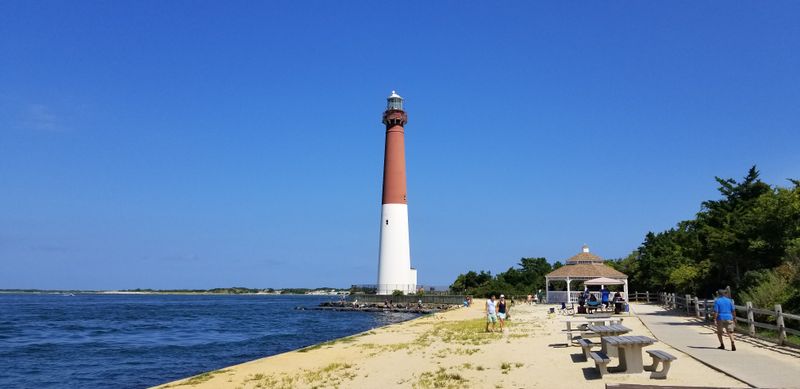
Stretching 18 miles along a narrow barrier island, this collection of small communities has become a premier vacation destination.
Towns like Beach Haven, Surf City, and Ship Bottom each have their own character, but all share the common challenge of summer overcrowding.
The island’s geography creates a unique problem, with only one main road, Long Beach Boulevard, running its entire length.
Traffic on this two-lane road during summer weekends moves at a crawl, turning simple trips to the grocery store into hour-long ordeals.
The causeway connecting the island to the mainland becomes a notorious bottleneck, especially on Friday evenings and Sunday afternoons.
Residents know to avoid these peak travel times or risk spending their afternoon stuck in traffic.
The beaches themselves are beautiful and well-maintained, but summer brings wall-to-wall umbrellas and beach chairs.
Fantasy Island Amusement Park in Beach Haven attracts families with young children, adding to the seasonal population surge.
Bay Village, with its shops and restaurants, becomes so crowded that walking the sidewalks requires patience and careful navigation.
Many homes on the island serve as vacation rentals, with weekly turnovers bringing constant streams of new visitors unfamiliar with local customs.
Year-round residents, who number only about 10,000, feel outnumbered during summer when the population swells to over 100,000.
The sense of community that exists during the off-season disappears under the weight of tourism each year.
Despite the natural beauty and laid-back beach culture, locals increasingly feel like they’re living in a vacation resort rather than a hometown.
9. Belmar

A reputation as a party destination has transformed this once-quiet beach community into a hotspot for younger crowds.
Belmar’s bars and nightlife scene draw thousands of visitors, particularly on summer weekends when the town’s population explodes.
The beach itself remains beautiful, with a newly reconstructed boardwalk offering ocean views and easy beach access.
However, the atmosphere has shifted dramatically from the family-oriented environment longtime residents remember.
Ocean Avenue becomes lined with parked cars as beachgoers and bar-hoppers compete for limited spaces.
Noise complaints have increased as nightlife extends late into the evening, disrupting the peace of residential neighborhoods.
The town’s efforts to balance its appeal to tourists with the needs of year-round residents have met mixed results.
Summer house rentals dominate the housing market, with groups of young adults sharing large beach houses for the season.
Main Street features a mix of surf shops, restaurants, and bars that cater primarily to the tourist demographic.
Local families often choose to visit the beach early in the morning before the crowds arrive and the party atmosphere takes hold.
The fishing pier and marina area offer quieter alternatives, attracting those seeking a more traditional shore experience.
Community events like the Seafood Festival bring additional crowds, though these tend to have a more family-friendly vibe.
Residents appreciate the economic benefits tourism brings but worry about the long-term impact on their community’s character and livability.
The challenge remains finding a way to preserve Belmar’s identity while accommodating the thousands who flock here each summer.
10. Avalon and Stone Harbor
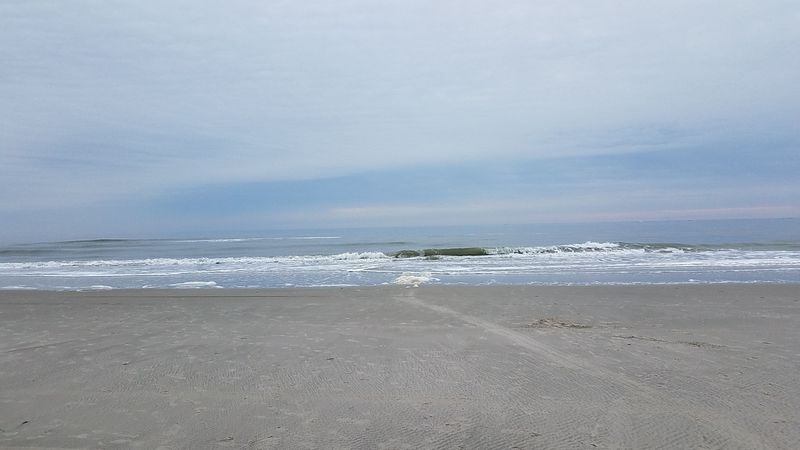
These adjacent Seven Mile Island communities have cultivated reputations as upscale, family-oriented destinations.
Pristine beaches, well-maintained properties, and excellent restaurants attract affluent visitors seeking a more refined shore experience.
The “Cooler by a Mile” slogan emphasizes the towns’ location at the southern end of the island, where ocean breezes provide relief from summer heat.
However, this desirability has created intense crowding during peak season, despite the upscale atmosphere.
Dune Drive in Avalon and Second Avenue in Stone Harbor become congested with luxury vehicles searching for parking.
The beaches, while beautiful and spacious, fill quickly with families who have paid premium prices for their vacation rentals.
Shopping districts along Avalon’s main commercial area and Stone Harbor’s downtown feature high-end boutiques that draw crowds of well-heeled visitors.
Restaurants require reservations days or even weeks in advance, making spontaneous dining nearly impossible during summer.
The towns’ popularity has driven property values to astronomical levels, with modest beach homes selling for millions of dollars.
This pricing has pushed out many year-round residents who can no longer afford to live in the communities they’ve called home for generations.
The seasonal nature of these towns means that during summer they’re bustling with visitors, while winter sees them nearly deserted.
Local business owners face the challenge of earning enough during the short summer season to sustain them through the quiet months.
Despite maintaining a more sophisticated atmosphere than some other shore destinations, Avalon and Stone Harbor residents still feel the impact of tourism overtaking their communities.
Dear Reader: This page may contain affiliate links which may earn a commission if you click through and make a purchase. Our independent journalism is not influenced by any advertiser or commercial initiative unless it is clearly marked as sponsored content. As travel products change, please be sure to reconfirm all details and stay up to date with current events to ensure a safe and successful trip.
