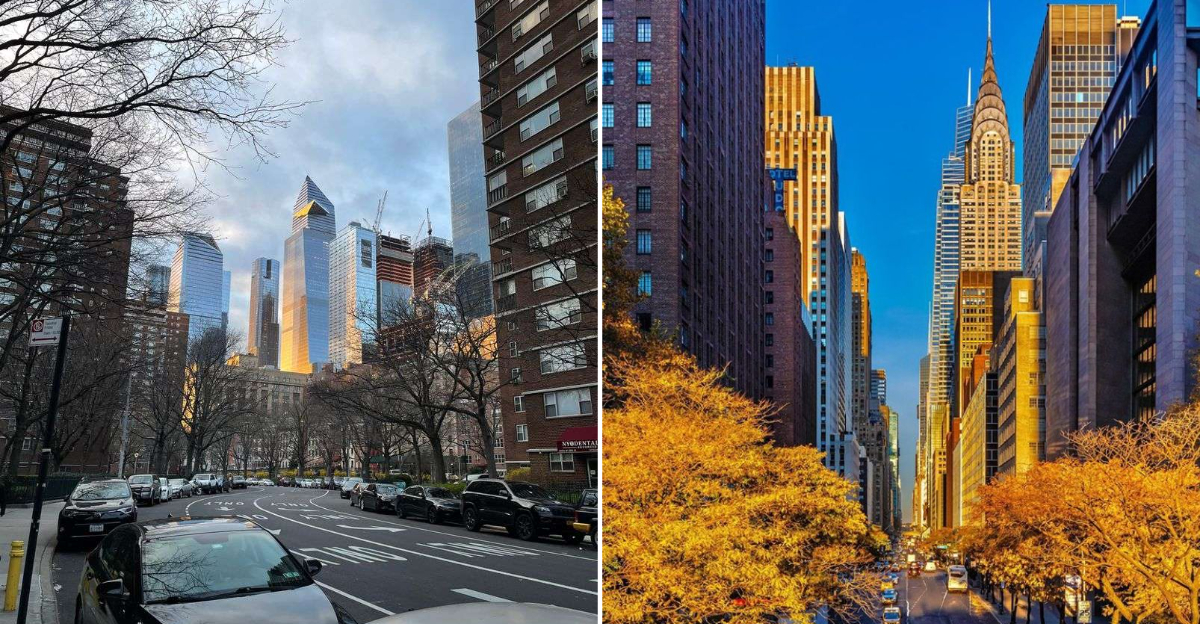
Ever notice how certain places in New York City suddenly feel like they’re everywhere, on TikTok, in travel guides, and all over your friends’ Instagram feeds?
Some neighborhoods were once under the radar, while others were already lively and full of character. But once tourists caught on, they shifted from being local favorites to global destinations.
Take SoHo, for example, it’s always been stylish, but now it’s practically a backdrop for every influencer’s photo shoot.
Or Williamsburg, which locals knew for its creative energy long before it became a weekend checklist for visitors.
Even spots that were already popular have seen their identities reshaped by the tourist wave, sometimes for better, sometimes not so much.
I remember walking through the East Village and feeling like I’d stumbled into a mix of old-school grit and new-school hype.
Ready to see which New York neighborhoods tourists have transformed into “must-see” stops? Let’s dive in.
1. Times Square
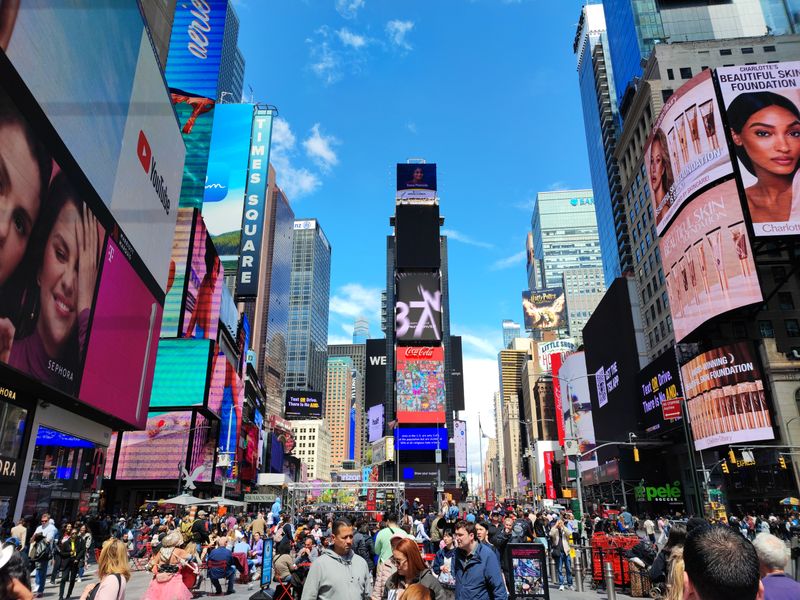
Let us start at the loudest crossroads on the map. Times Square went from a gritty corner to a global stage, and now it feels like the planet meets under those billboards.
The energy is nonstop, with Broadway lights, costumed characters, and a crowd that never seems to thin.
You feel the pressure the second you step out of the station. The pedestrian flow is wild here, and the spectacle can steamroll any small moment you were hoping to savor.
Tourists have turned it into a carnival of flashing ads and forced photo ops, more spectacle than substance.
That said, it is unbeatable for people watching and quick access to theaters and late-night bites.
Want it to feel less like a stampede? Slide in early morning or late on a weekday, when the neon still glows but the sidewalks breathe.
I like to cut down narrow side streets, let the roar fade for a minute, then pop back into the light.
Times Square is overwhelming by design, and the tourist crush only amplifies the chaos.
It is not subtle, but it is honest about what it is. This is the city shouting, and sometimes that is exactly the mood.
Take your time, grab a quick seat on the red steps, and let the scene roll past like a parade.
2. SoHo
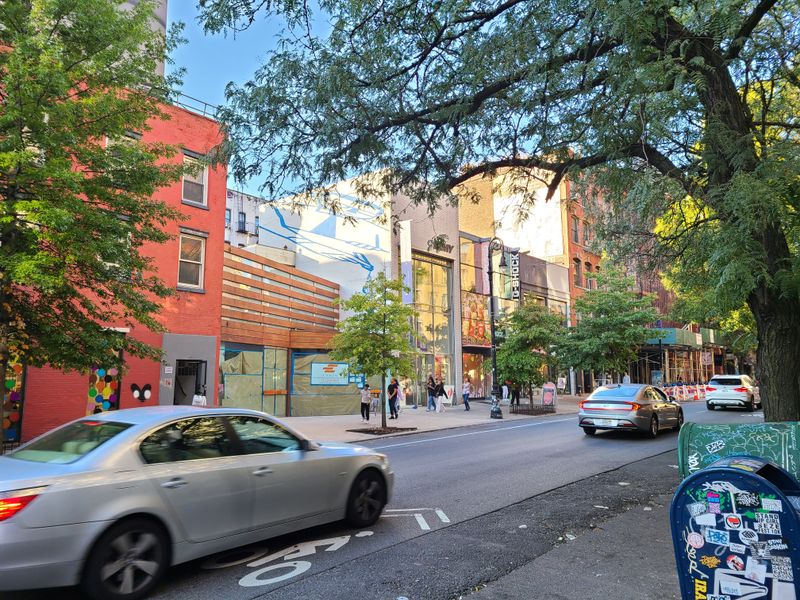
I always think I will breeze through SoHo, then the sidewalks remind me who is in charge. It used to read artsy and low key, and parts still do if you let them.
The main drags turn into a rolling photo studio, complete with lines outside viral storefronts.
Here is the move: wander a block or two off the obvious grid and those cast iron facades feel like a quiet gallery.
You get the architecture without the pileup, plus small spaces where you can actually notice the light on the fire escapes.
I think it is easy to be cynical about the shopping rush. Still, galleries hold strong, and the grid helps you flow without overthinking the route.
I like to pick one corner as a base and loop around it, changing streets every few minutes.
Want a calmer pass? Go on a weekday and keep turning away from any crowd that forms.
Ten steps off the main stream can flip the vibe from a queue to a stroll, which is the New York version that keeps me coming back.
3. The West Village
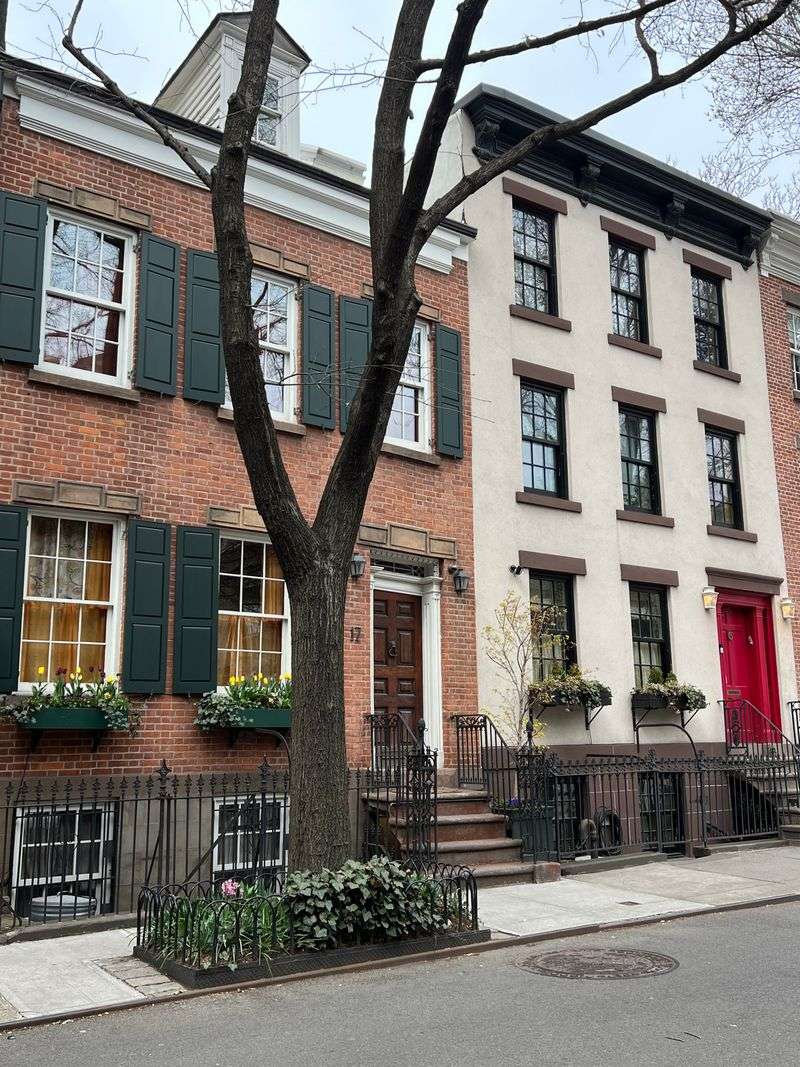
Tell me you do not love a crooked street that feels like a movie set.
The West Village has that storybook look, and the narrower lanes make it feel extra busy when everyone shows up at once.
It is now a must-do stroll, with café hopping and cute corners at every turn.
Even packed, the payoff is real. Brownstones glow, small parks peek out, and the walk feels different from Midtown’s grid.
I drift on instinct here, crossing streets whenever the trees look greener one block over.
Timing helps.
Mornings are gentle, and a rainy day thins the crowd into a whisper. That is when the neighborhood voice gets louder, and the set turns back into a place where people actually live.
Let yourself slow down to match the streets. Pause on a stoop step, then keep moving once you have taken in the details.
You will leave with a clearer memory than any posed snapshot could give you.
4. Greenwich Village
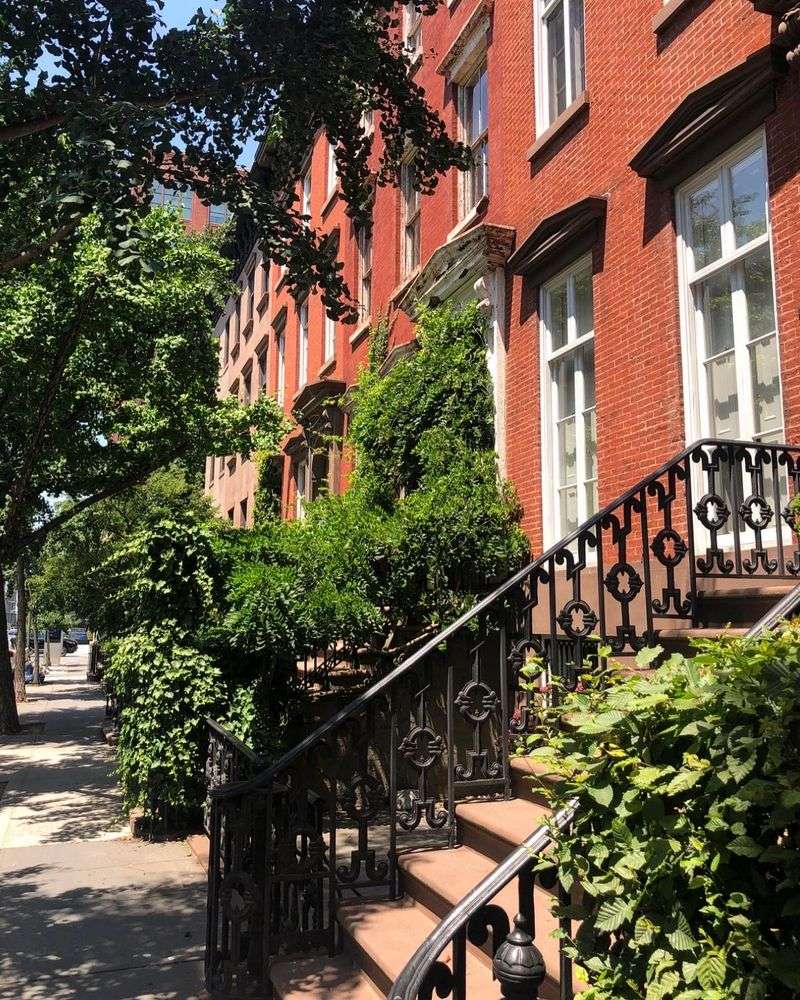
Greenwich Village is where wandering still feels like the right plan.
It went from bohemian hangout to bucket list stop, and the same blocks keep pulling visitors into a predictable loop.
I try to dodge that loop by picking one anchor sight, then drifting.
The streets reward getting a little lost. You pass music posters, old storefronts, and corners that hint at stories without shouting them.
There is history here, but it works best when you do not chase it too hard.
Tourist foot traffic bunches up near well known arches and corners. I take a side street and let the crowd thin, then swing back when I feel ready.
That rhythm keeps the day light on plans and heavy on discoveries.
If you want a Village day that sticks. Build in quiet pauses wherever a bench shows up.
Leave room for a small museum or a quick performance, then walk the long way home while the evening settles in.
5. Chelsea
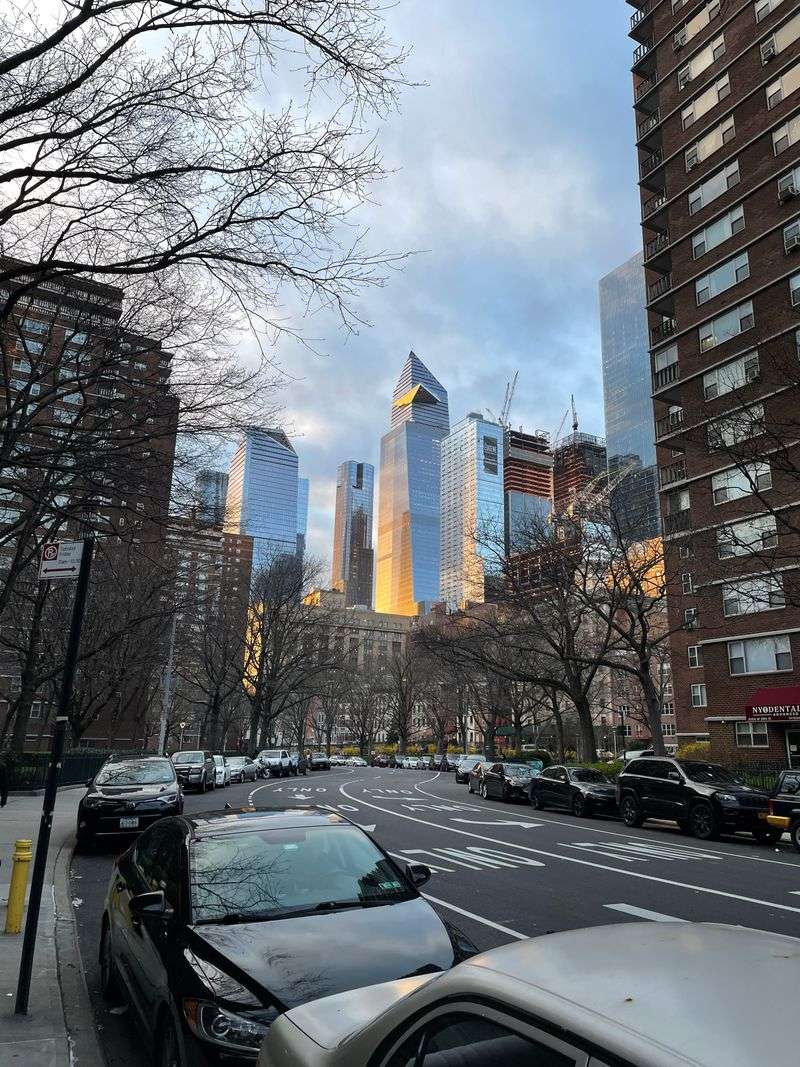
Chelsea is where a plan often picks itself. People go to galleries, grab a bite, then climb the High Line for the views.
The result is a steady river of visitors that turns some blocks into a slow moving parade.
I still like it. Public art pops up in unexpected corners, and you can jump between big spaces and tiny ones without a lot of planning.
The High Line channels everyone, so dip down to street level when it feels crowded.
Off hours change everything. Early or late, you can hear the neighborhood breathe between the big hits.
That is when brick textures and small courtyards feel like the main attraction.
If you want to keep the day calm, set a single gallery as your north star, then let side streets do the guiding.
By the time you reach the river, New York has shifted from loud to steady, which is a nice way to end the loop.
6. The Lower East Side
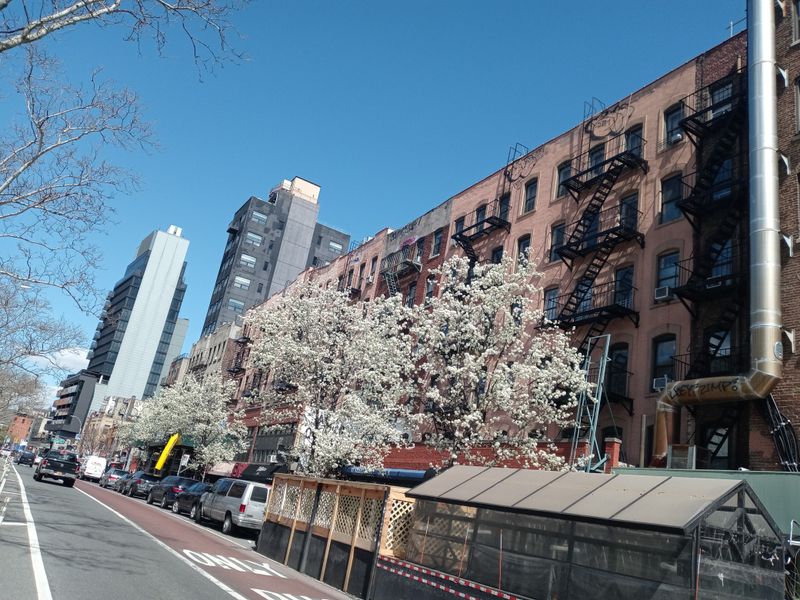
The Lower East Side gets mapped as nightlife central, and weekends can feel intense.
Lines form, music leaks from doorways, and the old grit shifts into a louder version of itself. I like it better when the sun is still up and the streets are warming into evening.
Daytime shows you the bones. Tenements with fire escapes, murals that change every few weeks, and small venues tucked between shops.
The rhythm flips every few minutes, which keeps you curious block after block.
At night, pick your spots. Go for music and skip the loudest queues, then let the side streets carry you between stops.
It is a “choose your own path” kind of neighborhood, best when you resist chasing the trendiest line.
If you want balance, pair a calm daytime walk with one show after dark.
You will get both versions without burning out, and the neighborhood feels more honest that way.
7. Chinatown
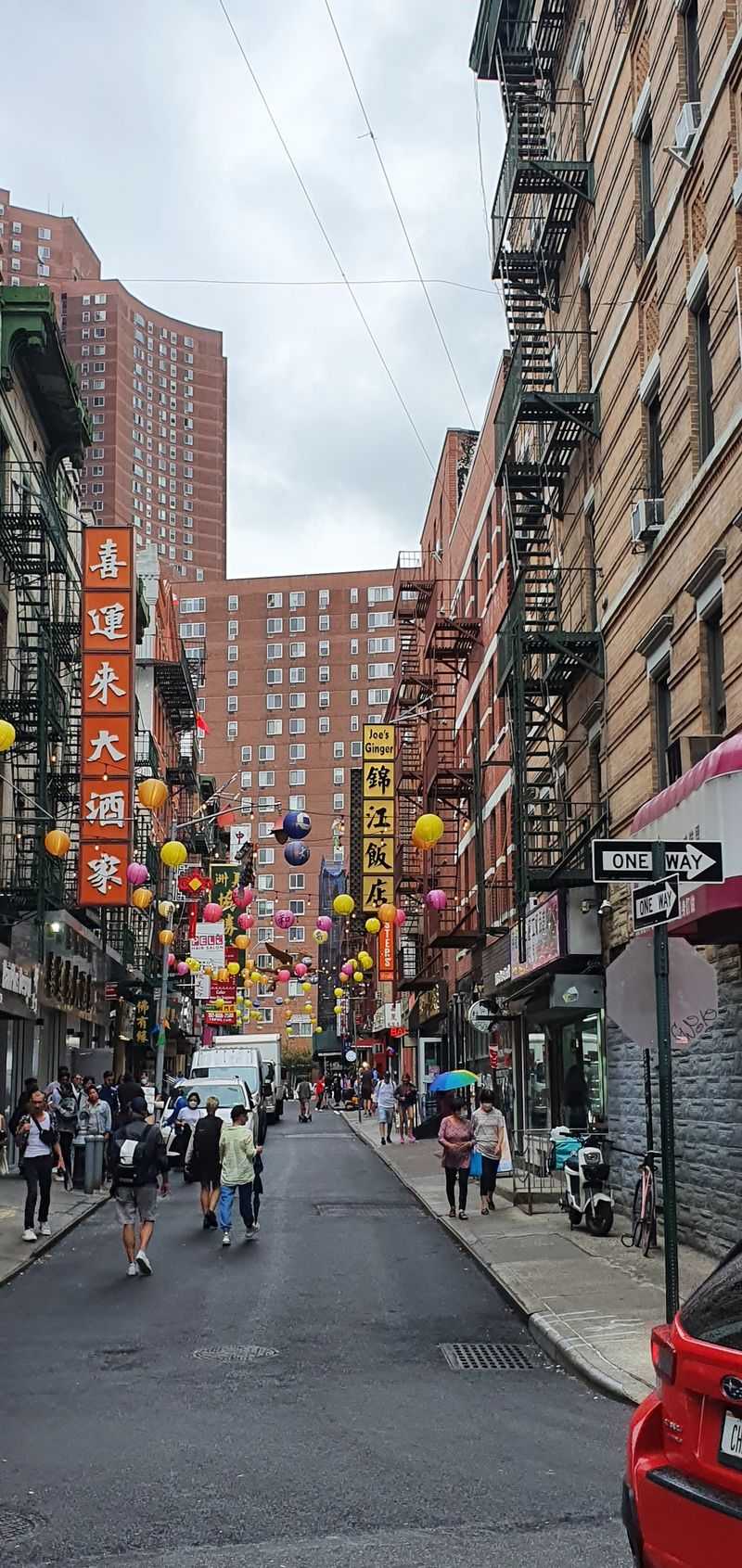
Chinatown moves like a river. Tour groups and destination eaters stream through the core, and some blocks turn into a constant flow.
Walk a few streets away and the whole mood changes fast.
I like to cross the main arteries at a diagonal and chase quieter pockets. Markets hum, families shop, and side alleys feel local again.
The neighborhood connects easily to other downtown areas, so you can keep walking without breaking your day.
It is easy to get stuck at one busy corner. Do not, keep moving, and let the visuals shift every couple minutes.
That is where Chinatown still shines. Quick decisions, small discoveries, and a sense you are weaving through something alive.
You will leave with the sound of the street in your head and a more layered memory than any single snapshot could deliver.
8. Harlem
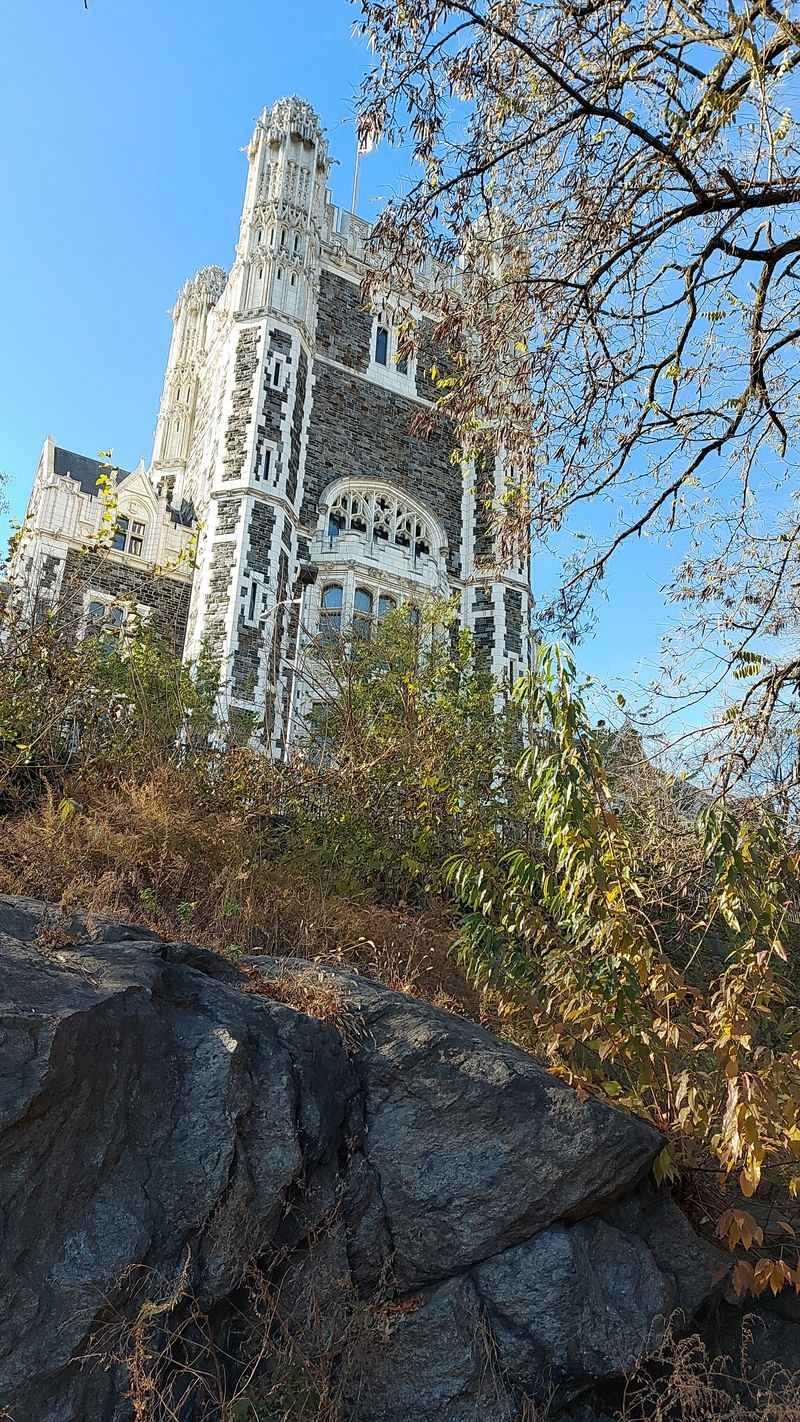
Harlem gets framed as a cultural must see, and that brings visitors to the same headline stops. Parts of the neighborhood can feel toured when big groups arrive.
I try to slow the day down and pick one anchor, like a museum or performance.
The upside here is real. Music history runs deep, landmark venues hold stories, and the neighborhood identity feels distinct from downtown.
A lighter footprint and respectful timing change the experience.
Do not rush. Give yourself room between stops, and walk the longer blocks so the streets can set the tempo.
That is when small details jump out, like a mural tucked beside a stoop.
Build the day around one plan, then leave space. Harlem rewards that kind of pacing, and you will feel more connected by sunset.
I feel like it is less about boxes checked and more about time spent well.
9. DUMBO
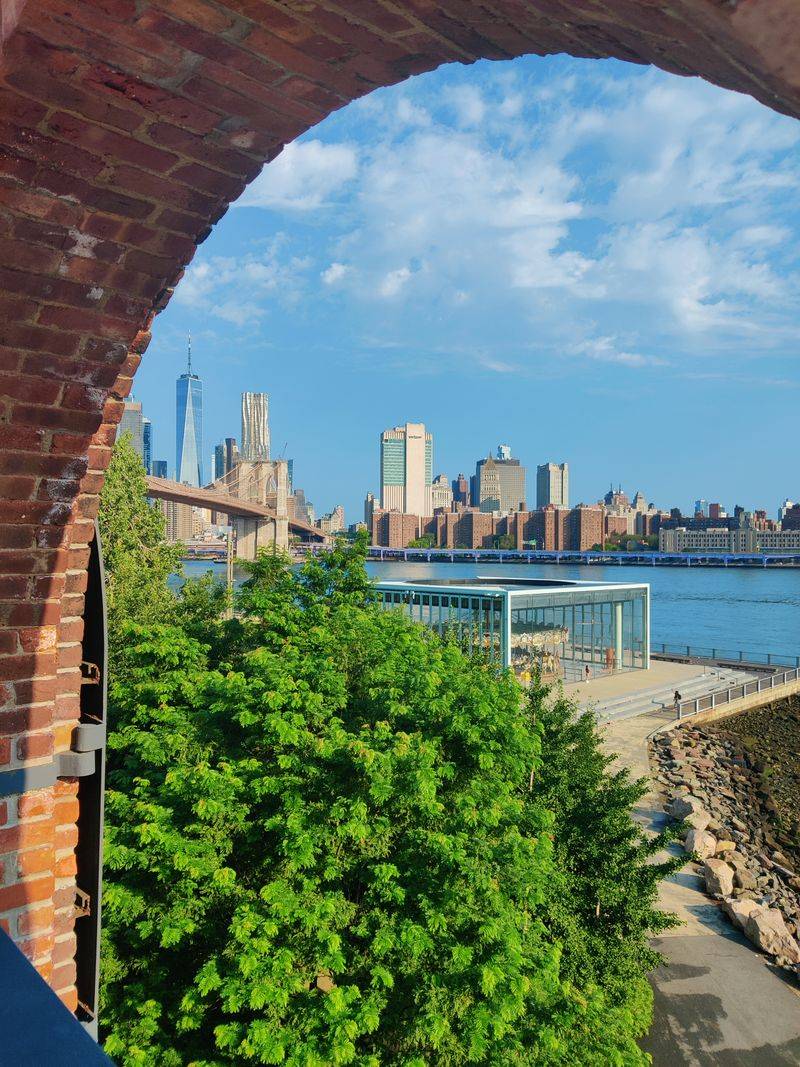
DUMBO is Brooklyn’s big postcard, and the lens crowd proves it. Photo spots, waterfront paths, and bridge views can stack up with people on weekends.
I still go because the skyline angles are unreal and the cobblestones feel cinematic.
Here is the trick I like. Hit sunrise or a winter weekday and the whole set opens up.
You can hear the river, line up a clean view, and wander without dodging a dozen tripods.
The area connects to the waterfront parks in minutes. That makes it easy to stretch the walk and keep the pace easy.
I loop the piers, then drift back through the warehouses when the light swings warmer.
It is popular for good reason. Go early, move steadily, and you will leave with room to breathe.
The bridges will do the rest.
10. Williamsburg
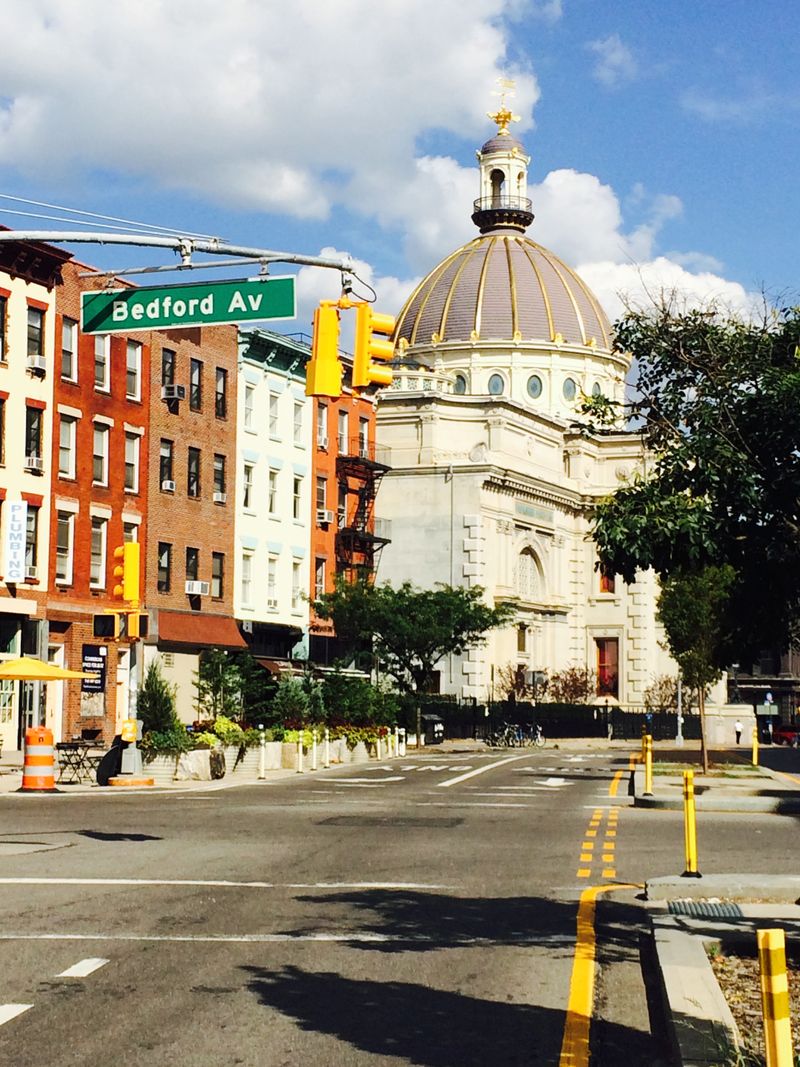
Williamsburg went from “cool if you know” to a standard Brooklyn stop.
The vibe shifted from laid back to always buzzing, with visitors pacing the waterfront and hopping between venues. Some blocks turn into unofficial corridors, especially at night.
I split the day. Mornings are for wandering, checking murals, and browsing without the push.
Nights are for music, with enough time between stops to keep it fun.
It helps to dodge peak brunch hours. That is when lines suddenly grow and quiet corners vanish.
If the streets feel packed, slide toward the river for a wider view and a calmer breath.
This neighborhood still has range. Keep your plans flexible and treat each block like a new chapter.
By the time the skyline lights up, you will remember why it drew people in the first place.
11. The Financial District
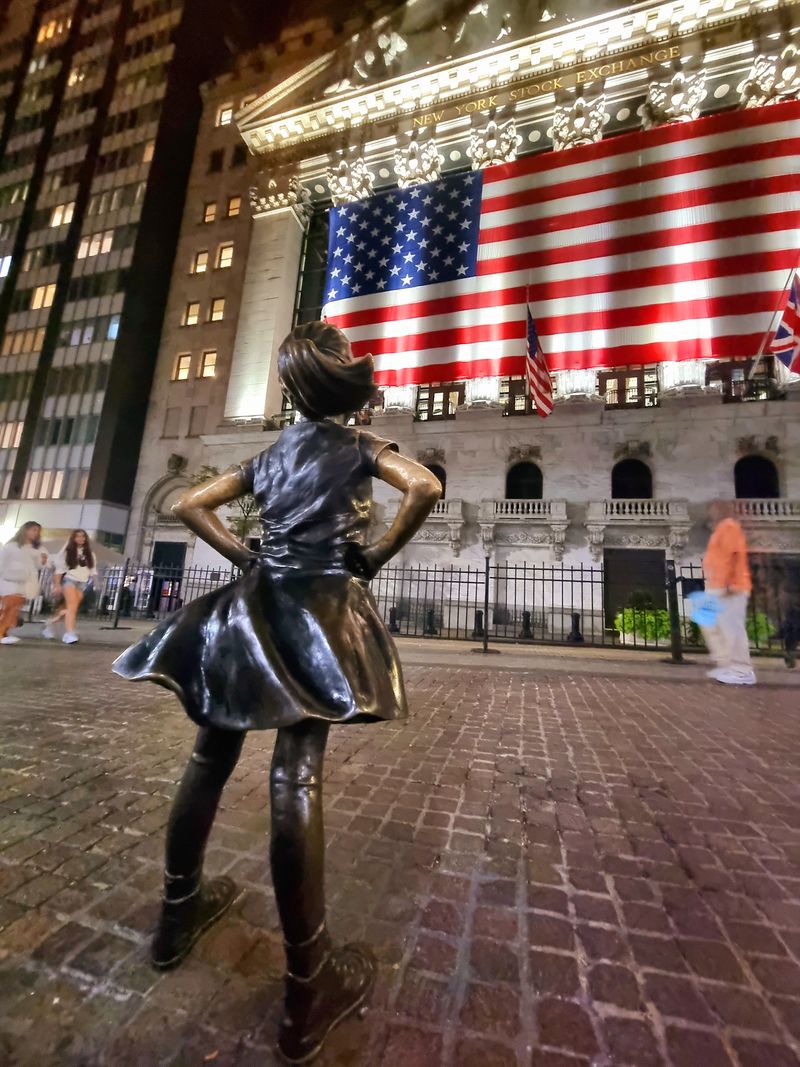
The Financial District squeezes a lot into tight streets. Big landmarks sit close together, which turns the area into a compact loop for visitors.
When citywide numbers spike, these canyons feel extra compressed.
I like to go early and let the day build around it. The waterfront paths are an easy pressure release, and short ferries make a quick escape that still feels like the city.
Historic corners appear suddenly, so walk slowly and look up.
Tourists have hollowed out the district’s atmosphere, reducing it to a backdrop for selfies and rushed tours.
What was once a place of weight and history now feels like a funnel of crowds chasing the same checklist.
It is not just about the checklist. Slip down side streets and the noise drops a notch.
Stone facades and older signs tell their own story if you give them time.
Start here, breathe by the water, then keep walking into neighboring districts. The transitions are half the fun.
You will cover plenty without ever needing to rush.
12. Midtown
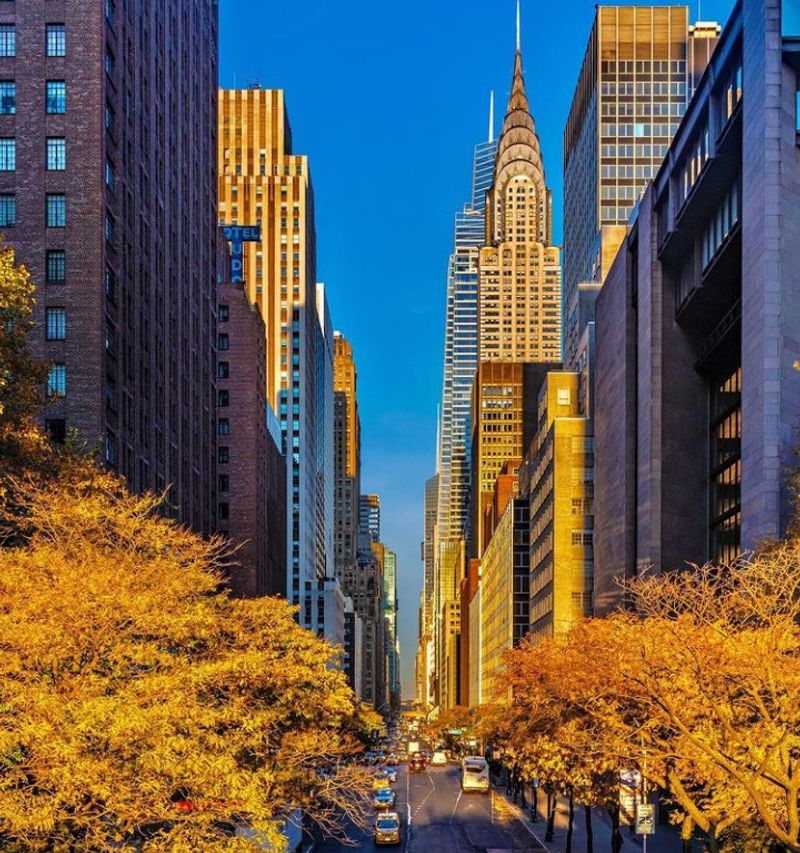
Midtown is the city’s default meeting point. So many first?trip sights stack together that the sidewalks move like a tide.
It can feel rushed if you let the plan snowball.
The tradeoff is convenience. Transit is easy, theaters are nearby, and you can knock out a lot without crossing town.
I make one anchor sight the focus and treat everything else as optional.
Breaks matter here. Slide into a pocket park or a quiet side street when the pace spikes.
Ten minutes of stillness resets the day better than any checklist win.
Tourists turned Midtown into a nonstop attraction, but that doesn’t mean you have to follow their sprint.
The real city hides in the pauses, in the corners they overlook.
Midtown does not have to be a sprint. Keep the plan light, step out of the stream when needed, and you will actually see the streets you came to see.
That is the version you remember.
Dear Reader: This page may contain affiliate links which may earn a commission if you click through and make a purchase. Our independent journalism is not influenced by any advertiser or commercial initiative unless it is clearly marked as sponsored content. As travel products change, please be sure to reconfirm all details and stay up to date with current events to ensure a safe and successful trip.
