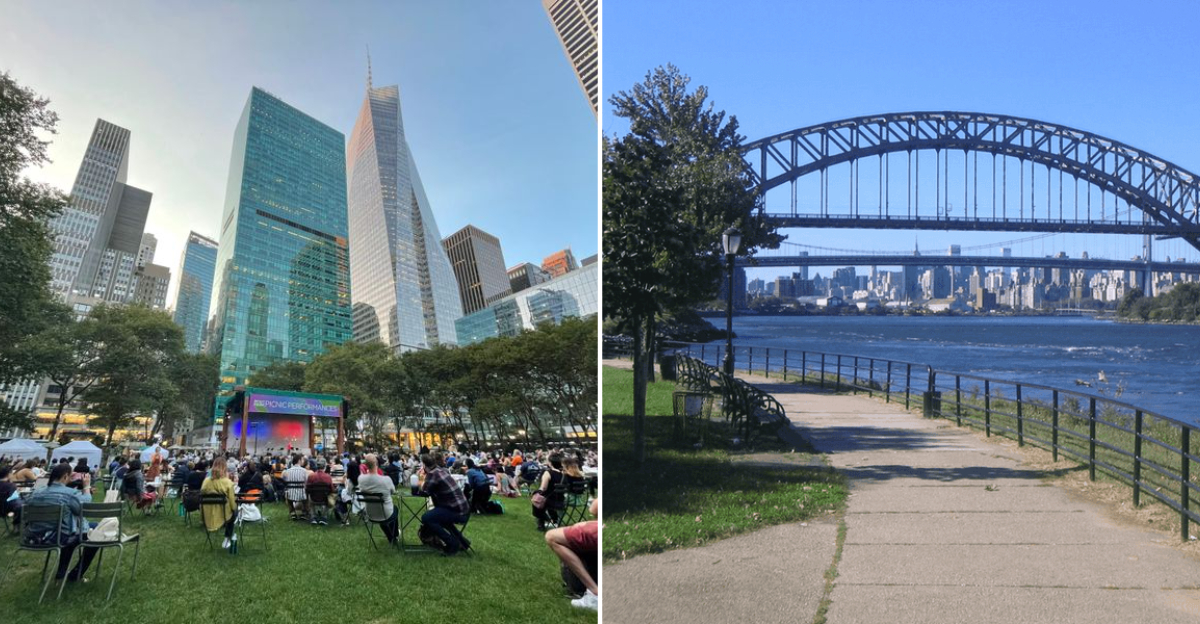
Have you ever gone to a park hoping for a quiet walk, only to feel like you accidentally stepped into a giant outdoor party? That’s the reality in some of New York’s most visited parks.
What should be a place to relax, read a book, or enjoy the scenery has turned into a noisy hangout where tourists crank up the music and crowd the lawns.
I’ve seen it myself, heading into a park for a little peace, only to be met with booming speakers, groups dancing, and people treating the space like their own festival ground.
Parks are meant to be lively, sure, but there’s a difference between energy and chaos.
When the noise drowns out the birds and the crowds leave little room to breathe, the charm that made these parks special starts to fade.
So which New York parks have lost their calm to loud parties and tourist takeovers? Let’s break down the spots where the vibe has shifted.
1. Washington Square Park
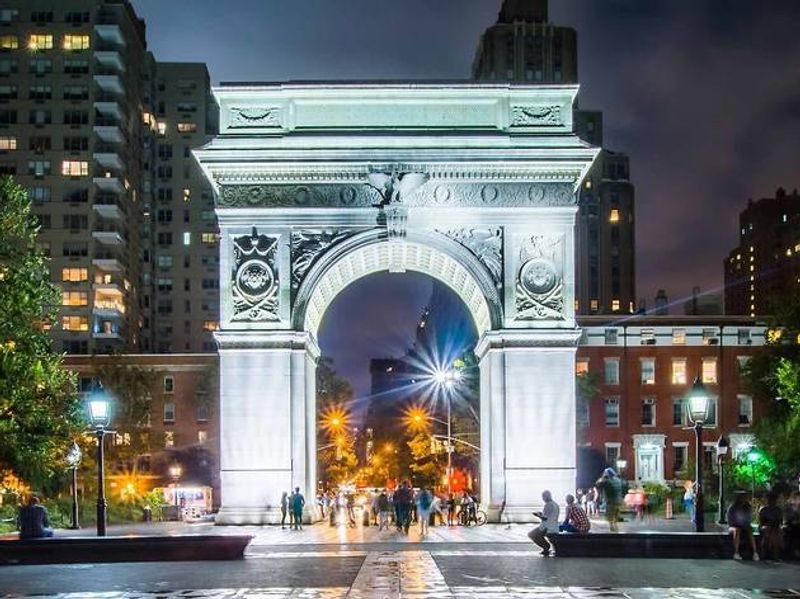
You know that moment when a chill hangout spirals into a soundtrack you can hear from blocks away? That is Washington Square Park.
The arch looks beautiful at 5 Ave, Waverly Pl., W 4 St, and MacDougal St, New York, but the vibe shifts fast when every group brings a speaker.
You can feel the bass before you see the crowd, especially at night when the plaza becomes the stage. It is exciting, sure, until you are hunting for a quiet bench and realize there is not one.
NYC requires permits for amplified sound, which keeps events in check. Ignoring that turns a hangout into chaos and gets neighbors organizing.
On a sunny day, I still stop for the fountain and the chess tables, I just prepare for volume.
If someone is planning a legit event, the permits help, and you can feel the difference. Security is clearer, volume is dialed, and the space feels shared rather than grabbed.
When it is a free-for-all, though, it becomes a maze of competing playlists. Beautiful park, complicated soundtrack, and a lesson in how rules shape the city’s heartbeat.
2. Prospect Park
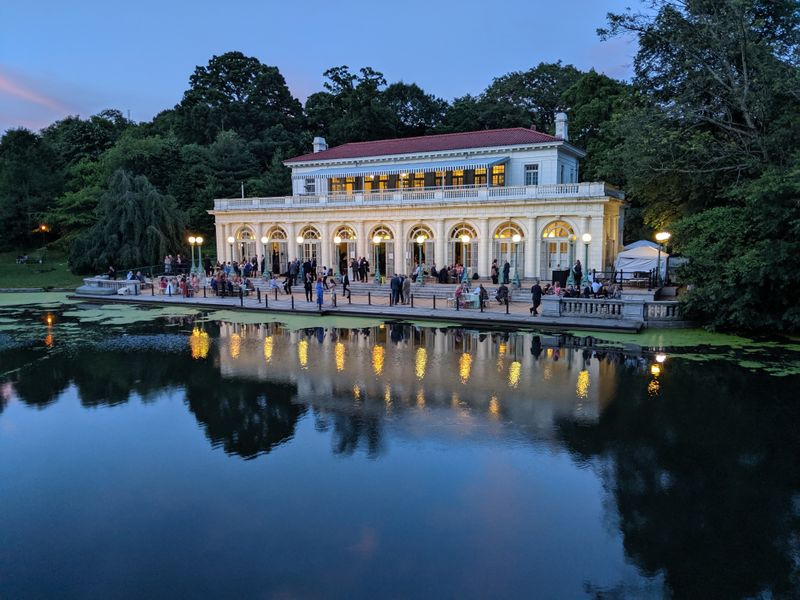
Prospect Park has that big Brooklyn energy that draws everyone the second the sun appears.
I love the Long Meadow and the winding paths off Prospect Pk W, Flatbush Ave, Parkside Ave, and Ocean Ave, Brooklyn.
But on busy weekends, the lawns can turn into one long soundtrack. You hear bass drifting across open fields, blending with bikes and laughter.
It is friendly until the volume keeps climbing and a dozen playlists crash into each other.
When visitors ignore sound rules, the vibe tilts from mellow to relentless. I have watched rangers try to nudge things back to center.
I think it works best when groups respect the amplified sound permit process.
Even organized concert series have sparked neighbor complaints, which says a lot about how far sound travels here.
These meadows are like bowls. The audio just hangs in the air and keeps rolling.
On a road trip swing through New York, I plan my timing. Early mornings are calm.
Late afternoons can mean noise, especially near popular lawns.
If someone wants that big scene, fair enough, but you feel the difference when people keep volumes considerate.
The city’s rules help keep the park for everyone. Otherwise, it starts feeling like a patchwork festival without fences.
Prospect is still a favorite, just better when the speakers take a breather.
3. Central Park
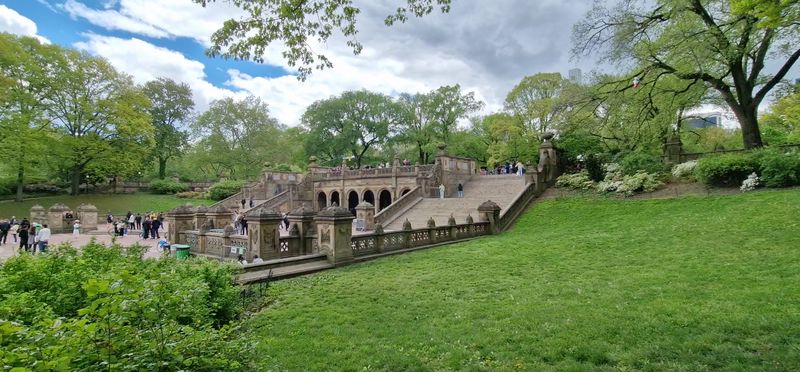
Central Park is basically the city’s backyard. That means gatherings scale up quickly, and the volume follows.
Near the Great Lawn and popular entrances from 5 Ave to Central Park W, 59 St to 110 St, you can watch a quiet corner shift into a rolling chorus of playlists.
It is impressive, and sometimes exhausting. You dodge one group and run into another with a bigger speaker.
NYC’s amplified sound rules exist for a reason. When groups treat the park like a venue, it gets tricky to find quiet.
The rocks catch the sound, the trees carry it, and suddenly the hush you wanted is miles away. I have seen organized activities run smoothly with permits and clear plans.
That structure helps. I still love wandering those curving paths and open fields, you just learn to pivot.
The city’s heartbeat is part of the charm, but there is a difference between ambient buzz and nonstop thump.
On days when the speakers stay reasonable, Central Park feels like a miracle. When they do not, you remember how sound can swallow even a giant space.
4. Tompkins Square Park
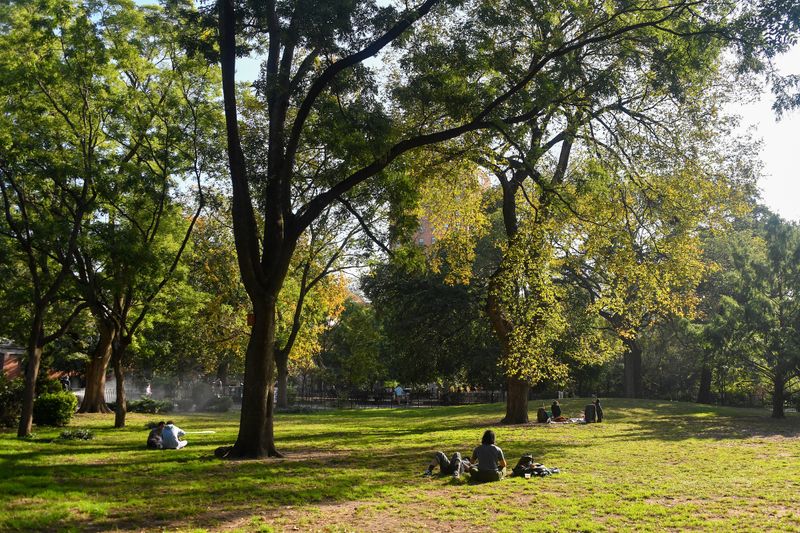
Tompkins Square Park has a spark that flips fast. One minute it is chill, the next there is a soundtrack echoing between Ave A to Ave B, E 7 St to E 10 St, New York.
You hear it before you step through the gates. On warm nights, clusters grow and the volume stacks up.
It can feel like the party found you, not the other way around.
NYC requires permits for amplified sound, and that rule really matters here. When people skip it, the noise swells and neighbors feel trapped.
I have watched folks try to relocate, only to find another speaker around the bend. Courtesy is the difference.
A little volume control and Tompkins becomes the casual hang everyone wants. Without it, paths turn into corridors of competing bass lines.
I like passing through for a bench break when the energy is mellow. If it tips loud, I slide toward the quieter edges and keep walking.
The park can handle a lot, but it is still a neighborhood space, not a stage. When events go legit, you can feel the organization and the respect.
Tompkins is alive, and it is better when the sound matches the size of the space.
5. McCarren Park
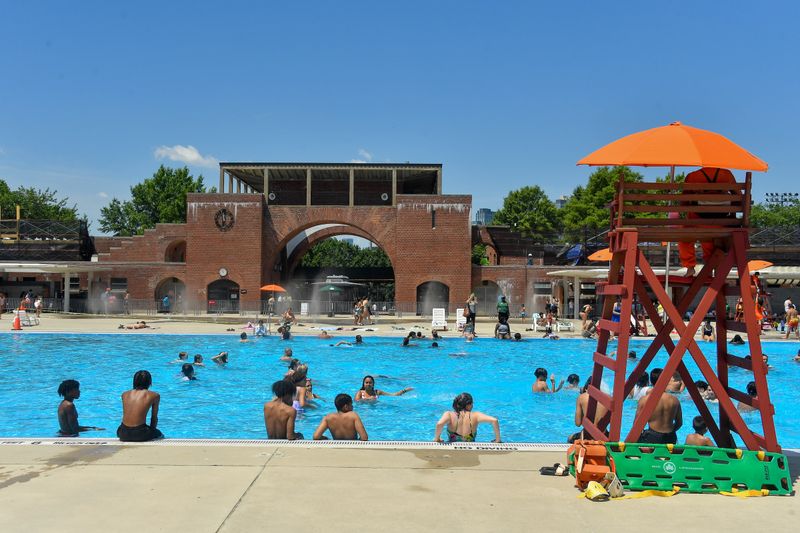
McCarren Park always feels like plans in motion.
Williamsburg and Greenpoint friends converge and suddenly the day turns lively.
Near Nassau Ave, Bayard St, Leonard St, and N 12 St, Brooklyn, it is easy to stumble into a big hang.
The pool area’s history with music events adds to that party reputation. You sense it the second you walk past the track and lawns.
When people ignore sound limits, the atmosphere shifts from community park to weekend scene, not terrible, just loud.
The thing is, volume carries across the fields and follows the runners. If someone wants amplified sound, permits matter.
Clear boundaries make space for everyone. Otherwise, it feels like ten overlapping plans arguing for attention.
On my road swing through this state, I time McCarren for mornings or early evenings.
The light is soft, the chatter is human, and the music stays background instead of headline.
I like a lively park. I just like leaving with my thoughts still intact.
When the speakers stay respectful, families, friends, and solo wanderers all fit fine. When they surge, it becomes a loop of bass you cannot escape.
6. Flushing Meadows Corona Park
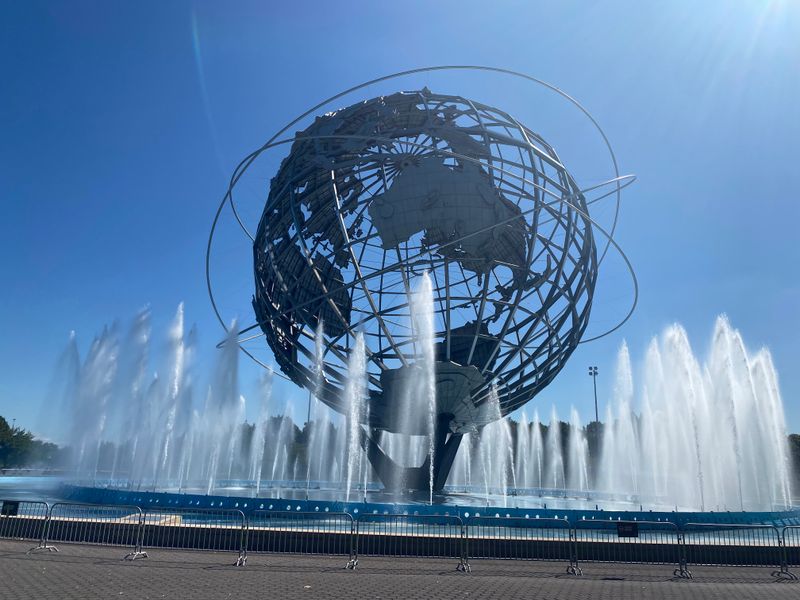
Flushing Meadows Corona Park is massive, and the energy mirrors that size.
By the Unisphere and big plazas off Grand Central Pkwy and Van Wyck Exwy, Queens, gatherings can snowball.
The park is built for scale, which invites volume. On busy days, you can trace sound across the fountains and lawns like ripples.
It is grand and a little relentless when every corner has its own mix.
When folks treat the place like a festival without structure, the calm parts disappear. You notice it most when you try to take a quiet lap and keep catching another speaker.
With permits, staff can set expectations, direct setups, and keep volume in a lane. That makes the whole area feel coordinated instead of chaotic.
I love the visual drama here. Big skies, sweeping paths, iconic structures, but the volume needs a plan.
When the sound grows without limits, the park starts feeling like a maze of competing events. I like to aim for off-peak times and enjoy the scale without the echo.
This spot can handle a crowd, just not ten unplanned ones at once. Respect the rules and the park hums instead of roars.
7. Astoria Park
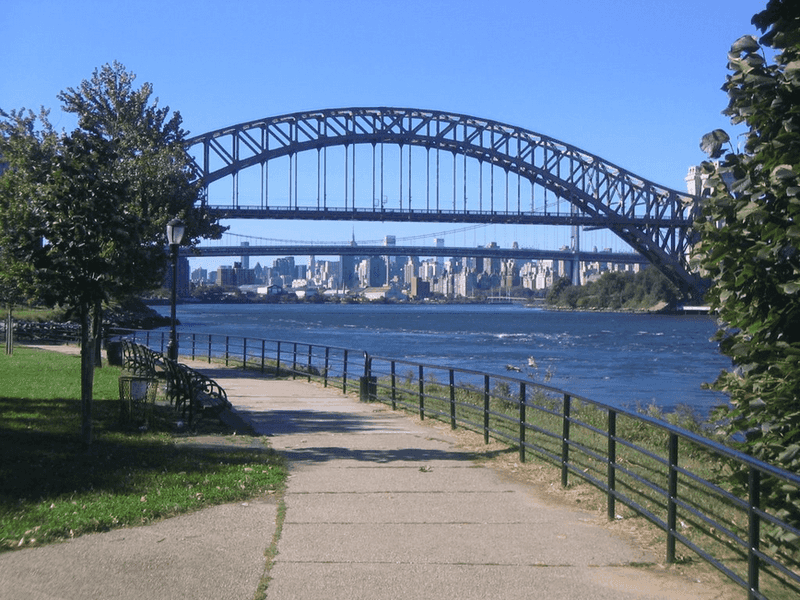
Astoria Park is the kind of place that reels you in with the waterfront views. Then the crowd rolls in and the volume sneaks up on you.
Along 19 St between Astoria Park S and Ditmars Blvd, Queens, the lawns fill fast. On warm days, the energy is magnetic.
Add a few speakers and the calm edge of the river starts to fade.
When amplified sound shows up, NYC expects permits. That keeps volume from stretching down the paths and over the water.
Without that, the sound travels and sticks. You can feel it under the bridge views and by the track.
I have had afternoons that felt lovely here, and others where music stacked from every direction. The difference is usually volume discipline.
On a swing through Queens, you can bring headphones as a backup. If the vibe leans loud, move closer to the edges and let the river do its thing.
Astoria Park shines when voices and laughter stay foreground and speakers run soft. You still get the city buzz, just not a queued playlist from every corner.
With permits in place, events land well and the space keeps its easy pace, no drama, just shared space done right.
8. Randall’s Island Park
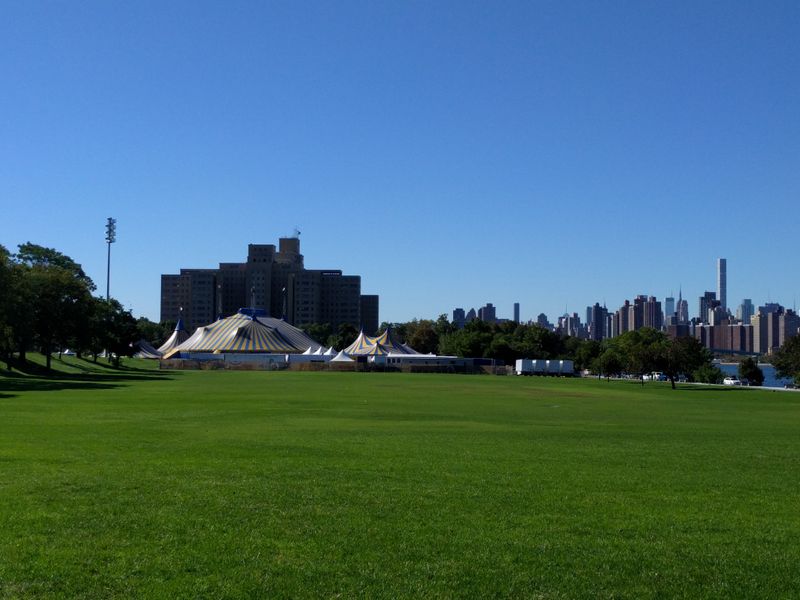
Randall’s Island Park feels purpose built for activity: big fields, big paths, big energy.
Set between the East River and Harlem River, New York, it naturally attracts large groups.
On days packed with games and meetups, the volume can ride high even without a main event. When visitors bring festival volume without structure, it feels like nonstop motion.
With coordination, there is room for energy and room for breath. Without it, music drifts across fields and lingers on the water.
I have walked the waterfront here and felt competing tracks chase me from one path to the next. It is impressive and a bit much.
I like to go early or pick pockets of calm along lesser used edges. The scenery is great and the skyline keeps you company.
When sound is managed, the space feels really generous.
Randall’s Island is a reminder that big parks still need volume discipline. Respect the permits, and the whole place moves in rhythm.
9. Bryant Park
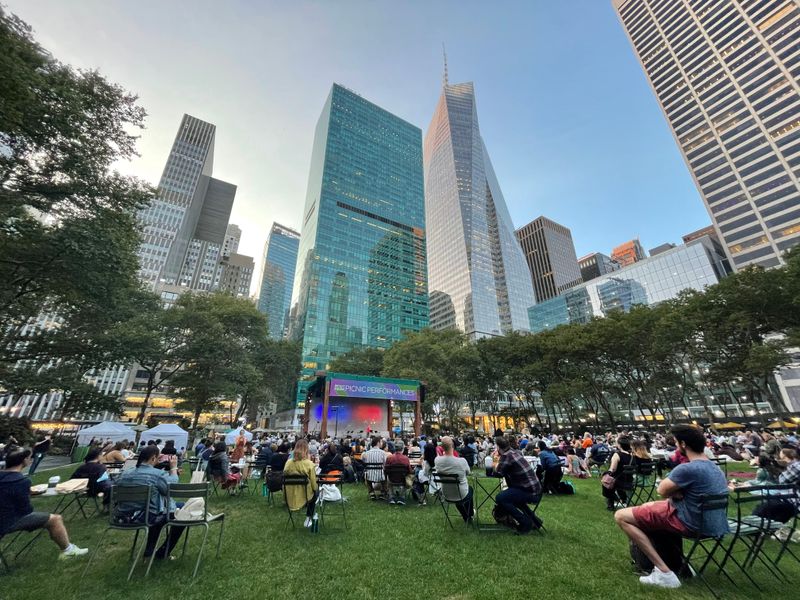
Blink and Bryant Park changes gears. One moment it is a quick breath of green, the next it is a public event vibe.
Between 5 Ave and 6 Ave, W 40 St and W 42 St, New York, the space is small for how famous it is.
That means even modest crowds feel loud. Sound has nowhere to drift, it bounces between buildings and sticks around.
City sound and event rules matter here more than most places. A permitted setup keeps things clear and the volume reasonable.
Without that, personal speakers start stacking and the lawn becomes a chorus. I grabbed a seat once and watched the atmosphere flip in minutes.
It is exciting, but sometimes too constant. You come for a breather and get a soundtrack.
I like to gauge the edges first. If the noise feels hot, I loop the perimeter and enjoy the garden pockets.
When events run with structure, the park handles the buzz and still feels welcoming.
Bryant is a classic city square, it just needs volume that remembers how close everything sits.
10. Rockaway Beach And Boardwalk
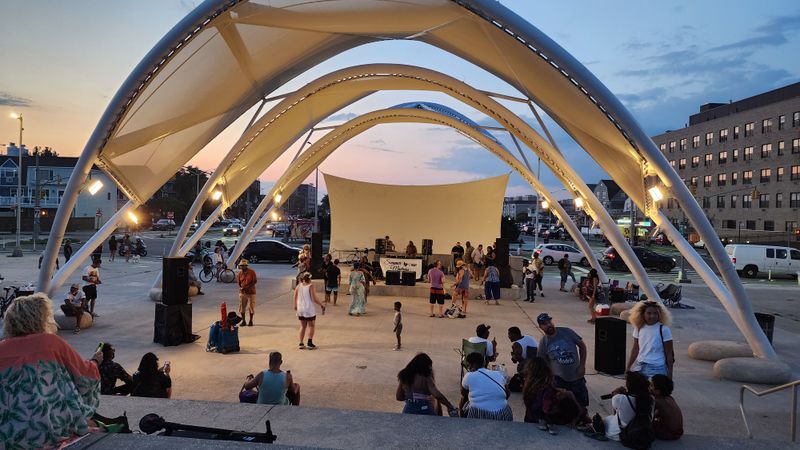
Rockaway Beach And Boardwalk shines when the sun is out and the breeze is right.
It also gets loud fast. Along the Atlantic from Beach 9th St to Beach 149th St, Queens, big groups flock to the sand and the planks.
The boardwalk energy is contagious. Near the Beach 94th Street amphitheater area, residents have pointed to noise carrying into nearby blocks.
You can hear why when the wind pushes sound inland.
NYC’s sound limits exist to keep the boardwalk from turning into a drag strip of competing speakers.
With structure, the space spreads people out and the ocean steals some of the noise.
On a road trip loop through Queens, I walk early and leave before the afternoon peak. The views stay crisp and the crowd stays friendly.
When speakers stay in check, you get that rare city beach calm.
Rockaway works best when the ocean is the main audio track and events follow the rules. It is still a great stroll, just better when the volume breathes.
11. The Battery
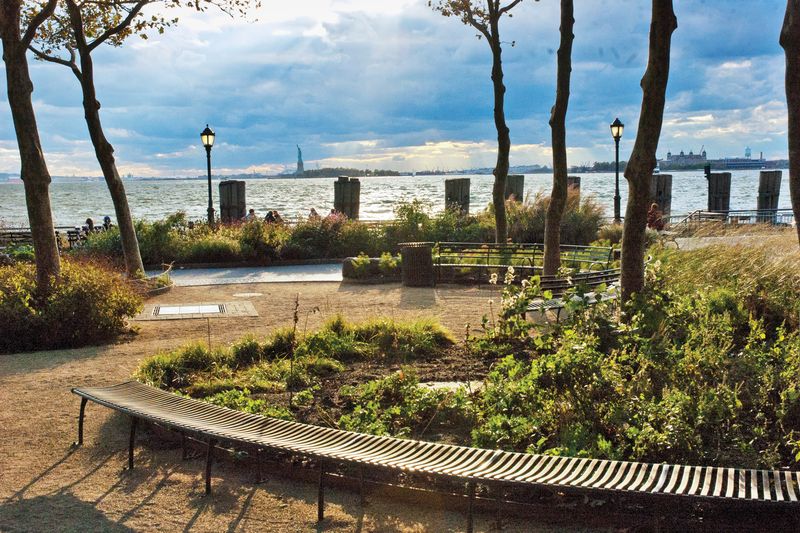
The Battery is where the city funnels visitors toward the water.
On packed days, it gets loud quickly. State Street and Battery Place, New York, feel like a crossroads where every tour meets.
Add a few speakers and the atmosphere jumps from scenic to stressful. The gardens still look great, but you are threading through noise as much as people.
Like other parks, amplified sound here needs permits. That is not red tape for the sake of it.
It keeps a tourist-heavy space from turning into a traveling concert. I have walked the waterfront paths and felt the difference when volume is managed.
The harbor sounds are present, but you can still think. Without structure, you hear competing tracks ride the breeze and stack along the promenade.
On a downtown day, you can pause for the views and then slip to quieter corners.
A short break on a shaded bench goes a long way.
The Battery is a gateway, it just benefits from sound that remembers people come here to breathe.
12. Riverside Park
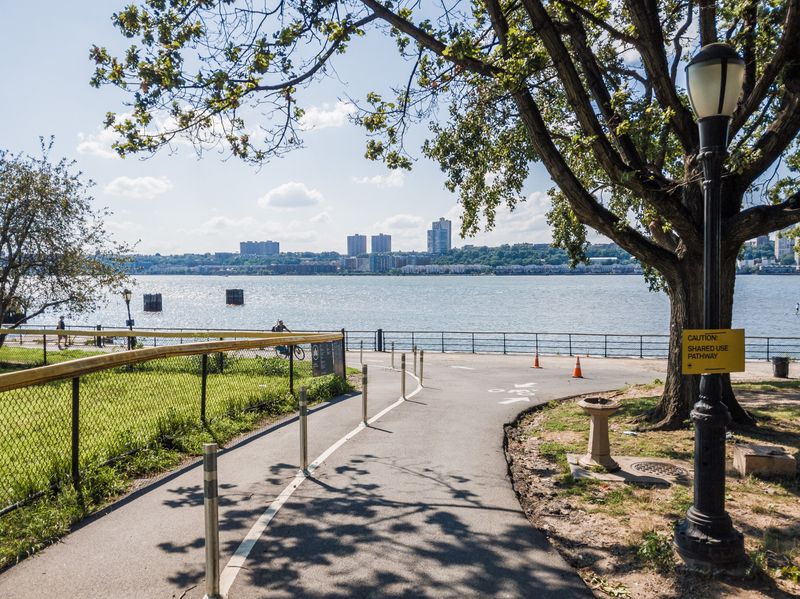
Riverside Park stretches for what feels like forever. Even with all that space, the popular sections collect noise.
From Riverside Dr to the Hudson River, W 72 St to W 158 St, New York, the lawns and paths draw steady crews.
On warm nights, you catch music drifting under the trees. It is nice until the volume settles like a blanket you cannot shake.
NYC’s sound rules are the reason a waterfront escape can stay calm.
When groups bring amplified sound without clearance, the noise sprints down the paths and finds every bench.
I prefer the stretches where people keep things conversational. The city hum is fine, it is the portable bass that turns a stroll into a dodge.
The park holds multitudes when folks respect the space. Riverside is a gift to Manhattan, and it sings best when the soundtrack matches the view.
Dear Reader: This page may contain affiliate links which may earn a commission if you click through and make a purchase. Our independent journalism is not influenced by any advertiser or commercial initiative unless it is clearly marked as sponsored content. As travel products change, please be sure to reconfirm all details and stay up to date with current events to ensure a safe and successful trip.
