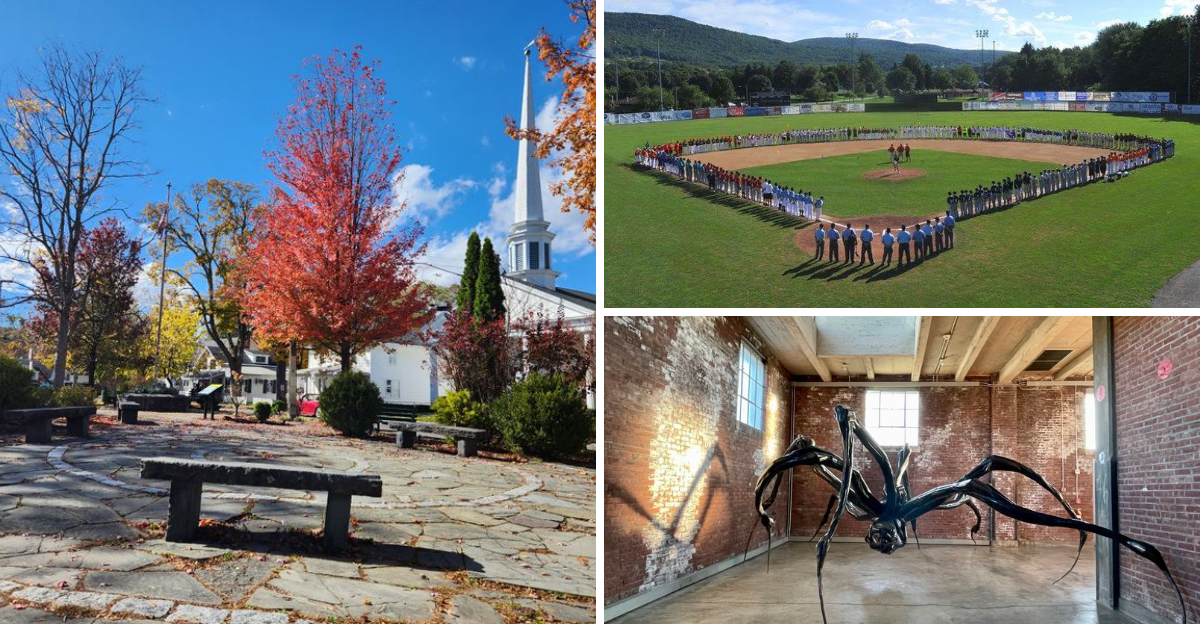
New York is seeing intimate towns become headline destinations, and the shift is reshaping daily life block by block.
You can feel the tension between small town warmth and the constant buzz of visitors searching for the next photogenic corner.
Travelers hold real power to lighten the load, simply by timing trips, choosing local spots, and respecting the rhythm of each place.
This guide shares what is changing on the ground, plus smart ways to experience the Empire State with care.
1. Lake Placid: Olympic Legacy, Everyday Gridlock
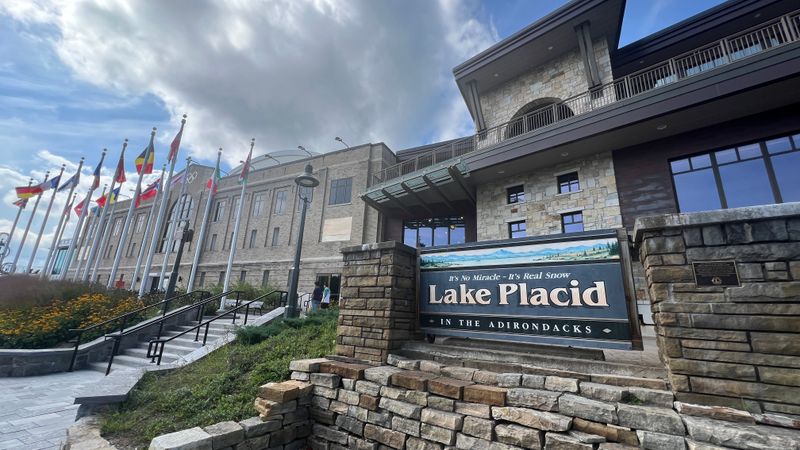
Once peaceful Adirondack days now collide with year round visitor energy that pulses through Main Street, Lake Placid, New York 12946.
Olympic pride remains tangible in the banners and rink facades, yet locals plan errands around peak surges to sidestep gridlock.
You can still feel the mountain town soul if you arrive early, park once, and wander by foot.
Housing pressure has escalated as short stays reshaped rentals, pushing workers toward longer commutes and thinner margins.
Service staff who keep trails open and shops humming often travel from outlying hamlets, stretching budgets and time.
These quiet sacrifices rarely appear on postcards, but they define daily life beyond the scenic overlooks.
The village tested stricter parking rules and digital meters, and discussions continue around visitor caps during holiday peaks.
Weekday shoulder seasons bring clearer sidewalks, steadier conversations, and shorter lines for rinks and the Olympic Center at 2634 Main Street, Lake Placid, New York 12946.
You help most by staying longer, choosing locally owned lodging, and exploring less known lakeside paths.
Public restrooms, trailheads, and shuttle stops are posted clearly, so you can skip unnecessary laps around town.
Consider a sunrise loop along Mirror Lake Drive, then pause on a bench and let the village breathe again.
When visitors move gently, the Adirondack calm returns, and that is the legacy worth protecting.
2. Woodstock: From Counterculture to Commercial Chaos
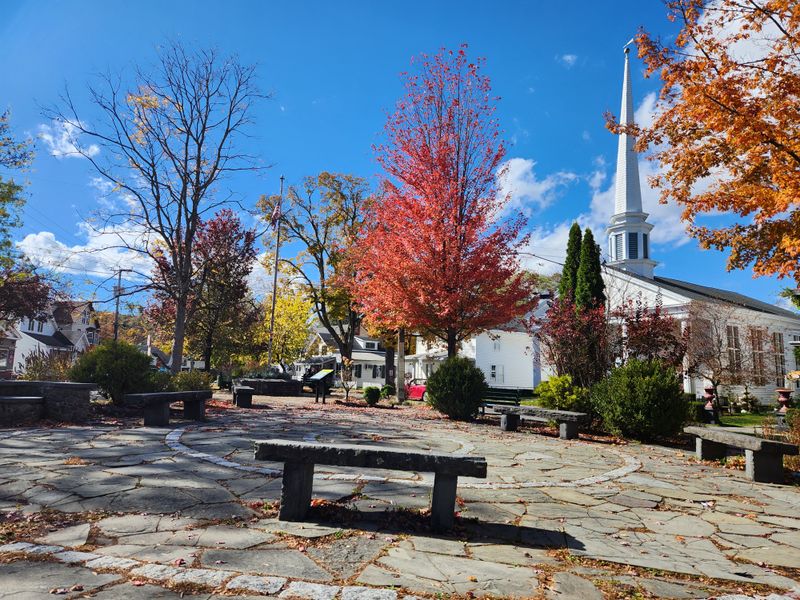
The myth of the festival lingers over Woodstock, yet the town lives on the ground, centered around the Village Green at 6 Tinker Street, Woodstock, New York 12498.
Weekends feel like a parade of tripods and peace signs as sidewalks fill and curb space vanishes.
You can still find quiet, but it takes timing, patience, and a turn off the main drag.
Rising rents reshaped storefronts and nudged essential services to the periphery, weakening everyday convenience for residents.
Artists who built the scene now navigate studio shortages and higher costs that dull creative spontaneity.
Local conversations often circle the same question, how to welcome visitors without losing the pulse that drew them here.
Parking restrictions and more signage have calmed a few corners, yet congestion lingers on festival style Saturdays.
If you arrive early, park once, and explore side streets, the galleries and workshops speak more clearly.
The Woodstock Artists Association at 28 Tinker Street, Woodstock, New York 12498, anchors an authentic thread amid the bustle.
You help by supporting year round businesses and respecting residential blocks where driveways double as lifelines.
Step onto back lanes, listen for creek water, and leave space around doorways and porches.
With mindful pacing, the Catskills spirit surfaces again, quiet, grounded, and welcoming.
3. Montauk: Fishing Village Turned Party Peninsula

At the far tip, Montauk’s working waterfront meets a tide of weekend visitors along Main Street, Montauk, New York 11954.
Summer queues creep along two lane roads, and the mood flips between beach holiday and logistical puzzle.
You feel the difference immediately when arriving midweek in shoulder months with a plan to park and stroll.
Fishing heritage shows at Gosman’s Dock, 500 W Lake Drive, Montauk, New York 11954, where locals still swap weather notes.
Space along marinas grows tighter as seasonal demand pushes out long held slips and storage.
Workers balance multiple jobs and longer drives as housing tilts toward short stays and investment use.
Rules around short term rentals and beach access now steer traffic, yet pressure stays high in peak heat.
Conservation groups mark dunes and nesting zones with clear fencing, asking visitors to keep feet on paths.
You can reduce friction by using village lots once, walking the harborfront, and keeping voices low near homes.
Morning lighthouse views at 2000 Montauk Highway, Montauk, New York 11954 bring the calmer side back into focus.
Choose benches with harbor breezes, watch working boats return, and give crews the right of way.
With that care, the old Montauk cadence still surfaces, steady as the tide.
4. Hudson: Antique Destination, Unaffordable Reality
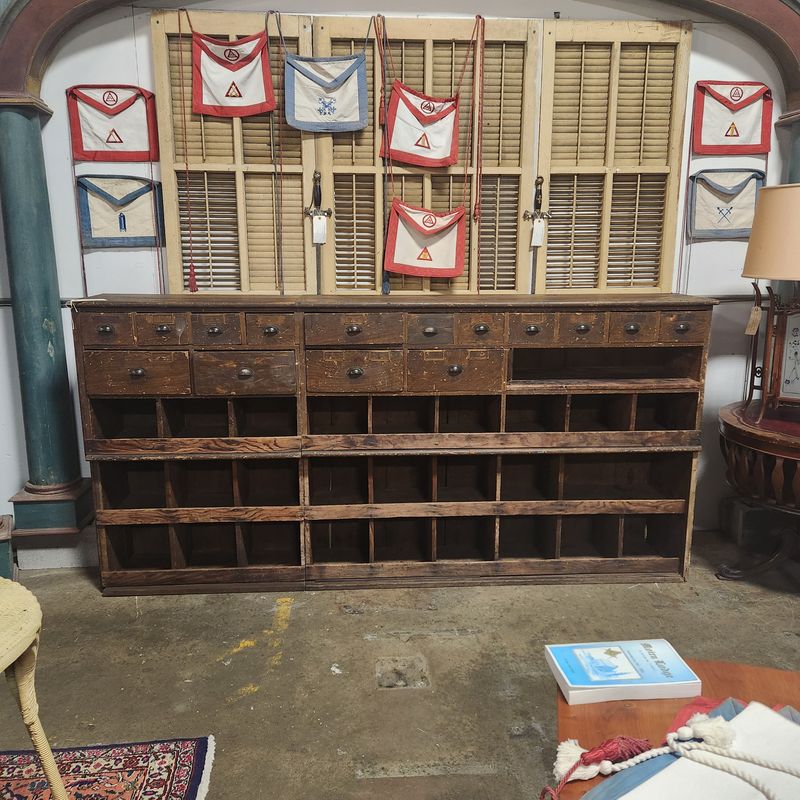
Hudson’s stylish face shines on Warren Street, yet daily routines stretch beyond the window displays and gallery lights.
The city’s core welcomes constant day trips from across New York, filling curbs and crosswalks at a brisk clip.
You can sense another tempo on side streets where porches and parks anchor community life.
Rising housing costs squeeze teachers, firefighters, and service staff who keep the city running year round.
Some residents commute longer, while others double up, creating quieter burdens behind the facades tourists photograph.
It is a delicate balance between economic vitality and a livable, neighborly rhythm.
Local groups support attainable housing and advocate for hiring commitments when new storefronts open.
Visitors can help by splitting time between Warren Street and the riverfront park at 1 Water Street, Hudson, New York 12534.
Leave driveways clear, keep noise low after dusk, and follow posted signs near residential blocks.
The station area at 69 Front Street, Hudson, New York 12534, offers a car light arrival that eases parking pressure.
Look up at cornices, step into independent shops, and ask staff for less traveled corners.
With thoughtful choices, the river city vibe returns to a human scale that feels right.
5. Beacon: Art Mecca, Affordability Nightmare

Beacon’s creative engine hums along Main Street while trains deliver steady weekend crowds to the riverfront station at 1 Ferry Plaza, Beacon, New York 12508.
Lines form outside galleries, and sidewalks tighten as day trippers scan murals and window art.
You feel relief by pacing visits early, walking instead of circling for spaces, and taking breaks by the water.
Rents and studio costs climbed, thinning the ranks of artists who seeded the revival.
Families relocated to nearby towns, shifting school rosters and daily routines across the valley.
The conversation now centers on growth with guardrails that preserve creative roots.
City policy requires affordable components in new builds, and community groups track progress block by block.
Dia Beacon at 3 Beekman Street, Beacon, New York 12508, anchors cultural gravity without defining everything.
Support long standing hardware stores, bookstores, and repair shops that serve residents all year.
Walk the riverside path, keep stoops clear, and keep voices soft near homes tucked behind Main.
The mountain backdrop and brick mills reward slower steps and curious detours.
With care, the art town remains livable, not just photogenic, for everyone who calls it home.
6. Greenport: Fishing Port Drowning in Visitors

Greenport’s harbor charm draws steady streams along Front Street and the ferry slip to Shelter Island at 11 Bridge Street, Greenport, New York 11944.
Traffic idles on warm weekends, and sidewalks crowd as visitors fan out toward the carousel and docks.
You can dial down the stress by arriving midweek and walking from a single parking spot.
Working watermen navigate shrinking dock access as slips tilt toward leisure and seasonal demand.
Homes across the village increasingly serve short stays, leaving lights dark through quieter months.
That seasonal pattern pulls neighbors apart and complicates staffing for year round services.
Short term rental rules now shape listings, and ferry operators study reservation tools to smooth peaks.
The village center at 236 Third Street, Greenport, New York 11944, holds benches and shade for a gentler pause.
Stroll Carpenter Street and linger at marina overlooks, giving crews and carts the right of way.
Respect posted signs near private docks and keep noise down along narrow residential lanes.
If you split time with Orient’s quiet streets, the North Fork feels more balanced instantly.
With thoughtful pacing, Greenport keeps its maritime heartbeat steady through busy seasons.
7. Saratoga Springs: Racing Season Mayhem
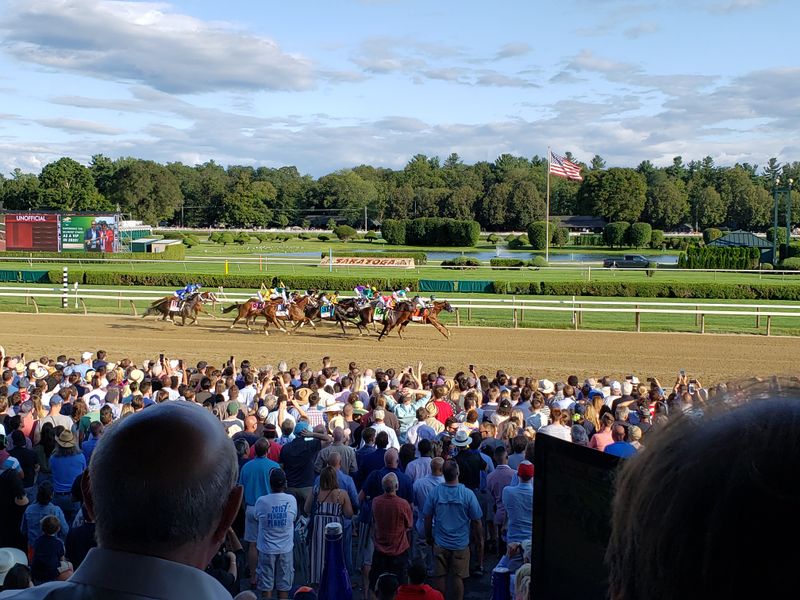
Saratoga Springs shines bright on Broadway while racing season compresses errands, dinner plans, and parking into careful strategies.
Locals step back during peak weeks as sidewalks swell and reservations become another daily chore.
You can still breathe here by visiting in shoulder months and strolling the mineral paths at an easy pace.
Prices and demand climb together as visitors cluster near the track and boutique lined blocks.
Residents manage around the surge with early shopping and off hour appointments that ease congestion.
The rhythm returns once the crowds thin, revealing a relaxed spa town underneath.
Transit expansions and resident zones soften the sharpest edges across hot weekends.
Congress Park at 268 Broadway, Saratoga Springs, New York 12866, offers shade, benches, and clear walking routes.
Keep to crosswalks, avoid idling near homes, and watch for event signage that redirects traffic.
The Visitor Center at 297 Broadway, Saratoga Springs, New York 12866 helps you plan without extra car trips.
Architectural details and leafy streets reward unhurried loops when the track lights dim.
With patience, the city’s spa era charm rises to the surface and lingers.
8. Cooperstown: Baseball Pilgrims Overwhelm Village
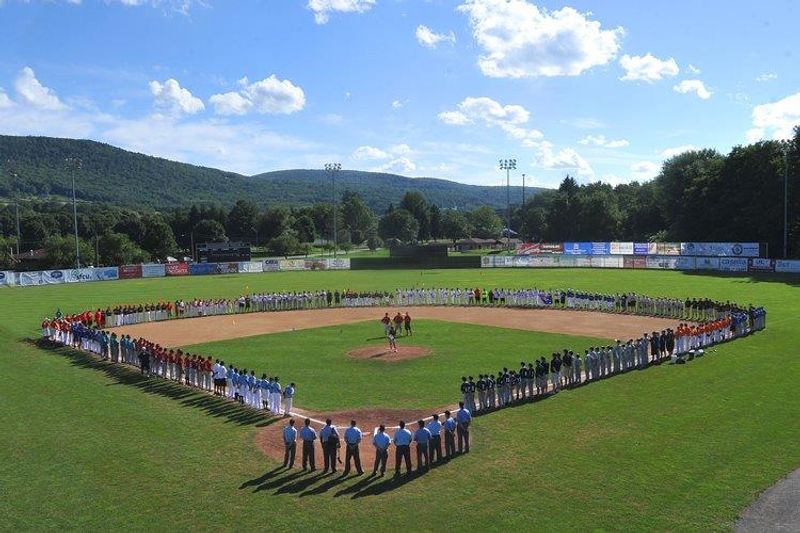
Cooperstown carries a special pull that concentrates along Main Street and the National Baseball Hall of Fame at 25 Main Street, Cooperstown, New York 13326.
Peak days bring shoulder to shoulder crowds and long hunts for parking that fray tempers and plans.
You feel the village best on slower weekdays when lake breezes settle and lines fade.
Shops tilt toward memorabilia as winter quiet contrasts sharply with summer bustle.
Residents navigate a feast and famine rhythm that shapes schedules, staffing, and community events.
The question is how to smooth the arc without losing the charm that draws visitors.
Remote parking and shuttles now help reroute cars away from the tightest blocks.
Timed museum entries give you breathing room to read plaques and linger at exhibits.
The lakefront at 24 Susquehanna Avenue, Cooperstown, New York 13326 offers benches and open air calm.
Walk single file on narrow sidewalks, keep voices soft near homes, and skip driveway turnarounds.
Exploring side streets reveals porches, gardens, and the quieter cadence of daily life.
With considerate pacing, the baseball pilgrimage becomes a kinder visit for everyone involved.
9. Sag Harbor: Whaling History Meets Weekend Warriors
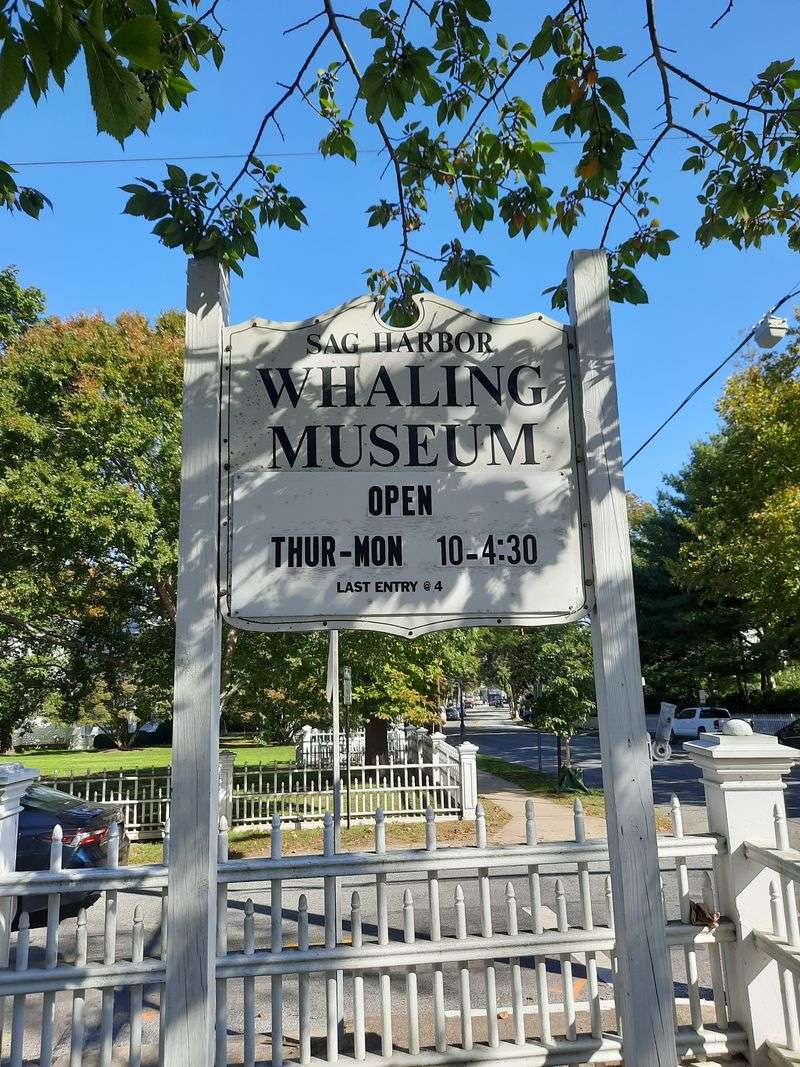
Sag Harbor keeps a maritime soul alive under careful preservation while weekends pull in heavy visitor tides.
Narrow streets fill quickly as drivers circle blocks and tempers rise with each missed spot.
You get more out of the village by walking early and leaving the car in one place.
Housing now skews toward seasonal use, thinning school rosters and stretching service staffing.
Year round neighbors hold the village together, even as errands take longer in the height of summer.
Daily life continues behind the storefronts with quiet routines that deserve space and respect.
Resident zone parking and stricter curb rules now guide where to stop and how long to linger.
The Whaling Museum at 200 Main Street, Sag Harbor, New York 11963 anchors history without overwhelming the village scale.
Keep to crosswalks, give driveways clearance, and soften voices near the marina homes.
Benches along Bay Street, Sag Harbor, New York 11963 offer breathing room and wide harbor views.
Spread visits across weekdays and early evenings to ease the load on tiny blocks.
Handled gently, the harbor’s character endures and shines through the rush.
10. New Paltz: College Town and Climbing Mecca Maxed Out

New Paltz sits under the Shawangunk Ridge with streams of students, hikers, and climbers converging on Main Street, New Paltz, New York 12561.
Traffic swells near the Thruway exit on bright weekends as leaf peepers and crash pad carriers arrive together.
You help by arriving midweek, parking once, and walking to trail shuttles instead of chasing curb space.
Huguenot Street’s history draws cameras, yet many houses remain lived in and need respectful distance.
Climbing areas feel pinched on popular days, with waits at classic lines and crowded pullouts.
The goal is access with stewardship, so trails and neighborhoods can breathe.
A shuttle to Mohonk Preserve reduces roadside chaos and keeps shoulders safer for everyone.
Visitor information at 25 Plattekill Avenue, New Paltz, New York 12561, helps plan routes that spread impact.
Use marked crossings, lower voices near residences, and pack out every scrap of tape and wrappers.
Side streets hide pocket parks where you can reset and slow the pace between outings.
Small shops appreciate patient lines and off hour visits that keep commerce steady.
With mindful steps, the ridge, the town, and the community all hold together.
Dear Reader: This page may contain affiliate links which may earn a commission if you click through and make a purchase. Our independent journalism is not influenced by any advertiser or commercial initiative unless it is clearly marked as sponsored content. As travel products change, please be sure to reconfirm all details and stay up to date with current events to ensure a safe and successful trip.
