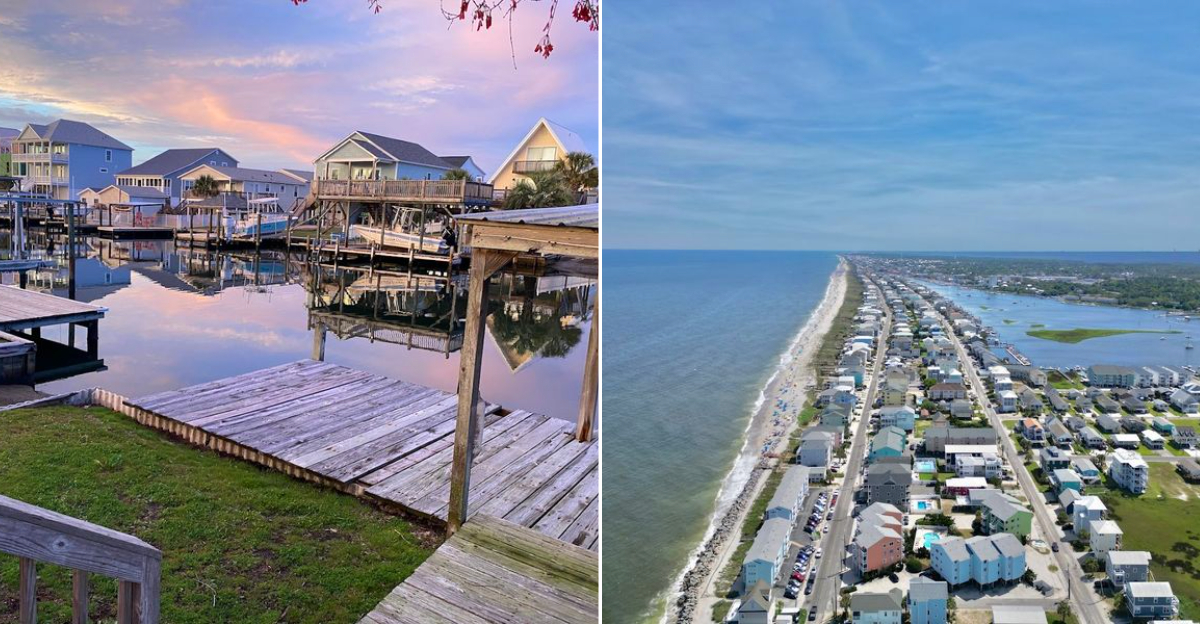
The salt air still smells the same. The waves still crash. But the people who grew up here can no longer afford to stay.
North Carolina’s beach towns are booming, and that boom is pushing out the families who have fished, served, and taught in these communities for generations.
A one-bedroom shack now rents for more than a mortgage used to cost. Short-term rentals have swallowed up affordable housing, and luxury condos line the shore where modest bungalows once stood.
Teachers, servers, and construction workers drive hours inland because living near the ocean has become a luxury they cannot afford. The tourists still come.
The sun still sets in gold. But the soul of these coastal towns is slipping away.
So which North Carolina beach towns are becoming unaffordable for locals? And what happens when the people who make a place special can no longer afford to stay? Read on.
Duck (Outer Banks)
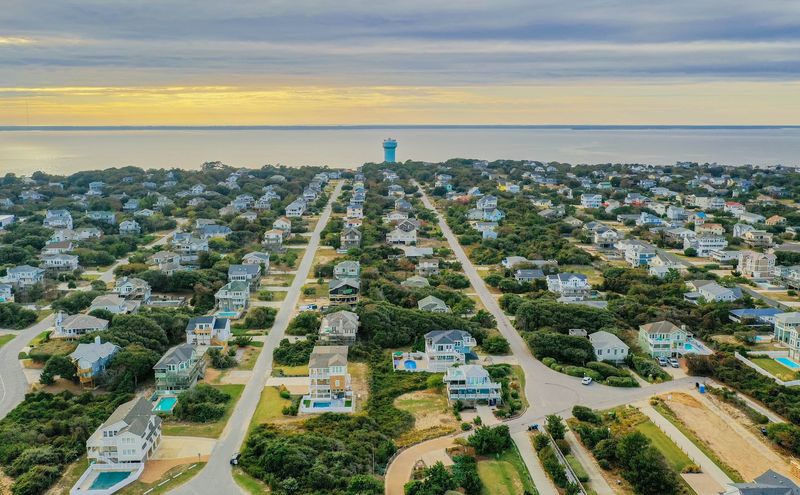
You can feel the shift here almost before anybody says it out loud, because Duck has that polished, hushed look that usually means regular people are getting squeezed out. What used to feel like a place with relaxed beach cottages now leans harder toward glossy vacation houses that sit bigger, taller, and pricier on the same sandy roads.
If you work in lodging, housekeeping, maintenance, or retail nearby, finding a year-round place within reach feels less like planning and more like chasing something that keeps moving.
That is the part visitors do not always see when they stroll the boardwalk and think everything looks easy. Homes that might have held local families are often more valuable as short-term rentals, and that changes the whole math for anyone trying to stay close to work.
The result is a town that can look full during the season and strangely thin underneath, because the people keeping it running often live farther away than you would guess.
Duck is still beautiful, obviously, but beauty can hide a real housing problem when every quiet lane starts reading like a luxury listing. Around this stretch of the Outer Banks, that pressure has become part of daily life.
And for locals, the view is lovely, but the cost of staying near it keeps getting harder to justify.
Wrightsville Beach (Near Wilmington)
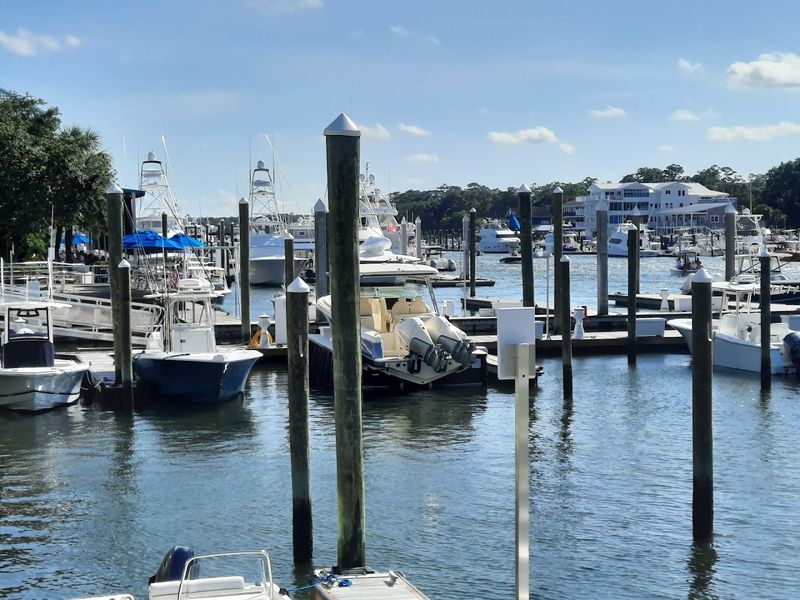
Some beach towns make you feel welcome right away, and some quietly tell you that you need a lot of money just to stand still there. Wrightsville Beach has long carried that exclusive vibe, and lately it feels even more pronounced when you look at what housing costs mean for the people who actually work nearby.
The island is gorgeous, of course, but beauty here comes with such a steep barrier that plenty of local workers end up commuting from Wilmington or farther inland.
That distance matters more than people think, because beach-town jobs are often early, late, seasonal, or all over the place. If your paycheck depends on service work, boating support, cleaning, front desk shifts, or school schedules, a long daily drive adds stress to a life that is already tight.
Meanwhile, homes on the island are treated more and more like prized assets, not everyday shelter, and that pushes community life into a narrower lane.
What gets lost in that process is the ordinary texture that makes a place feel lived in year-round. Wrightsville Beach still has its magnetic pull, and nobody has to explain why people want in.
But when locals can spend their whole lives nearby and still not see a realistic path to staying, the town starts feeling less like a neighborhood and more like a membership tier.
Nags Head (Outer Banks)
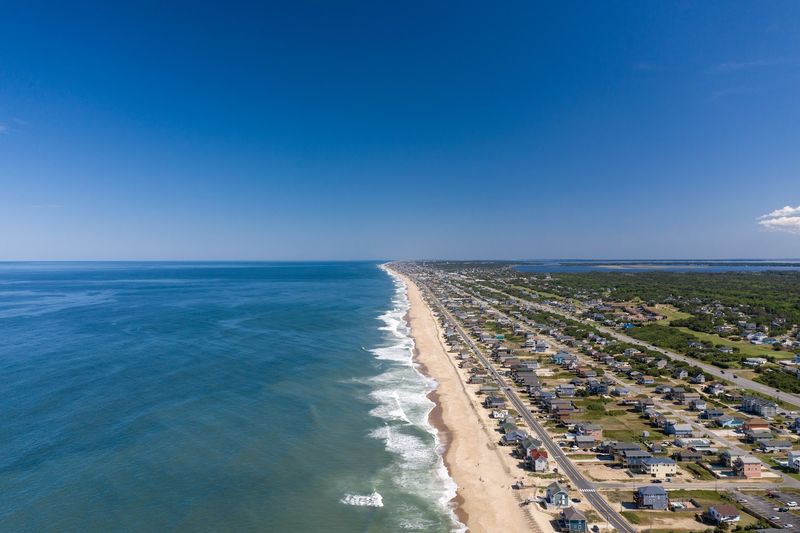
There is something especially tough about watching a place keep its name and lose its scale at the same time. In Nags Head, older cottages that once gave the town its familiar texture are increasingly overshadowed by larger rental properties built to maximize every bit of demand.
That shift brings money, sure, but it also changes who gets to live there, who leaves, and what kind of everyday life is still possible once the visitors head home.
The Outer Banks has always had a seasonal rhythm, but in Nags Head the imbalance feels sharper now. So many homes sit empty outside peak travel periods, while people with steady local jobs still struggle to find a practical lease anywhere close by.
When housing works better as a vacation product than as a year-round home, it drains the place of the very people who know it best.
And that is what sticks with you here, more than any single listing or shiny rebuild. A town can stay busy and still feel thinned out in a way that is hard to measure but easy to notice.
Nags Head remains one of the best-known spots on the North Carolina coast, yet for locals trying to remain part of it, the ground keeps shifting under their feet.
Carolina Beach (Pleasure Island)
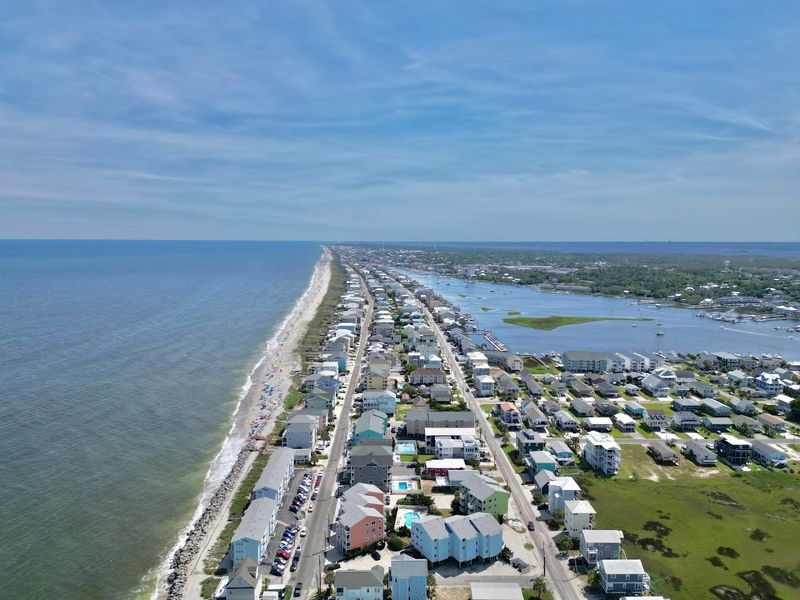
You know that odd feeling when a town still looks familiar at first glance, but the details tell a totally different story? Carolina Beach has that right now, especially where older practical homes have been replaced by shinier condo buildings aimed more at investment demand than year-round life.
For the people working the boardwalk, maintaining properties, teaching kids, or keeping local businesses moving, the distance between paycheck and housing keeps widening.
That is what makes this place such a clear example of what is happening across North Carolina. The beach is still public, the energy is still there, and visitors can still have an easy time without noticing the pressure building behind the scenes.
But locals often end up looking inland for a lease they can manage, then spending more time commuting than they ever expected just to stay connected to work.
When that becomes normal, a town starts changing from the inside out. The year-round crowd gets smaller, neighborhood continuity gets shakier, and the people who give a place its memory have fewer ways to remain in it.
Carolina Beach is still lively and fun to walk around, but it is also a reminder that charm alone does not protect a coastal town from becoming too expensive for its own residents.
Beaufort (Crystal Coast)
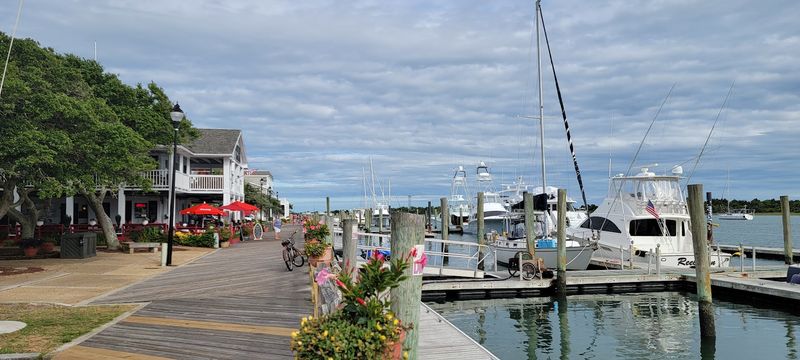
What gets me about Beaufort is how easy it is to fall for it in about five minutes, because the place feels layered, gentle, and deeply rooted. That same appeal, though, has made it harder for longtime residents to hang on as home values rise and more buyers compete for a limited supply near the water.
People who teach, care for others, repair things, or keep the town running can love Beaufort completely and still find themselves searching farther inland for something realistic.
The hard part is that nothing about the town announces this problem in some loud, dramatic way. It still looks historic and calm, and that can make the affordability squeeze easier for outsiders to miss.
But when housing jumps faster than local wages, the pressure shows up in quieter ways, like longer drives, fewer year-round neighbors, and younger families deciding they simply cannot make it work.
Across the Crystal Coast, that pattern is becoming more familiar, and Beaufort is no exception. A place can preserve its buildings and still lose pieces of its everyday community.
That is the tension here, because Beaufort remains beautiful and deeply appealing, yet more locals are being asked to admire it from a distance instead of building a life inside it.
Emerald Isle (Crystal Coast)
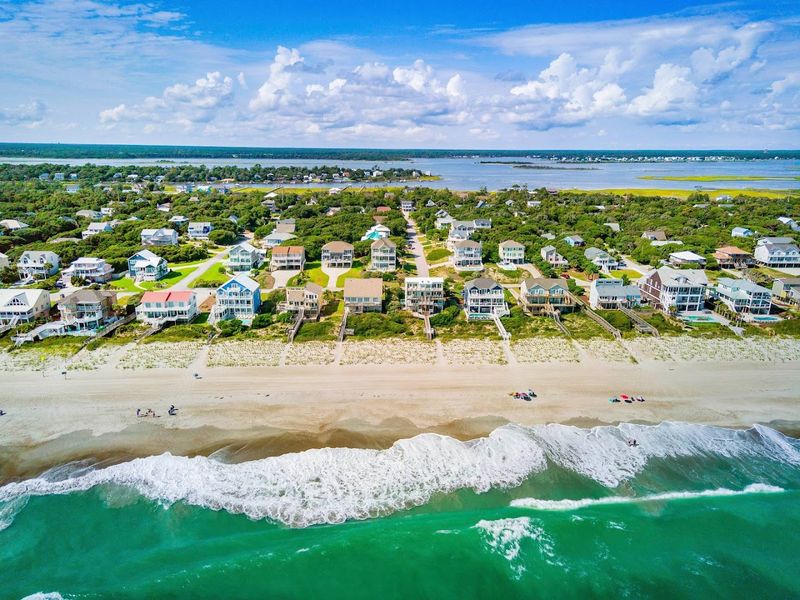
It feels especially unfair when a place people grew up in starts acting like it was never built for them in the first place. Emerald Isle has that tension now, where families with deep ties to the water are finding fewer year-round homes because so much inventory works better as vacation property.
Even if you have a solid job and local roots, keeping up with rent here can feel like trying to grab hold of something that keeps drifting just out of reach.
The town still gives off that relaxed family-beach energy, and that is exactly why demand stays so strong. But the same qualities that make Emerald Isle appealing to visitors and second-home buyers also chip away at long-term housing options for the people who want to stay all year.
Once enough homes shift into short-term use, the market tightens fast, and locals are left competing for whatever remains.
You see the ripple effects in everyday routines more than in any dramatic headline. People move inland, schools and workplaces pull from farther away, and community ties stretch thinner than they used to.
Emerald Isle is still one of those North Carolina places that instantly calms you down, but for plenty of residents, the calm ends the minute they start looking for a lease they can actually afford.
Oak Island (Brunswick County)
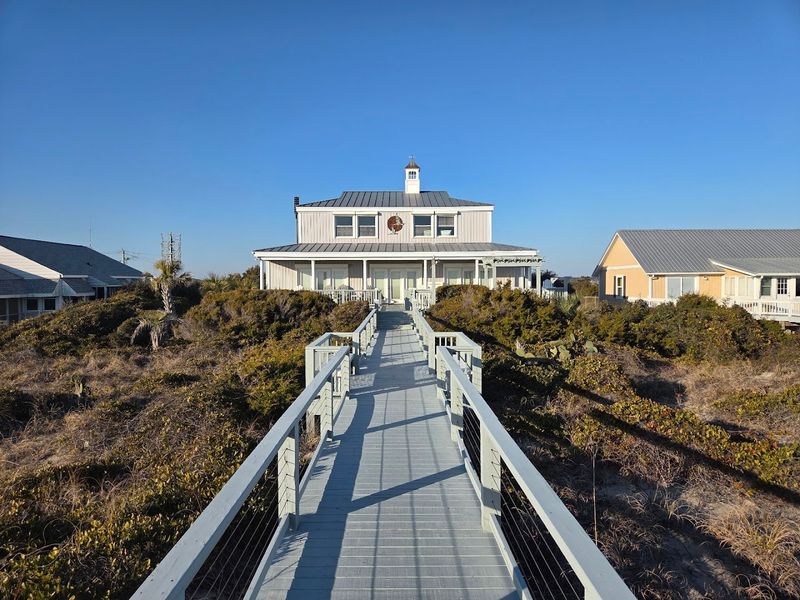
For a long time, Oak Island had a reputation as the place people looked at when nearby beach towns felt out of reach. That is why the change here lands so hard, because even this more approachable corner of Brunswick County has become increasingly difficult for locals to buy into.
Once a market picks up that kind of momentum, homes move fast, buyers come in strong, and residents who thought they still had a shot can suddenly feel outpaced.
What makes it frustrating is that the town still carries a more down-to-earth vibe than some flashier coastal spots. You can still sense the everyday rhythms that made people think of Oak Island as more attainable, but that does not mean the housing math is kind anymore.
When demand keeps rising and inventory stays tight, ordinary buyers end up battling conditions that favor speed, cash, and flexibility they just do not have.
That pressure changes how a community feels over time, even when the streets themselves still look familiar. Fewer locals can plant roots, younger households face tougher odds, and the idea of staying near work turns into a bigger stretch.
Oak Island remains appealing for all the reasons people have always loved it, but being the relatively reachable option is no longer the comfort it used to be.
Atlantic Beach (Crystal Coast)
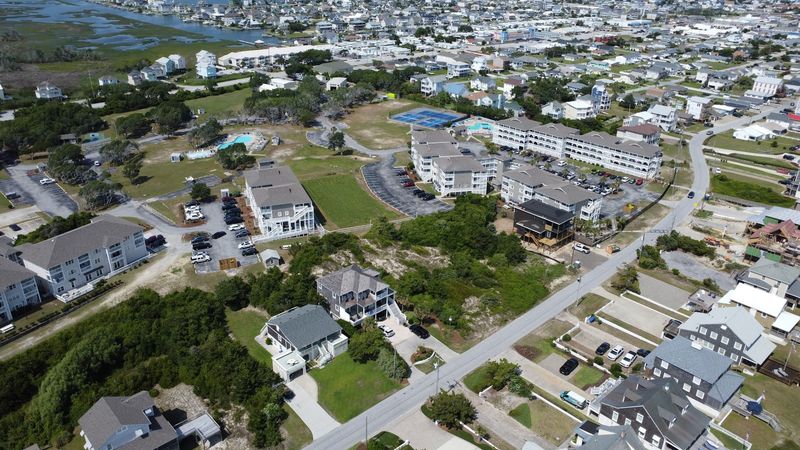
There is a point where a working waterfront starts feeling more like a backdrop than a living part of town, and Atlantic Beach is brushing up against that. Tourism growth and redevelopment have brought more attention, more investment, and more pressure on the housing market than many local workers can comfortably absorb.
If you depend on year-round wages tied to maintenance, hospitality, public service, or marine work, staying close by gets harder every season.
The thing about Atlantic Beach is that it still reads as classic coastal North Carolina, which can make the problem seem less obvious at first. Visitors see a pretty shoreline, tidy streets, and a town built for enjoying the water, while locals are trying to figure out where long-term rentals have gone.
As more properties tilt toward higher-earning temporary stays, the rental market stops functioning like a normal local housing supply.
That shift matters because towns need people who are present all year, not just during the busiest weeks. When workers are pushed outward, the community loses convenience, continuity, and some of its everyday memory.
Atlantic Beach still carries all the appeal that made it beloved in the first place, but more and more, the people helping preserve that appeal are the very ones struggling to remain part of the town itself.
Sunset Beach (Brunswick County)
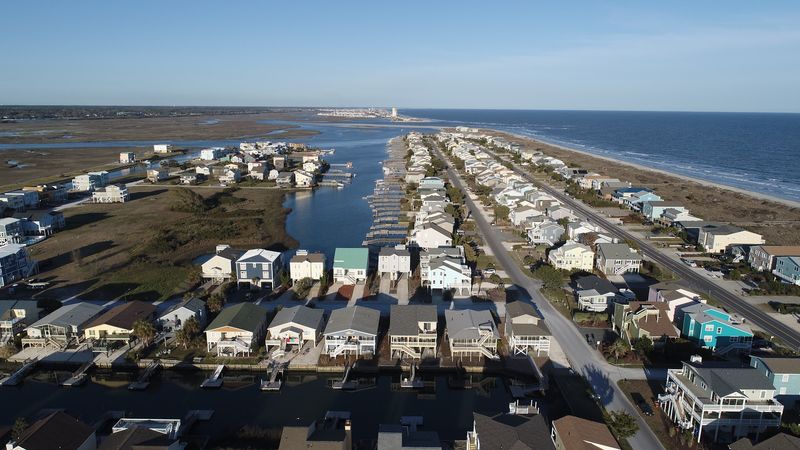
Some places feel quiet enough that you assume they must still be manageable, and Sunset Beach can give you that impression for about a minute. Then you start hearing how quickly values have climbed, and the calm atmosphere takes on a different meaning for the people trying to remain there full time.
When prices rise faster than local incomes, even a town that looks understated from the outside can become deeply stressful for the residents who have always called it home.
That is the part of the story that often gets buried under the easy coastal imagery. A slower pace does not protect anyone from speculation, and a lovely beach does not keep a market from accelerating past what year-round workers can handle.
In Brunswick County, that tension keeps showing up in towns that once seemed comparatively reachable, and Sunset Beach is part of that wider pattern.
What changes first is not always the scenery, but the sense of who the town is actually for. People who expected to age in place or raise families nearby start facing longer odds, while newer buyers can absorb costs more easily.
Sunset Beach still has that gentle, open feel people love, yet beneath that softness is a much harder reality for locals trying to keep up with a housing market that will not slow down.
Surf City (Topsail Island)
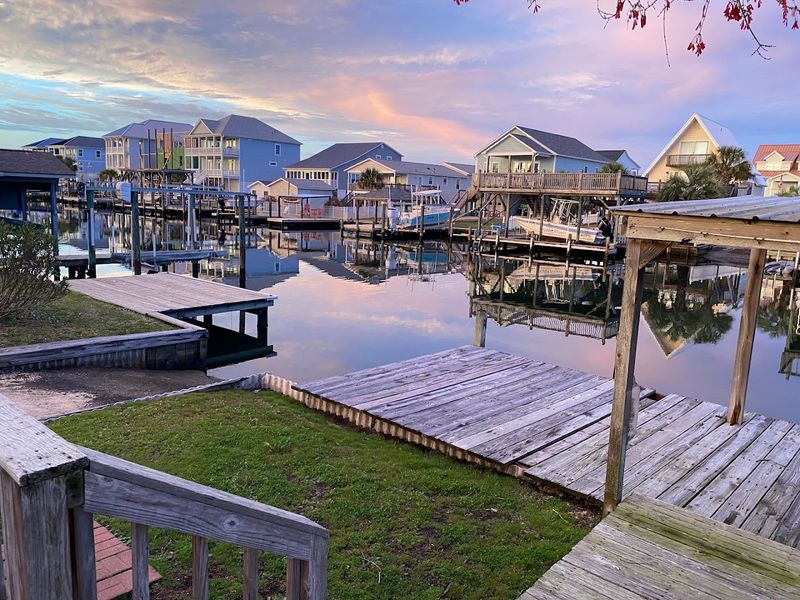
Anybody who has tried to move through Surf City in peak season already knows the surface-level headache, because traffic stacks up and parking gets frustrating fast. But the bigger issue sits underneath all that summer inconvenience, and it is the way short-term rentals have tightened the market for people who actually work on the island.
A cute town can still become unlivable for service workers if too many homes are more profitable as temporary stays than as year-round housing.
That is what makes Surf City such a revealing example of what is happening up and down the North Carolina coast. Growth brings energy and attention, but it also brings competition for a limited number of homes, and locals rarely have the same leverage as outside buyers or investors.
Once enough housing gets redirected toward visitors, everyday workers end up priced out of the very place that depends on their labor.
And unlike some quieter towns, Surf City makes the strain visible in daily motion. You can feel how crowded it gets, how stretched the island becomes, and how hard it would be to build a normal routine there without solid housing close by.
The town still has real charm, no question, but for many locals, charm does not solve the basic problem of needing a place to live that matches an ordinary paycheck.
