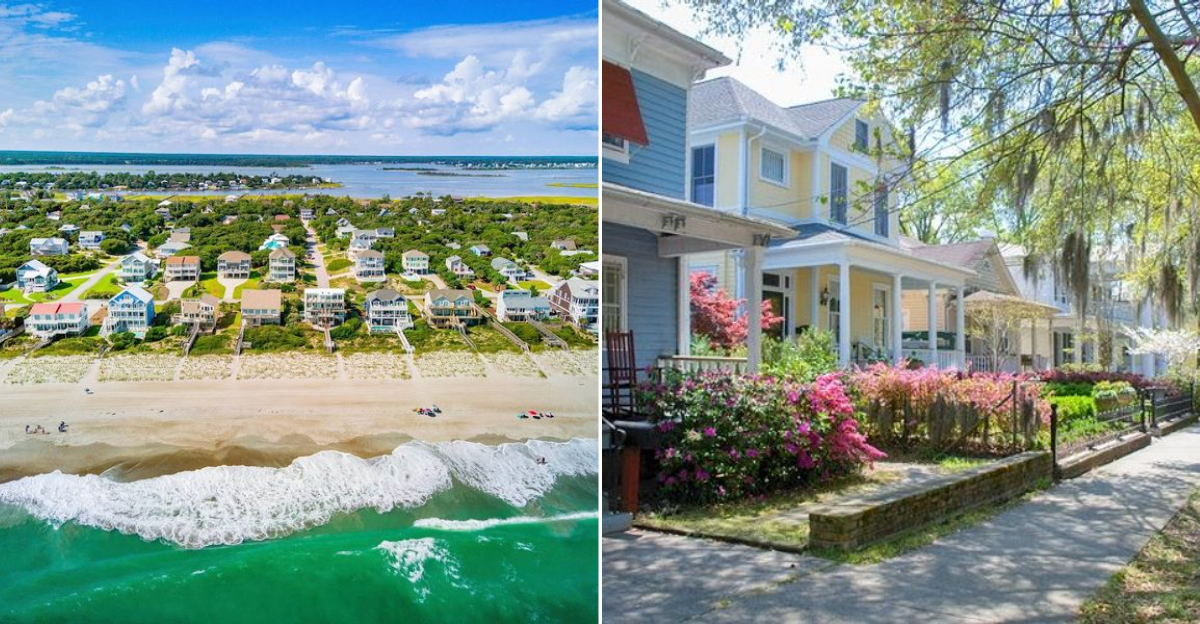
You cannot blame the ocean for the rent. That is the cold truth hitting locals in North Carolina’s beach towns, where families who have lived here for generations are being pushed inland.
Teachers, servers, and fishermen can no longer afford a one-bedroom shack because short-term rentals and luxury condos have replaced the modest bungalows that once lined the shore.
The housing market has exploded, and with it, the character of these coastal communities is fading.
The waves still crash, the sun still sets in gold, but the people who served your coffee, fixed your boat, and taught your kids are moving hours inland. They are leaving because the math no longer works.
So which North Carolina beach towns are becoming unaffordable for locals? And what happens when the soul of a place packs up and drives west? Read on.
1. Duck
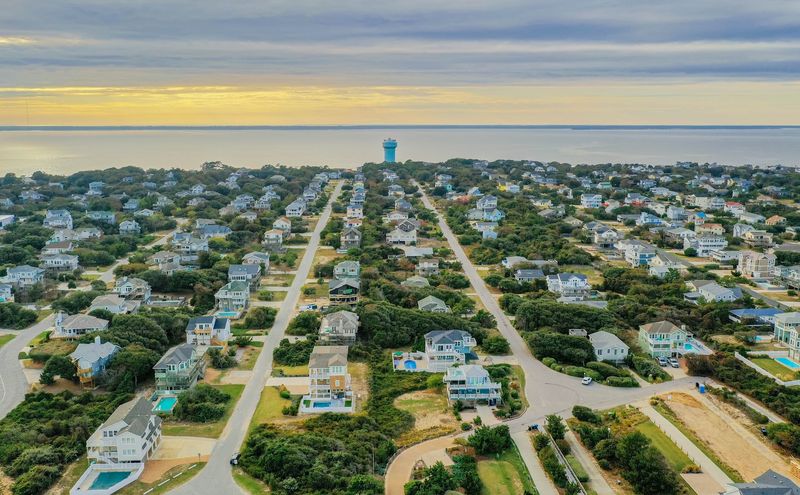
You can still feel the old calm in Duck if you walk slowly enough, but the housing story underneath that calm has changed in a big way. What used to read like a tucked-away Outer Banks retreat now feels more like a place where the people serving visitors every day have almost no chance of living nearby.
That shift is hard to ignore once you start talking to folks who work in town and then head far away at the end of a long shift.
The squeeze comes from several directions at once, and that is what makes it feel so relentless for locals. Homes sell at levels that put them out of reach for most year-round workers, while long-term rentals are scarce because so much of the housing stock can earn more as short stays.
Add rising insurance and ownership costs along the North Carolina coast, and even people with steady jobs are getting boxed out.
What gets lost when that happens is the everyday rhythm that made Duck feel human in the first place. A town cannot run on visitors alone, no matter how polished it looks from the boardwalk.
If the people cleaning rooms, stocking shelves, and helping businesses open every morning have to live far inland, the whole place starts feeling less like a community and more like a backdrop.
2. Wrightsville Beach
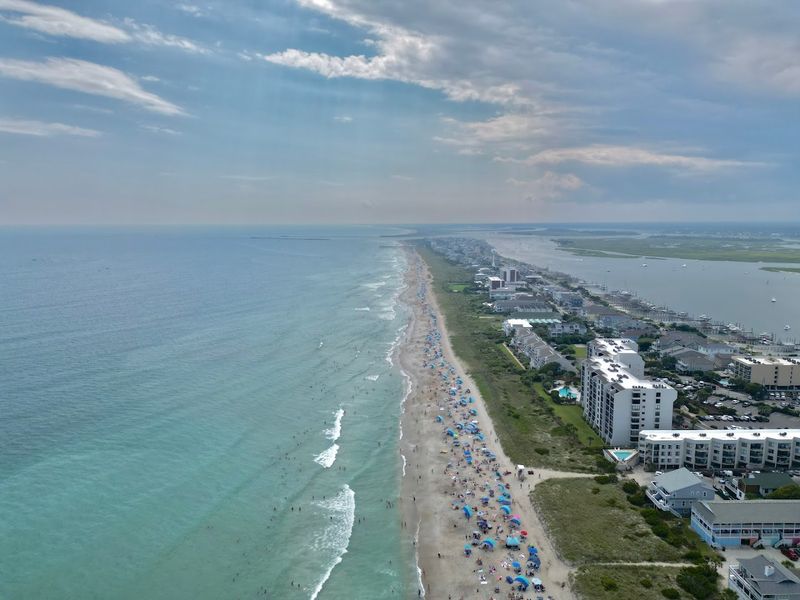
There is no easing into the reality at Wrightsville Beach, because the barrier to living here feels steep the moment you start looking around. The scenery is beautiful, sure, but the price of getting a front-row seat has climbed so high that many of the people who work here are shut out before they even begin.
You can love the place and still admit it has become incredibly hard for regular local life to fit inside it.
That matters more than people sometimes realize, especially near Wilmington where jobs in service, maintenance, education, and public safety keep the whole area moving. When housing in town sits far beyond what those workers can manage, commutes get longer and daily life gets more fragile.
Even renters who might have once found a foothold nearby are competing in a market where availability stays tight and every coastal cost seems to rise at once.
What makes Wrightsville Beach feel especially stark is that it is not simply expensive in a vague, beachy way. It has become a place with one of the toughest entries on the North Carolina coast, and that changes who gets to belong there full time.
A community starts losing something real when the people who make it function are treated like they should live somewhere else entirely.
3. Carolina Beach
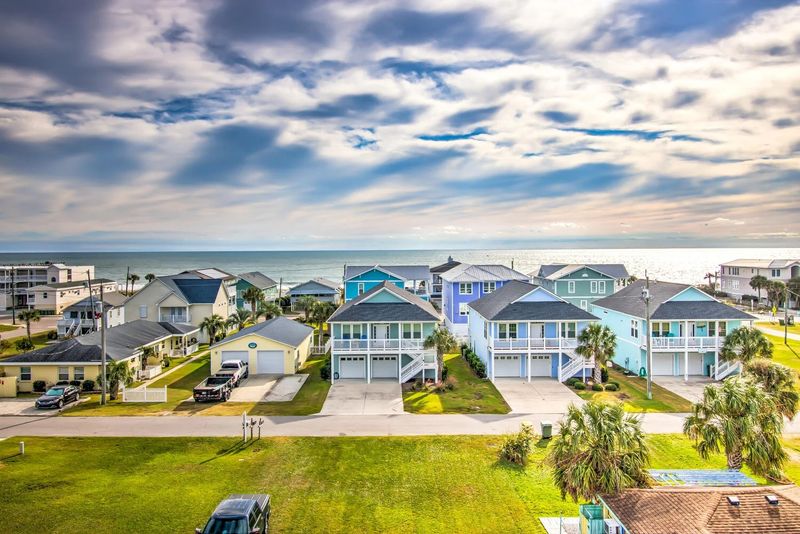
You know that feeling when a place still has familiar corners, but the overall mood has shifted so much that you almost doubt your own memory? That is what Carolina Beach sounds like when locals talk about it now, because the changes have come fast and they have been hard to miss.
Older modest houses have given way to bigger, pricier homes, and the pace of it all has left many residents stunned.
A lot of that pressure comes from outside money moving in with a very different idea of what the town should be. Investment buying has transformed blocks that once held practical year-round homes into properties aimed at higher-end buyers and short-stay use.
Once that starts happening, it gets tougher for local workers, younger residents, and longtime families to compete, especially when wages do not rise anywhere near as fast as housing costs do.
The unsettling part is how quickly a beach town can start feeling less rooted, even while it stays busy and attractive on the surface. Carolina Beach still has the energy people love, but more locals are watching the version they knew slip further away.
In North Carolina, that pattern has become painfully familiar, where everyday residents are asked to absorb the shock while the market keeps moving like their lives are secondary.
4. Emerald Isle
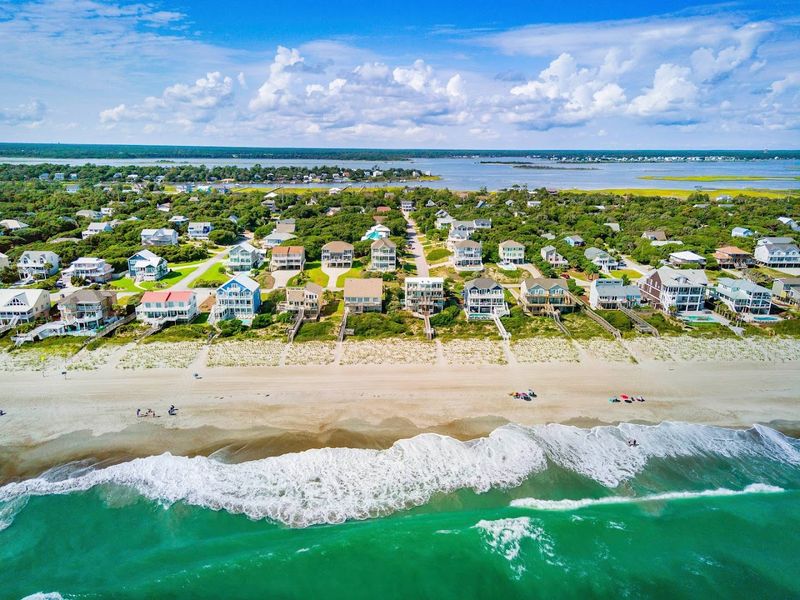
What hits hardest in Emerald Isle is how many people grew up with this water in their lives and still cannot see a path to staying near it. That kind of disconnect feels especially sharp in a place where local roots run deep and family history is tied to the coast.
You hear it in conversations about children who want to raise families nearby but keep getting edged out by a market that barely pauses for them.
Vacation rentals play a huge role here, because homes that might have once housed year-round residents can generate much more through short-term demand. On top of that, investment buyers often move quickly and decisively, which leaves local households trying to compete in a game that already feels stacked against them.
By the time a family has lined up financing and figured out a plan, the property is often gone.
The result is not just a pricier version of the same town, because the social fabric shifts when fewer permanent residents can stay. Schools, neighborhood ties, and the small routines that make a place feel lived in all start to thin out.
Along this stretch of North Carolina, Emerald Isle is showing how coastal beauty can become a kind of trap, where the hometown people love most is the very place they are least able to afford.
5. Nags Head
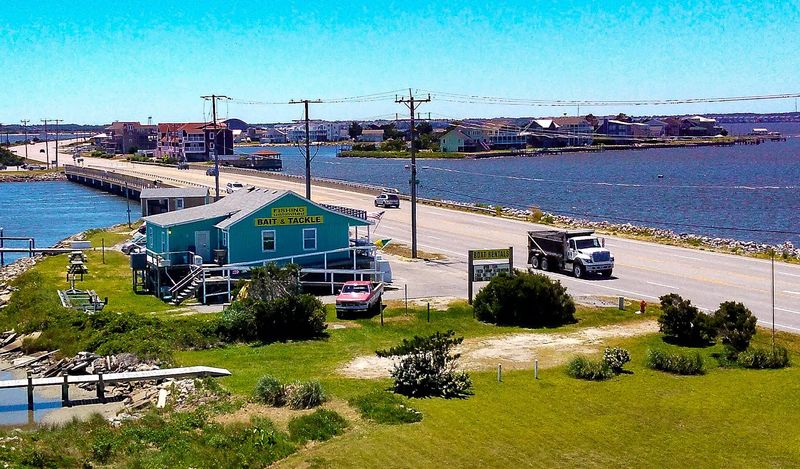
Some places change so gradually that you barely notice until you look up and realize the scale feels different, and that is very much the story in Nags Head. The old cottage character that gave the town much of its personality has been fading as larger rental properties take over more of the landscape.
It is not just an aesthetic shift, either, because that kind of rebuilding usually comes with a price level that leaves local workers behind.
Hospitality staff, maintenance crews, retail employees, and other year-round workers are essential in a place like this, yet the housing market no longer lines up with what many of them can realistically pay. When modest homes disappear, so do some of the last realistic options for people who need to live close to work.
The pressure gets even heavier when insurance, taxes, and storm-related costs keep climbing along the coast.
There is still so much people love about Nags Head, and that is exactly why the loss feels personal. The town remains iconic within North Carolina, but more locals are watching familiar homes get replaced by properties designed for a very different kind of ownership.
Once too much of that happens, a community starts functioning like a vacation machine first, with everyday residents squeezed into whatever space is left around the edges.
6. Beaufort
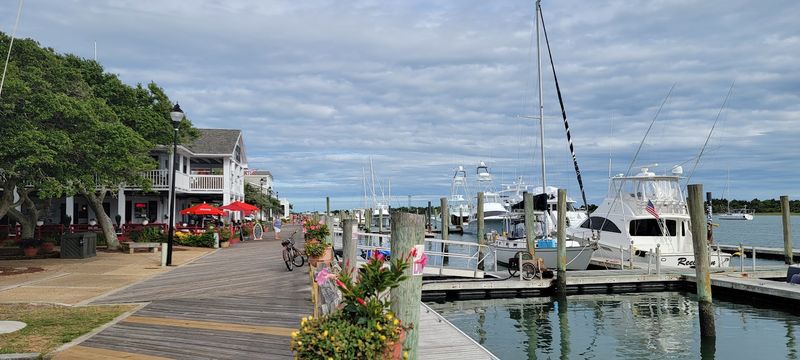
There is something especially tough about watching a historic fishing town become harder for ordinary working people to call home, because the whole identity of the place was built by residents who lived their lives there. Beaufort still looks beautiful and deeply rooted, but behind that charm, housing has jumped fast enough to push many local workers outward.
Teachers, firefighters, and restaurant staff are increasingly finding that the town they serve is no longer the town they can afford.
That shift changes daily life in ways visitors do not always see. Longer commutes from inland areas mean more strain, more transportation costs, and less time for the ordinary routines that help a community stay connected.
It also means fewer chances for younger locals to remain close to family, which slowly alters the age mix and social texture of the town.
What makes Beaufort stand out is how visible the contrast feels between its maritime history and the newer economics shaping it. This is not a place that lost its soul overnight, but the pressure on year-round residents is unmistakable.
Across coastal North Carolina, places with strong identity are often the very places most vulnerable to being loved into unaffordability, and Beaufort shows that pattern with heartbreaking clarity for many families trying to hang on.
7. Oak Island
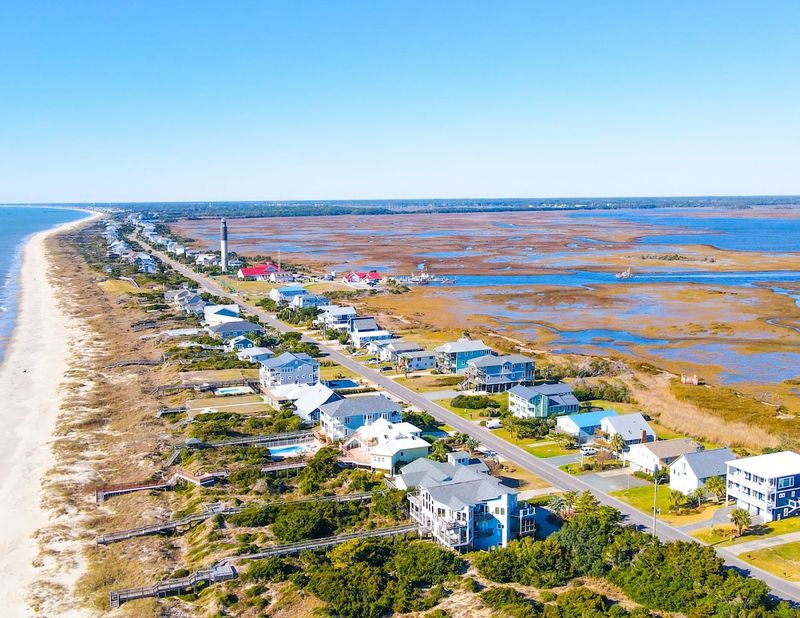
People sometimes talk about Oak Island like it is the more reachable option, and I get why, but that label can be misleading if you are actually trying to live there on a local paycheck. Compared with some flashier coastal towns nearby, it may seem less intense at first glance, yet the market is still far beyond what many workers and younger households can handle.
Affordable is a relative word, and for plenty of residents, it does not feel accurate anymore.
Brunswick County has become fiercely competitive, and that shows up in how quickly homes move and how hard it is to land one without serious financial room. Even buyers who would have once considered Oak Island realistic now face a market shaped by strong demand, limited supply, and buyers who can act fast.
For renters, the problem does not magically ease, because long-term options remain tight near the water.
The hard part is that Oak Island still carries a more grounded, lived-in feeling than some resort-leaning places, which makes the affordability loss sting more. You can still imagine a normal coastal life there, and that is exactly why being priced out feels so frustrating.
In North Carolina, this is the version of the crisis that sneaks up on people, where a place seems within reach until you actually try to stay.
8. Atlantic Beach
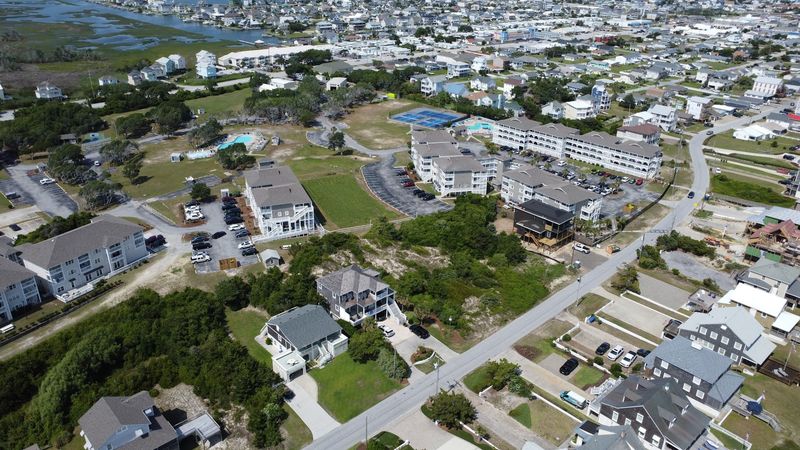
If you grew up around Atlantic Beach, I can see why the place might feel a little disorienting now. The waterfront history and everyday working character that once defined it have been fading under heavier tourism pressure and more development aimed at visitors.
For longtime residents, that does not just look different, it feels different in a way that is hard to shake.
As more housing and land get tied to tourism demand, the balance shifts away from year-round life. Homes that could support local households become more valuable as short-stay properties or as purchases for people who are not depending on local wages.
Once that market logic takes hold, it can be very difficult for families with local ties to compete, especially when insurance, taxes, and upkeep costs all keep moving upward on the coast.
The phrase people keep coming back to is that they barely recognize the town, and that says a lot without needing any dramatic spin. Atlantic Beach still draws people for obvious reasons, but popularity has come with a social cost that locals feel every day.
The working waterfront identity that made the place feel grounded is under real pressure, and when that starts slipping away, a beach town can become much prettier on the surface while feeling less and less like home underneath.
9. Wilmington
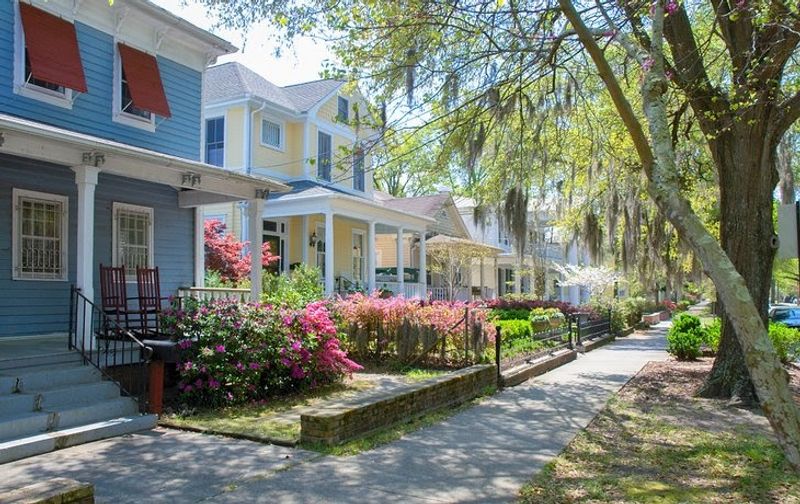
It feels important to include Wilmington here, even though it is a city, because the housing pressure has started acting a lot like what you see in resort towns. Plenty of people moved here for the mix of coastal access and everyday livability, but that balance has gotten much harder to maintain.
Rent and home costs have climbed enough that many households are spending an uncomfortable share of their income just trying to stay in place.
What makes Wilmington especially complicated is that it still serves as the employment and service hub for a much wider region. So when housing gets squeezed here, the effects ripple across schools, hospitals, shops, public services, and the whole Cape Fear area.
Neighborhood change, investor interest, and redevelopment have all added momentum, especially in places where longtime residents once had at least some shot at staying close to work.
The result is a city that can feel polished and energetic while also becoming harder for ordinary local life to sustain. You hear it from renters, young families, and workers who have not necessarily given up on Wilmington, but are constantly recalculating what they can carry.
In North Carolina, this is the coastal affordability story in city form, where the scenery and opportunity still draw people in even as stability gets more expensive to hold onto.
10. Sunset Beach
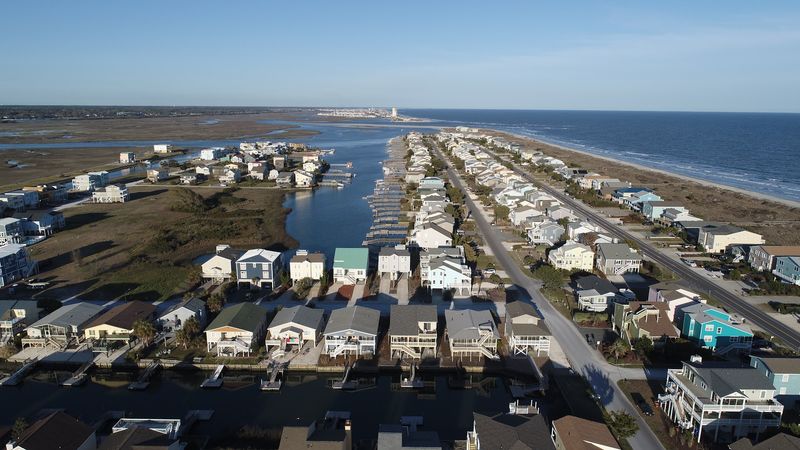
The thing about Sunset Beach is that it can still feel calm and unhurried, which makes the housing story there a little deceptive at first. You look around and think maybe this is one of the last places where year-round residents might still find room to breathe.
Then you start paying attention to how quickly values have risen, and the picture changes fast.
Rapid price growth has accelerated the pressure on locals, especially people living on ordinary wages or fixed incomes. When values jump that hard, it does not just affect buyers trying to get in, because it also reshapes taxes, insurance costs, and the broader expectations of what housing in town should be worth.
That can push longtime residents into difficult decisions even if they never wanted to leave.
What makes Sunset Beach worth watching is that it shows how displacement does not always arrive with flashy headlines or obvious luxury branding. Sometimes it comes wrapped in a peaceful setting, with change happening quietly until the year-round community starts thinning out.
Brunswick County has been under strong market pressure for a while, and Sunset Beach captures the softer-looking side of that trend, where the town still seems gentle and familiar even as staying there becomes a much heavier lift for the people who know it best.
