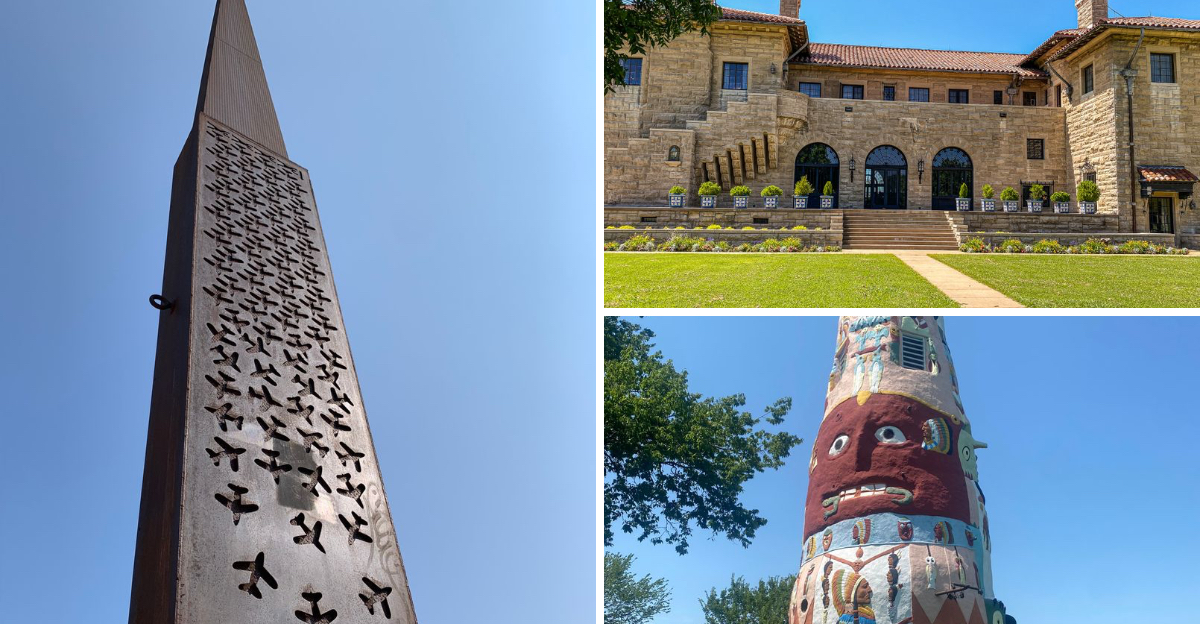
Oklahoma has a way of bending reality just enough to make travelers question what they are seeing.
One moment the road feels familiar and wide open, and the next it leads straight to something towering, baffling, or oddly out of place.
These attractions do not ease you in or explain themselves fully, and that is exactly the point.
Across the state, creativity and mystery sit comfortably side by side, turning quiet landscapes into stages for the unexpected.
Some sites rise with bold confidence, while others reveal their strangeness only after you step closer and listen.
Together, they form a collection that rewards curiosity and patience, offering experiences that linger in your memory long after the drive continues.
Oklahoma’s unusual landmarks remind you that the most surprising moments often hide far from the usual tourist routes.
1. Golden Driller Statue in Tulsa

Standing 75 feet tall and weighing over 43,000 pounds, this golden giant has watched over Tulsa since 1953.
The Golden Driller represents Oklahoma’s deep connection to the petroleum industry and serves as the official monument to the state’s oil workers.
Originally constructed for the International Petroleum Exposition, this colossal figure has become one of the most photographed landmarks in the entire state.
His left hand rests confidently on an oil derrick while his right hand grips a massive drill bit, symbolizing the hard work and determination of roughnecks across Oklahoma.
Visitors can walk right up to the base of this towering sculpture and appreciate the impressive scale and craftsmanship up close.
The statue underwent a major restoration in 2006, ensuring this beloved icon would continue greeting travelers for generations to come.
Located at the Tulsa Expo Center grounds, the Golden Driller has appeared in countless road trip guides and quirky attraction lists.
Photographers love capturing sunrise and sunset shots when the golden paint seems to glow even brighter against the changing sky.
Families often stop here to snap memorable vacation photos, with kids delighting in the sheer size of this friendly giant.
The surrounding area offers plenty of space for picnics and relaxation after admiring this testament to Oklahoma’s industrial heritage.
Local legends say touching the base brings good luck, though that tradition likely started with enthusiastic tourists rather than historical fact.
This roadside marvel perfectly captures the bold, larger-than-life spirit that defines so much of Oklahoma culture.
Address: 4145 East 21st Street, Tulsa, Oklahoma
2. Center of the Universe in Tulsa
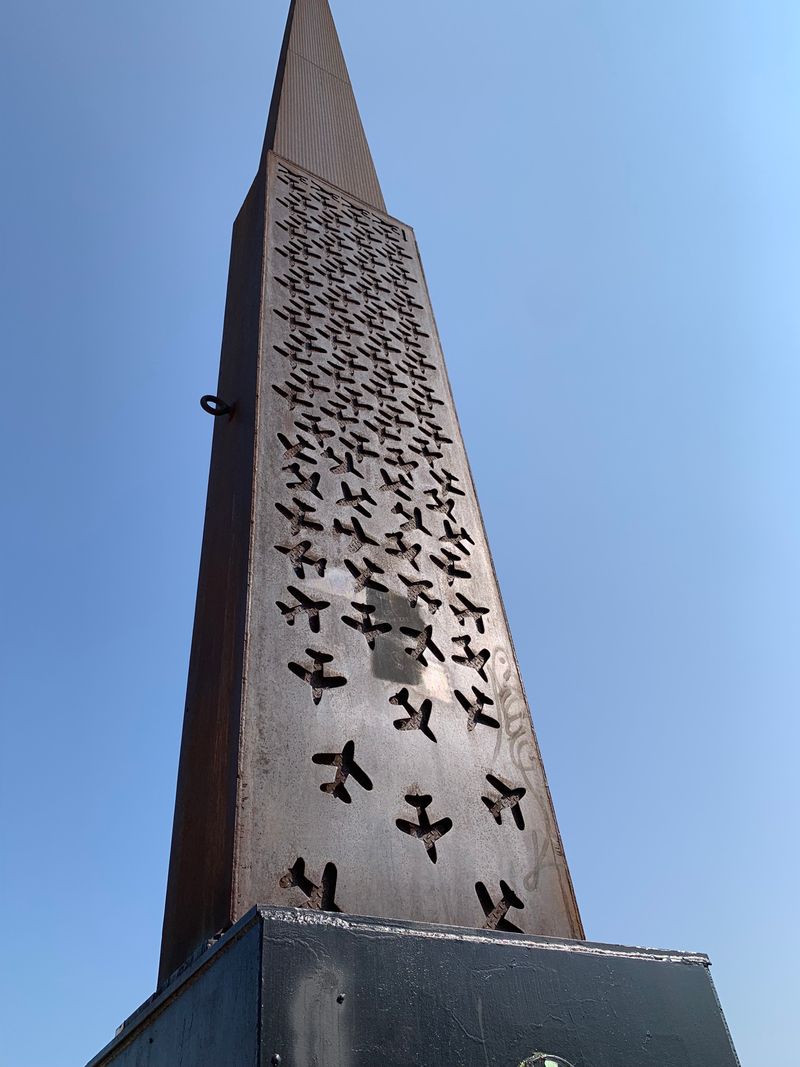
A small concrete circle in downtown Tulsa creates one of the most puzzling acoustic phenomena in the entire country.
When you stand in the center of this unassuming spot and make a sound, your voice echoes back amplified and distorted in ways that seem to defy physics.
People outside the circle hear nothing unusual, but the person standing at the exact center experiences a startling acoustic effect.
Scientists and sound engineers have studied this location extensively, yet no one has provided a definitive explanation for why it works.
Some theories suggest the surrounding architecture creates a unique sound reflection pattern, while others point to underground structures or natural acoustic properties.
Regardless of the cause, visitors find the experience both entertaining and slightly unnerving as their voices bounce back with strange reverberations.
The site sits within a larger public space featuring brick walkways and a pedestrian bridge, making it easy to locate once you know where to look.
Locals often bring friends and family to demonstrate the effect, watching their reactions as ordinary sounds transform into something otherworldly.
Children especially enjoy shouting, singing, or clapping while standing in the magic circle, delighting in how different they sound.
Photography enthusiasts appreciate the artistic potential of capturing someone experiencing this invisible phenomenon for the first time.
The attraction costs nothing to visit and remains accessible year-round, making it a perfect spontaneous stop during any Tulsa exploration.
Urban legends have grown around the spot, with some claiming it marks a portal or energy vortex, though the truth remains far more grounded in acoustic science.
Address: 20 East Archer Street, Tulsa, Oklahoma
3. Spiro Mounds Archaeological Center
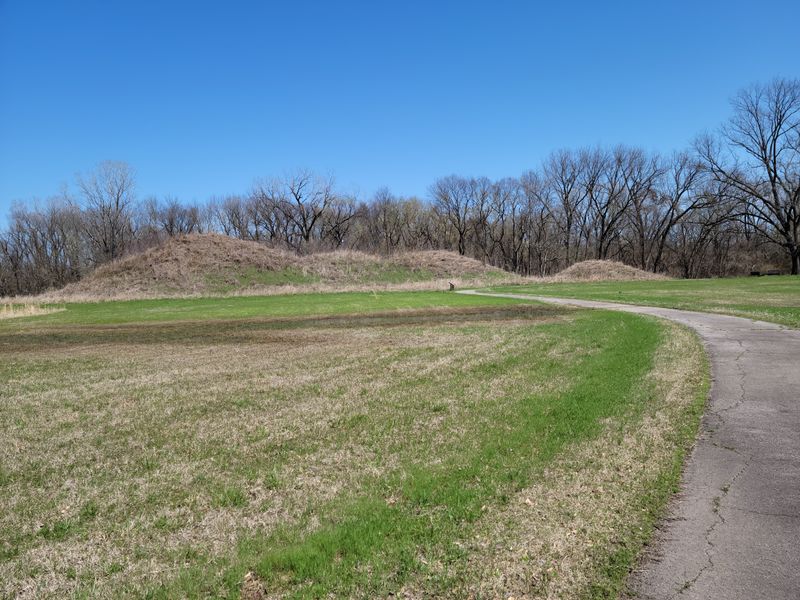
Between 800 and 1450 AD, a sophisticated Native American civilization built an impressive ceremonial complex in what is now eastern Oklahoma.
Spiro Mounds represents one of the most important prehistoric Native American sites in the entire United States, rivaling famous locations like Cahokia.
Twelve earthen mounds rise from the Arkansas River valley, each serving specific ceremonial, residential, or burial purposes for this ancient society.
Archaeologists have uncovered thousands of artifacts here, including intricately carved shells, copper plates, and ceremonial objects that reveal complex trade networks.
The people who built Spiro participated in what scholars call the Mississippian culture, known for constructing large earthworks and developing sophisticated social structures.
Walking the interpretive trails, visitors can climb some of the mounds and imagine the bustling ceremonial center that once thrived in this peaceful location.
The site’s visitor center displays replicas of artifacts and provides context about the people who called this place sacred for centuries.
Rangers offer guided tours that bring the ancient history to life, explaining architectural techniques and cultural practices of these remarkable builders.
Seasonal events sometimes include traditional craft demonstrations and storytelling that honor the Indigenous heritage of the region.
Birdwatchers appreciate the diverse species that inhabit the grounds, while history enthusiasts marvel at the engineering accomplishments achieved without metal tools or wheels.
The mysterious decline of this civilization adds an element of intrigue, as scholars still debate what caused the site’s eventual abandonment.
Visiting Spiro Mounds offers a profound connection to Oklahoma’s deep history, long before European contact changed the landscape forever.
Address: 18154 First Street, Spiro, Oklahoma
4. Blue Whale of Catoosa
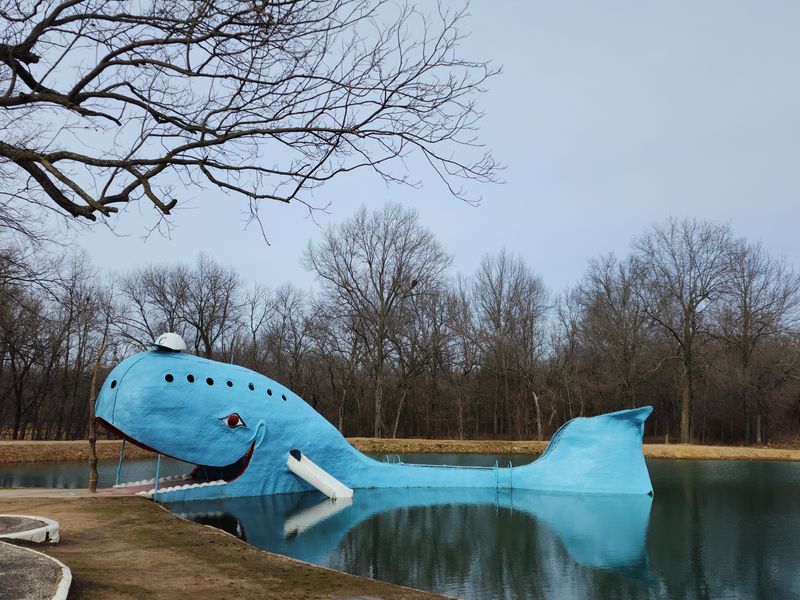
Built in the early 1970s as an anniversary gift, this 80-foot-long blue whale has become one of Route 66’s most beloved landmarks.
Hugh Davis constructed the smiling cetacean for his wife Zelta, who collected whale figurines and cherished these majestic marine mammals.
What started as a private swimming hole quickly became a popular attraction as word spread throughout the community and beyond.
The whale’s mouth opens wide enough for visitors to walk through, and a small platform on top once served as a diving board into the spring-fed pond below.
After years of neglect following the original owner’s passing, local preservationists rallied to restore this quirky piece of Oklahoma history.
Today the whale sports a fresh coat of bright blue paint and welcomes thousands of visitors who stop to photograph this whimsical roadside wonder.
Picnic tables dot the surrounding area, and the pond still reflects the whale’s cheerful image on calm days.
Swimming is no longer permitted, but the site remains a perfect spot for family outings and nostalgic road trippers seeking authentic vintage Americana.
The attraction represents the golden age of highway travel when families would seek out unusual stops to break up long drives across the country.
Social media has given the Blue Whale new life, with countless visitors sharing photos and helping younger generations discover this charming relic.
Gift shops nearby sell whale-themed souvenirs, and the local community takes pride in maintaining this connection to Oklahoma’s roadside attraction heritage.
Sunset visits offer particularly beautiful lighting as golden hour bathes the blue sculpture in warm tones.
Address: 2600 North Highway 66, Catoosa, Oklahoma
5. Totem Pole Park in Chelsea
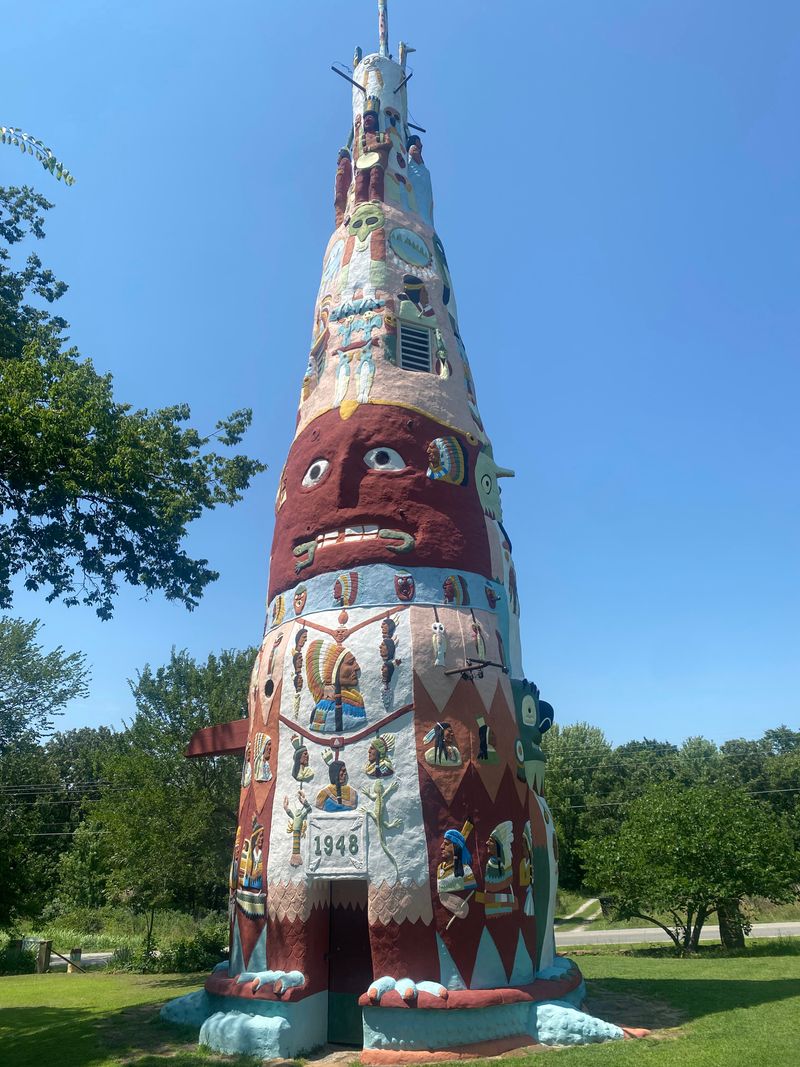
Folk artist Ed Galloway spent eleven years hand-carving an extraordinary collection of totem poles that now stand as monuments to outsider art.
His main creation towers 90 feet high and holds the title of the world’s largest concrete totem pole, adorned with brightly painted figures and symbols.
Galloway began this ambitious project in his retirement, working with simple tools to transform his vision into a sprawling outdoor gallery.
Hundreds of carved turtles, snakes, birds, and human figures populate the poles, each one meticulously shaped and painted in vibrant colors.
The park also includes a unique fiddle house shaped like a giant fiddle, reflecting Galloway’s love of music and his desire to create joy through art.
After his death in 1962, the park fell into disrepair until the Kansas Grassroots Art Association and local volunteers began restoration efforts.
Today the site welcomes visitors who want to experience this remarkable expression of creative determination and folk art tradition.
Shaded picnic areas invite guests to linger and study the intricate details Galloway carved into every surface.
Photography opportunities abound as sunlight filters through trees and illuminates the colorful totems against the Oklahoma sky.
The park represents the kind of roadside attraction that once defined American highway culture, built not for profit but for pure artistic expression.
Children find endless fascination in counting the animals and figures while adults appreciate the dedication required to complete such an ambitious undertaking.
Visiting Totem Pole Park feels like stepping into one man’s vivid imagination, preserved and celebrated by a community that recognizes its cultural value.
Address: 21300 East Highway 28A, Chelsea, Oklahoma
6. Marland Mansion in Ponca City
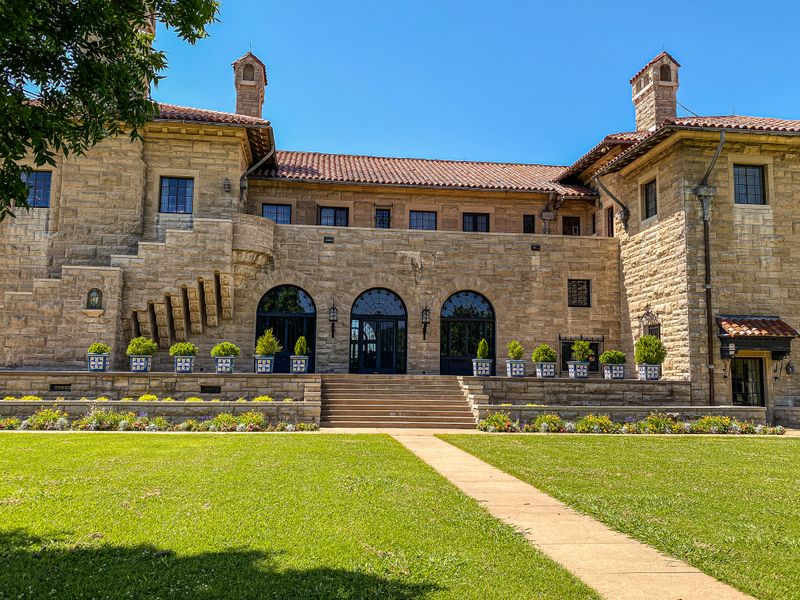
Oil tycoon E.W. Marland commissioned this 55-room Italian Renaissance palace during the height of his fortune in the 1920s.
The mansion showcases the extravagant wealth generated during Oklahoma’s oil boom years, with imported materials and craftsmanship from around the world.
Hand-painted ceilings, elaborate wood carvings, and marble fireplaces demonstrate the no-expense-spared approach Marland took in creating his dream home.
A grand staircase sweeps upward beneath a massive stained glass skylight, creating an entrance that still impresses visitors nearly a century later.
The estate originally included a boat house, polo field, and extensive gardens designed by landscape architects who also worked on major public parks.
Marland’s dramatic financial collapse during the Great Depression adds a poignant layer to the mansion’s story, reminding visitors of fortune’s fleeting nature.
Guided tours reveal both the glamorous lifestyle and the personal tragedies that unfolded within these ornate walls.
Period furnishings and personal belongings help recreate the atmosphere of lavish parties and everyday life among Oklahoma’s oil elite.
The mansion’s architecture draws inspiration from the Davanzati Palace in Florence, adapted to suit the Oklahoma landscape and climate.
Historians consider the estate an important example of early 20th-century American wealth and the unique culture that developed in oil-rich regions.
Special events throughout the year include vintage fashion shows, holiday celebrations, and historical reenactments that bring different eras to life.
Exploring the grounds provides insight into how oil transformed Oklahoma from frontier territory into a land of unexpected opulence and opportunity.
Address: 901 Monument Road, Ponca City, Oklahoma
7. Alabaster Caverns State Park
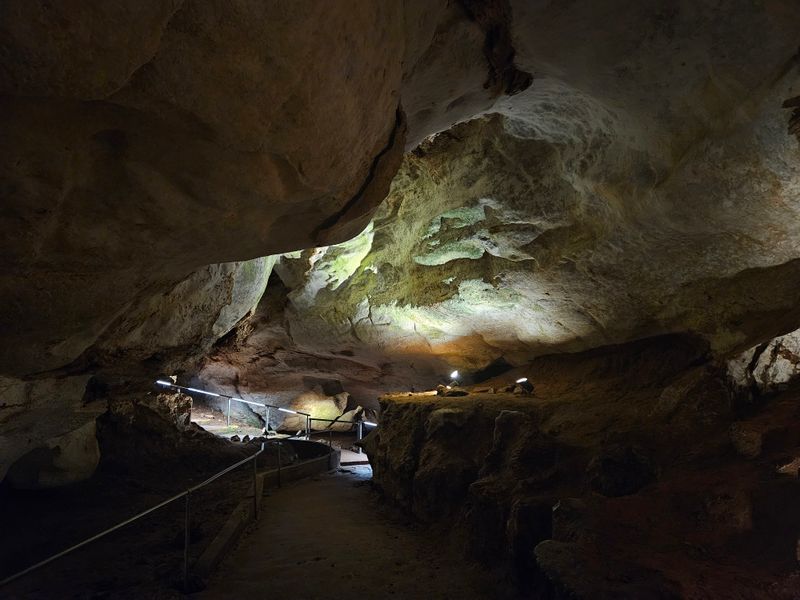
Few places on Earth allow visitors to walk through a natural cave made almost entirely of pink alabaster gypsum.
Alabaster Caverns contains the largest natural gypsum cave open to the public in the world, stretching over three-quarters of a mile underground.
The unusual pink and white striations in the rock create an otherworldly atmosphere as natural light fades and artificial illumination reveals the cavern’s unique geology.
Guided tours lead visitors 200 feet beneath the surface, where temperatures remain a constant cool regardless of Oklahoma’s sometimes extreme weather above.
Rare cave-dwelling bats, including several endangered species, make their home in the deeper recesses closed to public access for conservation purposes.
The main chamber features massive boulders that have tumbled from the ceiling over thousands of years, some weighing several tons.
Selenite crystals sparkle when flashlight beams catch them at the right angle, adding moments of unexpected beauty to the underground journey.
The cave’s formation began millions of years ago when ancient seas covered this region, leaving behind thick deposits of gypsum that water slowly carved into passages.
Above ground, the park offers hiking trails, picnic facilities, and campgrounds for visitors who want to extend their stay in this unique geological area.
Spelunking enthusiasts can arrange special wild cave tours that venture beyond the developed pathways into more challenging terrain.
The park’s natural amphitheater occasionally hosts educational programs about cave ecology, geology, and the importance of protecting these fragile underground ecosystems.
Visiting Alabaster Caverns provides a rare opportunity to experience a geological wonder that exists in only a handful of locations worldwide.
Address: 50 Cave Road, Freedom, Oklahoma
Dear Reader: This page may contain affiliate links which may earn a commission if you click through and make a purchase. Our independent journalism is not influenced by any advertiser or commercial initiative unless it is clearly marked as sponsored content. As travel products change, please be sure to reconfirm all details and stay up to date with current events to ensure a safe and successful trip.
