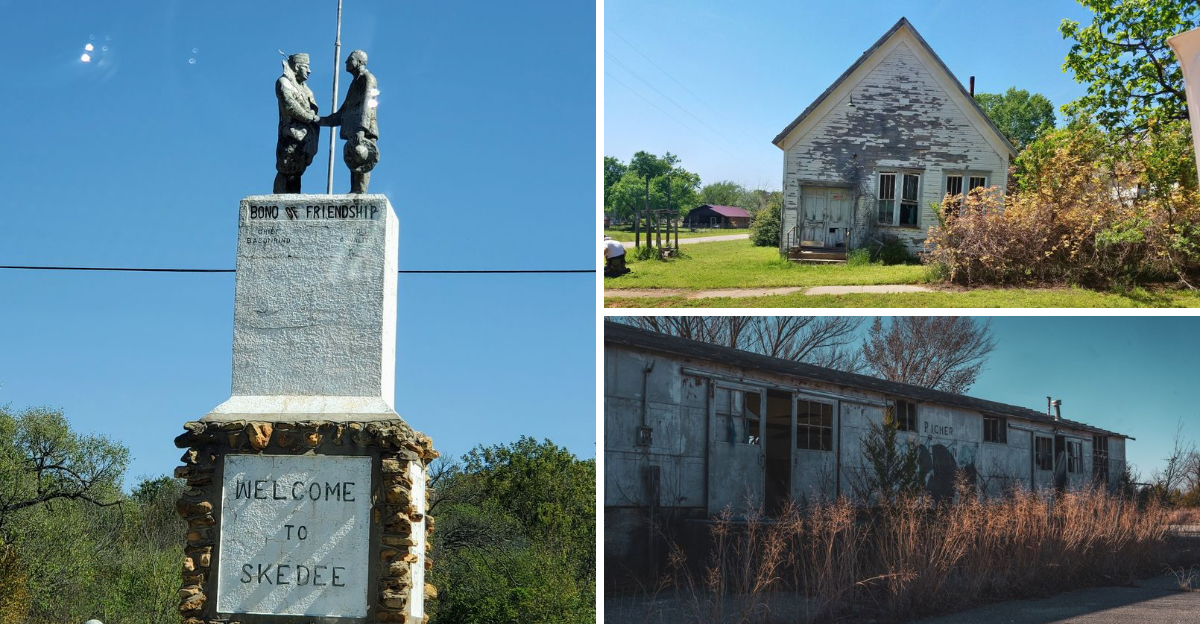
Oklahoma holds a special place in American history, with abandoned settlements scattered across its prairies and rolling hills.
Many of these forgotten towns now offer quiet trails and open spaces where visitors can walk among weathered buildings and imagine life from decades past.
Winter transforms these ghost towns into peaceful retreats, with crisp air and fewer crowds making exploration even more rewarding.
Locals have discovered that these historic sites provide the perfect escape for reflective walks and a connection to the state’s pioneering spirit.
1. Picher
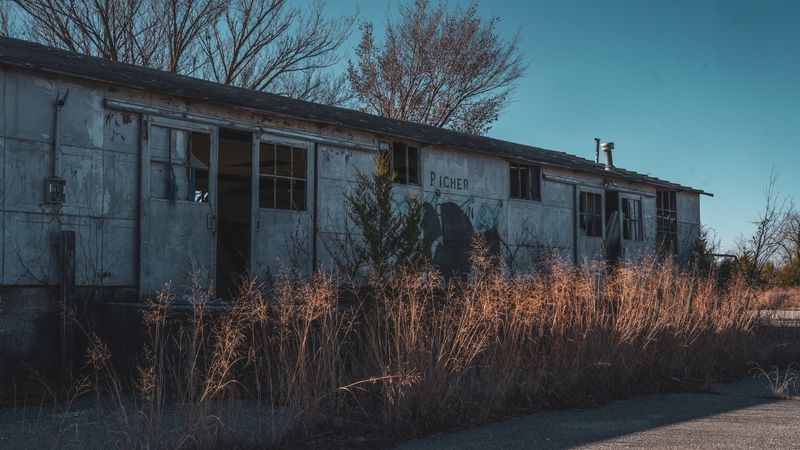
Once a thriving mining community in the far northeastern corner of Oklahoma, Picher now stands as a haunting reminder of boom and bust cycles.
The town was evacuated in 2009 due to environmental contamination from lead and zinc mining operations that had sustained the community for generations.
Walking through Picher during winter months reveals empty streets lined with crumbling structures, their windows dark and walls slowly surrendering to the elements.
The silence here feels profound, broken only by wind whistling through abandoned storefronts and the occasional creak of a collapsing roof.
Visitors often describe an eerie beauty in the desolation, with rusted mining equipment scattered across the landscape like industrial sculptures.
Winter’s bare trees and gray skies enhance the melancholy atmosphere, creating an almost cinematic backdrop for contemplative walks.
Many locals from nearby towns make the journey to Picher to photograph the decay and reflect on how quickly prosperity can fade.
The chat piles, massive mounds of mining waste, still dominate the horizon and serve as stark monuments to the town’s industrial past.
Safety precautions are essential when visiting, as unstable structures and contaminated ground pose real hazards.
Despite the dangers, the site draws those seeking a visceral connection to Oklahoma’s mining heritage and a sobering lesson about environmental consequences.
Picher represents both human ambition and its unintended costs, making each winter walk here a journey through layers of history.
2. Skedee
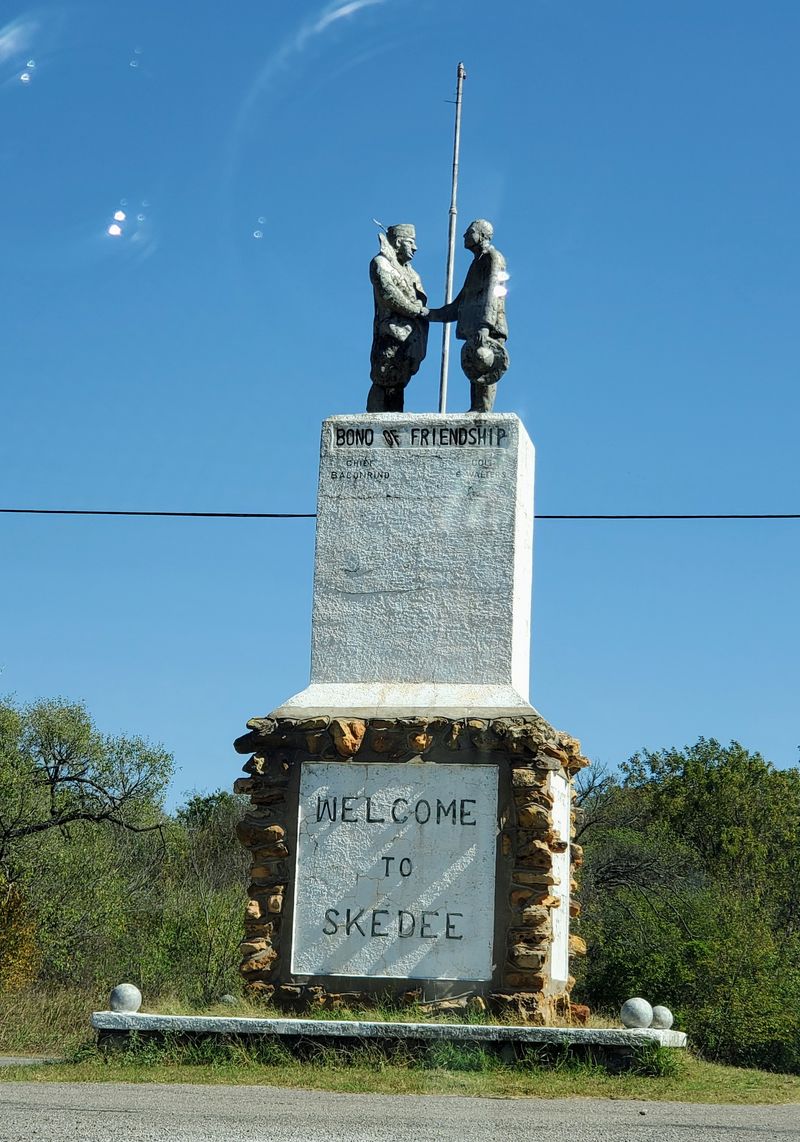
Tucked away in Pawnee County, Skedee offers a gentler ghost town experience compared to more dramatically abandoned sites.
This tiny settlement never grew beyond a handful of buildings, and today only a few weathered structures remain standing amid the prairie grasses.
The town’s name supposedly came from a Creek word, reflecting the area’s Native American heritage before European settlement.
Winter walks through Skedee feel like stepping into a forgotten photograph, with the landscape stretching endlessly in all directions.
An old church building, its white paint long faded, stands as the most recognizable landmark and serves as a focal point for visitors.
The surrounding fields turn golden brown in winter, creating a warm contrast against cold blue skies on clear days.
Local history enthusiasts visit Skedee to imagine the hopeful pioneers who once tried to build a community in this isolated spot.
The town never had the population or resources to sustain itself once the railroad bypassed it for larger settlements.
Today, the silence here feels peaceful rather than ominous, with only the sound of wind moving through dried grasses.
Photographers appreciate the way winter light plays across the remaining buildings, casting long shadows across the empty ground.
Skedee represents the countless small towns across Oklahoma that simply faded away when economic realities shifted.
Walking these quiet grounds offers perspective on how geography and transportation determined which communities survived and which became memories.
3. Ingalls
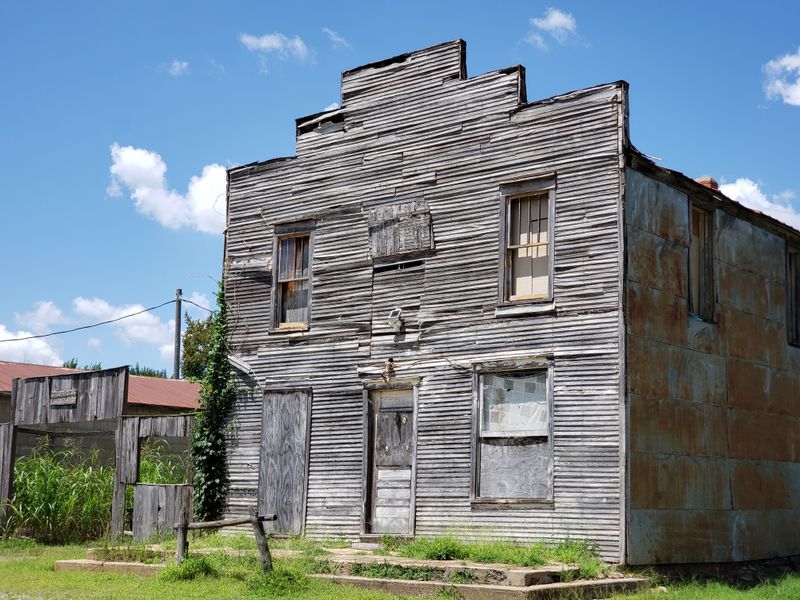
Famous for a legendary shootout involving the Doolin-Dalton Gang in 1893, Ingalls carries a dramatic Wild West legacy.
The town once bustled with saloons, stores, and residents drawn by the promise of frontier opportunity in the Cimarron Territory.
Today, a few original structures still stand, including buildings that witnessed the famous gunfight between outlaws and lawmen.
Winter visitors can walk the same dirt roads where Bill Doolin and his gang once rode, imagining the tension of that fateful September day.
The town’s museum, when open, provides context for the area’s outlaw history and displays artifacts from the settlement’s brief heyday.
Cold winter air seems to amplify the sense of history here, making it easier to picture the rough-and-tumble frontier town that once existed.
Several interpretive markers throughout the site explain key locations from the shootout and identify which buildings served which purposes.
Local historians have worked to preserve what remains of Ingalls, recognizing its significance in Oklahoma’s territorial period.
The surrounding landscape looks much as it did in the 1890s, with open prairie extending in all directions.
Walking through Ingalls during winter offers solitude that summer tourists rarely experience, allowing for deeper connection with the past.
The town represents a pivotal moment when lawlessness gave way to organized government in what would become Oklahoma.
Each weathered board and empty doorway tells stories of courage, violence, and the harsh realities of frontier justice.
4. Fallis
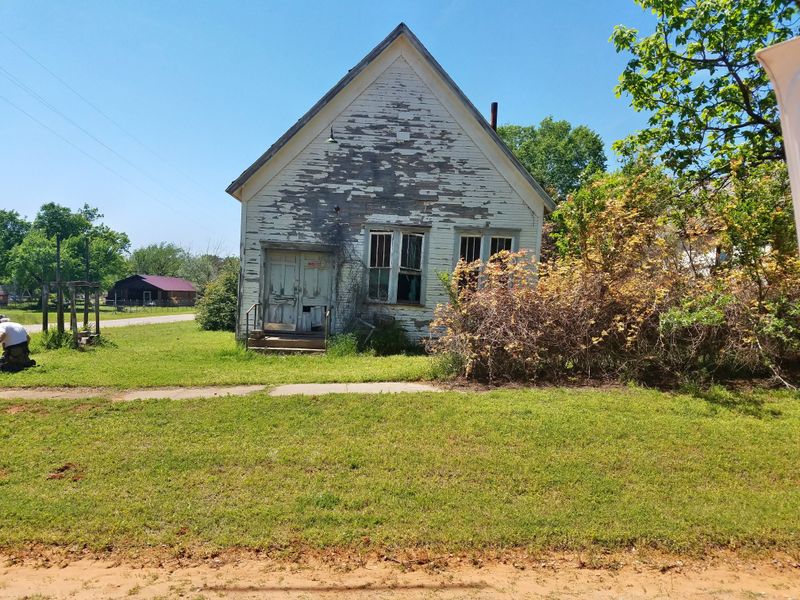
Located in Lincoln County, Fallis began as a trading post and grew into a small community before gradually losing residents.
The town’s most striking feature is its collection of stone buildings, constructed from local materials by skilled craftsmen over a century ago.
These sturdy structures have weathered decades of abandonment better than wooden buildings in other ghost towns.
Winter walks through Fallis reveal the impressive masonry work that went into constructing a permanent settlement on the prairie.
An old bank building, its vault door still visible, stands as a testament to the town’s brief period of economic activity.
The stone walls glow warmly in winter sunlight, their surfaces textured with age and pockmarked by weather.
Fallis never achieved the population needed to incorporate, and as nearby towns offered better services, residents gradually relocated.
Today, the site attracts architecture enthusiasts who appreciate the quality of frontier construction techniques.
Walking among these buildings feels like exploring an open-air museum, with each structure telling stories through its design and materials.
The surrounding countryside remains rural, with farms and ranches continuing the agricultural traditions that once supported the town.
Winter’s bare vegetation allows clearer views of the remaining buildings and the landscape that shaped their construction.
Visitors often note how the stone structures seem almost alive, their presence more enduring than the people who built them.
Fallis reminds us that some human creations outlast the communities that produced them, becoming monuments to persistence and skill.
5. Shamrock
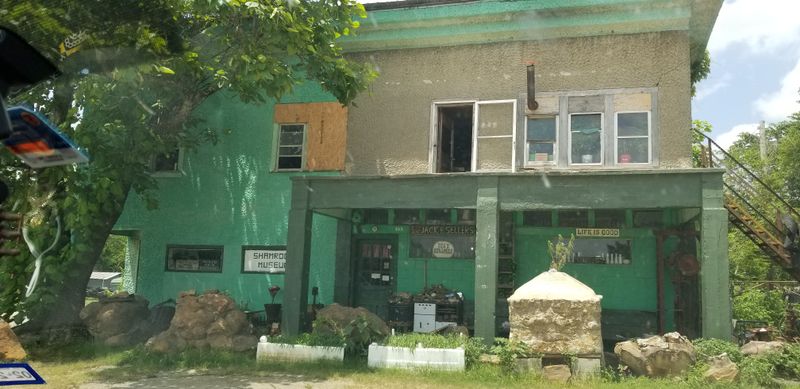
Settled by Irish immigrants who brought their homeland’s traditions to the Oklahoma prairie, Shamrock once thrived as a tight-knit community.
The town’s name reflects the ethnic pride of its founders, who established farms and businesses in Creek County.
Today, a few buildings remain along what was once a busy main street, their facades faded but still recognizable.
Winter walks here feel especially poignant, as the town’s Irish heritage makes the emptiness seem like a broken promise.
An old general store, its shelves long empty, still bears faint painted advertisements on its exterior walls.
The building’s wooden siding has weathered to a silvery gray that photographs beautifully against winter skies.
Local genealogists sometimes visit Shamrock to connect with their ancestors’ stories and photograph family homesteads.
The town’s decline followed a familiar pattern: young people left for opportunities elsewhere, and services gradually disappeared.
What remains now serves as a quiet memorial to immigrant dreams and the hard work of building something from nothing.
Walking the empty streets, you can almost hear echoes of Irish accents mixing with Oklahoma drawls in conversations long past.
The surrounding farmland continues to be worked, suggesting that while the town died, the agricultural vision of its founders endures.
Winter’s stark beauty emphasizes the contrast between human settlements and the eternal landscape that outlasts them.
Shamrock represents countless immigrant communities across Oklahoma that shaped the state’s cultural diversity before fading into history.
6. Texola
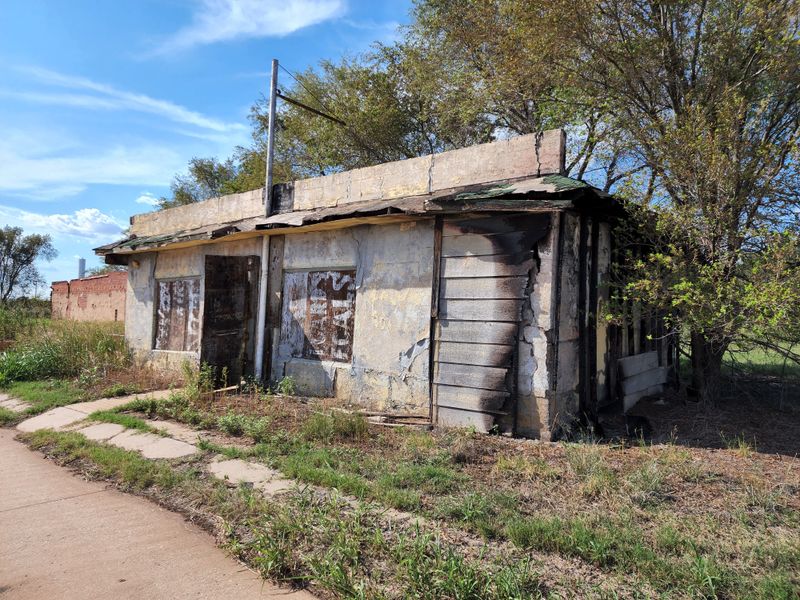
Straddling the Oklahoma-Texas border along historic Route 66, Texola once served travelers on America’s most famous highway.
The town’s name cleverly combines both states it touches, reflecting its identity as a border community.
During Route 66’s heyday, Texola bustled with gas stations, diners, and motor courts catering to cross-country travelers.
When Interstate 40 bypassed the town in the 1970s, traffic disappeared almost overnight, and businesses quickly followed.
Today, abandoned buildings line the old highway, their vintage signs and architecture frozen in mid-century style.
Winter walks along Texola’s stretch of Route 66 feel like time travel, with every structure telling stories of American road culture.
An old water tower still stands as a landmark, visible for miles across the flat western Oklahoma landscape.
The silence here contrasts sharply with the roar of traffic that once filled the air from dawn until late evening.
Route 66 enthusiasts make pilgrimages to Texola to photograph the authentic decay and imagine the highway’s glory days.
Several buildings retain their original paint and signage, though faded and peeling, creating a nostalgic atmosphere.
The town represents a specific moment in American history when highway travel defined freedom and adventure.
Walking past empty gas pumps and shuttered diners reminds visitors how quickly cultural patterns can shift.
Texola’s location on the state line gives it a unique character, neither fully Oklahoma nor Texas but something distinctly its own.
7. Boggy Depot
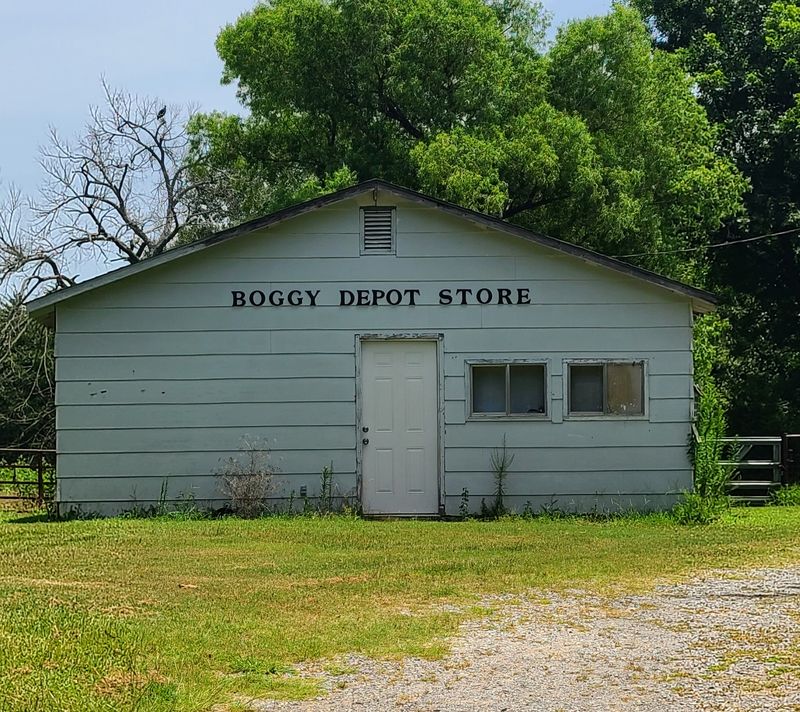
Established as a Choctaw Nation settlement in the 1830s, Boggy Depot holds special significance in Oklahoma’s Native American history.
The town served as an important stop on the Texas Road, a major trade route connecting northern and southern territories.
During the Civil War, Boggy Depot functioned as a Confederate supply depot, adding another layer to its historical importance.
Today, the site is preserved as Boggy Depot State Park, making it one of the most accessible and well-maintained ghost towns in Oklahoma.
Stone ruins of the original buildings dot the landscape, with interpretive signs explaining their original purposes and historical context.
Winter walks through the park offer peaceful solitude, with bare trees creating intricate patterns against the sky.
An old cemetery on the grounds contains graves dating back to the town’s earliest days, their weathered stones barely legible.
The park’s trails wind through areas where homes, stores, and government buildings once stood, now returned to nature.
Visitors can see the remains of the town’s stone walls, constructed with the same careful craftsmanship found in other frontier settlements.
Boggy Depot represents the complex history of Indian Territory, where Native American governance mixed with frontier commerce.
The site’s preservation allows visitors to learn about Choctaw culture and the challenges faced by displaced tribes building new communities.
Walking these grounds in winter feels particularly reflective, as the season’s quiet enhances the sense of connection to past generations.
Address: Park Rd, Atoka, Oklahoma
8. Cardin
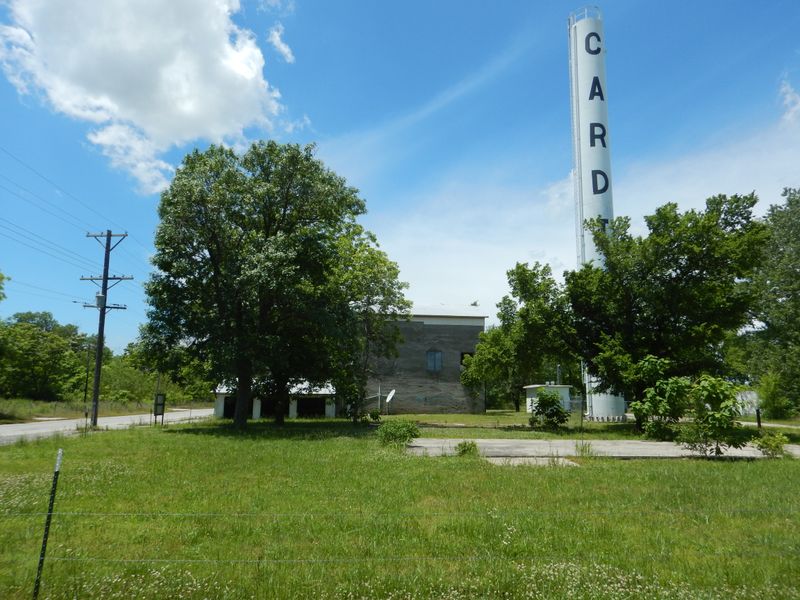
Neighboring the more famous Picher, Cardin shared in the lead and zinc mining boom that defined northeastern Oklahoma.
The town developed around mining operations, with workers’ homes, company stores, and processing facilities creating a bustling industrial community.
Like Picher, Cardin faced environmental contamination that eventually forced evacuation and abandonment.
Today, the town sits empty except for a handful of residents who refused to leave despite the health risks.
Winter walks through Cardin reveal the skeletal remains of a once-vibrant working-class community.
Massive chat piles dominate the landscape, their gray surfaces creating an almost lunar appearance against winter skies.
The few remaining structures show signs of rapid deterioration, with roofs collapsing and walls leaning at precarious angles.
Visitors must exercise extreme caution, as both the buildings and ground itself pose serious hazards.
The town represents the human cost of industrial extraction and the environmental legacy left for future generations.
Walking past empty houses, you can imagine families gathering around dinner tables, children playing in yards now overgrown and toxic.
Cardin serves as a powerful reminder that economic prosperity can come with devastating long-term consequences.
The silence here feels heavy, weighted with the knowledge of what was lost and what can never be fully restored.
Winter’s cold seems to emphasize the desolation, making the abandoned buildings appear even more forlorn and forgotten.
9. Kenton
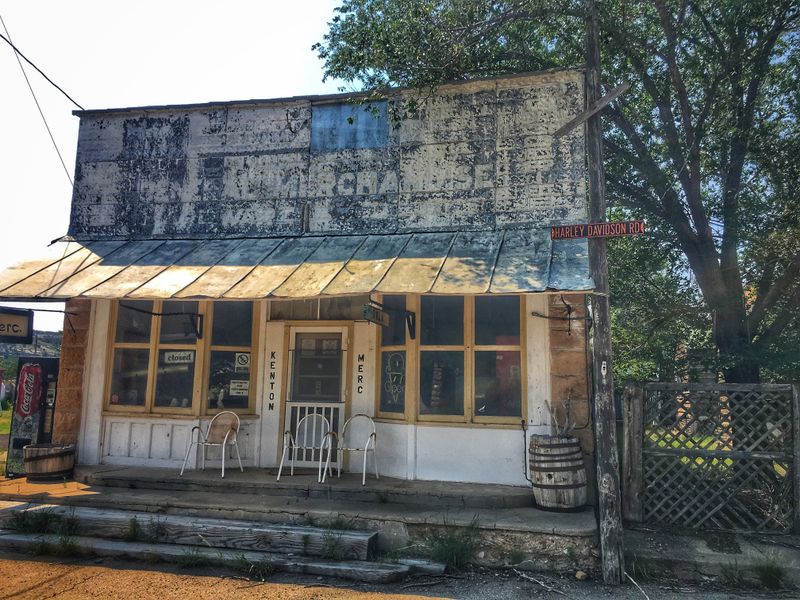
Located in Oklahoma’s panhandle near Black Mesa, Kenton occupies one of the most remote locations in the entire state.
The town developed as a ranching community, serving the vast cattle operations that dominated the region’s economy.
While not completely abandoned, Kenton has declined to a tiny population that maintains a few buildings and services.
Winter walks through the area offer stunning views of the surrounding mesas and high plains landscape unique to this corner of Oklahoma.
The town’s elevation and western location give it a different character from ghost towns in other parts of the state.
Old storefronts along the main street retain their frontier architecture, with wooden facades and covered boardwalks.
The isolation here feels profound, with the nearest significant town over an hour away on lonely two-lane highways.
Visitors often combine trips to Kenton with hikes to Black Mesa, Oklahoma’s highest point, creating a full day of exploration.
The town represents the challenges of maintaining communities in harsh, isolated environments where climate and distance test human persistence.
Walking Kenton’s quiet streets, you gain appreciation for the toughness required to survive in this unforgiving landscape.
Winter weather here can be severe, with strong winds and occasional snow transforming the high plains into a forbidding environment.
The few remaining residents take pride in their town’s history and welcome respectful visitors interested in authentic frontier heritage.
Kenton reminds us that some places remain stubbornly alive despite every reason to disappear completely.
10. Doaksville
As the first capital of the Choctaw Nation in Indian Territory, Doaksville holds immense historical significance.
The town was established in the 1830s following the forced removal of the Choctaw people from their ancestral lands in Mississippi.
During its peak, Doaksville served as a political and commercial center, with the Choctaw National Council meeting here regularly.
The town also functioned as an important stop for travelers and traders moving through Indian Territory.
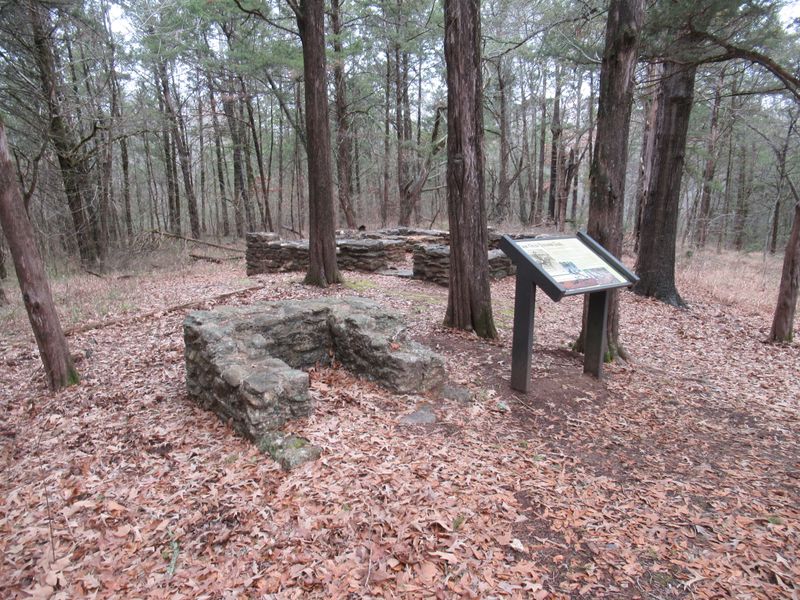
Today, only stone foundations and chimneys remain visible above ground, marking where important buildings once stood.
Winter walks through the site allow visitors to contemplate the resilience of the Choctaw people who rebuilt their nation after devastating displacement.
Interpretive markers throughout the area explain the town’s layout and identify specific structures’ locations and purposes.
The site sits near the Red River, which provided both transportation access and natural resources for the settlement.
Doaksville’s abandonment came gradually as the capital moved to other locations and economic activity shifted elsewhere.
Walking these grounds feels sacred, as the site represents both tragedy and survival in Native American history.
The surrounding landscape remains largely rural, allowing visitors to see terrain similar to what the town’s original residents experienced.
Winter’s quiet enhances the reflective nature of visiting this important but often overlooked historical location.
Doaksville reminds us that Oklahoma’s history extends far beyond statehood to include the complex stories of displaced nations.
11. Cement
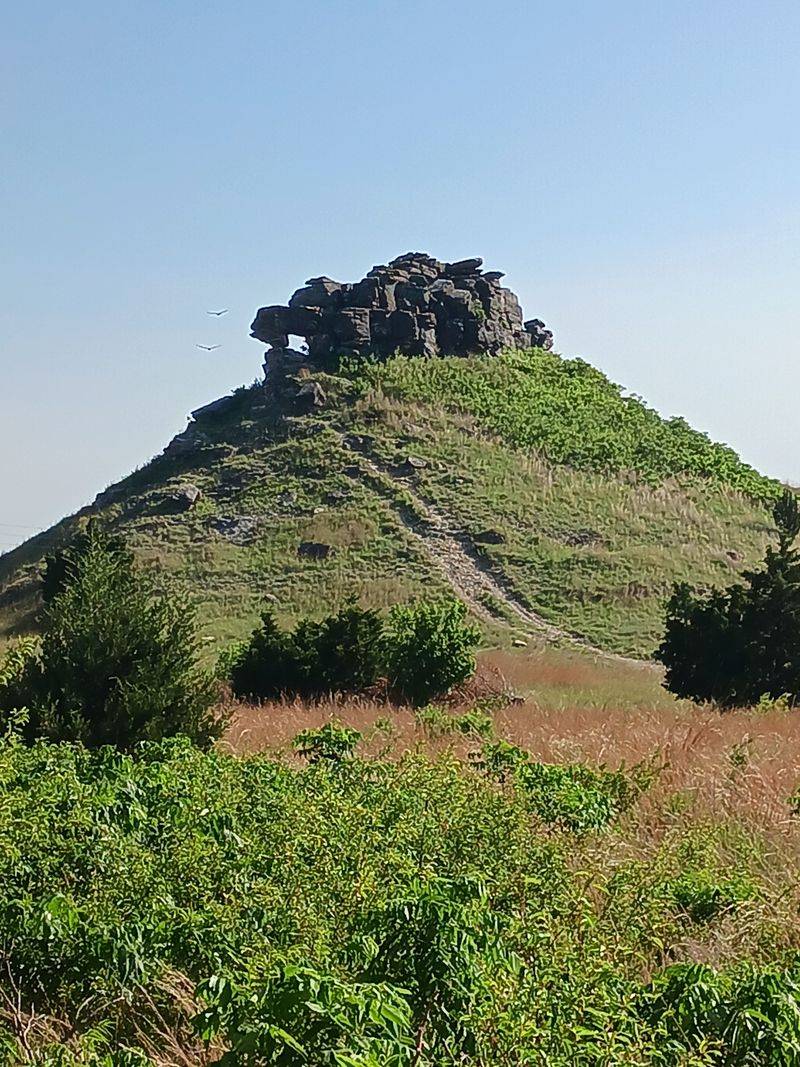
Named for the industry that created it, Cement grew around a large cement manufacturing plant in Caddo County.
The town’s entire existence depended on the plant, which employed most residents and supported all local businesses.
When the plant closed due to changing economic conditions and competition, the town quickly emptied.
Today, the massive industrial ruins dominate the landscape, their concrete structures slowly crumbling but still imposing.
Winter walks around the old plant reveal the scale of industrial operations that once brought prosperity to this isolated location.
The plant’s towering silos and processing buildings create dramatic silhouettes against winter skies, appealing to industrial archaeology enthusiasts.
Former worker housing, much of it company-owned, sits abandoned in neat rows, showing the planned nature of the community.
Cement represents single-industry towns that prospered briefly before economic forces moved production elsewhere.
The site offers a stark lesson in economic vulnerability and the impermanence of industrial employment.
Walking past rusted machinery and collapsed structures, visitors can imagine the noise and activity that once filled these spaces.
Safety concerns are significant here, as unstable concrete and rusted metal pose real dangers to explorers.
The town’s name, so literal and utilitarian, reflects the straightforward economic purpose that defined its brief existence.
Winter’s cold seems to emphasize the harsh reality of communities built entirely around single employers and their inevitable decline when that employer disappears.
Dear Reader: This page may contain affiliate links which may earn a commission if you click through and make a purchase. Our independent journalism is not influenced by any advertiser or commercial initiative unless it is clearly marked as sponsored content. As travel products change, please be sure to reconfirm all details and stay up to date with current events to ensure a safe and successful trip.
