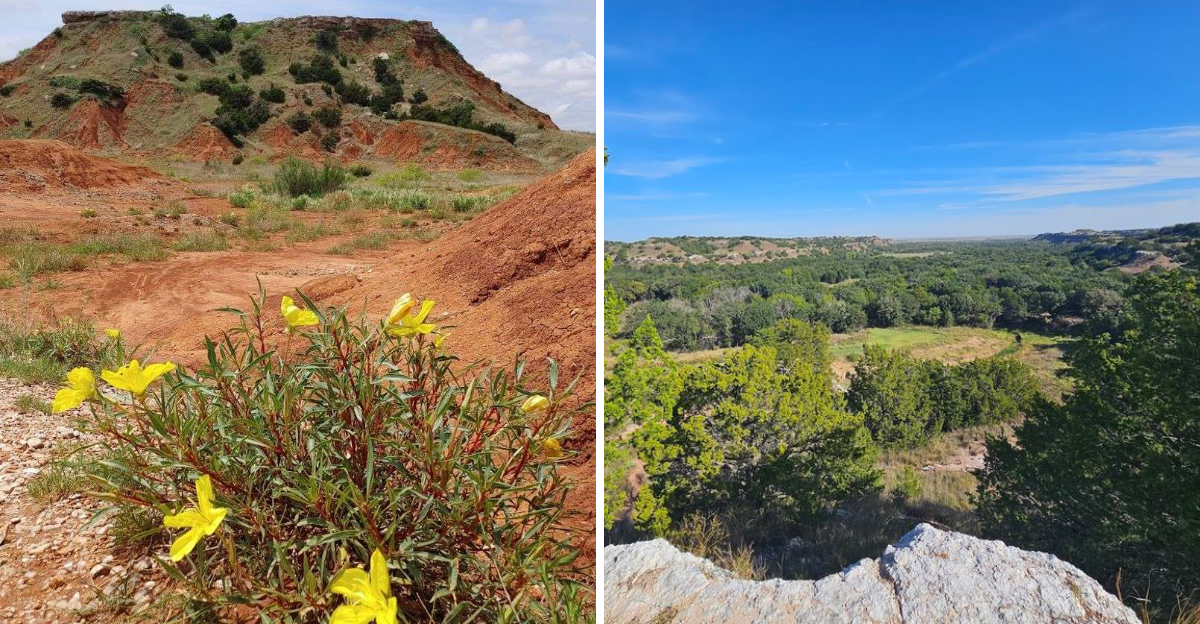
Spring arrives in Oklahoma like a promise kept. The rains come, the red dirt warms, and the landscape shifts into color.
Fields that looked brown and tired just weeks earlier transform into carpets of Indian paintbrush, black eyed Susans, and wild primrose.
These nine parks become the stage for this annual performance, a riot of blooms that draws photographers, families, and anyone who needs a reminder that beauty returns on schedule.
The trails fill with people who suddenly remember they love hiking. Picnic blankets appear on hillsides. The bees work overtime, grateful for the abundance. Timing matters, of course. Too early and you miss the peak. Too late and the petals start to fade.
Catch these parks in mid spring, and you will understand why Oklahomans get quiet when talking about wildflower season. Some things are too pretty for words.
This is one of them.
1. Wichita Mountains Wildlife Refuge, Indiahoma, Oklahoma
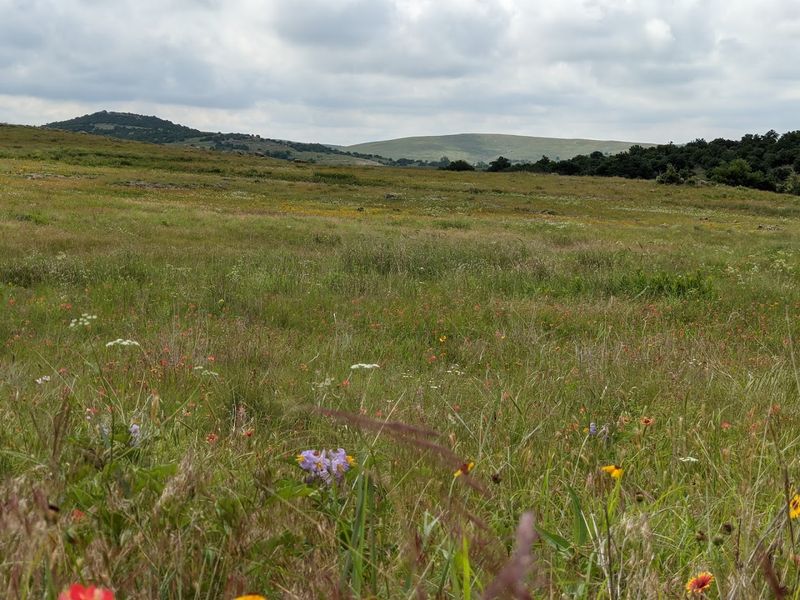
Few places in Oklahoma hit you with color quite the way Wichita Mountains Wildlife Refuge does in spring.
Located near Indiahoma in southwestern Oklahoma, this federal refuge covers over 59,000 acres of rolling granite hills, open prairie, and rocky canyons.
The wildflower season here is genuinely one of the most spectacular I have experienced anywhere in the state.
The heaviest blooms tend to concentrate along the base of Mount Scott, in the fields surrounding Doris Campground, and throughout the rugged Charon’s Garden Wilderness Area.
Indian Blanket, which is Oklahoma’s official state wildflower, carpets the open ground in waves of red and gold.
Bright Indian Paintbrush and cheerful golden coreopsis fill in the gaps, creating a layered patchwork of color that genuinely stops you in your tracks.
I always recommend arriving early in the morning when the light is low and golden, because the flowers seem to glow from the inside out at that hour.
The refuge is also home to free-roaming bison, longhorn cattle, and elk, so you might find yourself watching a bison graze quietly through a field of wildflowers.
That combination of wildlife and blooms is hard to beat.
The trails here range from easy flat walks to more challenging rocky climbs, so there is something for every fitness level.
Charon’s Garden especially rewards those willing to hike a little farther, offering more secluded patches of blooms away from the main roads.
Spring visits typically peak between late April and mid-May, though the exact timing shifts a bit each year depending on rainfall.
Plan a full day here if you can, because one hour is never enough.
2. Quartz Mountain State Park, Lone Wolf, Oklahoma
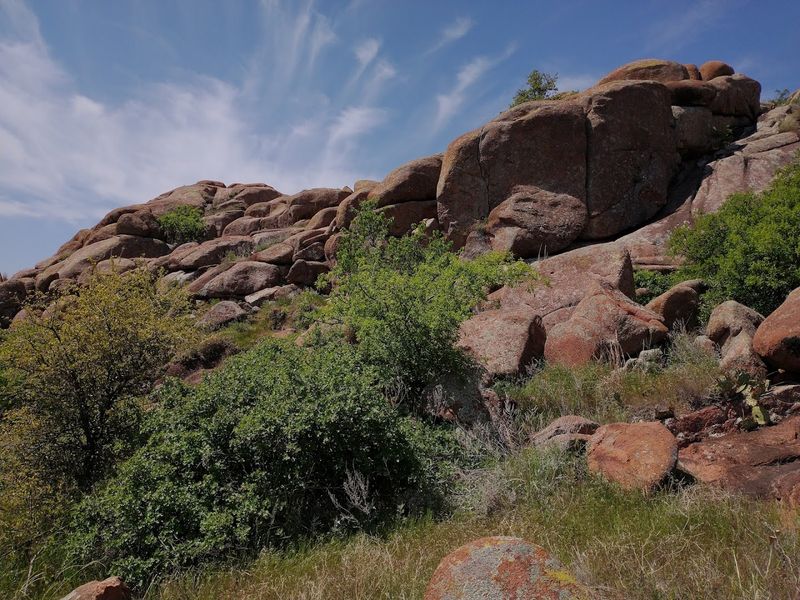
There is something almost theatrical about wildflowers blooming against bare granite cliffs, and Quartz Mountain State Park near Lone Wolf, Oklahoma, delivers exactly that kind of drama every spring.
The park sits along the shores of Lake Altus-Lugert in southwestern Oklahoma, and the combination of rocky terrain and open meadows creates a genuinely striking backdrop for the season’s blooms.
What I find especially appealing here is that the park actually organizes seasonal Wildflower Walks along its trails, giving visitors a guided way to appreciate the blooms up close.
The most concentrated wildflower displays tend to spread across the open, lower fields near the main trailheads, where the ground gets full sun and the flowers have room to spread out.
Indian Blanket and evening primrose are among the standouts, and their colors pop brilliantly against the warm reddish tones of the surrounding rock formations.
The trails themselves wind through a varied landscape of scrubby cedar, open grassland, and rocky outcrops, so the scenery keeps changing as you walk.
I spent one particularly perfect morning here following the lower trail loop, stopping every few minutes to photograph clusters of blooms framed against the distant cliffs.
The park also offers access to the lake, so after a wildflower hike you can easily shift gears and spend time near the water.
Birding is excellent here in spring too, with migrating species passing through alongside the resident wildlife.
Peak bloom usually lands somewhere between mid-April and early May.
The park feels unhurried and spacious, which makes it an especially pleasant place to spend a slow spring morning with no particular agenda.
3. Gathering Place, Tulsa, Oklahoma
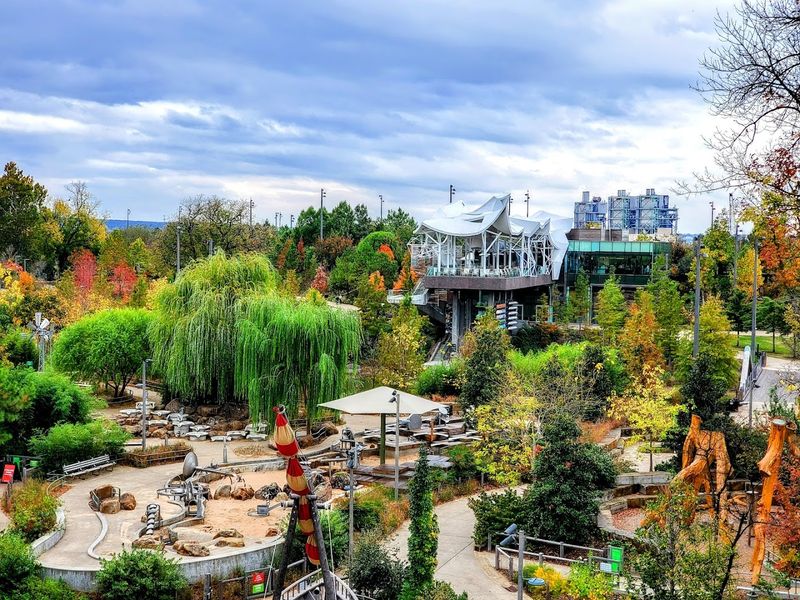
Urban parks rarely make a wildflower list, but Gathering Place in Tulsa is not your average city park.
Stretching along the Arkansas River in midtown Tulsa, this award-winning park was thoughtfully designed with native landscapes at its core, and spring is when that design philosophy truly shines.
The open prairies and meadow sections of the park are intentionally overseeded with more than 25 native wildflower species, creating a rotating, ever-shifting display that looks different from one week to the next.
What I love about this spot is how accessible it all is. The blooms form thick floral clusters right alongside the paved multi-use walking paths, so you do not need hiking boots or a trail map to enjoy them.
Families with strollers, joggers, cyclists, and casual walkers all pass through the same flower-lined corridors, which gives the whole experience a lively, communal energy that feels uniquely Tulsa.
The wildflower mix here includes prairie coneflower, wild bergamot, black-eyed Susan, and native grasses that sway gently between the flower patches.
Because the species selection changes year to year, no two spring visits look exactly the same.
I have come back three springs in a row and always found something new blooming in a spot that looked different the last time I passed through.
The park is free to enter and open daily, which makes spontaneous visits easy.
Parking is available on-site, and the park is also reachable by the Tulsa riverside trail system.
Spring mornings here, before the crowds arrive, feel genuinely magical in the quietest, most grounded way possible.
4. Lake Murray State Park, Ardmore, Oklahoma
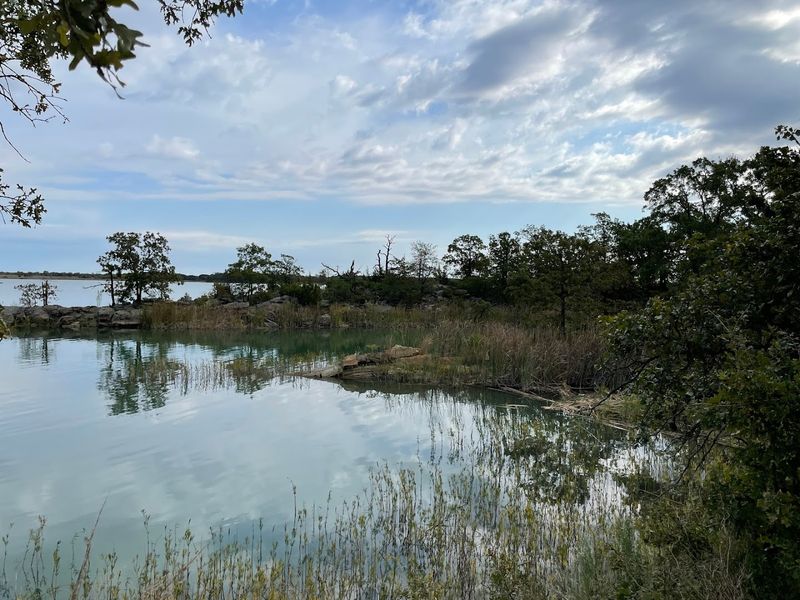
Lake Murray State Park near Ardmore, in south-central Oklahoma, tends to fly under the radar when people talk about wildflower destinations, and that is honestly a shame.
This is Oklahoma’s oldest and largest state park, covering over 12,000 acres of rolling woodland, open meadow, and lakeside shoreline.
Spring transforms the park in a way that feels gradual and layered, starting with early-season groundcovers and building toward fuller blooms as April progresses.
The best wildflower viewing here happens along the park’s nine miles of forested multi-use hiking trails and in the meadow areas surrounding the Lake Murray Nature Center.
As the tree canopies begin to open up and let in more sunlight, native groundcovers spread across the forest floor in soft drifts of white, yellow, and pale purple.
Wild phlox, violet wood sorrel, and native spiderwort are among the species I have spotted along the trail edges in past springs.
The Nature Center itself is a great starting point, with staff who can point you toward the most active bloom areas on any given week.
What sets Lake Murray apart is the layered experience it offers. You are not just walking through flowers; you are moving through a full ecosystem waking up after winter.
Birds are singing, the lake is glittering through the trees, and the air smells like warm cedar and fresh growth.
It is the kind of spring experience that feels complete rather than focused on a single attraction.
I recommend pairing a morning wildflower hike with an afternoon on the water for a full day that covers everything this park does best.
5. Scissortail Park, Oklahoma City, Oklahoma
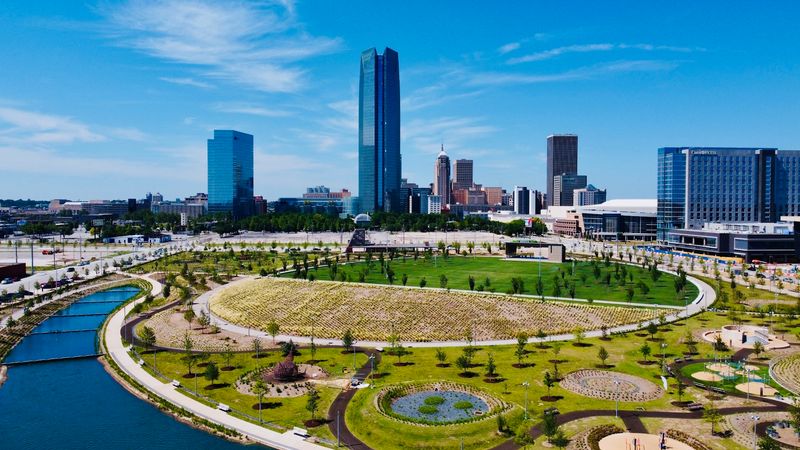
Right in the heart of downtown Oklahoma City, Scissortail Park pulls off something that most city parks only dream about.
Named after Oklahoma’s state bird, the scissor-tailed flycatcher, this 70-acre urban greenspace was designed with native plantings as a central feature, and the spring wildflower displays here are genuinely impressive for a downtown setting.
The park features mass-planted native wildflower fields that are engineered to bloom continuously from spring all the way through late autumn, with the heaviest concentrations of color spread along the walking loops on the south side of the park.
Spring kicks things off with Indian Blanket, coneflower, and black-eyed Susan filling the planted meadow zones in waves of warm color.
What I find refreshing about Scissortail is how intentional everything feels. This is not a park that accidentally grew some wildflowers; it is a park that made native blooms a design priority from day one.
The result is a surprisingly lush, naturalistic landscape set against the backdrop of the Oklahoma City skyline.
Walking the south loop in mid-May, with flowers on both sides of the path and the city’s towers visible above the treeline, is a genuinely striking experience.
The park is free and open year-round, with easy access from the downtown streetcar and multiple parking areas nearby.
Events and food trucks often pop up on weekends, adding a social layer to what is already a pleasant outdoor visit.
For anyone who thinks wildflower watching requires a long drive into the countryside, Scissortail Park is a persuasive argument that beauty can also show up right in the middle of the city.
6. Gloss Mountain State Park, Fairview, Oklahoma
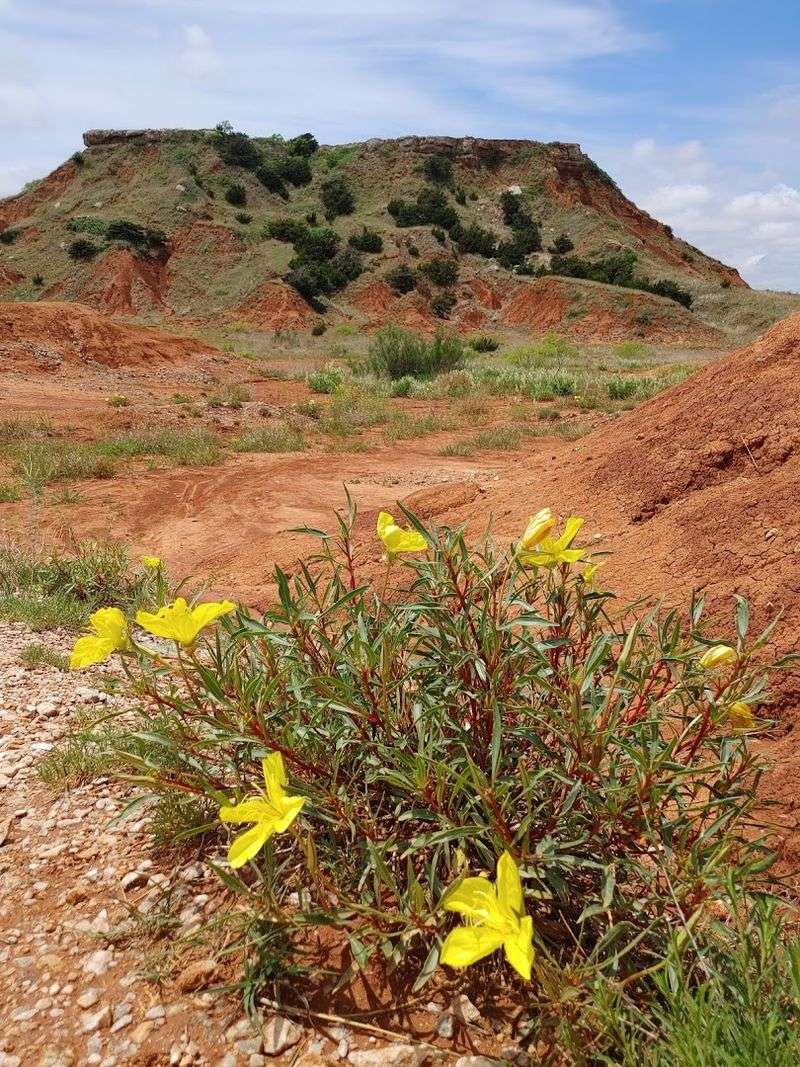
Gloss Mountain State Park near Fairview in northwestern Oklahoma looks like it belongs in a different part of the country entirely.
The park is named for the selenite crystals embedded in its dramatic flat-topped mesas, which catch the sunlight and shimmer from a distance. That glittery backdrop makes the spring wildflower show here feel especially vivid and unexpected.
Wildflowers at Gloss Mountain sprout in stark contrast to the deep red clay soil and pale gypsum rock, creating a color combination that I have not seen replicated anywhere else in the state.
Yellow dandelions and evening primroses are among the first to appear, popping brilliantly against the high-contrast desert-like landscape.
The best viewing spots are the flat plains surrounding the base of the main mesa trail, where the open ground allows flowers to spread widely and uninterrupted.
The mesa trail itself is short but steep, and climbing it rewards you with elevated views across miles of open Oklahoma prairie, all of it flushed with spring color below.
I made the mistake of visiting here at midday on my first trip, and the harsh light washed out a lot of the color. Early morning or late afternoon visits make a significant difference in how the landscape reads.
The park is small and often quiet, which gives it an almost private quality that busier destinations lack.
There are no amenities beyond a parking area and the trail, so bring water and wear sturdy shoes for the rocky mesa climb.
Gloss Mountain is one of those places that feels like a well-kept secret, and I am always happy to share it.
7. Mitch Park, Edmond, Oklahoma
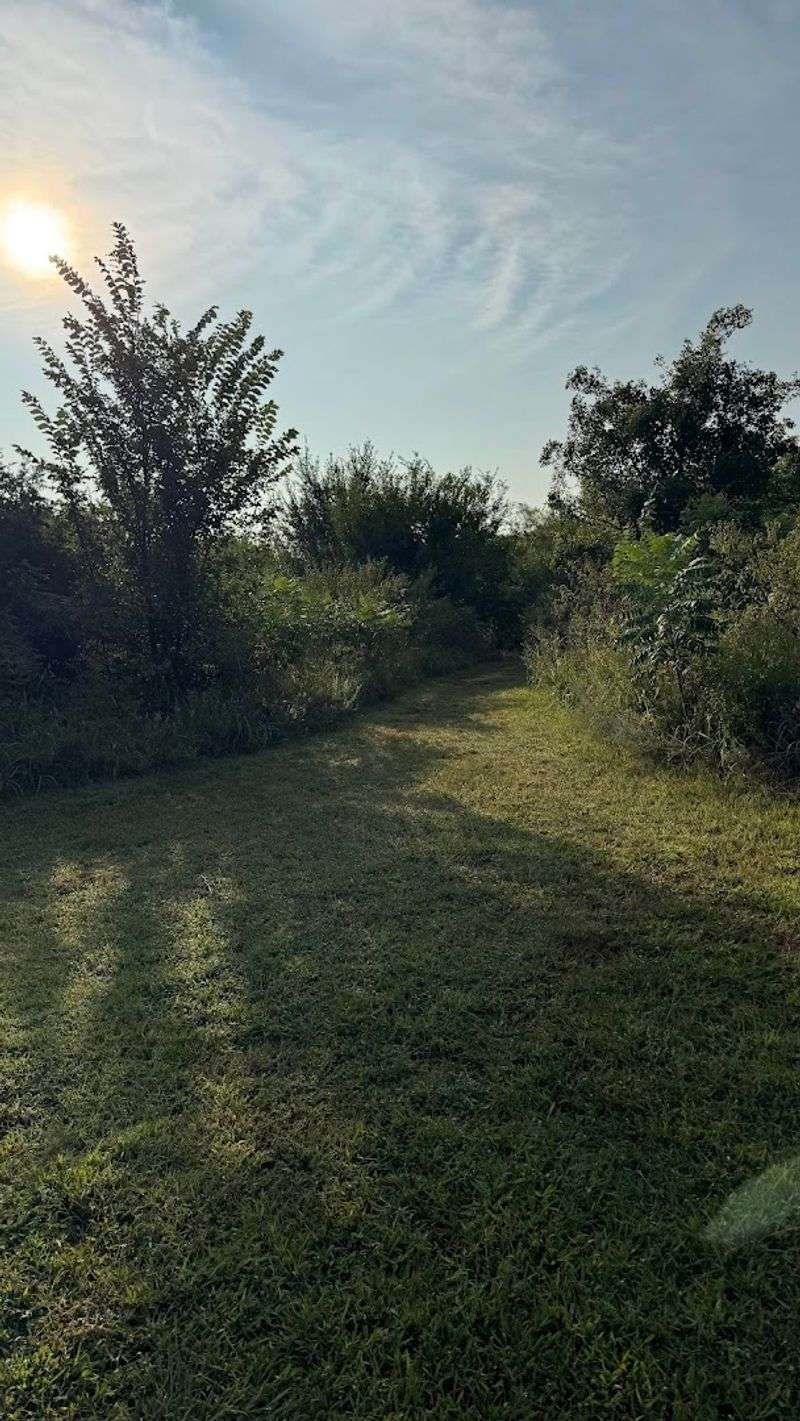
Mitch Park in Edmond, Oklahoma, is the kind of neighborhood park that quietly outperforms its reputation every single spring.
Located at 1501 W Covell Road, this well-maintained community park covers a substantial area with paved trails, sports facilities, and open green space, but the real seasonal draw is the wildflower meadow tucked toward the center of the park.
Those inner meadow sections are deliberately left to grow wild, which means the flowers determine their own schedule and density rather than being pruned or managed into submission.
The result, especially in early May, is a genuinely lush and colorful display that surprises many first-time visitors who come expecting a standard city park.
Native species dominate the meadow, including Indian Blanket, coreopsis, and prairie verbena, all growing in loose, naturalistic clusters alongside the concrete walking paths.
I particularly enjoy walking the loop trail here in the early morning when the dew is still on the flowers and the park is quiet enough that you can hear the birds working through the meadow.
The contrast between the tidy paved infrastructure and the deliberately wild flower sections gives Mitch Park an interesting split personality that I find charming rather than inconsistent.
Families with young kids tend to love this park because the paved trails make it easy to navigate while still putting you right next to the blooms.
There is ample parking, clean restrooms, and a playground nearby, which makes longer visits comfortable and practical.
Peak bloom at Mitch Park typically lands in the first two weeks of May, so that window is worth keeping an eye on if you want the fullest color display possible.
8. Joseph H. Williams Tallgrass Prairie Preserve, Pawhuska, Oklahoma
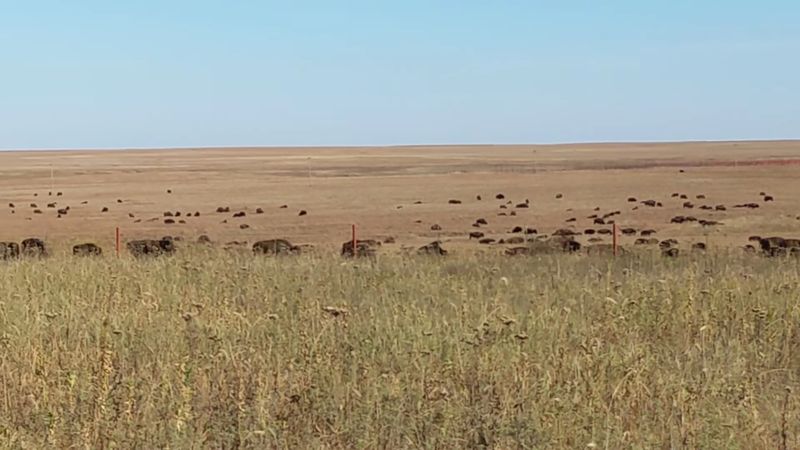
Stepping into the Joseph H. Williams Tallgrass Prairie Preserve near Pawhuska, in Osage County, feels like stepping into a version of Oklahoma that existed long before roads and fences carved the land into pieces.
Managed by The Nature Conservancy, this is one of the largest protected tallgrass prairie ecosystems remaining in North America, covering nearly 40,000 acres of rolling hills, seasonal streams, and open sky.
Spring here is not about manicured flower beds or planted meadows. It is about an entire ancient landscape waking up all at once, with wildflowers emerging across thousands of acres in a way that feels genuinely wild and unhurried.
The 15-mile Bison Driving Loop is the main route for experiencing the spring blooms, and it threads through some of the most flower-rich sections of the preserve.
Prairie coneflower, wild indigo, spiderwort, and pasque flower are among the early-season species I have spotted along the loop in past springs.
The free-roaming bison herd, which numbers around 2,500 animals, moves through the same flower-covered landscape, and seeing a massive bison surrounded by spring blooms is a scene that genuinely stays with you.
The preserve is located just north of Pawhuska and is open to visitors year-round, though spring is widely considered the most rewarding season to visit.
The driving loop is accessible to standard vehicles, making it easy to cover a lot of ground without a strenuous hike.
I recommend rolling down the windows and driving slowly, because the sounds and smells of the prairie in spring are just as good as the visuals.
9. Roman Nose State Park, Watonga, Oklahoma
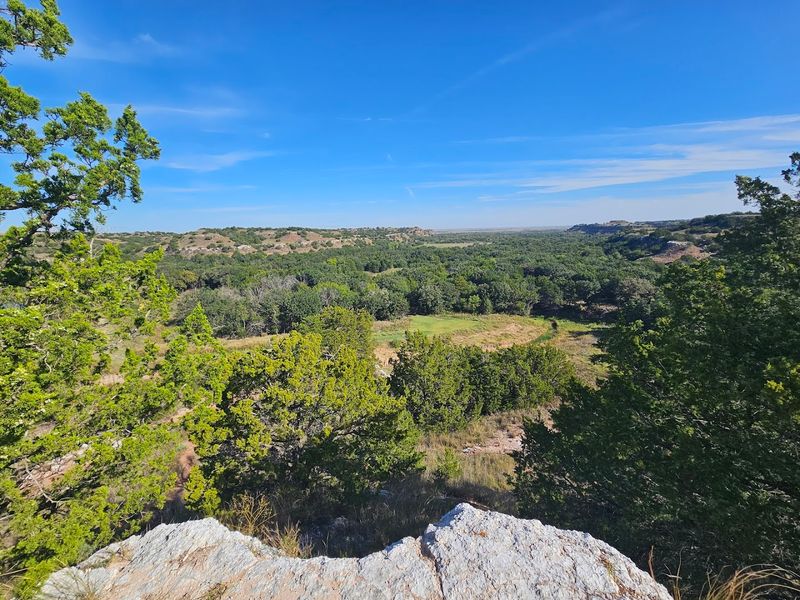
Roman Nose State Park near Watonga, in Blaine County, carries a name with deep roots in the history of the Cheyenne people, and the landscape itself feels layered with that same sense of depth and character.
The park is built around a series of striking gypsum canyons carved by natural erosion over thousands of years, and those canyon edges become some of the most dramatic wildflower viewing spots in the state each spring.
Indian Blanket and evening primrose are the stars of the show here, blooming in dense concentrations along the canyon rims and trail edges where the gypsum soil meets open air.
The contrast between the pale, almost chalky canyon walls and the vivid reds, oranges, and yellows of the wildflowers creates a visual combination that feels almost too good to be real.
The park’s trail system winds through these canyon areas, offering multiple vantage points for viewing the blooms both up close and from elevated lookouts above the canyon floor.
I found the trail sections closest to the canyon edges to be the most rewarding, partly for the flowers and partly for the views across the canyon itself.
Roman Nose also offers camping, fishing, and a swimming area, which makes it a strong candidate for a full weekend trip rather than just a day visit.
Spring weekends here are peaceful and not overly crowded, which gives the whole experience a relaxed, unhurried pace that I always appreciate.
The park sits about 70 miles northwest of Oklahoma City, making it a very manageable drive for a spring day trip that delivers scenery well worth the road time.
