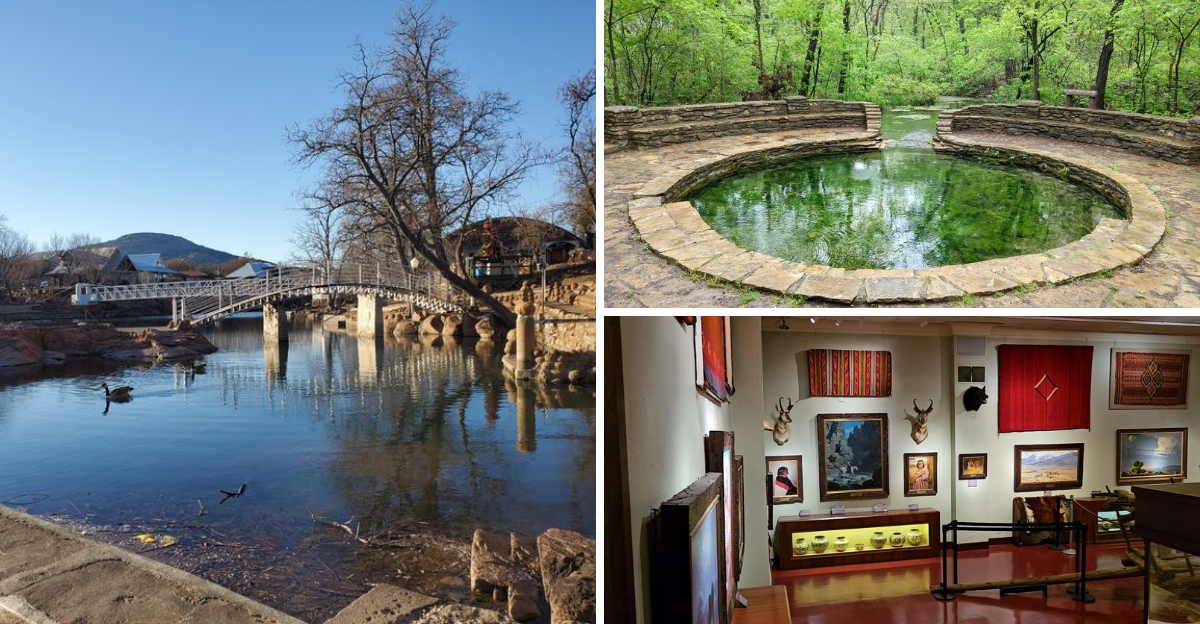
Oklahoma often gets pigeonholed as a place to visit the National Cowboy Museum or catch a Thunder game, but locals know the real magic lies beyond the usual tourist trail.
Small towns with quirky museums, natural wonders tucked into rolling hills, and historic sites that rarely make the guidebooks offer something far more memorable than crowded attractions.
The state’s diverse landscape stretches from red rock canyons to lush forests, and its communities are full of stories that don’t always shout for attention. You’ll find places where the past feels alive, where nature takes center stage, and where the charm is genuine rather than manufactured for visitors.
These hidden corners of Oklahoma reveal a side of the state that’s refreshingly authentic. Whether you’re drawn to scenic trails, fascinating history, or simply want to experience a slower pace, these local favorites deliver experiences that stick with you long after you’ve left.
They’re the spots Oklahomans return to again and again, the ones they recommend to friends who want to see the state’s true character.
1. Medicine Park
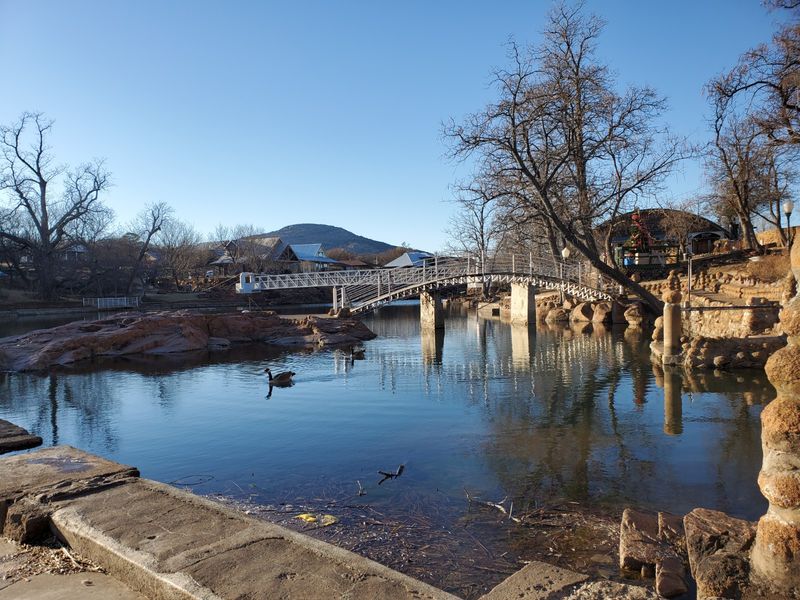
Cobblestone buildings line the streets of this mountain town, their rounded stone facades reflecting a century-old building tradition unique to the area.
Founded in 1908 as Oklahoma’s first resort community, the village sits at the base of the Wichita Mountains and draws visitors who appreciate its artistic vibe and natural setting.
Bath Lake runs through the center of town, its clear waters perfect for wading on hot summer afternoons.
Local galleries showcase work from regional artists, and several shops offer handcrafted jewelry, pottery, and paintings that capture the spirit of southwestern Oklahoma. The community hosts regular events, including live music performances at outdoor venues where you can listen while cooling your feet in the creek.
Hiking trails radiate from town into the surrounding mountains, offering everything from easy walks to challenging climbs with panoramic views. The nearby wildlife refuge provides opportunities to spot bison, elk, and longhorn cattle roaming freely across prairie grasslands.
Restaurants here focus on fresh ingredients and creative menus, with several offering patio seating overlooking the water. The laid-back atmosphere makes it easy to spend an entire day wandering between shops, trails, and cafes without feeling rushed.
Evening brings a different energy as string lights illuminate the cobblestone streets and the sound of flowing water mingles with conversation from restaurant patios.
This combination of natural beauty, artistic community, and historic architecture creates an experience that feels worlds away from typical tourist destinations across the state.
Address: Bath Lake Road, Medicine Park, Oklahoma
2. Talimena National Scenic Byway
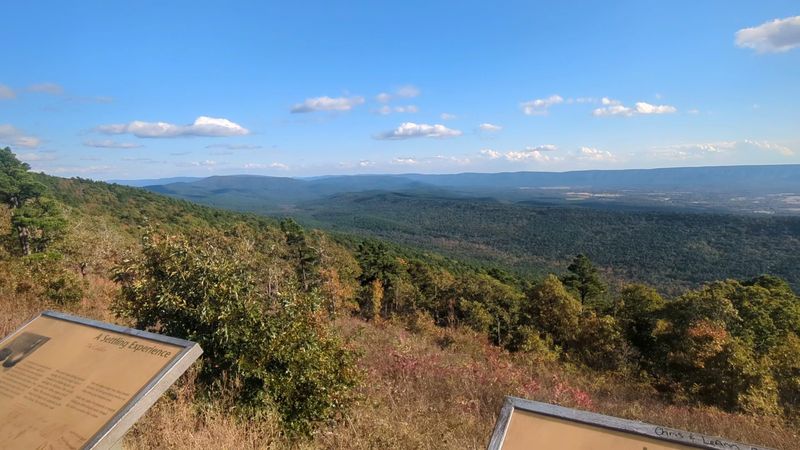
Winding fifty-four miles through the Ouachita Mountains, this roadway delivers some of the most spectacular views in the entire state. The route connects Talihina, Oklahoma, with Mena, Arkansas, climbing to elevations over 2,600 feet and offering pullouts where the forested valleys stretch endlessly before you.
Fall transforms the drive into a riot of color as oaks, maples, and sweetgums shift through shades of crimson, gold, and amber. Spring brings wildflowers that carpet the roadside, while summer offers dense green canopies that provide welcome shade.
Even winter has its appeal, with bare trees revealing the contours of the mountains and occasional dustings of snow adding drama to the landscape.
More than twenty designated vista points allow you to stop and absorb the scenery without rushing. Some overlooks face east to catch sunrise, others west for sunset, and a few offer 180-degree panoramas that make you feel like you’re standing on top of the world.
The byway passes through Ouachita National Forest, where side roads lead to camping areas, hiking trails, and quiet spots for picnicking. Wildlife sightings are common, with deer, wild turkey, and occasionally black bears making appearances near the roadway.
Locals often drive this route simply for the pleasure of it, making it a weekend ritual during peak color season. The experience feels meditative, with each curve revealing another postcard-worthy scene that reminds you why Oklahoma’s eastern mountains deserve more recognition than they typically receive.
3. Guthrie Historic District
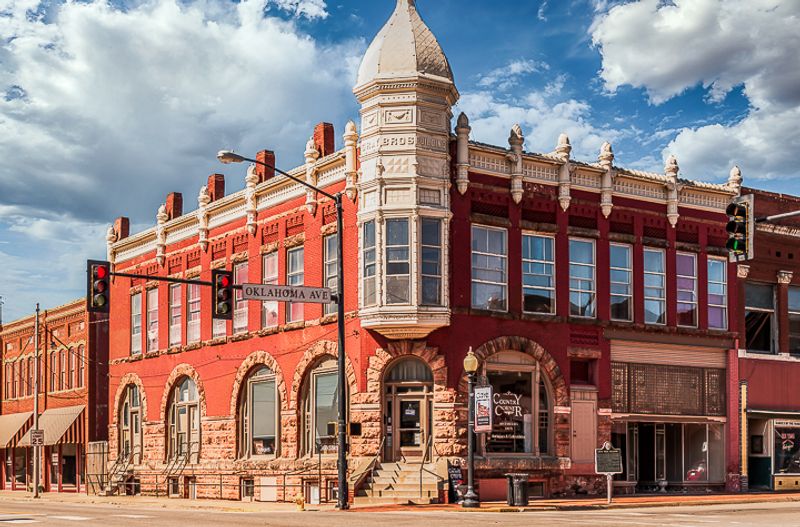
Victorian architecture dominates the landscape of this former territorial capital, where entire blocks of ornate buildings remain virtually unchanged since the late 1800s.
Guthrie served as Oklahoma’s first capital, and when the government moved to Oklahoma City in 1910, the town essentially froze in time, preserving one of the largest urban historic districts in the nation.
Red brick facades, decorative cornices, and original storefronts line the streets, creating an atmosphere that feels like stepping onto a movie set.
The difference is that these buildings still function as working businesses, housing antique shops, cafes, and boutiques that maintain the historic character while serving modern needs.
The Scottish Rite Masonic Temple stands as an architectural masterpiece, its classical revival design featuring stunning interior spaces with hand-painted ceilings and intricate woodwork.
Several museums throughout town explore different aspects of local history, from territorial days to the land run that established the community overnight.
Walking tours reveal hidden details easily missed on a casual drive through, from ghost signs painted on brick walls to decorative ironwork that showcases the craftsmanship of another era. The compact downtown makes exploration on foot both practical and enjoyable.
Annual events celebrate the town’s heritage with period costumes, vintage car shows, and festivals that bring the streets to life. Even on quiet weekdays, the sense of history permeates every corner, making Guthrie feel like a living museum rather than a preserved relic.
Address: Harrison Avenue, Guthrie, Oklahoma
4. Beavers Bend State Park
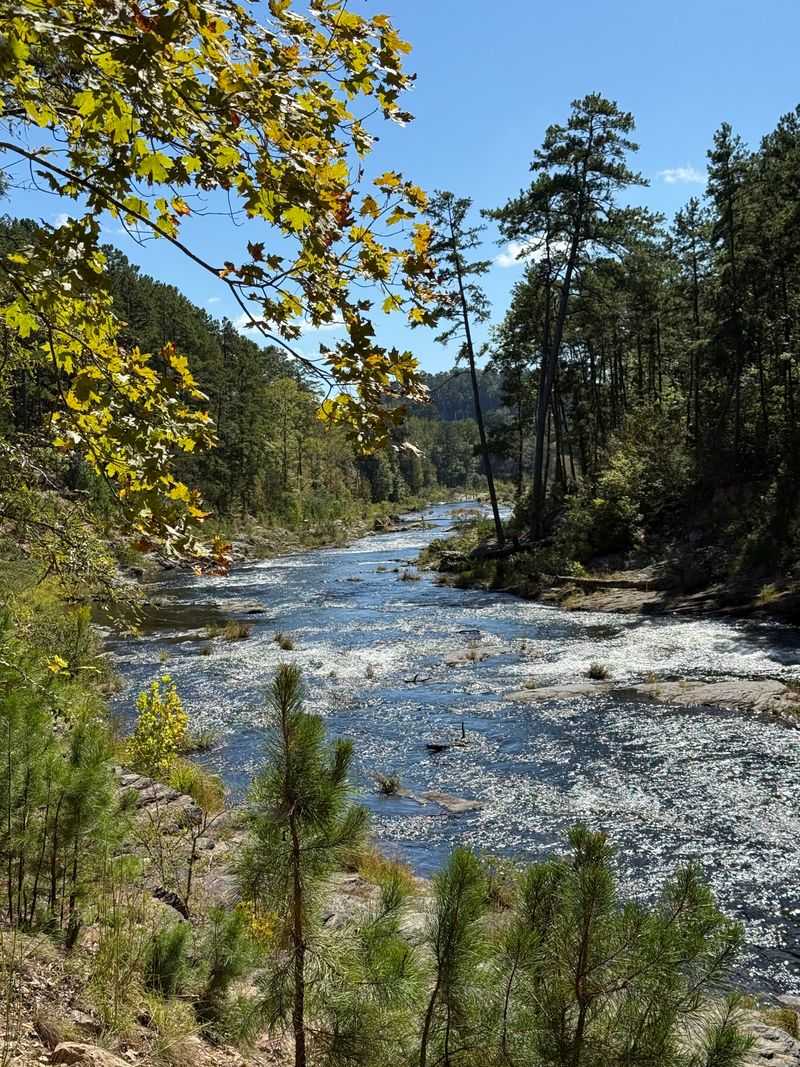
Mountain Fork River cuts through pine-covered hills in southeastern Oklahoma, creating a landscape that surprises visitors expecting flat prairies and red dirt.
This state park encompasses thousands of acres of forest where the terrain feels more Ozark than Great Plains, with clear streams, rocky bluffs, and towering trees that provide dense shade even at midday.
Trout fishing draws anglers year-round to the cold-water tailrace below Broken Bow Dam, where rainbow trout thrive in conditions rare for this latitude.
The river also offers excellent opportunities for kayaking and canoeing, with gentle sections perfect for beginners and more challenging rapids for experienced paddlers.
Hiking trails range from easy nature walks to strenuous climbs that reward effort with views across the forested valleys.
The David Boren Trail follows the river for several miles, passing swimming holes, fishing spots, and quiet stretches where the only sounds come from water flowing over rocks and birds calling from the canopy.
Cabins scattered throughout the park provide comfortable accommodations with front porches overlooking the forest, perfect for morning coffee while watching deer graze in nearby clearings. The park’s remote location means light pollution is minimal, making stargazing exceptional on clear nights.
Nearby towns offer additional attractions, including nature centers, zip-line courses, and restaurants specializing in regional cuisine. The combination of natural beauty and recreational opportunities makes this area a favorite weekend destination for Oklahomans seeking mountain scenery without leaving the state.
Address: 7299 Highway 259A, Broken Bow, Oklahoma
5. Woolaroc Museum and Wildlife Preserve
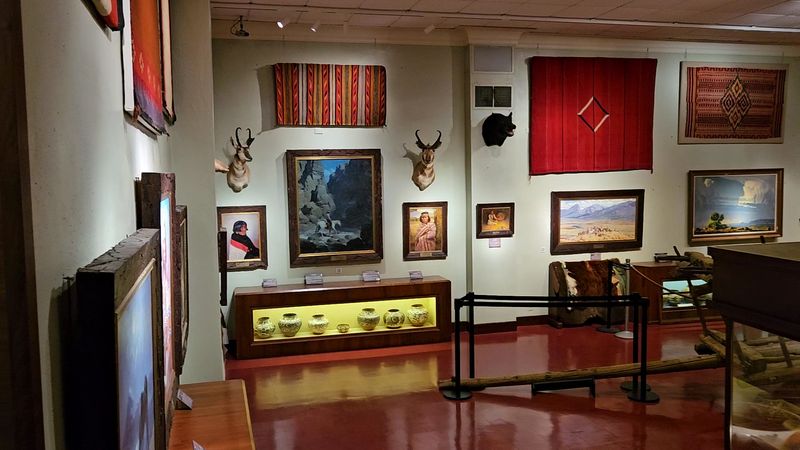
Oil baron Frank Phillips created this 3,700-acre ranch retreat in the Osage Hills during the 1920s, and today it serves as one of the state’s most eclectic museums.
The main lodge houses an astonishing collection of Western art, Native American artifacts, and frontier memorabilia that rivals collections in much larger institutions.
Works by Frederic Remington, Charles Russell, and other masters of Western art hang alongside Colt firearms, Navajo textiles, and archaeological finds from across the Americas.
The sheer variety of objects on display creates an almost overwhelming experience, with each room revealing unexpected treasures from different eras and cultures.
Outside, the wildlife preserve allows bison, elk, longhorn cattle, and other native species to roam freely across rolling grasslands and oak forests. Driving through the preserve feels like traveling back to a time when these animals dominated the landscape, their herds creating living connections to the region’s past.
The property includes several historic buildings, including a trading post and Phillips’ original lodge, which maintains its 1920s furnishings and decor. Gardens and walking paths wind through the developed areas, offering peaceful spots to rest between museum galleries.
Special events throughout the year showcase traditional crafts, historical demonstrations, and cultural programs that bring the collections to life.
The combination of world-class art, natural beauty, and free-roaming wildlife creates an experience unlike any other attraction in Oklahoma, yet it remains relatively unknown outside the state.
Address: 1925 Woolaroc Ranch Road, Bartlesville, Oklahoma
6. Chickasaw National Recreation Area
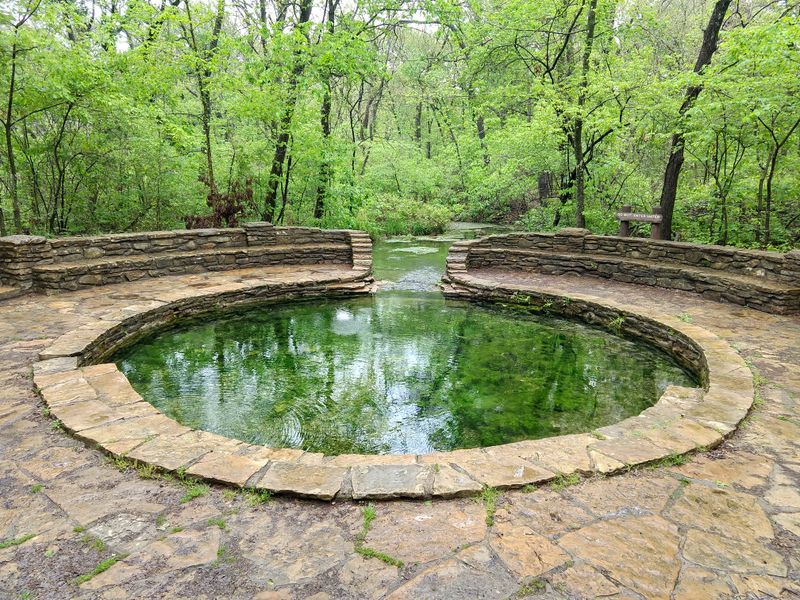
Natural springs bubble up throughout this protected area in south-central Oklahoma, their mineral-rich waters having drawn people for centuries.
The park combines the former Platt National Park with Lake of the Arbuckles, creating a diverse landscape where streams, forests, and open water provide varied recreational opportunities.
Travertine Creek flows through the heart of the developed area, its crystal-clear water cascading over limestone ledges and pooling in spots perfect for wading. Families gather along the creek on summer weekends, spreading blankets on grassy banks and letting children splash in the shallow pools.
Historic bathhouses from the early 1900s still stand near several springs, reminders of the area’s popularity as a health resort when people traveled great distances to drink and bathe in the supposedly curative waters.
While the spa era has passed, the springs remain beautiful natural features worth seeking out along the park’s trails.
Lake of the Arbuckles offers fishing, boating, and swimming, with several beaches providing access to the water. The Arbuckle Mountains rise around the lake, their ancient granite and limestone formations creating scenic backdrops for water activities.
Hiking trails explore different ecosystems within the park, from riparian zones along creeks to drier uplands covered in oak and juniper. Wildlife viewing opportunities abound, with white-tailed deer, wild turkeys, and numerous bird species commonly spotted throughout the area.
The park’s proximity to Sulphur makes it easy to combine outdoor recreation with small-town charm, as local restaurants and shops provide welcome breaks from hiking and swimming.
Address: 1008 West 2nd Street, Sulphur, Oklahoma
7. Turner Falls Park
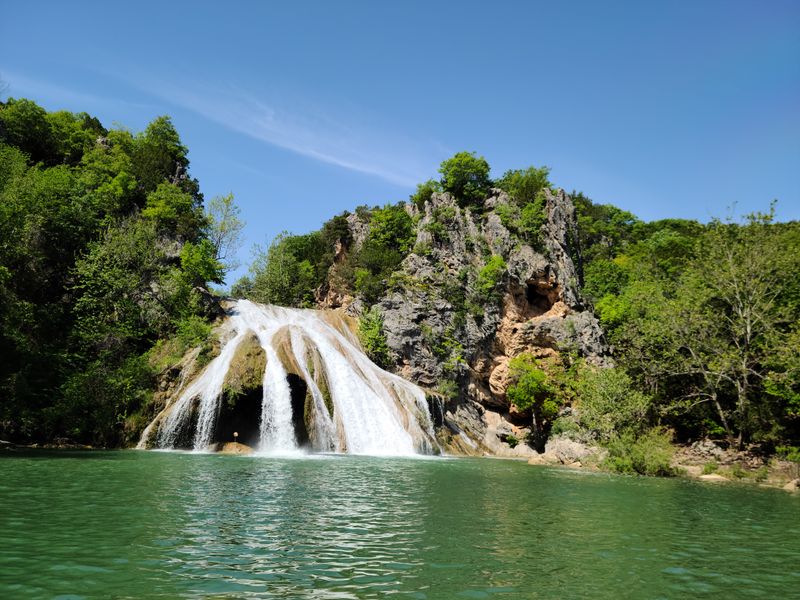
Oklahoma’s tallest waterfall plunges 77 feet over limestone cliffs in the Arbuckle Mountains, creating a natural swimming hole that’s been drawing visitors since the late 1800s. Honey Creek feeds the falls, its flow varying with rainfall but rarely stopping completely even during dry summers.
The main pool at the base of the falls offers refreshing swimming, with depths ranging from shallow wading areas to sections deep enough for diving from surrounding rocks. Natural caves pockmark the limestone cliffs surrounding the falls, providing shaded spots to rest and explore.
Beyond the main waterfall, the park encompasses 1,500 acres of rugged terrain laced with hiking trails that lead to additional waterfalls, caves, and scenic overlooks. Rock formations create natural sculptures throughout the landscape, their weathered surfaces testament to millions of years of geological processes.
Camping facilities range from primitive sites to areas with modern amenities, allowing visitors to extend their stay and experience the park at different times of day. Early morning brings mist rising from the creek and wildlife emerging to drink, while evenings offer cooler temperatures perfect for hiking.
The park can get crowded on summer weekends when Oklahoma families flock here to escape the heat, but weekdays and shoulder seasons offer more solitude. Spring brings wildflowers to the surrounding hills, while fall colors reflect beautifully in the pools below the falls.
Despite its popularity, Turner Falls maintains a natural, undeveloped character that lets the landscape speak for itself without excessive infrastructure getting in the way.
Address: 6801 Highway 77, Davis, Oklahoma
8. Gilcrease Museum
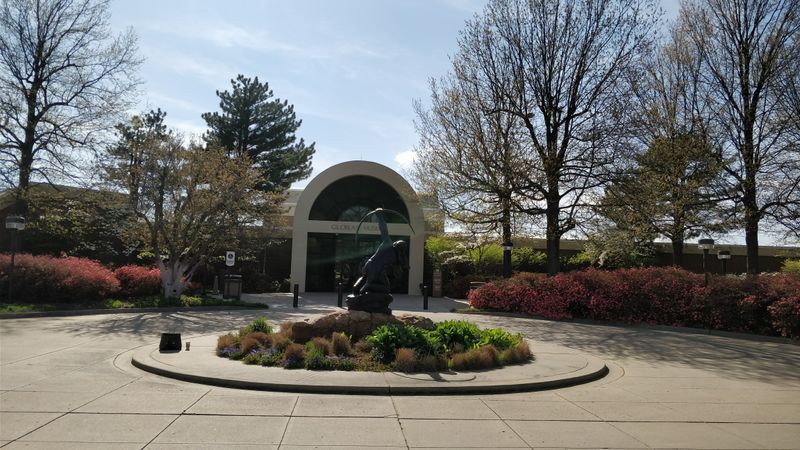
Art collector Thomas Gilcrease amassed one of the world’s finest collections of American Western art and Native American artifacts, and his museum in Tulsa houses these treasures in a setting that recently underwent major renovation.
The expanded galleries showcase works by virtually every major artist who depicted the American West, from George Catlin’s portraits of Native leaders to contemporary pieces that reexamine frontier mythology.
Walking through the chronologically arranged galleries traces the visual documentation of westward expansion and its impact on indigenous peoples. The collection doesn’t shy away from difficult histories, presenting multiple perspectives on events that shaped the region.
Native American galleries feature pottery, textiles, basketry, and ceremonial objects from tribes across the continent, with pieces dating back centuries. The quality and breadth of these collections rival those in specialized institutions, yet they’re often overlooked by visitors focused solely on the paintings.
The museum grounds encompass beautiful gardens with native plants and walking paths offering views across Tulsa. Outdoor sculpture installations dot the landscape, creating opportunities to combine art appreciation with fresh air and exercise.
Educational programs bring scholars, artists, and tribal representatives to share knowledge and perspectives that deepen understanding of the collections. Temporary exhibitions explore specific themes or artists, ensuring return visits reveal new insights even for frequent guests.
The museum’s commitment to presenting honest, nuanced perspectives on Western history and Native cultures sets it apart from institutions that romanticize the past without acknowledging its complexities and costs.
Address: 1400 North Gilcrease Museum Road, Tulsa, Oklahoma
9. Black Mesa
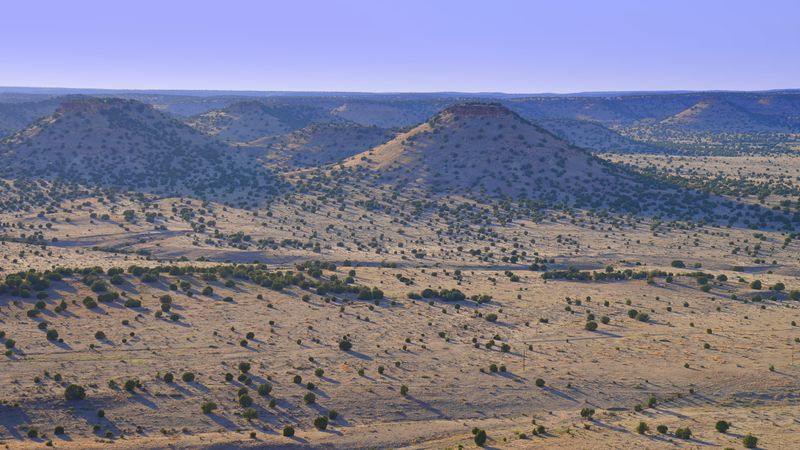
Oklahoma’s highest point sits in the far northwestern corner of the panhandle, where the shortgrass prairie gives way to the high plains and the landscape feels more like Colorado than the central part of the state. The mesa rises to 4,973 feet, its flat top created by erosion-resistant caprock protecting softer layers beneath.
Hiking to the summit requires a moderate eight-mile round trip across open terrain with minimal shade, making early morning starts advisable during summer months. The trail crosses public and private land, following a well-worn path marked by occasional cairns where the route becomes less obvious.
Views from the top extend into four states on clear days, with mesas and buttes marching toward distant horizons in every direction. The sense of space and emptiness feels profound, especially for those accustomed to more populated regions.
Dinosaur tracks preserved in stone along the trail offer tangible connections to deep time, their three-toed impressions reminding hikers that this landscape has witnessed countless transformations. Wildflowers bloom across the prairie in spring, adding splashes of color to the predominately tan and gray palette.
The area’s remoteness means services are limited, requiring advance planning for supplies and accommodations. The nearest towns are small and widely spaced, adding to the sense of adventure that comes with visiting this isolated corner of the state.
Standing atop Black Mesa provides perspective on Oklahoma’s geographic diversity, proving the state encompasses far more ecological and topographic variety than stereotypes suggest.
Address: Black Mesa Road, Kenton, Oklahoma
Dear Reader: This page may contain affiliate links which may earn a commission if you click through and make a purchase. Our independent journalism is not influenced by any advertiser or commercial initiative unless it is clearly marked as sponsored content. As travel products change, please be sure to reconfirm all details and stay up to date with current events to ensure a safe and successful trip.
