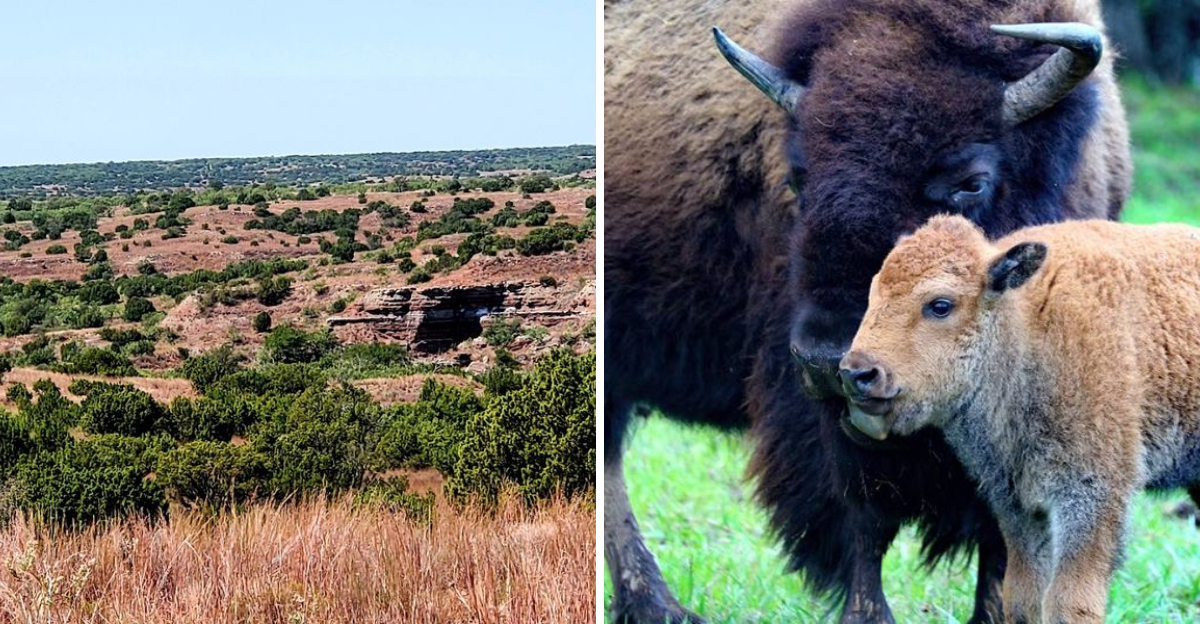
There is something almost humbling about watching a bison graze on an open plain. The animal does not care about your schedule, your worries, or your need for a good photo.
It simply exists, massive and ancient, a living link to a landscape that once stretched unbroken across the continent.
Oklahoma still has places where you can see these magnificent creatures roaming free, not behind fences or pacing in zoo enclosures, but wandering across the same grasslands their ancestors have called home for thousands of years.
The plains roll on forever. The wind carries the smell of tallgrass.
And the bison stand as quiet reminders of a wilder time. Here are 9 Oklahoma wildlife areas where free roaming bison and endless open plains await your visit.
Bring binoculars, patience, and a deep respect for animals that weigh as much as a small car.
1. Joseph H. Williams Tallgrass Prairie Preserve, Pawhuska, Oklahoma
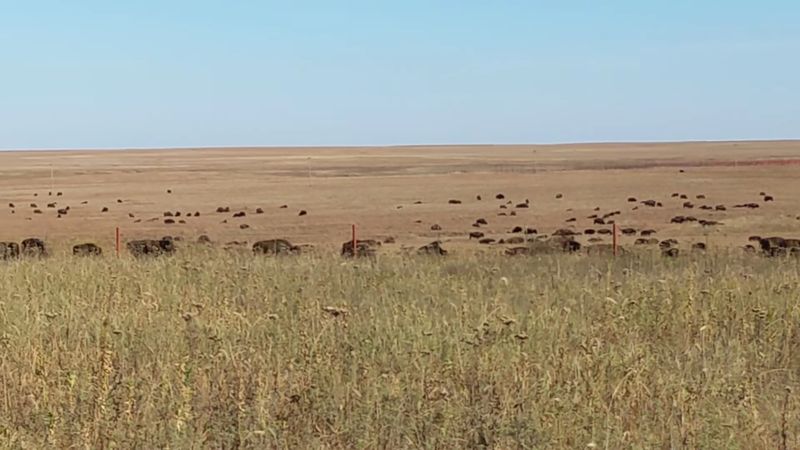
Standing at the edge of the Joseph H. Williams Tallgrass Prairie Preserve near Pawhuska, Oklahoma, you realize very quickly that the word “vast” does not do it justice.
Spanning over 40,000 acres, this is the largest protected remnant of tallgrass prairie on Earth.
That fact alone stopped me in my tracks the first time I read it.
The preserve is managed by The Nature Conservancy, and it hosts a free-roaming herd of more than 2,000 bison.
You can follow a scenic driving loop that winds through open grasslands, giving you front-row views of the herd moving at their own pace.
The grasses here can grow taller than a person in peak season, and the landscape shifts from gold to green depending on the time of year you visit.
Spring brings wildflowers scattered across the hillsides, while autumn turns the whole preserve into a warm patchwork of amber and rust.
I found early morning visits especially rewarding, when the light is low and the bison are most active near the road.
The preserve is located at 15316 County Rd 4201 in Pawhuska, and the driving loop is free to access.
There are no paved roads inside, so a vehicle with decent clearance makes the experience much smoother.
The Osage Hills surrounding the preserve add another layer of visual drama to an already stunning setting.
If you only visit one wildlife area in Oklahoma, make it this one.
The scale of what has been preserved here is genuinely humbling, and the bison herd is one of the most impressive sights in the entire state.
2. Wichita Mountains Wildlife Refuge, Indiahoma, Oklahoma
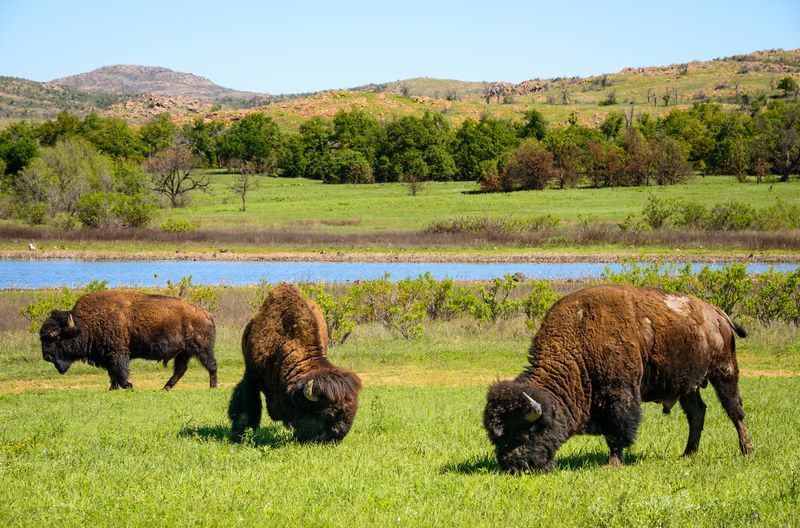
There is something almost prehistoric about the Wichita Mountains Wildlife Refuge near Indiahoma, Oklahoma, and I mean that as the highest possible compliment.
These granite peaks are among the oldest exposed rock formations in North America, some estimated at over 500 million years old.
The refuge covers approximately 59,000 acres of mixed-grass prairie and rugged terrain.
It protects a historic bison herd of around 650 animals, all descended from the original 15 bison brought here in 1907 as part of one of America’s earliest conservation efforts.
That story alone makes a visit feel meaningful.
Alongside the bison, you will find wild longhorns, elk, white-tailed deer, and wild turkey sharing the open range.
The scenery is unlike anything else in Oklahoma, with massive boulders stacked dramatically across hillsides and valleys carved by ancient forces.
I hiked the Elk Mountain Trail on my visit, and the panoramic views from the top are absolutely worth the effort.
Wildlife sightings along the road are common, especially near dawn and dusk when animals move freely between grazing areas.
The refuge is located at 32 Refuge Headquarters Rd in Indiahoma, and admission is free for most areas.
Lake Elmer Thomas and other small lakes within the refuge add a peaceful contrast to the rugged mountain scenery.
Camping is available, and spending a night here under an incredibly clear sky is an experience I would recommend to anyone.
The Wichita Mountains Wildlife Refuge feels like a place where time slows down just enough for you to notice what matters.
3. Woolaroc Museum and Wildlife Preserve, Bartlesville, Oklahoma
Woolaroc is the kind of place that surprises you, and I say that as someone who thought they already knew what to expect from an Oklahoma ranch.
Located about 12 miles southwest of Bartlesville, this 3,700-acre preserve sits deep in the Osage Hills.
The name itself comes from the words woods, lakes, and rocks, which perfectly describes the layered landscape you encounter on arrival.
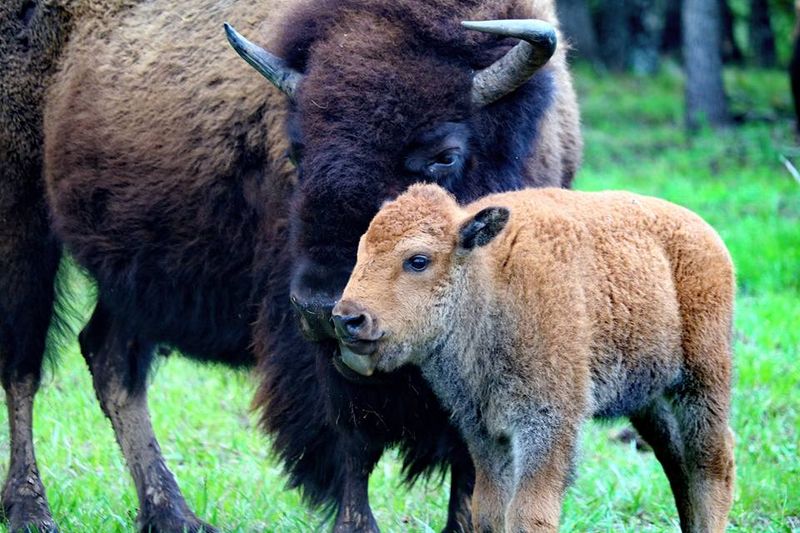
A free-roaming bison herd shares open pastures with elk, deer, longhorns, and even exotic species like Scottish Highland cattle.
You drive through the preserve on a winding road, and animals can approach your vehicle surprisingly close.
On my visit, a massive bull bison walked within a few feet of my car window, which was both thrilling and a firm reminder to keep the windows up.
Beyond the wildlife, the property includes a world-class museum filled with Western American art, Native American artifacts, and Frank Phillips memorabilia.
Phillips founded the preserve in the 1920s as a private retreat, and that personal history gives Woolaroc a warmth that purely public lands sometimes lack.
The grounds also feature a Native American heritage center and a collection of historic log structures.
The address is 1925 Woolaroc Ranch Rd in Bartlesville, and the preserve is open to the public on most days.
Spring and fall are ideal for visiting, when the hills are lush and the animals are especially active.
Woolaroc manages to blend cultural history and natural beauty in a way that keeps you lingering far longer than you planned.
4. Quartz Mountain State Park, Lone Wolf, Oklahoma
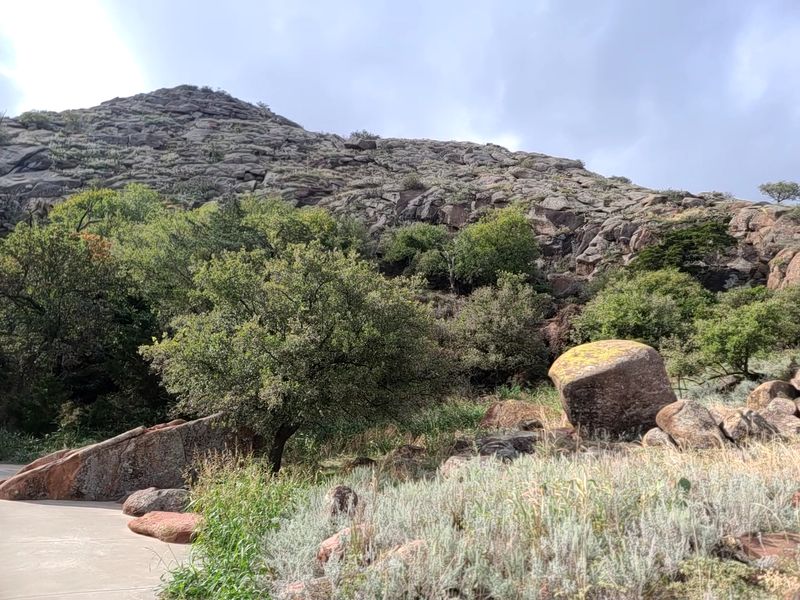
Pink granite does not exactly sound like the most dramatic geological feature, but standing among the boulders at Quartz Mountain State Park near Lone Wolf, Oklahoma, changes that opinion fast.
The park sits on the western edge of the Wichita Mountains, where ancient granite outcroppings push up through open plains in a way that looks almost intentional.
Lake Altus-Lugert borders the park, adding a wide blue expanse to an already colorful landscape.
Local bison herds roam the rugged terrain here, and the open sightlines make spotting them from the road relatively straightforward.
I visited on a clear October morning when the granite glowed almost orange in the early light, and the bison were moving slowly across a ridge above the lake.
It is one of those scenes that stays with you.
The park also serves as a well-known arts destination, hosting the Quartz Mountain Arts and Conference Center, which draws artists and performers from across the region.
That cultural layer gives Quartz Mountain a personality that sets it apart from more purely wilderness-focused parks.
Hiking trails wind through the boulder fields and along the lakeshore, offering a satisfying mix of terrain for walkers of all fitness levels.
The address is 22469 Lodge Rd in Lone Wolf, and the park is accessible year-round.
Fishing on Lake Altus-Lugert is popular among locals, and the campgrounds fill up quickly on spring weekends.
Quartz Mountain rewards visitors who take their time, because the details here, the colors, the textures, the wildlife, all reveal themselves slowly and beautifully.
5. Oxley Nature Center, Tulsa, Oklahoma
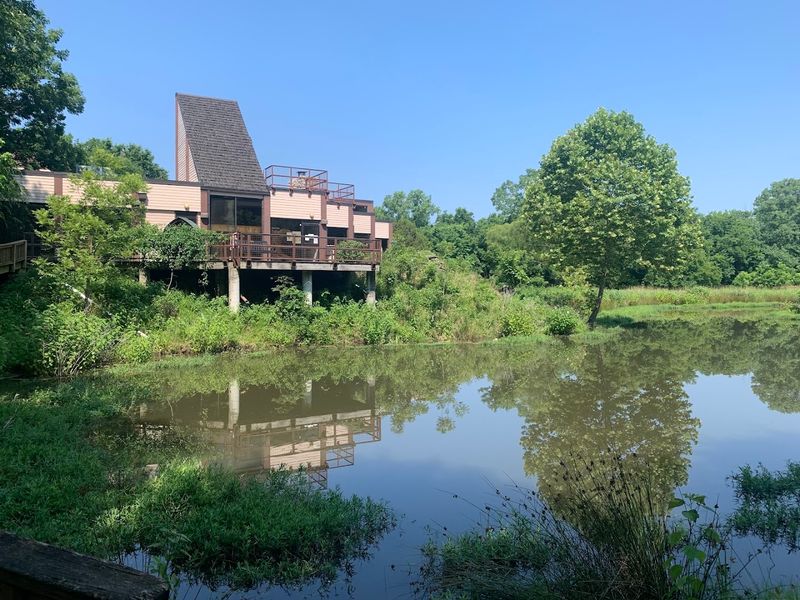
Not every bison encounter requires a long road trip, and Oxley Nature Center inside Mohawk Park in Tulsa, Oklahoma, makes that point convincingly.
This metropolitan wilderness area covers over 800 acres within city limits, which is a remarkable thing to say about any urban green space.
The center maintains a dedicated enclosed prairie pasture where a resident bison herd is visible from well-maintained walking trails.
For families with younger kids or anyone short on time, this is one of the most accessible bison experiences in the state.
I walked the trail network on a weekday afternoon and found the whole experience genuinely peaceful, despite being only minutes from downtown Tulsa.
The trails pass through a mix of tallgrass prairie, wetlands, and riparian woodland, giving you a surprisingly diverse cross-section of Oklahoma habitats in a single visit.
Birdwatching at Oxley is exceptional, with over 200 species recorded on the property across various seasons.
The nature center building itself offers educational exhibits about Oklahoma’s native ecosystems, which are well worth a look before heading out on the trails.
The center is located at 6700 Mohawk Blvd in Tulsa and is open to the public most days of the week.
Trail maps are available at the entrance, and the paths are clearly marked for easy navigation.
Morning visits tend to be the most rewarding for wildlife sightings, when the bison are grazing near the trail edge.
Oxley Nature Center is living proof that wild Oklahoma does not always start at the edge of the city.
6. Platter Flats Area, Lake Texoma, Calera, Oklahoma
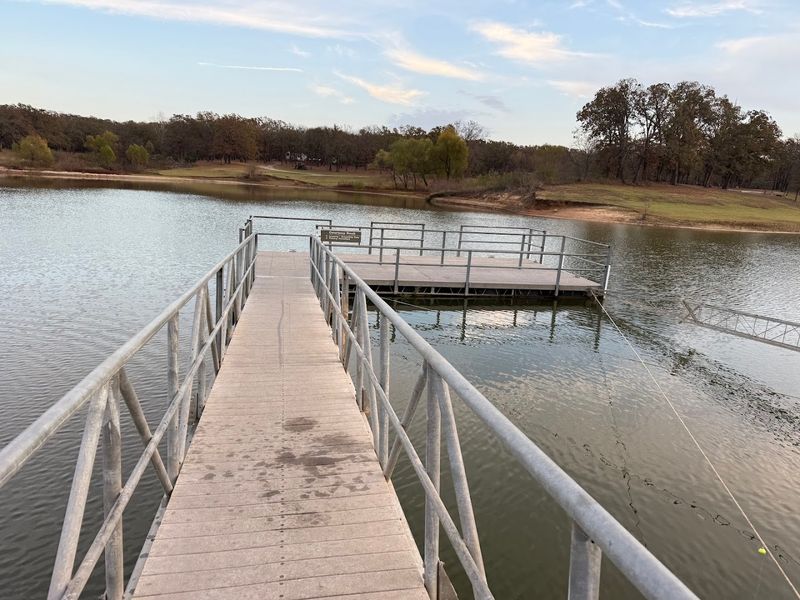
Lake Texoma sits on the border between Oklahoma and Texas, and the land around Platter near Calera, Oklahoma, captures a side of the region that most travelers never slow down long enough to notice.
The wide-open plains here are defined by native grasses, dense brush, and the kind of flat horizon that makes the sky feel enormous.
Local conservation herds are managed across this landscape, and the open terrain gives you long sightlines that make wildlife observation genuinely rewarding.
Lake Texoma itself is one of the largest reservoirs in the United States, and its shoreline adds a reflective, calming quality to the surrounding grassland scenery.
I spent a morning exploring the area and was struck by how the light moved across the open plain as clouds rolled in from the south.
The lake creates a humid microclimate that supports plant and animal communities you would not expect this far into the southern plains.
Fishing is a major draw here, and the lake is especially well known for its striped bass population.
The campgrounds near Platter offer basic but comfortable setups for overnight stays, with the lake visible from many sites.
Birdlife along the shoreline is diverse, with pelicans, herons, and osprey all making regular appearances throughout the year.
The address for the Platter area is along Platter, OK 74753, near the southern edge of the lake.
Visiting in late spring or early fall gives you the most comfortable temperatures for exploring on foot.
The Platter Flats area reminds you that some of Oklahoma’s most compelling landscapes are also its quietest ones.
7. Sandy Sanders State Wildlife Management Area, Erick, Oklahoma
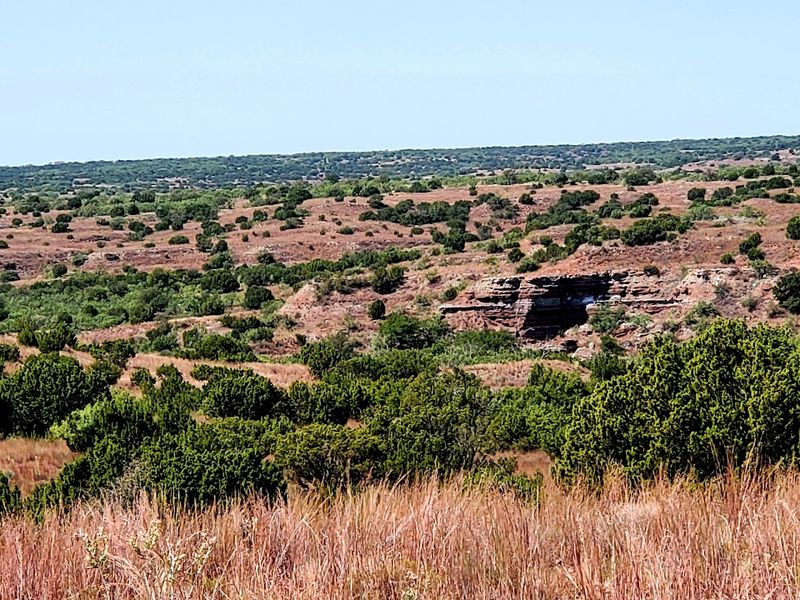
Sandy Sanders State Wildlife Management Area near Erick, Oklahoma, looks like someone took the classic Oklahoma prairie and added a dramatic geological twist.
Red gypsum breaks cut through the landscape in jagged formations, creating canyon-like features that rise unexpectedly from the surrounding flatlands.
The result is a terrain that feels both ancient and unsettled, like the land is still figuring out its final form.
Covering thousands of acres of southwestern Oklahoma badlands, this management area offers some of the most visually striking undeveloped scenery in the entire state.
I explored the area on a dry autumn day when the red rock practically glowed against the pale blue sky.
The gypsum formations reflect light in a way that changes constantly throughout the day, making the landscape look different depending on when you visit.
Wildlife here includes white-tailed deer, wild turkey, feral hogs, and a variety of grassland birds adapted to the harsh southwestern climate.
The terrain is rugged enough to make hiking a genuine physical challenge, but the payoff in views and solitude is well worth the effort.
Conservation bison herds are managed in connection with the broader southwestern Oklahoma wildlife corridor that this area supports.
The management area is accessed via E1310 Rd near Erick, OK 73645, and roads are unpaved and seasonally variable.
Bringing sturdy footwear and plenty of water is essential for any exploration on foot.
Sandy Sanders is the kind of wild space that rewards people who show up without expectations and leave with a completely new picture of what Oklahoma can look like.
8. Packsaddle Wildlife Management Area, Arnett, Oklahoma
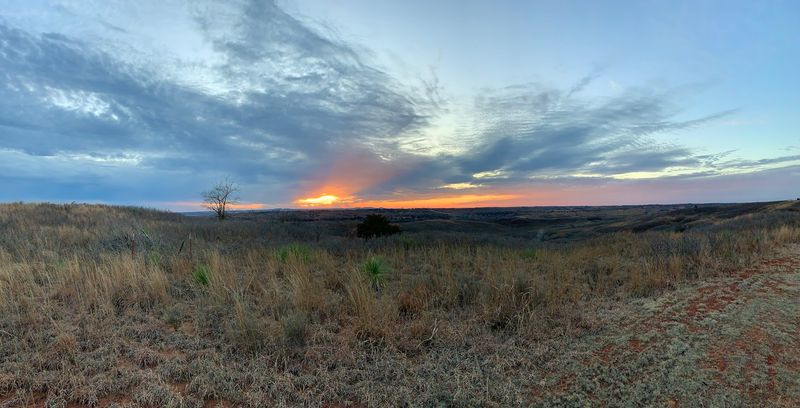
Packsaddle Wildlife Management Area near Arnett, Oklahoma, has a name that sounds like it belongs in a Western novel, and the landscape absolutely lives up to that energy.
Encompassing over 19,000 acres of rolling sand sagebrush prairie and oak-covered hills, this is one of the largest wildlife management areas in western Oklahoma.
The South Canadian River runs along the property, creating a dynamic riparian corridor that dramatically increases the diversity of wildlife found here.
Bison, white-tailed deer, wild turkey, and pronghorn all make use of this vast habitat across different seasons.
I visited in late September when the sagebrush was releasing its sharp, clean scent in the warm afternoon air.
The combination of open prairie, river bottom woodland, and sand hills creates a layered landscape that keeps changing as you move through it.
Hunting is a major activity at Packsaddle, and the area is managed by the Oklahoma Department of Wildlife Conservation with both wildlife and habitat health in mind.
Hiking and wildlife observation are also excellent here, particularly along the river corridor where animal activity concentrates near the water.
The sand hills in the northern portion of the area support unique plant communities adapted to dry, shifting soils.
The management area is located near Arnett, OK 73832, and access is via unpaved county roads that require a capable vehicle.
Early morning is by far the best time to observe wildlife, when the animals are moving before the heat of the day sets in.
Packsaddle is a rewarding destination for anyone willing to trade comfort for the genuine thrill of wild Oklahoma at its most unfiltered.
9. Roman Nose State Park, Watonga, Oklahoma
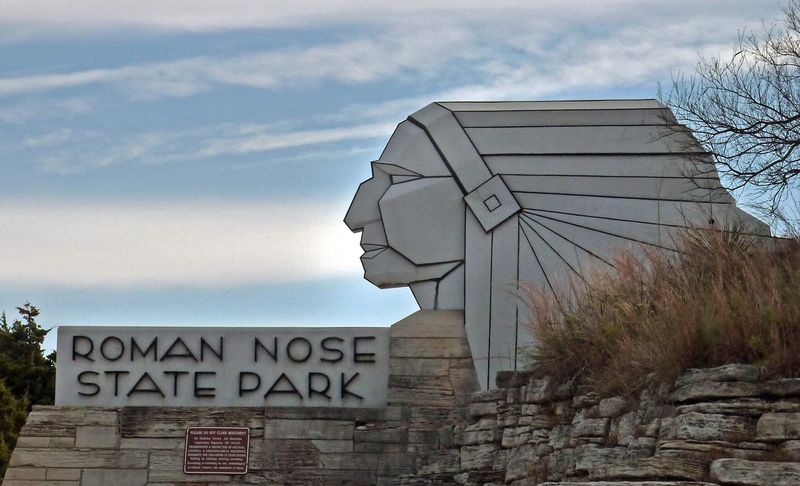
Tucked into a canyon carved by gypsum hills and natural springs, Roman Nose State Park near Watonga, Oklahoma, is one of those places that rewards the curious traveler.
Most people pass through western Oklahoma without stopping here, and that is genuinely their loss.
The park is named after Henry Roman Nose, a Southern Cheyenne chief who once camped in this very canyon.
That history adds real depth to a landscape that is already visually striking on its own.
The canyon walls rise sharply around spring-fed pools, creating a sheltered environment that feels surprisingly lush for western Oklahoma.
A small, managed bison herd lives within the park, and hiking trails bring you close enough to observe them against the dramatic canyon backdrop.
I spent an afternoon on the Canyon Trail, where the combination of red rock, green cedar, and open sky made every turn feel like a new photograph waiting to happen.
The park also offers cabins, a lodge, a golf course, and a swimming pool, making it one of the more full-featured state parks in the region.
Birdwatching is excellent here, particularly for wild turkey and various raptor species that nest along the canyon edges.
The park is located at 3236 Roman Nose Park Rd in Watonga, and it is open year-round.
Visiting in late spring gives you the best combination of mild weather and active wildlife sightings.
Roman Nose State Park is proof that Oklahoma’s western landscape holds far more natural drama than most people ever take the time to discover.
