
Tourism in Oregon brings fresh momentum, but it also reshapes where people live and work.
Popular destinations feel the squeeze when short term stays compete with long term homes, especially near busy downtowns and scenic corridors.
This guide breaks down what travelers should know so trips uplift communities rather than strain them.
Use these tips to choose lodging wisely, travel lightly, and keep Oregon welcoming for everyone.
1. Bend
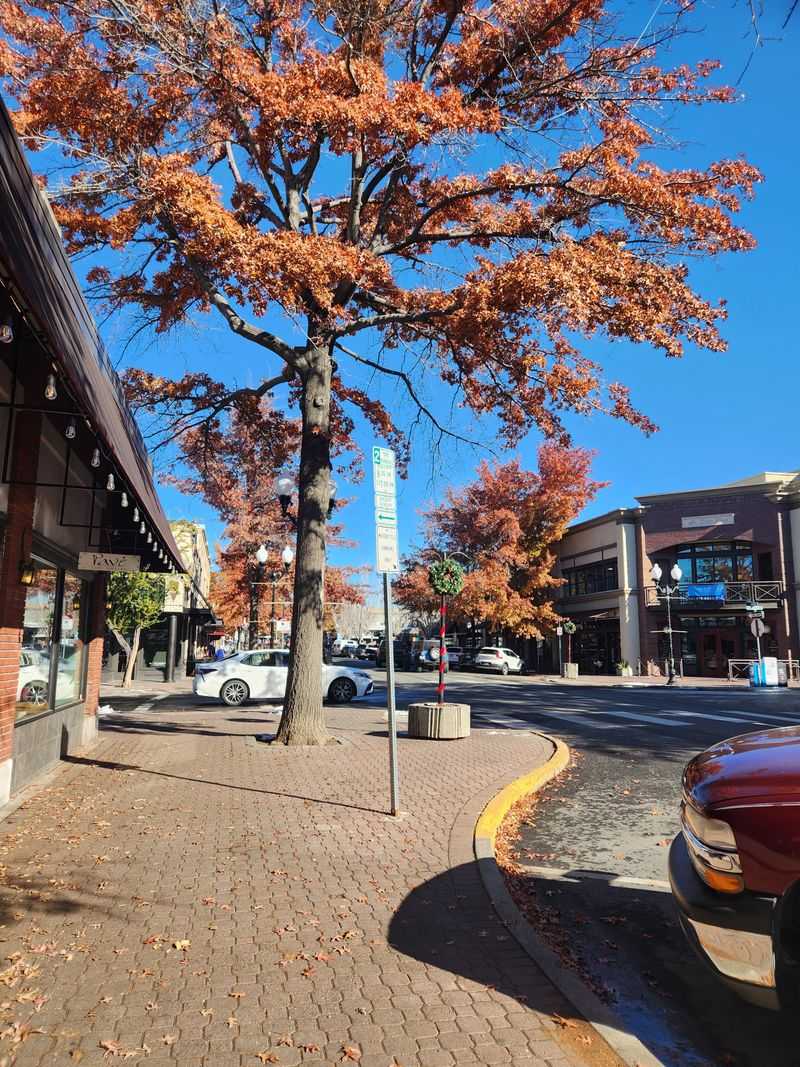
Bend’s trail networks and proximity to Mount Bachelor have made it a year round magnet for outdoor visitors.
As demand surged, the short term rental footprint expanded in several neighborhoods, prompting caps and tighter licensing.
City data and regional reports highlight low vacancy rates and the growing need for workforce housing close to service corridors.
Travelers can help by choosing licensed accommodations and considering stays in areas with existing tourism infrastructure.
If you walk downtown, you will notice infill projects that aim to add units without sprawling outward.
Local chambers encourage off peak visits to reduce pressure during the busiest seasons.
Cycling and transit options help minimize car trips and parking strain around the Old Mill District.
Check city websites for updated rental maps and code changes before booking.
Base yourself near the Deschutes River Trail to lean on paths instead of driving between trailheads.
For a clear home base, the Old Mill District, 450 SW Powerhouse Dr, Bend, OR 97702, places you near shops and paved routes.
Staying close to services keeps spending in established corridors shaped for visitor traffic.
Rentals that post license numbers on listings signal compliance and neighborhood respect.
Schedule mountain shuttles early and walk to dinner to reduce curb churn near popular blocks.
Quiet hours matter in compact districts where residents share walls with visitors.
Carry out trash from river access points to keep parks open and inviting.
Oregon communities publish dashboards that explain rules in plain language and map boundaries.
Reading them before you book prevents headaches and supports local goals.
Trips planned with intent help Bend maintain housing for workers who power the experiences you enjoy.
Thoughtful choices add up when crowds arrive with the first snow or summer sun.
2. Ashland

Ashland’s theater legacy draws culture lovers, students, and festival goers who fill local inns and guesthouses.
The city has studied the relationship between seasonal visitors and rental availability, with public meetings shaping recent ordinance updates.
Housing nonprofits note persistent pressure on lower cost units, especially near campus and downtown.
Travelers who book walkable lodging reduce traffic around venues and help small businesses that depend on foot traffic.
Visiting during shoulder seasons spreads demand more evenly and opens more options for longer stays.
You can find city dashboards that outline rental licensing and compliance efforts.
Respecting parking limits near neighborhoods keeps streets safer for residents and event attendees.
Consider supporting community groups that maintain parks and trails used by visitors and locals alike.
Choose stays close to the theater district so you can walk to shows and shops.
Oregon Shakespeare Festival campus, 15 S Pioneer St, Ashland, OR 97520, anchors a compact area with reliable wayfinding.
Lodging nearby decreases vehicle churn and focuses spending where infrastructure is strongest.
Check listings for visible license numbers and clearly stated quiet hours.
Morning strolls through Lithia Park protect peak times for families and volunteers.
Refill bottles at public fountains and pack out litter to keep pathways clean.
City webpages post updated zone maps that clarify short term rental boundaries.
Reviewing them ahead prevents unintentional rules conflicts and surprises.
Staying a bit longer across midweek dates helps smooth staffing for local venues.
Your choices can keep Oregon stages vibrant while preserving year round housing.
Thoughtful visits make walking streets more welcoming for residents and guests.
3. Cannon Beach
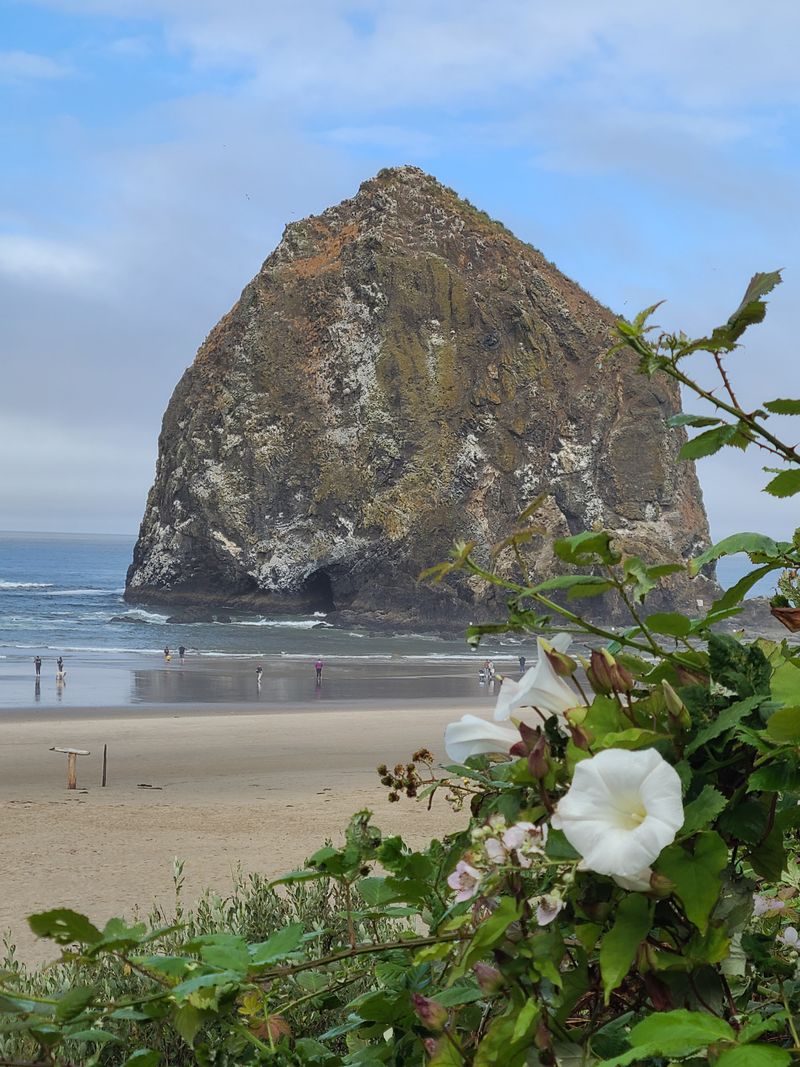
Cannon Beach’s iconic sea stacks attract steady crowds, and the town’s compact layout funnels demand into a small housing stock.
Local leaders have debated caps on vacation units and incentives for year round rentals to sustain a stable workforce.
Public documents outline zoning boundaries where short term rentals are most concentrated.
Visitors can book established hotels or legally permitted rentals to avoid straining neighborhoods with limited parking.
Weekday trips often mean lighter foot traffic along Hemlock Street and easier beach access.
The city encourages careful waste disposal to protect marine habitats that draw visitors in the first place.
Supporting shuttle services and walking reduces congestion near beach access points.
Checking municipal pages before a visit ensures your lodging choice aligns with community goals.
Staying near the core keeps errands and activities close together so car trips remain rare.
Cannon Beach City Hall, 163 E Gower St, Cannon Beach, OR 97110, provides posted maps and guidance.
Hotels clustered near this hub sit within corridors designed for visitor circulation.
Look for listings that show local tax registration and display a clear house manual.
Practice Leave No Trace on sandy paths and respect signed dune closures.
Morning and late afternoon walks spread pressure away from midday peaks.
Shop at independent galleries that fund coastal arts programs and student exhibits.
Oregon coastal towns rely on visitors who travel gently and plan conscientiously.
Your small choices, from parking to noise, shape neighborhood well being.
Thoughtful itineraries keep beaches cleaner and housing more secure for workers.
Return often, but reserve responsibly and communicate with hosts about rules.
4. Hood River
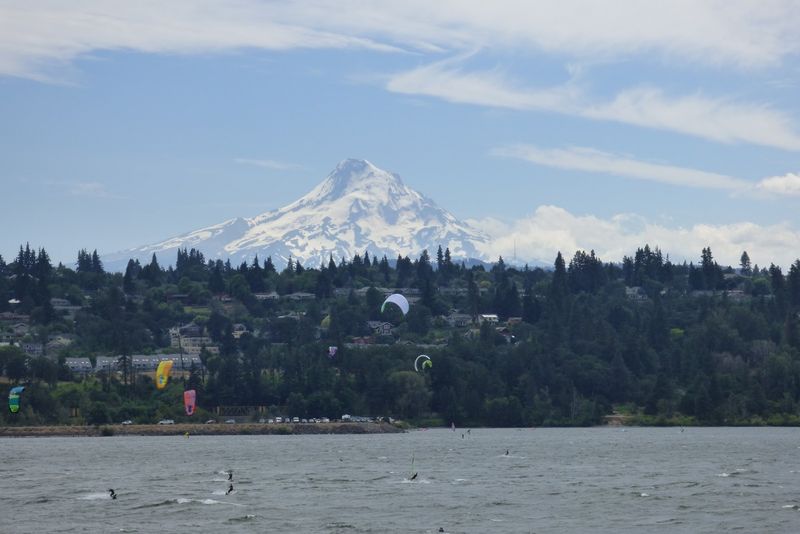
Windsports, orchards, and Columbia Gorge views have made Hood River a popular base for active travelers.
Regional studies show that seasonal influxes can tighten the rental market for service workers and teachers.
The city has refined permit systems and data tracking to balance visitor stays with local housing needs.
Booking in the downtown core or near transit reduces car dependence along the waterfront.
Dining and shopping earlier in the day help spread traffic around small venues.
If you plan a longer stay, consider lodging that participates in local stewardship initiatives.
Trail groups publish maintenance calendars, a useful way to support the places you explore.
Keep an eye on city updates, as Gorge communities often coordinate policies across jurisdictions.
Sleep close to transit hubs and walk to the waterfront to save curb space for residents.
Hood River City Hall, 211 2nd St, Hood River, OR 97031, posts current permit and zone maps.
Corridors near this address host mixed uses that better absorb visitor activity.
Verify registration numbers on listings and respect posted quiet hours.
Use bike share and trails to reach viewpoints without circling for parking.
Pack out trash and avoid trampling delicate riverbank vegetation.
Oregon’s Gorge communities value visitors who protect access as they play.
Your timing and route choices can reduce pressure during wind driven peaks.
Spread activities across neighborhoods so spending supports diverse small businesses.
Ask tour operators about partnerships that fund habitat restoration.
Mindful steps keep stays smoother and housing more stable for year round workers.
5. Astoria
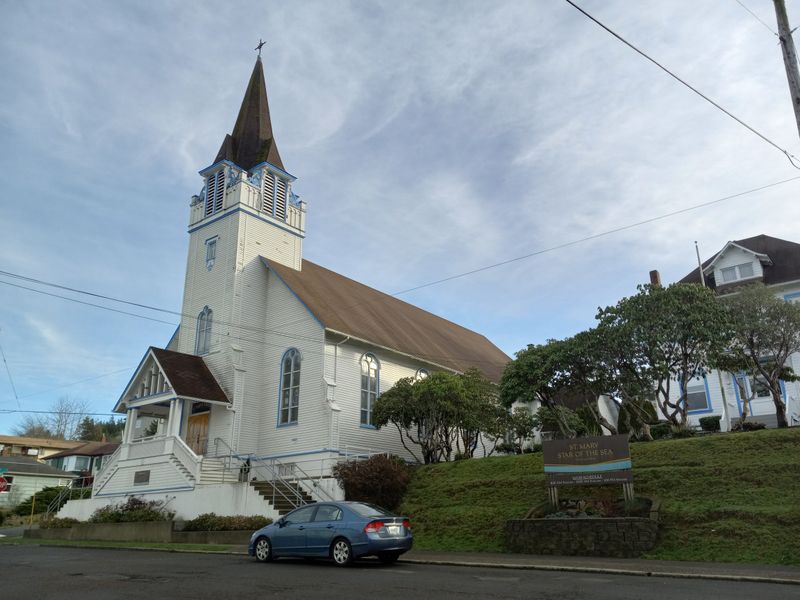
Astoria’s Victorian streets and working waterfront draw film buffs and history fans.
Tourism has grown alongside port activity, and rental conversions have become a recurring topic at council sessions.
City reports and county data note the importance of preserving long term units near employment hubs.
Booking established hotels or permitted apartments close to Commercial Street keeps visitor activity within mixed use areas.
Walking tours and museums can be spaced across the day, easing peak hour clogs at popular blocks.
Supporting maritime heritage nonprofits helps maintain the attractions that anchor Astoria’s identity.
Consider public transit or bikes when crossing the hills above downtown.
Monitoring city agendas offers a transparent view of housing measures under consideration.
Choose lodging near the riverfront so you can move easily without driving between stops.
Astoria Downtown Historic District, Commercial St and 12th St, Astoria, OR 97103, centers maps and services.
Blocks around this address are designed for steady foot traffic and clear wayfinding.
Listings that display permits and quiet hour rules tend to fit neighborhood expectations.
Start museum visits early and wander side streets to diffuse midmorning peaks.
Respect loading zones that keep working docks and markets moving smoothly.
Oregon port towns balance heritage, industry, and visitor curiosity every day.
Your travel plan can honor that balance by staying compact and low impact.
Pack light, avoid idling, and carry out what you bring in.
These habits help keep long term housing within reach of the people who keep the waterfront alive.
6. Portland
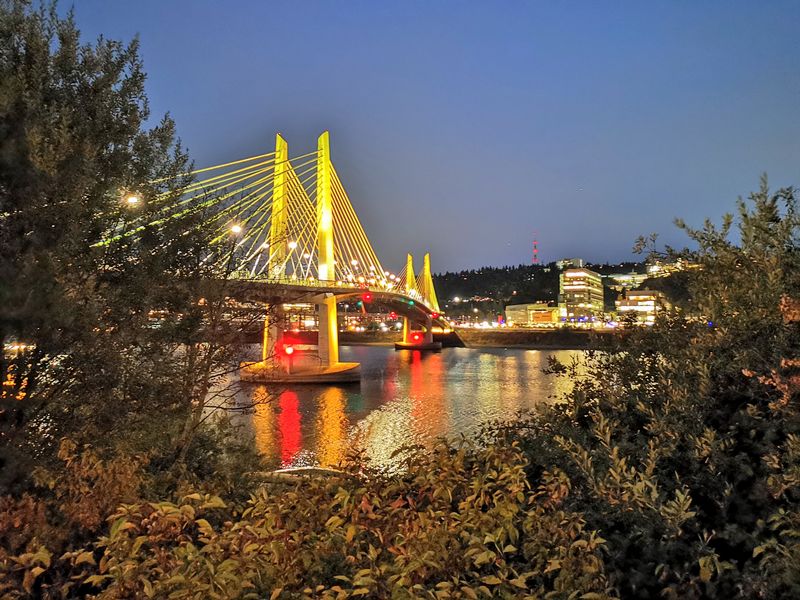
Portland’s neighborhoods host a steady stream of visitors for arts, parks, and green spaces.
While the city has a larger housing base than coastal towns, data show continued pressure on centrally located rentals.
Officials have updated registration requirements for vacation listings and promoted accessory dwellings with long term leases.
Choosing transit friendly lodging keeps spending near established corridors and lowers roadway congestion.
Many districts publish visitor guides that flag permitted stays and mobility options.
Travelers can plan itineraries that spread across multiple neighborhoods rather than clustering only in the core.
Consider visiting during community events that direct revenue toward local projects.
City dashboards track progress on housing production and shelter capacity, offering useful context before you book.
Pick a base along transit so you can reach parks and venues without a car.
Portland City Hall, 1221 SW 4th Ave, Portland, OR 97204, provides links to registration and policy pages.
Areas near this address feature bike lanes, sidewalks, and frequent service.
Look for listings that clearly post permits and neighborhood guidelines.
Plan morning starts in one district and afternoon walks in another to diffuse peaks.
Respect curb space for buses and delivery vehicles that keep streets moving.
Oregon’s largest city benefits when visitors travel light and pay attention to posted signs.
Your choices can help keep long term rentals available near jobs and schools.
Pack out litter from riverfront paths and give space to street crews.
Thoughtful travel keeps the welcome warm for residents and guests alike.
7. Newport
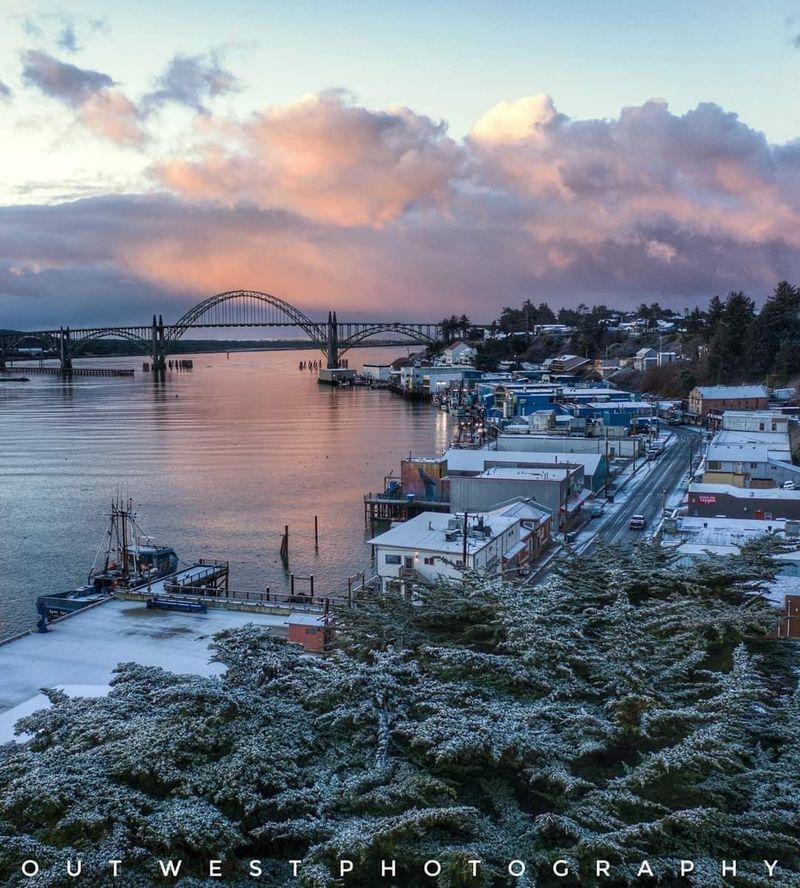
Newport’s aquarium, research piers, and working harbor create a distinctive blend of science and tourism.
Housing analyses from the coast indicate competition between vacation stays and long term units for maritime and service workers.
The city has clarified zones for short term rentals and strengthened enforcement to protect neighborhoods.
Staying near the Bayfront or Nye Beach keeps visitors close to attractions built for foot traffic.
Early arrivals help avoid crowding at viewpoints and parking lots.
Harbor tours and educational exhibits often collaborate with local schools, so booking through official partners supports community programming.
Travelers can review municipal PDFs that summarize licensing, maps, and complaint procedures.
Simple steps like carpooling and packing out trash preserve the shoreline that brings people to Oregon again and again.
Choose a base near the harbor to reduce driving between piers and exhibits.
Oregon Coast Aquarium, 2820 SE Ferry Slip Rd, Newport, OR 97365, anchors a district with sidewalks and wayfinding.
Walking from nearby lodging concentrates visitor activity within planned corridors.
Listings that display permit numbers and quiet hours show alignment with city rules.
Plan midday breaks away from the busiest docks to ease crowding for workers.
Respect staging areas that keep research vessels and tours on schedule.
Oregon’s coastal economy depends on careful sharing of space between visitors and jobs.
Your itinerary can reflect that by staying compact and low impact.
Carry reusable bags and avoid blocking access to lifesaving equipment along piers.
These habits protect habitats and keep housing more stable for year round crews.
8. Seaside
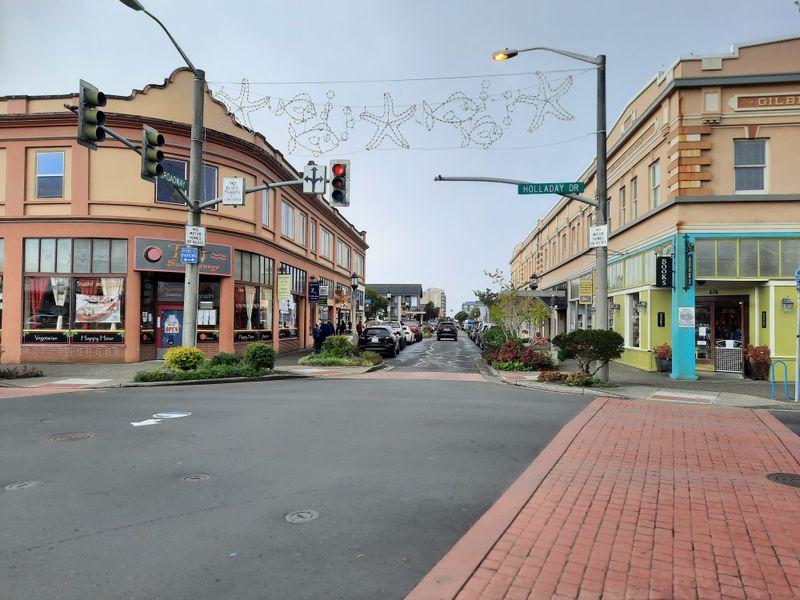
Seaside has a long promenade, family friendly attractions, and a dense lodging strip that accommodates large crowds.
Despite that infrastructure, reports from the coast still note tight housing for workers during peak seasons.
The city has revised licensing and occupancy rules while monitoring impacts on residential blocks north and south of downtown.
Booking in established hotel corridors or permitted condos keeps activity within well served areas.
Travel midweek when possible to reduce weekend traffic on the promenade and beach access points.
Local cleanup days often welcome visitors, and participation shows respect for shared spaces.
Public notices detail parking and short term rental boundaries, reviewing them prevents inadvertent violations.
Responsible choices help maintain a welcome that benefits both residents and guests across Oregon.
Center your stay along the promenade so errands and walks stay car free.
Seaside Civic and Convention Center, 415 1st Ave, Seaside, OR 97138, sits near transit and visitor information.
Blocks around this hub are designed to handle steady foot traffic.
Look for lodging that posts permits, house rules, and noise expectations clearly.
Plan beach visits early and explore side streets later to spread the load.
Respect signed closures that protect dunes and nesting areas.
Oregon beach towns rely on simple courtesy and good planning from guests.
Your timing, route choices, and lodging selection can ease pressure on housing.
Carry out your trash and leave stairs and ramps open for everyone.
Those habits help keep workers living near the services visitors use.
9. Sisters
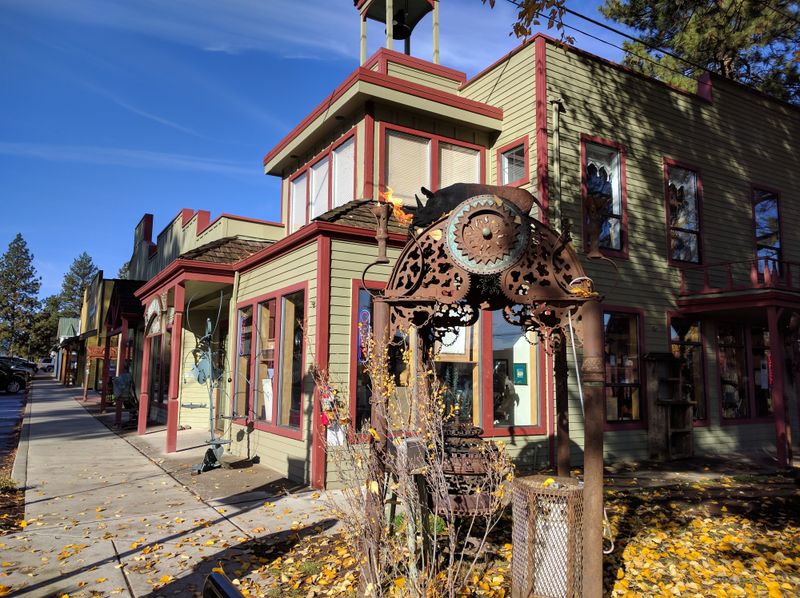
Sisters blends Western themed storefronts with quick access to trailheads and scenic byways.
As visitor numbers rose, housing availability for service staff and teachers became a core policy topic in city meetings.
Permitting frameworks aim to balance short term rentals with a baseline of long term units.
Travelers who stay within walking distance of Cascade Avenue reduce parking pressure during festivals and markets.
Visiting during shoulder months spreads revenue while easing strain on limited inventory.
Local land trusts and housing groups publish progress updates that are worth a look before booking.
Choose lodging with clear permits and consider transit shuttles for trail access.
These steps support a healthier mix of homes and guest rooms across central Oregon.
Keep your footprint small by clustering activities around the walkable core.
Sisters City Hall, 520 E Cascade Ave, Sisters, OR 97759, provides current maps and links to rules.
Blocks near this address host sidewalks, crossings, and consistent signage.
Listings that show license numbers and quiet hours usually fit neighborhood expectations.
Plan early hikes and late afternoon shopping to distribute demand.
Respect festival barricades and give space to volunteers directing traffic.
Oregon’s smaller towns thrive when visitors operate on foot and pack light.
Your choices can keep rental housing within reach of people who staff shops and schools.
Carry reusable containers and avoid blocking driveways near lodging.
Thoughtful habits make repeat visits easier for everyone involved.
10. Lincoln City
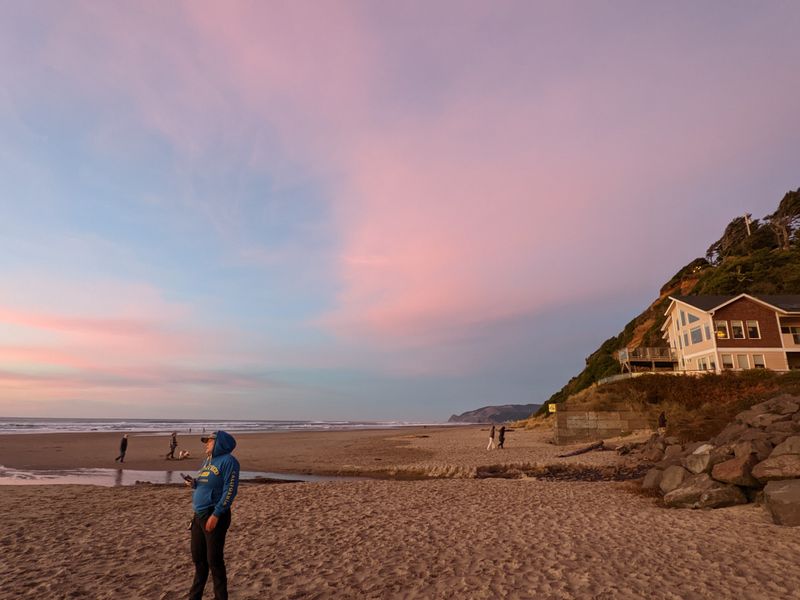
Lincoln City’s long beachfront and glass art scene keep visitor numbers steady across the calendar.
City staff have mapped short term rental zones and capped licenses in certain residential areas after extensive hearings.
Regional housing reports point to constrained supply for year round residents working in hospitality and retail.
Booking within designated zones supports the balance those policies seek.
If you plan tidepool visits, checking conditions ahead helps distribute crowds safely.
Public transit links key districts, reducing vehicle churn near beach entrances.
Many galleries partner with community programs, so buying local art can have wider impact.
Reviewing city webpages for updated caps and compliance notes is a simple step that benefits everyone.
Choose lodging near established corridors so walking becomes your default mode.
Lincoln City Cultural Center, 540 NE Hwy 101, Lincoln City, OR 97367, anchors community information and events.
Staying nearby keeps you on signed routes and near frequent service.
Look for visible permit numbers and clear contact details on listings.
Arrive early to beach accesses and rotate to quieter spots as crowds grow.
Respect dune restoration areas and keep paths open for emergency crews.
Oregon’s coast thrives when visitors tread lightly and support local makers.
Your itinerary can steer funds to venues that invest back into the city.
Pack out everything you carry and avoid idling near crosswalks.
These choices help keep housing stable for workers who serve visitors year round.
11. Medford
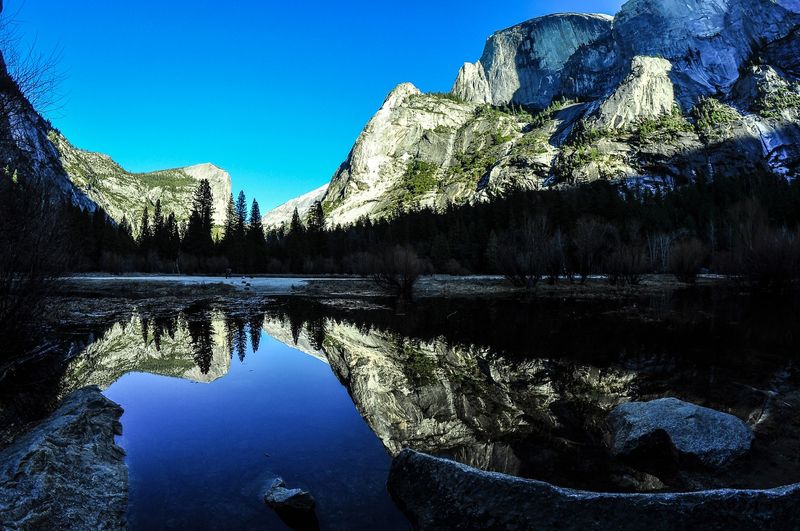
Medford serves as a travel hub for southern Oregon, connecting visitors to trails, theaters, and seasonal recreation.
Growth in hospitality has intersected with an already tight rental market, as documented by county housing and workforce reports.
The city has focused on code compliance, adding data tools to monitor rental conversions and vacancies.
Travelers can look for licensed hotels near transit to limit car trips across residential blocks.
Scheduling activities across the day helps smaller businesses handle visitor flows.
Community organizations post volunteer opportunities that maintain parks and greenways used by visitors and locals.
Before booking, read city guidance on lodging and neighborhood expectations.
Thoughtful planning ensures your trip supports Medford residents while showcasing the best of Oregon.
Base yourself near civic services so walking covers most errands and meals.
Medford City Hall, 411 W 8th St, Medford, OR 97501, offers links to rental rules and local maps.
Sidewalks and crossings around this address make car free movement straightforward.
Listings that display permits and a local contact help resolve issues quickly.
Plan trail starts outside the morning rush and return along quieter streets.
Respect signed limits on curb space and keep driveways clear.
Oregon trips run smoother when visitors match plans to neighborhood rhythms.
Your approach can reduce housing strain by keeping visitor activity within mixed use corridors.
Pack reusable gear and dispose of waste at designated stations.
These routines keep streets clean and relationships strong between guests and residents.
Dear Reader: This page may contain affiliate links which may earn a commission if you click through and make a purchase. Our independent journalism is not influenced by any advertiser or commercial initiative unless it is clearly marked as sponsored content. As travel products change, please be sure to reconfirm all details and stay up to date with current events to ensure a safe and successful trip.
