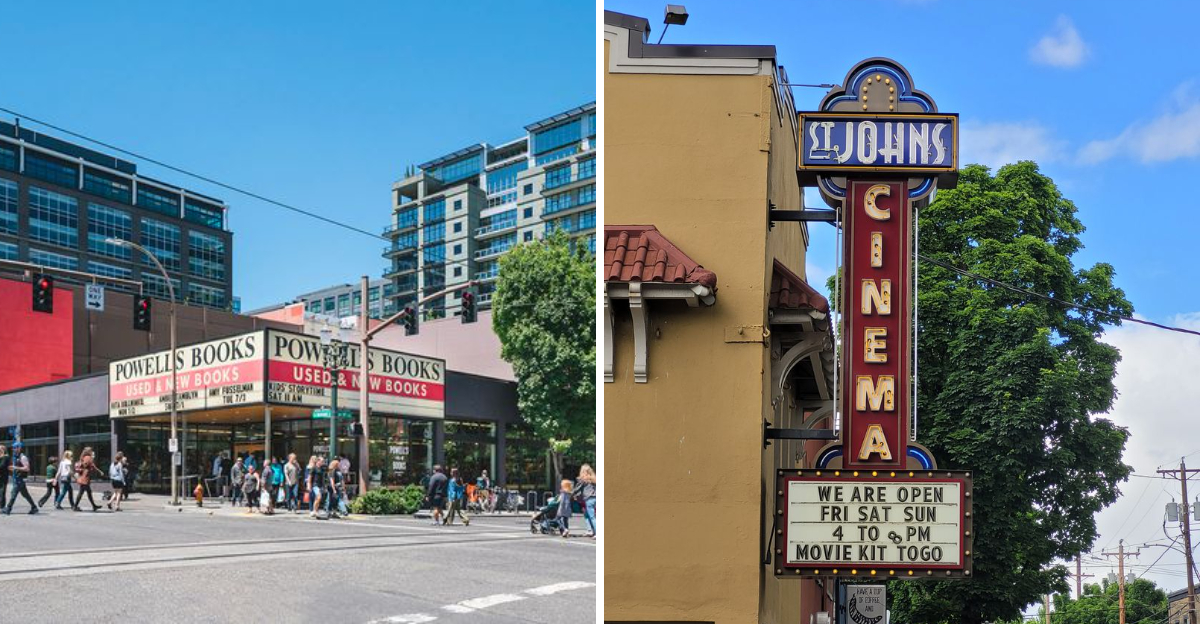
Oregon is home to some of the most unique and beloved institutions in the Pacific Northwest, places that have woven themselves into the very fabric of local life. From historic theaters that have entertained generations to quirky coffee shops that define coastal culture, these spots are more than just businesses or attractions.
They represent community gathering places, sources of local pride, and essential parts of Oregon’s identity that residents rely on and cherish daily.
Losing any of them would leave a hole in the heart of the communities they serve, changing the character of neighborhoods and towns across the state.
Ready to discover which Oregon treasures locals simply can’t live without? Think massive bookstores where you could get lost for days, creameries churning out legendary cheese, and hardware stores that double as your favorite watering hole.
Some of these gems have been around for over a century, while others have quickly become irreplaceable parts of their communities.
Pack your curiosity and prepare to explore the spots that make Oregon truly unforgettable!
1. Powell’s City of Books
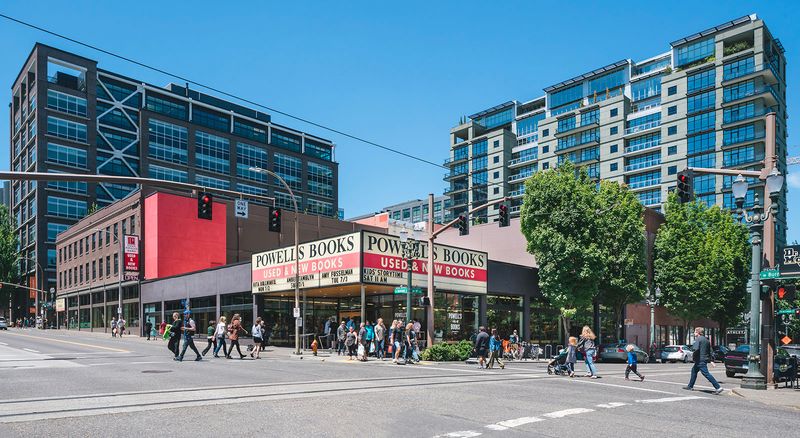
Imagine wandering through an entire city block filled with over a million books, where every turn reveals another treasure waiting to be discovered. Powell’s City of Books at 1005 W Burnside St in Portland stands as one of the largest independent bookstores on the planet, and it has become absolutely essential to the city’s identity.
This isn’t just a place to buy books; it’s a cultural landmark where locals spend hours browsing rare first editions, brand-new releases, and everything in between across multiple floors color-coded by subject.
The store occupies a former car dealership building and has expanded over decades to become a labyrinth of literary wonder. New and used books share shelf space, making it possible to find affordable classics right next to the latest bestsellers.
Staff members are genuinely knowledgeable and passionate about literature, offering recommendations that feel personal rather than scripted.
Portland residents treat Powell’s like a community center, meeting friends at the coffee shop inside or attending author readings and book signings that happen regularly. Students study in quiet corners, tourists marvel at the sheer size of the collection, and serious collectors hunt for signed copies and rare editions.
The store has weathered economic challenges, changing reading habits, and the rise of digital books by staying true to its mission of serving book lovers.
If Powell’s ever closed, Portland would lose a vital piece of its quirky, intellectual soul. The store represents Oregon’s commitment to independent businesses, literary culture, and creating spaces where people can slow down and explore ideas.
It’s not just shopping; it’s an experience that reminds everyone why physical bookstores still matter in the digital age.
2. Tillamook Creamery
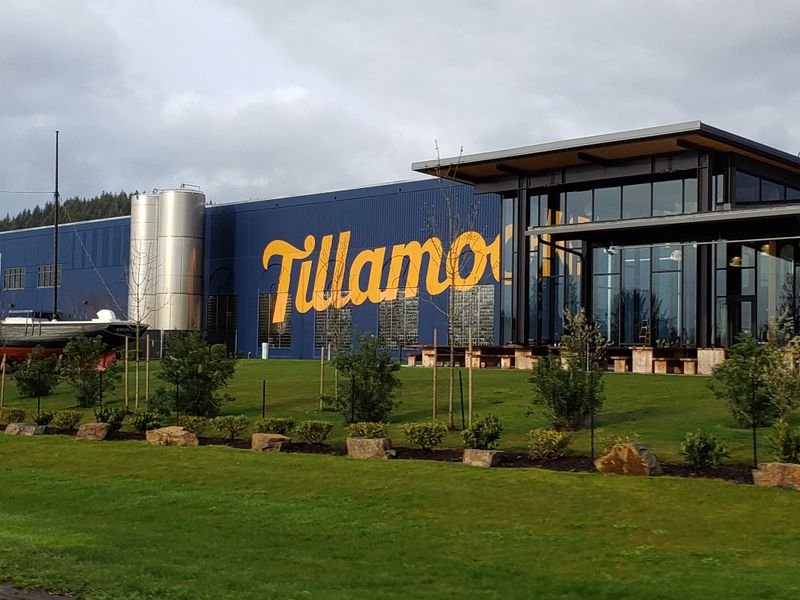
Since 1949, Tillamook Creamery has been churning out some of the finest dairy products in America from its home at 4165 N Hwy 101 on the Oregon Coast. This isn’t just a factory; it’s a full-blown destination where visitors can watch cheese being made through viewing windows, sample dozens of ice cream flavors, and learn about the cooperative farming model that makes Tillamook special.
Local families have been making pilgrimages here for generations, creating memories over ice cream cones and grilled cheese sandwiches.
The creamery represents over a century of Oregon’s agricultural heritage, showcasing how local farmers banded together to create something bigger than themselves. Tillamook County’s unique coastal climate produces exceptionally rich milk, which translates into cheese and butter that have earned national recognition.
The facility underwent a major renovation and expansion, adding interactive exhibits and a larger cafe while maintaining the authentic connection to dairy farming.
Oregonians feel genuine pride when they see Tillamook products on grocery shelves across the country, knowing this success story started in their own backyard. The creamery provides jobs, supports local farmers, and gives back to the community in meaningful ways.
School field trips, family road trips, and tourist itineraries all include stops at this coastal landmark.
Losing Tillamook Creamery would devastate not just the local economy but also the sense of identity tied to Oregon’s farming traditions. The creamery proves that quality, community-focused businesses can compete nationally while staying rooted in their origins.
Every bite of their cheese or spoonful of ice cream connects people to the land and the farmers who work it.
3. McMenamins Pubs And Properties
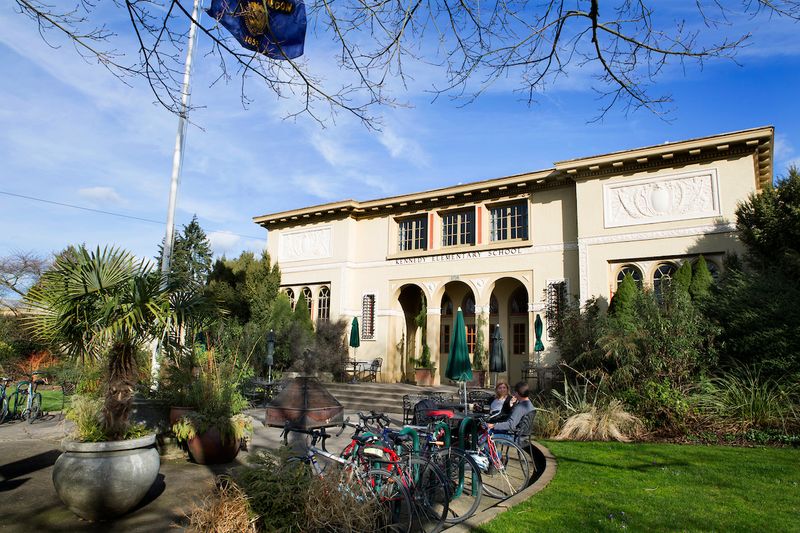
Scattered across Oregon like magical hideaways, McMenamins properties transform historic buildings into vibrant community gathering spots that locals absolutely adore. This family-owned company has rescued old schools, theaters, hotels, and even a former poor farm, turning them into pubs, breweries, and entertainment venues filled with quirky art and local character.
Each location tells its own story while maintaining the distinctive McMenamins vibe that feels both nostalgic and welcoming.
The company started in Portland in 1983 and has grown into an Oregon institution with dozens of locations, each one preserving architectural history that might otherwise have been demolished. Walking into a McMenamins feels like stepping into a living museum where you can enjoy handcrafted food and locally brewed beverages surrounded by original artwork and restored period details.
The Kennedy School in Portland, for example, turned old classrooms into hotel rooms and the gymnasium into a brewery.
Locals appreciate McMenamins for creating affordable, family-friendly spaces that prioritize atmosphere and community over corporate polish. Live music, movie nights, and seasonal events make these properties feel like neighborhood centers rather than just restaurants.
The company employs local artists to create murals and decorations, ensuring each location reflects Oregon’s creative spirit.
If McMenamins disappeared, Oregon would lose dozens of beloved hangouts where people celebrate birthdays, catch up with old friends, and introduce visitors to authentic local culture. These properties represent a commitment to historic preservation, local brewing traditions, and creating spaces where everyone feels welcome.
They’ve become so woven into Oregon life that imagining the state without them feels almost impossible.
4. Cannon Beach Hardware and Public House
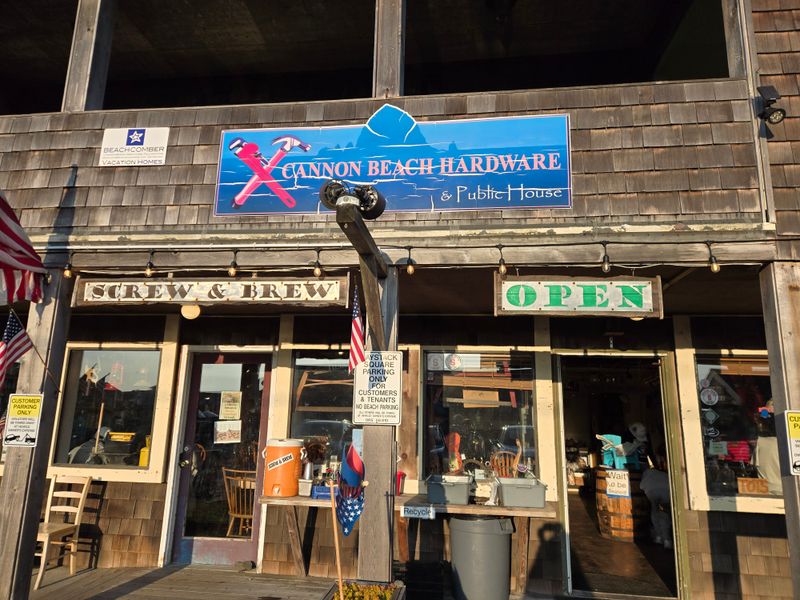
Only in Oregon would you find a business that lets you buy plumbing supplies and enjoy a gourmet meal with craft beverages under the same roof. Cannon Beach Hardware and Public House at 1235 S Hemlock St perfectly captures the practical, unpretentious spirit that makes coastal communities special.
Half the building stocks everything from fishing gear to paint supplies, while the other half serves up delicious food in a cozy pub atmosphere that locals have embraced wholeheartedly.
This unique combination makes perfect sense in a small beach town where residents need a reliable hardware store and a comfortable place to gather with neighbors. You might overhear contractors discussing renovation projects while families enjoy dinner after a day at the beach.
The pub side features locally sourced ingredients and seasonal menus that change based on what’s fresh and available, while the hardware side carries the essentials that keep beach houses running smoothly.
Cannon Beach attracts thousands of tourists, but this business serves locals first, providing year-round reliability when other establishments close during slow seasons. The staff knows regulars by name and understands the specific challenges of maintaining homes in the salty coastal air.
It’s not unusual to see someone carrying lumber past tables of diners or grabbing paint samples before settling in for lunch.
Losing this quirky establishment would rob Cannon Beach of a gathering place that truly reflects the community’s character. The hardware and pub combination represents Oregon’s practical creativity and resistance to cookie-cutter franchises.
It proves that businesses can be both functional and fun, serving multiple community needs while creating a space people genuinely love visiting.
5. St. Johns Twin Cinemas
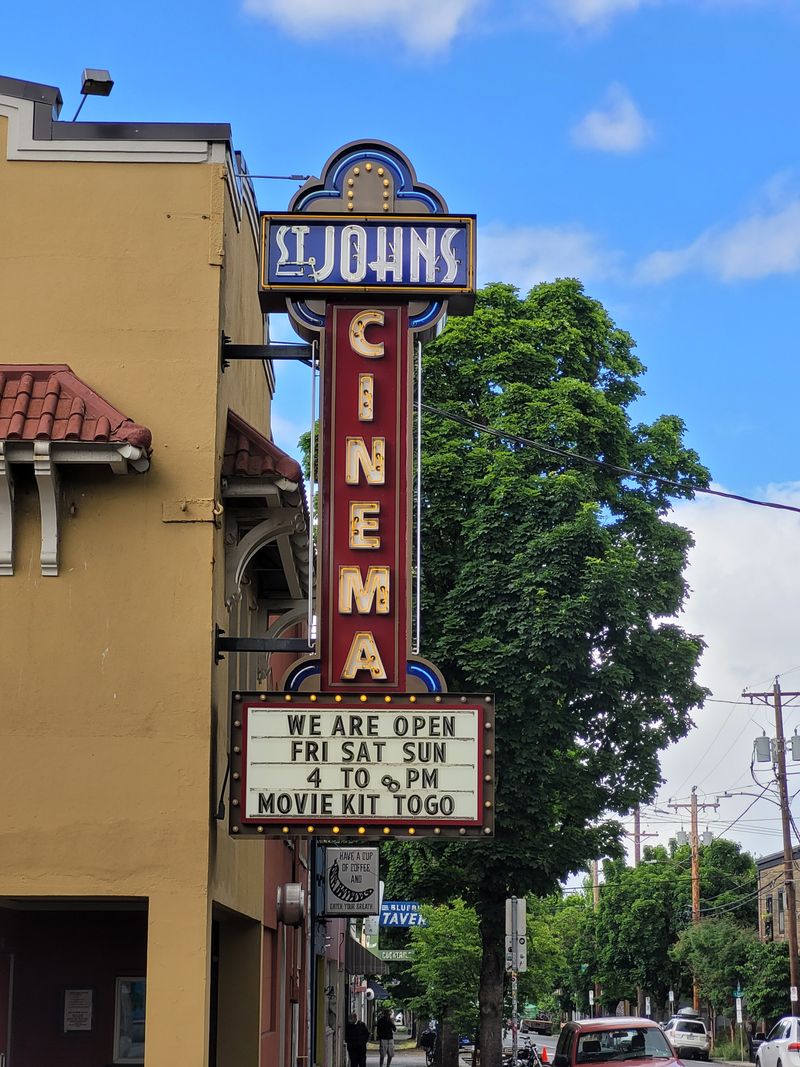
Operating continuously since 1913 under various names, St. Johns Twin Cinemas at 8704 N Lombard St stands as a testament to the enduring magic of neighborhood movie theaters. This historic venue has survived the Great Depression, world wars, and the rise of multiplexes by staying connected to the St. Johns community and offering an affordable, unpretentious movie-going experience.
Walking through its doors feels like time travel, with vintage charm mixing beautifully with modern projection and sound.
The theater reflects the independent spirit of the St. Johns neighborhood, which has maintained its distinct identity despite Portland’s rapid growth and gentrification. Ticket prices remain remarkably reasonable compared to corporate chains, making movies accessible to families on any budget.
The concession stand offers classic treats without the outrageous markups found elsewhere, and the staff treats regulars like old friends.
St. Johns Twin Cinemas programs a mix of current releases, indie films, and special screenings that cater to diverse community tastes. The theater hosts fundraisers for local schools, midnight showings of cult classics, and family-friendly matinees that create memories for new generations.
Its survival depends on loyal locals who choose to support this neighborhood gem rather than driving to impersonal megaplexes.
If this historic theater closed, St. Johns would lose more than just a place to watch movies; it would lose a community anchor that brings people together across age and background. The cinema represents Oregon’s commitment to preserving historic buildings and supporting locally owned businesses that prioritize community over profit.
Every showing reminds patrons that bigger and newer doesn’t always mean better.
6. The Observatory

Tucked away at 8115 SE Stark St in a quieter corner of Southeast Portland, The Observatory proves that you don’t need a flashy location or massive marketing budget to build a devoted local following. This neighborhood spot has earned its reputation through consistently memorable food, warm hospitality, and an atmosphere that makes everyone feel like a regular from their first visit.
Locals guard this gem carefully, though word inevitably spreads about quality this genuine.
The restaurant focuses on creative, well-executed dishes that showcase seasonal ingredients without pretension or unnecessary complexity. Menus change regularly based on what’s available from local farms and producers, ensuring freshness and supporting Oregon’s agricultural community.
The space itself feels comfortable and welcoming rather than trendy or overly designed, allowing the food and service to take center stage.
What makes The Observatory special goes beyond the plates; it’s the sense of community fostered by owners and staff who genuinely care about creating positive experiences. Neighbors gather here for birthday celebrations, date nights, and casual weeknight dinners, knowing they’ll receive consistent quality and friendly service.
The restaurant participates in neighborhood events and supports local causes, deepening its connection to the surrounding community.
If The Observatory closed, Southeast Portland would lose a gathering place that exemplifies everything people love about neighborhood restaurants. It represents the kind of establishment that makes urban neighborhoods feel like small towns, where familiar faces and genuine connections matter as much as the food.
This spot reminds everyone that the best restaurants aren’t always the most hyped or centrally located; sometimes the real treasures hide in plain sight, waiting to be discovered by those who appreciate authenticity over flash.
7. Cowboy Dinner Tree
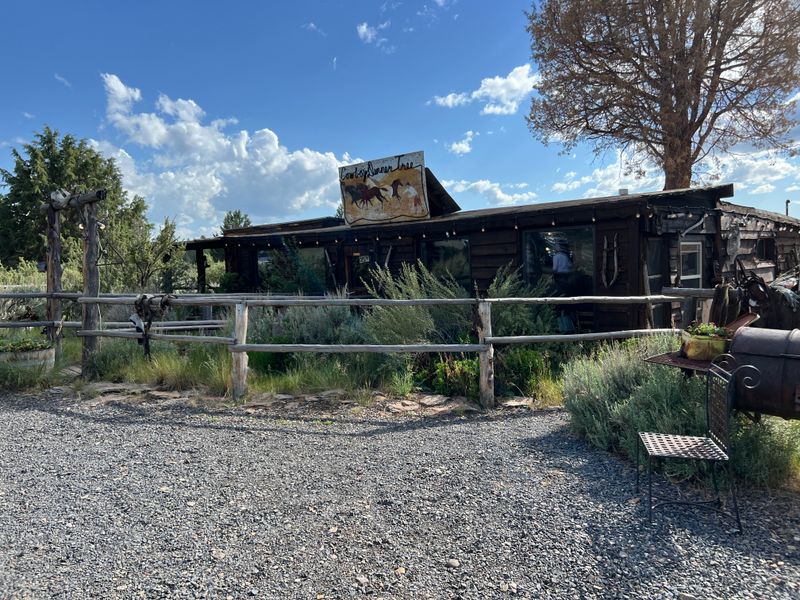
Way out in the remote Oregon outback at 50836 E Bay Road County Rd 4, 12 Forest Service Rd 28, Cowboy Dinner Tree offers a dining experience unlike anything else in the state. This rustic establishment serves enormous family-style meals in a setting so isolated that getting there becomes part of the adventure.
Locals from surrounding ranching communities and adventurous travelers willing to make the journey cherish this place for its hearty portions, unique atmosphere, and connection to Oregon’s cowboy heritage.
The restaurant operates in a converted homestead building that perfectly captures the rugged simplicity of ranch life. Reservations are absolutely required because the kitchen prepares a limited number of meals each evening, with diners choosing between massive steaks or whole roasted chickens served with all the fixings.
Everything arrives family-style, encouraging sharing and conversation among tablemates, whether they’re old friends or strangers who just met.
Reaching Cowboy Dinner Tree requires driving through high desert landscape on winding roads that see more cattle than cars. The journey emphasizes how far this restaurant sits from urban conveniences, making the warm welcome and satisfying meal feel even more special.
Locals appreciate having a destination-worthy restaurant in their remote corner of Oregon, while visitors treasure the authentic glimpse into rural Western life.
Losing Cowboy Dinner Tree would erase one of Oregon’s most distinctive dining experiences and remove a vital gathering place for people living in the state’s least populated regions. The restaurant celebrates ranching culture and proves that great food and hospitality can thrive anywhere, not just in cities.
Every meal here tells the story of Oregon’s diverse landscapes and the hardy, welcoming people who call remote places home.
8. Sleepy Monk Coffee Roasters
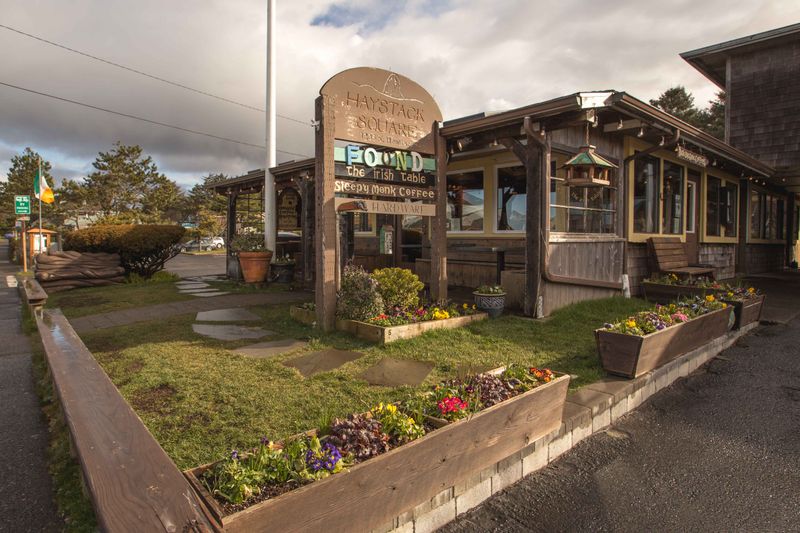
Locals confidently declare Sleepy Monk Coffee Roasters at 1235 S Hemlock St A the best coffee shop on the entire Oregon coast, and one sip of their house-roasted beans proves they’re not exaggerating. This charming spot has built a devoted following through unwavering commitment to quality, a cozy atmosphere that invites lingering, and a refreshingly honest approach to work-life balance that includes closing for a large portion of winter.
That seasonal closure might frustrate tourists, but locals respect the owners’ decision to prioritize their own well-being while maintaining excellence during operating months.
The coffee itself receives meticulous attention, with beans roasted in-house using carefully selected green coffee from sustainable sources. Baristas craft each drink with genuine care, whether it’s a simple drip coffee or a more elaborate espresso creation.
The shop’s interior radiates warmth and authenticity, with comfortable seating, local art on the walls, and windows that let in the soft coastal light.
Sleepy Monk represents a different approach to business, one that rejects the hustle culture of staying open year-round and instead embraces seasonal rhythms that match the coastal lifestyle. Regulars plan their visits around the shop’s schedule and eagerly await its spring reopening like old friends returning after winter.
The owners have created exactly the kind of place they wanted, rather than conforming to conventional business expectations.
If Sleepy Monk disappeared, the Oregon coast would lose its finest coffee destination and an example of how businesses can succeed on their own terms. The shop proves that quality and authenticity matter more than convenience or constant availability.
Every cup served here represents a philosophy of doing things right rather than just doing things fast.
9. Voodoo Doughnut
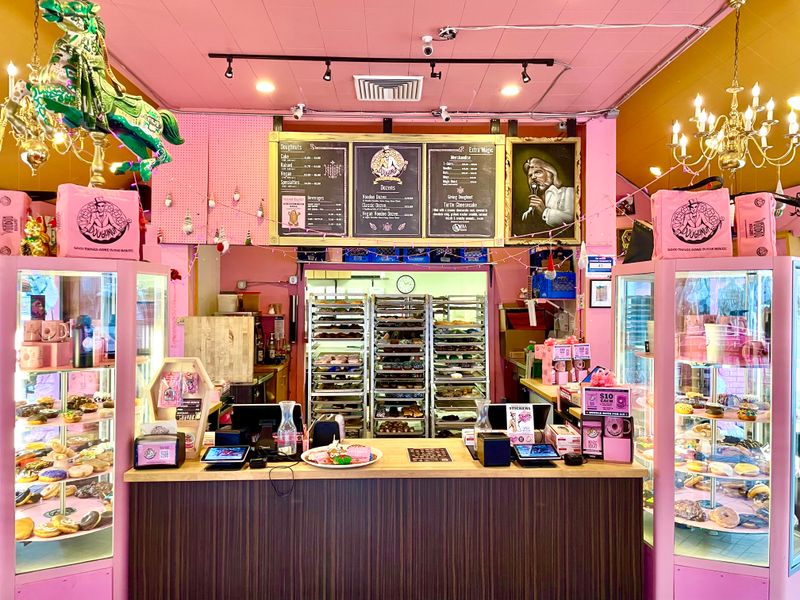
Love it or roll your eyes at the tourist lines, Voodoo Doughnut remains an essential piece of Portland’s quirky food scene that locals would genuinely miss if it vanished. This iconic shop transformed the humble doughnut into edible art with creative flavors, unconventional toppings, and a rebellious attitude that perfectly captures Portland’s weird-and-proud spirit.
While visitors wait in long lines for Instagram photos, locals know the best times to slip in quickly and grab a box of these distinctive treats.
Voodoo opened in 2003 and quickly became famous for pushing boundaries with offerings like bacon-topped doughnuts, cereal-covered creations, and shapes that range from traditional rounds to voodoo dolls. The shops stay open late, serving night owls, shift workers, and people looking for something sweet after concerts or late dinners.
Pink boxes filled with assorted doughnuts have become Portland’s unofficial edible souvenir, carried onto planes and shipped across the country.
Beyond the novelty factor, Voodoo represents Portland’s embrace of independent businesses that dare to be different and refuse to take themselves too seriously. The company has expanded to multiple locations while maintaining its original irreverent character and commitment to creativity.
Locals appreciate having a place that reflects their city’s personality, even when that means navigating tourist crowds occasionally.
If Voodoo Doughnut closed, Portland would lose a symbol of its creative, unconventional identity that has inspired countless other businesses to embrace their own weirdness. The shop proved that traditional products could be reimagined successfully when combined with authentic personality and quality ingredients.
Whether you visit regularly or just occasionally, Voodoo’s presence reminds everyone that Portland marches to its own delicious, slightly strange beat.
10. Picc-A-Dilly Flea Market
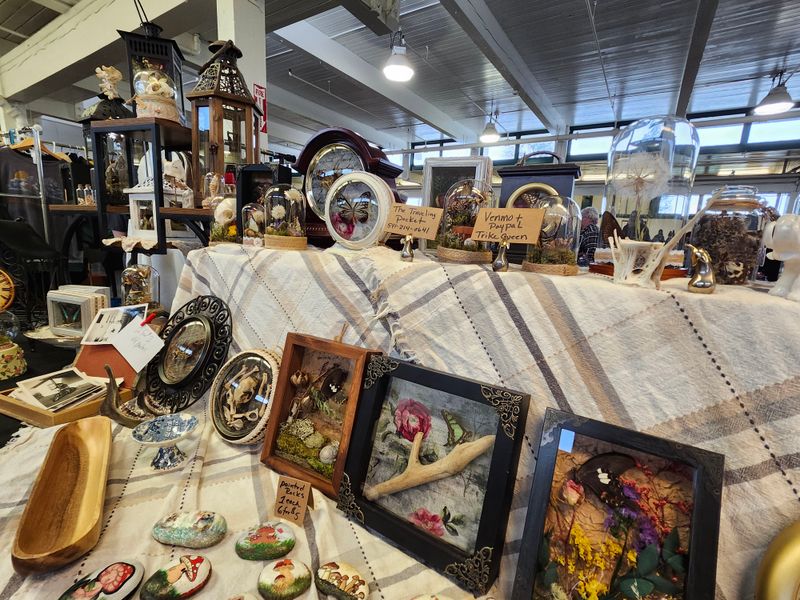
Since 1970, Picc-A-Dilly Flea Market has been Eugene’s treasure hunting headquarters, where locals gather to buy, sell, and trade everything imaginable in a sprawling outdoor marketplace. This long-standing institution represents old-school community commerce, where bargaining is expected, vendors become friends, and you never know what amazing find might be waiting in the next booth.
Generations of Eugene families have spent weekend mornings wandering the aisles, searching for vintage clothing, handmade crafts, antique furniture, fresh produce, and countless other goods.
The market creates a vibrant social scene where people from all walks of life mingle freely, united by the thrill of the hunt and appreciation for secondhand treasures. Regular vendors set up shop week after week, building relationships with customers who return specifically to see what new items they’ve brought.
The atmosphere buzzes with conversation, negotiation, and the excitement of discovering something unique at a great price.
Picc-A-Dilly embodies Eugene’s commitment to sustainability, reuse, and supporting local entrepreneurs who might not have resources to open traditional retail stores. The market provides affordable entertainment for families, opportunities for vendors to earn income, and a constantly changing inventory that makes every visit different.
It’s become so embedded in local culture that many Eugene residents structure their weekend routines around market days.
Losing Picc-A-Dilly would eliminate one of Oregon’s last authentic large-scale flea markets and rob Eugene of a beloved community gathering place. The market represents an alternative to corporate retail, where personality matters more than polish and every transaction involves human connection.
It proves that older forms of commerce still thrive when they serve genuine community needs and create spaces where people truly enjoy spending time together.
Dear Reader: This page may contain affiliate links which may earn a commission if you click through and make a purchase. Our independent journalism is not influenced by any advertiser or commercial initiative unless it is clearly marked as sponsored content. As travel products change, please be sure to reconfirm all details and stay up to date with current events to ensure a safe and successful trip.
