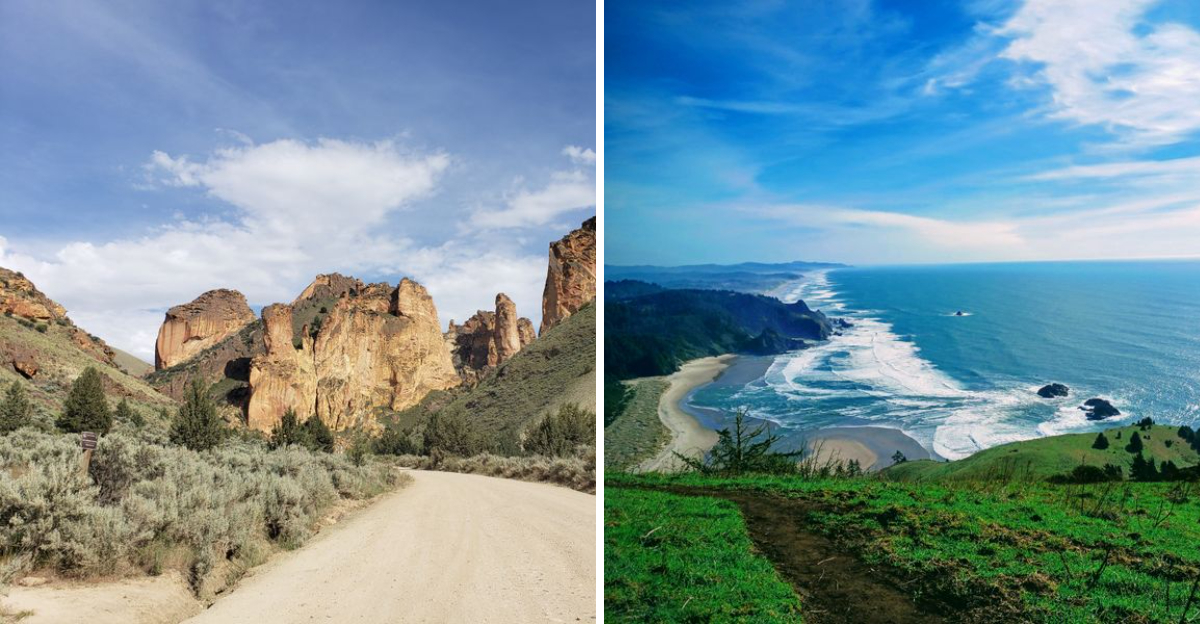
Oregon is a state packed with iconic landmarks that draw crowds from around the world, but the real magic lies in the places that don’t make every travel brochure. While visitors flock to Crater Lake and Multnomah Falls, those who call this state home know where to find the quiet wonders that few outsiders ever see.
These hidden treasures offer the kind of raw, untouched beauty that reminds you why Oregon earned its reputation as one of the most stunning places in the Pacific Northwest.
From the high desert expanses of the east to secret coastal hideaways, these spots remain blissfully uncrowded, even during peak travel seasons.
Locals guard these locations not out of secrecy, but because they understand that some places deserve to be experienced without the noise and chaos of tourism. Each destination on this list offers something extraordinary, whether it’s otherworldly geology, pristine wilderness, or views that will stop you in your tracks.
Pack your sense of adventure and prepare to discover the Oregon that most travelers never get to see.
1. Alvord Desert and Steens Mountain
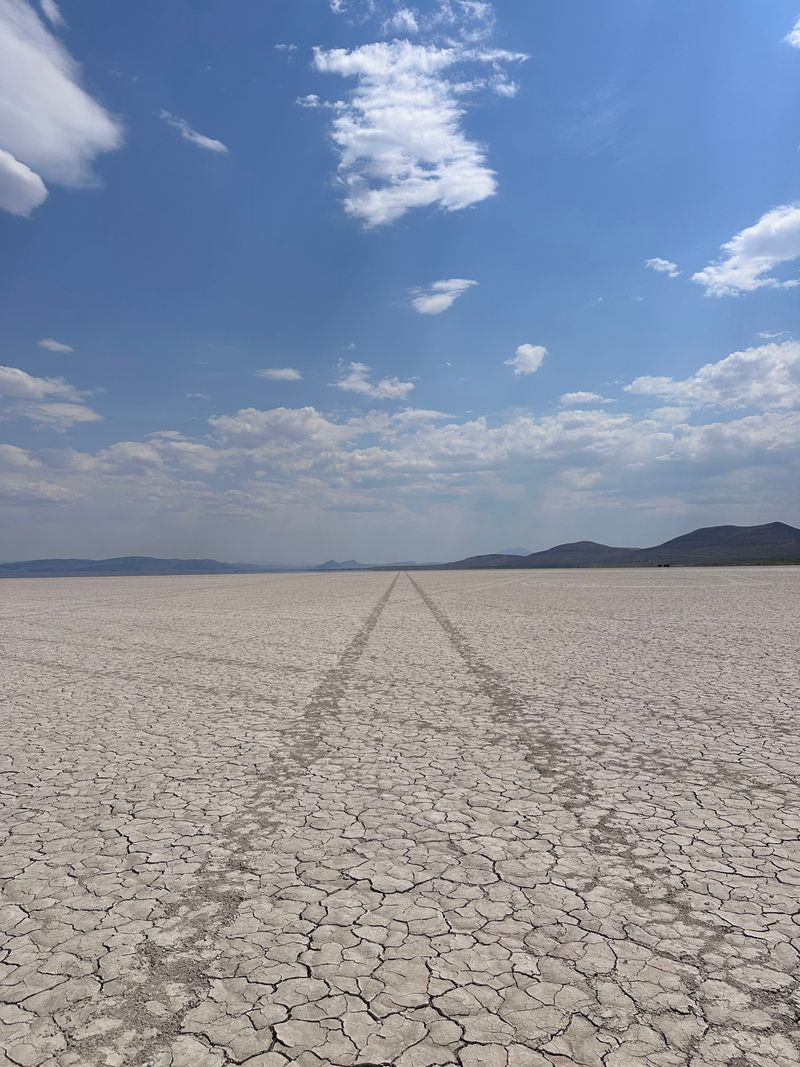
Out in the southeastern corner of Oregon, where the landscape shifts into something almost lunar, the Alvord Desert stretches across the high desert floor like a cracked canvas painted by nature itself.
This vast, dry playa sits at the base of Steens Mountain, which rises dramatically from the desert floor, creating one of the most striking geological contrasts you’ll find anywhere in the state.
The mountain towers over the flatlands, offering a backdrop that feels more like something from another planet than the Pacific Northwest.
When you stand in the middle of the playa, the silence is almost overwhelming. There’s nothing but you, the endless expanse of cracked earth, and the massive wall of rock rising to the west.
The lack of light pollution makes this one of the best stargazing locations in Oregon, where the Milky Way spreads across the sky with clarity that city dwellers can hardly imagine.
The drive out here requires commitment, as this area sits far from major highways and tourist hubs. But that distance is exactly what keeps it pristine and uncrowded.
Locals come here when they need to escape, to feel the weight of true solitude, and to reconnect with landscapes that remind them how small we really are.
Steens Mountain Loop Road offers access to alpine meadows, aspen groves, and viewpoints that overlook both the desert and distant valleys. The contrast between the barren playa below and the lush mountain ecosystems above creates a unique experience that shifts dramatically with elevation.
Address: Alvord Desert, Fields, OR 97710
2. Leslie Gulch
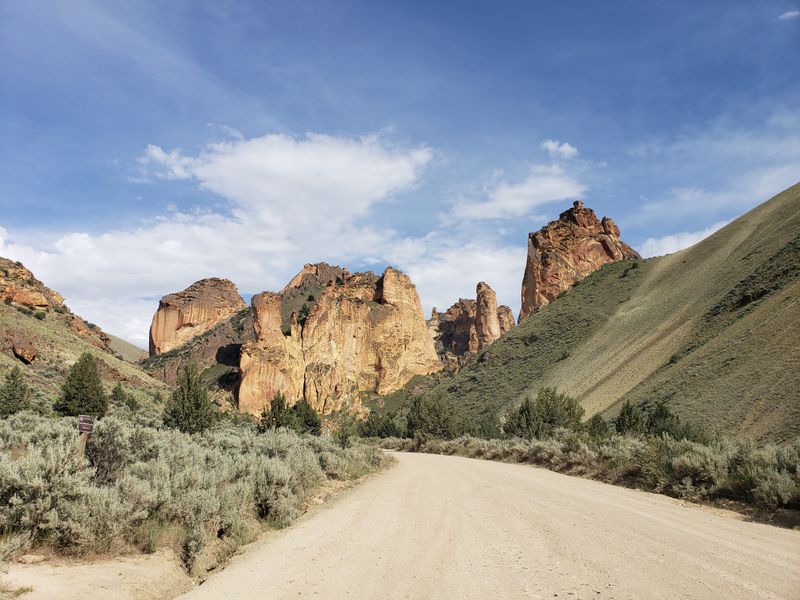
Tucked deep within the Owyhee Canyonlands, Leslie Gulch feels like stepping onto the surface of Mars. The towering formations of volcanic ash and tuff have been sculpted by wind and water into shapes that defy easy description.
Honeycomb patterns, spires, and twisted columns rise from the canyon floor in shades of rust, gold, and burnt orange, creating a landscape that photographers dream about.
This remote corner of southeastern Oregon sees only a fraction of the visitors that flock to more famous destinations, which means you can often have entire sections of the canyon to yourself. The road in is gravel and winding, discouraging casual tourists but rewarding those who make the journey with scenery that feels utterly otherworldly.
Hiking trails wind through the formations, offering close-up views of the intricate textures and colors that make this place so special. Wildlife thrives here too, with bighorn sheep often spotted on the rocky slopes and a variety of raptors soaring overhead.
The geology tells a story millions of years in the making, with layers of volcanic activity visible in the striations and formations.
Spring brings wildflowers that contrast beautifully with the warm tones of the rock, while summer offers long days perfect for exploration. The nearby Owyhee Reservoir provides water recreation opportunities, though most visitors come specifically for the unique badlands scenery that defines Leslie Gulch.
Address: Leslie Gulch Road, Adrian, OR 97901
3. Secret Beach at Samuel H. Boardman Scenic Corridor
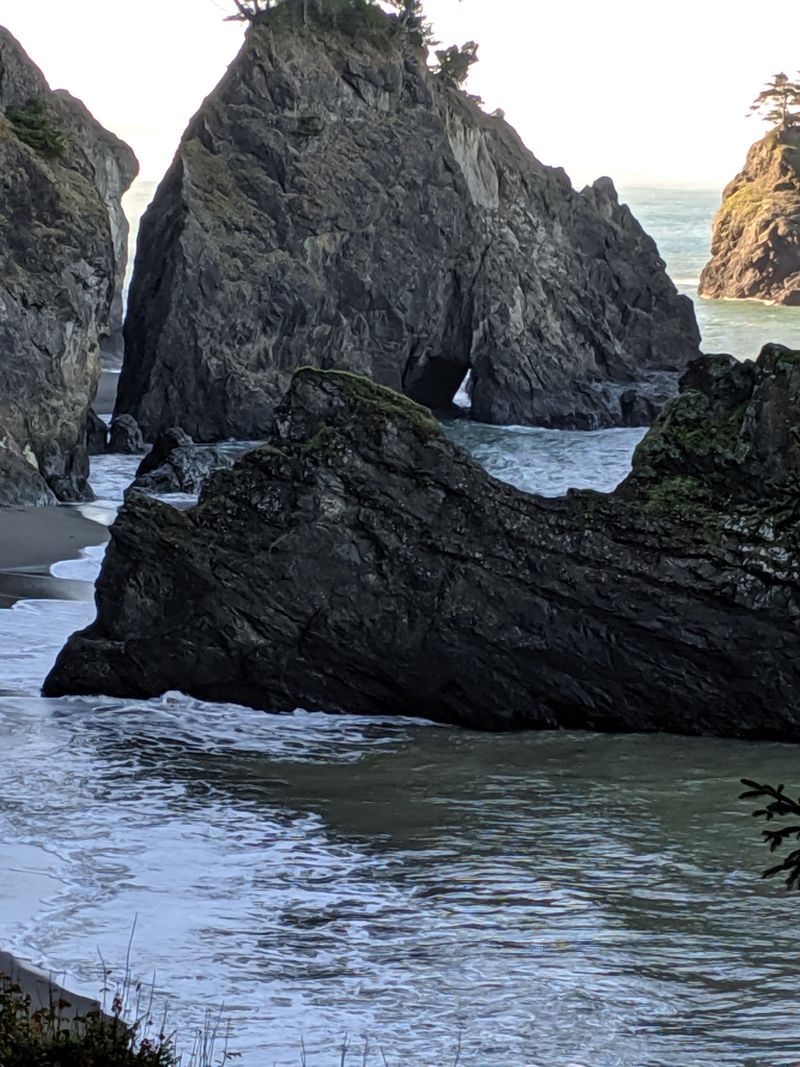
Along Oregon’s southern coast, where Highway 101 hugs dramatic cliffs and offers one stunning vista after another, Secret Beach lives up to its name by requiring a bit of effort to reach. The Samuel H.
Boardman Scenic Corridor is already considered one of the most beautiful stretches of coastline in the state, but this particular beach remains hidden from casual passersby who stick to the main viewpoints.
The trail down is short but steep, winding through coastal forest before emerging onto a secluded cove surrounded by towering sea stacks and rocky headlands. At low tide, the beach reveals tide pools teeming with marine life, while the waves crash against offshore rocks with mesmerizing rhythm.
The sense of discovery when you first see this beach is part of what makes it so special.
Locals know to check tide charts before visiting, as high tide can limit access and make exploration dangerous. But when conditions are right, this spot offers the kind of coastal experience that feels increasingly rare along popular shorelines.
You can spend hours exploring the nooks and crannies, watching seabirds, or simply sitting on driftwood logs and soaking in the wild beauty.
The corridor itself stretches for miles, with numerous trails and viewpoints worth exploring. But Secret Beach holds a special place in the hearts of those who know it, offering solitude and natural wonder without the crowds that pack more accessible coastal destinations.
Address: Samuel H. Boardman State Scenic Corridor, Brookings, OR 97415
4. Malheur National Wildlife Refuge
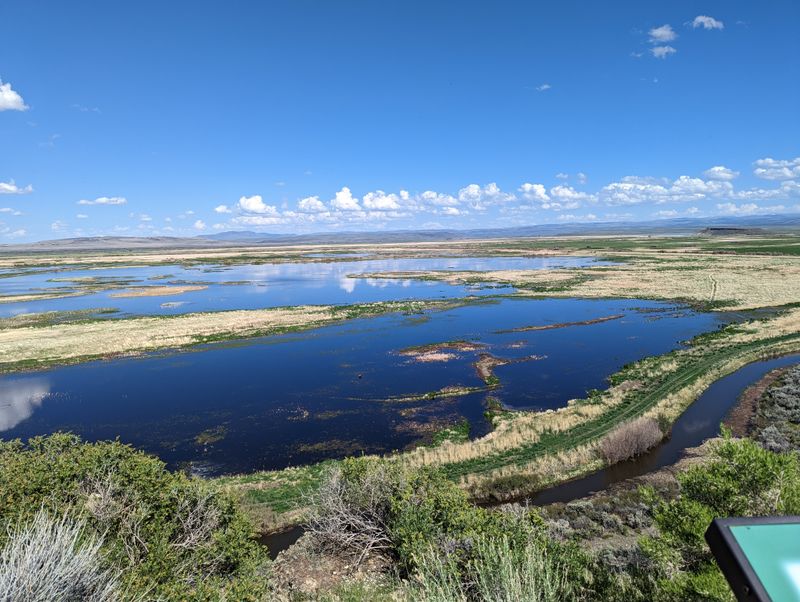
In the heart of Eastern Oregon’s high desert, where most travelers see only sagebrush and empty miles, Malheur National Wildlife Refuge spreads across a vast landscape of wetlands, marshes, and open water. This refuge serves as a critical stopover for migratory birds traveling along the Pacific Flyway, making it one of the premier birdwatching destinations in North America.
Yet it remains remarkably uncrowded, even during peak migration seasons.
The refuge encompasses diverse habitats that support an incredible variety of wildlife. Over three hundred bird species have been documented here, from elegant sandhill cranes to colorful warblers and powerful raptors.
Spring and fall bring the largest concentrations, when thousands of birds rest and refuel during their long journeys.
Beyond the birds, the refuge offers a glimpse into high desert ecology that many Oregonians never experience. Pronghorn antelope bound across open grasslands, coyotes hunt in the early morning light, and the changing seasons transform the landscape in dramatic ways.
The headquarters area provides interpretive information and access to trails that wind through different habitat types.
Photography opportunities abound, with the interplay of water, sky, and wildlife creating scenes that change by the hour. The remoteness of the location means you’ll need to plan ahead, bringing supplies and being prepared for weather that can shift quickly in this exposed landscape.
But those who make the effort discover why locals consider this one of Oregon’s true hidden treasures.
Address: 36391 Sodhouse Lane, Princeton, OR 97721
5. Wallowa Lake and Eagle Cap Wilderness
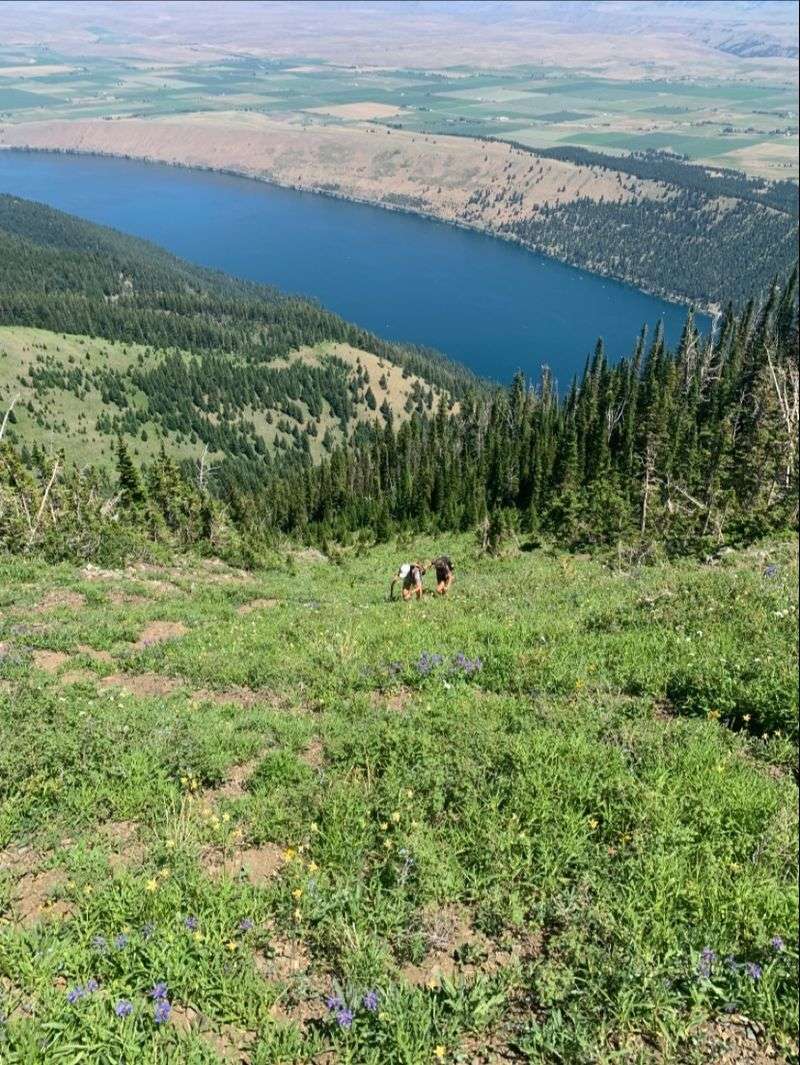
Nestled in the northeastern corner of Oregon, Wallowa Lake sits like a sapphire jewel at the foot of the Wallowa Mountains. The area earned the nickname “Oregon’s Little Switzerland” for good reason, with alpine peaks, glacial valleys, and pristine wilderness that rivals anything found in more famous mountain ranges.
Yet this region sees far fewer visitors than destinations with similar beauty elsewhere in the West.
The lake itself offers stunning turquoise waters that reflect the surrounding peaks, creating postcard-perfect scenes that change with the light and seasons. A tramway carries visitors to the top of Mount Howard, where panoramic views stretch across multiple states and reveal the true scale of this mountain wilderness.
But the real magic begins when you venture into the backcountry.
Eagle Cap Wilderness encompasses hundreds of square miles of rugged terrain, with over fifty alpine lakes scattered among granite peaks and meadows bursting with wildflowers. Backpacking routes range from moderate day hikes to challenging multi-day expeditions that test even experienced wilderness travelers.
The solitude available here stands in stark contrast to the crowded trails found in more publicized wilderness areas.
Fishing in these high mountain lakes offers the chance to catch native trout in settings that feel untouched by time. Wildlife sightings include elk, mountain goats, and black bears, reminding visitors that this remains genuine wilderness.
Locals treasure this area for its accessibility combined with its wild character, offering true mountain experiences without the need to travel to more distant ranges.
Address: 59879 Wallowa Lake Highway, Joseph, OR 97846
6. Blue Basin at John Day Fossil Beds
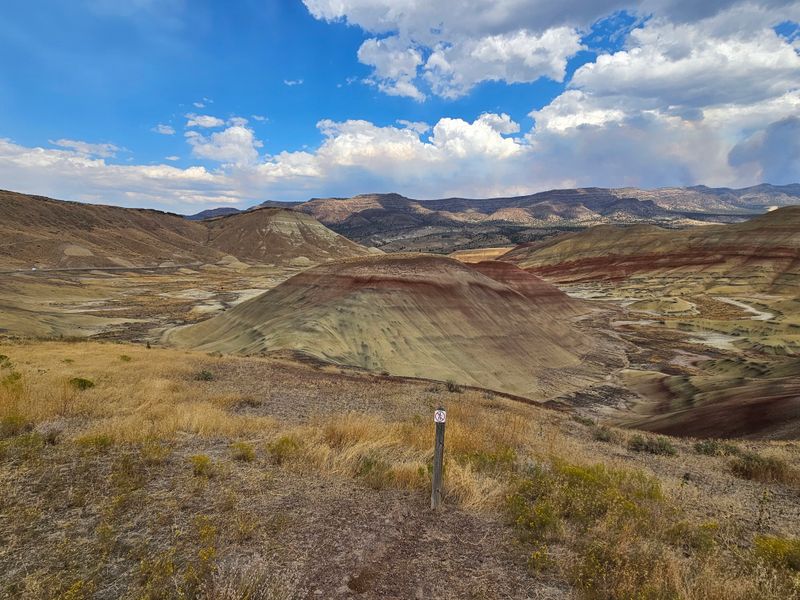
Driving through central Oregon, you might not expect to encounter landscapes that look like they belong on another planet. But Blue Basin, part of the John Day Fossil Beds National Monument, proves that Oregon’s geological diversity knows no bounds.
The blue-green hills of volcanic ash and clay rise in sculpted formations that seem to glow in certain light, creating a surreal hiking experience unlike anything else in the state.
The basin formed from layers of volcanic ash that accumulated over millions of years, preserving fossils from ancient ecosystems that once thrived here. Walking the Island in Time Trail takes you through these colorful formations, with interpretive signs explaining the incredible history locked in the rocks beneath your feet.
The colors shift from blue to green to gray depending on mineral content and lighting conditions.
What makes this place special is not just the unusual beauty but also the sense of walking through deep time. The fossils found here have helped scientists understand how life evolved and adapted over millions of years.
Yet despite its scientific significance and visual drama, Blue Basin remains relatively quiet, with only a handful of visitors on most days.
The trail itself is moderate and family-friendly, making this an accessible adventure for most fitness levels. Early morning or late afternoon light brings out the most intense colors, though the formations remain striking throughout the day.
Locals appreciate this spot for its combination of education and natural beauty, offering insights into Oregon’s ancient past while providing a peaceful escape from modern life.
Address: Blue Basin Overlook Trail, Dayville, OR 97825
7. Pillars of Rome
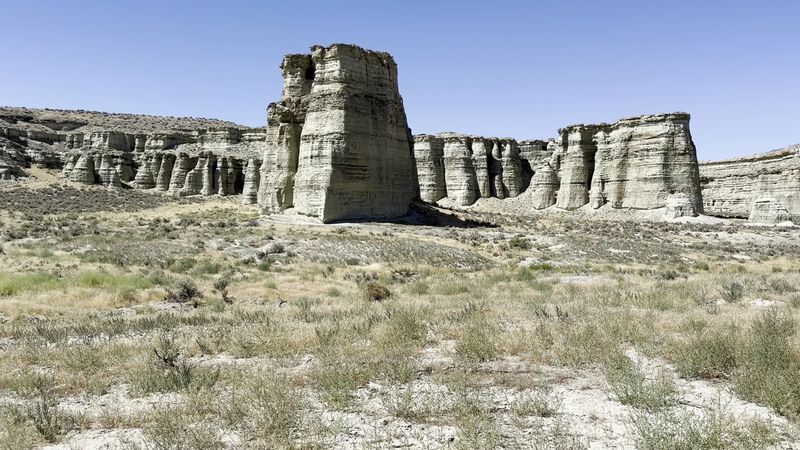
Far out in the remote reaches of southeastern Oregon, where paved roads give way to gravel and cell service becomes a memory, the Pillars of Rome rise from the earth like ancient monuments built by giants. These massive basalt columns tower over the surrounding landscape, creating a dramatic skyline that seems impossible until you’re standing beneath them.
The isolation of this location keeps visitor numbers low, preserving the sense of discovery that comes with finding such a striking natural feature.
The pillars formed from volcanic activity millions of years ago, with cooling lava creating the distinctive columnar formations that now stand as sentinels over the high desert. From a distance, they look like a fortress or ruined city, which inspired early settlers to name them after the architectural wonders of ancient Rome.
Up close, the scale becomes even more impressive, with individual columns reaching skyward in perfectly geometric patterns.
Getting here requires careful planning and a vehicle capable of handling rough roads. The nearest services are many miles away, making this a true backcountry destination.
But those who make the journey are rewarded with scenery that feels utterly primordial, where the silence is broken only by wind and the occasional call of a raven.
Photography enthusiasts find endless compositions as the light changes throughout the day, casting shadows and highlighting textures in the rock. The surrounding high desert supports hardy vegetation and wildlife adapted to extreme conditions, adding ecological interest to the geological drama.
This is Oregon at its most raw and magnificent.
Address: Near Rome, OR 97910 (remote location, check local directions)
8. Imnaha River Canyon
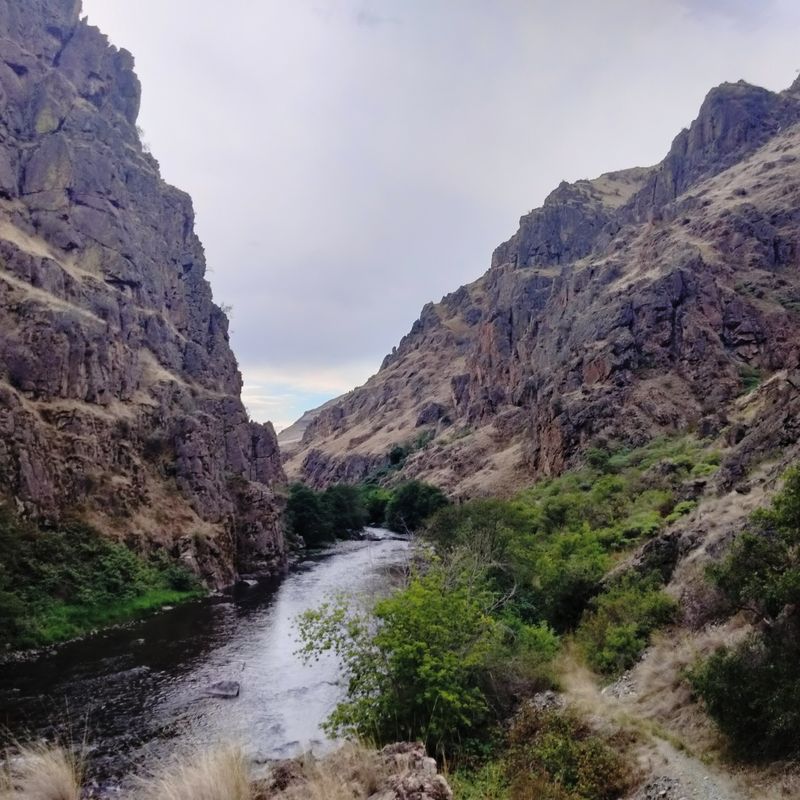
While many visitors to the Wallowa region focus on the lake and main wilderness areas, locals know that the Imnaha River Canyon offers equally spectacular scenery with far fewer people. This rugged canyon cuts deep into the landscape, with the river carving its way through layers of rock that tell stories of geological upheaval and patient erosion.
The road that follows the canyon provides access to fishing spots, hiking trails, and viewpoints that reveal the wild character of this region.
The Imnaha River itself is renowned among anglers who seek steelhead and salmon in waters that remain relatively uncrowded compared to more famous fishing destinations. The canyon walls rise steeply on either side, creating a sense of enclosure that contrasts with the wide-open spaces found elsewhere in Eastern Oregon.
Wildlife is abundant, with elk, deer, and bears commonly spotted by those who spend time exploring the area.
Small ranches and homesteads dot the canyon, remnants of a time when this region supported more human settlement. The few remaining residents maintain a lifestyle connected to the land, and their presence adds a layer of human history to the natural beauty.
Driving through the canyon feels like traveling back in time, where the pace of life slows and modern concerns fade away.
Hiking opportunities range from riverside trails to challenging climbs that lead to ridgetop views overlooking the entire canyon system. Spring brings wildflowers and rushing water from snowmelt, while fall offers cooler temperatures and the chance to witness wildlife preparing for winter.
This is the Oregon that rewards those who venture beyond the guidebook highlights.
Address: Imnaha River Road, Imnaha, OR 97842
9. Tom McCall Preserve at Rowena Crest
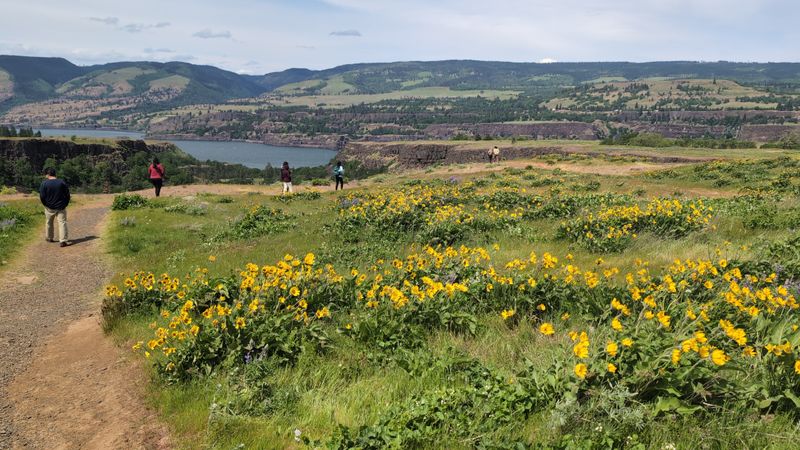
Perched high above the Columbia River Gorge, Tom McCall Preserve offers one of the most spectacular viewpoints in all of Oregon. The sweeping curves of the old highway create iconic photo opportunities, but the preserve itself holds treasures that go far beyond that single vista.
Spring transforms the hillsides into carpets of wildflowers, with dozens of species creating a display of color that draws botanists and nature lovers from across the region.
The preserve protects rare and endangered plant species found nowhere else, making it a critical conservation area as well as a recreational destination. Trails wind through different ecosystems, from oak woodlands to open grasslands, each supporting unique communities of plants and animals.
The views across the gorge are breathtaking from multiple vantage points, with the Columbia River cutting through the landscape far below.
What sets this place apart is the combination of accessibility and genuine natural value. You can experience world-class scenery and rare wildflowers without the need for extensive hiking or specialized equipment.
The preserve remains relatively uncrowded outside of peak wildflower season, offering solitude and beauty throughout much of the year.
Birdwatchers find excellent opportunities here, with raptors riding thermals above the cliffs and songbirds inhabiting the varied habitats. The changing seasons bring different experiences, from the lush greens of spring to the golden hues of summer and the stark beauty of winter.
Locals consider this a special place where natural beauty and ecological significance combine in a package that remains accessible to all.
Address: Rowena Crest Viewpoint, Mosier, OR 97040
10. Siuslaw National Forest Coastal Section
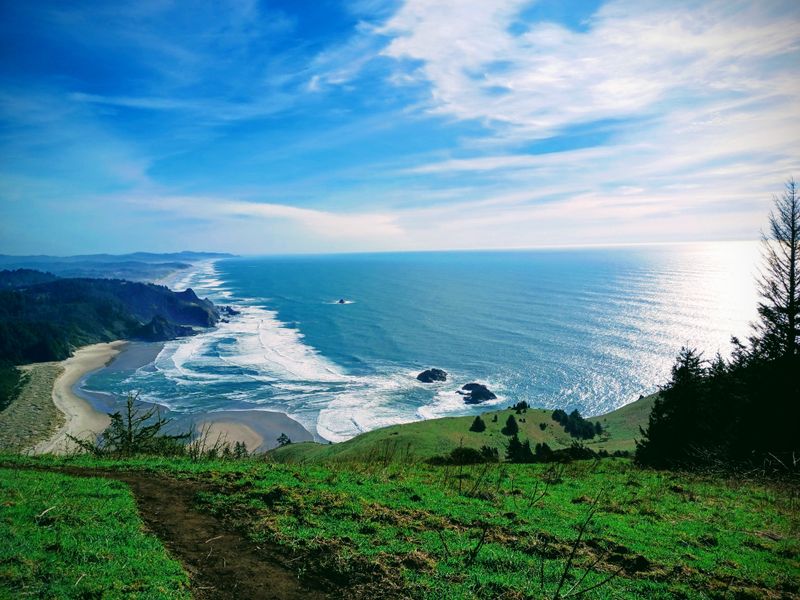
Oregon’s coast draws millions of visitors annually, yet vast stretches of the Siuslaw National Forest remain remarkably quiet and undiscovered. Beyond the popular attractions and crowded beaches, this forest offers hidden trails, secluded coves, and old-growth stands that provide the kind of coastal forest experience that’s becoming increasingly rare.
Areas near Cape Lookout showcase this perfectly, with trails winding through massive Sitka spruce and hemlock before emerging onto beaches where you might be the only person for miles.
The coastal section of this forest encompasses diverse ecosystems where ocean meets temperate rainforest. Moss drapes from branches in thick curtains, ferns carpet the forest floor, and the sound of waves mingles with birdsong to create an atmosphere of profound peace.
Trails range from easy beach walks to challenging ridge hikes that offer panoramic views of the Pacific.
Locals treasure these lesser-known areas for the solitude they provide, especially during summer months when popular beaches become parking lot nightmares. You can practice forest bathing in groves that feel ancient and untouched, or explore tide pools on beaches where footprints in the sand remain rare.
The forest service maintains these areas with minimal development, preserving the wild character that makes them special.
Wildlife viewing opportunities abound, with Roosevelt elk often spotted in meadows near the forest edge, and gray whales visible from coastal viewpoints during migration seasons. The combination of forest and ocean creates microclimates that support unique plant communities found only in these narrow coastal zones.
This is Oregon’s coast as it once was, before tourism transformed the more accessible areas.
Address: Siuslaw National Forest, Coastal Ranger District, Hebo, OR 97122
Dear Reader: This page may contain affiliate links which may earn a commission if you click through and make a purchase. Our independent journalism is not influenced by any advertiser or commercial initiative unless it is clearly marked as sponsored content. As travel products change, please be sure to reconfirm all details and stay up to date with current events to ensure a safe and successful trip.
