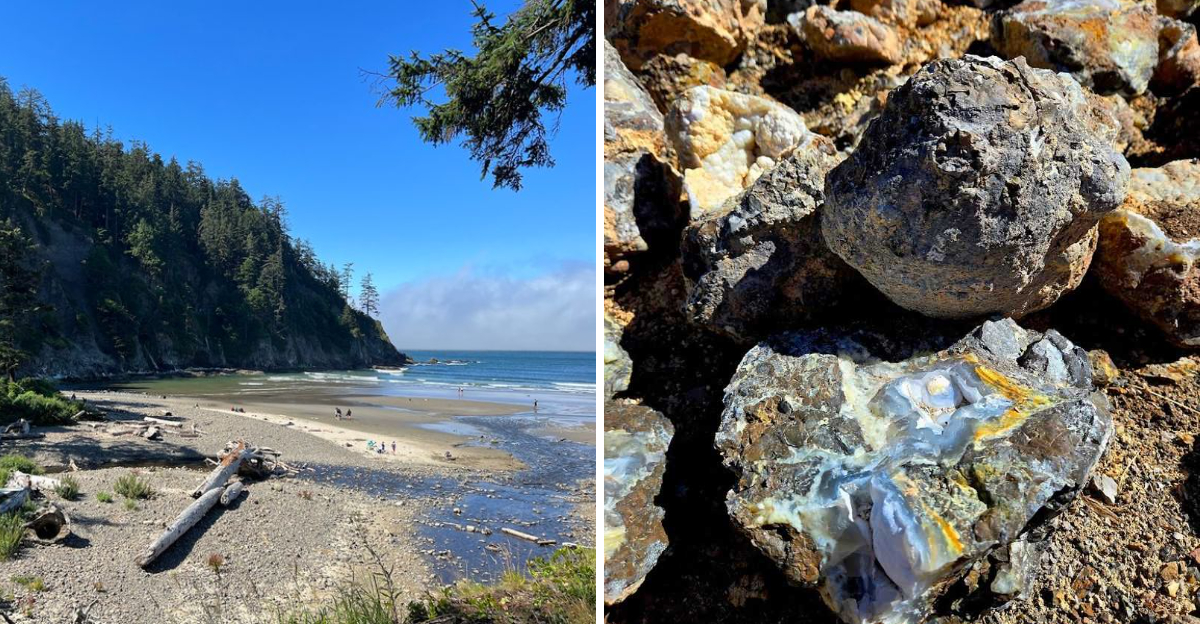
A beach after a storm is a different place entirely, the tide pulls back the sand and reveals a surface littered with small treasures. The Oregon Coast offers a constantly changing landscape for those who enjoy the hunt.
Patience and a good eye are often rewarded. You might spot a piece of smooth, frosted sea glass nestled among the pebbles.
The ocean has spent years polishing it into something beautiful. In other spots, a closer look at the grey mudstone might reveal the delicate imprint of a shell.
You could find a fossilized bone from an ancient creature that swam these waters millions of years ago. Some beaches are known for rare blue agates that appear after winter storms strip the sand away.
Others are the only places to search for colorful glass floats hidden along the shore. The fossils come from different ancient formations waiting to be discovered by those who know where to look.
In the quieter winter months, when the summer crowds have thinned, the coast becomes a peaceful frontier for the dedicated beachcomber. A simple walk can turn into a quiet adventure.
Each find feels like a small piece of Oregon’s history, polished by the sea and waiting just for you.
1. Beverly Beach, Newport, Oregon
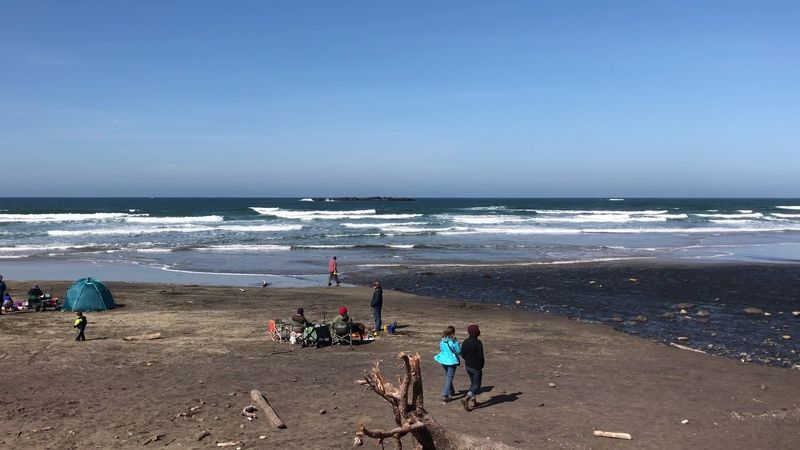
Beverly Beach sits close to Moolack Beach on the central Oregon coast, and the two spots complement each other perfectly for a full day of coastal exploration. Both are near Newport, Oregon, and both reward careful, patient searching.
Sea glass, agates, and fossils all appear here with regularity. The mix of sandy stretches and rocky gravel pockets gives you multiple surfaces to check, which keeps the hunt interesting from start to finish.
This beach also benefits from being part of a state park, so the facilities are clean and the access is straightforward. Parking is available, and the park has restrooms, which matters more than people admit when planning a long day outside.
Newport is one of the better towns on the Oregon coast for combining outdoor adventure with a solid meal afterward. The bayfront area offers fresh seafood and a lively atmosphere that feels genuinely local rather than purely tourist-driven.
Timing your visit to Beverly Beach around a low tide, ideally a minus tide, gives you the best shot at finding exposed material in the gravel beds. The beach faces west, so late afternoon light makes spotting translucent agates much easier.
Beverly Beach is a reliable producer rather than a flashy one, and that consistency is part of its appeal. Collectors who return here multiple times tend to build a genuinely impressive collection over the course of a season.
2. Oceanside Beach, Oceanside, Oregon
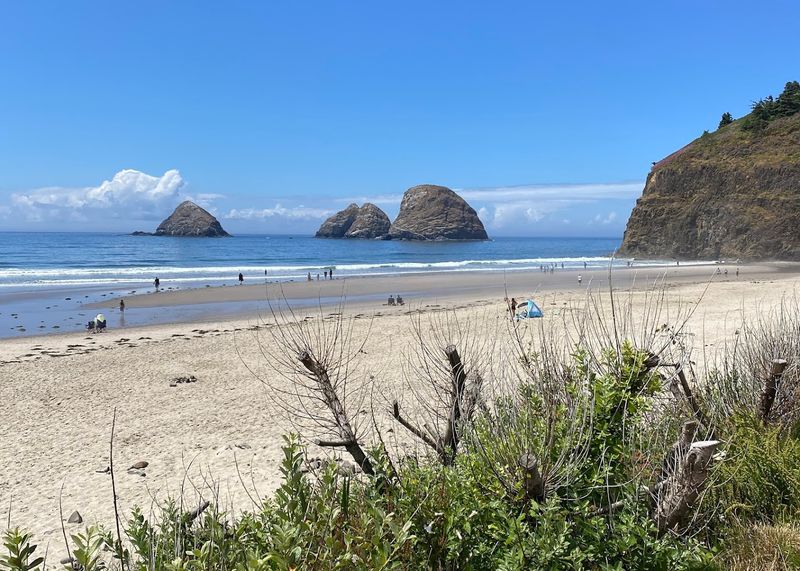
Oceanside Beach has a feature that most beaches simply cannot offer: a tunnel. At low tide, you can walk through a natural passage at Maxwell Point to reach hidden gravel beds on the other side, and those beds are loaded with agates.
The small coastal town of Oceanside sits on the northern Oregon coast, about 10 miles west of Tillamook. It is the kind of place that feels undiscovered even when other people are clearly there too.
Just down the shoreline, Short Sand Beach has earned the informal nickname of agate beach among locals. The nickname is well-deserved.
Both spots tend to produce translucent agates in cream, orange, and reddish tones.
Hunting through the gravel beds here requires patience and a good eye for translucency. Holding a stone up to the light is the classic test, and it works.
Agates glow; plain rocks do not.
The tunnel at Maxwell Point is accessible during lower tides, but it is worth checking tide charts before you plan your visit. Going through at the wrong time means wet feet at best and a blocked path at worst.
Oceanside is also just a beautiful place to spend a few hours regardless of what you find. The views of Three Arch Rocks offshore are striking, and the beach itself is far less crowded than many better-known Oregon coast destinations.
That quiet makes the whole experience feel more rewarding.
3. Lincoln City Beaches, Lincoln City, Oregon
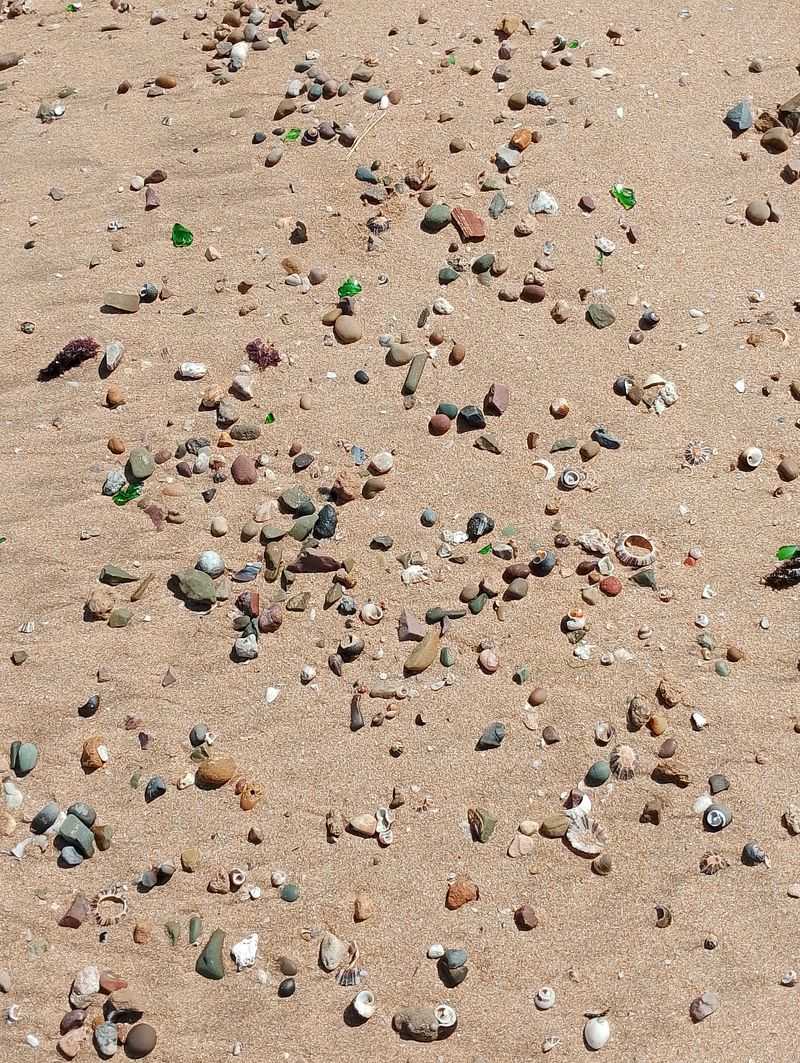
Lincoln City has quietly built a reputation as one of the top beachcombing destinations on the entire West Coast. The beaches here offer driftwood, fossils, jasper, and agate in quantities that keep collectors coming back season after season.
What really sets Lincoln City apart, though, is the Finders Keepers program. Local glass artists hand-blow colorful glass floats, and volunteers hide them along the beach for visitors to discover.
Finding one is completely free and genuinely thrilling.
The floats range from small and simple to large and elaborately decorated. Each one is a one-of-a-kind piece of art, and you get to keep it if you find it.
Lincoln City sits along the central Oregon coast, roughly 90 miles southwest of Portland. The town is easy to reach and well set up for visitors, with hotels, shops, and restaurants lining the main road.
For rockhounds, the gravel areas near creek outflows and rocky sections of beach tend to produce the best agate finds. Jasper pieces in earthy reds and yellows also turn up regularly for those willing to look carefully.
The Finders Keepers season typically runs from mid-October through Memorial Day weekend. Even outside that window, the beachcombing here is strong enough to justify the trip on its own merits.
Bring a keen eye and a light jacket, because the Oregon coast has its own ideas about weather.
4. Bob Creek, Yachats, Oregon
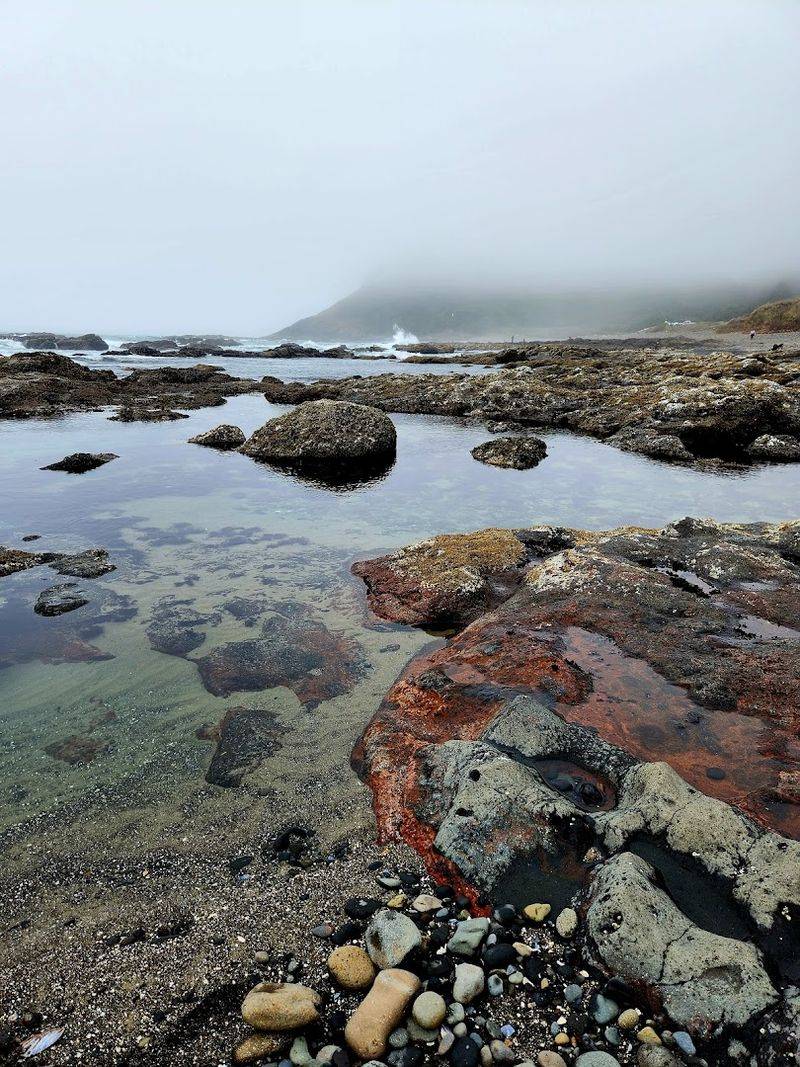
South of the small coastal town of Yachats, Oregon, a rocky shoreline called Bob Creek has built a quiet following among agate hunters and tide pool enthusiasts. The scenery alone makes the stop worthwhile.
The basalt formations along this stretch of coast are dramatic and photogenic, but the real draw for rockhounds is the gravel and rock material that collects in the lower intertidal zones. Agates show up here in good numbers during the right conditions.
Tide pool exploring is a serious secondary attraction at Bob Creek. The pools here hold sea stars, anemones, hermit crabs, and a rotating cast of other marine life that genuinely surprises first-time visitors.
Yachats itself is a beloved stop on the central Oregon coast, located along U.S. Route 101 about 24 miles south of Newport.
The town has a strong arts community and several excellent spots to grab coffee or a meal after time on the rocks.
Low tide access is essential at Bob Creek. The best agate-bearing gravel and the most active tide pools are only reachable when the water pulls back far enough to expose the lower bench areas.
Wear shoes with solid grip here. The basalt is often covered in slick algae, and a careful step is worth more than a hurried one.
Bob Creek rewards visitors who move slowly, look closely, and take the time to really read the shoreline before they start collecting.
5. Seaside Beach, Seaside, Oregon
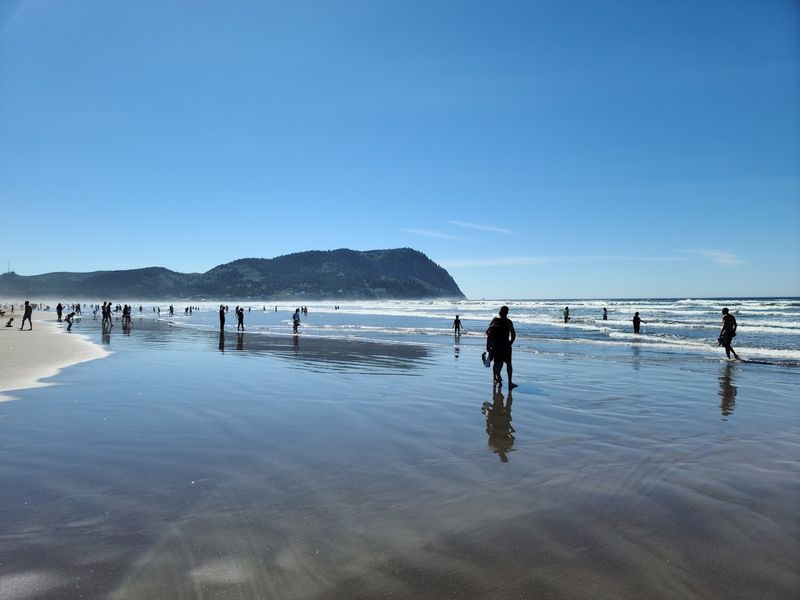
Sand dollars have a way of making people genuinely happy. Seaside Beach, on the northern Oregon coast, is one of the better places in the state to find them in solid condition.
The area near the mouth of the Necanicum River is the sweet spot. Sand dollars tend to concentrate in the shallower, calmer water near river mouths, and the Necanicum delivers reliable deposits after good wave action.
Seaside, Oregon, sits about 80 miles northwest of Portland, making it one of the most accessible coast destinations in the state for day-trippers. The town itself is lively and family-friendly, with a classic boardwalk and plenty of shops.
Beyond sand dollars, the beach here offers general beachcombing opportunities including shells, smooth stones, and the occasional piece of sea glass. The wide, flat sandy expanse makes walking easy and gives you lots of ground to cover.
Early morning visits, especially after a storm or a high tide, tend to produce the best finds. Fresh material gets deposited overnight, and getting there before the crowds means first pick of whatever washed in.
Whole sand dollars are more fragile than they look, so bring a container with some padding if you want to bring them home intact. A small plastic container with a lid works well.
Seaside Beach has a relaxed, cheerful energy that makes it an easy favorite for families and solo collectors alike.
6. Moolack Beach, Newport, Oregon
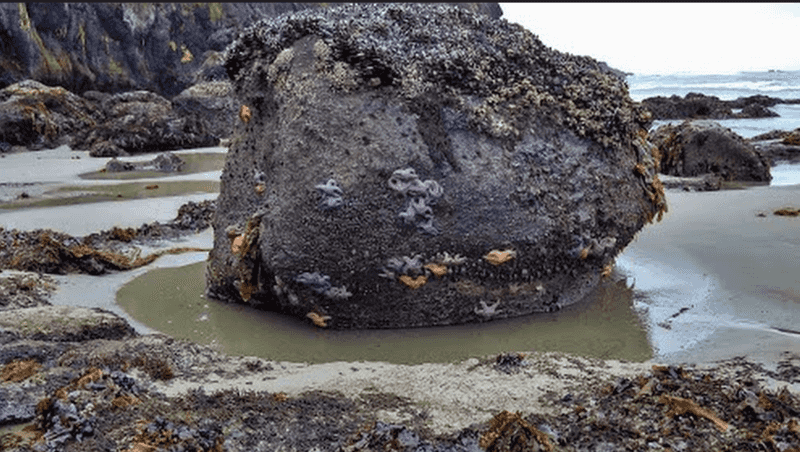
There is something deeply satisfying about a beach that has not been tidied up for tourists. Moolack Beach, located north of Newport along the central Oregon coast, is exactly that kind of place.
This rugged, undeveloped stretch of shoreline draws serious beachcombers who know that the rougher the beach, the better the finds. Sea glass, agates, fossils, and ancient petrified wood all show up here with enough patience.
The beach sits outside the typical tourist loop, which means fewer people competing for the good stuff. That alone makes it worth the detour.
Newport itself is a solid base for exploring the area. It sits along U.S.
Route 101 on the central Oregon coast and offers plenty of food options and lodging after a full day of hunting.
Low tide is your best friend at Moolack. Timing your visit around a minus tide gives you access to more exposed gravel beds where agates and sea glass tend to concentrate.
Petrified wood shows up here more often than at many other coast spots, which makes Moolack a bit of a wildcard in the best possible way. Bring a bag with a sturdy bottom, because a good haul gets heavy fast.
The beach requires a short walk from the roadside pullout, and the path is manageable for most visitors without any special gear.
7. Arcadia Beach, North Oregon Coast
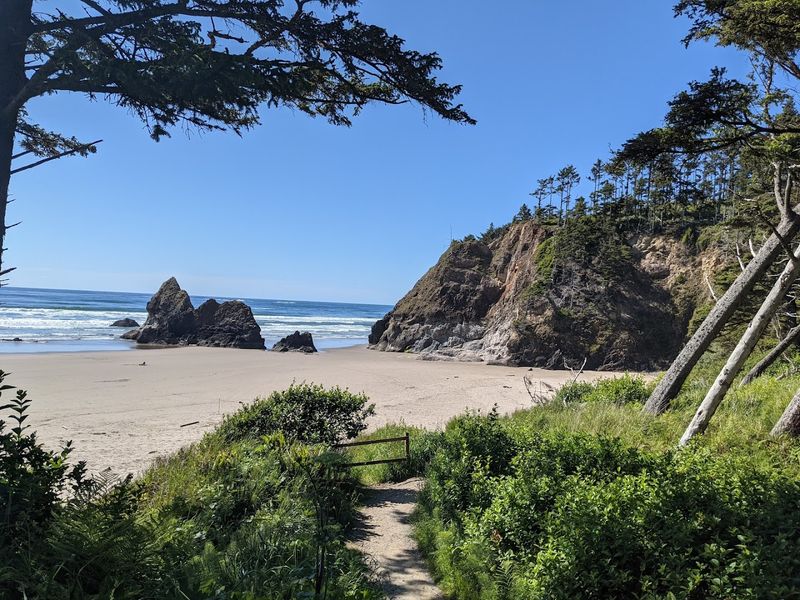
Arcadia Beach sits on the north Oregon coast, and it has a practical tip that separates experienced beachcombers from beginners: look near the stream outfalls. Rocky deposits near where freshwater meets the ocean are some of the most productive spots for finding sea glass.
The logic makes sense once you understand it. Streams carry and sort material as they flow, depositing heavier items like glass and smooth stones in predictable spots near their mouths.
That concentration effect does a lot of the work for you.
The beach itself is scenic and relatively quiet compared to the more heavily visited spots in the area. Haystack Rock and Cannon Beach are close by, which means Arcadia often gets skipped, and that works in your favor as a collector.
The north Oregon coast generally runs cooler and foggier than the central or southern coast, so layering up is a practical necessity rather than a suggestion. Fog can roll in quickly, and a windproof layer makes a real difference in comfort.
Sea glass in green and brown tones is the most common find here, but occasional pieces of white, blue, and even rare red glass turn up for persistent hunters. Each color tells a small story about where it came from and how long it traveled.
Arcadia Beach rewards the methodical visitor who checks the gravel carefully rather than scanning quickly and moving on. Slow down, work the outfall zones, and the beach will give something up.
8. Short Sand Beach, Oswald West State Park, Oregon
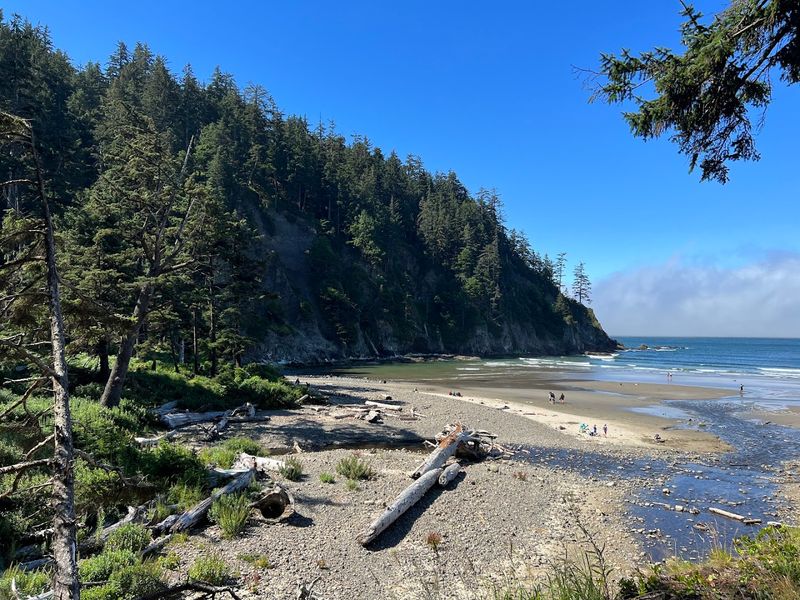
Short Sand Beach earns its reputation among Oregon beachcombers for a very specific reason: Necarney Creek flows directly into the ocean here, and creek mouths are prime territory for collecting. The creek sorts and deposits material in ways that make searching efficient and rewarding.
Oswald West State Park, where the beach is located, is one of the most beautiful state parks on the Oregon coast. Old-growth Sitka spruce and cedar line the trail down to the beach, and the whole approach feels dramatic and a little wild.
The beach itself is dark-sanded and compact, flanked by headlands on both sides. That enclosed geography helps trap and hold material that washes in, giving collectors more to work with during each visit.
Oswald West State Park sits on the north Oregon coast, roughly 10 miles south of Cannon Beach. The access trail from the parking area is about a half-mile walk through dense forest, which is easy enough for most visitors but worth knowing in advance.
Surfers also love Short Sand Beach, so the spot has a laid-back, outdoorsy crowd that adds to the atmosphere without getting in the way of beachcombing. The two activities coexist easily here.
Necarney Creek is your guide on this beach. Follow it toward the ocean, search the gravel banks on either side, and check the wet sand near the mouth where fresh material deposits after each tidal cycle.
Patience here pays off consistently.
9. Polka Dot Agate Mine, Madras, Oregon
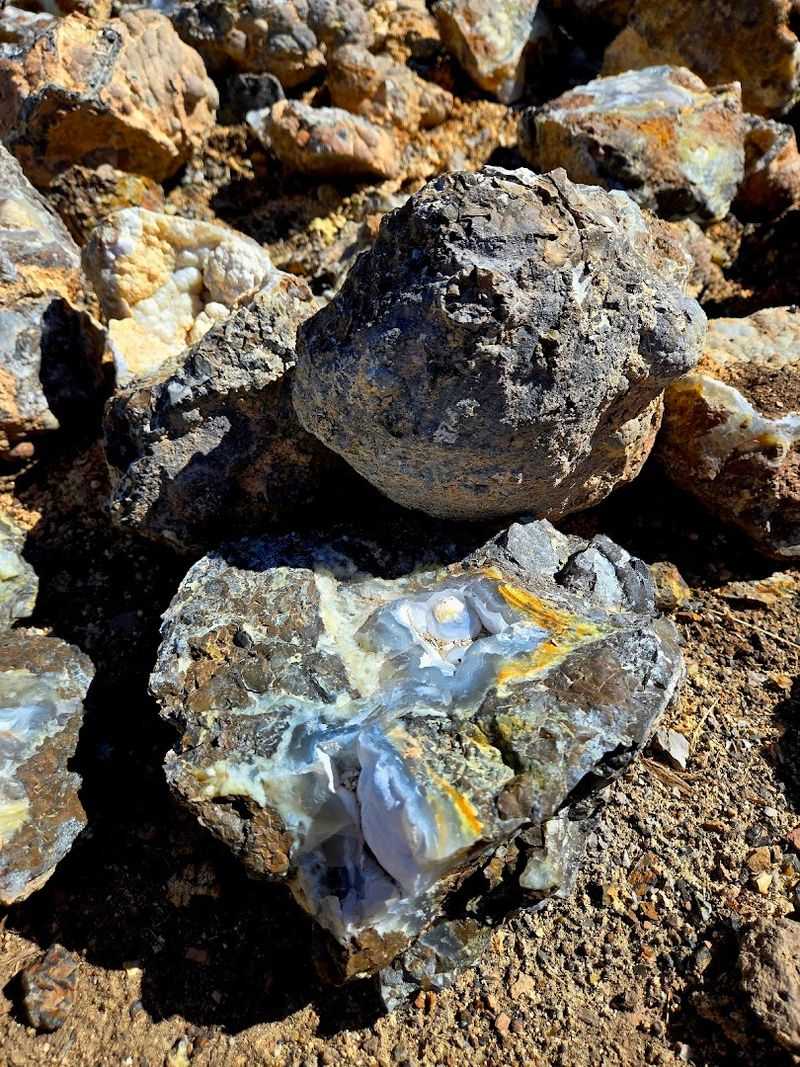
The name alone should get your attention. Polka Dot agate is one of the most visually distinctive stones found anywhere in the Pacific Northwest, and the mine near Madras, Oregon, is one of the few places where you can dig for it yourself.
The stone gets its name from the orbicular patterns inside it, small circular dot formations in contrasting colors that look almost intentional, like something a designer created rather than nature. Each piece is genuinely unique.
The mine operates as a fee dig site, meaning you pay for access and keep what you find. That setup makes the experience feel interactive and personal rather than just transactional.
You earn what you take home.
Madras sits in Jefferson County in north-central Oregon, roughly 40 miles north of Bend. The high desert setting is striking, with views of Mount Jefferson and other Cascade peaks visible on clear days from the surrounding area.
The digging itself is hands-on and physical, so come prepared with layered clothing, solid boots, and a willingness to get dirty. Most visitors bring their own small tools, though checking with the mine in advance about what equipment is recommended is always a smart move.
Polka Dot agate cuts and polishes beautifully, which makes it especially popular with lapidary hobbyists who want to work their own rough material. Even if you only find a small piece, it is the kind of stone that holds your attention long after the trip is over.
