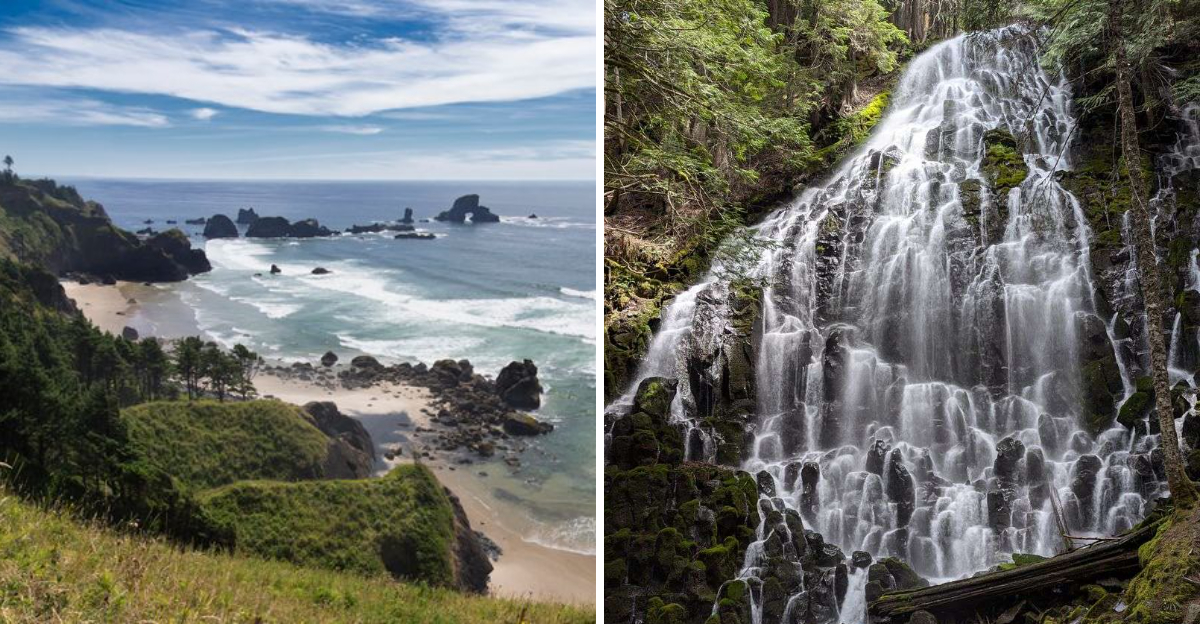
Oregon doesn’t need to shout about its beauty. The state has carved out a reputation for natural wonders that speak softly but carry a powerful punch, and the locals know exactly where to find them.
While tourists flock to the famous landmarks with their crowded parking lots and selfie sticks, Oregonians have their own list of go-to places that offer something far more valuable: authenticity. These spots don’t have flashy visitor centers or over-the-top amenities, yet people return to them season after season, year after year.
What makes these places special isn’t marketing or hype; it’s the genuine connection they offer to Oregon’s wild heart.
From alpine lakes that mirror snow-capped peaks to coastal hideaways where the waves crash against ancient rock formations, these destinations deliver exactly what they promise without pretense.
They’re the kinds of places where you can breathe deeply, move at your own pace, and remember why you fell in love with the Pacific Northwest in the first place.
1. Lost Lake Near Mount Hood
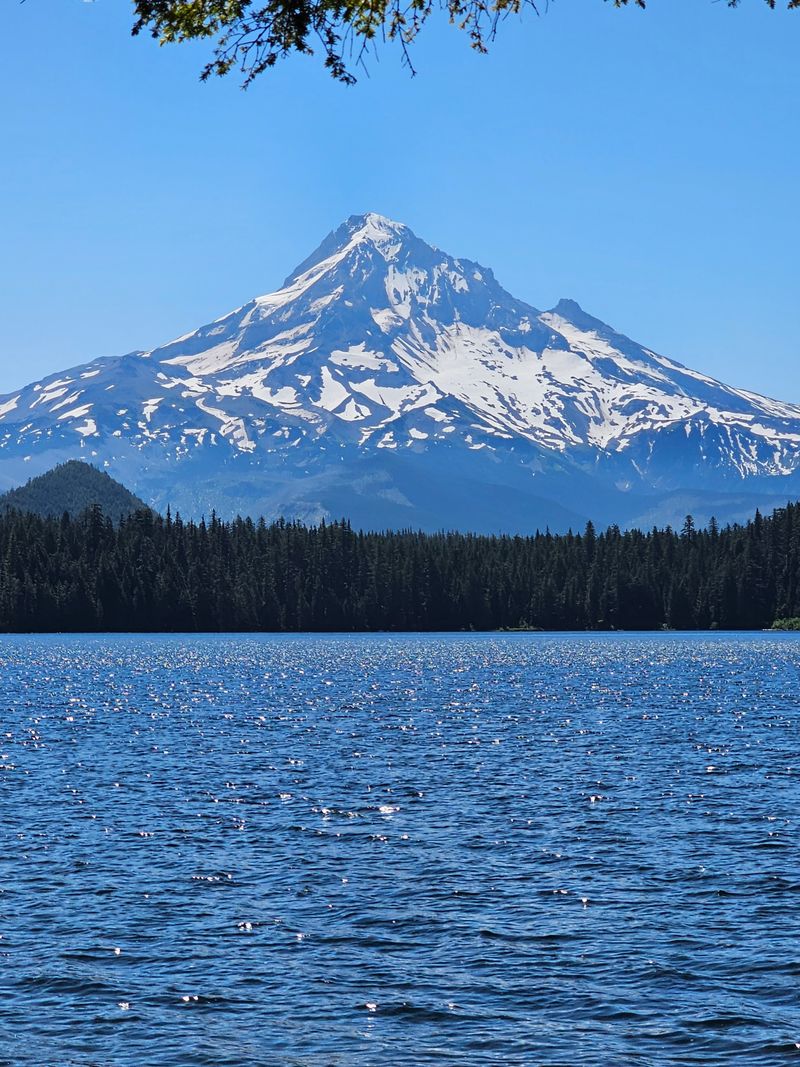
Nestled in the shadow of Mount Hood, Lost Lake offers one of the most photographed views in Oregon without any of the tourist trappings. The lake’s glassy surface creates a mirror-perfect reflection of the mountain on calm mornings, and locals arrive early to catch that magical moment before the day’s breeze ripples the water.
You’ll find no elaborate facilities here, just simple pleasures like rowboat rentals, quiet campsites tucked among old-growth forest, and hiking trails that wind through huckleberry patches.
The address is 8801 Lost Lake Road, Hood River, and getting there requires a drive down a winding forest road that feels like a journey back in time. Families pack picnic lunches and spend entire afternoons skipping stones along the shoreline or paddling across the calm waters.
The swimming area stays refreshingly cool even in summer, fed by snowmelt from the mountain above.
What keeps people coming back isn’t just the stunning scenery. Lost Lake delivers a sense of peace that’s increasingly hard to find in our connected world.
Cell service is spotty at best, which means conversations happen face-to-face and kids actually look up from their devices.
The campground fills up on summer weekends, but midweek visits often mean you’ll have stretches of shoreline all to yourself. Fall brings a different kind of beauty when golden larches frame the mountain view.
Winter closes the road, but that doesn’t stop dedicated snowshoers from making the trek in for an even more secluded experience.
2. Silver Falls State Park
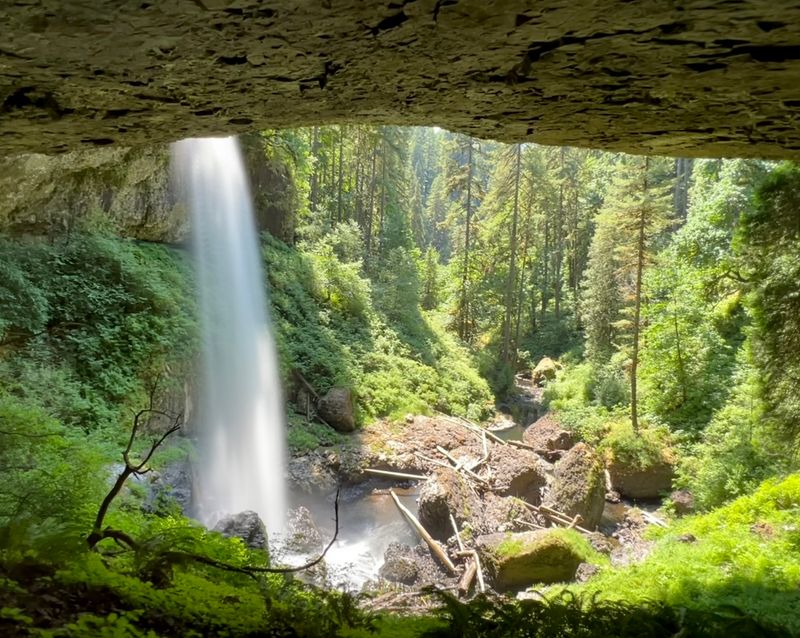
Known affectionately as the crown jewel of the Oregon State Parks system, Silver Falls delivers an experience that feels almost too good to be true. The Trail of Ten Falls loops through a canyon where you can walk behind multiple waterfalls, feeling the mist on your face and hearing the thunder of water crashing over basalt cliffs.
Locals appreciate that this park offers Multnomah Falls’ drama without the tour bus crowds that clog the more famous spot.
Located at 20024 Silver Falls Highway SE in Sublimity, the park sits about an hour from Portland and Salem, making it an easy escape for city dwellers seeking nature. The main loop trail stretches for miles but remains accessible to hikers of varying abilities, with shorter options available for those wanting a taste without the full commitment.
Spring runoff makes the falls particularly impressive, while autumn transforms the canyon into a riot of gold and crimson leaves.
The South Falls serves as the park’s signature attraction, where a paved path leads behind the cascading water into a natural amphitheater carved by centuries of erosion. Kids love the adventure of walking through the spray, and photographers never tire of capturing the interplay of light filtering through the falls.
Winter visits offer a completely different perspective when ice formations cling to the canyon walls and fewer footprints mark the trail. The park’s size means you can always find a quiet stretch even on busy weekends, and locals know the secret spots where smaller falls create intimate grottos perfect for contemplation.
3. Ramona Falls
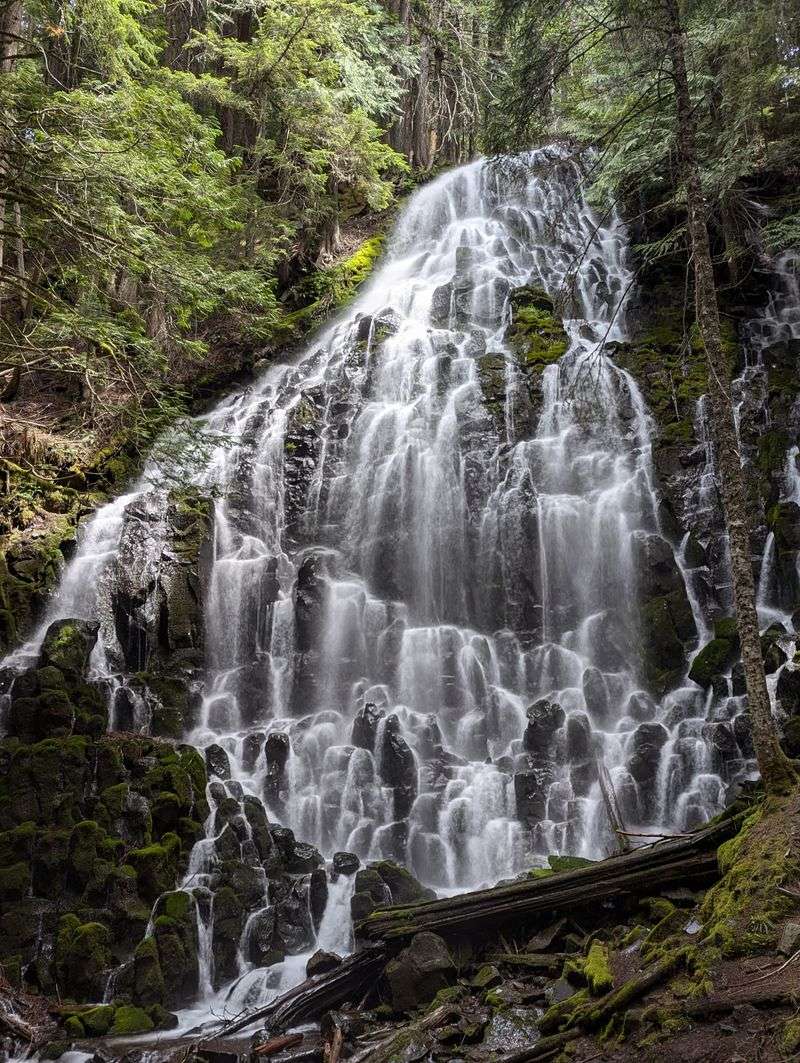
Tucked away in the Mount Hood Wilderness, Ramona Falls rewards those willing to make the moderately challenging trek through dense forest. The waterfall itself cascades over a wall of columnar basalt in a delicate, fan-shaped pattern that looks like nature’s own lacework.
Moss clings to every surface, creating a scene so lush and green it feels like stepping into a fairy tale.
The trailhead sits at the end of Forest Road 1825, accessible from Highway 26, though the final stretch of road can test your vehicle’s suspension. The hike measures several miles each way, crossing the Sandy River on a log bridge that adds a touch of adventure to the journey.
Old-growth cedars tower overhead, and the forest floor erupts with ferns and wildflowers depending on the season.
What makes Ramona Falls special isn’t just its beauty but its relative solitude. While not completely unknown, it attracts far fewer visitors than more accessible waterfalls, meaning you might have the viewing area to yourself for minutes at a time.
The sound of water trickling over hundreds of individual basalt columns creates a soothing symphony that drowns out the noise of everyday life.
Summer brings optimal conditions with full water flow and clear trails, though the hike remains doable well into fall. Locals pack out their trash and treat the area with respect, understanding that its pristine condition depends on visitor stewardship.
The pool at the base stays icy cold year-round, fed by glacial melt from the mountain above, perfect for cooling tired feet after the hike in.
4. Tamolitch Blue Pool

The McKenzie River vanishes underground for miles, then resurfaces in a pool so intensely blue it looks like someone dropped food coloring into it. Tamolitch Blue Pool sits in a dry riverbed, fed entirely by underground springs that maintain a constant frigid temperature year-round.
The color comes from the water’s exceptional clarity and depth, creating an almost supernatural shade of turquoise that stops hikers in their tracks.
You’ll find the trailhead along McKenzie River Highway near milepost 5, with the pool requiring a moderate hike through old-growth forest. The trail follows the dry riverbed for part of the journey, an eerie landscape of smooth stones and driftwood that hints at the river’s power when it flows above ground.
Lava flows thousands of years ago created the underground channels that give this place its unique character.
Brave souls take the plunge into the pool despite water temperatures that hover around freezing. The cold hits like a shock, stealing your breath and sending your heart racing, but locals swear by the invigorating rush.
Most visitors content themselves with dangling feet in the shallows or simply sitting on the smooth rocks to marvel at the improbable color.
The surrounding forest provides dappled shade and the constant sound of birdsong, creating a peaceful atmosphere that encourages lingering. Photographers arrive at different times of day to capture how light plays across the water’s surface, each hour offering a slightly different hue.
Respect for the fragile ecosystem keeps most people from swimming with soaps or lotions, preserving the water’s pristine clarity for future visitors.
5. Wallowa Mountains
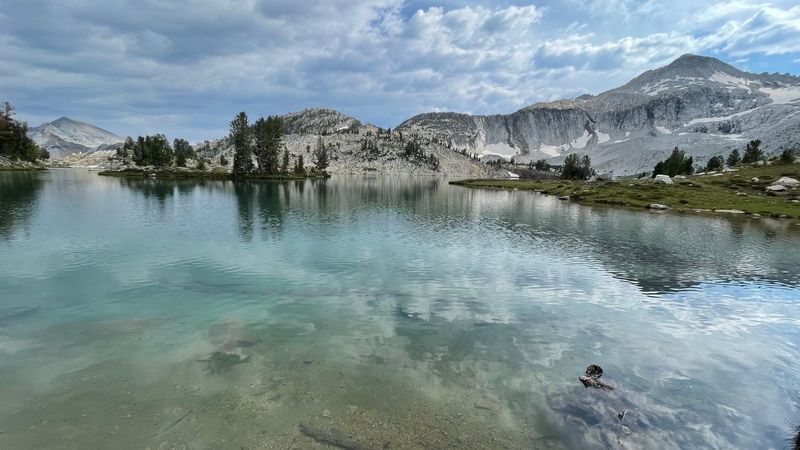
Rising dramatically from the northeastern corner of Oregon, the Wallowa Mountains earn their nickname as the Alps of Oregon through sheer rugged beauty. Granite peaks pierce the sky, alpine lakes dot the high country, and wildflower meadows explode with color during brief mountain summers.
This range attracts serious backpackers and wilderness lovers who crave solitude and aren’t afraid of earning their views through sweat and elevation gain.
The main access point runs through the small town of Joseph, where you can gather supplies before heading into the backcountry. The Wallowa Lake Tramway offers a shortcut to high elevations for those wanting alpine scenery without the multi-day commitment, though purists prefer earning their summit views on foot.
Trails range from day hikes to week-long expeditions through some of the most pristine wilderness remaining in the state.
Wildlife sightings come with the territory here, from mountain goats perched on impossible cliffs to black bears ambling through huckleberry patches. The lack of crowds means you’re more likely to encounter elk than other hikers on many trails.
Fishing in the high lakes yields native trout, though catch-and-release practices help maintain healthy populations.
Weather changes rapidly at elevation, and locals come prepared for everything from blazing sun to sudden snowstorms even in summer. The range’s remote location means cell service is nonexistent and help is far away, adding an element of self-reliance that appeals to adventurous souls.
Fall transforms the high country into gold and rust tones, while spring brings thundering waterfalls fed by snowmelt.
6. Ecola State Park
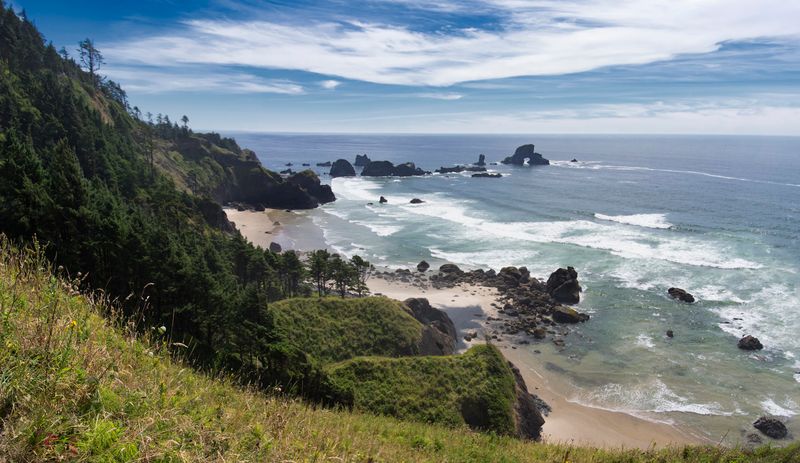
Perched on dramatic headlands just north of Cannon Beach, Ecola State Park delivers classic Oregon Coast scenery without the crowds that pack the main beach below. Haystack Rock appears in the distance from several vantage points, but here you’re sharing the view with seabirds rather than hundreds of other tourists.
The park’s hiking trails wind through Sitka spruce forests before emerging onto clifftops where the Pacific stretches to the horizon.
The park entrance sits at the end of Ecola State Park Road in Cannon Beach, with several parking areas providing access to different sections. Indian Beach attracts surfers who brave the cold water for consistent waves, while Crescent Beach offers tide pooling opportunities when the ocean retreats.
The Tillamook Head Trail connects the park to Seaside, providing a challenging but rewarding trek through coastal forest.
Gray whales pass close to shore during migration seasons, and patient watchers with binoculars often spot their spouts against the waves. Harbor seals haul out on offshore rocks, and during pupping season you might glimpse mothers with their young.
The constantly changing light creates different moods throughout the day, from morning fog that shrouds the coastline in mystery to golden hour when the setting sun paints everything amber.
Winter storms showcase the coast’s raw power, with waves crashing against sea stacks and spray flying high into the air. Locals know to check tide tables before exploring the beaches, as king tides can cut off access routes quickly.
The park’s relatively small size and limited parking naturally control visitor numbers, maintaining an intimate feel even during peak season.
7. Hood River Valley and Fruit Loop

While windsurfers and kiteboarders made Hood River famous, locals know the real treasure lies in the surrounding valley with its patchwork of orchards and farms. The Fruit Loop isn’t an actual loop but a collection of farm stands, u-pick operations, wineries, and cideries connected by scenic country roads.
Mount Hood provides a stunning backdrop to fields of pear and apple trees, creating postcard views around every bend.
The unofficial route winds through the valley south of Hood River, with most farms clustered along Highway 35 and the surrounding backroads. Spring brings clouds of pink and white blossoms that transform the valley into something magical, while autumn means harvest season with fresh-pressed cider and bins overflowing with crisp apples.
Many farms welcome visitors to pick their own fruit, offering a hands-on experience that connects people to where their food comes from.
Small family operations dominate the landscape, with many farms spanning multiple generations. You’ll find everything from lavender fields to alpaca ranches tucked among the fruit trees, each adding their own flavor to the agricultural tapestry.
Tasting rooms pour local wines and hard ciders, showcasing varieties that thrive in the valley’s unique microclimate.
The towns of Parkdale and Odell provide jumping-off points for exploration, with local restaurants featuring ingredients grown within miles of their kitchens. Weekend visits during harvest season can get busy, but the valley’s size means you can always find a quiet farm road to explore.
Winter blankets the orchards in snow with Mount Hood looming large, creating a different kind of beauty that few tourists witness.
8. Tualatin River National Wildlife Refuge
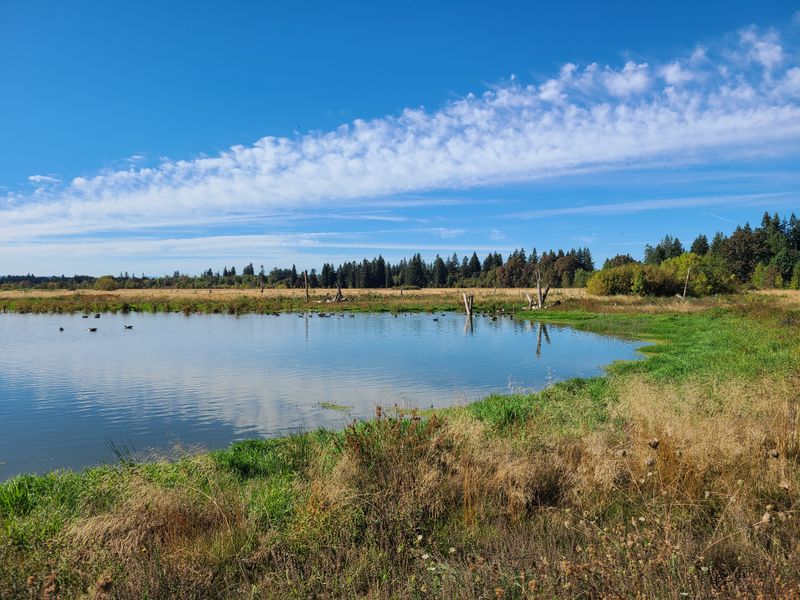
Surprising wetlands sprawl across the landscape just outside Portland’s urban sprawl, providing critical habitat for hundreds of bird species. The Tualatin River National Wildlife Refuge protects marshes, ponds, and riparian areas that once covered much of the Willamette Valley before agriculture and development claimed most of the land.
Locals escape here for quiet nature walks and exceptional birdwatching without driving hours from the city.
Located at 19255 SW Pacific Highway in Sherwood, the refuge maintains several miles of trails that wind through different habitats. Wooden boardwalks cross wetland areas where red-winged blackbirds call from cattails and great blue herons stand motionless in the shallows.
Spring migration brings waves of waterfowl, while summer means nesting season with ducklings and goslings paddling behind their parents.
The refuge’s proximity to Portland makes it invaluable as both a wildlife sanctuary and a place where people can reconnect with nature during lunch breaks or after work. Photographers arrive with long lenses hoping to capture raptors hunting over the marshes or the flash of a kingfisher diving for fish.
The flat terrain makes the trails accessible to visitors of all ages and abilities, with benches positioned at scenic spots for rest and observation.
Educational programs help visitors understand wetland ecology and the refuge’s role in maintaining biodiversity in an increasingly developed region. Seasonal changes bring different species, giving regular visitors reasons to return throughout the year.
The refuge feels worlds away from the nearby highways and shopping centers, proof that wild spaces can thrive even in urban areas with proper protection and management.
9. Detroit Lake
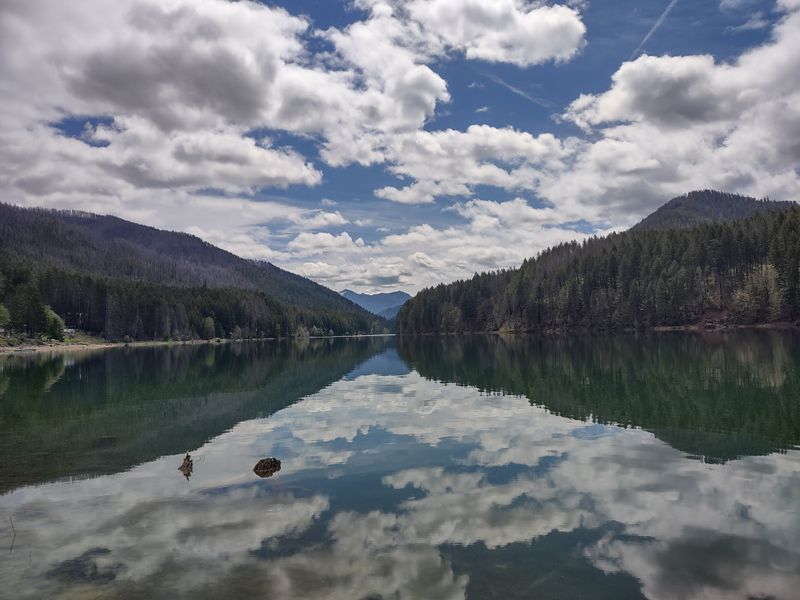
Created by a dam on the North Santiam River, Detroit Lake stretches for miles through the Cascade foothills, offering classic summer recreation that Oregonians have enjoyed for generations. Houseboats cruise the reservoir’s length, fishing boats troll for trout and salmon, and families claim favorite camping spots along the shoreline.
The lake’s size means there’s room for everyone, from jet skiers seeking thrills to kayakers preferring quiet coves.
Highway 22 runs along the lake’s southern shore, with the town of Detroit providing services and access points. Multiple campgrounds ring the lake, ranging from developed sites with full amenities to more primitive spots for those seeking a rustic experience.
Summer draws the biggest crowds when warm weather makes the water temperature tolerable for swimming and the surrounding forest provides shade from the sun.
The lake’s water level fluctuates dramatically depending on season and dam operations, revealing stumps and shoreline that’s normally underwater. Fall drawdowns expose beaches and create interesting landscapes, while spring fills the reservoir to capacity.
Mount Jefferson rises in the distance, adding alpine grandeur to the lake setting.
Marinas rent boats and provide launching facilities, making the lake accessible even to visitors without their own watercraft. Fishing remains popular year-round, with different species active in different seasons.
The area suffered during recent wildfires, but the forest is regenerating and the lake itself remains a draw for those seeking water-based recreation in a mountain setting. Locals appreciate the lake’s central location and reliable summer conditions, making it an easy choice for weekend getaways.
10. Harris Beach State Recreation Area
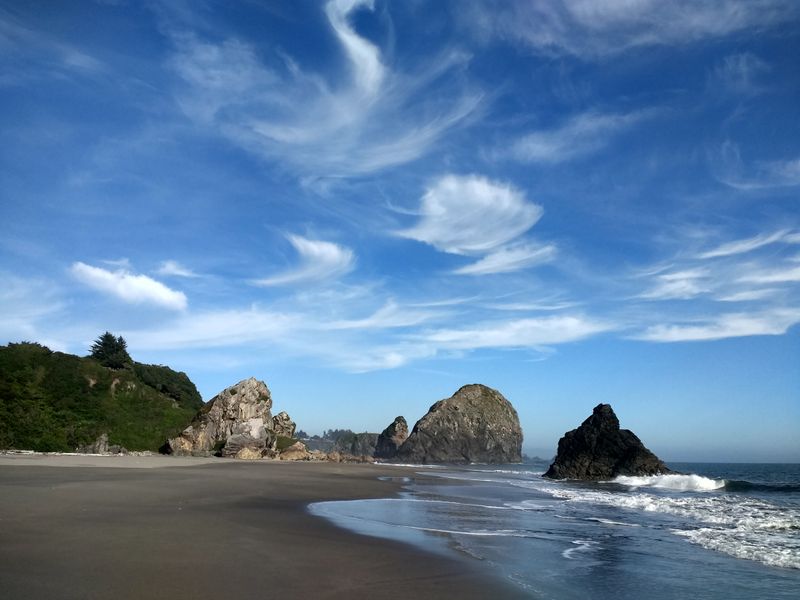
The southern Oregon coast takes on a wilder character, and Harris Beach near Brookings exemplifies this rugged beauty. Massive sea stacks rise from the surf like ancient sentinels, tide pools teem with colorful marine life, and the beach stretches wide enough to absorb visitors without feeling crowded.
Bird Rock just offshore hosts nesting seabirds, their calls carrying across the water to mix with the constant rhythm of waves.
The park sits at 1655 Highway 101 in Brookings, making it an easy stop for coast travelers or a destination in its own right. Camping facilities provide options from tent sites to RV hookups, with many sites offering ocean views.
The beach’s unique rock formations create natural sculptures that change appearance with the tide and light, giving photographers endless subjects to capture.
Low tide reveals a whole different world in the pools left behind, where anemones wave their tentacles and hermit crabs scuttle between rocks. Kids spend hours exploring these miniature ecosystems, learning about intertidal life through hands-on discovery.
The beach’s southern location means milder weather compared to the northern coast, with more sunny days and slightly warmer temperatures.
Harbor seals and sea lions frequent the area, and during whale migration season the offshore rocks provide excellent vantage points for spotting the giants. Winter storms create dramatic conditions with waves thundering against the sea stacks and spray flying high into the air.
The park’s location keeps it off most tourists’ radar, as many visitors focus on the more famous northern coast attractions, meaning locals can often enjoy this spectacular stretch with relative solitude.
Dear Reader: This page may contain affiliate links which may earn a commission if you click through and make a purchase. Our independent journalism is not influenced by any advertiser or commercial initiative unless it is clearly marked as sponsored content. As travel products change, please be sure to reconfirm all details and stay up to date with current events to ensure a safe and successful trip.
