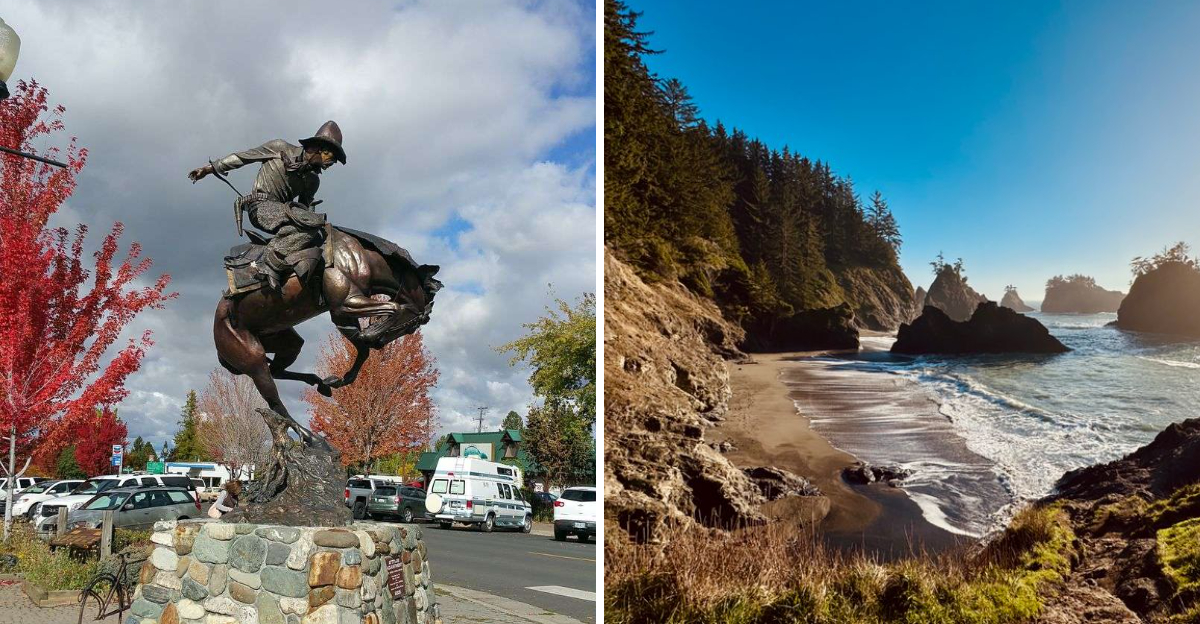
Oregon holds countless treasures that have quietly transformed over the years, shifting from peaceful hideaways into bustling hotspots that draw visitors from around the globe.
Long before social media turned every scenic corner into a viral sensation, locals enjoyed these places in solitude, hiking trails without the crowds and exploring coastal wonders without waiting in line.
The state’s natural beauty has always been remarkable, but the secret is out, and what was once known only to residents has become bucket list material for travelers everywhere.
From dramatic waterfalls tucked into lush forests to alpine towns cradled by mountain peaks, these destinations have seen their quiet charm give way to packed parking lots and busy trails.
Yet even with the increased attention, each location still holds the magic that first captured hearts decades ago.
Understanding how these spots evolved from hidden gems to popular attractions tells a story about Oregon itself, a place where nature’s grandeur can no longer stay secret.
This journey through ten beloved locations reveals the bittersweet reality of sharing paradise with the world.
1. Cannon Beach
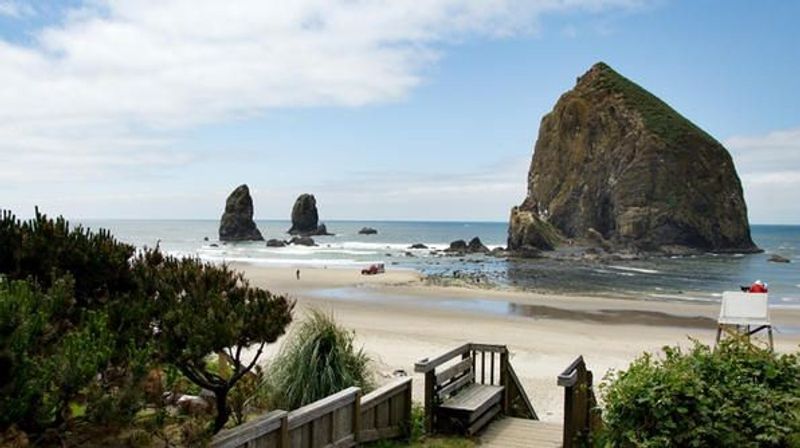
Haystack Rock rises from the sand like a monument to simpler times, back when this coastal village felt more like a local secret than a tourist magnet.
Families could stroll the beach without navigating through crowds, and finding a parking spot near the shore never required strategy or luck.
The iconic rock formation, standing tall against crashing waves, has graced countless photographs and inspired artists for generations, but its fame has come with a price.
Summer weekends now bring bumper-to-bumper traffic through the small downtown area, with visitors filling every gallery, cafe, and gift shop along Hemlock Street.
The charm remains intact, with quaint storefronts and the salty ocean breeze, but the peaceful atmosphere that once defined this place has shifted dramatically.
Early mornings offer a glimpse of what locals remember, when fog rolls in and only a few dedicated beachcombers wander the shoreline.
Tide pools surrounding Haystack Rock still teem with sea stars, anemones, and hermit crabs, providing educational moments for children who carefully explore the rocky crevices.
Rangers monitor the area to protect nesting puffins during breeding season, adding another layer of interest for nature enthusiasts.
Despite the crowds, the natural beauty persists, reminding everyone why this spot became famous in the first place.
Local residents have adapted to the tourism boom, though many express nostalgia for quieter days when they could enjoy sunset walks without weaving through throngs of visitors.
The town has implemented measures to manage the influx, including shuttle services and designated parking areas.
Cannon Beach remains a jewel of the Oregon Coast, but its transformation from sleepy hamlet to bustling destination reflects broader changes across the state.
Address: Cannon Beach, OR 97110.
2. Silver Falls State Park
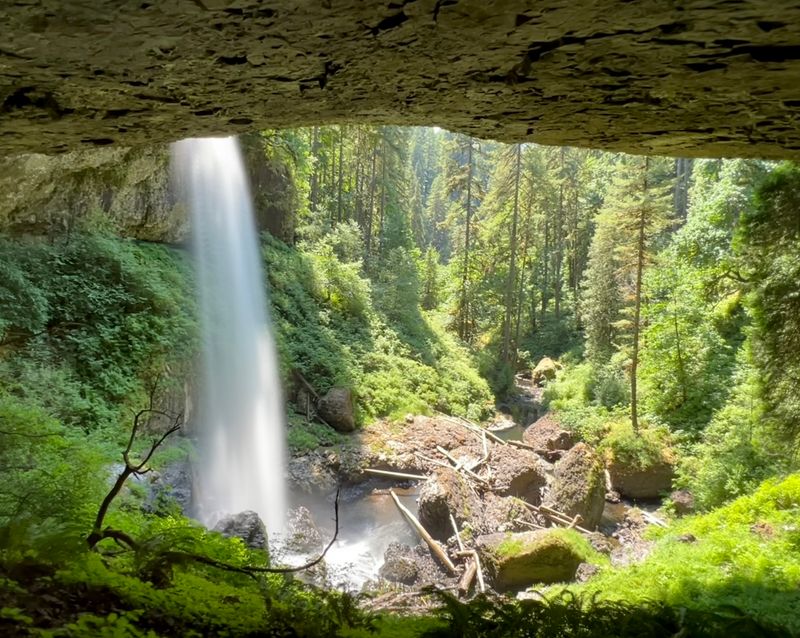
Rainforest canopy filters sunlight into emerald glows along the Trail of Ten Falls, where moss-draped trees and fern-covered slopes create an enchanted atmosphere that feels worlds away from everyday life.
This magnificent loop trail once offered solitude and contemplation, allowing hikers to connect deeply with nature without constantly stepping aside for others.
The sound of cascading water echoed through valleys that felt like personal discoveries rather than shared experiences.
Ten distinct waterfalls punctuate the journey, each with unique character and beauty, from towering South Falls to the intimate Lower South Falls tucked behind curtains of water.
Walking behind several of these falls provides perspective that few other trails can match, offering cool mist and thundering sounds that awaken the senses.
Photographers once had ample time to set up tripods and capture perfect shots without worrying about people wandering into frames.
Popularity has surged as word spread about this remarkable concentration of waterfalls in such a compact area, making it one of Oregon’s most visited state parks.
Weekends and holidays bring packed parking lots and steady streams of hikers along the trail, transforming the experience from meditative to social.
Families, groups of friends, and solo adventurers now share the path, creating a vibrant energy that contrasts sharply with the peaceful past.
Visiting during weekdays or off-season months offers better chances of recapturing some tranquility, though the park never truly returns to its former quiet state.
The infrastructure has improved with better facilities and maintained trails, making access easier for people of all abilities.
Silver Falls remains absolutely worth exploring, but expectations should account for company along the way.
Address: 20024 Silver Falls Highway SE, Sublimity, OR 97385.
3. Crater Lake National Park
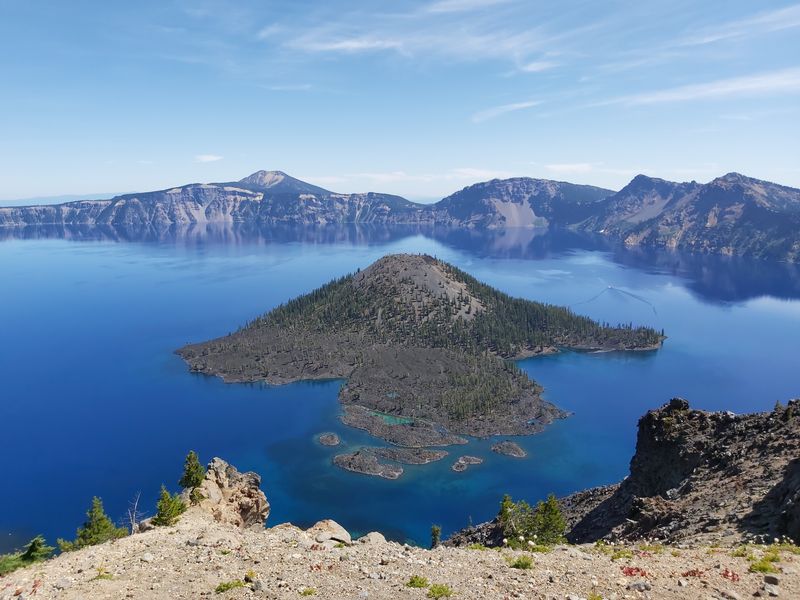
Sapphire waters fill an ancient volcanic caldera with such intense blue that first-time visitors often question whether the color can be real.
Locals remember when viewing this natural wonder meant sharing the rim with just a handful of other appreciative souls, not jockeying for position at overlooks packed with tour groups.
The lake’s formation through volcanic collapse thousands of years ago created the deepest lake in the United States, a geological marvel that draws scientists and sightseers alike.
Rim Drive encircles the caldera, offering constantly changing perspectives of the lake, Wizard Island, and surrounding cliffs that plunge dramatically into crystalline depths.
Each viewpoint once provided quiet moments for reflection and photography, but now visitors must often wait their turn at popular spots.
The park’s remote location in southern Oregon once served as a natural filter, limiting crowds to those willing to make the journey.
Improved roads and increased promotion have opened access to many more people, fundamentally changing the park experience during peak summer months.
Rangers lead informative talks and boat tours that provide education about the lake’s unique ecosystem and formation, adding value beyond simple sightseeing.
Winter transforms the park into a snowy wonderland, with cross-country skiing and snowshoeing offering opportunities to experience the majesty in relative solitude.
Accommodation options remain limited, with the historic Crater Lake Lodge booking up months in advance for prime summer dates.
Day visitors must arrive early to secure parking at popular trailheads and viewpoints, especially on weekends.
The park’s natural beauty hasn’t diminished despite increased visitation, but the sense of discovery and isolation that once defined a visit has certainly evolved.
Address: Crater Lake, OR 97604.
4. Samuel H. Boardman Scenic Corridor
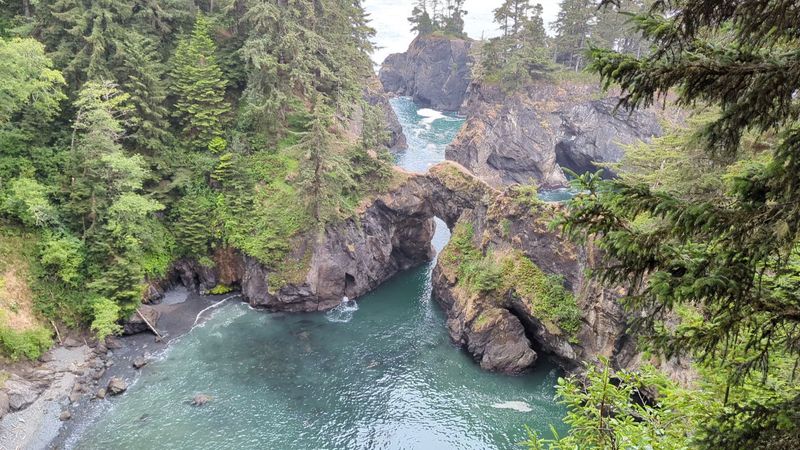
Rugged coastline stretches for miles along this spectacular section near Brookings, where rocky headlands, hidden coves, and natural arches create some of the most dramatic scenery along the entire Pacific coast.
Locals once considered this their personal playground, a place to escape and reconnect with the raw power of the ocean meeting the land.
Trails wound through coastal forest to sudden cliff-edge views that took breath away without competing for the experience.
Social media has played a significant role in revealing these previously overlooked wonders to the wider world, with photographs of Natural Bridges and Secret Beach going viral repeatedly.
What was once a quiet drive with occasional pull-offs has become a must-see destination, with visitors stopping frequently to capture their own images.
The corridor spans several miles of Highway 101, offering numerous access points to beaches, viewpoints, and hiking trails of varying difficulty.
Arch Rock, Thunder Rock Cove, and Whaleshead Beach each possess distinct character and beauty, rewarding those who take time to explore beyond the most famous spots.
Wildflowers blanket the headlands in spring, adding brilliant color to the already stunning landscape.
Whale watching season brings additional interest, as gray whales migrate along the coast and can sometimes be spotted from various viewpoints.
Parking areas fill quickly during summer months, and some of the more popular trails see steady traffic throughout the day.
Early morning visits provide the best opportunity for solitude and also offer ideal lighting for photography, with soft golden light illuminating the coastline.
The Boardman Corridor remains one of Oregon’s crown jewels, but visitors should prepare for company at the most accessible and photogenic locations.
Address: Samuel H.
Boardman State Scenic Corridor, Brookings, OR 97415.
5. Hood River
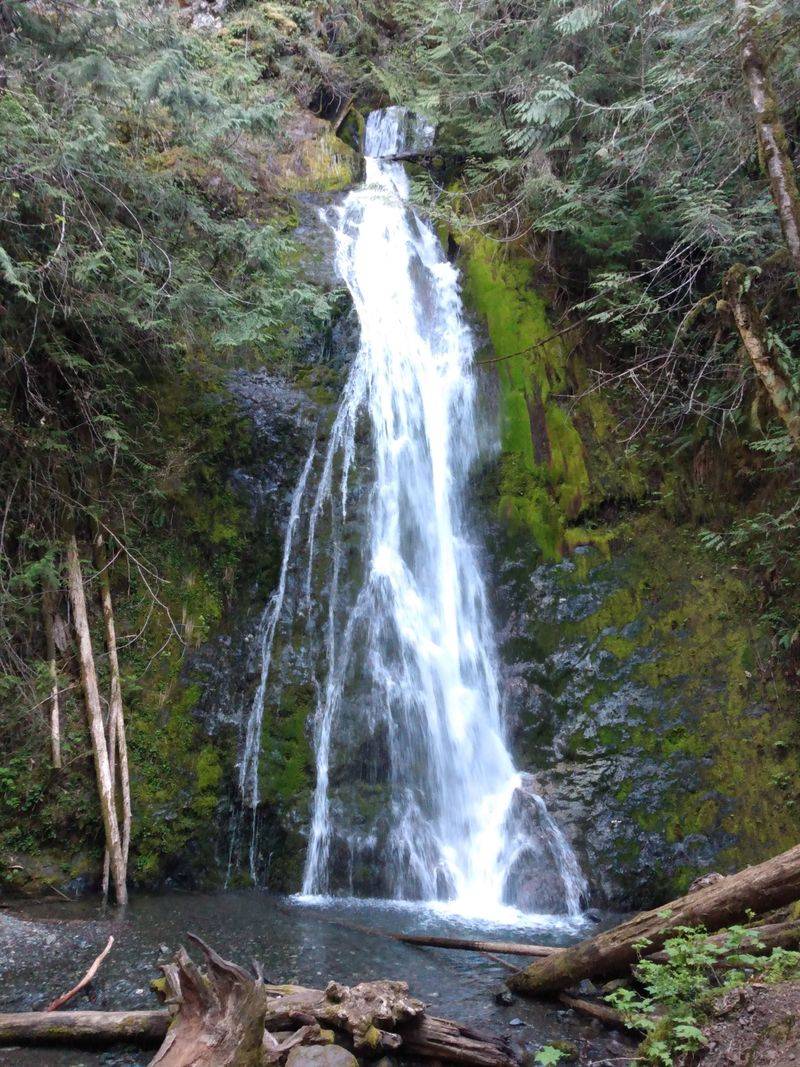
Wind funnels through the Columbia River Gorge with reliable force, creating perfect conditions for windsurfing and kiteboarding that put this charming town on the map for water sports enthusiasts worldwide.
Decades ago, Hood River was a quiet agricultural community known mainly for its orchards and spectacular views of Mount Hood.
Local fruit stands sold fresh apples and pears to passing travelers, and downtown consisted of a few modest shops serving residents rather than tourists.
The windsurfing boom transformed everything, attracting athletes and adventurers who discovered the ideal combination of wind, water, and scenery.
Colorful sails now dot the river on breezy days, creating a vibrant spectacle against the backdrop of the gorge’s towering cliffs.
The town evolved to support this influx, with gear shops, breweries, and restaurants catering to active visitors with sophisticated tastes.
Craft beverage culture has flourished here, with numerous breweries, cideries, and tasting rooms showcasing local ingredients and creativity.
Food scene has similarly elevated, offering everything from casual cafes to upscale dining that rivals much larger cities.
The downtown area has gentrified significantly, with boutiques and galleries replacing old-school businesses, changing the character from working-class to decidedly upscale.
Mountain biking, hiking, and skiing add to the outdoor recreation opportunities, making Hood River a year-round destination rather than a seasonal one.
Real estate prices have skyrocketed as people seek to relocate to this scenic paradise, pricing out many longtime residents.
The town maintains its friendly vibe despite the changes, though locals sometimes feel like visitors in their own community.
Hood River exemplifies how outdoor recreation tourism can completely transform a place.
Address: Hood River, OR 97031.
6. Joseph and the Wallowas
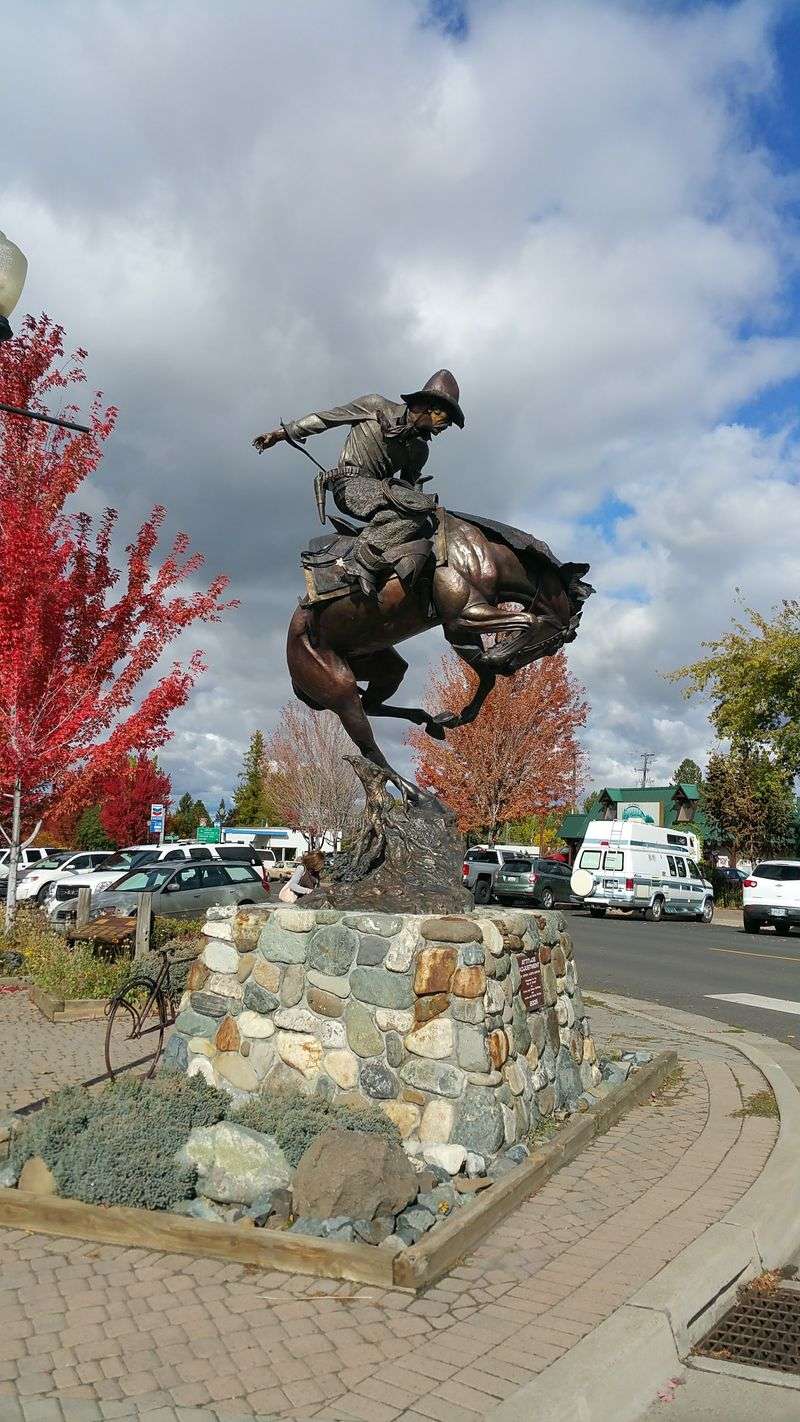
Alpine peaks rise dramatically from the high desert of Eastern Oregon, creating a landscape so striking that early settlers dubbed the area the “Little Switzerland of America.” Joseph sits at the base of these mountains, a small town that once served primarily as a ranching community with a quiet main street and a pace of life that matched its remote location.
Locals knew the Wallowa Mountains as their backyard playground, accessing pristine lakes and wilderness areas without encountering many others.
Bronze sculptures now line the sidewalks of downtown Joseph, part of an arts community that has blossomed in recent years, attracting galleries and artisans who draw visitors interested in Western-themed artwork.
The town has embraced its role as gateway to outdoor adventure, with outfitters offering guided trips into the backcountry and shops stocked with gear for every season.
Summer brings hikers and campers, while winter attracts backcountry skiers and snowmobilers to the high country.
Wallowa Lake sits just a short drive from town, a glacial lake of stunning clarity surrounded by towering peaks that reflect perfectly in calm morning waters.
The lake area has developed considerably, with lodges, cabins, and recreational facilities serving the steady stream of visitors.
A tramway carries passengers to the top of Mount Howard, offering panoramic views that showcase why this region deserves its reputation.
The increased attention has brought economic benefits to Joseph and surrounding communities, but also challenges related to infrastructure and maintaining small-town character.
Locals appreciate the business but sometimes long for the days when they recognized everyone on the street.
The Wallowas remain spectacular and worth the journey across Oregon to experience their grandeur.
Address: Joseph, OR 97846.
7. Toketee Falls
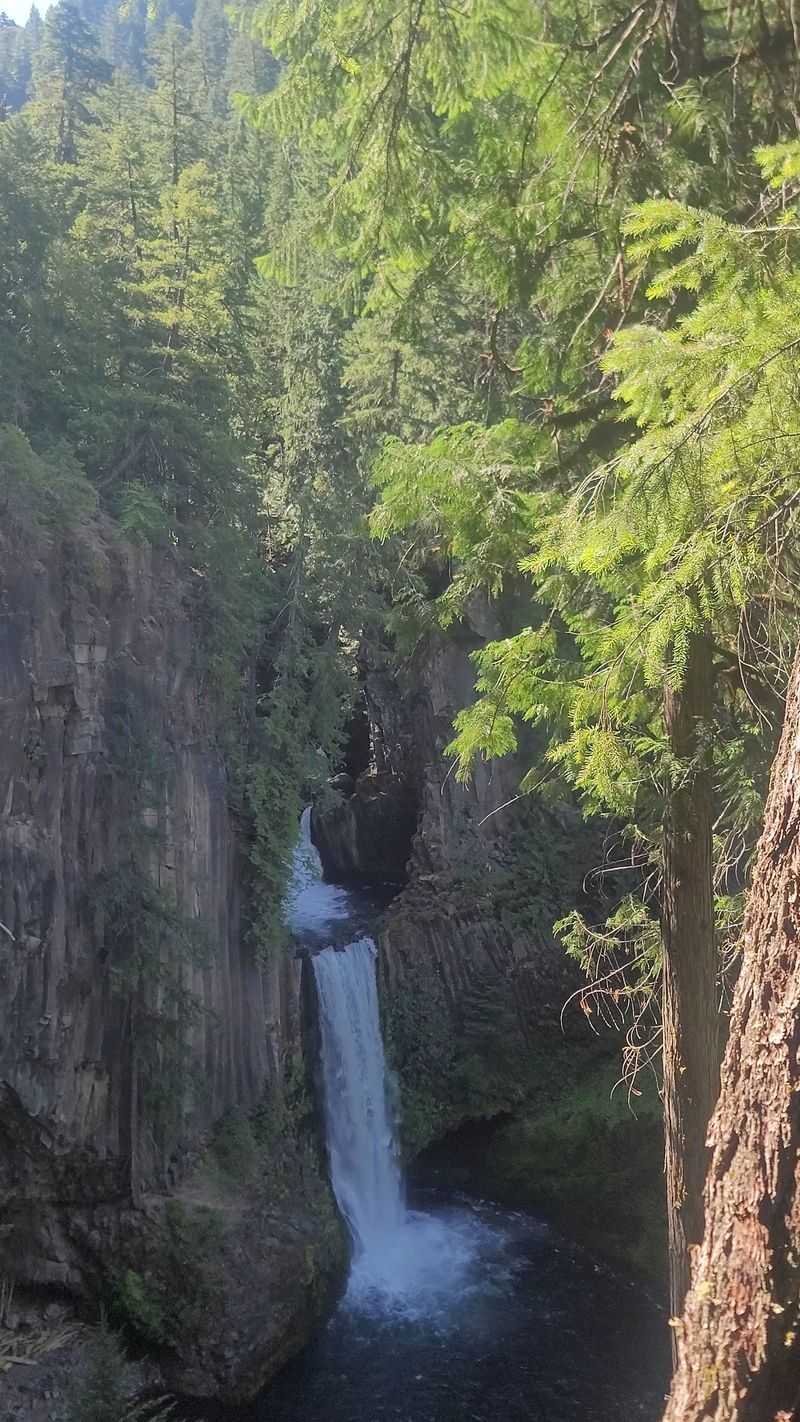
Columnar basalt frames a two-tiered waterfall that plunges into a turquoise pool, creating a scene of such geometric perfection that it hardly seems natural.
This gem in the Umpqua National Forest once required knowledge passed between locals and dedicated waterfall chasers who collected hidden spots like treasures.
The short hike to the viewpoint wound through old-growth forest, with Douglas fir and western red cedar providing shade and a sense of entering a sacred space.
Photography of Toketee Falls began circulating more widely as the internet made sharing beautiful places easier, and suddenly this obscure waterfall became a must-see stop on road trips through southern Oregon.
The unique basalt columns, formed by ancient lava flows, create a natural amphitheater that amplifies the sound of falling water into a powerful symphony.
Upper and lower tiers each contribute to the overall effect, with water first dropping over a ledge before gathering and plunging again into the final pool.
Parking area has expanded to accommodate increased visitation, though on busy summer weekends even the larger lot fills to capacity.
The trail itself remains relatively short and manageable for most fitness levels, making it accessible to families and casual hikers.
Viewing platform offers the best vantage point for taking in the full scope of the falls, though some adventurous visitors scramble to alternate angles.
Nearby Toketee Lake and other waterfalls in the area provide opportunities to extend the visit and explore more of what the Umpqua region offers.
The name Toketee comes from a Chinook word meaning “graceful,” perfectly describing the elegant way water flows over the geometric rock formations.
Despite increased crowds, the falls retain their power to inspire awe in everyone who makes the journey.
Address: Toketee Falls Trail, Umpqua National Forest, OR 97496.
8. Multnomah Falls
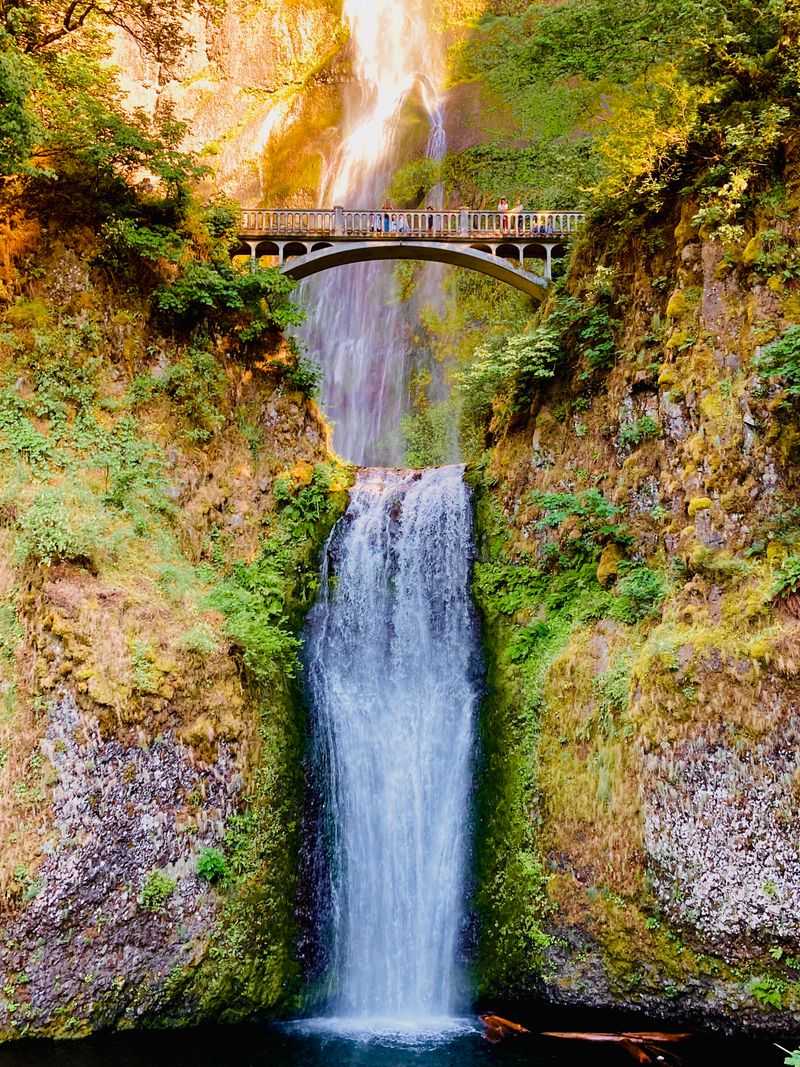
Plunging over six hundred feet in two major drops, this iconic waterfall has become the most photographed natural attraction in Oregon, instantly recognizable from countless postcards, calendars, and social media posts.
Long before Instagram existed, Multnomah Falls attracted visitors, but the scale was manageable and the experience felt personal rather than like visiting a theme park.
The historic Benson Bridge spans across the lower tier, offering an intimate encounter with the power and mist of falling water.
Columbia River Gorge location makes the falls extremely accessible, sitting just off the historic highway with ample parking and facilities that cater to millions of annual visitors.
Tour buses regularly stop here, disgorging groups who rush to snap photos before moving on to the next destination.
The short paved path to the bridge accommodates wheelchairs and strollers, democratizing access but also contributing to congestion during peak times.
Multnomah Falls Lodge, built in the early twentieth century, provides dining and shopping opportunities while also serving as an information center for exploring the wider gorge area.
The architecture complements the natural setting, constructed from local stone and timber in a style that has weathered the decades gracefully.
Climbing the switchback trail to the top of the falls offers a more strenuous option and thins out the crowds considerably, rewarding effort with different perspectives and quieter surroundings.
Winter brings a different beauty when freezing temperatures create ice formations that cling to the cliff face, and fewer visitors mean a more contemplative experience.
The falls flow year-round, fed by underground springs that maintain consistent volume even during dry summer months.
Multnomah Falls represents the challenge of loving a place to death, where popularity threatens to overwhelm the very qualities that made it special.
Address: 53000 E Historic Columbia River Hwy, Bridal Veil, OR 97010.
9. Secret Beach at Samuel H. Boardman
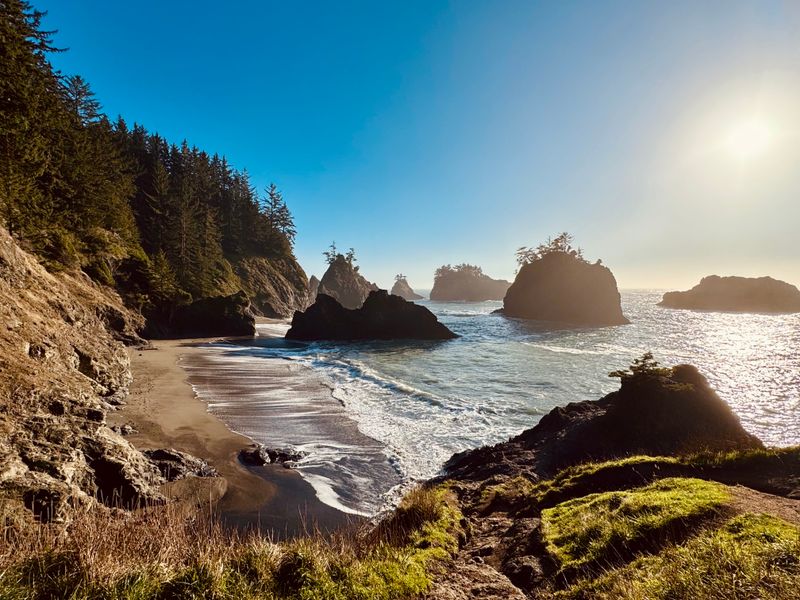
A hidden cove tucked beneath towering cliffs lived up to its name for years, known only to adventurous locals willing to navigate a steep, unofficial trail down to the secluded sand.
The beach offered complete privacy, a place to feel utterly alone with the ocean’s power and beauty, surrounded by dramatic rock formations that seemed designed for solitary contemplation.
High tide could cut off access, adding an element of risk that further discouraged casual visitors.
Everything changed when photographs of this stunning location began appearing online, tagged with enough detail that determined people could find it despite the lack of official trail markers.
The name “Secret Beach” became ironic as more and more people made the trek, sharing their own images and perpetuating the cycle.
What once felt like a personal discovery now requires sharing the small beach with others who also sought that sense of exclusivity.
The trail down remains challenging, with rope assists on the steepest sections and loose dirt that becomes slippery when wet.
This difficulty level still filters out some potential visitors, but nowhere near enough to restore the previous solitude.
Natural arches and sea stacks frame views of the Pacific, creating compositional elements that photographers find irresistible.
Tide pools form in the rocky areas at lower tides, providing opportunities to observe marine life adapted to the harsh intertidal zone.
Seabirds nest on the cliffs above, their calls mixing with the constant rhythm of waves.
The beach retains its physical beauty unchanged, but the experience of discovering and enjoying it has fundamentally shifted.
Social media’s role in transforming hidden places into crowded attractions is perfectly illustrated here, showing both the democratization of access and the loss of mystery.
Address: Samuel H.
Boardman State Scenic Corridor, near Brookings, OR 97415.
10. Drift Creek Falls
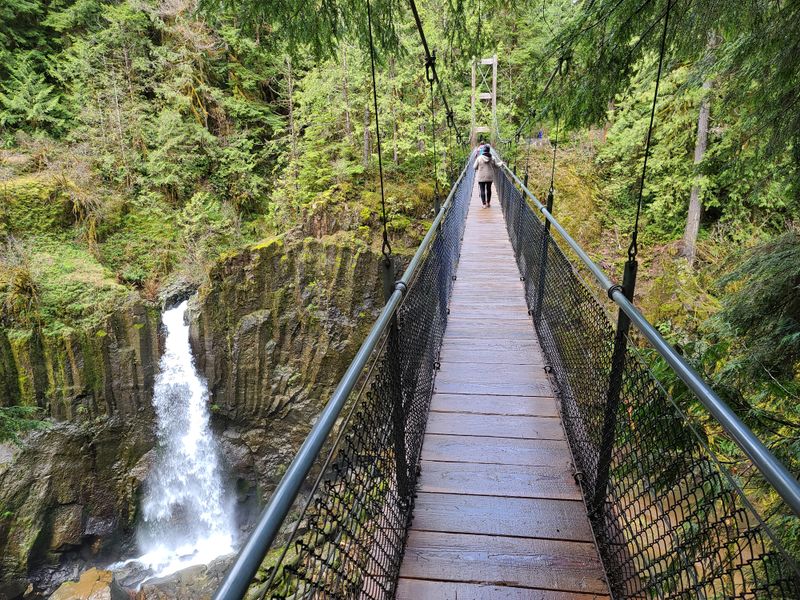
Suspension bridge sways gently high above the creek, offering a thrilling approach to a waterfall that drops through a narrow canyon into a clear pool below.
This hike near Lincoln City once attracted mainly local families and hikers who appreciated the moderate trail through coastal forest.
The bridge itself became a destination, its engineering allowing safe passage while providing an exciting element that children and adults alike found memorable.
Trail winds through second-growth forest, showing signs of the logging history that shaped much of Oregon’s coastal regions, with stumps from old-growth trees serving as reminders of what once stood here.
Sword ferns and salal create lush understory, and the sound of the creek grows louder as the path descends toward the falls.
The bridge spans high above the water, requiring a steady nerve from those uncomfortable with heights, though it’s perfectly safe and well-maintained.
Waterfall itself measures seventy-five feet, not the tallest in Oregon but situated in such a picturesque canyon that it punches above its weight in terms of visual impact.
Mist rises from where the water strikes the pool, creating rainbows on sunny days that add magic to the scene.
Viewing areas on both sides of the bridge allow different perspectives, and some visitors choose to scramble down to creek level for yet another angle.
Popularity has increased steadily as hiking guides and websites highlighted this accessible adventure, leading to fuller parking lots and busier trails, especially on weekends during good weather.
The experience remains rewarding despite the company, as the forest environment and the thrill of the bridge crossing still deliver satisfaction.
Oregon’s abundance of waterfalls means that even well-known ones like Drift Creek Falls feel less crowded than they might elsewhere.
Address: Drift Creek Falls Trailhead, near Lincoln City, OR 97367.
Dear Reader: This page may contain affiliate links which may earn a commission if you click through and make a purchase. Our independent journalism is not influenced by any advertiser or commercial initiative unless it is clearly marked as sponsored content. As travel products change, please be sure to reconfirm all details and stay up to date with current events to ensure a safe and successful trip.
