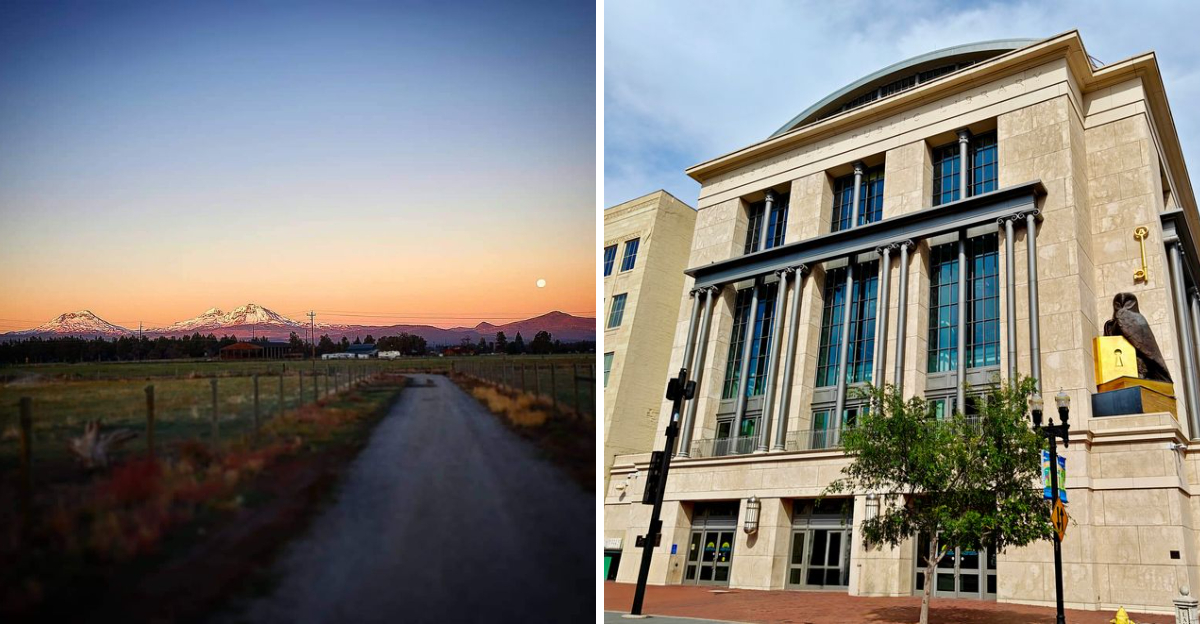
Oregon holds a special kind of magic that reveals itself only when you slow down and truly pay attention. Beyond the well-trodden tourist paths and bustling urban centers, there exist pockets of authenticity where life moves at a gentler rhythm and communities thrive on connection rather than commerce.
These towns are not designed for quick photo stops or hurried itineraries; they demand patience, curiosity, and a willingness to linger over coffee, strike up conversations with strangers, and wander without a fixed destination in mind.
Locals across the state will tell you that the real Oregon experience happens in these quieter corners, where the landscape speaks louder than any guidebook and the people welcome you not as a tourist but as a temporary neighbor.
From coastal hamlets where the ocean sets the daily tempo to mountain villages where seasons dictate the social calendar, these communities offer something increasingly rare in modern travel: the gift of unhurried time.
Whether you’re seeking artistic inspiration, natural beauty, or simply a break from the relentless pace of everyday life, these ten towns provide the perfect setting to rediscover what it means to truly be present.
1. Manzanita: Where the Beach Becomes Your Daily Meditation
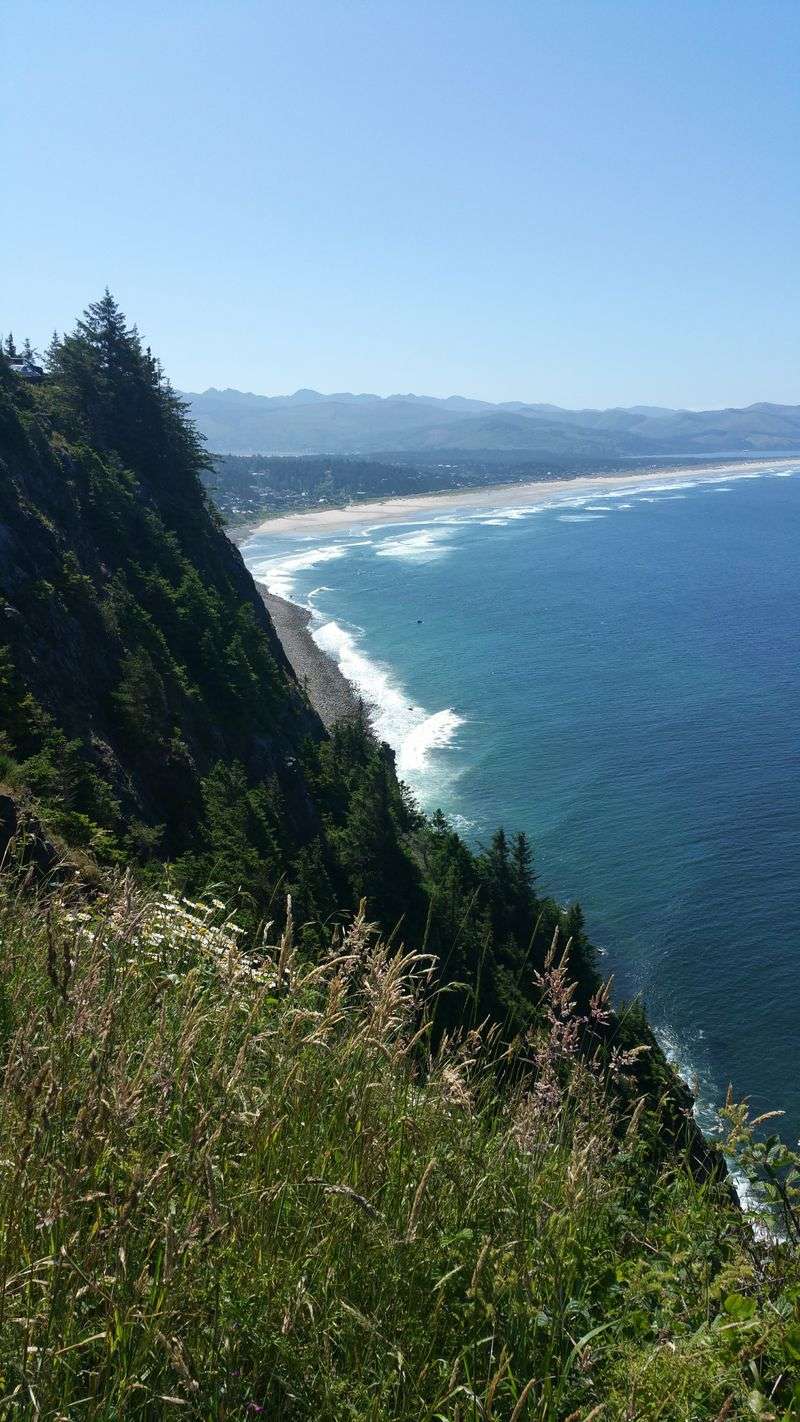
Tucked along the northern Oregon coast, Manzanita offers seven miles of pristine shoreline that stretches out like a welcoming embrace. The sand here is soft and broad, perfect for barefoot wandering at any hour, while the absence of commercial development means you’ll encounter more driftwood sculptures than souvenir shops.
Address: Manzanita is located along U.S. Highway 101, approximately 25 miles south of Seaside.
Morning fog rolls in with a kind of reverence here, wrapping the landscape in layers of silver and gray that gradually peel away to reveal Neahkahnie Mountain standing guard to the south. Local residents have long protected this town from the kind of tourism that transforms coastal communities into theme parks.
You won’t find chain restaurants or neon signs competing for your attention.
Instead, what awaits is a collection of locally owned cafes, a handful of art galleries showcasing regional talent, and accommodations that range from cozy cottages to beachfront rentals where the sound of waves becomes your alarm clock. The pace here is dictated by tides rather than traffic lights.
Families spread blankets on the sand for picnics that last hours, not minutes.
Beachcombers search for agates and sand dollars with the focused attention of treasure hunters. Surfers wait patiently for the right wave, understanding that good things come to those who observe and adapt.
Walking the length of Manzanita Beach at sunset becomes a form of moving meditation, where each step grounds you more firmly in the present moment and the worries of everyday life recede like the outgoing tide.
2. Sisters: A Cascade Mountain Haven Where Western Heritage Meets Natural Wonder

Nestled in the shadow of the Three Sisters volcanic peaks, this charming mountain town captures the essence of Oregon’s high desert beauty. Western-themed storefronts line the main street, creating an atmosphere that feels authentically rooted in frontier history rather than manufactured for tourists.
Address: Sisters is located at the junction of U.S. Highway 20 and State Route 242, approximately 20 miles northwest of Bend.
The community here operates on a different timeline, one measured by seasonal shifts and outdoor adventures rather than quarterly earnings reports. Spring brings wildflower blooms that paint the surrounding meadows in vibrant purples and yellows.
Summer draws hikers and mountain bikers to nearby trails that wind through ponderosa pine forests and along crystal-clear streams.
Fall transforms the landscape into a tapestry of gold and amber, while winter blankets everything in snow that sparkles under impossibly blue skies. Local shops sell handcrafted goods, from leather work to pottery, created by artisans who chose Sisters specifically for its inspiring surroundings and tight-knit community.
Coffee shops serve as informal gathering places where regulars exchange news and newcomers are welcomed into conversations.
The pace allows for genuine interactions, the kind where shopkeepers remember your name and preferences after just one visit. Outdoor enthusiasts find endless opportunities here, from fly fishing in the Metolius River to cross-country skiing through pristine forests.
Yet the real magic lies in simply sitting on a bench along the main street, watching the mountains change color as the sun moves across the sky, and feeling completely disconnected from the hurried world beyond.
3. Yachats: Where Rugged Coastline Inspires Contemplation

Perched on one of the most dramatic stretches of the Pacific shoreline, Yachats offers a raw, unpolished beauty that demands respect and rewards patience. Basalt formations jut from the ocean like ancient sculptures, shaped by millennia of relentless waves and wind.
Address: Yachats is located on U.S. Highway 101, approximately 26 miles south of Newport on the central Oregon coast.
The town itself embraces its wild surroundings rather than trying to tame them, with walking trails that hug the coastline and viewing points where you can watch storm waves explode against dark rock with thunderous force. Local artists draw endless inspiration from this landscape, and their galleries showcase paintings, photographs, and sculptures that attempt to capture the untamable spirit of this place.
Small restaurants serve fresh seafood with ocean views, where lingering over a meal while watching the horizon becomes an exercise in mindfulness. The community here understands that nature sets the agenda.
Tide pools reveal entire ecosystems during low tide, inviting exploration that can easily consume an entire afternoon.
Forest trails just inland lead to hidden creeks and moss-covered trees that filter sunlight into cathedral-like beams. Winter storms bring their own spectacle, as waves crash with such intensity that spray reaches viewing platforms high above the beach.
Yet even in calmer weather, there’s a meditative quality to simply sitting on a rocky outcrop, listening to the rhythm of the surf, and breathing in air so clean it seems to clear not just your lungs but your mind.
Yachats doesn’t cater to those seeking entertainment or distraction. It offers something more valuable: space to think, reflect, and reconnect with the elemental forces that shaped this coastline long before humans arrived.
4. Jacksonville: Living History Without the Theme Park Feel
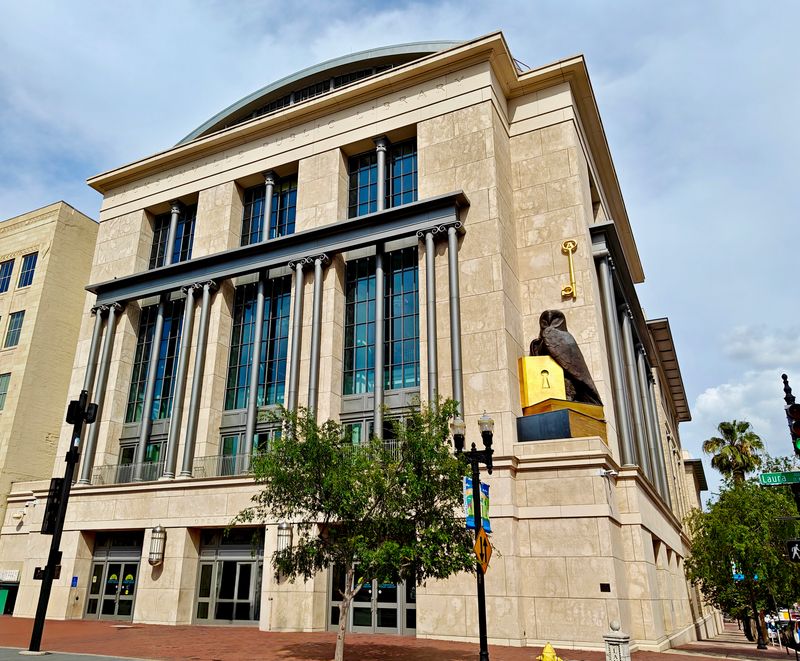
Step into Jacksonville and you’re immediately transported to the gold rush era, not through artificial recreations but through genuine preservation. Victorian architecture lines the streets, meticulously maintained by residents who understand they’re custodians of something precious.
Address: Jacksonville is located off State Route 238, approximately 5 miles west of Medford in southern Oregon.
This National Historic Landmark town earned its designation through authenticity rather than tourism gimmicks. Buildings that once housed miners, merchants, and pioneers now contain antique shops, local boutiques, and restaurants serving farm-to-table cuisine in spaces where wooden floors creak with age and character.
Walking these streets feels like browsing through a three-dimensional history book, where each structure tells stories of ambition, hardship, and community building. The pace here encourages exploration on foot, with sidewalks that invite leisurely strolling and architectural details that reward those who look up rather than down at their phones.
Historic markers provide context without overwhelming, allowing your imagination to fill in the gaps.
Local museums offer deeper dives into the town’s past, staffed by volunteers who share stories passed down through generations. The surrounding hills, once scoured for gold, now offer hiking trails with panoramic views of the Rogue Valley.
Vineyards dot the landscape, producing wines that reflect the region’s unique terroir.
Cultural events throughout the year, including outdoor theater performances and music festivals, draw visitors but never overwhelm the town’s essential character. What makes Jacksonville special is how seamlessly past and present coexist.
Modern life happens here, but at a pace that respects historical roots and values human connection over commercial transaction.
5. Bandon: Coastal Drama in Every Direction

Bandon’s coastline reads like poetry written by geological forces, with sea stacks rising from the surf like punctuation marks in an epic narrative. Face Rock dominates the southern beach, its profile suggesting stories that local indigenous peoples have told for generations.
Address: Bandon is located on U.S. Highway 101, approximately 24 miles south of Coos Bay on the southern Oregon coast.
This town has weathered fires, economic shifts, and changing tourism patterns while maintaining an identity firmly rooted in natural beauty and artistic expression. Old Town Bandon clusters near the harbor, where fishing boats still bring in daily catches and seafood restaurants serve meals so fresh the ocean is practically still clinging to them.
Art galleries showcase works inspired by the surrounding landscape, from paintings of sunset-lit sea stacks to sculptures crafted from driftwood collected on local beaches. The real attraction, though, lies along the beach access points south of town, where formations with names like Wizard Hat and Cat and Kittens create constantly changing scenes depending on tide, weather, and light.
Photographers arrive before dawn to capture sunrise illuminating these rocky sentinels, while evening visitors watch the sun sink into the Pacific, painting the sky in shades that seem too vivid to be real. Walking these beaches requires attention to tide schedules and wave patterns, adding an element of planning that slows you down and makes you observe rather than simply pass through.
Tide pools between the rocks harbor starfish, anemones, and crabs, offering close-up encounters with marine life. The town itself maintains a relaxed atmosphere where locals outnumber tourists even during peak season, and conversations happen easily in coffee shops and along the harbor boardwalk.
6. Newberg: Where Vineyards Define the Rhythm of Life
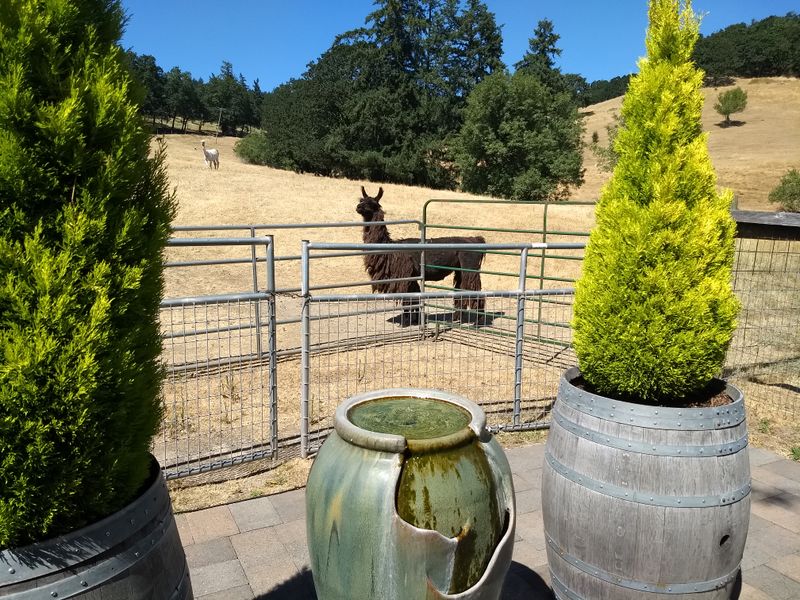
Rolling hills carpeted with grapevines create a landscape that changes personality with each season in Newberg. Spring brings bright green shoots bursting with potential, summer deepens the foliage into lush canopies, fall transforms vines into burgundy and gold tapestries, and winter reveals the architectural beauty of bare branches against gray skies.
Address: Newberg is located at the intersection of State Route 99W and State Route 240, approximately 25 miles southwest of Portland.
This gateway to Oregon’s wine country operates on agricultural time, where harvest schedules and growing seasons dictate the community calendar more than any business quarter. Tasting rooms dot the surrounding countryside, ranging from grand estates to modest family operations where the winemaker might personally pour your sample and discuss soil composition with genuine enthusiasm.
The town itself balances its agricultural heritage with modern amenities, offering farm-to-table restaurants that source ingredients from the same fertile soil that produces world-class Pinot Noir. Historic downtown streets feature local shops, bookstores, and cafes where laptop workers mingle with farmers taking a break from their vineyards.
The pace here encourages savoring rather than rushing.
Tasting room visits can stretch into hours of conversation about terroir, fermentation techniques, and the challenges of sustainable agriculture. Scenic drives through wine country reveal not just vineyards but also hazelnut orchards, berry farms, and pastoral scenes that could grace postcards.
Bed and breakfast accommodations offer overnight stays where morning brings the scent of freshly baked bread and views of mist rising from the valleys.
What distinguishes Newberg from more tourist-focused destinations is its authentic connection to the land and the people who work it. This isn’t wine country as theme park but as working landscape where agriculture remains central to identity and economy.
7. Astoria: Where River Meets Ocean and History Runs Deep

Perched at the mouth of the mighty Columbia River, Astoria wears its history in layers visible throughout the cityscape. Victorian homes climb hillsides above the waterfront, their ornate details speaking to the wealth generated by fishing, logging, and maritime trade.
Address: Astoria is located at the northern end of U.S. Highway 101, where the Columbia River meets the Pacific Ocean in northwest Oregon.
The riverfront itself pulses with activity, from working fishing vessels to recreational boats, creating a living connection to the maritime heritage that built this community. Walking the Riverwalk, which stretches for miles along the water’s edge, you pass interpretive signs explaining shipwrecks, salmon runs, and the Lewis and Clark expedition that reached this point after months of continental crossing.
Downtown buildings house eclectic shops, breweries, and restaurants occupying spaces that have served the community for over a century. The Columbia River Maritime Museum offers extensive exhibits that bring regional history to life without sanitizing the hardships faced by early settlers and indigenous peoples.
Climbing the Astoria Column rewards the effort with panoramic views that stretch from river to ocean, forest to town, providing geographical context for the strategic importance of this location.
Local coffee shops and bakeries serve as community gathering spots where fishermen share stories with artists, and newcomers quickly become part of ongoing conversations. The pace allows for exploration that moves beyond surface-level tourism into genuine understanding of what makes this place unique.
Seasonal changes bring different rhythms, from summer festivals celebrating Scandinavian heritage to winter storms that send waves crashing against the jetty with impressive force.
Astoria doesn’t try to be anything other than what it is: a working waterfront town with deep roots, complex history, and residents proud of their community’s resilience and character.
8. Florence: Old Town Charm Meets Coastal Wilderness
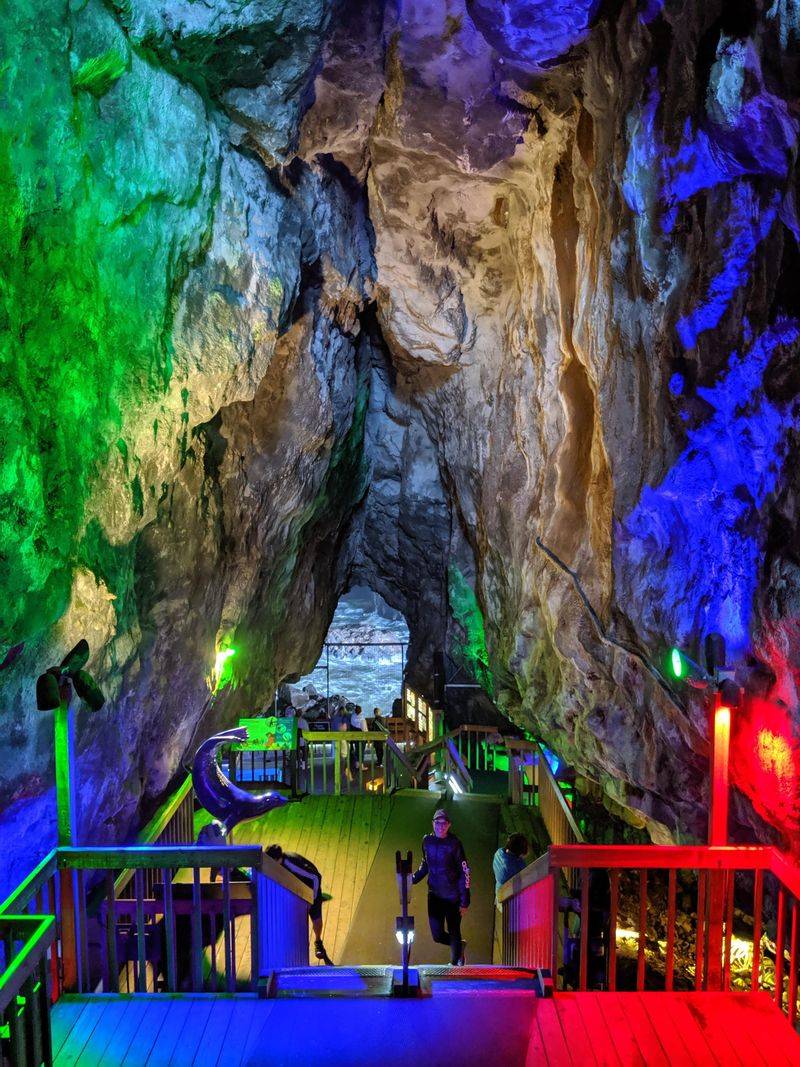
Florence occupies a unique position where the Siuslaw River empties into the Pacific, creating a natural harbor that supported fishing and logging industries for generations. Old Town Florence clusters along the riverfront, with historic buildings now housing shops, galleries, and restaurants that maintain architectural character while serving modern visitors.
Address: Florence is located on U.S. Highway 101, approximately 50 miles south of Newport on the central Oregon coast.
Bay Street, the main thoroughfare through Old Town, invites leisurely exploration with its mix of antique stores, local boutiques, and eateries serving everything from fish and chips to international cuisine. The town’s famous sea lions have claimed the docks near the bridge as their territory, entertaining visitors with their barking, lounging, and occasional territorial disputes.
Watching these massive marine mammals go about their daily routines provides entertainment that never gets old, especially when youngsters practice their swimming skills in the relatively protected waters. Beyond Old Town, Florence serves as gateway to the Oregon Dunes National Recreation Area, where coastal winds have sculpted sand into landscapes that seem borrowed from desert regions.
These dunes stretch for miles, creating opportunities for hiking, photography, and contemplation of how elemental forces shape our environment. Freshwater lakes dot the area, offering swimming and paddling in summer months.
The pace in Florence accommodates both activity and relaxation, with options ranging from exploring tide pools at nearby beaches to simply sitting riverside with a book and a coffee.
Local events throughout the year, including a rhododendron festival celebrating the region’s native blooms, bring community together without overwhelming the town’s essential character. What makes Florence work as a slow-travel destination is its balance of natural attractions and small-town amenities, allowing visitors to craft experiences that match their own preferred rhythm.
9. Silverton: Gateway to Waterfall Wonderland
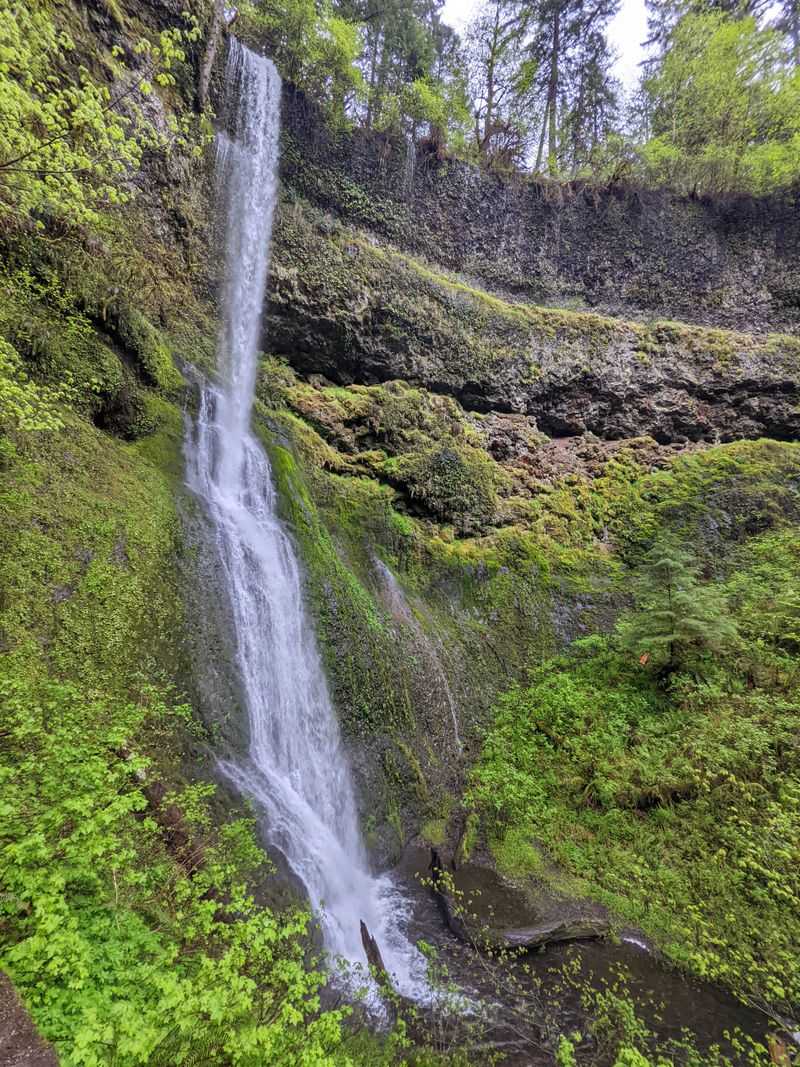
Silverton sits at the threshold of Silver Falls State Park, home to the Trail of Ten Falls where hikers can walk behind cascading water and experience the forest from perspectives usually reserved for wildlife. The town itself reflects the natural beauty of its surroundings, with a walkable downtown featuring murals, local shops, and cafes that cater to both residents and visitors.
Address: Silverton is located on State Route 214, approximately 14 miles southeast of Salem in the Willamette Valley foothills.
Main Street showcases the kind of independent businesses that define small-town character: bookstores with carefully curated selections, gift shops featuring regional artisans, and restaurants sourcing ingredients from nearby farms. The pace here encourages browsing rather than rushed shopping, with storekeepers happy to chat about local history, trail conditions, or upcoming community events.
The Oregon Garden, a botanical showcase spanning multiple themed areas, provides another reason to linger, with seasonal displays that range from spring bulbs to fall foliage. Walking these gardens becomes a form of meditation, where attention narrows to the details of a single bloom or expands to take in entire landscape compositions.
The nearby park, though, remains the primary draw, with trails that accommodate everyone from families with young children to serious hikers seeking full-day adventures. Waterfalls thunder during spring runoff, creating mist that catches sunlight in rainbow displays.
Summer brings lower flows but easier access, while fall transforms the surrounding forest into a painter’s palette of reds and golds.
Winter adds another dimension, with ice formations creating temporary sculptures that frame the falls in frozen beauty. Returning to Silverton after a day in the forest, tired muscles and cleared minds make the town’s simple pleasures even more satisfying: a hearty meal, friendly conversation, and the knowledge that tomorrow offers more opportunities for exploration.
10. Corvallis: College Town Energy Without the Chaos
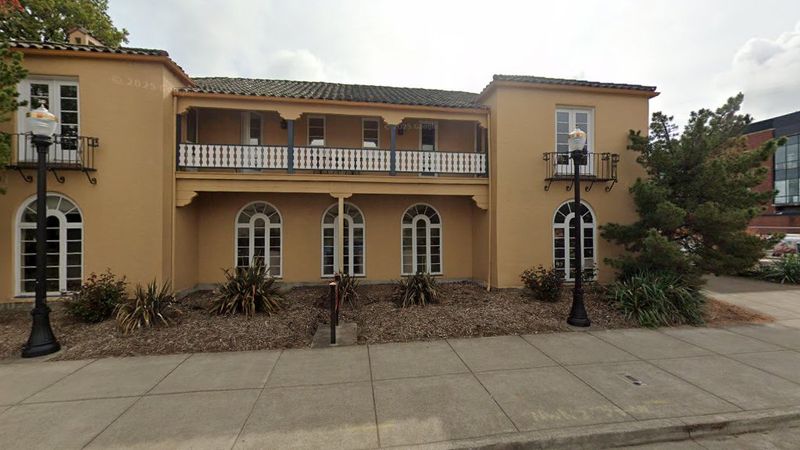
Home to Oregon State University, Corvallis combines the intellectual energy of a college town with the accessibility and friendliness of a smaller community. Tree-lined streets connect distinct neighborhoods, each with its own character, while the downtown core offers a mix of student-friendly cafes, local restaurants, and shops that serve both campus and town populations.
Address: Corvallis is located at the intersection of U.S. Highway 20 and State Route 99W in the heart of the Willamette Valley, approximately 85 miles south of Portland.
The Willamette River flows through town, with parks and paths along its banks providing space for walking, cycling, and watching wildlife that includes herons, osprey, and seasonal salmon runs.
The university brings cultural programming that enriches the entire community, from visiting speakers and art exhibitions to athletic events that unite town and gown in shared enthusiasm.
Coffee shops double as study spaces and community gathering spots, where students working on assignments sit alongside retirees reading newspapers and young professionals catching up on email. The pace accommodates contemplation and conversation, with an atmosphere that values ideas and learning over commercial transaction.
Farmers markets showcase the agricultural abundance of the surrounding valley, with vendors selling everything from fresh produce to artisan bread, locally raised meat to handcrafted goods.
These markets become social events where neighbors reconnect and newcomers get introduced to community rhythms. Natural areas within easy reach include forests for hiking, rivers for paddling, and coastal ranges for more ambitious explorations.
What distinguishes Corvallis from larger university towns is its manageable scale and genuine integration of campus and community.
You can walk or bike most places, reducing the stress and environmental impact of constant driving. Conversations happen easily, whether in line at the bakery or on a riverside trail, creating connections that transform a visit into something more meaningful than simple tourism.
Dear Reader: This page may contain affiliate links which may earn a commission if you click through and make a purchase. Our independent journalism is not influenced by any advertiser or commercial initiative unless it is clearly marked as sponsored content. As travel products change, please be sure to reconfirm all details and stay up to date with current events to ensure a safe and successful trip.
