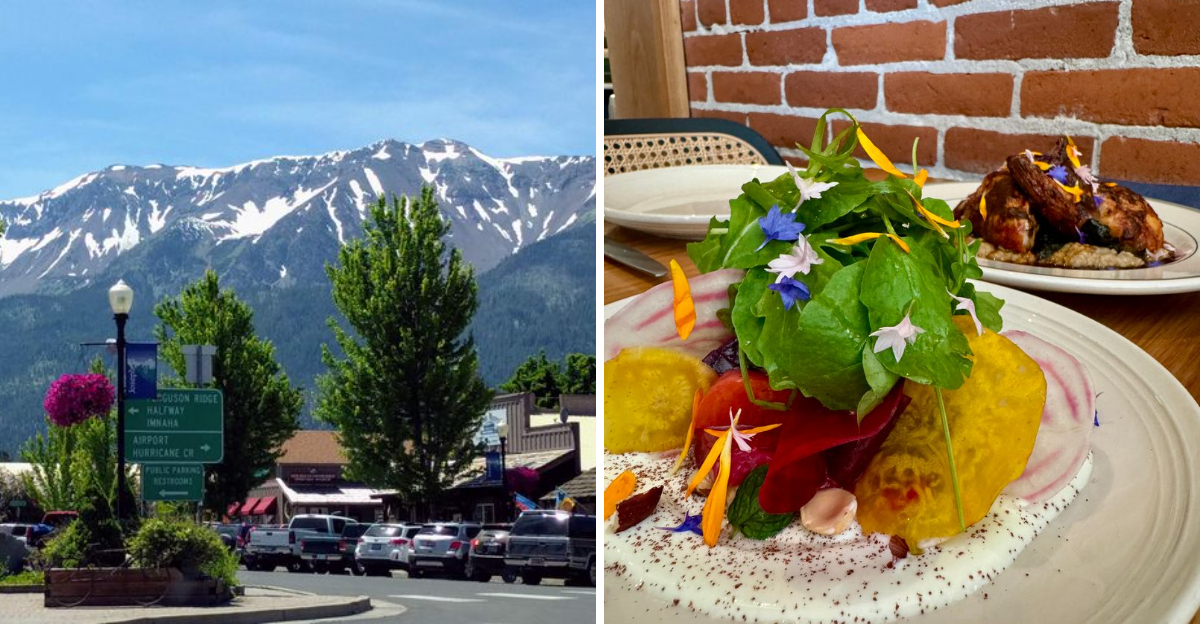
Oregon’s culinary landscape extends far beyond the bustling streets of Portland, where hidden food towns dot the state from coast to mountains, each offering flavors as diverse as the terrain itself.
Travelers who venture off the beaten path discover communities where local chefs transform regional ingredients into memorable meals, where dairy farms produce world-class cheese, and where fishing ports serve seafood so fresh it practically leaps from ocean to plate.
These towns prove that exceptional dining experiences don’t require big-city sophistication, just passionate people committed to quality and creativity. From the misty northern coast to the sunny high desert of Central Oregon, culinary gems await discovery in the most unexpected places.
Whether you’re chasing craft brews in historic port towns, savoring farm-to-table fare in mountain valleys, or indulging in artisan ice cream along scenic highways, Oregon rewards food lovers willing to explore.
Pack your appetite and prepare for a delicious journey through 9 remarkable towns where eating well isn’t just possible, it’s the whole point of the visit.
1. Ashland: Shakespeare and Sophisticated Dining

Tucked into the Siskiyou Mountains near the California border, Ashland gained fame for theater but has quietly become one of Oregon’s most exciting food towns. The Oregon Shakespeare Festival attracts culture seekers who demand quality dining to match world-class performances, and local restaurateurs have risen to the challenge with impressive creativity.
This southern Oregon community punches far above its weight class when it comes to culinary sophistication.
Restaurants here reflect the town’s artistic soul, with menus that read like poetry and presentations that could hang in galleries. Farm-to-table isn’t just a buzzword but a genuine commitment, as chefs forge relationships with nearby growers in the fertile Rogue Valley.
Seasonal ingredients drive constantly evolving menus, ensuring that repeat visitors always find something new to savor.
Downtown streets lined with galleries and boutiques also house bakeries producing artisan breads, cafes roasting their own beans, and bistros serving everything from Mediterranean mezze to Asian fusion. Vegetarian and vegan options abound, reflecting Ashland’s progressive values and health-conscious population.
Even casual spots demonstrate attention to detail that elevates simple dishes into memorable experiences.
The town’s compact size makes restaurant hopping easy, with most dining options clustered within walking distance of Lithia Park and the theaters. Main Street addresses like 76 N Main St place visitors in the heart of the action, surrounded by choices that range from cozy wine bars to upscale dinner houses.
Between shows, theatergoers linger over multi-course meals, sip local wines on sunny patios, and discuss performances over dessert and coffee.
Ashland proves that small towns can sustain ambitious culinary scenes when passion, talent, and appreciative audiences converge in the right proportions.
2. Bend: Central Oregon’s Culinary and Craft Hub
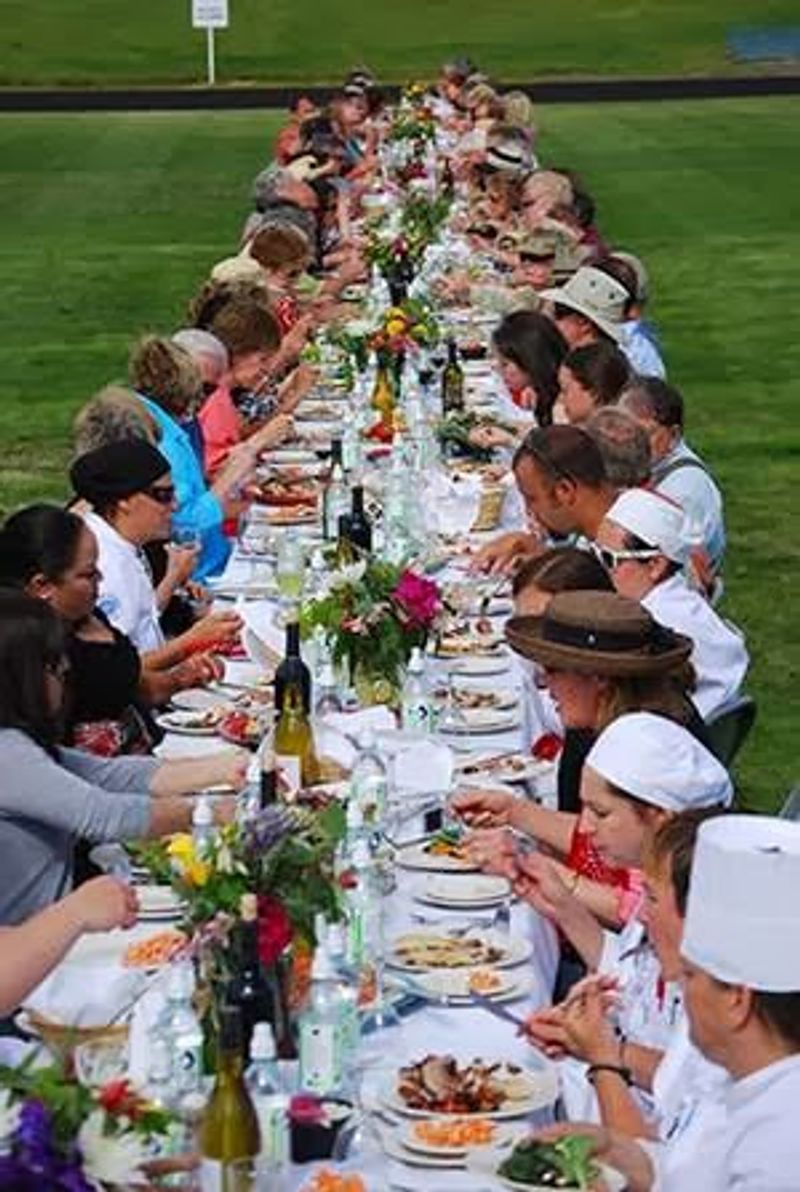
Bend has exploded from a sleepy mountain town into Central Oregon’s undisputed food and drink capital, where outdoor adventure meets serious culinary ambition. Visitors come for the skiing, hiking, and river activities but quickly discover that the restaurant scene rivals anything found in much larger cities.
Breweries seem to occupy every other corner, while farm-to-table restaurants, food carts, and specialty shops fill the spaces between.
Craft brewing put Bend on the national map, with numerous breweries producing award-winning beers that pair perfectly with the high desert climate. Taprooms range from massive production facilities with sprawling patios to tiny neighborhood spots where locals gather after work.
Many serve elevated pub fare created by chefs who take food as seriously as brewers take their recipes.
Beyond brewing, Bend’s restaurant diversity impresses even jaded food lovers. Downtown streets host upscale steakhouses, creative sushi bars, wood-fired pizza joints, and global cuisine representing flavors from Mexico to Ethiopia.
The Old Mill District offers dining with Deschutes River views, while the west side hides neighborhood gems that locals guard jealously.
Farm-to-table philosophy permeates the scene, with restaurants showcasing Central Oregon beef, local produce, and ingredients sourced from the surrounding high desert and Cascade foothills. Seasonal menus change frequently, reflecting what’s fresh and available rather than what’s trendy elsewhere.
Addresses like 1044 NW Bond St place diners in the walkable downtown core, where parallel parking and pedestrian traffic signal a vibrant urban atmosphere unusual for a town of this size.
Food carts cluster in pods, offering quick, affordable meals that don’t sacrifice quality for convenience.</p><p>Bend demonstrates that outdoor recreation and culinary excellence complement rather than compete, as hungry adventurers fuel both the demand and appreciation for exceptional food in Oregon’s high desert playground.
3. Joseph: Eastern Oregon’s Mountain Surprise
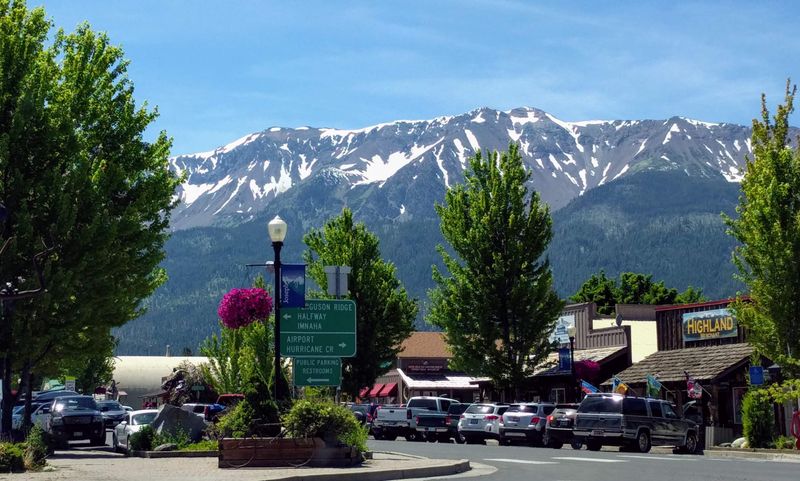
Few travelers expect to find sophisticated dining in remote Eastern Oregon, which makes Joseph’s culinary scene all the more delightful. Nestled in the shadow of the stunning Wallowa Mountains, this tiny town attracts artists, ranchers, and outdoor enthusiasts who’ve created a food culture that defies its isolated location.
Main Street may look like a Western movie set, but the restaurants serve dishes that would impress urban foodies.
Local ranches supply grass-fed beef that appears on menus alongside trout from nearby lakes and produce grown in the Wallowa Valley’s fertile soil. Chefs here work with what’s available locally, resulting in menus that celebrate regional ingredients rather than importing trendy items from distant suppliers.
Simple preparations let quality shine through, whether it’s a perfectly grilled steak or fresh-caught fish.
Bronze foundries and art galleries dot the town, evidence of the creative community that’s taken root here over recent decades. That artistic sensibility extends to food, with restaurant owners approaching their craft with the same dedication sculptors bring to their work.
Attention to detail, respect for materials, and commitment to excellence unite Joseph’s various creative pursuits.
Breakfast spots serve hearty meals that fuel mountain adventures, while dinner restaurants offer surprisingly refined options for a town this small and remote. Bakeries produce fresh breads and pastries, coffee shops roast their own beans, and even casual cafes demonstrate care in preparation and presentation.
Addresses like 300 N Lake St place diners within steps of art galleries, shops, and the stunning mountain views that define this corner of Oregon.
Joseph proves that exceptional food doesn’t require urban density, just passionate people willing to create something special in unexpected places, far from the state’s more traveled culinary corridors.
4. Tillamook: Dairy Capital and Coastal Treats
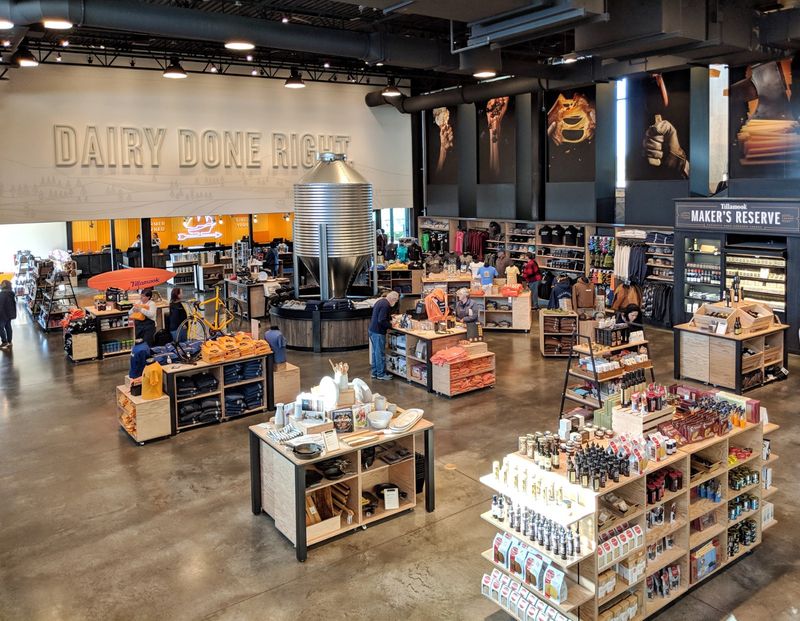
Most people know Tillamook for its famous cheese and ice cream, but this coastal Oregon town offers much more to hungry travelers than dairy products alone. Located where highway traffic funnels between Portland and the beach, Tillamook serves as both destination and convenient stop for those exploring the northern coast.
The agricultural richness of the surrounding valley translates into fresh ingredients that local restaurants transform into satisfying meals.
Yes, the cheese factory attracts crowds who tour the facility and sample products, but smart visitors venture beyond the main attraction. Downtown restaurants serve burgers topped with local cheddar, grilled cheese sandwiches elevated to art form, and mac and cheese that justifies the calories.
Seafood from nearby ports appears on menus alongside beef from valley ranches, creating a protein-rich paradise.
Bakeries produce pies, pastries, and breads using Tillamook butter, while cafes pour lattes crowned with local cream. Even simple roadside stands sell surprisingly good fish and chips, clam chowder, and fish tacos that benefit from proximity to fishing docks.
The casual atmosphere suits the working-class character of this agricultural community.
Beyond the factory, addresses like 2101 1st St lead to local favorites where residents actually eat, away from tourist crowds. These spots serve honest food without pretension, the kind of meals that satisfy after a day spent hiking nearby forests or beachcombing along the coast.
Tillamook’s food scene may not chase trends or seek acclaim, but it delivers consistent quality rooted in the valley’s agricultural heritage.
Visitors discover that cheese and ice cream are just the beginning, gateway products that introduce people to a town where dairy excellence extends into every corner of the local food culture throughout Oregon’s coastal region.
5. Hood River: Gorge Winds and Gourmet Flavors

Hood River sits where the Columbia River Gorge funnels wind between towering cliffs, creating ideal conditions for windsurfing and kiteboarding that draw athletes from around the world. Those same dramatic landscapes provide microclimates perfect for growing fruit, grapes, and other crops that supply local restaurants with exceptional ingredients.
The combination of outdoor adventure and agricultural bounty has spawned a food scene as dynamic as the famous winds.
Orchards blanket the hillsides surrounding town, producing apples, pears, cherries, and berries that appear in everything from breakfast pastries to dinner desserts. Vineyards thrive on south-facing slopes, yielding wines that rival those from more famous Oregon regions.
Tasting rooms welcome visitors, many offering food pairings that showcase local cheeses, charcuterie, and seasonal produce.
Downtown restaurants capitalize on gorge views, with patios overlooking the river where diners watch colorful sails race across whitecaps. Menus reflect the active lifestyle of locals and visitors, balancing healthy options with indulgent treats that reward hard days on the water or trails.
Farm-to-table isn’t marketing speak here but geographical reality, as many ingredients travel just miles from field to plate.
Breweries and cideries multiply along the fruit loop and downtown streets, serving beverages made from local hops and apples. Food trucks cluster near popular launch sites, feeding hungry athletes between sessions on the water.
Even quick meals demonstrate quality and care unusual for grab-and-go fare.
Addresses like 13 Oak St place visitors in the walkable downtown core, where shops, restaurants, and tasting rooms cluster within blocks of the waterfront.
Hood River proves that adventure towns can sustain sophisticated food scenes when natural beauty, agricultural abundance, and active populations converge in spectacular settings.
6. McMinnville: Wine Country Dining Excellence
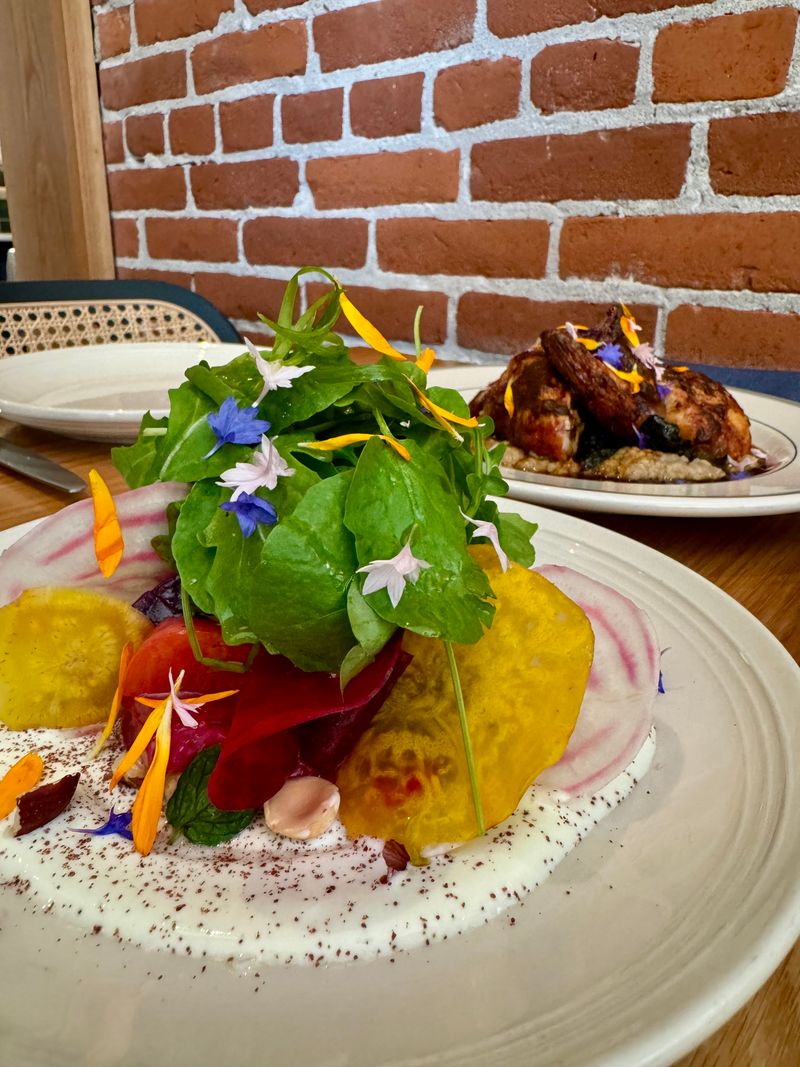
McMinnville anchors Oregon Wine Country, where Pinot Noir vineyards roll across gentle hills and tasting rooms welcome visitors seeking world-class wines. The town’s restaurant scene has evolved to match the sophistication of surrounding wineries, with chefs creating dishes worthy of the exceptional bottles that flow through local establishments.
Third Street alone hosts enough quality dining to justify a dedicated food pilgrimage.
Acclaimed restaurants draw diners from Portland and beyond, their reputations built on seasonal menus, impeccable technique, and wine lists that showcase regional producers. Farm-to-table philosophy dominates, with many establishments maintaining relationships with specific growers and ranchers who supply ingredients picked at peak ripeness.
Tasting menus pair courses with local wines, creating experiences that highlight the synergy between food and viticulture.
Beyond fine dining, McMinnville offers bakeries producing artisan breads, cafes serving locally roasted coffee, and casual bistros where winemakers gather after work. The farmers market brings producers and consumers together, strengthening connections that benefit both restaurants and agricultural operations.
Food carts add diversity and affordability, ensuring that exceptional eating doesn’t require deep pockets.
Historic buildings house many dining establishments, their brick facades and vintage details adding atmosphere to memorable meals. Sidewalk tables allow for people-watching along streets that balance small-town charm with cosmopolitan energy.
The address 729 NE 3rd St exemplifies the restaurant row that has made McMinnville a culinary destination.
Visitors quickly realize that wine provides the foundation but food delivers the full experience in this Willamette Valley town.
McMinnville demonstrates how agricultural specialization can elevate an entire community’s culinary culture, creating a destination where eating and drinking well becomes the primary attraction rather than an afterthought to other activities.
7. Cottage Grove: Southern Valley Hidden Gem

Cottage Grove rarely appears on culinary destination lists, which makes discovering its surprisingly good food scene all the more rewarding. This southern Willamette Valley town combines historic charm with agricultural surroundings that supply fresh ingredients to local restaurants.
Covered bridges and vintage storefronts create a nostalgic atmosphere where farm-to-table dining feels natural rather than trendy, rooted in generations of connection between town and countryside.
Main Street restaurants occupy buildings that have served the community for decades, their longevity testament to consistent quality and genuine hospitality. Menus feature comfort food elevated by fresh ingredients and careful preparation, the kind of meals that satisfy without pretension.
Local beef, seasonal vegetables, and homemade desserts appear alongside daily specials that showcase whatever’s fresh and available.
Bakeries turn out morning pastries and breads that supply both retail customers and restaurant kitchens. Coffee shops provide gathering spaces where locals catch up over lattes and breakfast sandwiches.
Even the casual cafes demonstrate pride in their offerings, serving food that exceeds expectations for a town this size and off the main tourist routes.
The surrounding valley produces berries, hazelnuts, and other crops that appear in seasonal dishes and baked goods. Farmers markets connect producers directly with consumers, fostering relationships that strengthen the local food system.
This agricultural abundance translates into restaurant menus that change with the seasons rather than relying on imported ingredients.
Addresses like 715 Main St place diners in the historic downtown core, where parking is easy and the pace remains refreshingly unhurried.
Cottage Grove offers proof that exceptional food doesn’t require urban density or tourist crowds, just commitment to quality and respect for ingredients that characterizes the best of small-town Oregon dining culture.
8. Newport: Working Port with Ocean-to-Table Dining
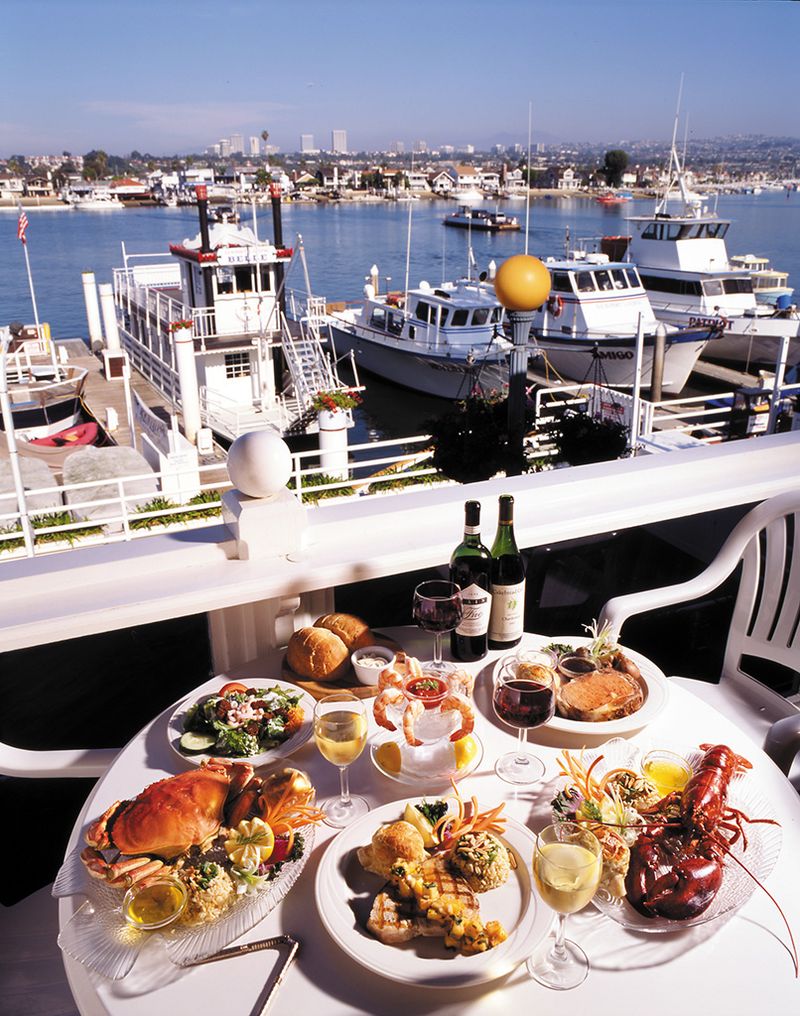
Newport remains a genuine working fishing port where commercial boats unload their catches daily, supplying restaurants with seafood so fresh it sometimes arrives still moving. Unlike resort towns that have sanitized their maritime heritage, Newport embraces its fishing industry while welcoming visitors eager to taste the ocean’s bounty.
The bayfront district bustles with activity as boats come and go, seagulls wheel overhead, and the smell of salt and fish fills the air.
Dungeness crab, salmon, halibut, rockfish, and oysters dominate local menus, prepared in ways that range from traditional fish and chips to creative preparations that reflect culinary evolution. Chowder competitions have elevated this humble soup to art form, with restaurants competing for bragging rights and customer loyalty.
Casual seafood shacks sit alongside more refined establishments, ensuring options for every budget and preference.
The historic bayfront offers dining with working waterfront views, where diners watch fishing boats dock while enjoying meals that showcase the day’s catch. Crab pots stack on docks, nets dry in the sun, and the authentic maritime atmosphere enhances every bite.
This isn’t manufactured charm but the real character of a community that still earns its living from the sea.
Beyond seafood, Newport restaurants serve Oregon beef, local produce, and craft beverages that complement ocean flavors. Bakeries produce morning pastries, coffee roasters fuel early risers, and breweries offer spots to unwind after beach walks or aquarium visits.
The address 2120 SE OSU Dr captures the breadth of dining options scattered across this coastal community.
Visitors discover that Newport’s food scene thrives precisely because it remains connected to its fishing roots, where quality seafood and honest preparation matter more than elaborate presentations or trendy concepts along Oregon’s central coast.
9. Eugene and Springfield: College Town Culinary Diversity
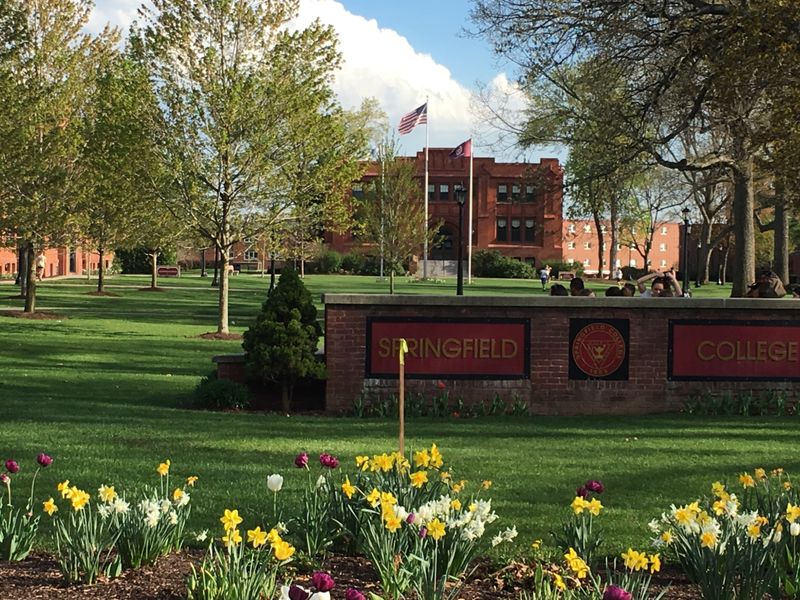
Eugene and Springfield function as twin cities along the Willamette River, their combined populations supporting a restaurant diversity that rivals much larger metropolitan areas. The University of Oregon brings students and faculty from around the world, creating demand for global cuisines and progressive dining concepts that might struggle in more homogeneous communities.
Food carts, ethnic restaurants, and farm-to-table bistros thrive alongside traditional establishments that have served the area for generations.
Downtown Eugene pulses with options ranging from Vietnamese pho shops to Ethiopian restaurants, Mexican taquerias to Japanese ramen houses. The college crowd supports affordable ethnic eateries that deliver authentic flavors without pretension, while professionals and visitors sustain upscale restaurants showcasing Willamette Valley ingredients.
Food cart pods offer incredible variety, allowing diners to sample multiple cuisines in a single outing.
Springfield’s restaurant scene has evolved beyond its working-class roots to include creative dining that complements rather than competes with Eugene’s offerings. Main Street revitalization has brought new energy and establishments that reflect the community’s growing sophistication.
Together, the cities provide culinary options that satisfy virtually any craving or dietary preference.
Farmers markets showcase the agricultural abundance of surrounding valleys, with produce, meats, and artisan products that supply both home cooks and restaurant kitchens. Local breweries and cideries add beverage options that pair well with diverse cuisines.
Coffee culture runs deep, with numerous roasters and cafes serving drinks that fuel the college town’s intellectual energy.
Addresses like 296 E 5th Ave place diners in Eugene’s downtown core, where walkable streets connect dozens of dining options within blocks.
The combined communities demonstrate how educational institutions and agricultural surroundings create perfect conditions for diverse, dynamic food scenes that reward exploration and repeat visits throughout Oregon’s southern Willamette Valley.
Dear Reader: This page may contain affiliate links which may earn a commission if you click through and make a purchase. Our independent journalism is not influenced by any advertiser or commercial initiative unless it is clearly marked as sponsored content. As travel products change, please be sure to reconfirm all details and stay up to date with current events to ensure a safe and successful trip.
