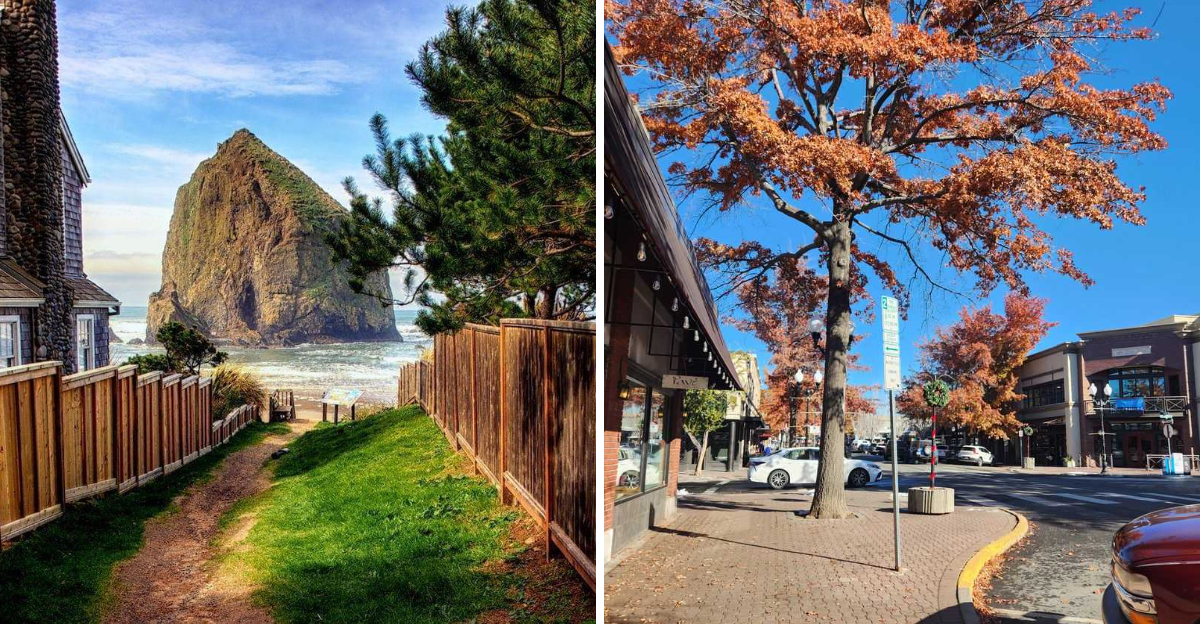
Oregon has a way of sneaking up on you when you least expect it. I thought I’d seen all the best weekend getaways, but then I started wandering into these small, off-the-map towns scattered across the state – and everything changed.
Each place has its own personality, from quirky cafes and local breweries to hidden hiking trails and streets lined with unexpected charm.
They reminded me that the real magic isn’t always in the guidebooks or the crowded hotspots everyone flocks to.
These towns pull you in, make you slow down, and leave you planning your next trip before you’ve even left. Pack your bags, clear your calendar, and forget the usual weekend routine.
Your next adventure is out there, waiting to surprise you – and your Instagram feed is about to look incredible.
1. Ashland
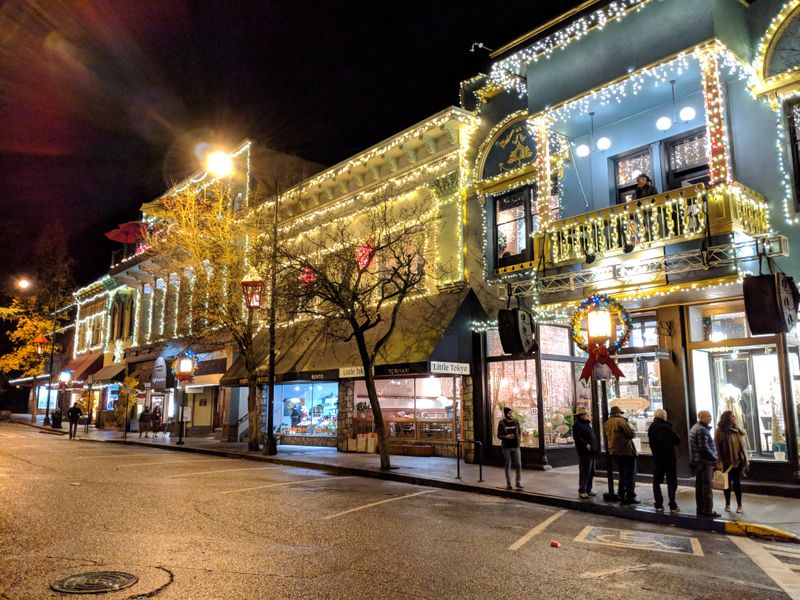
Nestled in southern Oregon near the California border, Ashland feels like stepping into a living theater production.
The Oregon Shakespeare Festival has been drawing crowds here since 1935, transforming this mountain town into a cultural hotspot that rivals anything you’d find in Portland.
I spent an entire weekend here last summer and barely scratched the surface of what this place offers. The downtown area radiates charm with its tree-lined streets and locally-owned shops.
You can grab breakfast at a cozy café, catch a matinee performance, then hike Lithia Park’s 93 acres before dinner. The park itself winds along Ashland Creek with Japanese gardens, duck ponds, and trails that climb into the Siskiyou Mountains.
What really got me was how the artistic vibe permeates everything. Gallery owners chat about their collections like old friends.
Street musicians add soundtrack to your afternoon stroll. Even the restaurants feel like they’re putting on their own show with locally-sourced menus that change with the seasons.
Ashland sits at 1,871 feet elevation, giving it four distinct seasons without the harsh extremes. Winters bring occasional snow, summers stay comfortably warm, and fall explodes with color.
The town has about 21,000 residents who’ve created a community that welcomes visitors while maintaining authentic local character. Oregon State really outdid itself with this gem, and I keep finding excuses to return.
2. Bandon
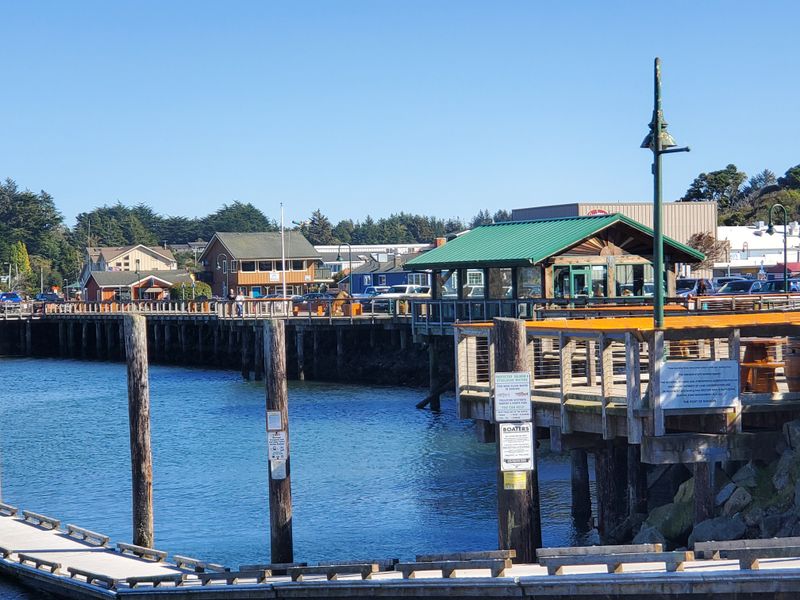
Bandon sits on Oregon’s southern coast where the Coquille River meets the Pacific, and honestly, the scenery here feels almost unreal. Face Rock rises from the surf like nature’s sculpture garden, surrounded by dozens of other sea stacks that create the most photogenic coastline I’ve ever explored.
Low tide reveals tide pools teeming with starfish and anemones, making every beach walk an adventure.
The town itself maintains that authentic fishing village atmosphere despite being home to world-famous Bandon Dunes Golf Resort.
Old Town Bandon lines the waterfront with galleries, seafood restaurants, and shops selling everything from local cranberry products to handmade crafts. I watched storm waves from Coquille Point and understood why artists flock here year-round.
Bandon Dunes has put this town on international golf maps, but you don’t need to swing clubs to appreciate the rugged beauty. Beach Loop Drive connects multiple state parks and viewpoints where you can spend hours photographing rock formations.
The best light happens during golden hour when the setting sun paints everything amber and gold. Weather here runs cool and often foggy, especially summer mornings when marine layers roll in.
That coastal mist creates moody atmospheres perfect for contemplative walks. The town has roughly 3,000 residents who embrace both tourists and the wild Pacific storms that shape their landscape.
This corner of Oregon proves that dramatic coastlines and small-town charm can coexist beautifully.
3. Bend
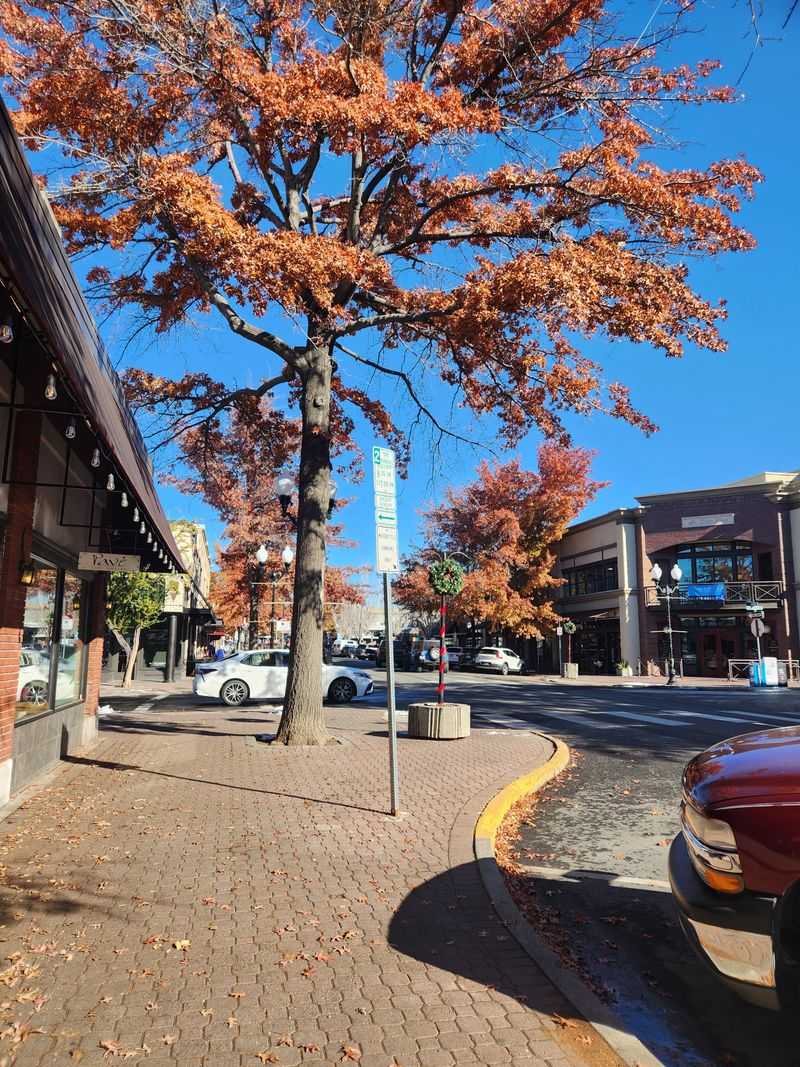
Bend exploded from sleepy timber town to outdoor recreation mecca over the past two decades, and I totally understand why.
Sitting at 3,623 feet in central Oregon’s high desert, this place delivers 300 days of sunshine annually while offering immediate access to mountains, rivers, and volcanic landscapes.
Mount Bachelor looms to the west, the Deschutes River cuts through town, and the vibe screams adventure. I’ve visited Bend in every season and each one brings different opportunities.
Winter means skiing and snowboarding at Mount Bachelor, which operates one of the longest seasons in North America. Spring and fall offer perfect temperatures for mountain biking the hundreds of trail miles surrounding town.
Summer brings paddleboarding, kayaking, and rock climbing at Smith Rock State Park just 30 minutes north. Downtown Bend balances growth with character remarkably well.
Local breweries anchor nearly every block, though I’m focusing on the food scene and coffee culture that rival any major city. The Old Mill District transformed former lumber mill buildings into shopping and dining destinations along the river.
You can walk or bike almost everywhere using the extensive trail system. What strikes me most is how Bend attracts people genuinely passionate about outdoor lifestyles.
The population has grown to about 100,000, yet the town maintains that welcoming mountain community feel. Oregon’s high desert environment creates dramatic temperature swings, so layers are essential.
Bend proves you can have urban amenities and wilderness access without compromising either.
4. Cannon Beach
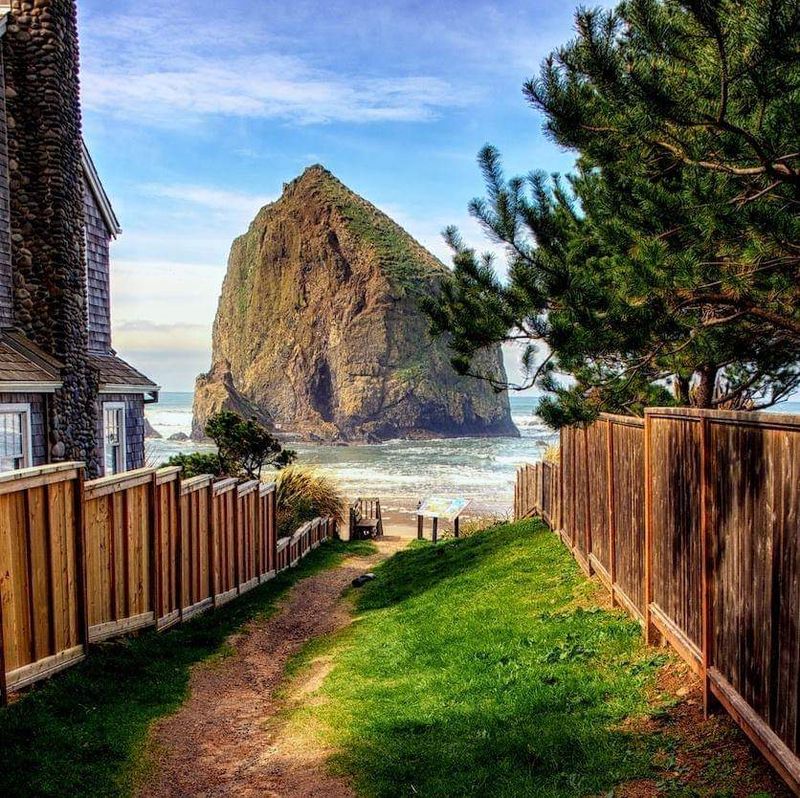
Haystack Rock dominates Cannon Beach like a 235-foot exclamation point rising from the sand. This massive sea stack has become Oregon’s most photographed coastal landmark, and standing beside it makes you feel wonderfully small.
Tide pools at its base host puffins during nesting season, and exploring them at low tide never gets old no matter how many times I visit.
The town stretches along four miles of sandy beach with the Pacific crashing constantly in the background.
Hemlock Street forms the main downtown corridor where art galleries outnumber chain stores by a comfortable margin. I’ve spent entire afternoons gallery-hopping here, discovering local artists who capture the coast’s moody beauty in paintings, photography, and sculpture.
Cannon Beach cultivates a deliberately artistic atmosphere that sets it apart from typical beach towns.
The Coaster Theatre Playhouse at 108 N Hemlock Street, Cannon Beach, OR 97110 stages year-round productions in an intimate setting.
Numerous festivals celebrate everything from sandcastle building to fine arts, drawing visitors who appreciate creativity as much as coastal scenery. Fog rolls in frequently, creating that quintessential Pacific Northwest ambiance where the ocean feels mysterious and powerful.
The town maintains strict development codes that prevent high-rises and preserve the village character. About 1,700 residents call Cannon Beach home permanently, though summer populations swell considerably.
This stretch of Oregon coastline proves that natural beauty and artistic community can enhance each other perfectly when given the chance.
5. Astoria
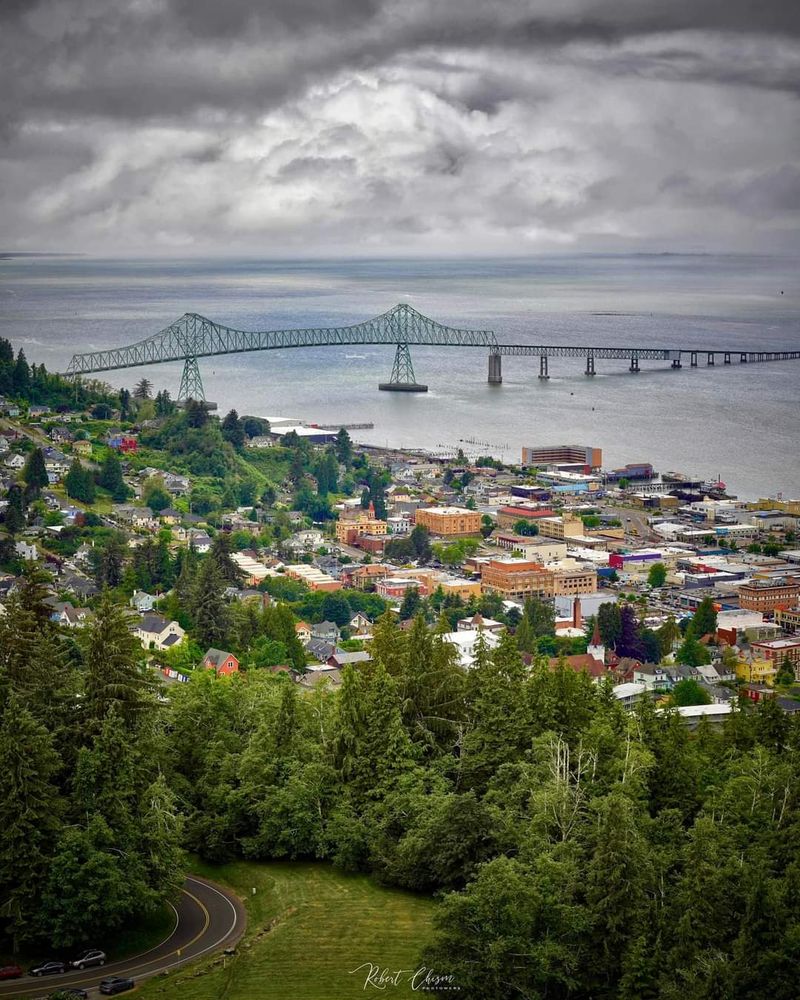
Astoria claims the title of Oregon’s oldest American settlement, established in 1811 where the Columbia River meets the Pacific Ocean. Victorian homes cascade down steep hillsides overlooking the river, creating postcard views around every corner.
I climbed the 164-step Astoria Column for 360-degree panoramas that stretch from the Pacific to the Cascade Mountains on clear days. The downtown waterfront buzzes with maritime history and modern revitalization.
Trolley tracks run along the Columbia River Maritime Museum at 1792 Marine Drive, Astoria, OR 97103, which houses one of the best collections of Pacific Northwest nautical artifacts anywhere.
Cannery Pier Hotel and other developments transformed former industrial buildings into destinations while respecting the working waterfront’s heritage.
Walking Astoria’s neighborhoods feels like time traveling through architectural history. Captain George Flavel House stands as a pristine example of Queen Anne style, while humbler workers’ cottages dot the hillsides.
The town’s Finnish, Scandinavian, and Chinese heritage shows up in festivals, restaurants, and community traditions that residents actively preserve. Fog horns echo across the river frequently, reminding you that this remains an active port city.
The Astoria-Megler Bridge spans over four miles to Washington State, creating dramatic photo opportunities especially at sunset. About 10,000 people live here year-round, maintaining a tight-knit community that welcomes visitors enthusiastically.
This corner of Oregon combines working-class authenticity with growing creative industries, proving that history and progress can coexist when communities care enough to make it work.
6. Hood River
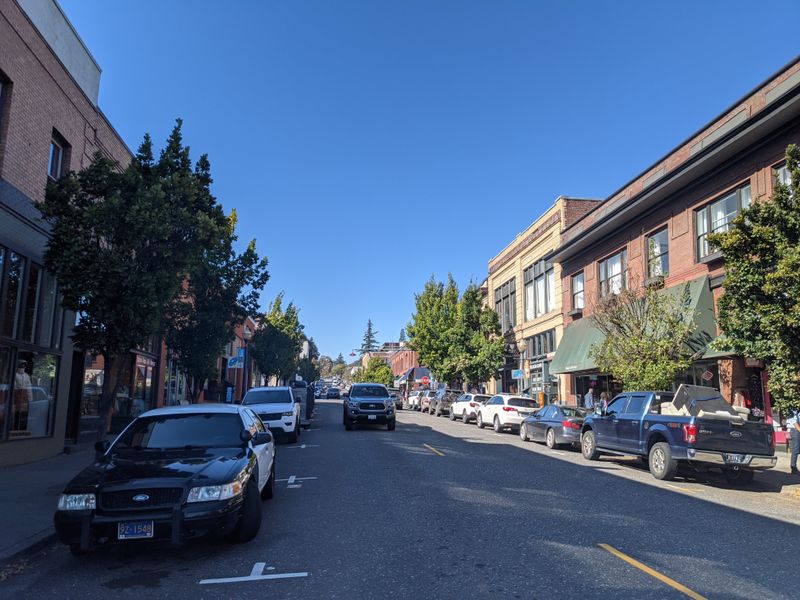
Hood River occupies prime real estate in the Columbia River Gorge where consistent winds create world-class conditions for windsurfing and kiteboarding.
I watched from the waterfront as dozens of colorful sails danced across the river, riders launching from beaches that once served as Native American fishing grounds.
Mount Hood rises majestically to the south, creating a backdrop that photographers dream about. The town has evolved from fruit-packing center to outdoor sports hub while maintaining its agricultural roots.
Orchards blanket the valley producing apples, pears, and cherries that you can pick yourself at numerous farms. Spring brings explosive blossom displays that rival anything you’d see in more famous destinations.
The Fruit Loop driving tour connects farms, wineries, and alpaca ranches in a 35-mile circuit. Downtown Hood River packs impressive dining and shopping into a walkable grid.
Local outfitters rent equipment and offer lessons for water sports at every skill level. The historic Columbia Gorge Hotel at 4000 Westcliff Drive, Hood River, OR 97031 perches on a cliff with gardens that cascade toward the river below.
Weather here differs dramatically from Portland just 60 miles west, with more sun and those famous Gorge winds. Summer temperatures climb comfortably warm while winters stay relatively mild at 500 feet elevation.
The population of about 8,000 includes athletes, artists, and farmers who’ve created a community that values both adventure and sustainability. Oregon really delivered when it carved out this corner of paradise.
7. Yachats
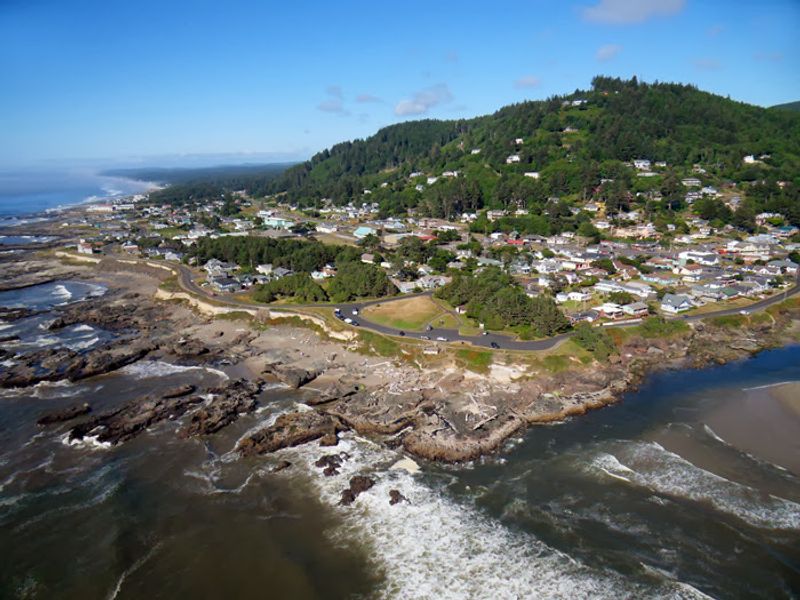
Yachats hugs eight miles of Oregon’s most dramatic coastline where ancient lava flows meet relentless Pacific waves. The village calls itself the Gem of the Oregon Coast, and I won’t argue after watching winter storm waves explode against the basalt formations at Thor’s Well.
Cape Perpetua rises 800 feet just south of town, offering hiking trails through old-growth forests and viewpoints that reveal coastline stretching for miles. This tiny community of roughly 700 residents has resisted overdevelopment with impressive determination.
You won’t find chain hotels or restaurants cluttering the main drag. Instead, locally-owned inns, galleries, and cafes create an atmosphere that feels authentic and welcoming.
The Yachats River flows through town to meet the ocean, and watching sunset from the beach never disappoints. Tide pools here rank among Oregon’s best for exploring marine life.
Sea stars cling to rocks in impossible colors while hermit crabs scuttle between pools. The 804 Trail follows the coastline through town, connecting beaches and viewpoints in an easy walk that showcases why people fall in love with this place.
Weather runs cool and often windy, with frequent rain that keeps everything impossibly green. The rugged beauty attracts artists, writers, and people seeking quieter coastal experiences than you’ll find in busier towns.
Yachats proves that small can be spectacular when a community prioritizes natural beauty and local character over rapid growth. This stretch of Oregon coastline rewards visitors who appreciate raw Pacific power.
8. Florence
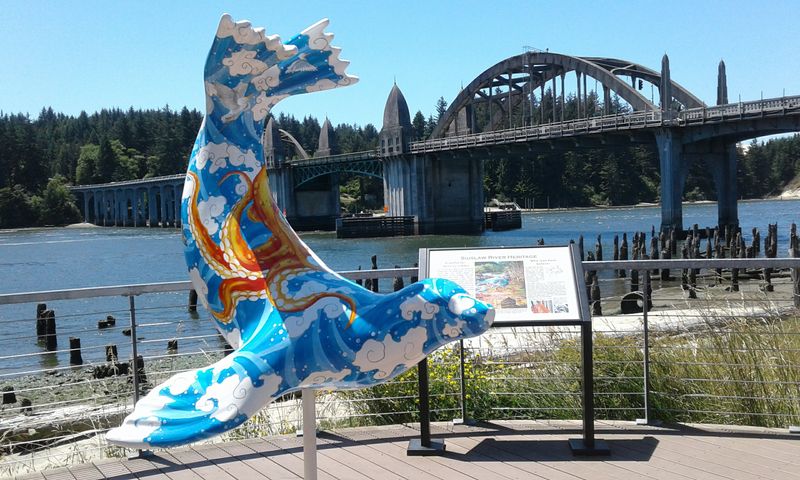
Florence sits where the Siuslaw River empties into the Pacific, surrounded by some of Oregon’s most unique landscapes. The Oregon Dunes National Recreation Area stretches for 40 miles along the coast here, creating the largest expanse of coastal sand dunes in North America.
I spent a morning hiking these towering dunes and felt like I’d been transported to a desert that somehow ended at the ocean. Old Town Florence preserves the historic downtown along the river with buildings dating back over a century.
Bay Street hosts galleries, antique shops, and restaurants serving fresh seafood caught by the local fleet. The Siuslaw River Bridge, built in 1936, stands as one of Conde McCullough’s Art Deco masterpieces that grace Oregon’s coastal highway.
Sea Lion Caves lies 11 miles north at 91560 Highway 101, Florence, OR 97439, where hundreds of Steller sea lions congregate in America’s largest sea cave. The bellowing echoes through the cavern create an unforgettable wildlife experience.
South of town, Heceta Head Lighthouse perches on a cliff as one of the coast’s most photographed beacons. The dunes ecosystem supports unique plant and animal species adapted to shifting sands and salt spray.
You can explore by foot, rent sandboards, or take guided tours that explain the geology. Florence’s population of about 9,000 swells during summer when the moderate coastal climate attracts visitors.
This part of Oregon showcases how diverse the state’s landscapes can be, from dense coastal forests to Sahara-like dunes, all within minutes of each other.
9. Newport
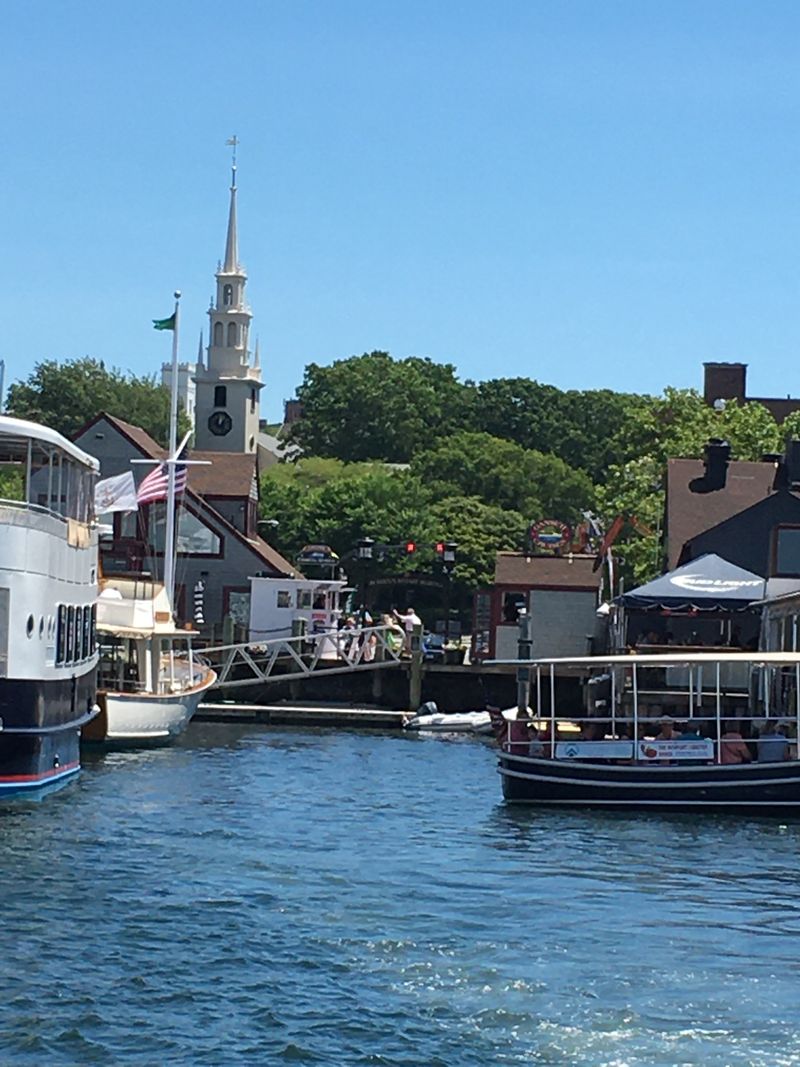
Newport straddles Yaquina Bay where commercial fishing boats and recreational vessels share the same waters.
The historic bayfront district lines the waterfront with weathered buildings housing seafood markets, chowder houses, and tourist shops.
Sea lions bark from the docks, begging for scraps and putting on shows that draw constant crowds. I grabbed fish and chips from a local spot and watched fishing boats unload their catches while gulls circled overhead.
The Oregon Coast Aquarium at 2820 SE Ferry Slip Road, Newport, OR 97365 ranks among the nation’s best, with exhibits showcasing Pacific marine life from tide pools to the deep sea. Their seabird aviary and sea otter habitat let you observe these animals up close in naturalistic settings.
The aquarium played a crucial role in marine mammal rescue and rehabilitation efforts along the coast.
Yaquina Head Outstanding Natural Area protects the tallest lighthouse on Oregon’s coast, standing 93 feet tall since 1873.
The headland offers exceptional tide pooling and whale watching during migration seasons. Gray whales pass by spring and fall, with some residents staying through summer to feed in nearshore waters.
Newport balances its working waterfront with tourism more successfully than many coastal towns. The population of roughly 10,000 includes multi-generation fishing families and newer residents drawn by coastal lifestyle.
Oregon State University operates the Hatfield Marine Science Center here, contributing research and educational programs. This town proves you can maintain authentic maritime character while welcoming visitors who want to experience real coastal life beyond the postcard views.
Dear Reader: This page may contain affiliate links which may earn a commission if you click through and make a purchase. Our independent journalism is not influenced by any advertiser or commercial initiative unless it is clearly marked as sponsored content. As travel products change, please be sure to reconfirm all details and stay up to date with current events to ensure a safe and successful trip.
