Ready to visit a beautiful old Pennsylvania historic site and instantly hear someone’s camera firing like it is a red carpet? These places are built for quiet awe, with creaky floors, delicate artifacts, and rooms that still feel lived-in even centuries later.
Then tourists bring flash photos and the constant one-more-step energy, and the whole experience starts turning into a rules lecture. Flash can damage light-sensitive materials like textiles, paper, and artwork, and it also wrecks the mood for everyone trying to take it in.
That extra step past the rope is worse. It risks bumping fragile objects, scuffing historic surfaces, and creating the exact crowd pressure that forces staff to tighten access for everyone.
The frustrating part is how small these choices feel in the moment. One flash, one step, one quick lean for a better angle, and suddenly a calm site is dealing with traffic jams, warnings, and annoyed visitors.
This list is for Pennsylvania historic spots where the history is still incredible, but the tourist habits can make you work harder for the quiet, respectful experience you came for.
1. Independence Hall Great Essentials Exhibit (Philadelphia)
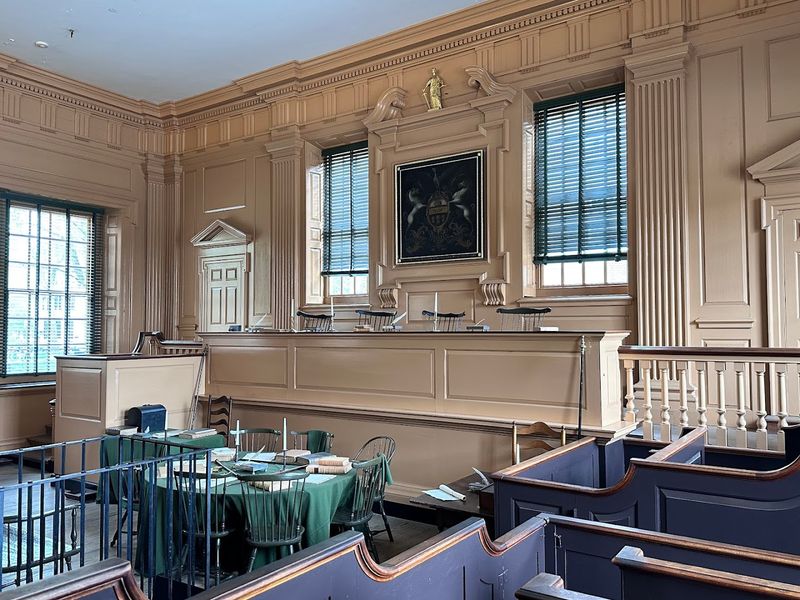
You step into the Great Essentials room at 520 Chestnut Street, Philadelphia, and the light is barely above a whisper. The cases hold replicas and precious papers that like calm, not lightning bolts.
Then someone decides their phone can “handle the low light,” and a burst goes off like a tiny thunderclap. Everybody blinks, the guard shifts, and the moment is gone.
I have watched the rope line turn into an obstacle course when folks creep forward for one more step. You can almost hear the paper sigh.
The exhibit lives on careful climate and gentle light because that is how fragile history stays readable. Flash is not just rude, it is energy hitting surfaces that never asked for it.
If you want a photo, stand back and let the room do the talking. Your eyes adjust, and the mood shows you why the rules exist.
This is where the country’s paperwork learned to breathe. Treat it like a library that remembers everything.
Ask the staff what you can shoot, and they will guide you to good angles without glare. You still get the memory without the damage.
Philadelphia gets a lot of first times and last chances. Do not let your snapshot be the last straw for a tired page.
2. Gettysburg National Military Park Museum & Visitor Center (Gettysburg)
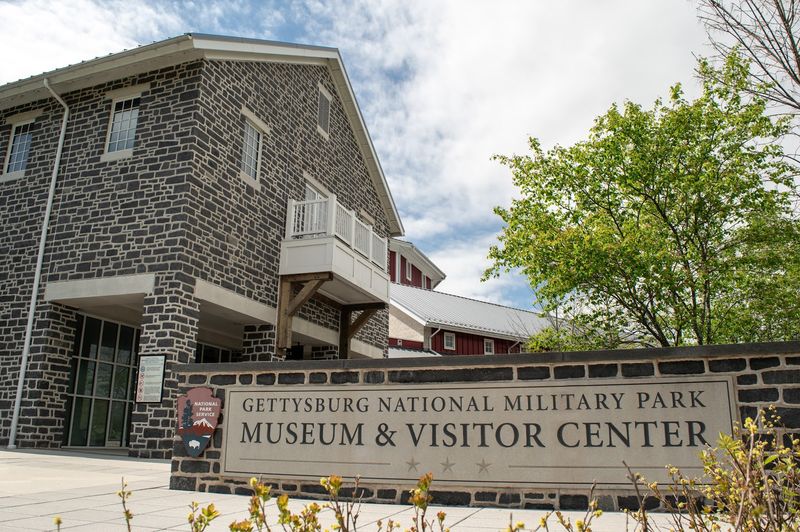
The museum at 1195 Baltimore Pike, Gettysburg, feels like stepping into a hush where every object expects respect. Then the Cyclorama gallery pulls you in, and someone tests the “no flash” sign like it’s a dare.
That pop ricochets through the dark theater. The painting’s night-sky lighting is there for drama, not for target practice.
I watched a guide pause mid-story while a phone screen glowed like a beacon. The crowd’s shoulders tightened all at once.
There is a reason the staff protects that lighting curve. It is staged so your eyes climb slowly from artifacts to canvas.
When folks edge closer for one more step, the whole choreography buckles. Lines wobble, and guards become traffic cones.
Here is the fix you will like. Stand where the floor marks make sense, and the scene does the heavy lifting.
If you want a keepsake, grab a photo in the lobby where light is friendly. Inside the museum, let memory carry more weight than pixels.
Pennsylvania preserves this story with care. You can feel it if you leave the flash off and let the room breathe.
3. Fallingwater (Mill Run)
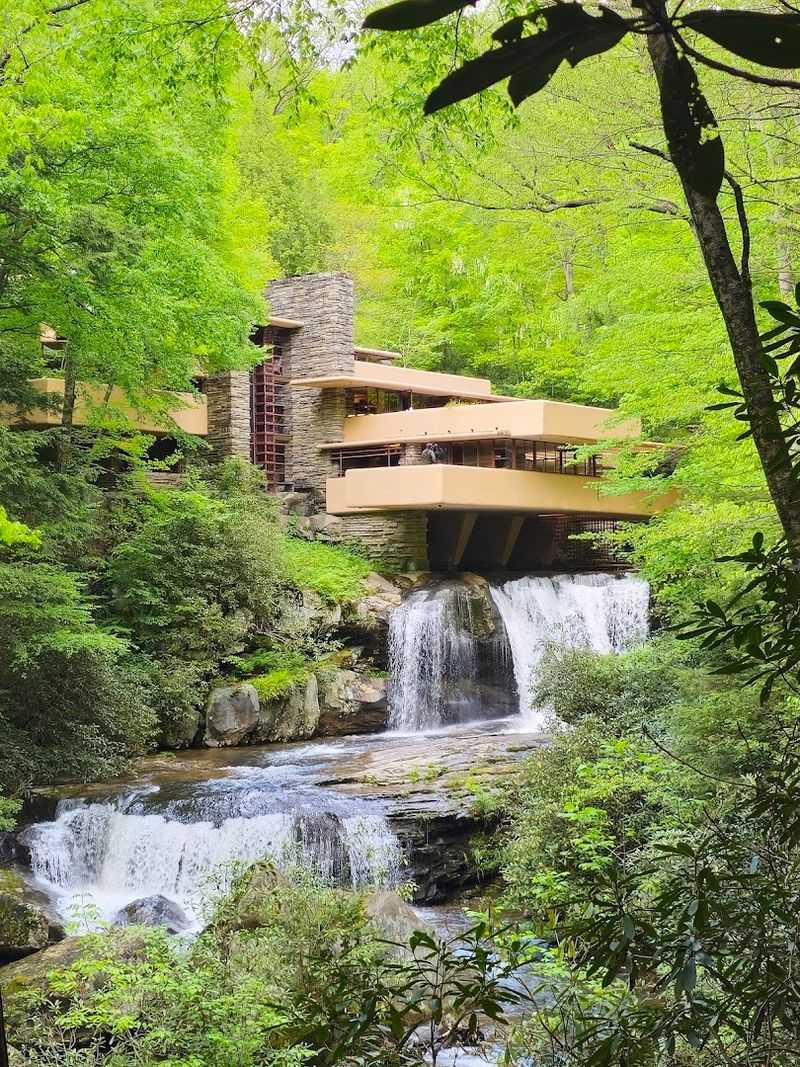
The woods hush you before the guide even says hello when you pull up to 1491 Mill Run Road, Mill Run. Fallingwater is all balance, soft light, and footsteps that sound like they were planned.
Inside, photos are a maybe, but flash is a never. The stone and wood read light like a diary.
I have seen folks inch toward the hearth, hunting a postcard angle the guide did not greenlight. The air gets tight, and the rhythm slips.
This house is a mood built on restraint. When a flash pops, the illusion blinks like a stage set catching a work light.
Let the guide call the moments, and your eyes will do the rest. The water outside already sings backup for every room.
If you want proof you were here, shoot the exterior from a respectful distance where the light is kind. The terraces pose without effort.
Pennsylvania’s forests frame the house exactly as intended. You do not need a brighter bulb to remember the feel of that stone underfoot.
Step steady, breathe, and keep the lens calm. The house rewards patience more than any flash ever could.
4. The Barnes Foundation (Philadelphia)
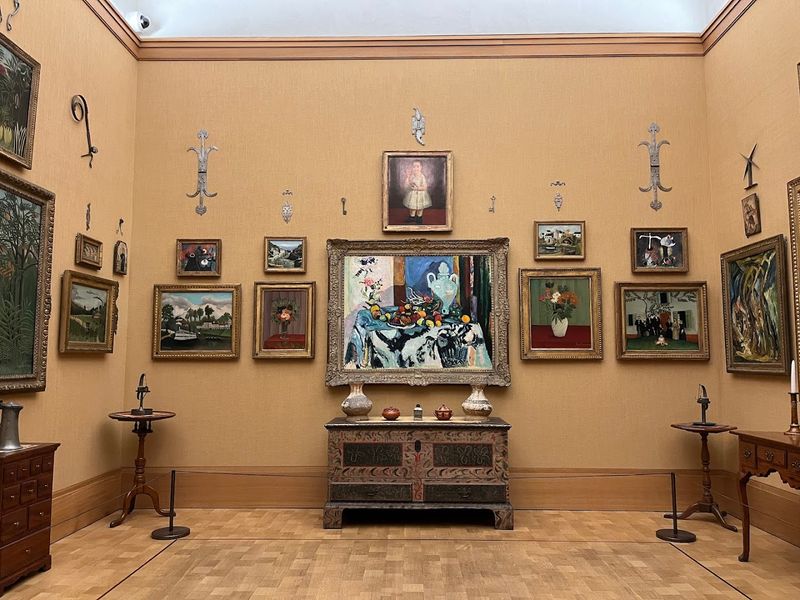
At 2025 Benjamin Franklin Parkway, Philadelphia, the Barnes hangs paintings in ensembles that feel like conversations. Step too close and the whole room stiffens like a cat spotting a spray bottle.
Flash is off limits, always. The light is tuned so the colors hum without shouting.
I have watched people zoom in, elbow by elbow, until the toe of a shoe kisses the rail. A guard clears a throat and the charm evaporates.
The trick here is to let your gaze, not your phone, do the zooming. Each wall is curated to be read as a page, not a single word.
Take one more step and you miss the grouping logic entirely. Back up and the patterns click into place.
Photos without flash are fine where allowed. But keep the distance and stay within the gallery rhythm.
Pennsylvania has plenty of grand halls, but this space is about intimacy. It needs breathing room to work.
If you want detail, buy a postcard or visit the digital collection later. Your memory will thank you for the quiet.
5. Museum Of The American Revolution (Philadelphia)
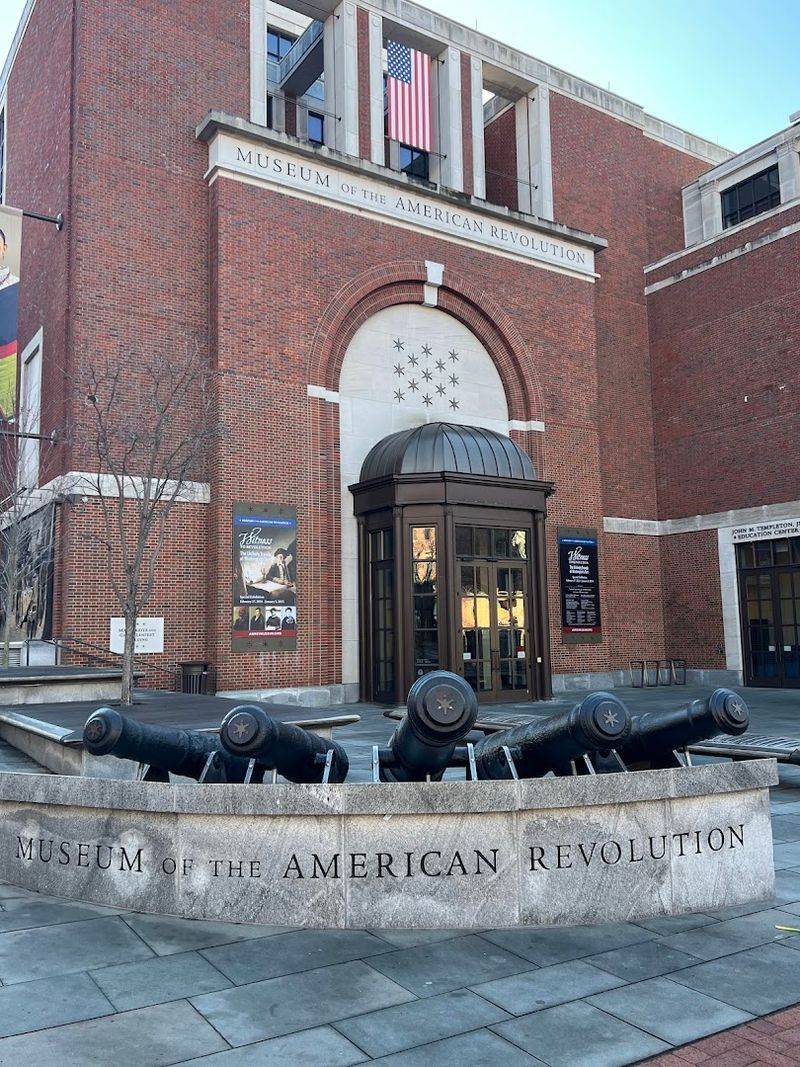
The galleries feel staged like campfire stories the moment you walk into 101 S 3rd Street, Philadelphia. Artifacts sit under soft light that asks you to lean in with your ears, not your phone.
Flash shots sneak in anyway. Every time one hits, the room jumps like a startled horse.
I once watched a docent pause beside a tent exhibit while a visitor argued their phone was different. The tent did not care, and neither did the rules.
There are plenty of places to take a calm, clean photo without glare. Hallways, entry spaces, and certain interactives play nice.
Inside the artifact zones, distance is the magic. When folks push for one more step, alarms are not far behind.
The staff will tell you what is cool to capture. Listening early saves awkward apologies later.
Pennsylvania history is detail heavy and light sensitive. That combo needs a gentle touch, not a blast.
Keep the flash off, keep the space, and let the storytelling do the focus work. You will leave with clearer memories than any blown-out frame.
6. The Frick Pittsburgh (Pittsburgh)
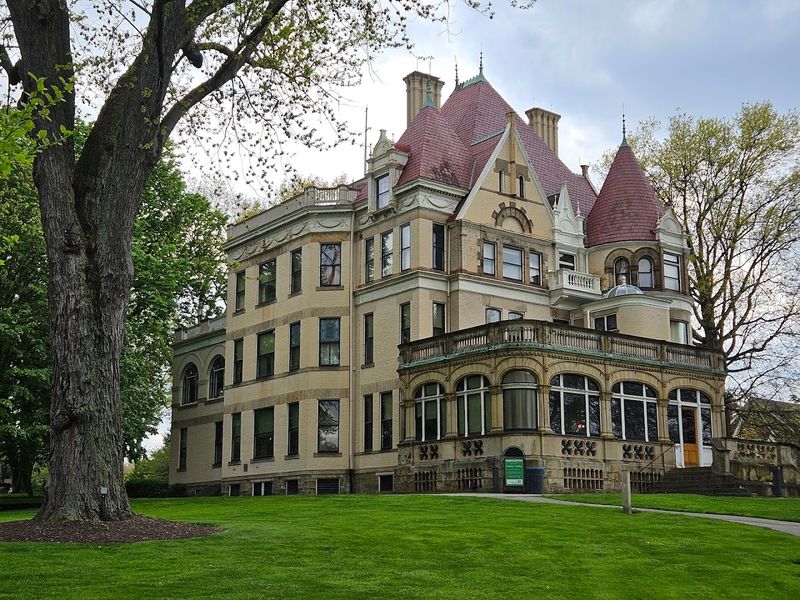
Over at 7227 Reynolds Street, Pittsburgh, the Frick swings between a historic house and polished galleries. The house says no photos, and the galleries say no flash and please back up.
People still creep forward like the frame might whisper a secret. It never does, it only squeaks the floor.
I watched a guest hover over a delicate object until a guard did the slow approach. That dance never feels good for anyone.
The mood here is quiet craftsmanship. Bright light chips at that feeling like static on vinyl.
If you want a shot, find the exterior where the light behaves. The architecture is generous without being pushy.
Inside, trust the distance markers and the staff cues. Those boundaries are there because materials age even when no one is watching.
Pennsylvania’s industrial stories echo through these rooms. You can hear them better when the cameras settle down.
Take your time, keep your steps measured, and save the close-ups for the catalog. You will leave with calm shoulders and better memories.
7. Andalusia Historic House, Gardens & Arboretum (Bensalem)
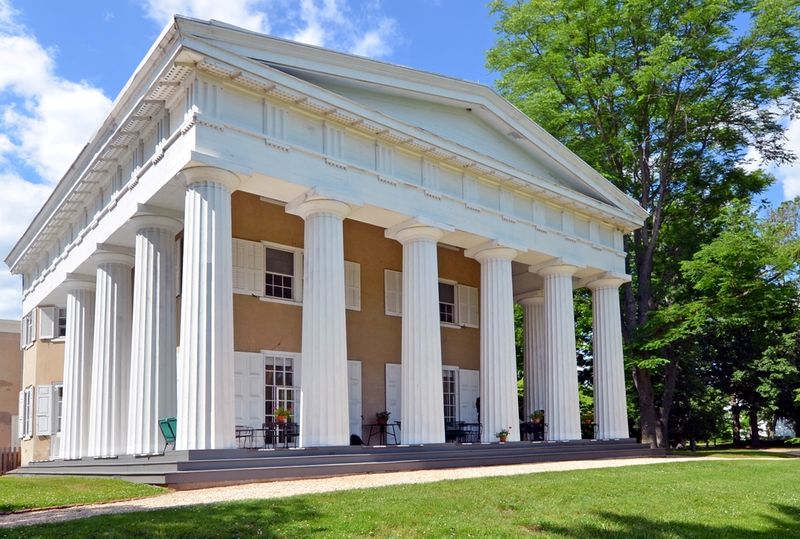
Pulling up to 1237 State Road, Bensalem, you get that Delaware River breeze and a house that looks like it knows stories. The guide sets the pace, and suddenly everyone forgets about time.
Then comes the sideways shuffle for one more step. A hand lifts a phone, the room tightens, and the guide’s smile thins.
Inside the Big House, it is no flash, no touching, and stay with the group. That trio keeps the past from fraying.
I have felt the quiet click of a frame when someone tries to sneak it. The parquet floors tattle more than you think.
The gardens are where your camera can relax. There the light loves leaves, and no artifact is holding its breath.
Stick to the path lines and listen for those subtle reminders. The docents protect because they care, not because they like rules.
Pennsylvania’s river estates have delicate bones. They carry the years in wood grain and fabric threads.
Save the interior for your eyes and the stories you repeat later. Your photos will feel better when the house does not wince.
8. Philadelphia Museum Of Art (Philadelphia)
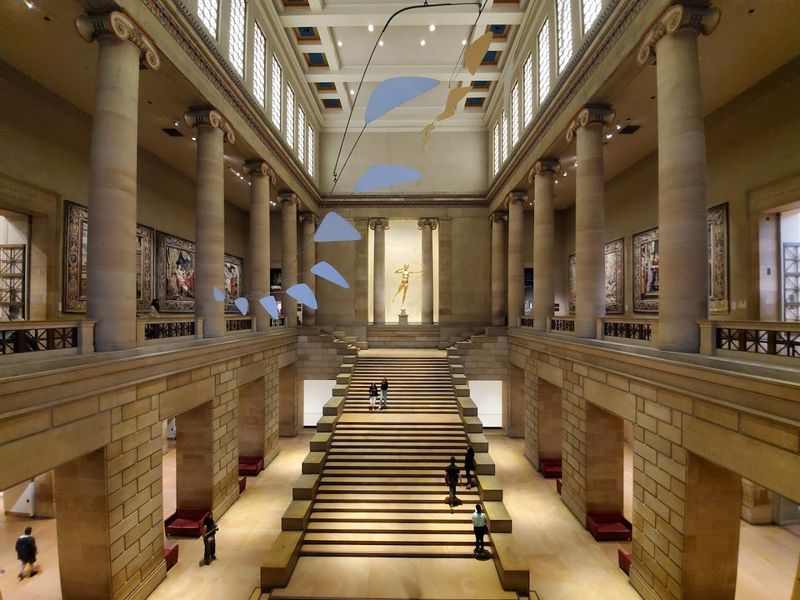
The building greets you like a drumroll when you climb to 2600 Benjamin Franklin Parkway, Philadelphia. Inside, the quiet is wide and generous until a flash cracks it in half.
The rule is simple and posted. Still, I see the inchworm approach for a tighter shot almost every visit.
That extra step pulls you into motion sensor country. The closest you want to get is where your breath does not fog the frame.
Stand back and the scale lands better anyway. Those rooms are built for distance, not nose prints.
If you need a close-up, the museum’s digital labels do the small stuff beautifully. Your camera can rest while your neck does the work.
When in doubt, ask a guard what flies. They know which corners are camera-friendly and which are off limits.
Pennsylvania pride lives in halls like this. You feel it in the marble and the hush between footsteps.
Keep the flash off, keep your space, and let the art come to you. You will like what happens when you stop chasing it.
9. Railroad Museum Of Pennsylvania (Strasburg)
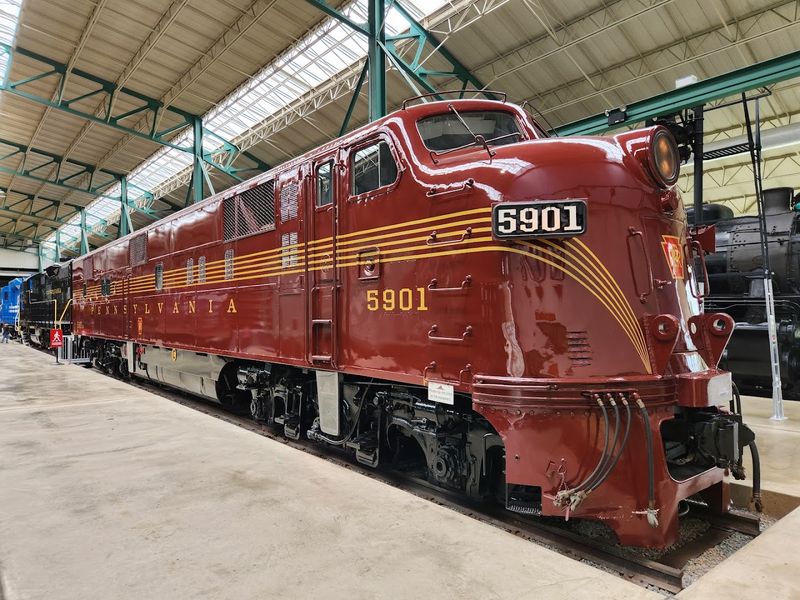
At 300 Gap Road, Strasburg, the big engines steal your breath before you even raise the camera. The museum feels sturdy, but certain corners like the art gallery ask for gentler light.
Flash can bounce off polished metal and turn everything into a glare party. Inside cars and tighter exhibits, staff may limit gear when folks get too eager.
I saw someone lean into a railcar doorway until a docent tapped the brakes. One more step and the whole illusion would have buckled.
Give the machines their space. They look better when you take them in at full frame anyway.
If you need detail, wait for a clear angle and let the ambient light work. Shiny metal hates hard bursts.
Ask where photos make sense today. Policies can shift room by room based on what is out.
This is Pennsylvania’s heartbeat in steel and rivets. Treat it like a living thing and it will reward you.
The best shots come from patience, not proximity. Your sneakers should never cross the line your lens can cover.
10. Carnegie Museum Of Art (Pittsburgh)
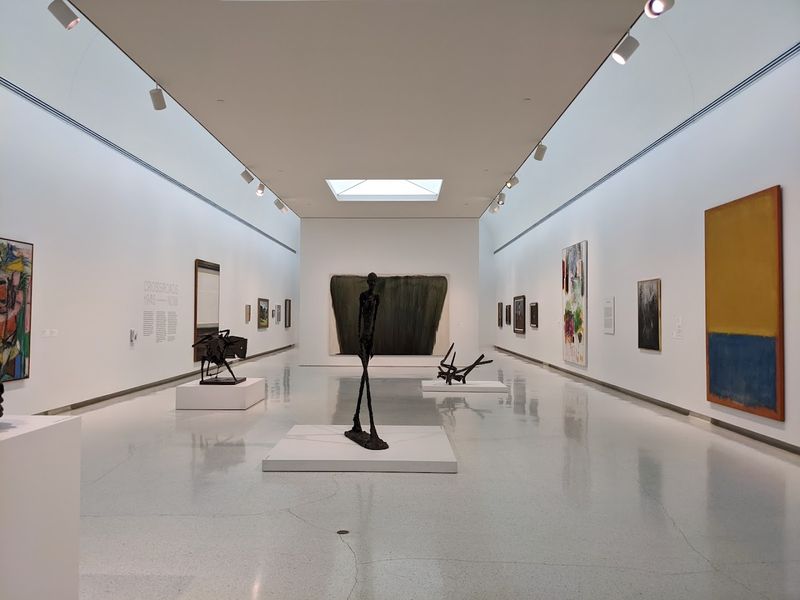
The Carnegie wraps you in that airy hush museums earn over time when you step in at 4400 Forbes Avenue, Pittsburgh. The walls glow just enough for your eyes, not your flash.
I watch the lean-in happen like clockwork. A camera seeks detail, a toe sneaks forward, and a guard materializes.
The museum expects space between you and the work. That gap is not personal, it is preservation.
Two steps back and the composition cleans up. You start seeing the whole rather than nibbling at corners.
If you need to capture something, skip the burst and let your hand steady. Your phone knows more about low light than you think.
Ask before you shoot where the rules feel fuzzy. The staff will point to yes zones and not today zones.
Pennsylvania has a habit of blending old and new gracefully. This place proves it with every corridor change.
Keep the flash off, breathe, and let the building set your tempo. The art pays you back when you stop rushing it.
11. National Constitution Center (Philadelphia)
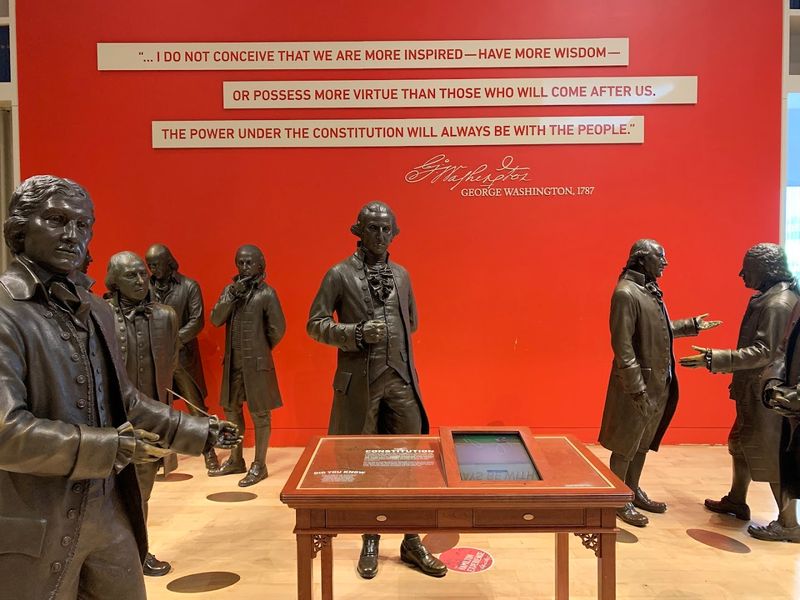
Head to 525 Arch Street, Philadelphia, and the building treats the Constitution like a living roommate. The exhibits are bright enough to read but still ask for no flash in galleries unless noted.
People try to sneak the quick zap anyway. It breaks the flow of those theater moments that rely on shadows.
I saw a family do the last inch toward a case and then freeze when a chime sounded. The spell cracks fast when alarms join the dialogue.
Look for posted exceptions and lean on the staff when unsure. You will get better shots by timing your moves with the show cycles.
Back up a step and the design lines snap into focus. The room is meant to be taken in like a stage, not a microscope slide.
The best souvenir here is a clear head. Let the words land without a strobe competing.
Philadelphia hums outside those windows and it seeps into the tone. Keep the camera calm so the message stays louder.
You will walk out with more to say than any bright snapshot could hold. That feels like the right win.
12. Palmer Museum Of Art (State College)
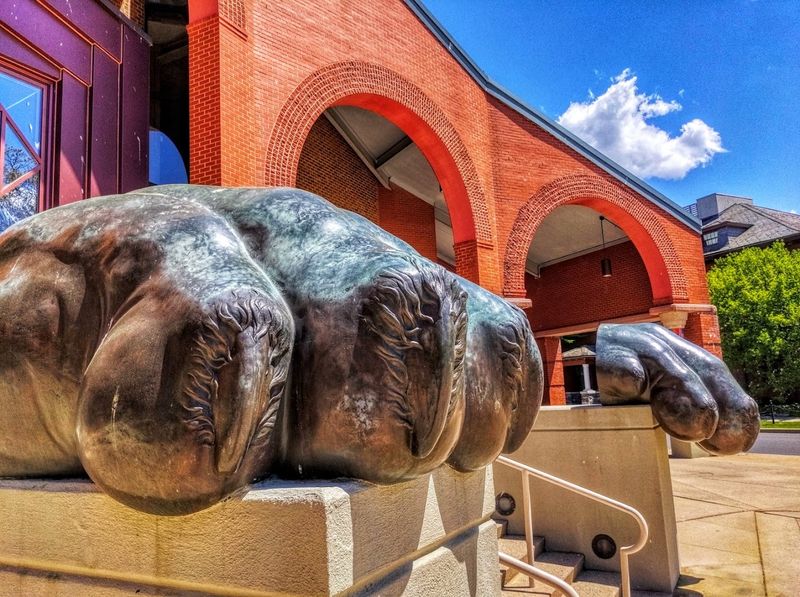
On Curtin Road in State College, the Palmer keeps its galleries calm and precise. The light is the kind that rewards a long stare more than a quick click.
No flash is the default and distance is part of the deal. People still drift forward like the frames are magnets.
I watched a student group press in for detail shots until a quiet reminder reset the room. You could feel shoulders drop back into place.
Stand where the floor guides feel natural. Your view opens up and the layout finally makes sense.
If you want to capture something, cradle the phone and let the sensor work. Hard light only flattens color and texture.
Ask about temporary shows because policies can shift with sensitive loans. The staff would rather help than hover.
Pennsylvania college towns are good at teaching patience. This museum does it without a lecture.
Leave with a few thoughtful frames and a better memory of the quiet. That is the kind of souvenir that lasts.
Dear Reader: This page may contain affiliate links which may earn a commission if you click through and make a purchase. Our independent journalism is not influenced by any advertiser or commercial initiative unless it is clearly marked as sponsored content. As travel products change, please be sure to reconfirm all details and stay up to date with current events to ensure a safe and successful trip.
