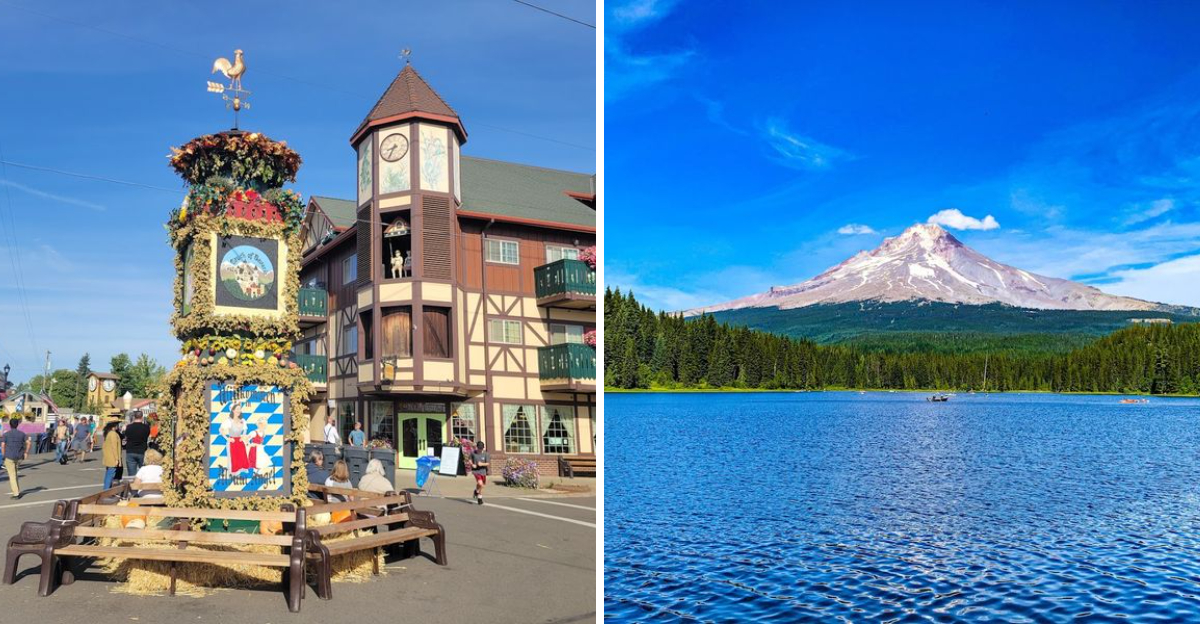
Switzerland might be famous for its dreamy alpine villages, but Oregon clearly didn’t get the memo – it just made its own. Scattered across the state are charming little towns that look like they were plucked straight out of the Alps, minus the long flight and passport checks.
Think cozy chalets, mountain views, and enough fresh air to make you feel instantly healthier. I kept expecting to hear cowbells echoing in the distance or spot someone casually yodeling.
Each village has its own personality. They all share that same storybook charm that makes you slow down and stay awhile.
Honestly, it’s almost suspicious how easy it is to feel like you’ve traveled halfway across the world. Consider this your shortcut to alpine magic – no jet lag required.
1. Joseph, Oregon
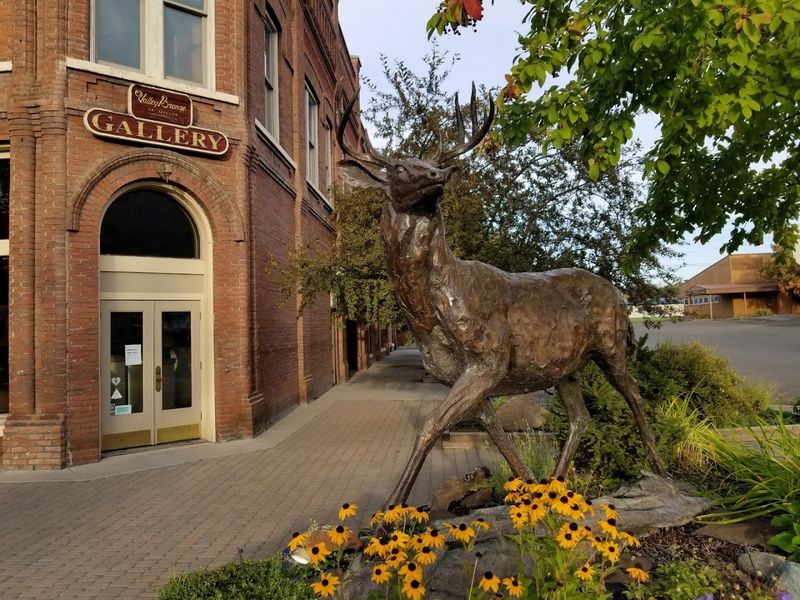
Bronze sculptures line the streets of this small Oregon town, and that alone tells you something special is happening here.
Joseph sits at the base of the Wallowa Mountains in Wallowa County, Oregon. It is often called the Little Switzerland of America, and once you see those jagged peaks rising behind the town, you will understand exactly why.
The art scene here is serious. Joseph has more bronze foundries per capita than almost anywhere in the United States.
Galleries and studios are scattered throughout downtown, making it feel like an outdoor museum with mountain views.
Beyond the art, Eagle Cap Wilderness is right at your doorstep. Hikers can access hundreds of miles of trails that wind through meadows and past crystal-clear alpine lakes.
Wallowa Lake is another must-see, offering boating, fishing, and a gondola ride to the summit for breathtaking panoramic views.
Summer brings wildflowers and warm breezes, while winter coats everything in a quiet blanket of snow. Joseph also hosts Alpenfest every September, a celebration rooted in Swiss and Bavarian traditions that draws visitors from across the Pacific Northwest.
Staying overnight is highly recommended. Several cozy lodges and cabins are available near Wallowa Lake.
The pace of life here is refreshingly slow, and the scenery never gets old.
2. Government Camp, Oregon
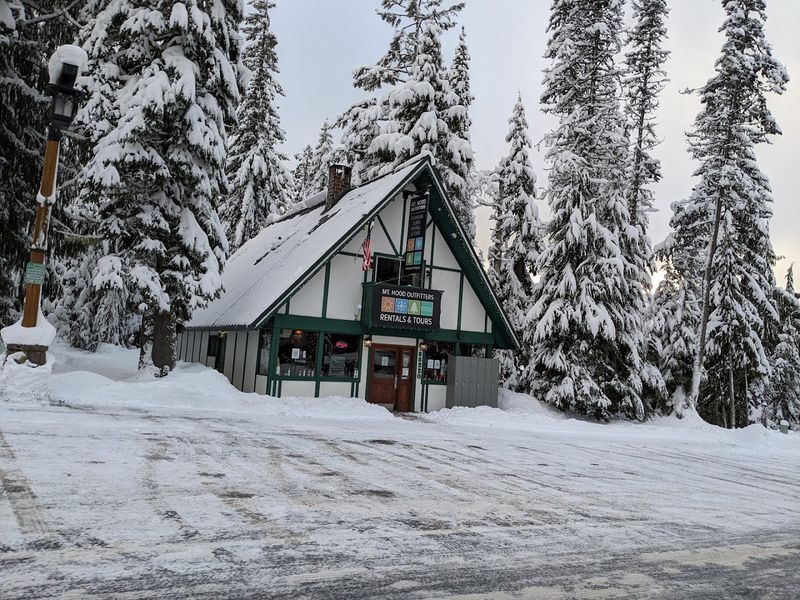
Perched on the slopes of Mount Hood, Government Camp is the kind of place that makes you want to trade your commute for a ski pass permanently.
This alpine village sits at about 3,980 feet elevation along the Mount Hood Corridor in Clackamas County, Oregon. Its location makes it one of the most accessible mountain destinations from Portland, just about an hour away by car.
Winter is when Government Camp truly shines. Timberline Lodge and Ski Bowl are nearby, offering skiing and snowboarding across a wide range of terrain.
Snowshoeing through the surrounding forest is another peaceful way to enjoy the season.
When summer rolls in, the village transforms into a hub for hikers and mountain bikers. The Pacific Crest Trail passes nearby, and dozens of shorter trails offer access to wildflower meadows and volcanic ridge views that feel genuinely otherworldly.
The village architecture itself has an old-world mountain charm. Timber-framed buildings, cozy lodges, and small restaurants create an atmosphere that feels more like the Alps than the Pacific Northwest.
Timberline Lodge, a National Historic Landmark, is worth a visit even if you are not skiing. The craftsmanship inside is extraordinary, with hand-carved details and murals throughout.
Government Camp rewards visitors in every season, and each visit reveals a new reason to return.
3. Mount Angel, Oregon
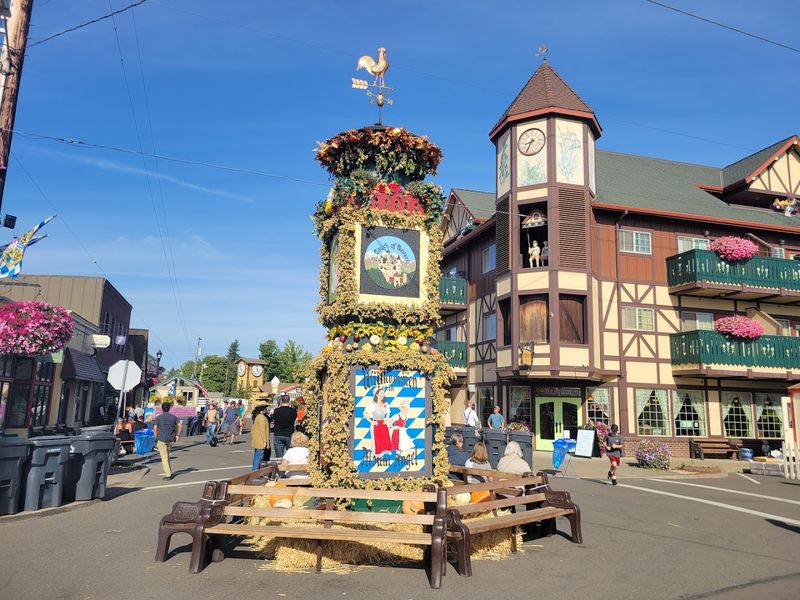
Imagine strolling through a street lined with Bavarian-style buildings while the sound of a massive glockenspiel echoes overhead. That is a Tuesday in Mount Angel.
Located in the Willamette Valley in Marion County, Oregon, Mount Angel is a small town with an enormous cultural personality. It was settled by German immigrants in the 1800s, and that heritage is still very much alive today.
The glockenspiel here is the tallest in the United States. It stands proudly in the town center and puts on a show several times a day, complete with rotating figurines and traditional melodies.
Kids and adults alike stop in their tracks when it performs.
Mount Angel Oktoberfest is the town’s biggest annual event and one of the largest Oktoberfest celebrations in the entire Pacific Northwest. The festival draws hundreds of thousands of visitors each year for traditional food, folk music, dancing, and a genuine sense of community celebration.
Outside of festival season, the town is calm and charming. The Mount Angel Abbey, a Benedictine monastery perched on a hilltop above town, offers stunning valley views and a library designed by the famous architect Alvar Aalto.
Walking the abbey grounds feels like stepping into a different century entirely. Mount Angel may be small, but it delivers an authentically European experience that is hard to find anywhere else in Oregon.
4. Rhododendron, Oregon
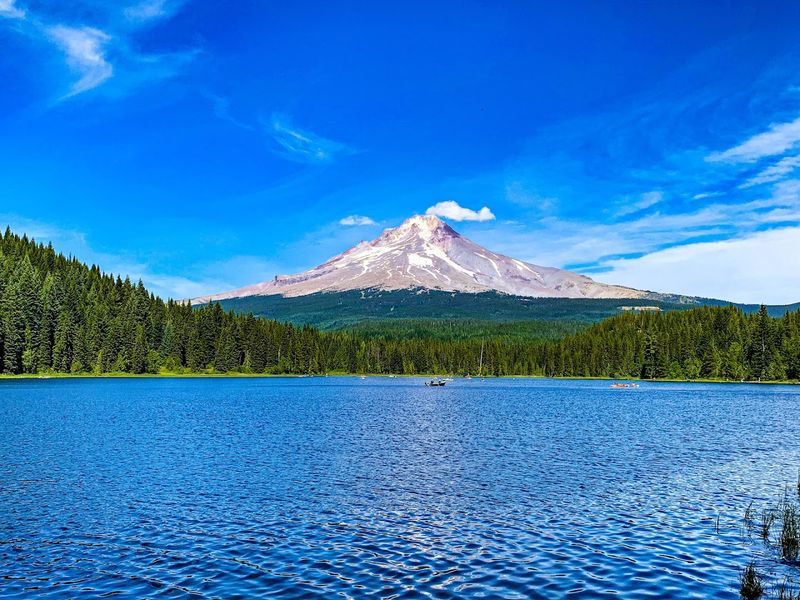
Spring in Rhododendron looks like someone spilled buckets of pink and purple paint across the entire forest floor, and it is absolutely worth seeing in person.
Rhododendron is a small community located along the Mount Hood Corridor in Clackamas County, Oregon. It sits within the collection of towns known as the Villages of Mount Hood, each one offering a slightly different flavor of alpine living.
The town takes its name from the wild rhododendron plants that bloom in enormous quantities throughout the surrounding forest each spring. The blooming season runs from May into June, and the color display is genuinely spectacular.
Year-round recreation is one of Rhododendron’s biggest draws. Hiking trails fan out in every direction, connecting to the broader Mount Hood National Forest trail network.
Salmon River, which flows nearby, is a favorite for fishing and peaceful streamside walks.
Winter brings snowfall that transforms the landscape into something quiet and magical. The proximity to Ski Bowl and Timberline means that ski enthusiasts can stay in Rhododendron and reach the slopes in minutes.
Vacation rentals and small lodges are plentiful, making it an easy base camp for exploring the entire Mount Hood area. The community has a laid-back, unpretentious vibe that is genuinely welcoming to first-time visitors.
Rhododendron is proof that you do not need a famous name to be an unforgettable destination.
5. Wallowa, Oregon
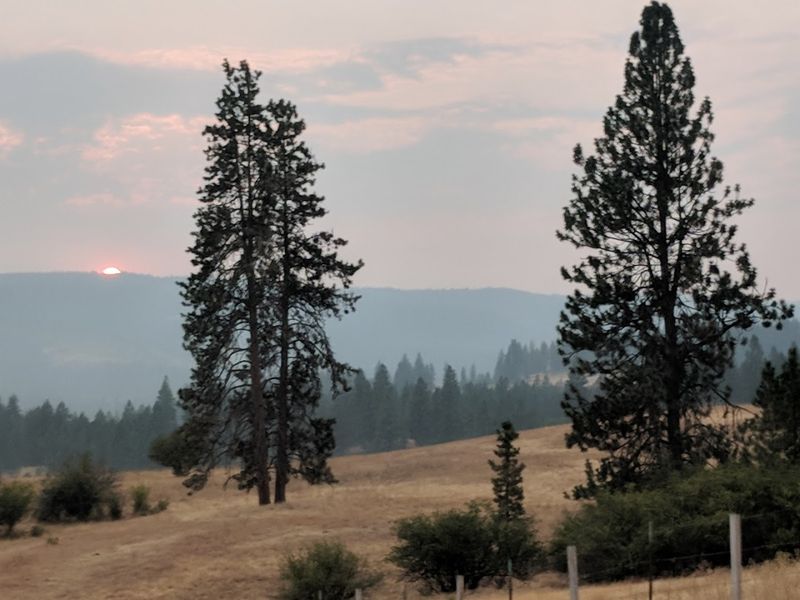
There is something deeply calming about a town that lets the mountains do most of the talking, and Wallowa does exactly that.
Wallowa is a small town in Wallowa County in northeastern Oregon. It sits in the shadow of the Wallowa Mountains, a range so dramatic and rugged that people routinely compare it to the Swiss Alps.
That comparison is not an exaggeration.
The town itself has a population of just a few hundred people, which means crowds are never a concern. Main Street is quiet, friendly, and full of genuine small-town character.
Local ranching culture blends naturally with the growing interest in outdoor tourism.
Wallowa Lake is just a short drive away, and the scenery along that route is staggering. Towering peaks, green meadows, and winding rivers create a landscape that photographers and painters have been chasing for generations.
Hiking and horseback riding are the most popular activities in the area. Trails range from easy lakeside walks to challenging backcountry routes that take you deep into Eagle Cap Wilderness.
Wildlife sightings, including elk, deer, and eagles, are common throughout the region.
The Wallowa Valley also has a rich history connected to the Nez Perce people, and several cultural sites in the area offer meaningful context for the land you are exploring. Wallowa rewards slow travel and curious visitors who take the time to truly look around.
6. Sisters, Oregon
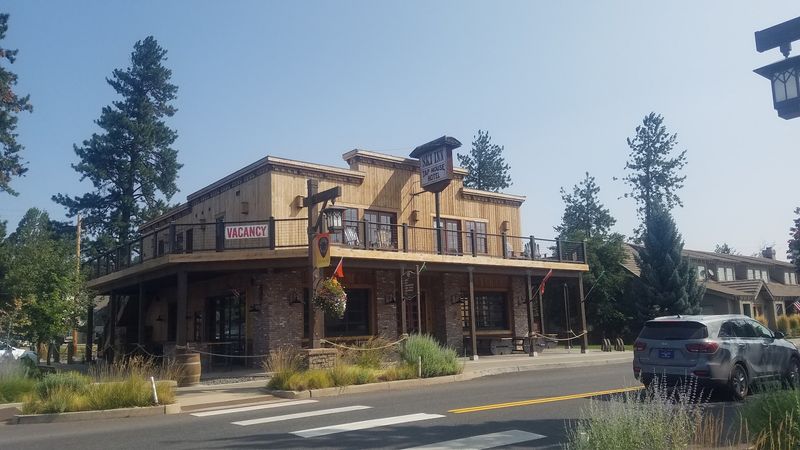
Sisters is the rare town that pulls off two completely different looks at once, part Old West frontier and part alpine mountain retreat.
Located in Deschutes County in central Oregon, Sisters sits at the base of the Three Sisters mountains, a trio of volcanic peaks in the Cascade Range that give the town its name. The elevation here is around 3,180 feet, and the air has that clean, high-country sharpness that immediately relaxes your shoulders.
Downtown Sisters is charming in a very deliberate way. The building facades follow a strict 1880s Western theme, but the shops inside are modern, eclectic, and full of locally made goods.
Art galleries, quilt shops, and outdoor gear stores sit side by side along the main drag.
The Sisters Outdoor Quilt Show happens every July and is the largest outdoor quilt show in the world. Hundreds of quilts hang from buildings throughout town, turning the entire downtown into a colorful open-air gallery.
Outdoor recreation surrounds Sisters on all sides. Hiking, mountain biking, fly fishing, and rock climbing are all within easy reach.
The McKenzie Pass Scenic Byway, which passes through ancient lava fields, is one of the most visually striking drives in the entire state.
Sisters also has a thriving culinary scene for its size. Farm-to-table restaurants and cozy cafes make it easy to refuel after a full day of exploring the surrounding Cascade wilderness.
7. Lostine, Oregon
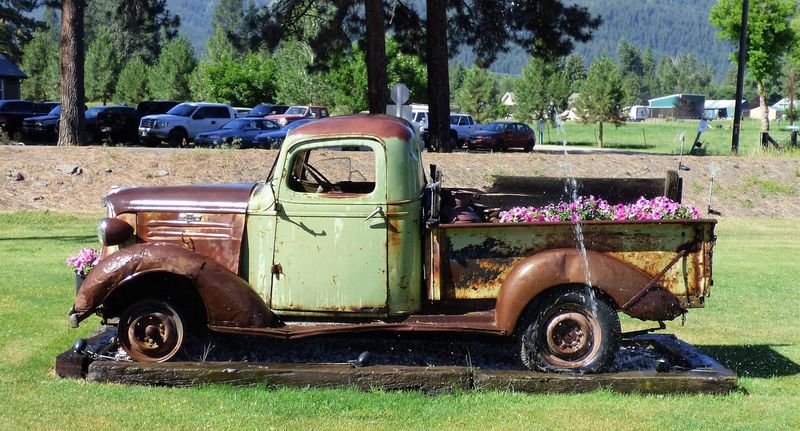
Blink and you might miss Lostine, but that would be a genuine mistake because this tiny town hides some big rewards.
Lostine is a small community in Wallowa County in northeastern Oregon. It sits along the Lostine River, with the Wallowa Mountains rising dramatically to the south.
The population is small, the streets are quiet, and the scenery is outrageously beautiful.
The Lostine River Canyon is the main attraction for outdoor visitors. The road into the canyon follows the river upstream through dense forest and opens into sweeping alpine meadows.
Trailheads at the end of the canyon road lead into Eagle Cap Wilderness, one of the most pristine backcountry areas in the Pacific Northwest.
Backpackers and day hikers both find plenty to love here. Lakes, waterfalls, and high granite ridges reward those willing to put in the miles.
The canyon road itself is scenic enough to justify the drive even without lacing up hiking boots.
Lostine has a handful of historic buildings that speak to its ranching and farming roots. The Lostine Tavern building, a local landmark, anchors the small downtown area.
The community has a tight-knit, unpretentious character that longtime visitors clearly appreciate.
Camping options are available along the river and inside the wilderness area. Lostine is the kind of place that outdoor purists dream about and tourists have not yet overrun.
Catch it now before that changes.
8. Idanha, Oregon
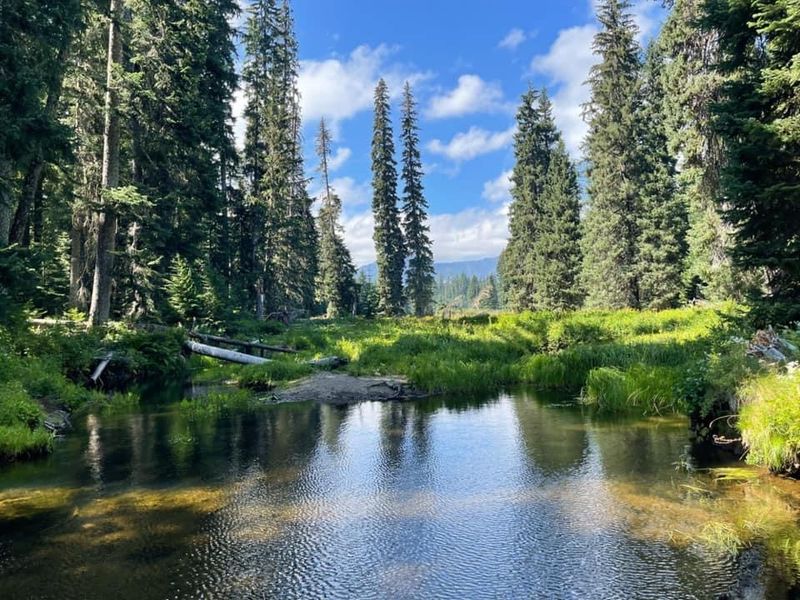
Idanha is the kind of mountain community that does not show up on most travel lists, which is precisely why it deserves a spot on yours.
Located along the North Santiam River in Linn County, Oregon, Idanha sits deep in the Cascade Mountains near Detroit Lake. The surrounding landscape is dense with old-growth forest, rushing rivers, and peaks that feel genuinely remote even though Salem is only about 70 miles away.
Detroit Lake, just a few miles from Idanha, is one of the most popular recreational lakes in western Oregon. Boating, fishing, and swimming draw visitors throughout the warmer months.
The lake is ringed by forested hills that reflect beautifully in the calm water on still mornings.
The Opal Creek Wilderness and Scenic Recreation Area is another nearby highlight. Ancient cedars and a pristine river system make it one of the most ecologically significant areas in the entire state.
The hike to Opal Pool is especially rewarding, passing through old-growth forest to reach a stunning turquoise swimming hole.
Idanha itself has a small, close-knit community feel. The town was significantly impacted by the 2020 Beachie Creek Fire, and the recovery process has been a testament to the resilience of mountain communities in Oregon.
Visiting Idanha supports that ongoing recovery while giving travelers access to some of the most breathtaking Cascade Mountain scenery available anywhere in the Pacific Northwest.
9. Halfway, Oregon
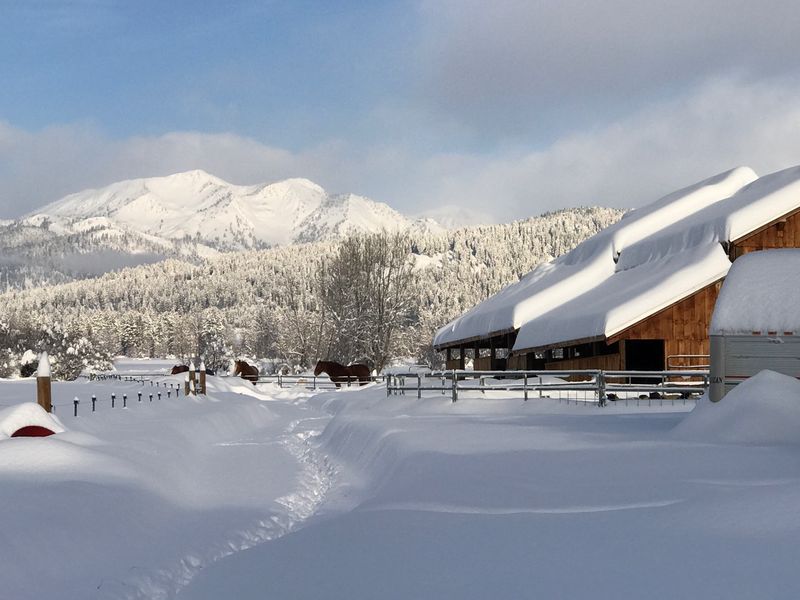
The name Halfway sounds like a compromise, but there is nothing halfway about the scenery surrounding this remarkable northeastern Oregon town.
Halfway is located in Baker County in northeastern Oregon, sitting in the Pine Valley between the Wallowa Mountains and Hells Canyon. It is one of the most geographically dramatic settings of any small town in the entire state.
The town briefly became famous in 2000 when it temporarily renamed itself Half.com to promote a dot-com company. That quirky chapter in its history aside, Halfway is primarily known today as a gateway to Hells Canyon National Recreation Area, the deepest river gorge in North America.
Hells Canyon offers boat tours, whitewater rafting, and rim hiking with views that stretch across three states on clear days. The scale of the canyon is difficult to fully grasp until you are standing at the edge looking down.
Eagle Cap Wilderness is also accessible from Halfway, making it a convenient base for exploring both major wilderness areas in the region. Fishing in the nearby rivers and streams is excellent, particularly for steelhead and trout.
The town itself has a small historic downtown with a welcoming local character. Pine Valley Lodge is a well-known gathering spot for travelers passing through.
Halfway rewards the visitors willing to make the long drive out to Oregon’s rugged eastern corner.
10. Oakridge, Oregon
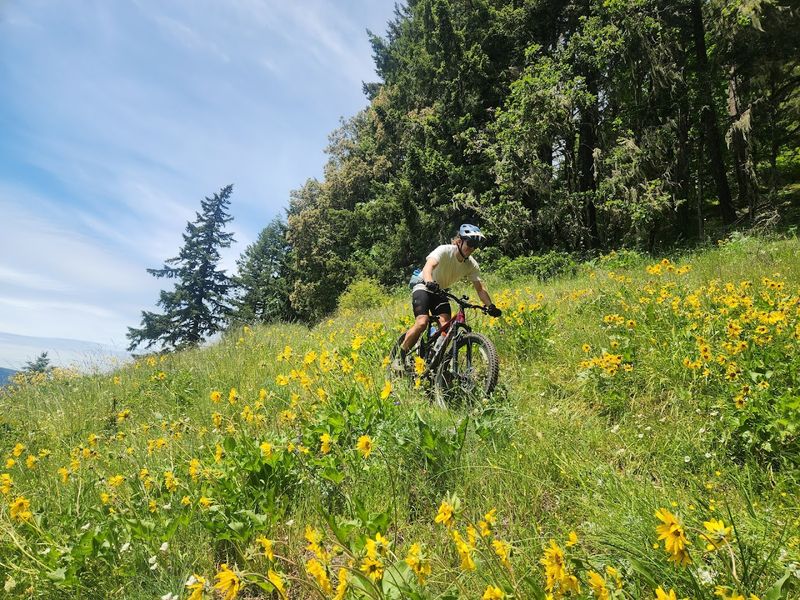
Mountain bikers from across the country have quietly turned Oakridge into a pilgrimage destination, and the trail network here is a big reason why.
Oakridge is located in Lane County in the western Cascade Mountains of Oregon, about 40 miles southeast of Eugene along the North Fork of the Middle Fork Willamette River. The surrounding Willamette National Forest covers the hills in every direction with towering conifers and dramatic ridgelines.
The mountain biking trails around Oakridge are world-class. Routes like the Middle Fork Trail and Larison Creek Trail offer long, flowing singletrack through old-growth forest that draws riders from all over the Pacific Northwest and beyond.
The terrain suits everyone from beginners to expert riders.
Hiking is equally rewarding in the area. Waldo Lake, one of the clearest lakes in the world, is located nearby and offers paddling, camping, and shoreline trails.
The Diamond Peak Wilderness provides challenging backcountry hiking with volcanic peak views.
Hot springs enthusiasts will find several soaking spots within reasonable driving distance. McCredie Hot Springs along Salt Creek is a favorite for a post-hike soak in a natural riverside setting.
Oakridge has a refreshingly authentic small-town character. Local businesses cater to outdoor visitors without losing the genuine community feel that has always defined this mountain town.
The elevation, the trees, and the trails combine to create an alpine experience that is hard to replicate anywhere else in Oregon.
Dear Reader: This page may contain affiliate links which may earn a commission if you click through and make a purchase. Our independent journalism is not influenced by any advertiser or commercial initiative unless it is clearly marked as sponsored content. As travel products change, please be sure to reconfirm all details and stay up to date with current events to ensure a safe and successful trip.
