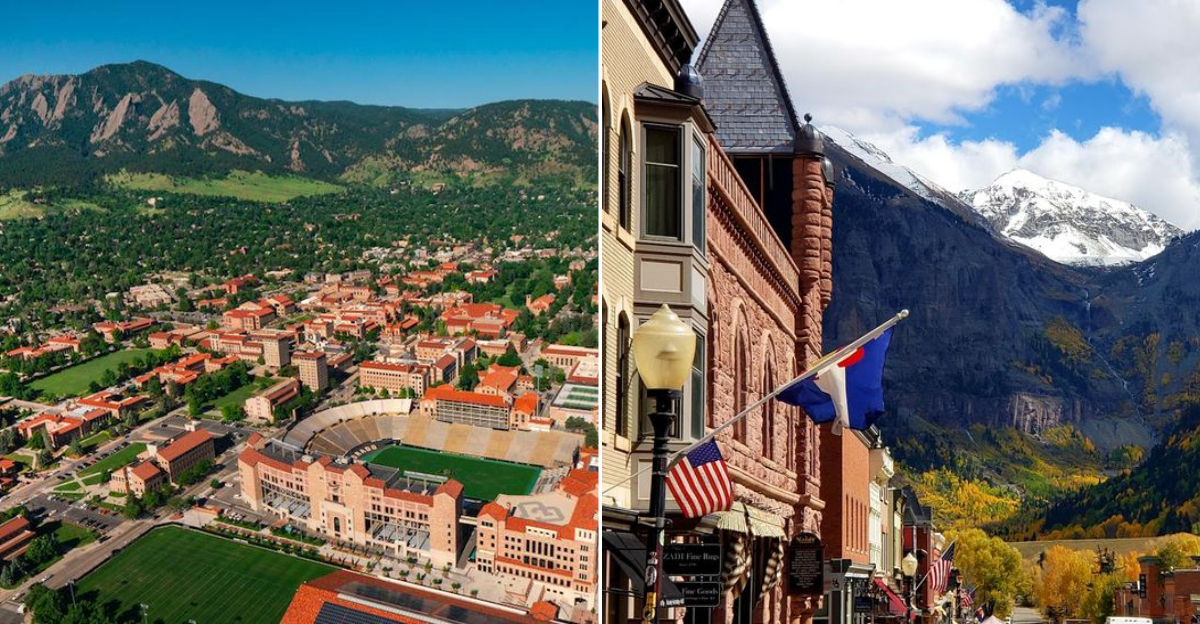
The mountains have always belonged to everyone in Colorado, but that is changing fast. Charming small towns tucked into alpine valleys now carry price tags that shut out the very people who keep them running.
Ski instructors, grocery clerks, and volunteer firefighters find themselves priced out of communities their families have called home for generations. The same breathtaking views and crisp air that attract wealthy newcomers are slowly pushing longtime residents toward cheaper ground hours away.
Young adults who grew up here wonder if they will ever afford a starter home in their own hometowns. This list takes you through the Colorado mountain communities facing this painful shift.
These are places where a one bedroom rental can cost more than a monthly mortgage used to. The beauty remains, but the affordability is vanishing.
Locals are not giving up without a fight, but the numbers do not lie.
1. Aspen
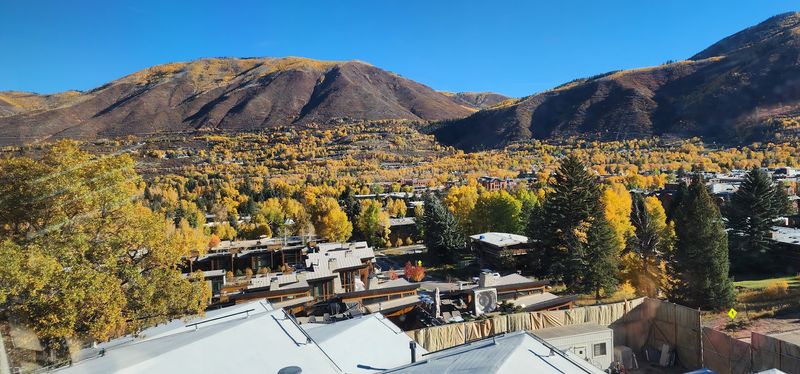
What hits you first here is how normal daily life can feel strangely out of reach, even in a town that still looks like a movie set. Aspen is gorgeous in that polished Colorado way, with crisp mountain air, tidy streets, and views that make you slow down without meaning to.
But when locals talk about housing, the conversation turns fast from beautiful scenery to who can still afford to stay, and who is quietly getting pushed farther away.
The pressure comes from every direction at once, because second homes, luxury demand, and short term rentals have squeezed an already tight market. Workers who keep schools, clinics, hotels, and public services going often end up commuting from farther down valley, which changes the rhythm of the whole place.
You can feel that strain in small ways, like how often people mention coworkers leaving, or how hard it has become for younger families to picture any long term future here.
Aspen has done more than many towns to build and protect workforce housing, and that matters a lot. Still, even with those efforts, the gap between local wages and local housing feels enormous, and it keeps widening in ways that are hard to ignore.
The town remains stunning, no question, but the cost of belonging has become the real story.
2. Vail
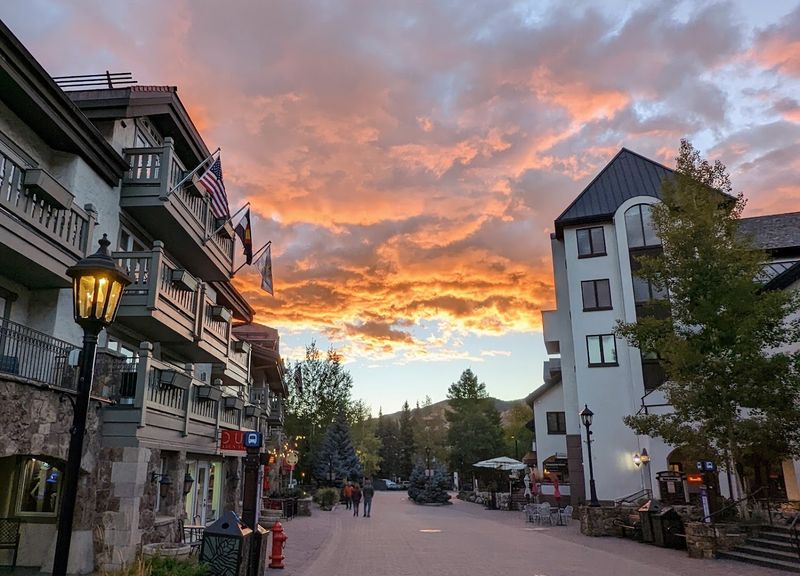
You know that feeling when a place seems designed for ease, but the people working there are carrying a completely different reality behind the scenes? That is the tension in Vail, where the streets are beautiful, the mountain setting is unreal, and the housing conversation has become impossible to separate from everyday life.
It still feels welcoming on the surface, yet local workers often describe a place where staying nearby gets harder with every passing season.
A lot of that comes down to demand that keeps outrunning supply, especially in a resort town where vacation ownership and investment pull so much weight. Homes that function as occasional getaways take space out of the long term market, and rentals for local employees stay painfully limited.
When teachers, lift operators, healthcare staff, and town employees cannot find stable housing close to work, the whole community starts operating with a constant level of strain.
Vail has been trying to respond with workforce housing efforts, and that deserves credit because the problem is not being ignored. Even so, the larger market keeps pushing harder than local solutions can comfortably keep up with.
It is still one of Colorado’s most recognizable mountain towns, but for many residents, the hardest part is not loving Vail, it is figuring out how to remain part of it.
3. Telluride
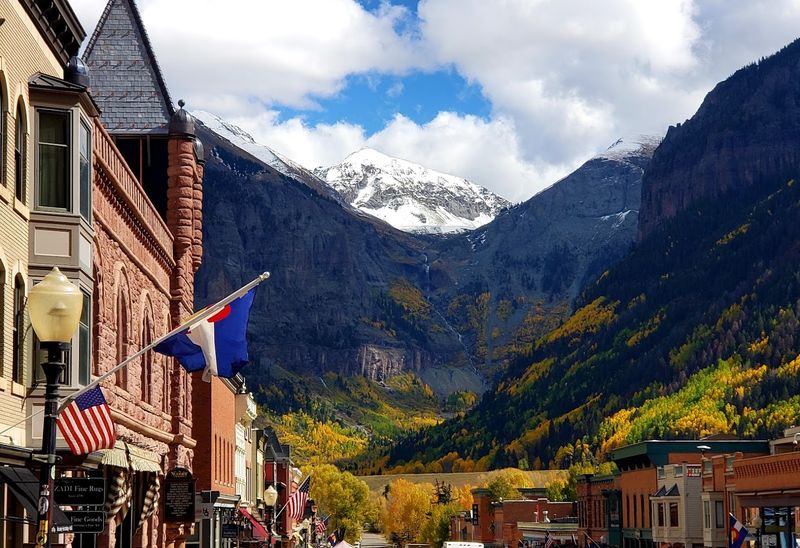
There is something almost unfair about how beautiful this place is, because Telluride can stop you in your tracks before you have even parked the car. The box canyon setting feels intimate and dramatic at the same time, and the town still carries that old mining camp layout that makes everything feel close and walkable.
Then you start hearing what year round residents are up against, and the beauty lands a little differently.
Housing here has become one of the clearest examples of a mountain town turning into a luxury market faster than local pay can reasonably follow. A huge share of homes sit empty as second properties for much of the year, while workers who keep businesses, schools, and public life moving scramble for limited options.
That disconnect changes more than commutes, because it chips away at the everyday familiarity that makes a small town feel rooted and lived in.
Telluride is not blind to the problem, and local conversations around employee housing have been active for a long time. Still, geography limits expansion, construction is expensive, and demand from affluent buyers remains intense.
So even though the town still looks like the kind of place people dream about, living there full time can feel less like a dream for locals and more like a balancing act that never really eases.
4. Breckenridge
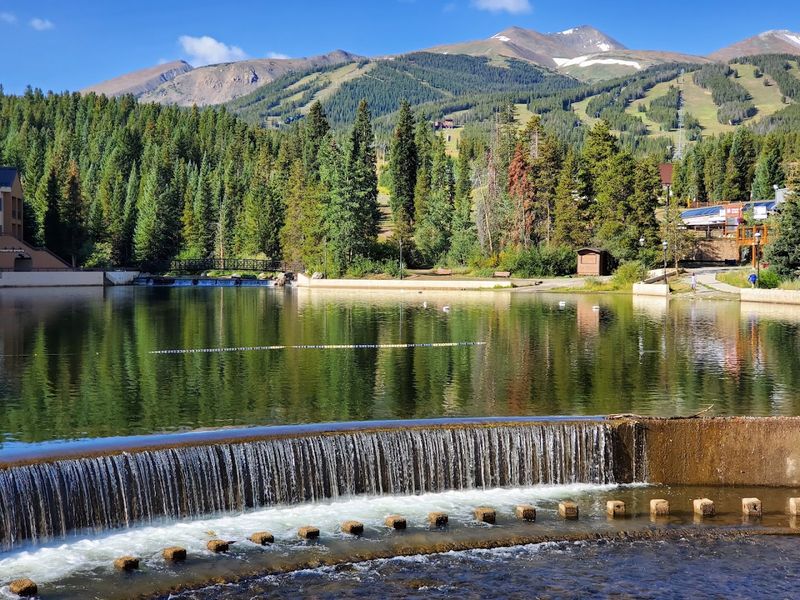
Sometimes a town feels so cheerful and lived in that you almost forget how much pressure is sitting underneath it, and Breckenridge really has that effect. The old downtown still gives off that easy mountain energy, with colorful buildings, walkable blocks, and views that make even errands look scenic.
But if you talk to locals for more than a minute, housing comes up fast because it is shaping who gets to remain part of the community.
Breckenridge sits inside a part of Colorado where demand has stayed intense, and that has pushed homes further out of reach for many year round residents. Vacation use and short term rentals take a big bite out of available supply, while workers in schools, healthcare, maintenance, and hospitality face a market that barely lines up with local incomes.
The result is familiar by now, with longer commutes, staffing stress, and a community trying hard not to lose the people who actually keep it functioning.
There have been real efforts to expand workforce housing, and those matter because the need is not abstract anymore. You can hear it in the way residents talk about friends moving away, or younger workers deciding they cannot build a life here after all.
Breckenridge still feels vibrant and welcoming, but that welcome does not mean much if the people who power the town cannot afford to stay.
5. Steamboat Springs
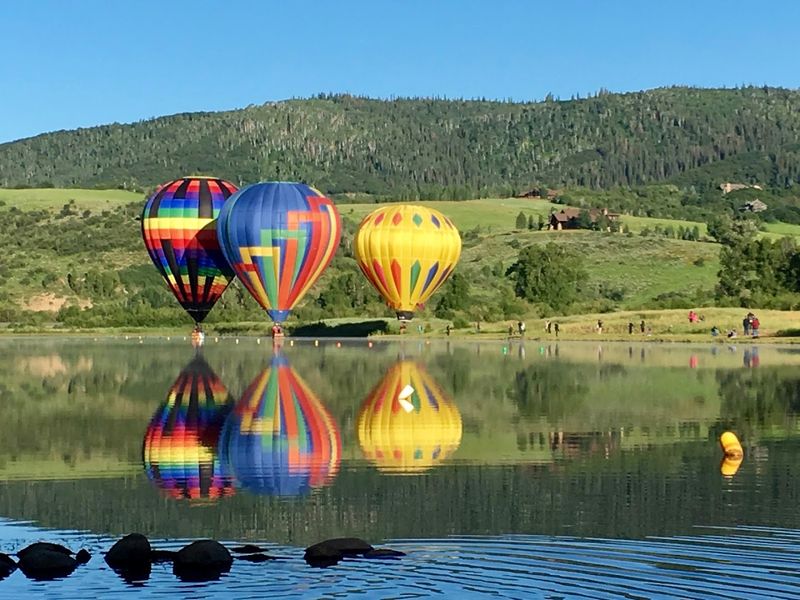
What makes this one especially hard to talk about is how much Steamboat Springs still feels like a real community, not just a destination. There is a lived in warmth to the town, and people who know it well tend to speak about it with genuine affection rather than polished travel language.
That is exactly why the affordability squeeze feels so serious here, because it is landing on a place where everyday local life still matters.
Housing costs have climbed to the point that a lot of workers simply cannot make the math work anymore, even if they have steady jobs. Tourism demand, second home ownership, and a shortage of long term rentals all feed the problem, while nearby options fill up or stretch commutes into something exhausting.
When too many teachers, medical workers, service employees, and town staff have to relocate, the damage goes beyond inconvenience and starts changing the social fabric of the valley.
Steamboat Springs has been talking openly about workforce housing, and that honesty is important because pretending this is temporary would be a mistake. Local organizations have pointed to real displacement, not just anxiety about what might happen next.
The town remains deeply appealing, but the challenge now is whether the people who shovel sidewalks, care for neighbors, and keep daily life steady can still call this part of Colorado home.
6. Crested Butte
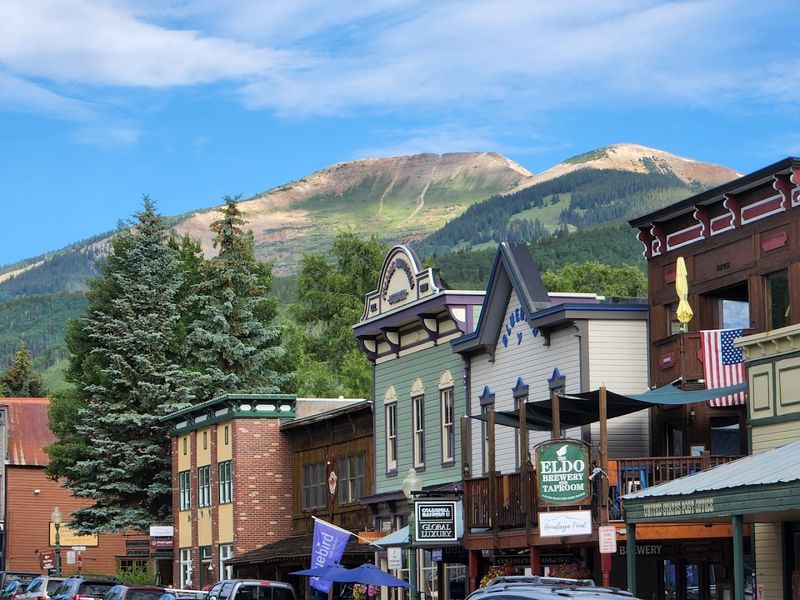
You can feel the personality here right away, and that is part of what makes the housing story in Crested Butte so frustrating. The town has a playful, slightly offbeat charm that still feels personal, like a place where neighbors really notice each other and local identity still means something.
But that closeness also makes it easier to see what happens when more residents get priced out and fewer workers can find a stable place nearby.
Crested Butte has become increasingly expensive as outside demand keeps rising and available housing stays limited by geography and cost. Homes that once might have supported year round community life are now more likely to be pulled into second home ownership or vacation use, leaving fewer options for the people working locally.
That puts pressure on everyone from school staff to service workers, and it slowly reshapes who can participate in town life without a long, draining commute.
Like many mountain towns in Colorado, Crested Butte is trying to hold onto its sense of self while market forces push in the opposite direction. Housing conversations here are not abstract policy debates, because they touch friendships, routines, and whether younger residents can imagine staying.
The mountains still frame everything beautifully, but the bigger question now is whether the community inside that frame can remain as real and rooted as it once felt.
7. Durango
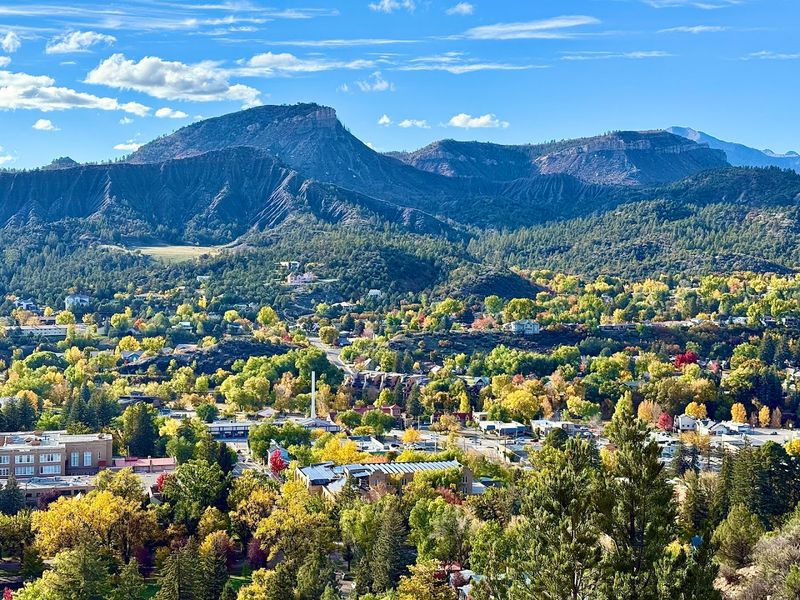
This one has a different feel from the ski resort towns, which is exactly why Durango belongs in the conversation. It mixes mountain access, a historic downtown, and a real year round community in a way that feels grounded and approachable, not overly polished.
Even so, that same appeal has helped fuel a housing crunch that makes life harder for residents who are not arriving with outside money or flexible remote incomes.
Durango has seen strong demand for housing while inventory remains tight, and the pressure lands hardest on workers whose jobs tie them to the local economy. When homes and rentals keep drifting away from what teachers, healthcare employees, and service workers can realistically afford, people start looking farther out for stability.
That means longer drives, more turnover, and a town that risks losing some of the continuity that gives it its character in the first place.
What stands out here is that the problem does not only belong to famous resort enclaves with luxury reputations. Durango shows how broadly this affordability crisis has spread across desirable parts of Colorado, even in places that still feel more casual and everyday on the surface.
The setting remains beautiful and the community remains strong, but the pressure on local residents is real, and it keeps raising the same uncomfortable question about who gets to stay close to the life they help create.
8. Boulder
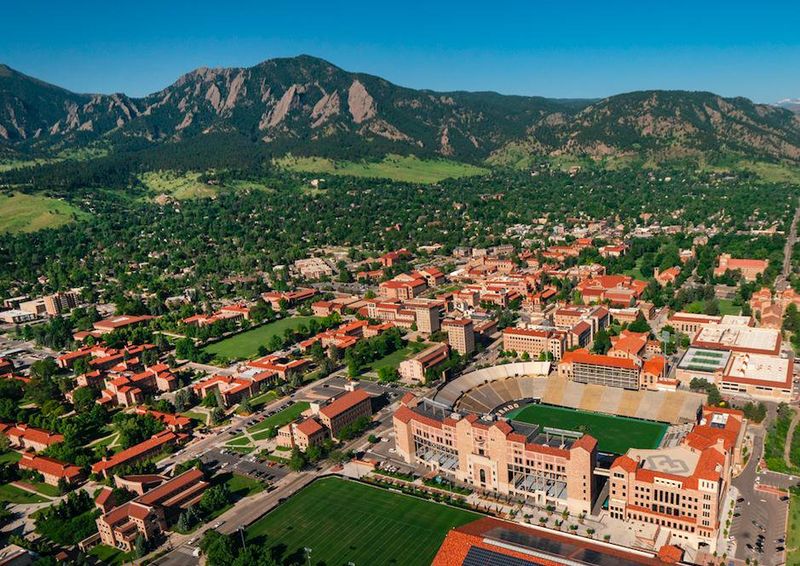
It might not fit the classic ski town picture in every way, but Boulder absolutely belongs in this discussion because its housing story has been squeezing locals for a long time. The setting is still stunning, with the Flatirons rising behind town and a kind of everyday beauty that makes people want to settle in for good.
The trouble is that settling in has become increasingly difficult for the workers and families who give the place its actual texture.
Boulder’s mix of outdoor appeal, strong job access, and limited housing supply has created a market where demand stays relentless. That pressure does not just hit would be buyers, because renters feel it too, especially when higher earning newcomers can outcompete people whose wages are tied to local schools, healthcare, retail, and public service.
Over time, more residents are pushed into neighboring communities, and the distance between where people work and where they can afford to live keeps widening.
What makes Boulder important here is that it shows how the affordability crisis in Colorado is not only a resort issue. It is also a story about desirable mountain adjacent places where access, beauty, and economic opportunity combine in ways that strain local housing.
The city remains vibrant and deeply appealing, but for many longtime residents, that appeal now comes with a hard question about whether belonging still feels financially possible.
9. Silverthorne
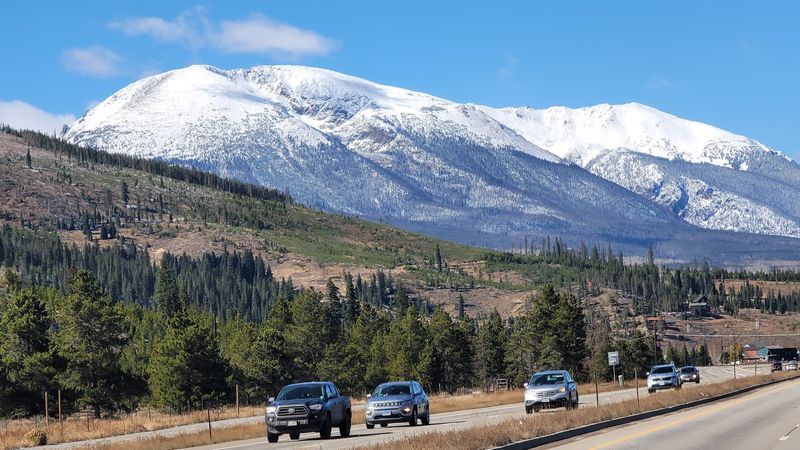
What is striking about Silverthorne is how often it gets talked about as practical, central, and connected, and yet affordability still slips further away. It sits right in the middle of so much mountain activity, which makes it valuable for residents trying to stay near work in Summit County.
That convenience has become part of the pressure, because more people are looking at Silverthorne as a place to land when nearby towns feel impossible.
The result is a market that keeps tightening for locals who need year round housing rather than occasional mountain access. As demand grows and buildable land remains constrained, workers are left competing in a place that increasingly serves both as a destination and as overflow for other expensive communities nearby.
That can sound technical until you remember it affects real routines, like where people sleep before an early shift, how long they drive in snow, and whether they can remain close to their kids’ schools and daily support systems.
Silverthorne has worked to expand housing options and shape growth more deliberately, which matters because the need is immediate. Still, local efforts are operating inside a larger regional market that remains intensely competitive and expensive.
The town keeps gaining visibility and investment, but the deeper question is whether that growth can leave enough room for the people who make ordinary life possible, not just for those passing through the mountains.
10. Frisco
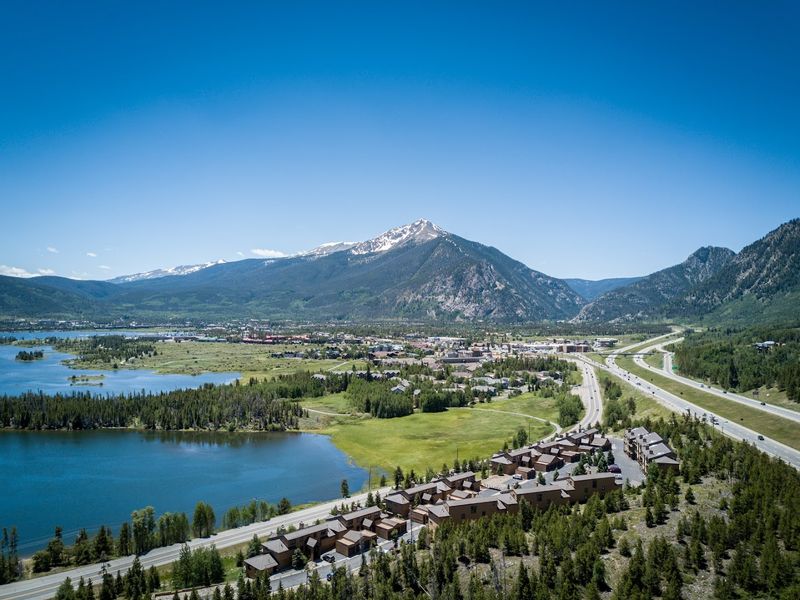
If you have ever walked through Frisco and thought it felt unusually easy to like, you are not imagining it. The town has that compact, friendly mountain feel that makes daily life seem possible, not just scenic, and that is a big part of its draw.
The hard truth is that this same appeal has helped push housing into territory that local workers increasingly struggle to reach.
Frisco sits in the same high demand orbit as several of Colorado’s best known resort communities, so the market pressure does not stop at town limits. Homes are sought after by buyers looking for recreation access, second properties, or a base near multiple ski areas, and that leaves fewer attainable options for year round residents.
Once that happens, the usual chain reaction follows, with workers commuting longer distances, local employers scrambling to hire and keep staff, and community ties getting stretched thinner than they used to be.
What makes Frisco worth paying attention to is that it still feels very much like a lived in place, not just a backdrop for someone else’s getaway. That feeling is precious, and it depends on having enough teachers, service workers, caregivers, and town employees who can actually live nearby.
Frisco remains lovely in all the ways people expect, but the affordability question underneath it is becoming one of the town’s defining realities.
