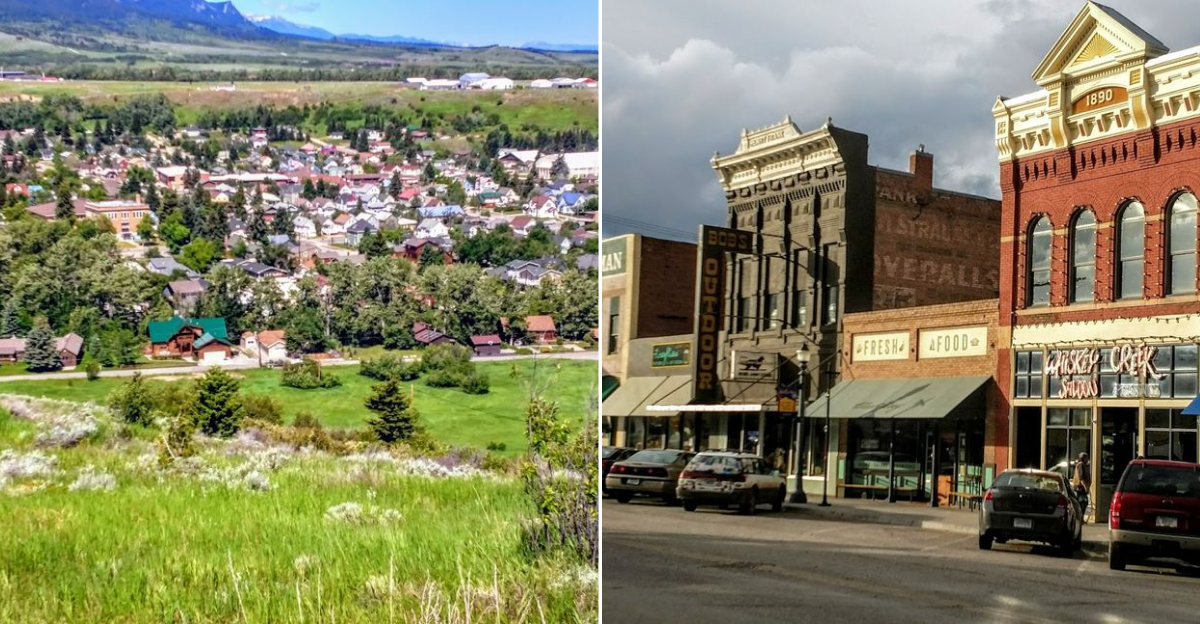
Picture perfect mountain views come with a price tag that is squeezing out the people who call this place home. Across Montana, charming small towns nestled against snowy peaks have become so desirable that longtime residents can no longer afford to stay.
The same natural beauty and quiet streets that draw visitors from everywhere are now pushing local families toward the edges. Teachers, nurses, and restaurant workers find themselves searching for rentals that no longer exist within their budgets.
Young people who grew up here wonder if they will ever afford a house in their own hometown. The irony stings.
The very things that make these towns magical, the fresh air, the open space, the slower pace, have turned them into luxury commodities.
This list takes you through the Montana mountain communities facing this difficult shift. Their stories matter because a town without its locals is just a postcard.
1. Big Sky Under The Nice Lighting
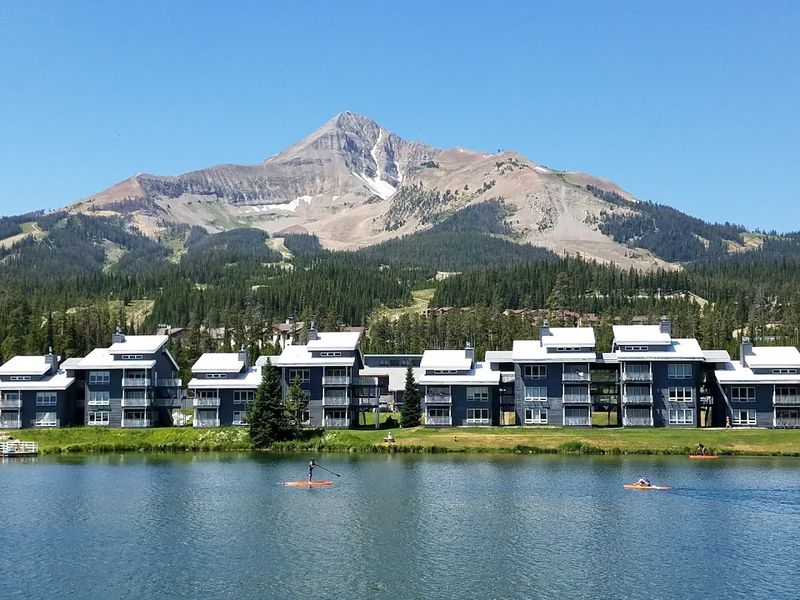
The first thing that gets you in Big Sky is how easy it is to be charmed by the place, because everything looks tidy, bright, and almost too neatly framed against the mountains. You can walk through the central area and feel that lively resort energy right away, with attractive buildings, outdoor seating, and people moving between shops as if the whole thing runs on fresh air.
Then you talk to locals, and the mood shifts a little, because the beauty is still real, but so is the strain of trying to keep a normal life going here.
Big Sky has become one of the clearest examples of Montana’s housing pressure, especially for workers tied to tourism, service jobs, schools, and basic community life. The gap between local pay and local housing has widened so much that many people commute from farther away, which changes the rhythm of everyday life in a place that depends on them.
You feel that contradiction everywhere, because the town looks polished and prosperous while the people keeping it running often cannot afford to live nearby.
That is what makes Big Sky so complicated to talk about. It is still beautiful, still magnetic, and still the kind of place you want to linger, but the story underneath the scenery is getting harder to shrug off in Montana.
2. Bozeman Has That Buzz And That Problem
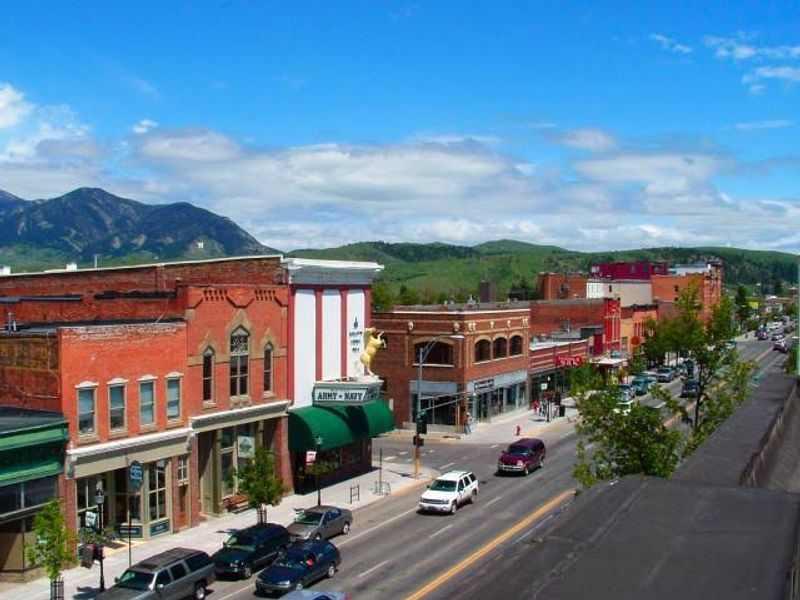
Bozeman still has that energy people talk about the second they get back from a trip, because the streets feel active, the storefronts look sharp, and the whole place carries itself with confidence. You can feel the pull right away, especially downtown, where everything seems to hum with movement and optimism.
The trouble is that Bozeman’s popularity has not just changed the vibe, it has changed who can realistically keep living there.
This is one of the Montana towns where the affordability story feels impossible to separate from the scenery and growth. Housing costs and rent have risen so sharply that plenty of longtime residents, workers, and younger families are being squeezed even while the city keeps attracting more newcomers.
That puts real pressure on teachers, service staff, healthcare workers, and others who are essential to daily life but cannot match the pace of the market.
So when you walk around Bozeman now, there is this strange split between excitement and unease. It is still a beautiful mountain town with a lot going on, and I get why people want in, but it also feels like one of the clearest warnings in Montana about what happens when desirability outruns belonging.
3. Whitefish Looks Dreamy And Feels Complicated
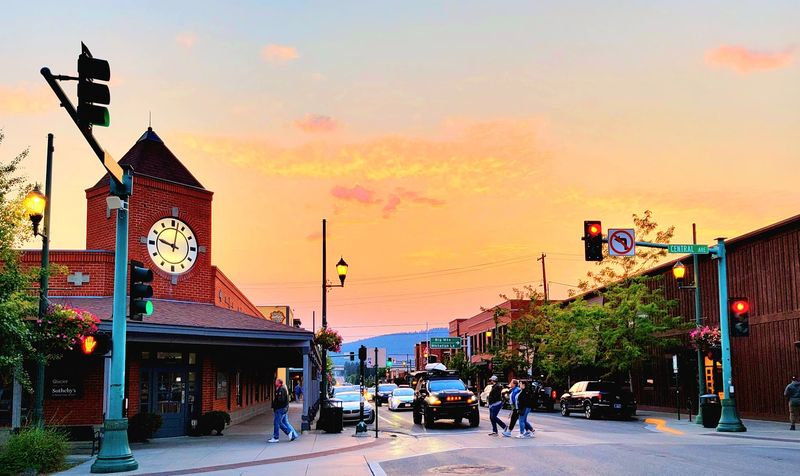
Whitefish is one of those places that almost dares you not to romanticize it, because the streets are charming, the buildings are tidy, and the mountain setting does a lot of heavy lifting without even trying. You can sit outside, watch people drift by, and understand the appeal in about five minutes.
Still, beneath all that easy beauty, Whitefish has become a really hard place for local residents to hold onto.
The town’s popularity as a resort and relocation destination has pushed housing costs far beyond what many workers can manage, and that changes everything from school staffing to restaurant hours to who gets to stay close to family. Short term rentals and higher end real estate have also tightened the local housing supply, which leaves fewer realistic options for people who actually work in town every day.
It is the kind of pressure that slowly reshapes a community even while the storefronts still look cheerful.
That is why Whitefish feels so layered right now. It still gives you that classic Montana mountain town atmosphere, and I would never pretend otherwise, but the local affordability squeeze is strong enough that the postcard version and the lived version are no longer telling the same story.
4. Missoula Is Friendly But Not Cheap Anymore
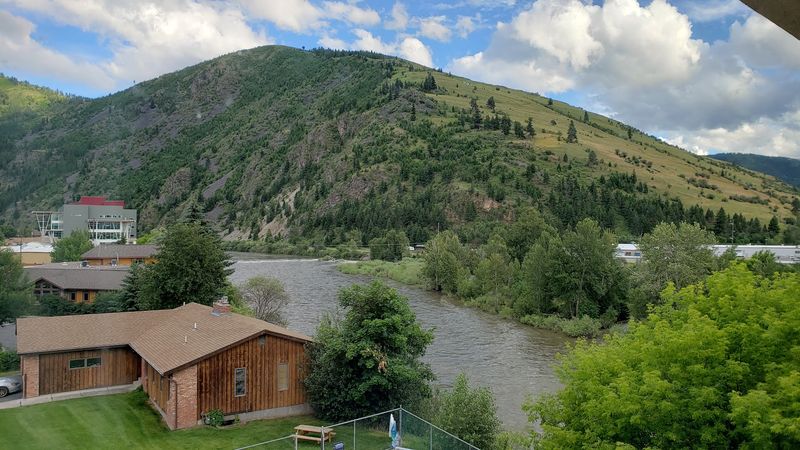
Missoula has always felt a little easier to settle into than some of the flashier mountain towns, which is probably part of why so many people keep choosing it. The streets have personality, the pace feels lived in, and there is a casual warmth that makes the city feel accessible instead of staged.
Even so, affordability has become one of the biggest things shaping daily life here.
Home prices have climbed far faster than local incomes, and that mismatch has made it harder for many residents to stay rooted in a place that once felt more attainable. You hear it in conversations about rent, commuting, roommates, and the simple challenge of planning a future without having to leave the area.
Missoula still functions as a real Montana community with schools, healthcare, arts, and local businesses, but the housing pressure keeps testing how inclusive that community can remain.
What gets me about Missoula is that the loss is not always dramatic on the surface. The sidewalks are busy, the cafes are full, and the setting still feels easy to love, yet more people are quietly doing the math and realizing that being part of this town is getting harder than it should be.
5. Kalispell Is Growing Faster Than It Can Breathe
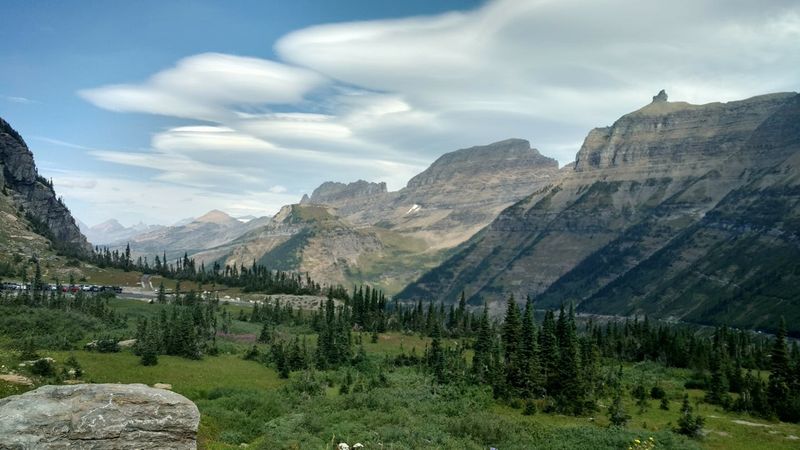
Kalispell has this grounded feel that makes the recent changes hit a little harder, because it still reads like a working Montana town even as the housing market keeps racing ahead. The commercial streets, everyday businesses, and steady local rhythm give it a more practical personality than some nearby resort spots.
But that practical side is exactly why rising housing costs feel so disruptive here.
As the Flathead Valley keeps attracting attention, Kalispell has seen major pressure on both homes and rentals, and locals are feeling it from every angle. People working regular jobs are competing in a market shaped by migration, investment demand, and limited supply, which makes staying local harder than it used to be.
When a town grows this quickly, the stress does not stay confined to real estate, because schools, employers, traffic patterns, and family routines all start shifting too.
I think Kalispell matters because it shows that this is not only a resort-town story. You can walk through town, see an ordinary Montana place with real community texture, and still recognize that affordability is changing who gets to belong there long term.
That kind of change sneaks up on people until suddenly it is the whole conversation.
6. Livingston Still Feels Like Livingston But The Squeeze Is Real
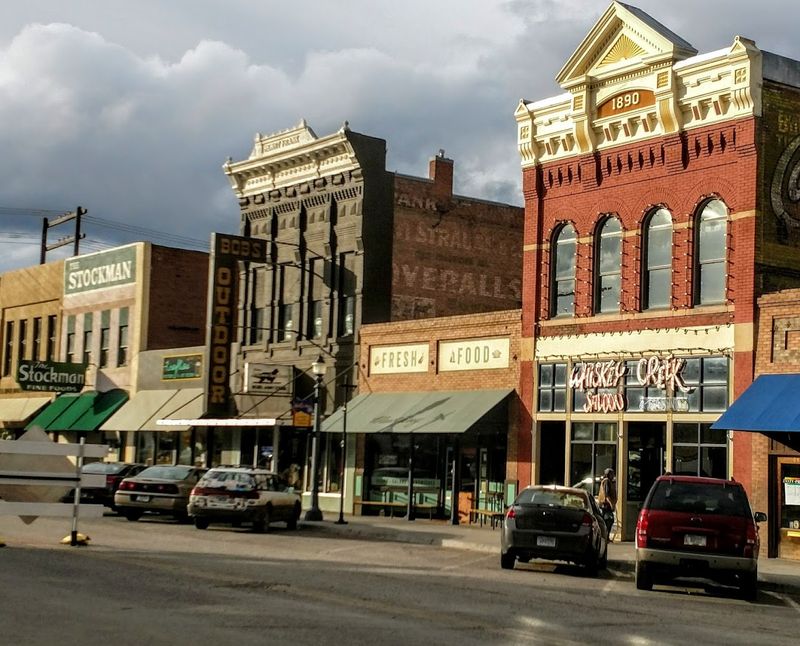
Livingston still has that distinct personality people love, where the streets feel a little rough around the edges in the best way and the mountains never let you forget where you are. It does not come across as polished or overly managed, which is part of why it feels so real when you are there.
That authenticity, though, has not protected the town from becoming harder to afford.
As more buyers have looked toward scenic Montana communities within reach of outdoor recreation and regional job centers, Livingston has felt the pressure in a big way. Home prices and rents have risen enough that longtime residents, service workers, and younger households are being stretched thin, even while the town still depends on them for its everyday character.
You can sense that tension in how people talk about commuting, housing searches, and the simple wish to stay near family and work without being pushed farther out.
What makes Livingston stand out is that the town’s charm still feels unforced. The storefronts, sidewalks, and local gathering places remain deeply recognizable, but the economics underneath them are changing who gets to stay for the long haul.
In Montana, that is becoming an awfully familiar story.
7. Red Lodge Is Not Immune Either
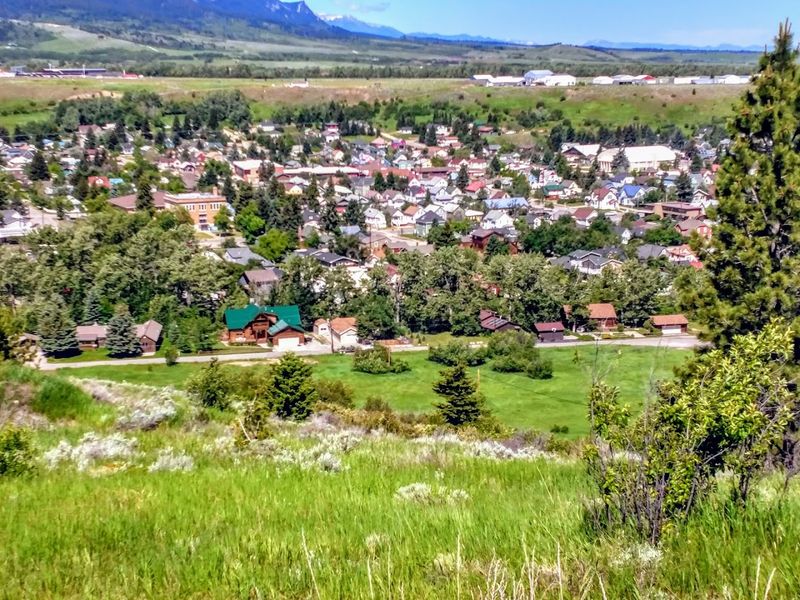
Red Lodge tends to catch people off guard, because it feels relaxed and approachable in a way that makes you think maybe it has escaped some of the pressure hitting other mountain towns. The downtown area still feels personal, with storefronts and gathering spots that seem tied to local life rather than pure image.
But even here, affordability has become part of the conversation in a serious way.
Like other scenic communities in Montana, Red Lodge has seen increased demand from people drawn to mountain access, small-town atmosphere, and homes that once looked comparatively attainable. That extra interest can sound flattering until it starts reducing the number of places local workers and families can actually afford.
When housing gets tight, the impact ripples outward fast, because businesses need staff, schools need stability, and communities need people who are not constantly one lease away from leaving.
I think Red Lodge reminds you that no town stays untouched just because it feels a little quieter. The atmosphere is still warm, the mountain setting still does its thing, and the streets still invite you to slow down, but affordability pressure changes the future even in places that seem, at first glance, comfortably outside the frenzy.
8. Columbia Falls Is Carrying More Than People Notice
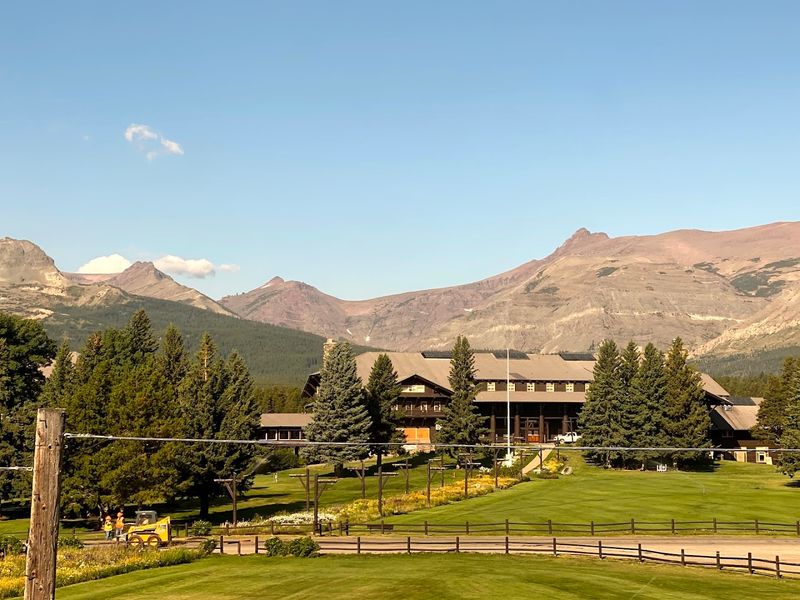
Columbia Falls does not always get talked about with the same drama as nearby resort-heavy towns, but that is partly why it matters so much in this conversation. It has the feel of a place where ordinary life is supposed to work, with local businesses, practical routines, and a more grounded pace.
Once housing pressure starts landing there, you know the problem has spread beyond the obvious headline towns.
Because it sits near some of the most desirable scenery in Montana, Columbia Falls absorbs spillover from demand across the wider region. Workers who cannot afford nearby hotspots often look here, while incoming buyers and limited supply keep pushing costs upward at the same time.
That leaves residents squeezed from both directions, especially those trying to stay close to jobs, schools, and family networks without losing the kind of daily stability that used to feel more achievable.
What stands out in Columbia Falls is the sense that this is where the broader affordability crisis becomes deeply practical. It is not only about dream homes or luxury development anymore, because it reaches into ordinary housing needs and ordinary working lives.
And honestly, that is when a regional problem starts feeling personal in a very immediate way.
9. Hamilton Has The Same View And The Same Pressure
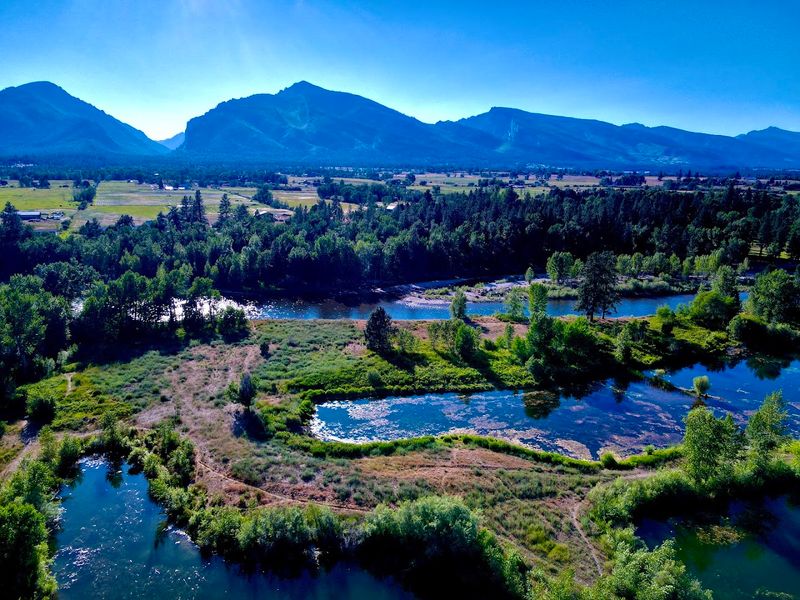
Hamilton has that broad valley beauty that makes you instinctively slow down and look around a little longer than you meant to. The town itself feels approachable, with a main street atmosphere that still seems tied to everyday routines instead of performance.
But housing pressure has a way of changing a place even when the outward mood stays calm.
As more people have looked to western Montana for scenery, space, and a different pace of life, communities like Hamilton have felt the effects in housing availability and overall affordability. That matters because local wages do not necessarily rise in step with outside demand, which leaves residents navigating a market that no longer reflects what many local households can pay.
When that happens, you start seeing longer commutes, harder choices for younger families, and more strain on the kinds of workers every town depends on.
Hamilton still feels very much like Montana, and that is exactly why the shift lands so hard. You can still enjoy the streets, the setting, and the easy rhythm, but there is a growing sense that keeping local life local is becoming more difficult than it should be.
That tension follows you even after you leave town.
10. The Pretty Part Is Still True And So Is The Warning
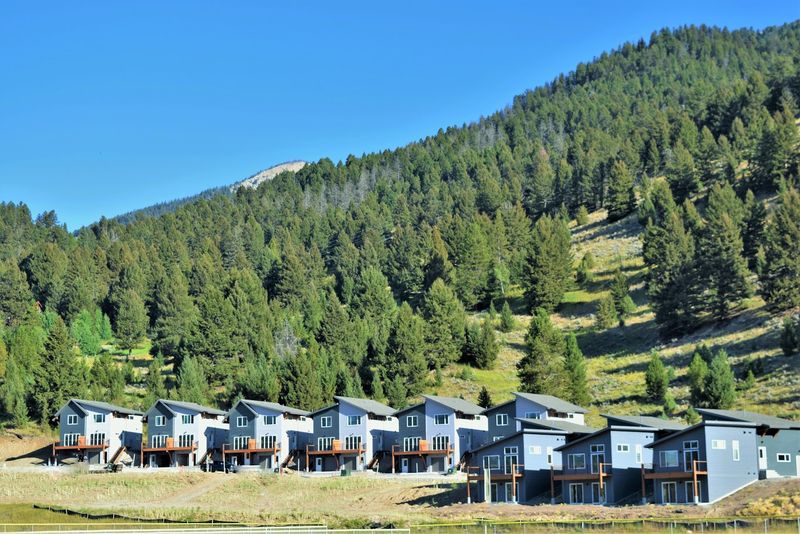
After spending time in these towns, what stays with you is not just the scenery, even though the scenery absolutely earns its reputation. It is the uneasy feeling that places built around community, work, and everyday life are being reshaped into places that fewer local people can fully access.
That shift is easy to miss if you only look at the clean storefronts, the patios, and the mountains behind them.
Across Montana, the pattern keeps repeating in slightly different ways. Bozeman, Whitefish, Missoula, Kalispell, Livingston, Big Sky, and other mountain communities all show how growth, outside wealth, limited housing, and short term rental pressure can pile onto a local workforce that has not seen wages keep up.
The result is not just expensive homes, but longer commutes, staffing shortages, and a slow fraying of the social fabric that made these towns feel grounded in the first place.
I do not think the beauty of these places is fake, because it is not. I just think the real story now includes who gets to remain part of that beauty beyond a visit, and whether Montana can hold onto the people who have actually kept these towns alive through all the change.
