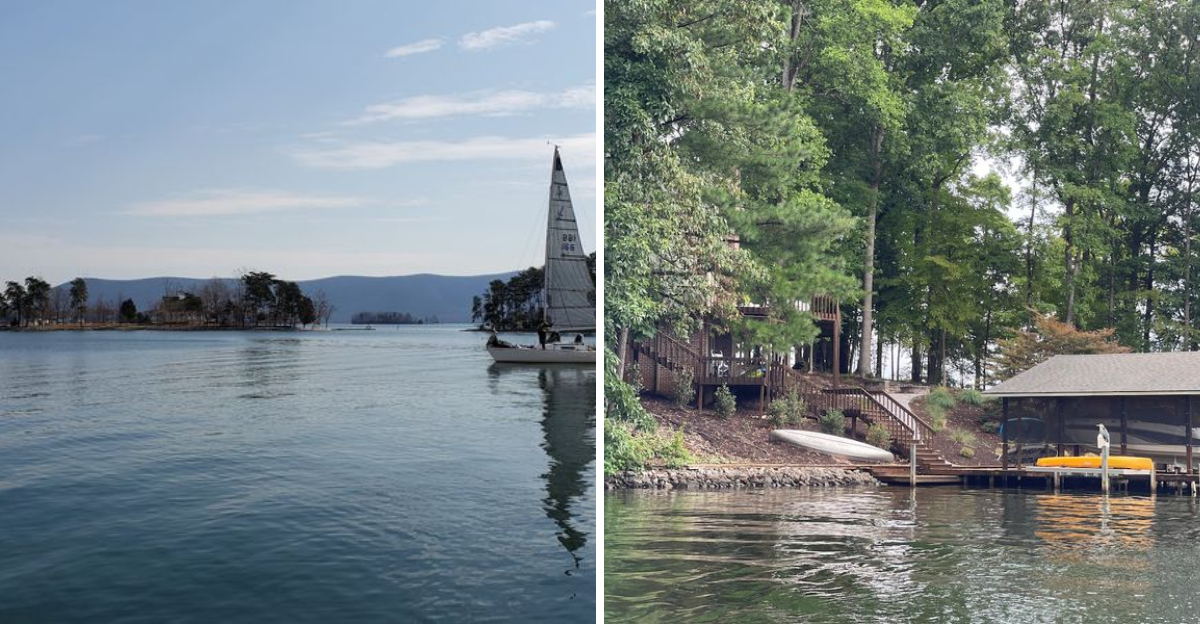
Virginia’s lake towns used to be the kind of places where neighbors waved from their porches and the loudest sound you’d hear was a fishing line hitting still water. But somewhere between the rise of short-term rentals and the explosion of summer weekend warriors, these once-quiet communities started to feel like an entirely different world.
Boat trailers clog the back roads, parking lots overflow before noon, and the sleepy pace that made these spots so special gets swallowed up by the seasonal surge. So which towns have felt the biggest shift?
My list might just spark some debate.
1. Moneta and Smith Mountain Lake
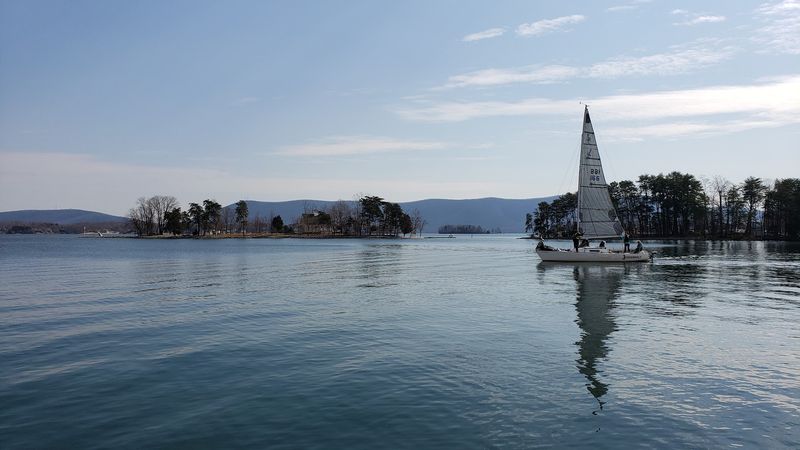
Smith Mountain Lake is Virginia’s crown jewel of freshwater recreation, and Moneta is the town that bears the brunt of that fame every single summer. What was once a laid-back community of lake houses and local bait shops has transformed into a full-on seasonal circus of boat trailers, packed marinas, and bumper-to-bumper traffic on roads that were never designed for this kind of volume.
The lake itself stretches across an impressive 500 miles of shoreline, which sounds like plenty of room until July rolls around and every square foot seems to have a pontoon boat anchored to it. Local businesses do thrive during the rush, no question about that.
But longtime residents often describe a creeping sense of loss when their familiar quiet streets become unrecognizable.
Grocery store lines stretch out the door. Boat launch ramps become competitive arenas of frustration.
The tight-knit community vibe that defined Moneta for decades gets diluted by the sheer volume of summer visitors passing through. Restaurants that used to feel like neighborhood spots now operate more like tourist traps, with waits stretching well past an hour on weekends.
If you want to experience Moneta closer to its original character, aim for a visit in late September or early October. The lake is still gorgeous, the water is still warm enough for a swim, and the roads are actually drivable again.
Moneta, Virginia 24121, sits right in the heart of Bedford County and rewards those patient enough to visit off-season.
2. Mineral and Lake Anna
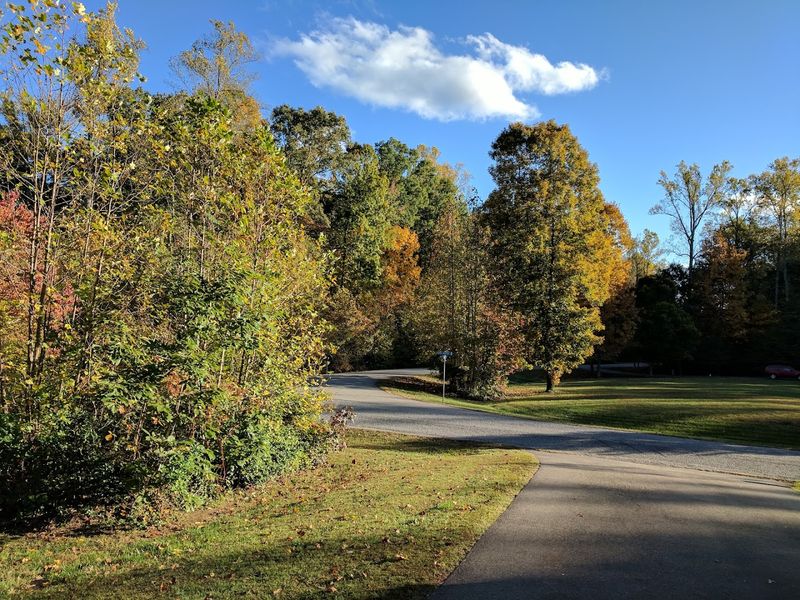
Mineral is the kind of town where everybody used to know everybody, and a Friday afternoon meant a slow drive past the post office with a friendly honk or two. That version of Mineral still exists, but you have to look a lot harder for it between Memorial Day and Labor Day, when Lake Anna turns into one of the most visited bodies of water in the entire state.
Situated within easy driving distance of both Richmond and Washington D.C., Lake Anna is practically irresistible to weekend warriors hungry for sun and water. The public side of the lake sees jet skis, pontoon boats, and paddleboards competing for space in a way that transforms the atmosphere entirely.
What feels like a peaceful rural escape in February becomes a full-blown resort scene by mid-July.
Short-term rental platforms have accelerated this shift dramatically. Houses that once belonged to full-time residents now sit empty nine months of the year before hosting rotating groups of vacationers all summer long.
The result is a community that feels increasingly seasonal rather than lived-in, and locals notice the difference.
Mineral’s small downtown still holds some of its original character, with a handful of local businesses keeping the authentic spirit alive. The surrounding countryside is genuinely beautiful year-round.
For a more authentic taste of this community, a late-autumn visit offers the best balance of scenic beauty and manageable crowds. Mineral, Virginia 23117, sits in Louisa County and is worth the trip on your own terms.
3. Clarksville and Kerr Reservoir
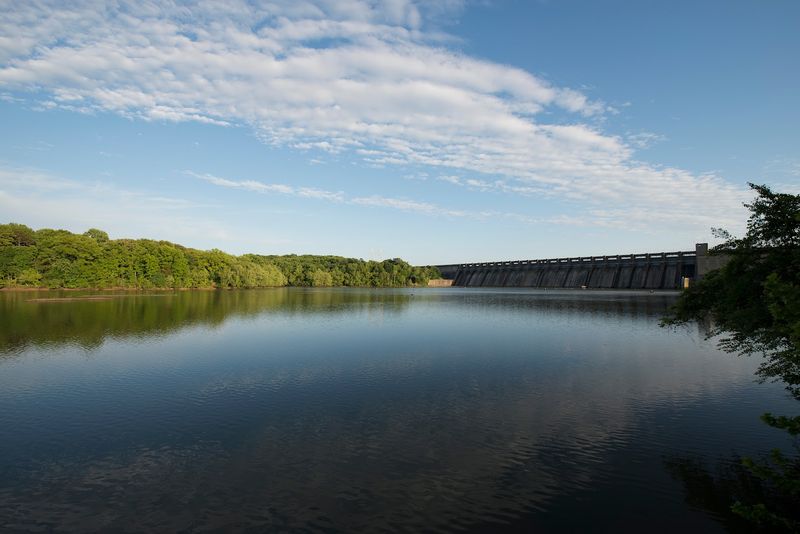
Clarksville holds a distinction that no other town in the state can claim: it is Virginia’s only true lakeside town, sitting right on the shores of Kerr Reservoir, also known as Buggs Island Lake. That geographic identity is a point of local pride, and the town’s historic district, filled with stunning 18th and 19th-century architecture, earned its place on the National Register of Historic Places for very good reason.
But every third weekend of July, Clarksville’s population swells to an almost unrecognizable level. The Virginia Lake Festival draws an enormous crowd for three straight days, culminating in a fireworks show over the water that is genuinely spectacular.
The festival itself is a beloved tradition, and it brings real economic energy to the town’s merchants and vendors.
The tension here is not between locals and visitors exactly, but between the town’s historical identity and the seasonal pressure that comes with being a destination. Fishing tournaments throughout the summer bring competitive anglers from across the region, filling motels and clogging boat ramps.
Residents who have called this place home for generations sometimes describe feeling like guests in their own town during peak season.
Clarksville’s charm is absolutely real and worth experiencing firsthand. The architecture alone makes it a fascinating stop, and the waterfront setting is genuinely lovely.
Catching the town outside of festival season reveals a quieter, more intimate version of itself that feels much closer to its roots. Clarksville, Virginia 23927, sits along the North Carolina border in Mecklenburg County.
4. Huddleston and Smith Mountain Lake State Park
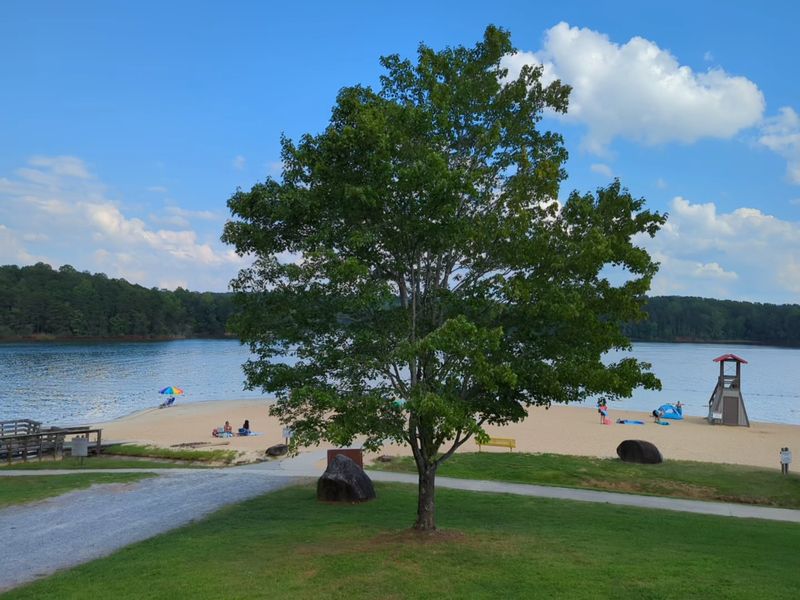
Huddleston might be one of the least-known names on this list, but Smith Mountain Lake State Park puts it squarely on the summer map every single year. The park’s sandy swimming beach is one of the most popular spots in all of Virginia during the warm months, drawing day-trippers and campers who arrive early and stay late, filling every available parking space before the morning is even halfway done.
The surrounding community of Huddleston sits in Bedford County and has a genuinely rural, unhurried character that makes it easy to fall in love with during the quieter months. Hiking trails wind through beautiful forested terrain, and the lake views from the park’s higher elevations are the kind that make you stop walking and just stare for a while.
That serene quality is exactly what draws crowds in the first place, which creates its own ironic dilemma.
During peak summer weeks, the park can feel more like a theme park than a nature preserve. Campground reservations fill up months in advance, and the beach area reaches capacity early on hot weekends.
Rangers work hard to manage the flow, but the sheer popularity of the location makes crowd control an ongoing challenge.
Visiting Smith Mountain Lake State Park in the shoulder seasons of late spring or early fall reveals its true personality. The trails are peaceful, the beach is accessible, and the lake reflects the surrounding hills in a way that feels almost painterly.
Smith Mountain Lake State Park is located at 1235 State Park Rd, Huddleston, Virginia 24121.
5. Bumpass and Lake Anna’s Quiet Side
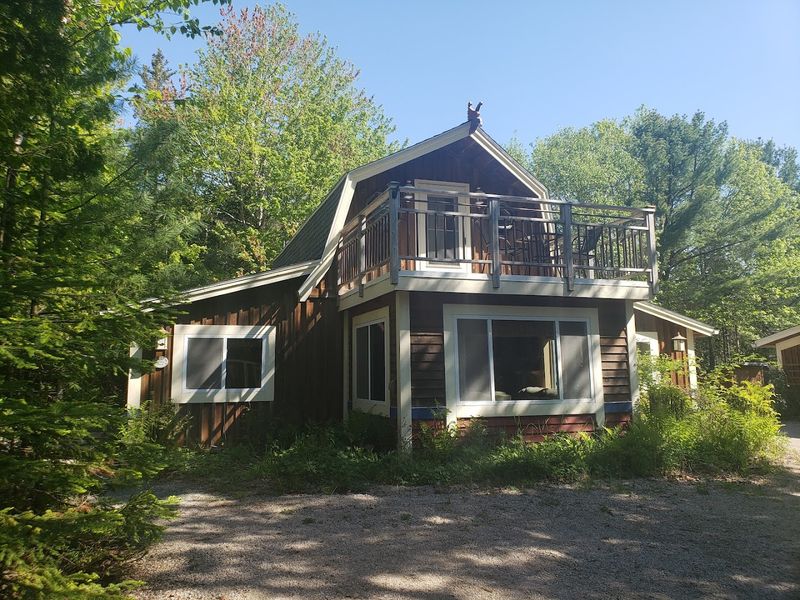
Bumpass is the kind of name that makes people smile before they even get there, and the town itself has a personality to match: low-key, friendly, and genuinely charming in a way that feels completely unpretentious. Tucked along the shores of Lake Anna in Spotsylvania and Louisa counties, Bumpass sits on the quieter, more residential side of the lake, which for most of the year feels like a well-kept local secret.
The key phrase there is “most of the year.” Come summer, the short-term rental market kicks into overdrive and the character of the area shifts noticeably. Houses that spent the winter season sitting quietly with local families inside become revolving doors for vacationing groups, and the neighborhood energy changes in ways that are hard to ignore.
Roads that saw minimal traffic in April suddenly handle a steady stream of unfamiliar cars every Friday afternoon.
What makes Bumpass particularly interesting is how the transition feels so stark. The contrast between the winter quiet and the summer buzz is almost theatrical.
Longtime residents have mixed feelings about the transformation, appreciating the economic activity while mourning the loss of the community rhythm they built over years.
The surrounding countryside is legitimately gorgeous no matter the season, with rolling farmland and wooded stretches that give the whole area a distinctly Virginian character. A visit in early spring or mid-autumn captures the beauty without the congestion.
Bumpass, Virginia 23024, sits in Louisa County and rewards visitors who time their trips thoughtfully.
6. Pulaski and Claytor Lake
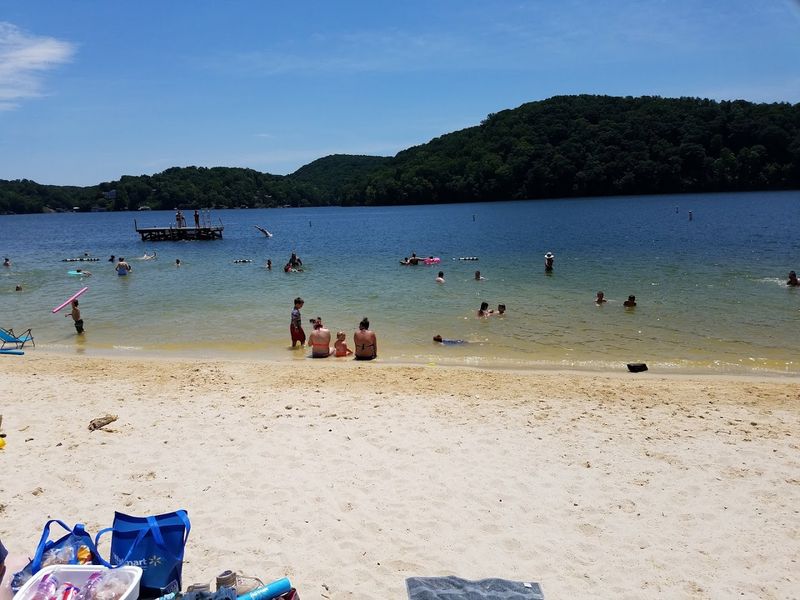
Pulaski has a proud industrial history and a downtown that reflects the grit and character of a working Virginia community. But ask most summer visitors why they made the drive, and the answer is almost always Claytor Lake State Park, a sprawling water recreation destination that draws crowds from across the region every single warm-weather season.
The park’s white sand beach is genuinely impressive, and the surrounding lake is beautiful enough to justify every bit of its reputation. Water skiing, fishing, kayaking, and camping all converge here in a way that makes Claytor Lake feel like a complete summer destination rather than just a day trip.
The problem, of course, is that everyone else figured this out too.
On peak summer weekends, the beach reaches capacity and the park entrance line stretches back onto the main road. The town of Pulaski itself experiences the overflow, with local roads handling traffic volumes that feel mismatched with their modest design.
The quiet neighborhoods surrounding the park take on a decidedly different energy when the seasonal rush is in full swing.
Pulaski’s downtown still retains a lot of authentic local character, with independent businesses and a community spirit that the summer surge hasn’t fully managed to dilute. The town sits in Pulaski County in the New River Valley region of Virginia, and it genuinely deserves more credit for its own identity beyond the lake.
Claytor Lake State Park is located at 6620 Ben H. Bolen Dr, Dublin, Virginia 24084, just a short drive from town.
7. South Hill and Lake Gaston
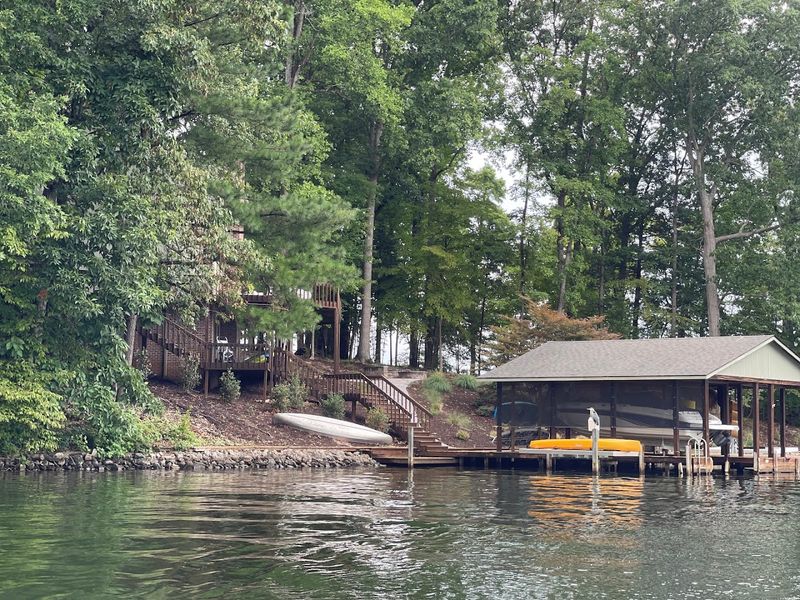
South Hill straddles the Virginia-North Carolina border in a way that gives it a uniquely dual identity, pulling visitors from two states simultaneously toward the sprawling expanse of Lake Gaston. The lake itself is enormous, stretching across roughly 20,000 acres of water shared between both states, which means South Hill serves as a major access point for a truly massive summer crowd.
The town has a pleasant, small-city character with a walkable downtown and a local pride that is easy to sense the moment you arrive. Murals and historic markers tell the story of a community that has been here a long time and plans to stay.
But from late May through August, that story gets interrupted by the constant hum of boat engines and the parade of trucks hauling watercraft through town.
Lake Gaston is famous among water sports enthusiasts for its open stretches of calm, deep water, ideal for water skiing and high-speed boating. That reputation brings a very specific kind of summer crowd, one that tends to be loud, energetic, and entirely focused on the water rather than the town itself.
Local businesses benefit from the foot traffic, but the overall atmosphere tilts sharply toward resort mode.
South Hill’s off-season personality is genuinely appealing, with a warmth and accessibility that feels authentically Southern in the best possible way. The surrounding countryside is scenic and unhurried, and the town itself has real character worth exploring.
South Hill, Virginia 23970, sits in Mecklenburg County and is worth a visit when the boats are safely stored for winter.
8. Lyndhurst and Sherando Lake
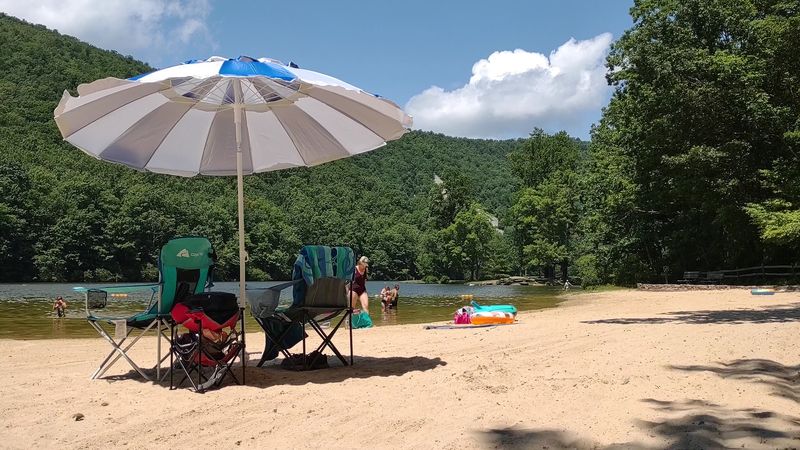
Sherando Lake sits tucked into the Blue Ridge Mountains within the George Washington National Forest, and the drive to get there is half the appeal. Winding mountain roads pass through some of the most dramatically beautiful scenery in all of Virginia, building anticipation with every curve.
The lake itself, surrounded by forested peaks, has a quality that feels almost otherworldly on a clear morning before the crowds arrive.
The nearby community of Lyndhurst in Augusta County is small and genuinely rural, the kind of place where a hardware store and a country church represent the social infrastructure. That simplicity is part of its appeal, and it stands in stark contrast to what happens at Sherando Lake once summer temperatures climb and city dwellers start making the mountain pilgrimage in force.
During peak summer heat, the beach and picnic areas fill up fast and stay packed throughout the afternoon. Families spread blankets across every available patch of grass, the swimming area gets crowded, and the forest quiet that defines the place nine months out of the year evaporates almost entirely.
The National Forest Service manages the site carefully, but demand consistently outpaces expectations.
Catching Sherando Lake in late September is a transformative experience. The foliage turns spectacular shades of amber and red, the water is still swimmable on warm afternoons, and the crowds have almost entirely vanished.
Lyndhurst, Virginia 22952, serves as the closest community, and the lake is located off Route 664 in Augusta County, deep in the heart of the mountains.
9. Spotsylvania and Lake Anna State Park
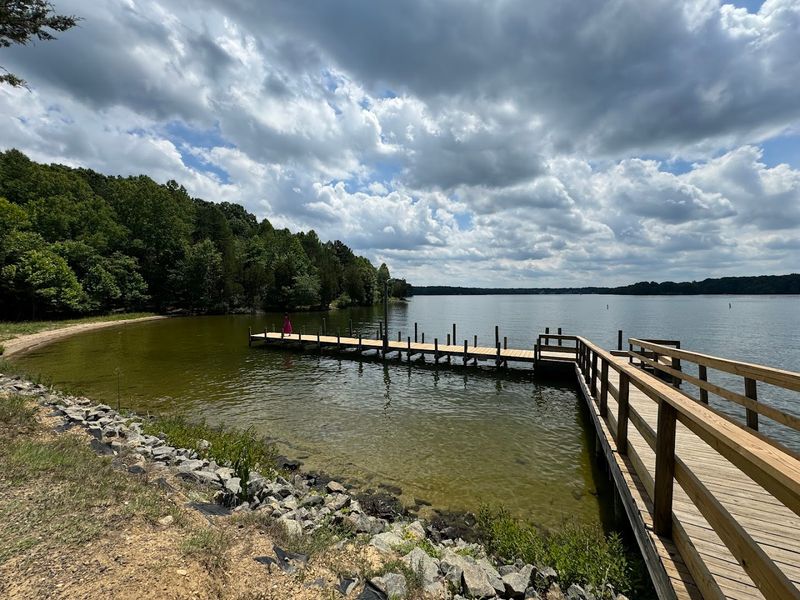
Lake Anna State Park in Spotsylvania County has a reputation that precedes it by miles. On the hottest summer weekends, park officials sometimes have to close the beach entrance entirely once maximum capacity is reached, a fact that speaks volumes about just how popular this stretch of Virginia lakefront has become.
The park sits on the public side of Lake Anna and offers one of the most accessible sandy beach experiences in the region.
Spotsylvania itself is a fast-growing area caught between its rural past and its increasingly suburban present. The state park acts as a pressure valve for residents across Northern Virginia and the Richmond metro area, both of which are close enough for a day trip.
That geographic sweet spot is both the park’s greatest asset and its biggest challenge during summer months.
The facilities are well-maintained and the natural setting is genuinely lovely, with tall pines framing the water and a calm, shallow beach area that works beautifully for families with young children. Kayak and paddleboard rentals add to the appeal, and the park’s hiking trails offer a quieter alternative to the beach scene when the crowds get overwhelming.
Visiting in late spring, before schools let out for summer, reveals the park at something close to its natural best. The water is clean, the trails are quiet, and the beach has room to breathe.
Lake Anna State Park is located at 6800 Lawyers Rd, Spotsylvania, Virginia 22553, and remains one of the most rewarding outdoor destinations in the state when visited at the right time.
10. Hot Springs and Lake Moomaw
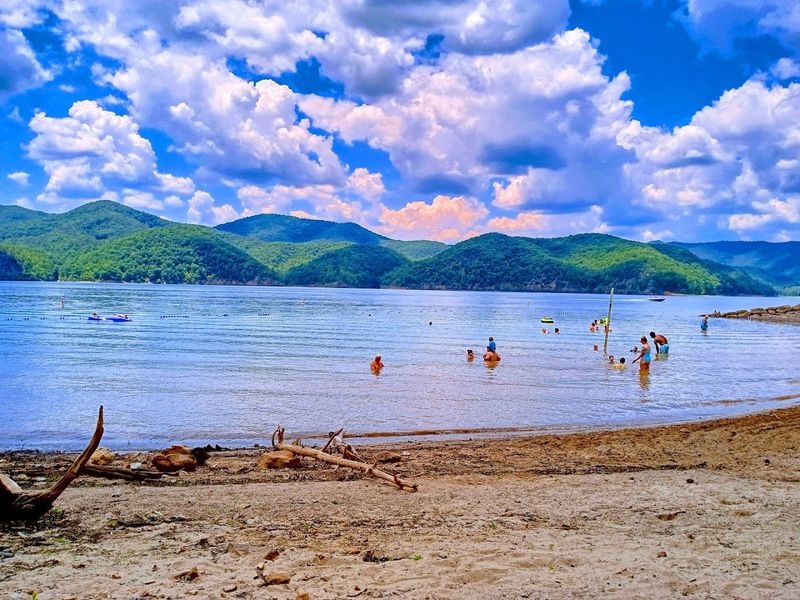
Hot Springs sits in the Alleghany Highlands of Virginia with the kind of mountain grandeur that makes you feel like you stumbled onto a movie set. The surrounding landscape is dramatic and deeply forested, with Lake Moomaw serving as the crown of the outdoor recreation scene in this remote corner of the state.
For years, this area flew well under the radar, visited mostly by serious hikers, anglers, and those in the know.
That quiet era is fading. Lake Moomaw, managed by the U.S.
Army Corps of Engineers and sitting within the George Washington and Jefferson National Forests, has seen a steady climb in summer visitation as more people discover its pristine water and undeveloped shoreline. The campgrounds at Bolar Mountain and Gathright Dam fill up well in advance during summer months, and the lake’s popularity on social media has accelerated the trend considerably.
The appeal is obvious and completely understandable. The water is exceptionally clear, the surrounding mountains create a natural amphitheater of scenery, and the overall sense of wilderness feels rare and precious.
Hot Springs itself retains a mountain-town character that feels genuinely different from the rest of Virginia’s lake communities, with a slower rhythm and a landscape that demands attention.
Even with growing crowds, Lake Moomaw still offers a more remote and nature-forward experience than most Virginia lake destinations. Arriving midweek or in early autumn dramatically improves the experience.
Hot Springs, Virginia 24445, sits in Bath County, and Lake Moomaw is accessible via Route 687, deep in the Alleghany Highlands.
Dear Reader: This page may contain affiliate links which may earn a commission if you click through and make a purchase. Our independent journalism is not influenced by any advertiser or commercial initiative unless it is clearly marked as sponsored content. As travel products change, please be sure to reconfirm all details and stay up to date with current events to ensure a safe and successful trip.
