Oregon doesn’t always show its best cards at first glance. Sprawled across diverse terrain from coast to high desert, this state harbors countless spots that barely register as dots on a map, places that seem insignificant until you pull off the highway and step into their magic.
Travelers often rush past these hidden treasures, chasing after the famous landmarks while missing the quiet wonders that locals have cherished for generations. Yet those who know Oregon understand that the most memorable experiences often lie tucked away in the corners that guidebooks overlook.
These under-the-radar destinations offer something the crowded tourist traps cannot: authenticity, solitude, and the raw beauty that makes Oregon such a captivating place to explore.
From volcanic landscapes that feel plucked from another world to coastal hideaways where the Pacific crashes against ancient rock formations, these spots reward those willing to venture beyond the obvious.
Small towns nestled against alpine lakes, forgotten trails through old-growth forests, and desert expanses that stretch endlessly under star-filled skies all wait for curious visitors who trust local knowledge over popular opinion.
The map may not do them justice, but once you arrive, you’ll understand why Oregonians keep returning to these special places year after year.
1. Samuel H. Boardman Scenic Corridor
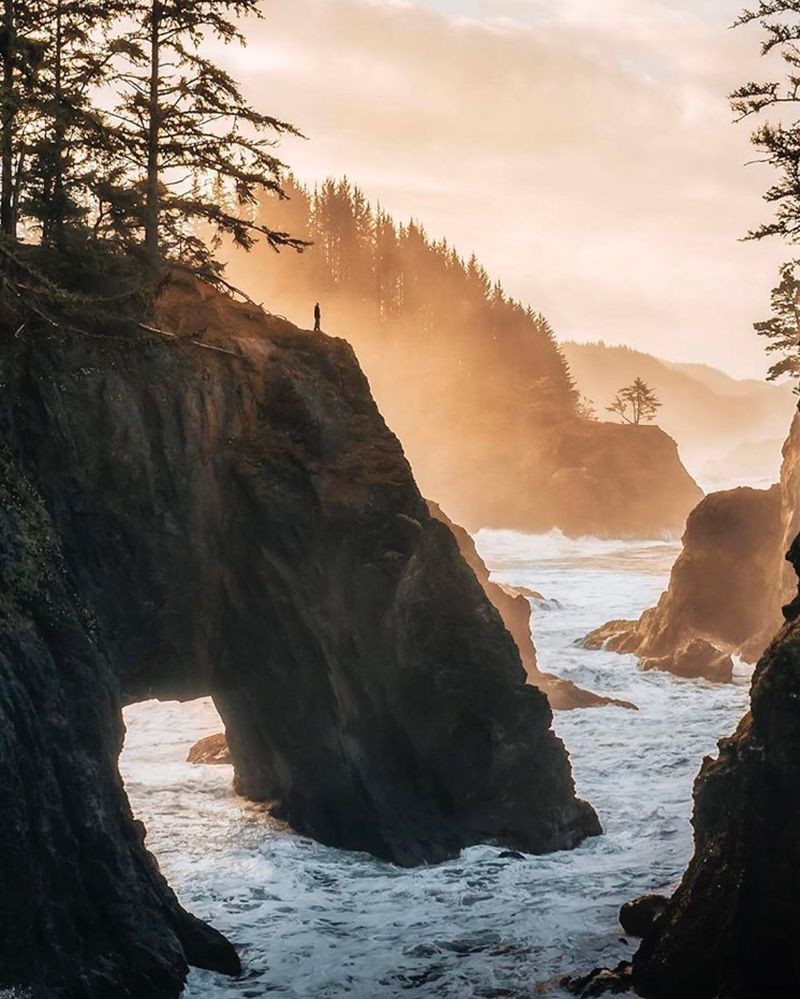
Stretching along the southern Oregon coast, this scenic corridor appears as nothing more than a routine highway segment when you trace it on a map. But locals know that Highway 101 through this area conceals some of the most spectacular coastal scenery in the entire Pacific Northwest.
Pull into any of the unmarked viewpoints, and you’ll discover a landscape that rivals anything from postcards or travel magazines.
Arch Rock stands as one of the corridor’s signature features, a natural stone archway carved by centuries of relentless wave action. The geological drama continues at Natural Bridges, where seawater has sculpted passageways through solid rock formations.
These aren’t just photo opportunities; they’re windows into the powerful forces that shaped this coastline over millennia.
Secret beaches hide below the cliffs, accessible only to those who know where the trails begin. Unlike the crowded sands at Cannon Beach or Newport, these coves offer solitude and pristine beauty.
Tide pools teem with starfish and anemones, while offshore rocks provide perches for seabirds and occasional sea lions.
The corridor extends for miles, offering viewpoint after viewpoint, each revealing a different perspective on the rugged coastline. Dense Sitka spruce forests press right up to the cliff edges, their twisted branches shaped by constant ocean winds.
On foggy mornings, the landscape takes on an ethereal quality, with mist rolling through the trees and waves emerging from the gray.
Located along Highway 101 between Brookings and Gold Beach, this stretch of road transforms an ordinary drive into an unforgettable journey. Pack a lunch, bring your camera, and budget extra time because you’ll want to stop at every turnout along this remarkable coastal treasure.
2. Alvord Desert
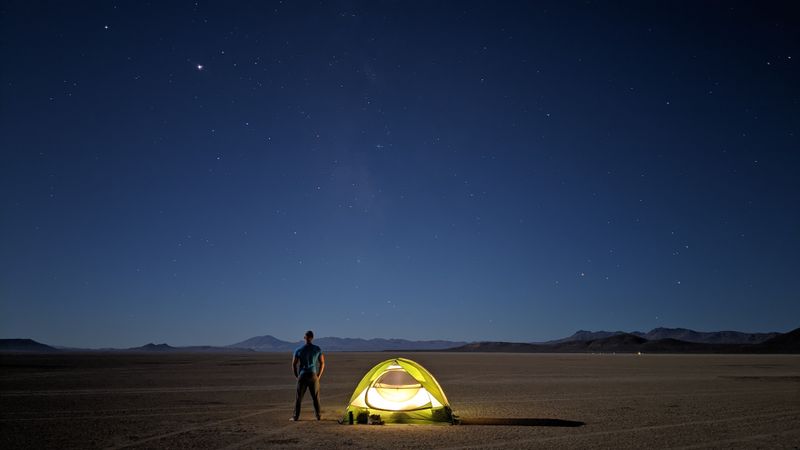
Vast and otherworldly, the Alvord Desert sprawls across southeastern Oregon like something from a science fiction landscape. This ancient lakebed sits in the rain shadow of Steens Mountain, creating a parched expanse where rainfall rarely reaches.
What looks like empty space on any map transforms into one of the most mesmerizing destinations in the state once you arrive.
The playa stretches for miles, its cracked surface creating intricate geometric patterns that shift with the seasons. After rare rains, the desert floor becomes a shallow lake, perfectly reflecting the sky and surrounding mountains.
During dry periods, the hardpacked surface allows visitors to walk for miles across the flat expanse, feeling utterly removed from civilization.
Stargazing here reaches legendary status among astronomy enthusiasts. With virtually no light pollution for dozens of miles in any direction, the night sky explodes with stars, planets, and the Milky Way stretching overhead in brilliant detail.
Meteor showers become spectacular events, and the silence amplifies the sense of being on another planet entirely.
Steens Mountain rises dramatically from the desert floor, its massive bulk creating the weather pattern that keeps this area so dry. The contrast between the barren playa and the mountain’s green slopes illustrates nature’s extremes within a single viewshed.
Hot springs dot the area’s edges, offering warm soaks after days exploring the desert.
Access the Alvord Desert via Fields, Oregon, following the gravel roads that lead to the playa’s edge. Bring all supplies, as services are sparse in this remote corner of Oregon.
The journey rewards those seeking solitude, stunning landscapes, and a genuine sense of discovery far from tourist crowds.
3. Toketee Falls
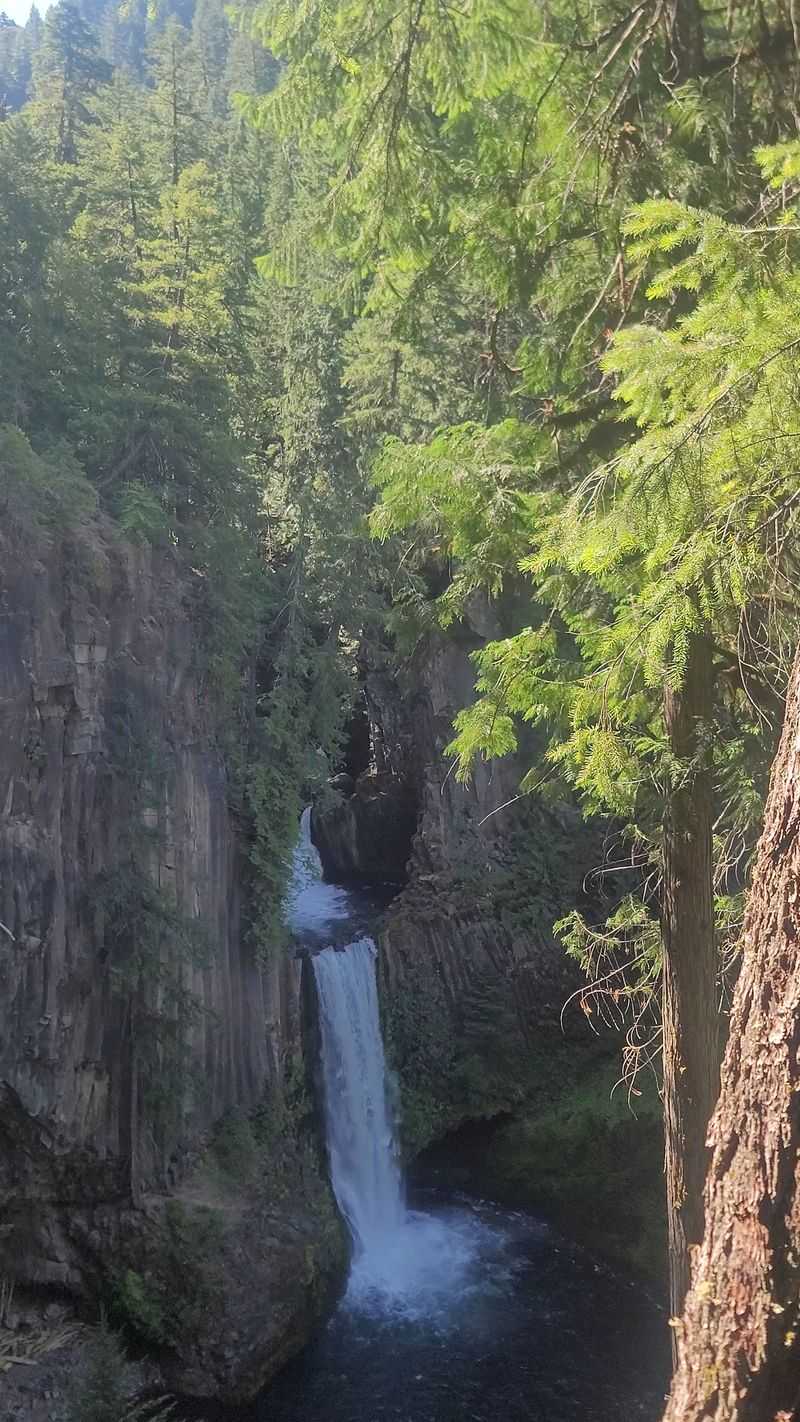
Hidden within the Umpqua National Forest, Toketee Falls remains surprisingly overlooked despite its dramatic beauty. The name comes from a Chinook word meaning graceful, and one glimpse of this waterfall confirms the perfect description.
Water plunges through a narrow gorge into a pool surrounded by columnar basalt formations that look almost too perfect to be natural.
The hike to reach the falls covers less than a mile, making it accessible for most visitors willing to navigate the well-maintained trail. Ancient Douglas firs tower overhead, their massive trunks creating a cathedral-like atmosphere as you approach the viewing platform.
The path crosses bridges and winds through lush forest that stays green even during summer months.
What sets Toketee apart from other waterfalls is the geological showcase surrounding it. The basalt columns formed from ancient lava flows, cooling into hexagonal pillars that frame the cascade perfectly.
These geometric rock formations create an amphitheater effect, focusing attention on the falling water while demonstrating the volcanic history that shaped this region.
The pool at the base glows with an ethereal blue-green color, fed by the North Umpqua River’s cold, clear water. Mist rises from where the falls hit the surface, creating rainbows on sunny days and adding to the magical atmosphere.
The sound of rushing water echoes off the rock walls, providing a constant natural soundtrack.
Find Toketee Falls off Highway 138 near Glide, Oregon, along the North Umpqua River corridor. The trailhead sits near Toketee Lake, and the short walk makes this an ideal stop for travelers exploring the Cascade Range without committing to strenuous hikes.
This geological marvel deserves far more recognition than it receives.
4. Joseph and Wallowa Lake

Tucked into Oregon’s northeastern corner, the town of Joseph sits at the edge of Wallowa Lake with mountains rising so dramatically they’ve earned the nickname “Alps of Oregon.”
Most travelers never make it to this remote area, but locals consider it one of the state’s most spectacular destinations. The combination of pristine alpine scenery and authentic Western culture creates an experience unlike anywhere else.
Wallowa Lake itself stretches for miles, its turquoise waters reflecting the surrounding peaks on calm days. The lake formed from glacial activity thousands of years ago, carving out a deep basin that now offers boating, fishing, and swimming during warmer months.
Moraines at the lake’s end show where ancient ice sheets once terminated, leaving behind the landscape we see today.
The Wallowa Mountains tower above the valley, offering some of the most challenging and rewarding hiking in the Pacific Northwest. Trails lead into the Eagle Cap Wilderness, where alpine meadows burst with wildflowers and mountain goats pick their way across rocky slopes.
A tramway carries visitors up to the summit of Mount Howard, providing panoramic views without the strenuous climb.
Joseph maintains its ranching heritage while embracing art and outdoor recreation. Bronze foundries produce Western sculptures that line the streets, and local galleries showcase regional artists.
The community’s small size fosters genuine hospitality, with locals eager to share their favorite trails and fishing spots with curious visitors.
Located at 59879 Wallowa Lake Highway in Joseph, Oregon, this area requires a drive to reach but rewards the journey with unmatched natural beauty. Plan to spend several days exploring the mountains, lake, and surrounding valleys.
This corner of Oregon captures the essence of mountain grandeur.
5. Newberry National Volcanic Monument

Central Oregon’s volcanic past comes alive at Newberry National Volcanic Monument, a massive complex that barely registers as noteworthy on standard maps. Yet this area contains some of the most diverse volcanic features in North America, from lava flows and cinder cones to obsidian flows and underground caves.
Locals recognize it as a geological wonderland that offers endless exploration opportunities.
Lava River Cave provides one of the monument’s most popular attractions, a mile-long lava tube that visitors can walk through with lanterns. The temperature inside stays cool year-round, and the smooth walls show how molten rock once flowed through this underground passage.
Bring warm clothing even on hot summer days, as the cave maintains its chill regardless of outside temperatures.
The Big Obsidian Flow glistens in the sunlight, a massive deposit of volcanic glass that formed relatively recently in geological terms. A trail winds across the flow, allowing close examination of this remarkable material that indigenous peoples once prized for toolmaking.
The sharp edges and glassy surface create an alien landscape that contrasts sharply with the surrounding pine forests.
Paulina and East Lakes fill the caldera at Newberry Volcano’s summit, offering fishing, camping, and stunning views of the volcanic landscape. Hot springs bubble up along the shores, reminding visitors that volcanic activity continues beneath the surface.
The drive up to the lakes passes through different vegetation zones, illustrating how elevation affects plant communities.
Access the monument via Highway 97 south of Bend, Oregon, following signs to the various features. Each site within the monument offers unique geological insights, making this an ideal destination for anyone interested in volcanic processes.
The monument showcases Oregon’s dynamic geological history better than almost anywhere else.
6. Steens Mountain
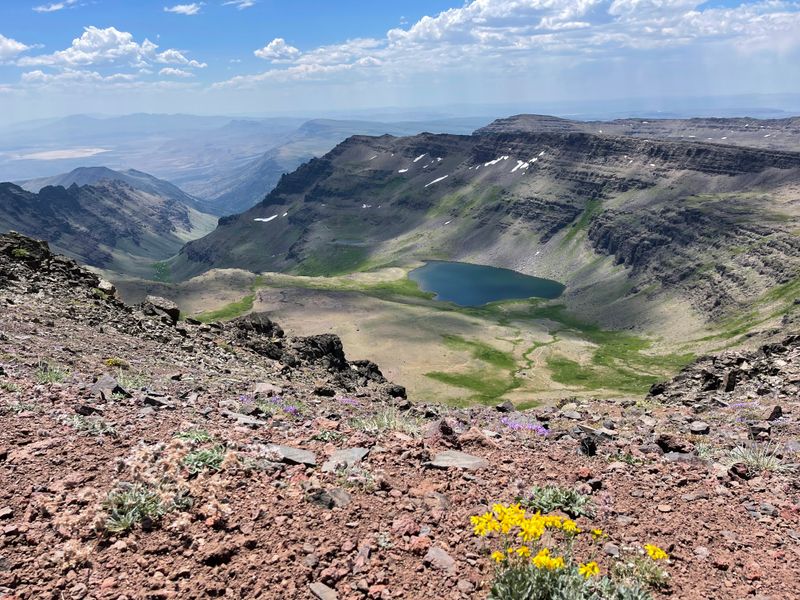
Rising abruptly from the sagebrush steppe of southeastern Oregon, Steens Mountain dominates the landscape with its massive fault-block structure. The western slope rises gradually over many miles, while the eastern face drops precipitously toward the Alvord Desert thousands of feet below.
This geological giant remains largely unknown outside the region, but locals treasure it as one of Oregon’s most impressive natural features.
The Steens Mountain Loop Road provides access to the heights during summer months when snow melts enough to clear the route. Driving this gravel road takes visitors through distinct ecological zones, from sagebrush lowlands through aspen groves and eventually to alpine tundra at the summit.
Each elevation brings different wildflowers, birds, and views of the surrounding high desert.
East Rim Viewpoint offers one of the most dramatic panoramas in the entire state. Standing at the edge, you look straight down nearly a vertical mile to the Alvord Desert floor.
The sense of exposure is breathtaking, with nothing between you and the desert below except air. On clear days, the view extends for over a hundred miles across the Basin and Range country.
Wild horses roam the mountain’s slopes, descendants of animals that once worked on area ranches. Bighorn sheep inhabit the rocky areas, and golden eagles soar on thermal currents rising from the heated desert floor.
The wildlife viewing opportunities rival the geological spectacle, making every visit unpredictable and exciting.
Reach Steens Mountain from Fields or Frenchglen, Oregon, following the loop road during summer months only. Bring supplies, as services are nonexistent on the mountain itself.
The remoteness and grandeur of Steens Mountain exemplify the wild character that makes Oregon such a compelling destination for adventurous travelers.
7. Cape Perpetua
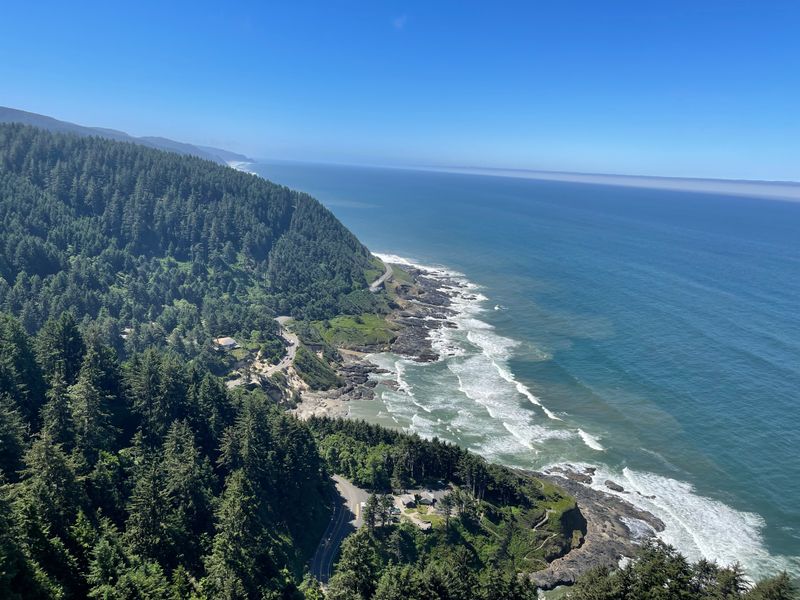
Along the central Oregon coast, Cape Perpetua juts into the Pacific Ocean, creating a concentration of natural wonders that seems almost unfair in its abundance. While it appears as just another coastal headland on maps, locals know this area contains some of the most powerful and photogenic features on the entire shoreline.
Ancient forests, tide pools, and dramatic wave action combine into an experience that captivates visitors for hours.
Thor’s Well has become legendary among photographers, a seemingly bottomless sinkhole that appears to drain the ocean itself. During high tide and large swells, water surges into the well and shoots skyward in spectacular displays.
The timing must be right to witness the full effect, and visitors should maintain a safe distance from the powerful waves that make this phenomenon possible.
Devil’s Churn demonstrates the ocean’s erosive power, a narrow fissure in the basalt where waves compress and explode upward with tremendous force. The sound alone is impressive, a deep rumble followed by the roar of water rushing through the confined space.
Viewing platforms allow safe observation of this natural violence, but spray often reaches observers even well back from the edge.
Old-growth forests blanket the slopes above the shore, with Sitka spruce reaching enormous sizes in the constant moisture. Trails wind through these ancient groves, offering a complete contrast to the exposed coastal features.
The forest floor grows thick with ferns and moss, creating a primeval atmosphere that feels timeless.
Find Cape Perpetua along Highway 101 south of Yachats, Oregon, where the visitor center provides information about the area’s many trails and viewpoints. Plan to spend several hours exploring the diverse features packed into this relatively small area.
Cape Perpetua showcases the Oregon coast at its most dynamic and beautiful.
8. Valley of the Giants
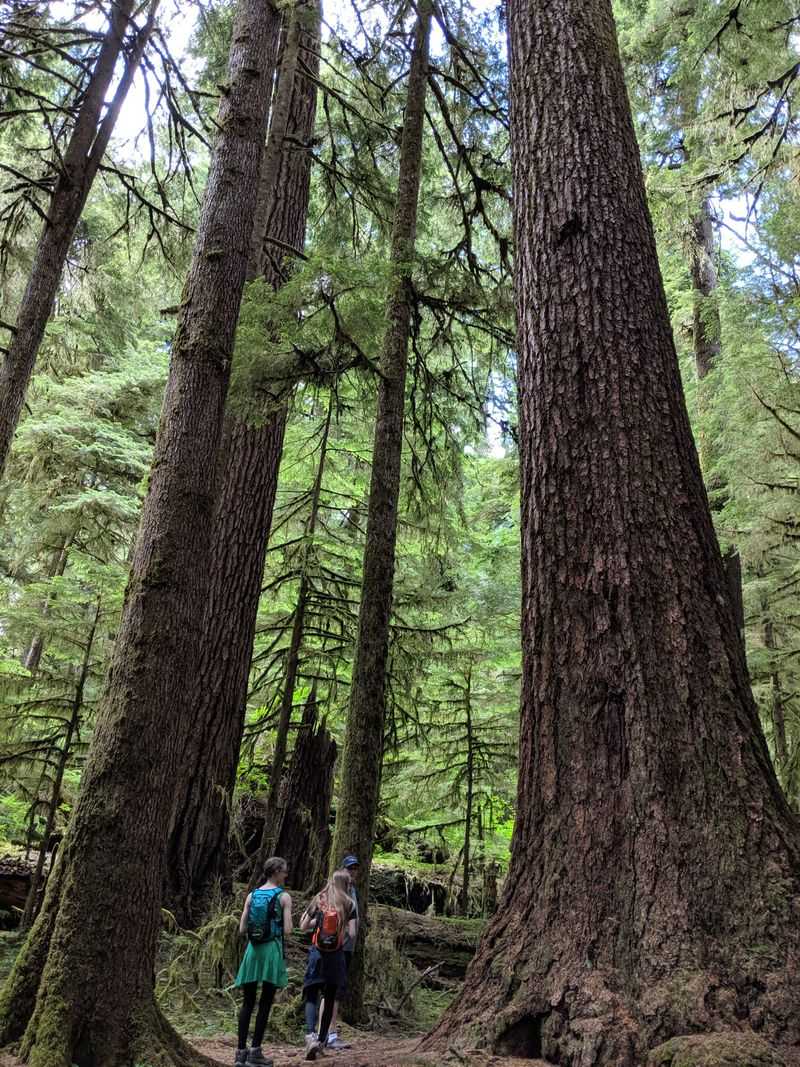
Near the coastal town of Florence, a loop trail winds through one of Oregon’s most impressive stands of old-growth forest. Valley of the Giants preserves ancient Douglas firs and Sitka spruce that tower hundreds of feet overhead, their massive trunks testament to centuries of growth.
Unlike more famous groves that draw crowds, this area remains relatively quiet, known primarily to locals who appreciate its spiritual atmosphere.
Walking among these giants provides perspective on the forests that once covered much of the Pacific Northwest. Some trees exceed six feet in diameter, their bark deeply furrowed and covered with moss and lichens.
The canopy far overhead filters sunlight into a green glow, while the forest floor stays relatively open beneath the massive trunks.
The trail follows a gentle loop, making it accessible for most visitors willing to walk a few miles through uneven terrain. Interpretive signs explain the forest ecology, but the trees themselves provide the real education.
Standing at the base of a centuries-old Douglas fir, you gain immediate understanding of what old-growth truly means and why these forests deserve protection.
Sword ferns carpet the ground between trees, their fronds creating a lush understory that stays green year-round. Nurse logs demonstrate the forest’s cycle of growth and decay, with new trees sprouting from fallen giants.
The air smells of earth and vegetation, a rich organic scent that defines Pacific Northwest forests.
Access Valley of the Giants via Forest Road 5070 near Florence, Oregon, following signs to the trailhead. The road requires careful navigation, but the reward of experiencing these ancient trees makes the journey worthwhile.
This grove offers a glimpse of Oregon’s natural heritage, preserved for those seeking connection with truly old forests.
9. Florence
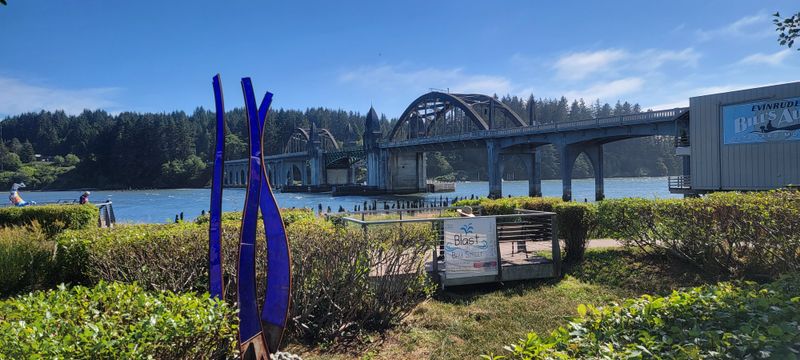
Situated where the Siuslaw River meets the Pacific Ocean, Florence maintains a charming character that larger coastal towns have lost to development. Old Town preserves historic buildings along the waterfront, now housing galleries, cafes, and shops that cater to locals as much as visitors.
The town serves as a gateway to some of the coast’s most impressive natural features while offering its own appeal.
The Oregon Dunes stretch for miles north and south of Florence, creating a landscape unlike anywhere else on the West Coast. These massive sand formations reach several hundred feet high in places, constantly reshaped by wind into new patterns.
Hiking into the dunes provides a desert-like experience just minutes from the ocean, with the sound of surf audible beyond the sandy ridges.
Heceta Head Lighthouse stands as one of the most photographed structures on the Oregon coast, perched on a rocky headland north of town. The lighthouse and keeper’s house create a picturesque scene, especially when fog rolls in from the ocean.
Trails lead to viewpoints offering spectacular coastal vistas and whale-watching opportunities during migration seasons.
Florence’s beaches tend toward the quiet side, lacking the crowds that pack more famous coastal destinations. Sea Lion Caves, a massive cavern where these marine mammals haul out, provides wildlife viewing opportunities year-round.
The river itself offers kayaking and fishing, with salmon runs attracting anglers during appropriate seasons.
Located along Highway 101 on Oregon’s central coast, Florence combines small-town atmosphere with access to diverse coastal environments. The downtown area along Bay Street in Old Town provides a pleasant place to wander, with local restaurants serving fresh seafood.
Florence exemplifies the laid-back coastal lifestyle that makes Oregon’s shoreline so appealing to those seeking authenticity.
10. Trillium Lake

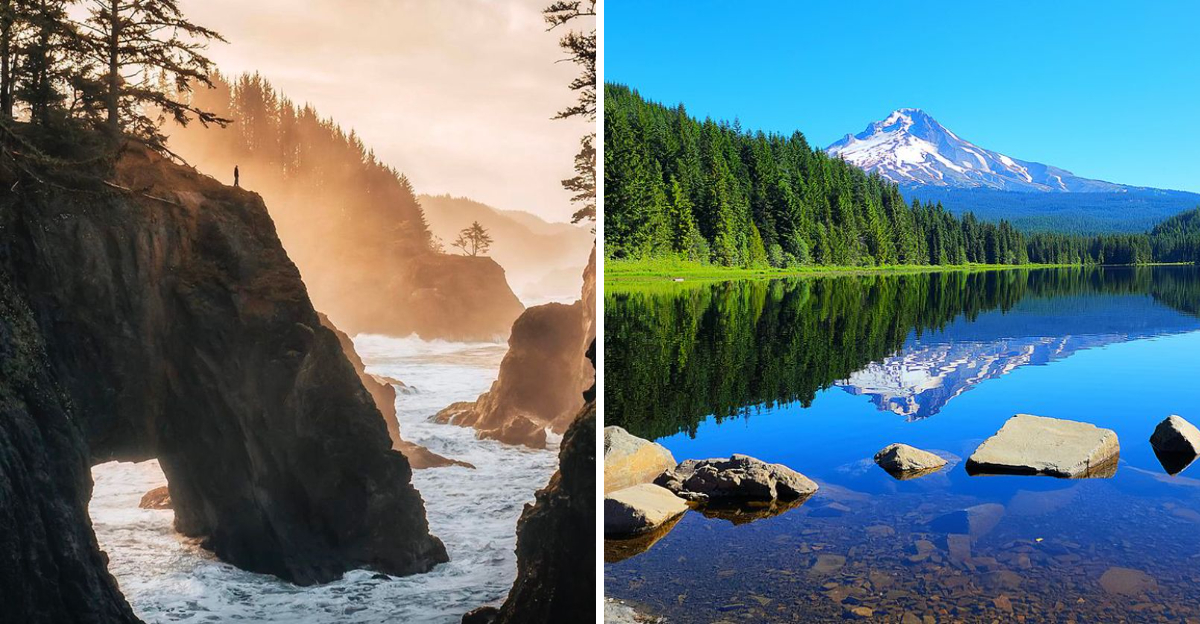
When Oregonians want the perfect Mount Hood photograph, they head to Trillium Lake. This small reservoir sits at just the right angle to capture the mountain’s reflection on calm mornings, creating one of the most iconic views in the entire state.
What appears as a minor water body on maps transforms into a photographer’s paradise when conditions align properly.
Early morning visits offer the best chance for mirror-like reflections, before wind ripples the surface or crowds arrive. The mountain rises directly behind the lake, its snow-covered peak doubling in the still water.
Lily pads dot the foreground during summer, adding compositional interest to an already spectacular scene.
A trail circles the lake, providing different perspectives and pleasant hiking through mountain hemlock and fir forests. The walk takes about an hour at a leisurely pace, with numerous spots to stop and admire the view.
Photographers work the shoreline at sunrise, setting up tripods and waiting for the perfect light to illuminate Hood’s glaciers.
The lake serves multiple purposes beyond photography, offering fishing, paddling, and camping during warmer months. A campground near the shore fills quickly on summer weekends, as families arrive to enjoy the mountain setting.
Even when busy, the location maintains its appeal, with everyone drawn by the same magnificent view.
Find Trillium Lake off Highway 26 near Government Camp, Oregon, following Forest Road 2656 to the parking area. The short access road makes this an easy stop for anyone traveling around Mount Hood.
While it may see more visitors than other spots on this list, the combination of accessibility and stunning beauty makes Trillium Lake a local favorite that never disappoints.
Dear Reader: This page may contain affiliate links which may earn a commission if you click through and make a purchase. Our independent journalism is not influenced by any advertiser or commercial initiative unless it is clearly marked as sponsored content. As travel products change, please be sure to reconfirm all details and stay up to date with current events to ensure a safe and successful trip.
