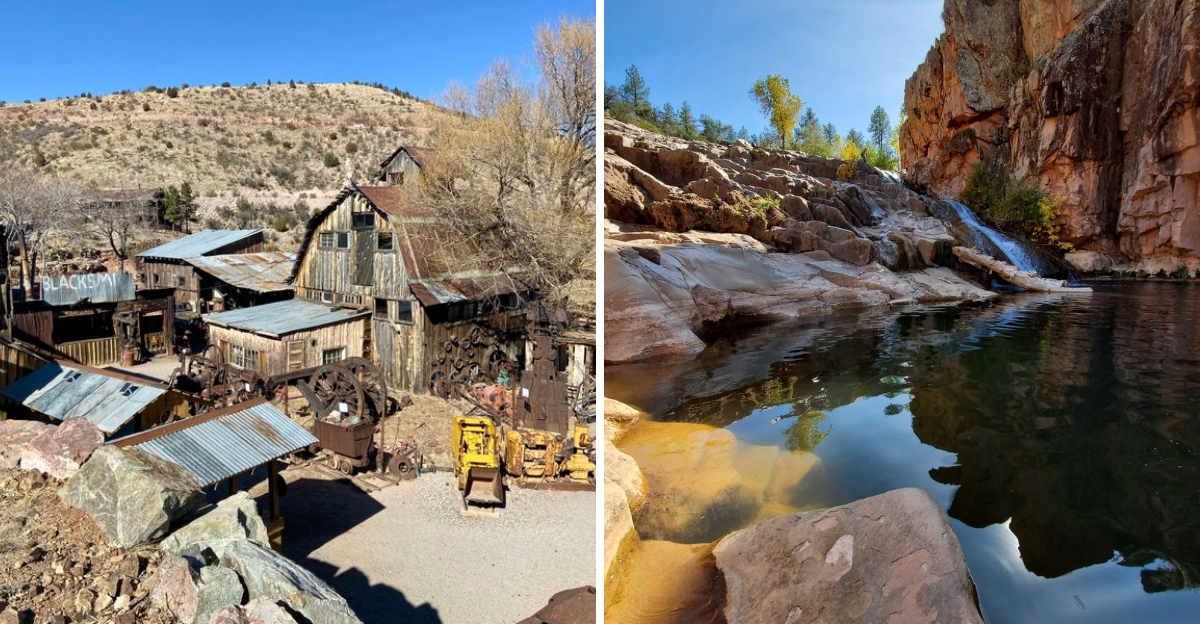
Phoenix sits at the heart of Arizona like a compass pointing toward adventure in every direction.
Within just a three-hour drive, travelers can escape the city and discover red rock canyons, historic mining towns, ancient ruins, and mountain forests that feel worlds away from urban life.
Whether you crave spiritual renewal among towering sandstone formations, a step back into Wild West history, or a cool retreat under tall pines, the surrounding region delivers unforgettable experiences without requiring days of travel.
Pack your car, grab some snacks, and get ready to explore the diverse landscapes and rich cultural heritage that make Arizona one of the most rewarding road trip destinations in the Southwest.
1. Sedona’s Red Rock Wonderland
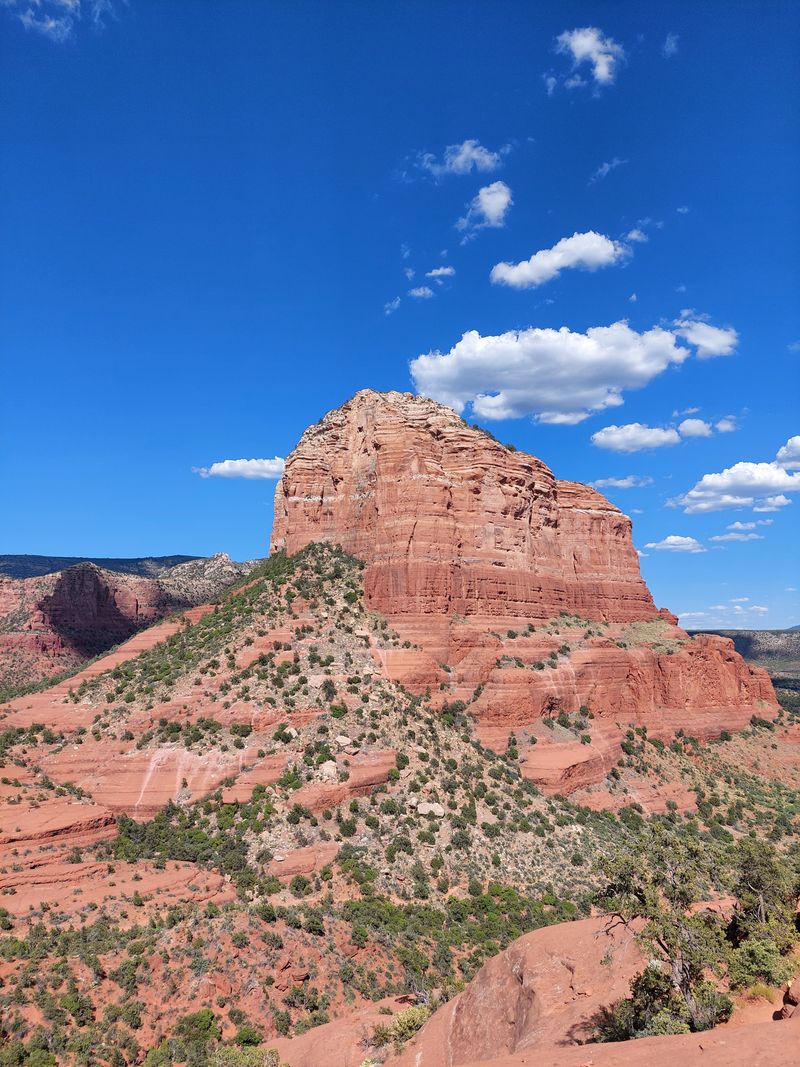
Red sandstone spires rise from the earth like ancient cathedrals, glowing crimson and orange as sunlight shifts across their weathered faces.
Sedona captivates visitors with its otherworldly geology, shaped over millions of years by wind, water, and geological forces that left behind one of the most photographed landscapes in America.
About two hours north of Phoenix, this destination attracts hikers, artists, and spiritual seekers drawn to the area’s reputed energy vortexes.
Cathedral Rock stands as one of the most iconic formations, offering a moderately challenging hike that rewards climbers with panoramic views of the Verde Valley.
The trail winds upward through juniper and manzanita, culminating in a rocky scramble to the saddle where visitors often pause to meditate or simply absorb the breathtaking scenery.
Beyond the trails, Sedona’s Gallery Row showcases Southwestern art in upscale studios where local painters and sculptors capture the region’s dramatic beauty in various mediums.
The natural light here changes constantly throughout the day, transforming the rocks from soft pink at dawn to deep burgundy at sunset.
Photographers flock to viewpoints like Airport Mesa and Bell Rock to capture these magical transitions.
Oak Creek runs through the area, providing a refreshing contrast to the arid surroundings with its shaded swimming holes and picnic spots.
Visitors can also explore Tlaquepaque Arts and Shopping Village, a charming collection of galleries and boutiques designed to resemble a traditional Mexican village.
Sedona offers both adventure and tranquility, making it perfect for weekend warriors and relaxation seekers alike.
The combination of natural splendor, outdoor recreation, and artistic culture creates an atmosphere unlike anywhere else in the Southwest.
2. Historic Prescott’s Small-Town Charm
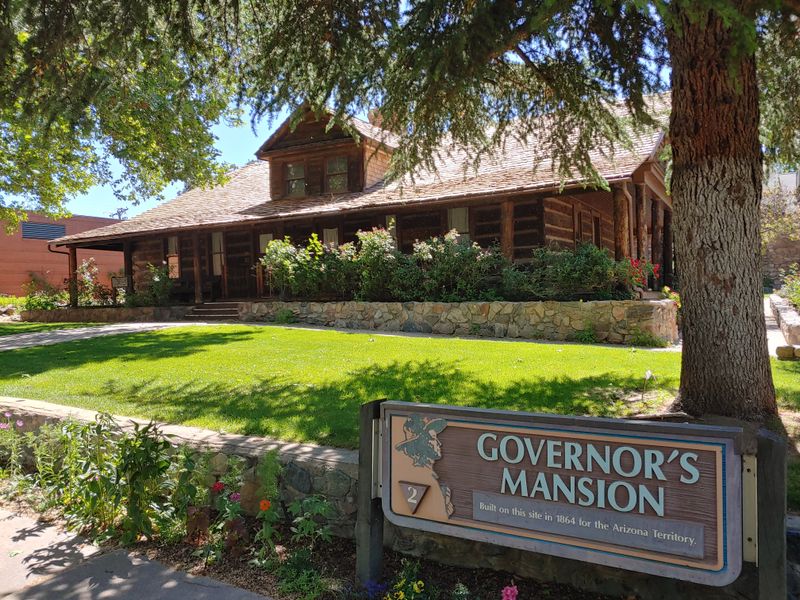
Cool mountain air and Victorian architecture transport visitors to a different era when Prescott served as Arizona’s territorial capital.
Roughly two hours northwest of Phoenix, this charming town sits at 5,400 feet elevation, offering relief from desert heat and a glimpse into frontier history.
The courthouse plaza forms the heart of downtown, surrounded by preserved buildings that house antique shops, cafes, and local businesses.
Whiskey Row lines one side of the plaza, where historic saloons once catered to miners, ranchers, and cowboys in the late 1800s.
Though a devastating fire destroyed most of the original structures in 1900, legend says patrons carried the Palace Saloon’s ornate bar across the street to safety before rebuilding.
Today, visitors can still belly up to that same Brunswick bar and imagine the colorful characters who gathered there over a century ago.
Beyond downtown, Watson Lake provides stunning outdoor recreation amid a landscape of enormous granite boulders that appear stacked like giant toys.
The lake’s calm waters reflect the rock formations, creating picture-perfect scenes for kayakers and photographers.
A paved trail winds along the shoreline, offering easy access to hidden coves and dramatic viewpoints.
Prescott National Forest surrounds the town with ponderosa pine forests perfect for hiking, mountain biking, and wildlife watching.
The combination of Western heritage, natural beauty, and mild climate makes Prescott appealing year-round.
Annual events like Frontier Days celebrate the town’s cowboy roots with one of the oldest rodeos in America.
Whether exploring historic sites or paddling across Watson Lake’s blue waters, visitors discover a slower pace and genuine hospitality.
3. Jerome: Cliffside Ghost Town Adventures
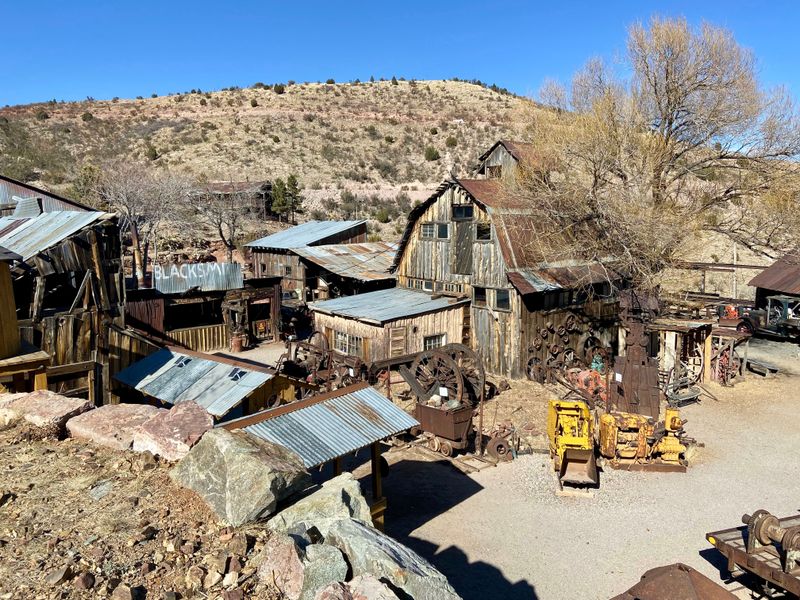
Perched precariously on Cleopatra Hill at 5,200 feet, Jerome clings to the mountainside like a stubborn memory of its copper mining glory days.
Once known as the wickedest town in the West, this former boomtown produced over one billion dollars worth of copper, gold, and silver before the mines closed in 1953.
The population plummeted from 15,000 to fewer than 100, leaving behind a maze of tilting buildings and abandoned structures.
Artists and free spirits eventually rediscovered Jerome in the 1960s, transforming empty storefronts into galleries, studios, and quirky shops that now line the steep, winding streets.
About two hours north of Phoenix, the town rewards explorers with panoramic views stretching across the Verde Valley to the red rocks of Sedona in the distance.
Walking through Jerome feels like stepping into a time capsule where history and creativity collide.
The Jerome Grand Hotel, once a hospital perched at the highest point, reportedly hosts paranormal activity that attracts ghost hunters and curious visitors.
Many buildings lean at odd angles, victims of unstable ground caused by 88 miles of mining tunnels honeycombing the mountain beneath.
The Jerome State Historic Park preserves the Douglas Mansion, offering exhibits about mining life and the families who once called this vertical town home.
Local restaurants and wine tasting rooms occupy restored buildings with exposed brick walls and original fixtures.
Shops sell handcrafted jewelry, paintings, and unusual antiques discovered in abandoned properties.
The artistic community thrives here, drawn by affordable rent and inspiring vistas that change with every turn in the road.
Jerome proves that some towns refuse to become true ghost towns, instead reinventing themselves while honoring their colorful past.
4. Tucson’s Desert Museum Experience
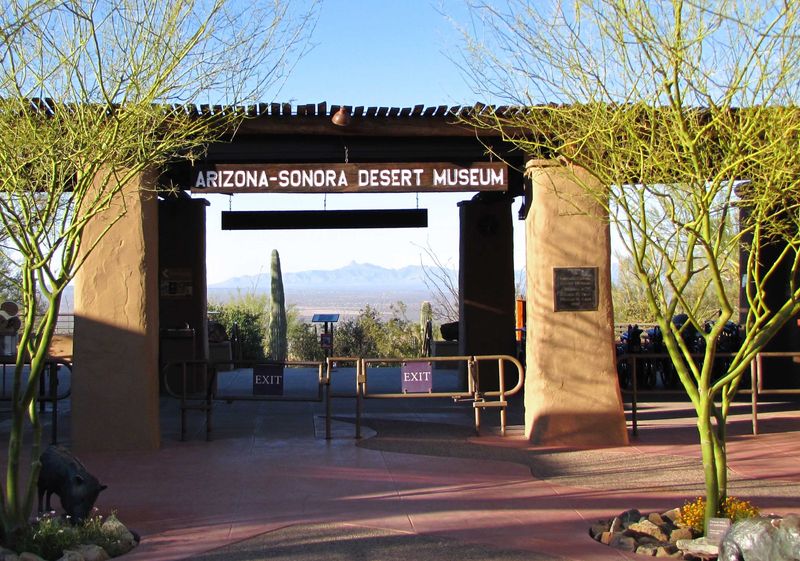
Unlike traditional museums with sterile exhibits behind glass, the Arizona-Sonora Desert Museum immerses visitors in living desert ecosystems that showcase the Sonoran Desert’s incredible biodiversity.
Located about two hours southeast of Phoenix, this innovative attraction combines zoo, botanical garden, aquarium, and natural history museum into 98 acres of outdoor exploration.
Mountain lions prowl through naturalistic habitats while javelinas root in the dirt and Mexican wolves watch visitors with intelligent eyes.
The hummingbird aviary buzzes with dozens of tiny birds zipping past at eye level, their iridescent feathers flashing green and ruby in the sunlight.
Desert gardens display over 1,200 plant species, from towering saguaros to delicate wildflowers that bloom after rare rainstorms.
Educational programs teach visitors about desert adaptation, conservation efforts, and the surprising abundance of life in this seemingly harsh environment.
Nearby, Saguaro National Park protects thousands of the iconic cacti that have become symbols of the American West.
These giants can live over 200 years, growing arms only after decades of slow development in the rocky soil.
Hiking trails wind through saguaro forests where the cacti stand like silent sentinels, some reaching heights of 40 feet or more.
Spring brings spectacular wildflower displays when winter rains have been sufficient, painting the desert floor in yellow, purple, and orange.
The park’s two districts flank Tucson on east and west, each offering different terrain and experiences.
Sunset transforms the landscape into a photographer’s dream as golden light illuminates the cacti against the Rincon or Tucson Mountains.
Together, these attractions reveal the desert’s hidden richness and challenge common perceptions of barren wasteland.
5. Wild West Showdowns in Tombstone
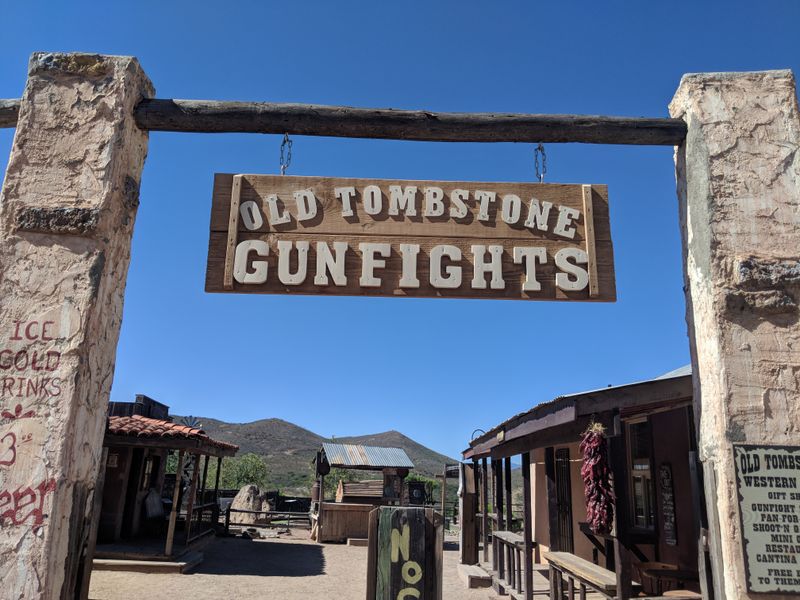
Gunshots echo down dusty streets as actors in period costume reenact the most famous shootout in American frontier history.
Tombstone earned its legendary status on October 26, 1881, when lawmen Wyatt Earp, his brothers, and Doc Holliday faced off against the Clanton and McLaury gang near the O.K. Corral.
The 30-second gunfight left three men dead and cemented Tombstone’s place in Wild West mythology.
Located approximately two hours southeast of Phoenix, the town preserves its 1880s appearance with remarkable authenticity.
Wooden boardwalks line Allen Street where saloons, shops, and museums occupy original buildings that witnessed the town’s silver mining boom.
The Bird Cage Theatre stands frozen in time, its velvet curtains and gambling tables waiting as if the last patron just stepped out.
This notorious entertainment venue once ran 24 hours a day for eight straight years, hosting everything from theatrical performances to poker games and dance hall girls.
Boot Hill Cemetery rests on a hillside above town, where wooden markers and witty epitaphs mark the graves of those who died with their boots on.
Visitors can tour the Tombstone Courthouse State Historic Park, which served as the seat of Cochise County government and now displays artifacts from the silver rush era.
Daily reenactments bring frontier drama to life with surprising humor and historical detail.
Shops sell cowboy hats, turquoise jewelry, and Old West memorabilia while maintaining the period atmosphere.
The town’s commitment to preservation allows modern visitors to walk the same streets where Wyatt Earp enforced the law and fortunes were won and lost.
Tombstone remains too tough to die, welcoming travelers who want to experience authentic Western history.
6. Payson’s Pine-Scented Mountain Escape
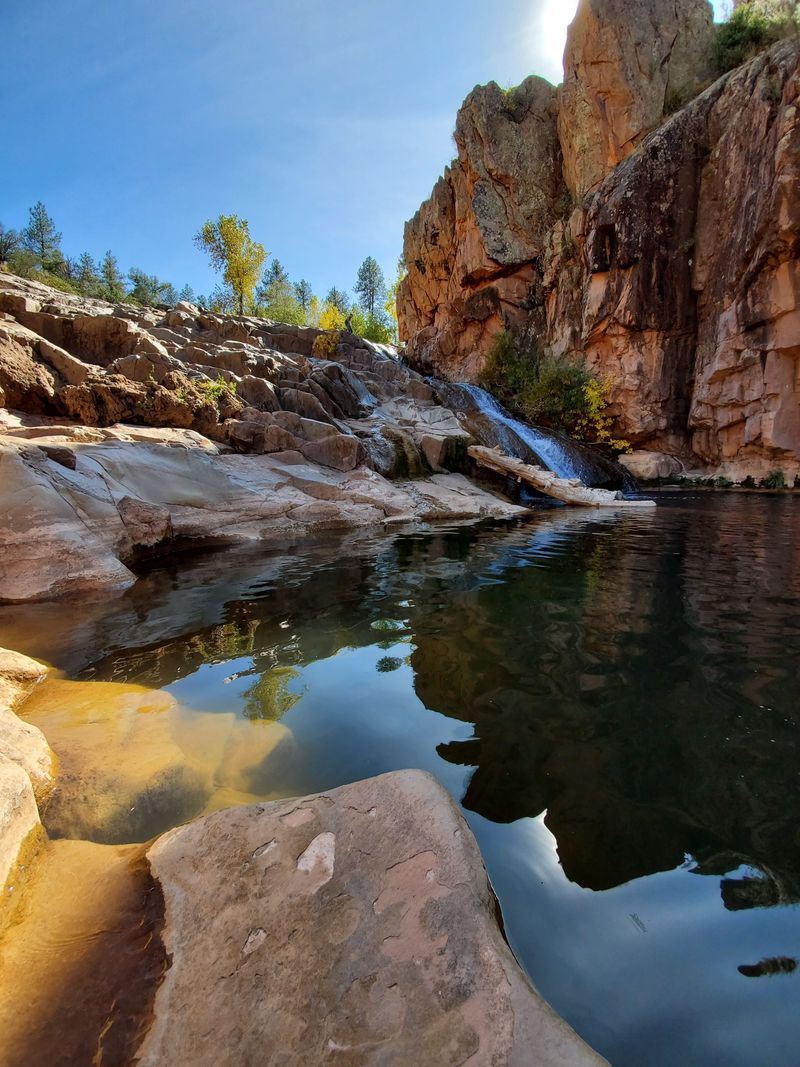
Tall ponderosa pines tower overhead, their vanilla-scented bark warming in mountain sunshine while a cool breeze carries the sound of running water through the forest.
Payson offers Phoenix residents a dramatic climate shift just two hours northeast, where temperatures drop 20 degrees and the landscape transforms from saguaro desert to alpine wilderness.
Sitting at the base of the Mogollon Rim, this mountain town serves as a gateway to some of Arizona’s most refreshing outdoor recreation.
The Rim itself rises as a 200-mile escarpment marking the southern edge of the Colorado Plateau, with sheer cliffs dropping hundreds of feet to the valleys below.
Hiking trails lead to hidden waterfalls that cascade over moss-covered rocks into crystal-clear pools perfect for cooling off on summer days.
Tonto Creek winds through the area, offering excellent trout fishing in waters that remain cold year-round thanks to mountain snowmelt.
Anglers wade into the current, casting flies toward shaded pools where rainbow and brown trout hide beneath overhanging branches.
The Rim Country Museum preserves local history, from ancient indigenous cultures to pioneer settlers and the legendary Zane Grey, who wrote many Western novels in a cabin above Payson.
Scenic drives along the Rim Road provide breathtaking overlooks where visitors can see for miles across forested valleys and distant mountains.
Campgrounds nestle among the pines, offering peaceful nights under star-filled skies far from city lights.
Wildlife sightings are common, with elk, deer, and black bears sharing the forest with hikers and campers.
Payson’s small-town atmosphere includes local restaurants, antique shops, and festivals celebrating the area’s natural beauty and frontier heritage.
The combination of cool temperatures, forest recreation, and mountain scenery makes this destination especially popular during Phoenix’s scorching summer months.
7. Fossil Creek’s Hidden Turquoise Waters
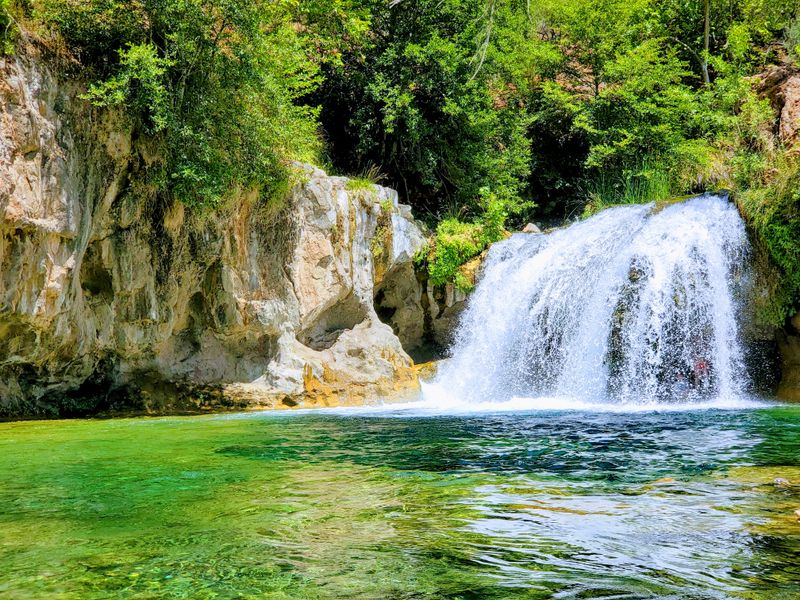
Brilliant turquoise water tumbles over travertine formations in a hidden canyon, creating an oasis so unexpected it seems like a mirage in the Arizona wilderness.
Fossil Creek produces 20,000 gallons of mineral-rich water per minute, bubbling up from underground springs at a constant 70 degrees year-round.
The high calcium carbonate content gives the water its striking blue-green color and builds the creamy travertine deposits that line the creek bed.
Located approximately two hours north of Phoenix, this natural wonder requires advance permits during peak season to protect the fragile ecosystem from overuse.
The hike down to the swimming holes follows a moderate trail that descends through desert vegetation before revealing the lush riparian corridor.
Cottonwood and sycamore trees shade the banks where dragonflies dart above the water and birds sing from hidden perches.
Multiple pools offer swimming opportunities, from shallow areas perfect for wading to deeper spots where visitors can plunge into the refreshing water.
Small waterfalls cascade between pools, creating natural water slides and photography opportunities that capture the creek’s tropical appearance.
The contrast between the surrounding arid landscape and this aquatic paradise makes the experience even more remarkable.
Visitors should bring plenty of water for the hike, as temperatures can soar even though the creek itself remains cool.
The area’s popularity means arriving early helps secure parking and permits, especially on summer weekends when Phoenix residents seek relief from triple-digit heat.
Swimming in these mineral waters feels therapeutic, and many people spend hours floating in the pools or sunbathing on smooth rocks.
Fossil Creek demonstrates nature’s ability to create unexpected beauty in the most unlikely places, rewarding those willing to hike for their slice of paradise.
8. Ancient Mysteries at Casa Grande Ruins
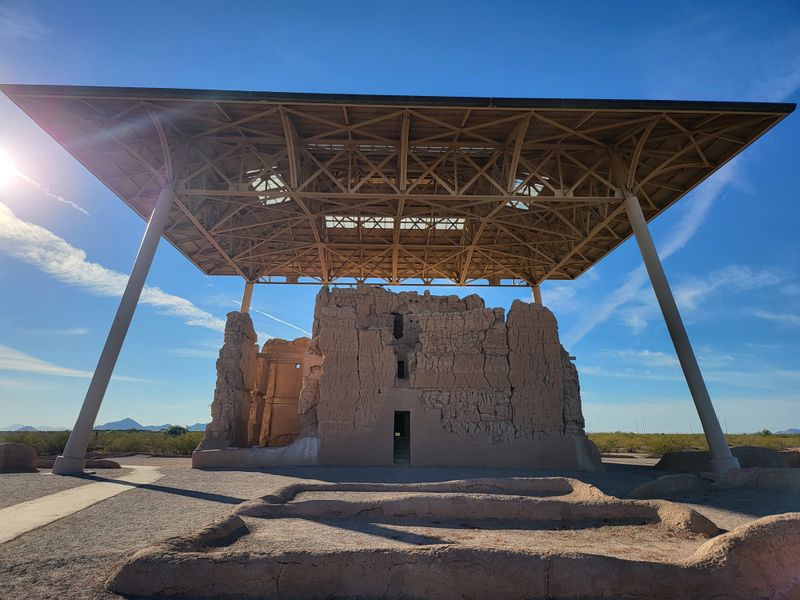
A massive four-story structure rises from the Sonoran Desert floor, its thick caliche walls still standing after more than 650 years of exposure to sun, wind, and rain.
Casa Grande Ruins National Monument preserves one of the largest prehistoric structures ever built in North America, constructed by the Hohokam people around 1350 AD.
About 90 minutes south of Phoenix, this archaeological site offers insights into a sophisticated civilization that thrived in the harsh desert environment for over 1,000 years.
The Great House stands as the centerpiece, built with walls four feet thick at the base and rising to a height that would have dominated the surrounding farmland.
Researchers believe the structure served multiple purposes, possibly as an astronomical observatory, administrative center, or ceremonial building.
Small openings in the walls align with solar and lunar events, suggesting the Hohokam tracked celestial movements to guide their agricultural calendar.
Without metal tools, horses, or wheeled vehicles, these ancient engineers moved massive timbers from mountains 60 miles away to support the roof beams.
The walls consist of caliche, a concrete-like desert soil that hardens when dried, formed using thousands of individual layers.
A protective ramada now shelters the ruins from further weathering, allowing visitors to walk around the base and peer up at the ancient architecture.
The surrounding compound once included additional structures, ball courts, and an extensive canal system that diverted water from the Gila River to irrigate crops.
Interpretive exhibits explain Hohokam culture, from their sophisticated irrigation networks to their trade connections that brought shells from the Gulf of California and macaw feathers from Mexico.
The site raises intriguing questions about why the Hohokam abandoned their settlements around 1450 AD, leaving behind their impressive architectural achievements for future generations to ponder.
Address: 1100 W Ruins Dr, Coolidge, Arizona
Dear Reader: This page may contain affiliate links which may earn a commission if you click through and make a purchase. Our independent journalism is not influenced by any advertiser or commercial initiative unless it is clearly marked as sponsored content. As travel products change, please be sure to reconfirm all details and stay up to date with current events to ensure a safe and successful trip.
