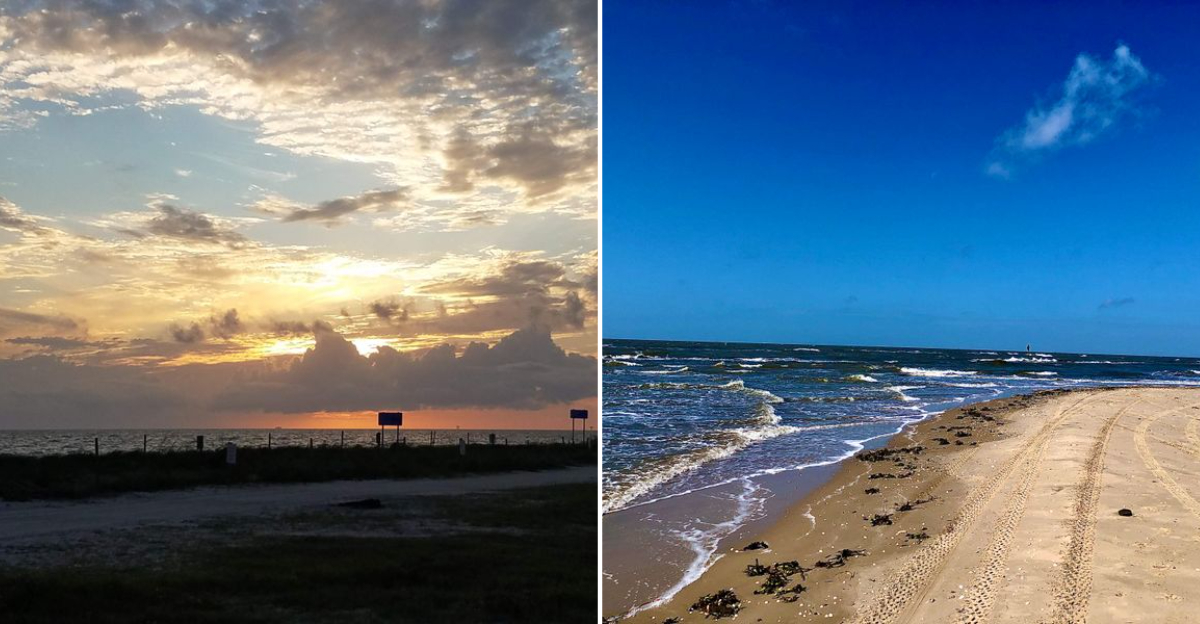
Ever stumbled on a place that felt like your own little secret, only to watch it change once the crowds showed up? That’s what’s happening in Louisiana’s small beach towns.
They used to be the kind of spots where you could relax without the noise, grab fresh seafood without waiting in line, and feel like you were part of the local rhythm.
Now, those same towns are filling up fast. Tourists, rentals, and weekend parties are taking over, and the quiet charm that made them special is starting to fade.
The beaches feel busier, the streets more crowded, and the easygoing vibe is harder to find.
It’s a tough balance, everyone wants to enjoy these places, but too much attention can change them forever.
So the real question is: can these towns hold on to what made them unique, or are they destined to become just another busy beach stop?
Curious to find out how this story unfolds? Make sure to keep on reading.
1. Grand Isle
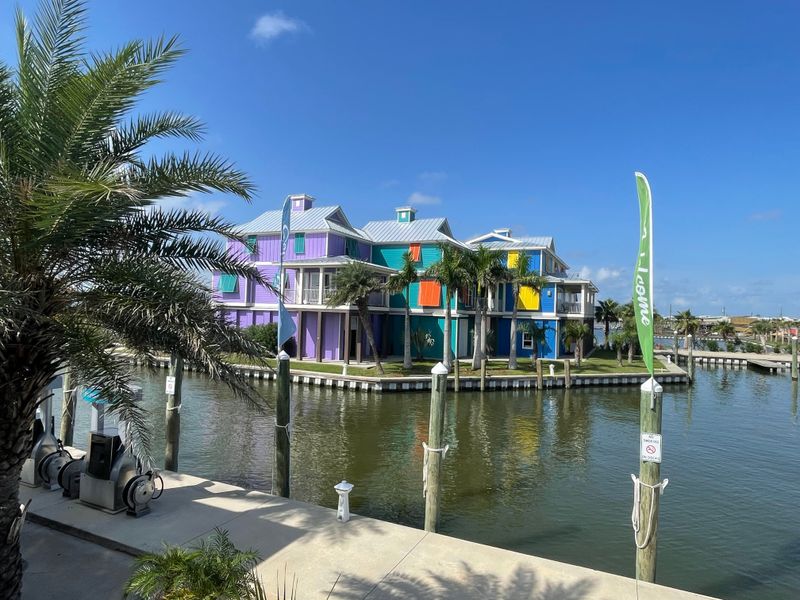
You can feel it the second you hit the bridge into Grand Isle. On a quiet day, the wind barely raises its voice and the Gulf slides in like a long breath.
Walk the sand and you hear gulls, your own footsteps, and not much else. Then the busy times arrive and the island changes mood.
Traffic piles up, side streets get jammed, and the beach access that felt open suddenly turns into a line of cars.
Locals say the rhythm goes from steady to rushed, and you notice it in how long everything takes.
I like to come early in the week because the island remembers itself then. You can park without circling and listen to the docks creak.
It feels like the small Louisiana town it is, not a destination. But festival weekends bring crowds that pack every rental and squeeze the shoreline.
Anglers flood in during heavy fishing periods, and even the quiet backroads feel busy. The charm is still there, but you have to look past the noise.
If you want that softer version, plan around the surge and keep your plans flexible. Watch the weather, skip obvious peak days, and drift toward sunrise.
The beach shows more kindness when everyone else is sleeping. You will hear conversations from porches, not engines.
And when the island breathes again, you will hear it too.
2. Holly Beach
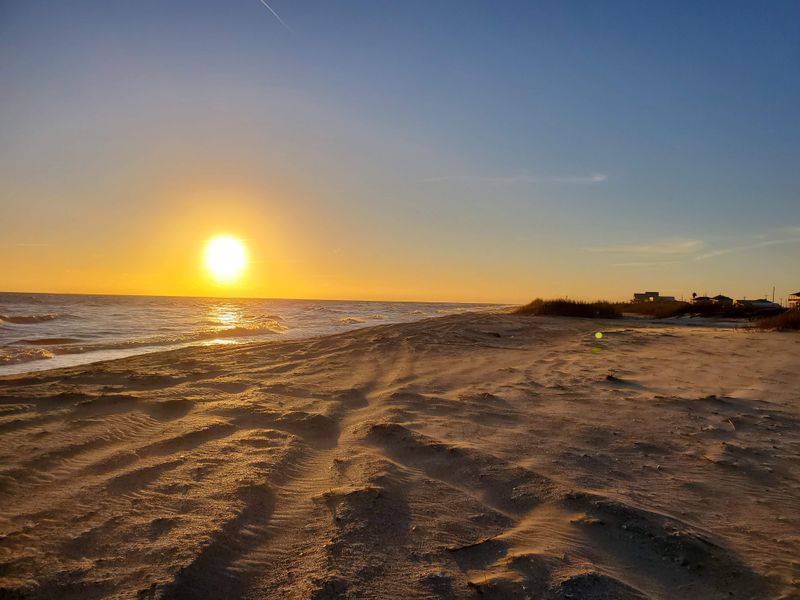
Holly Beach sneaks up on you. The road flattens out and then there is sand, sky, and a line of raised camps that look like they are watching the water.
When it is slow, the place feels like a conversation spoken softly. But word got around, and weekends now stack up with cars and day tents.
The shoulder turns into parking. The two lane pace slows to a crawl and you feel every stop.
Locals told me the change came little by little. At first it was just a few extra trucks.
Now a sunny Saturday pulls people from all over Louisiana, and the beach takes on a crowded personality that does not fit its bones.
The infrastructure stays simple, which is part of the charm. It also means lines for everything and nowhere quiet to sit.
That easy rhythm vanishes once the first wave of visitors spreads out.
If you are chasing the calm version, aim for off times. Arrive after sunrise or slip in late afternoon when the tide of people turns.
Walk past the first cluster and keep going until you only hear the surf again. Holly Beach still rewards patience.
The breeze feels softer when the traffic fades, and the horizon opens up in a way that resets your day.
3. Rutherford Beach
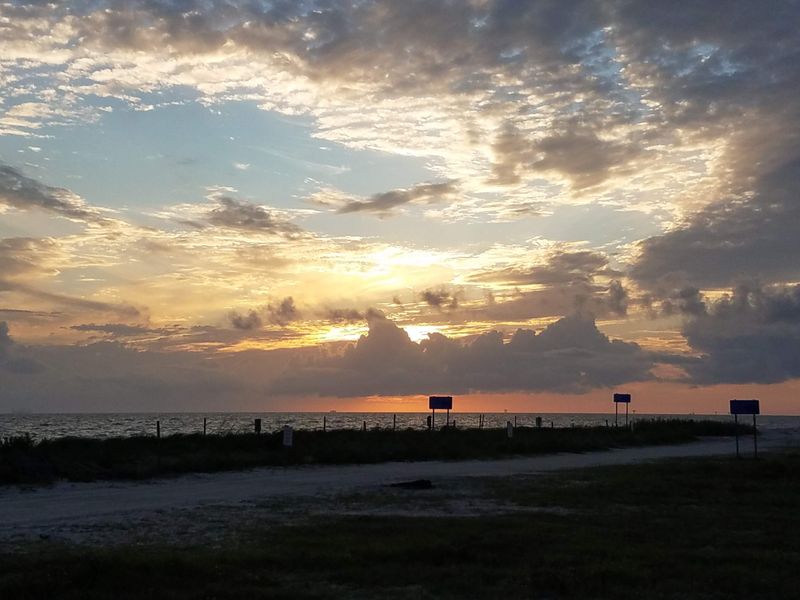
Rutherford Beach used to feel like a secret you could keep. The sand crunches with shells and the Gulf sits close, almost level with your gaze.
On a quiet morning you can walk for a while and not see anyone. That changed as more visitors showed up on weekends.
Parking gets crowded and the shoreline fills with groups that stay for hours. The beach feels narrower when every patch of sand is claimed and the simple vibe starts to slip.
What I love here is the sound the shells make underfoot. It is an old kind of music that stays with you.
But when the lot overflows, that music gets drowned out by engines and chatter. You feel it most near the access points, where everything funnels together.
Locals say the beach flips from peaceful to busy without any warning, usually tied to good weather and shared plans.
If your goal is calm, slide your visit away from the usual pattern. Go early, keep your setup small, and drift down the shoreline until the groups thin out.
Bring patience and a good hat. The reward is that pocket of quiet where the sea takes over again.
4. Cameron
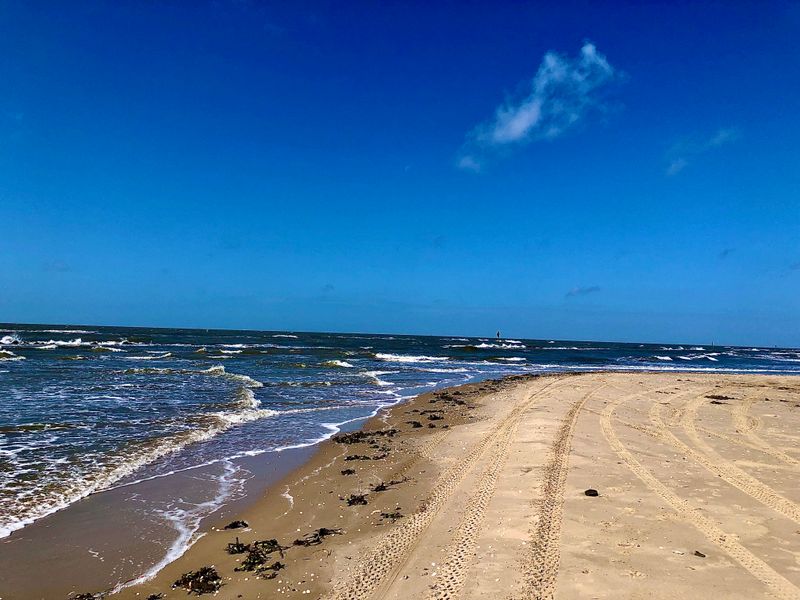
Cameron is a working town first, and you feel that as soon as you arrive. Boats, docks, and trucks tell the story better than any sign.
It is quiet in a sturdy way on regular days. Then holiday periods and fishing highs bring a rush of visitors headed for the nearby beaches.
The roads tighten up and the services everyone shares get stretched. Locals say the pace jumps a gear and the town feels different until the rush passes.
I like to sit by the water and watch the tide do what it has always done. Simple scenes hold up well when there is room to breathe.
But crowds flood through faster than you would expect. Traffic backs up near the main routes, and even quick errands start to take time.
When it gets like that, the town feels less like a pause and more like a hallway everyone is running through.
5. Creole
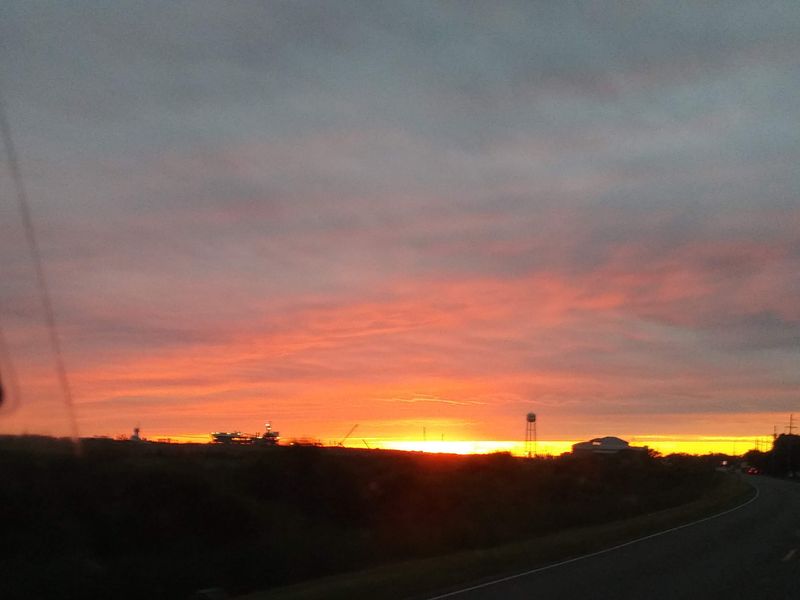
Creole feels like a pause button. The town sits close to long stretches of shoreline, and most days you can hear the wind moving through grass.
It is tiny, which is part of why the quiet carries so far. But when nearby beaches get popular, spillover lands here fast.
A handful of extra vehicles can tilt the balance.
I think weekends get busy in a way that feels sharp, not festive, and the tone of the place shifts.
I like how the horizon stacks up out here: marsh, road, sky, and then the Gulf somewhere beyond it all. Give it time and your shoulders drop.
Still, a surge of visitors squeezes parking and turns simple stops into a search. Locals say that is when routines get interrupted.
Everything takes longer and the small town mood gets diluted.
To keep Creole feeling like Creole, arrive outside the common window. Slide in midweek or catch sunrise and keep your footprint light.
Park once and wander slowly. You will find that the quiet returns quickly when the traffic thins.
That is the version that makes you want to stay a little longer and just watch the light change.
6. Shell Beach
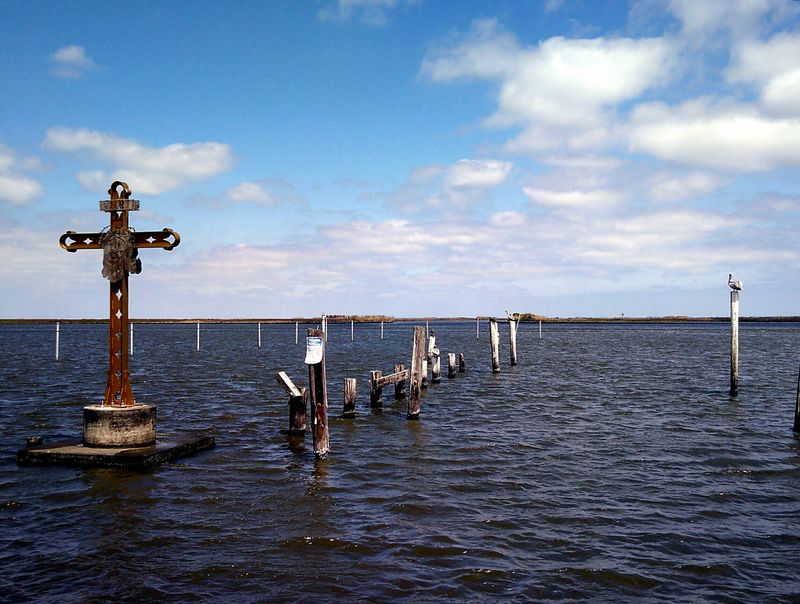
Shell Beach works like a doorway to the Gulf. Boats slip out, lines get set, and the town hums with practical energy.
On normal days the parking feels easy and the water lanes stay calm. When tourism and recreation ramp up, the switch flips fast.
Traffic tightens, lots fill, and launch spots stack with people waiting their turn. Locals say the busy weekends land like a sudden gust.
I like the stripped down feel here. You come to do a thing and then you do it.
There is a focus that makes sense. But the tempo jumps in peak stretches and that focus scatters.
You may spend more time in the lot than near the water. By afternoon, the squeeze can make patience feel like the whole activity.
The way around it is simple. Arrive early or slide in late, watch the pattern, and be ready to pivot to a quieter corner.
Keep gear light and decisions lighter. When the lanes open and the chatter fades, Shell Beach shows its easy side again.
You hear rigging, a soft splash, and that is enough.
7. Venice
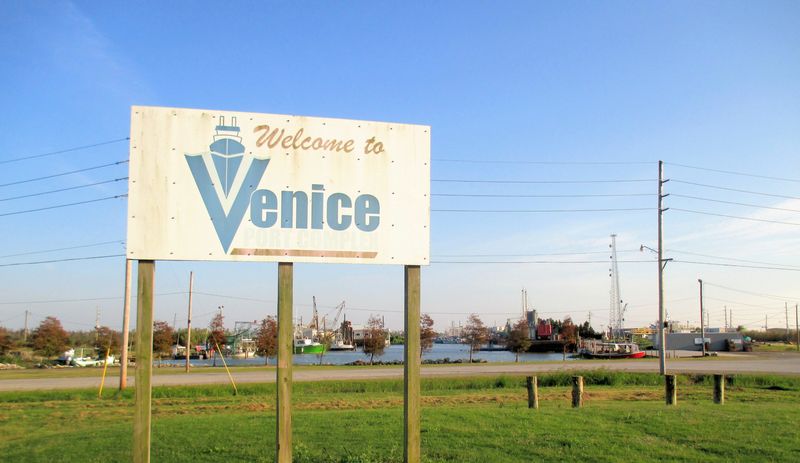
Venice lives at the edge. It is not a classic beach town, but the Gulf is right there and that access draws people.
On a slow day it feels like the end of a long sentence. Then the fishing crowd arrives and fills everything.
Roads, rooms, and parking compress into a tight grid. The isolation that feels peaceful turns into a funnel with noise.
I keep coming back because the landscape feels raw. Water cuts through land in every direction and the air sits heavy.
There is a sense that the coast is steering the day. During heavy visitation, though, that mood gets crowded out.
You measure time by how long it takes to move a mile. Locals say the quiet evaporates when the first wave rolls in.
If you want Venice to be gentle, aim off peak and stay nimble. Early starts help, and so does a mindset that values gaps in the day.
Take the slower road when you can and let the place set the pace. The reward is that calm pocket where the end of the road actually feels like an end, not a waiting room.
You will know it when you hear the water again.
8. Delacroix
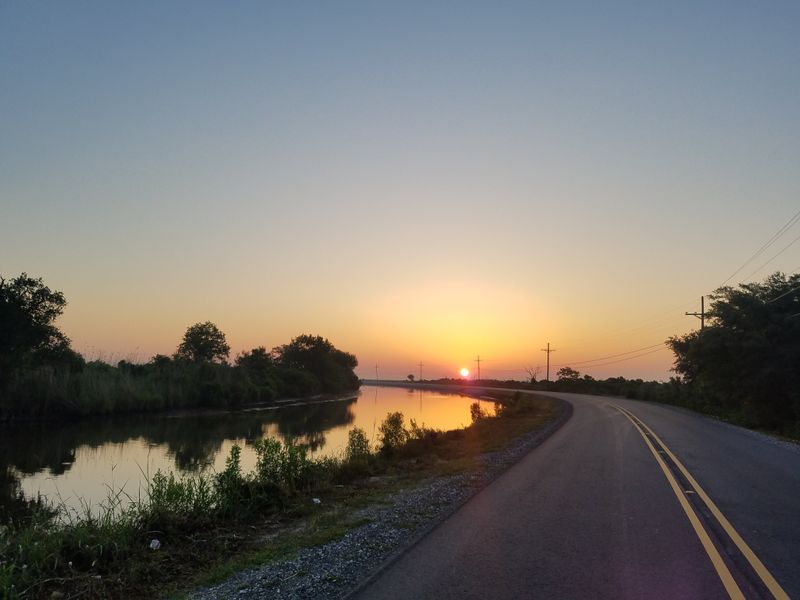
Delacroix sits close to marsh, not broad sand, and that gives it a different kind of calm. On weekdays you can hear boat wakes tapping the pilings.
The town feels personal, like the water knows your name. Tourism has grown steady here, tied to coastal recreation.
Boat traffic multiplies on weekends and the narrow routes fill up. The mood shifts from neighborly to crowded fast.
I like to slow down and match the pace of the bayou. Watch the light on the grass and the ripple lines breaking apart.
It feels like time is stretching, not passing. But when the surge hits, the routine gets choppy.
Launch areas stack with trailers. Conversations get shorter because everyone is moving.
To meet Delacroix on its best day, plan around the weekend rush. Arrive early, keep gear trimmed down, and be open to a quieter side canal.
When the traffic thins, the old feeling returns. The air sounds bigger and the water looks closer.
That is the version worth chasing across Louisiana.
9. Cocodrie
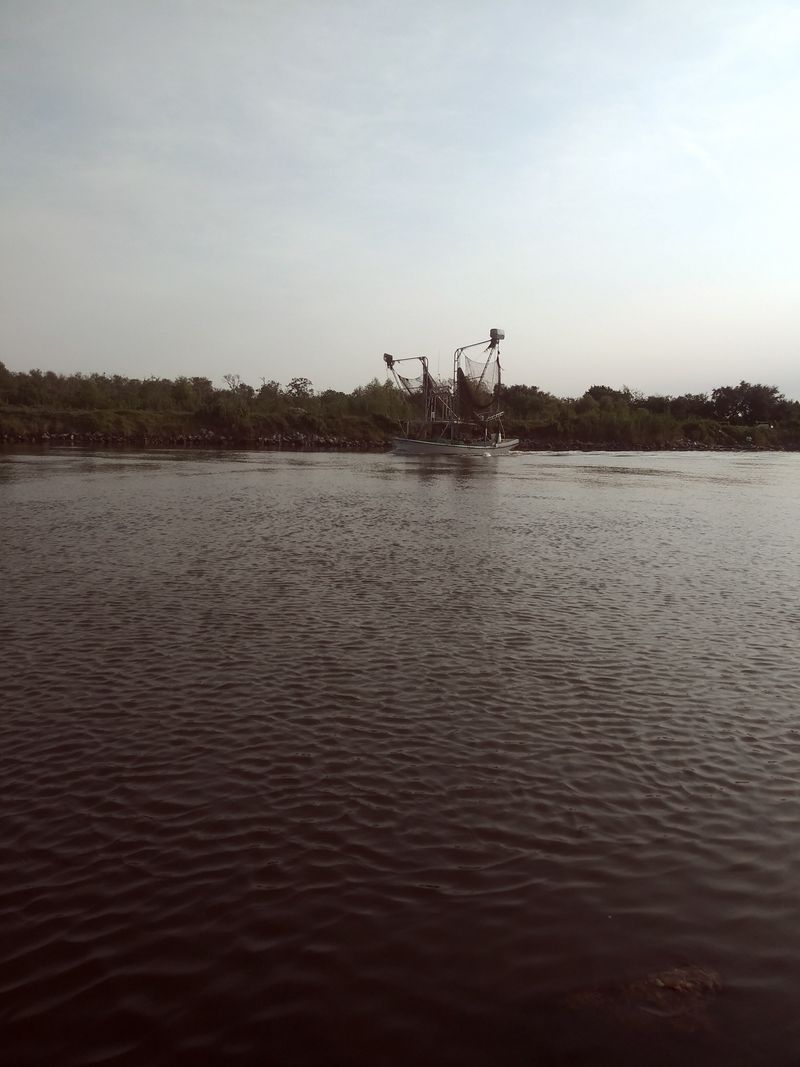
Cocodrie felt almost secret the first time I rolled in. The road skims over marsh and the houses stand on legs above the water.
On a weekday, the quiet is deep and you can hear ropes tapping masts. Fishing and eco tourism have grown, and crowds now arrive in waves.
Limited services stretch thin and the calm breaks apart. Locals say weekdays feel one way, weekends another.
I am drawn to the light out here. It moves slowly across open water and makes everything look softer.
When it is calm, you can settle into that mood like a chair. Then a busy period drops in and the narrow roads jam.
Parking turns into a hunt, and the easy drift of the day disappears. It is a quick flip from peaceful to pressured.
If you want that early Cocodrie feeling, time your trip with care. Arrive outside the common window and travel light.
Pick a spot, breathe with it, and move on if it gets busy. The reward is a quiet that feels earned.
You leave with salt in the air and the sound of water in your head, which is exactly why you came.
10. Port Fourchon
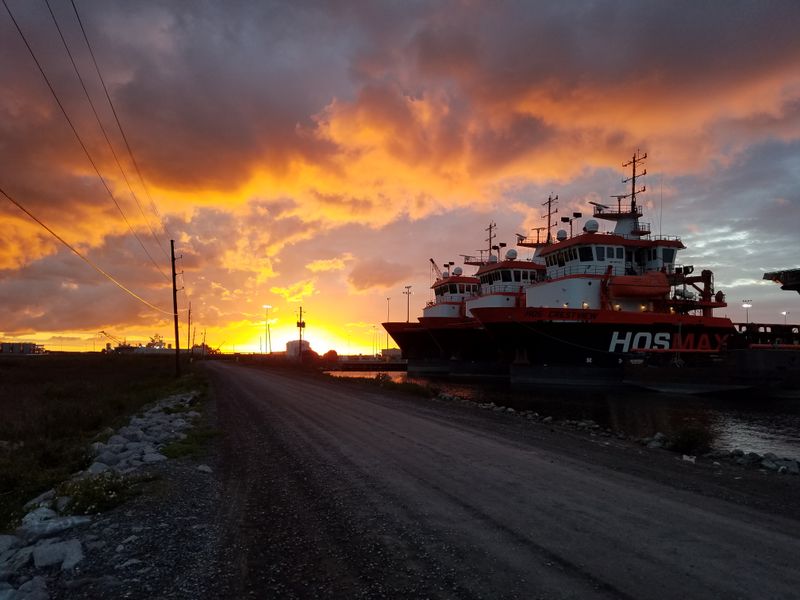
Port Fourchon is built for work, not leisure, and that sets the tone. The roads carry heavy traffic even on quiet days.
Still, the Gulf sits close and visitors come through during busy coastal seasons. When that spike hits, congestion compounds.
You can feel the strain in every merge and turn. Locals say tourism adds pressure to a place already carrying a lot.
I come here for the stark beauty. There is a raw, utilitarian horizon that feels honest.
On a slow stretch, you can stand near the water and hear metal tick in the sun. Then a busy weekend lands and the motion never stops.
Parking disappears, tempers shorten, and the sense of space folds up. It is not designed to absorb extra people gracefully.
To keep sanity, plan your pass through with margins. Aim outside the usual rush and keep routes flexible.
If it tightens up, do not force it. Wait for the flow to ease, then swing back to the coast.
The state has many ways to touch the Gulf, and this one asks for patience when the calendar spikes.
